Are Infrared Heaters More Efficient Than Regular Electric Heaters?
Infrared heaters can be more energy efficient in specific situations by heating objects and people directly, rather than the air. Regular electric heaters warm the air, which can escape easily, making them less efficient for spot heating or in drafty areas.
Understanding How Electric Heaters Work
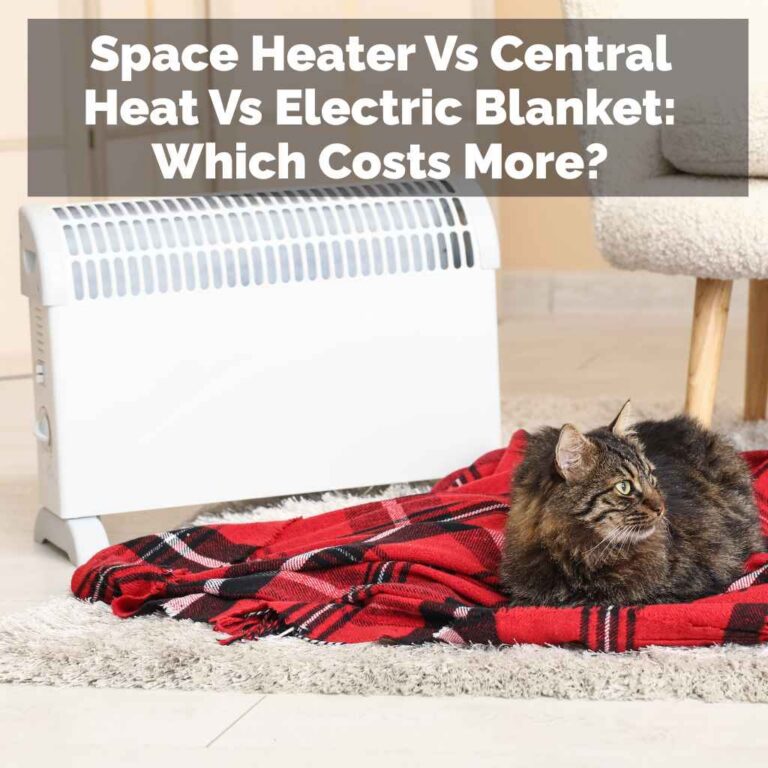
Most people are familiar with regular electric heaters. These are often called convection heaters or resistance heaters. They work by passing electricity through a coil or wire. This coil gets very hot. A fan then blows air over the hot coil. The warmed air is pushed out into the room. This is how the room heats up. It’s like a big hairdryer, but for your whole living space.
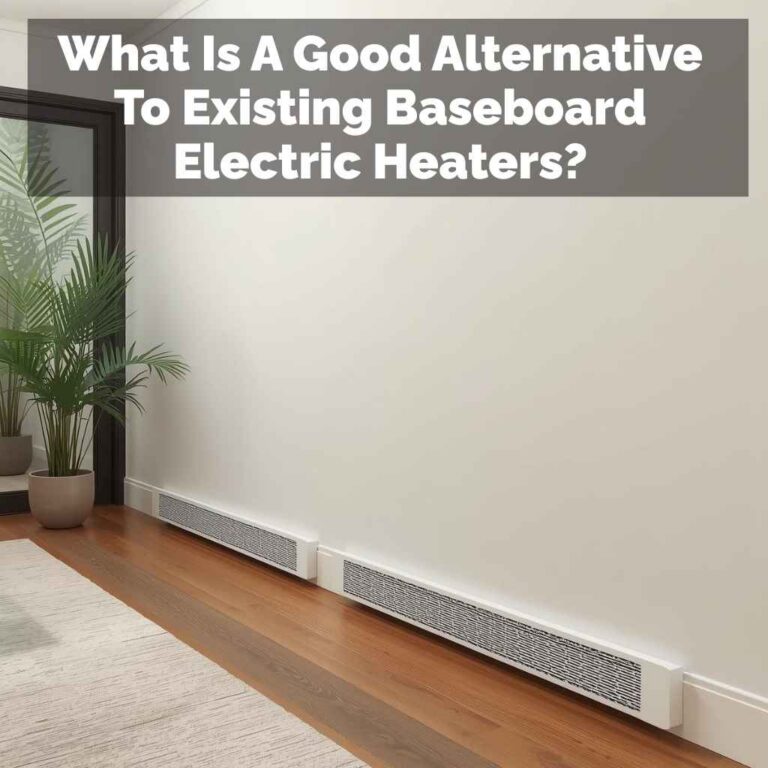
Think about your typical space heater with a fan, or even the baseboard heaters in older homes. They all use this principle. The goal is to raise the temperature of the air surrounding the heater. This warm air then circulates throughout the room. As the warm air rises and cools, it creates a convection current. This helps to slowly warm the entire space.
The energy they use is pretty straightforward. Most electric resistance heaters are about 100% efficient in converting electricity into heat. This means almost all the electricity they consume turns into warmth. So, for every watt of power they use, you get a watt of heat. This sounds great on the surface. But, the way they deliver that heat is where things get interesting.
What is Infrared Heating?
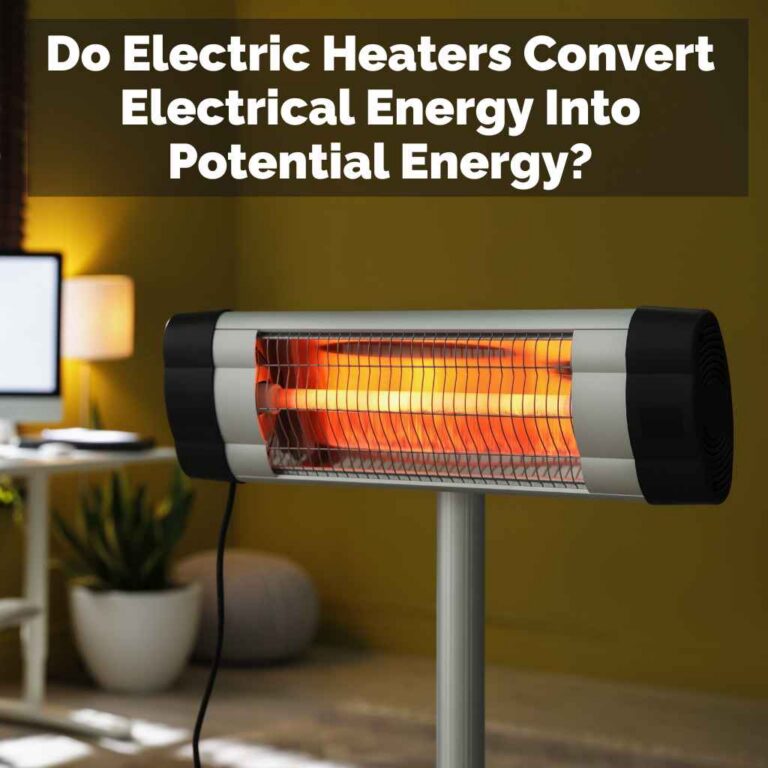
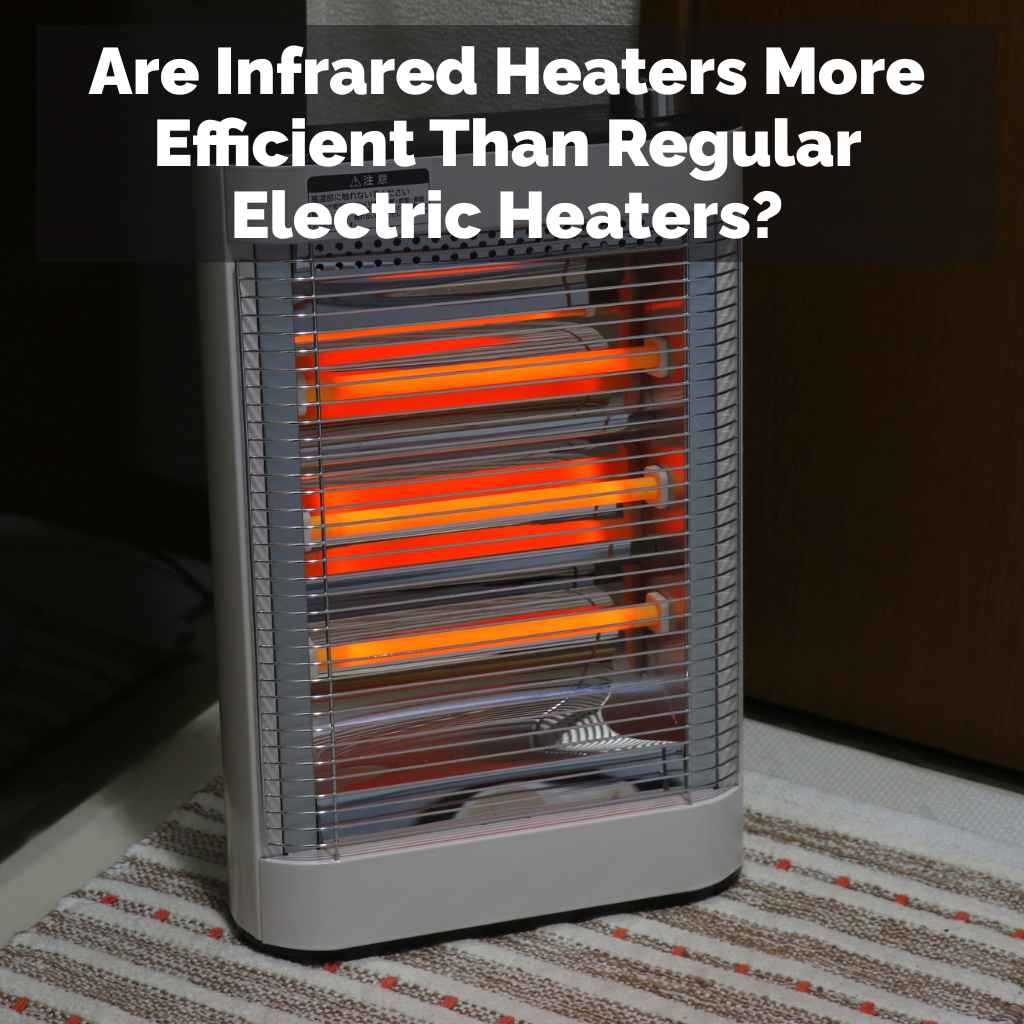
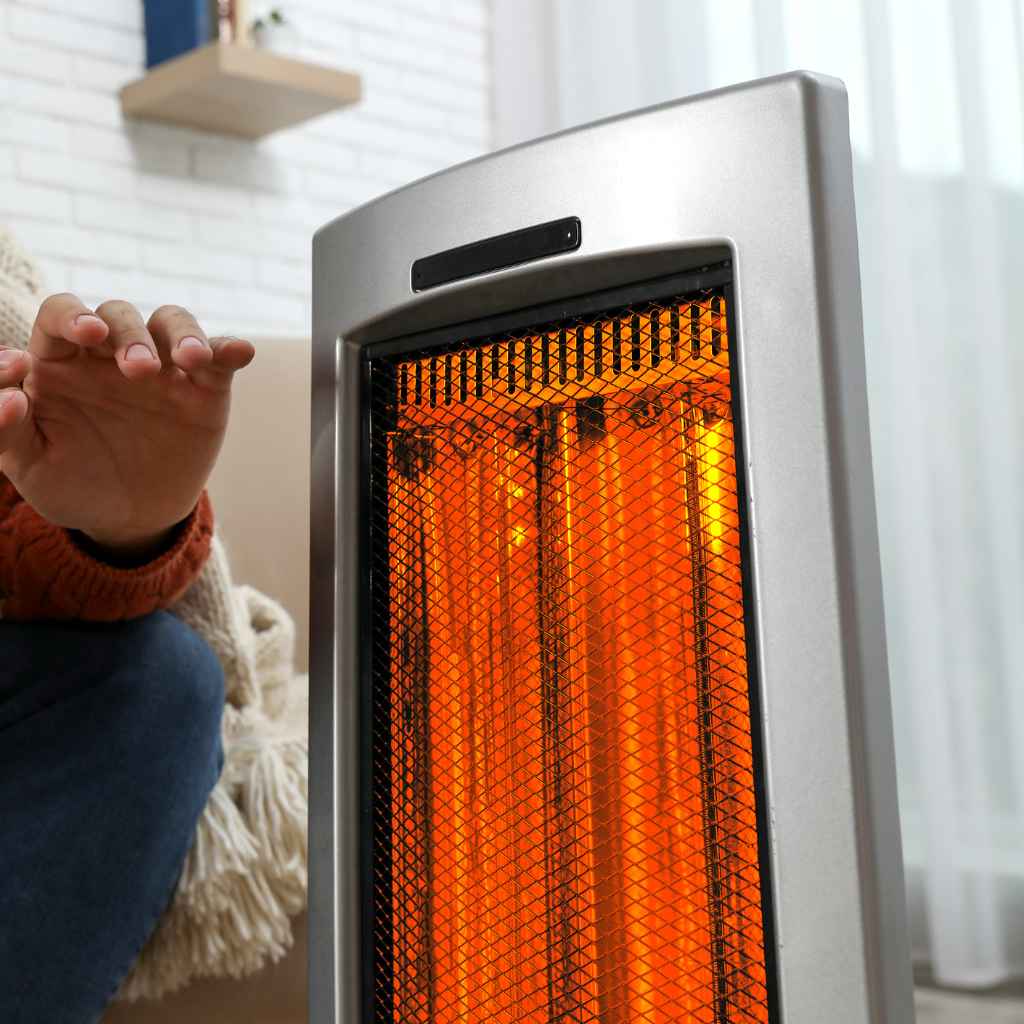
Infrared heaters are a different beast. Instead of heating the air, they heat objects and people directly. They do this by emitting infrared radiation. This is a type of light that we can feel as heat. It’s the same kind of heat you feel from the sun on a cool day, or from a warm campfire.
When infrared heat waves hit a surface, like your skin, a wall, or a piece of furniture, they are absorbed. This absorption warms the object directly. The air itself is not heated much, if at all, by the infrared waves. This is a key difference from how regular electric heaters work. It changes how the warmth feels and where it goes.
The heat from an infrared heater feels instant. As soon as you step in front of one, you feel its warmth. This is because the radiation is hitting you directly. It doesn’t have to wait for the air to warm up and then transfer heat to you. It’s a more targeted way of delivering warmth.
Efficiency Comparison: The Core Difference
Here’s where the efficiency question gets answered. Regular electric heaters heat the air. This air can easily escape. Imagine opening a door or window. All that warm air just floats right out. Even in a well-sealed room, air can become stale and less effective at holding heat over time. This means the heater has to work harder and longer to maintain a comfortable temperature.
Infrared heaters, however, bypass the air. They send their heat waves directly to surfaces. These surfaces then absorb the heat and re-radiate it. This means the warmth is felt much more directly on people and objects. The air temperature might not rise as dramatically, but you feel warmer because your body is absorbing the radiant heat.
This direct heating method is why infrared heaters can be more efficient for certain uses. If you only need to warm a small area, like your workspace or a reading nook, an infrared heater is perfect. It warms you, not the whole room. This saves energy because you’re not trying to heat empty space. You’re targeting the heat where you need it most.
Consider a large, drafty garage or workshop. A convection heater would struggle to keep the air warm. It would constantly be fighting drafts. An infrared heater, though, would warm you and the tools you’re working with. The air might still be chilly, but you would feel much more comfortable. This targeted approach is its big advantage.
Key Efficiency Factors
- Method of Heating: Convection vs. Radiation.
- Area to Heat: Whole room vs. Specific zones.
- Draftiness: How well the space is sealed.
- Occupancy: Heating empty spaces wastes energy.
Energy Consumption: Watts vs. Output
Both types of heaters use electricity. A 1500-watt heater, whether infrared or convection, uses 1500 watts of power. They both draw the same amount of electricity when running at full power. The difference isn’t in the power draw, but in how that power translates into actual comfort and warmth that lasts.
For a regular electric heater, 1500 watts of electricity becomes 1500 watts of heat added to the air. If that air leaks out, the energy is wasted. You paid for heat that didn’t keep you warm. For an infrared heater, those 1500 watts are converted into infrared radiation. This radiation directly warms surfaces. It’s like turning electricity into light you can feel, but it’s focused light.
So, while the wattage might be the same, the perceived warmth and comfort can be very different. You might feel perfectly comfortable with a 1000-watt infrared heater warming you at your desk. However, you might need a 1500-watt convection heater running constantly to achieve the same level of comfort in a larger, draftier room.
This means that for localized heating, an infrared heater can achieve your desired comfort level using less energy overall. You’re not trying to heat the entire volume of air in your house. You’re just warming yourself up. This is a huge win for energy saving, especially in older homes or spaces that are hard to keep warm.
Real-World Scenarios
I remember one particularly cold winter in my first apartment. It was an older place with single-pane windows and poor insulation. The heating system was electric baseboard heaters. They would run constantly, but the air felt thin and cool. Drafts seemed to sneak in everywhere. I’d pile on sweaters, but still feel chilly.
One evening, a friend brought over a small, portable infrared panel heater. It was slim and hung on the wall. I plugged it in near my desk where I worked late. Within minutes, I felt a gentle, comforting warmth radiating from it. It was like sitting in a patch of sunshine. The air temperature around me wasn’t drastically higher, but I felt so much cozier. I wasn’t constantly getting up to put on another layer. I could focus on my work.
That experience really hammered home the difference. For that specific need – warming my immediate personal space – the infrared heater was far more effective and likely more energy-efficient than trying to crank up the central heating or use a fan-forced heater that just pushed air around.
Think about your home. Do you have a home office that’s always a little cooler than the rest of the house? Or maybe a basement den that never quite feels warm enough? These are prime spots for infrared heaters. They can provide targeted warmth without the expense of heating the entire home to a higher temperature.
Factors Affecting Efficiency
While infrared heating sounds great, its efficiency isn’t always a slam dunk. Several factors play a role. The size of the heater matters, of course. A small infrared heater won’t warm a huge room. You need to match the heater’s output to the space you want to warm.
The insulation in your home is also a big deal. If your walls and windows are well-sealed, both types of heaters will perform better. But, if you have a lot of drafts, a convection heater will struggle. The warm air will escape, and the heater will run more. An infrared heater will still warm you directly, but the lack of insulation can make the overall feeling of warmth less consistent.
The height of ceilings can also influence how well convection heaters work. Hot air rises. In rooms with very high ceilings, the warm air might stay up near the ceiling. It takes longer for it to reach you down on the floor. Infrared heat travels in a straight line. It doesn’t rely on air currents to reach you.
Infrared vs. Convection: At a Glance
| Feature | Infrared Heater | Regular Electric Heater (Convection) |
|---|---|---|
| Primary Heating Method | Radiant heat (heats objects/people) | Convection (heats air) |
| Speed of Warmth | Instant feeling of warmth | Takes time for air to heat up |
| Efficiency in Drafty Areas | More efficient (heats objects directly) | Less efficient (warm air escapes) |
| Best Use Cases | Spot heating, workshops, offices, supplemental heat | Whole-room heating (if well-insulated), quick air warming |
| Air Quality Impact | Doesn’t dry out air as much, no fan noise | Can dry out air, fan noise, can circulate dust |
When is Infrared Most Efficient?
Infrared heaters shine brightest in specific scenarios. They are incredibly efficient for spot heating. This means warming just you, or a small area where you spend time. Think of a home office, a reading corner by the window, or a bathroom that needs a quick boost of warmth in the morning.
They are also great for supplemental heating. If your main heating system struggles to keep certain rooms warm, an infrared heater can take the edge off. It allows you to turn down the central thermostat slightly and rely on the infrared heater for personal comfort. This can lead to significant savings on your energy bill.
Outdoor spaces like covered patios or garages can also benefit. Convection heaters are almost useless in these environments due to constant airflow. Infrared heaters can provide a comfortable zone of warmth, extending the usability of these spaces. It’s like creating a cozy bubble wherever you place it.
Another benefit is their quiet operation. Unlike convection heaters with fans, most infrared heaters are silent. This makes them ideal for bedrooms or quiet living areas where noise can be a disturbance. The gentle, radiant warmth feels natural and soothing.
When Might Regular Electric Heaters Be Better?
Regular electric heaters, particularly convection models, can be effective when you need to heat an entire room quickly and uniformly. If your home is well-insulated and draft-free, a good convection heater can maintain a consistent temperature throughout the space.
They are often less expensive to purchase upfront than some of the more advanced infrared models. If you just need a basic, no-frills way to take the chill off a small, enclosed room for a short period, a simple electric heater might suffice. Their straightforward design means less can go wrong.
Also, for some people, the feeling of warm air circulating is more comforting. They prefer the ambient warmth that a convection heater provides, even if it takes longer to achieve and might be less energy-efficient in certain situations. It’s a matter of personal preference and how you experience heat.
However, it’s crucial to remember that even in well-insulated homes, heating the air is less direct than heating objects. Over time, the constant need to reheat escaping air can add up on your electricity bill. This is where the efficiency advantage of infrared truly begins to show.
Myth vs. Reality: Infrared Heating
Myth: Infrared heaters dry out the air more than electric heaters.
Reality: Both types of electric heaters can affect humidity. However, infrared heaters don’t use fans to circulate air, so they are less likely to stir up dust and dry out the air compared to fan-forced convection heaters.
Myth: Infrared heaters are unsafe because they produce “rays.”
Reality: Infrared radiation is a natural part of the light spectrum. It’s what makes the sun feel warm. Modern infrared heaters are designed with safety features and are perfectly safe for home use.
Understanding Thermostat Settings and Comfort Levels
How you use the thermostat makes a big difference. With a regular electric heater, you set the thermostat to a desired air temperature. The heater runs until that temperature is reached, then cycles off. It might cycle on again soon if the air cools down or escapes.
With an infrared heater, you might set it to a comfortable level for yourself. You don’t necessarily need to heat the air to a high temperature. You feel warm because you are directly absorbing the radiant heat. This means you can often set the overall room thermostat lower.
For example, you might feel perfectly comfortable sitting in a 68°F (20°C) room if you are directly warmed by an infrared heater. A convection heater might require you to set the thermostat to 72°F (22°C) or higher to achieve the same feeling of comfort, especially if the room is drafty. This difference in thermostat setting can lead to significant energy savings.
It’s about perceived warmth. Your body absorbs infrared heat directly. This raises your body temperature directly, giving you a sense of comfort. Convection heat relies on warming the air around you, which then transfers heat to your skin. If that air is constantly moving or escaping, the transfer is less effective.
Potential Downsides of Infrared Heating
While efficient, infrared heaters aren’t a magic bullet for every situation. One key point is that they don’t heat the air. If you need to warm up a space quickly before entering it, like a large garage you’re about to work in, an infrared heater might not be the best choice initially. It will warm you once you’re in the space, but it won’t pre-warm the air for you.
They also heat in a direct line of sight. If something is blocking the path of the infrared waves, that area won’t be heated. For instance, if you’re sitting behind a large sofa, you won’t feel the direct warmth from an infrared heater placed in front of it.
The initial cost of some infrared heaters can also be higher than basic electric resistance heaters. While they can save money on energy bills over time, the upfront investment needs to be considered. The quality and type of infrared heater can vary widely, affecting both price and performance.
Finally, while they don’t dry out the air as much as some fan-forced heaters, any electric heater does consume energy that might otherwise go to other uses. They are not a replacement for proper home insulation and sealing. They are a tool to enhance comfort and potentially save energy when used wisely.
Quick Tips for Maximizing Heater Efficiency
- Seal Drafts: Check windows and doors for air leaks. Use weatherstripping or caulk.
- Insulate: Good insulation in walls and attics makes any heater more effective.
- Use Thermostats Wisely: Set thermostats lower when you’re away or sleeping.
- Zone Heating: Use infrared heaters for areas where you spend the most time.
- Close Doors: Keep doors closed to the rooms you are heating.
- Right Size: Ensure your heater is appropriate for the room size.
What This Means for Your Home
Understanding the difference between infrared and regular electric heaters helps you make smart choices for your home. If your goal is to save energy and heat only the areas you need, an infrared heater is likely more efficient for you.
This is especially true if you have specific cold spots, a home office that needs targeted warmth, or a living space where you spend most of your time. You can use it to supplement your main heating system and potentially lower your overall energy consumption. It offers a comfortable warmth that feels more direct and less reliant on air temperature alone.
However, if you need to warm a large, well-insulated space evenly and quickly, and upfront cost is a major concern, a good quality convection heater might still be a suitable choice. But always remember that heating the air is less efficient than heating objects and people directly.
The key takeaway is that “efficiency” isn’t just about wattage. It’s about delivering warmth where and when you need it. Infrared heating excels at providing comfort without wasting energy heating unoccupied spaces or constantly fighting heat loss through drafts.
When to Worry About Your Heater
Regardless of the type of electric heater you use, there are times when you should pay attention to its performance. If your heater suddenly starts making unusual noises, like grinding or loud humming, it might indicate a problem with the fan motor (for convection heaters) or internal components.
A burning smell is another sign of trouble. This could be dust accumulating on the heating element or a more serious electrical issue. Always unplug the heater immediately if you detect a burning smell and inspect it carefully. If you’re not comfortable doing so, it’s best to call a professional or replace the unit.
If your heater is not producing as much heat as it used to, even when set to high, its heating elements might be nearing the end of their lifespan. For convection heaters, a malfunctioning fan can also significantly reduce their heating output.
For infrared heaters, check the emitters or panels. If they appear cracked, damaged, or are not glowing (if applicable), they may need replacement. Always follow the manufacturer’s instructions for maintenance and safety checks. Never attempt to repair a heater yourself if you are unsure of what you are doing.
Quick Fixes and Tips
Clean Your Heater: Dust and debris can clog vents and heating elements, reducing efficiency. For convection heaters, carefully vacuum the air intake and exhaust grilles. For infrared heaters, gently wipe down the panels with a dry or slightly damp cloth, following manufacturer instructions.
Check Power Cords: Ensure power cords are not frayed or damaged. A damaged cord is a fire hazard and can prevent the heater from working correctly.
Placement is Key: For convection heaters, place them in an open area where air can circulate freely. For infrared heaters, position them to face the area or people you want to warm. Avoid placing them directly behind furniture or curtains.
Use Timers: Many heaters come with built-in timers. Use them to automatically turn off the heater when you leave a room or go to sleep, preventing wasted energy.
Thermostat Accuracy: If your heater has a thermostat, ensure it’s accurate. You can test this by placing a separate thermometer next to it. If they don’t match, adjust the heater’s thermostat or consider using a smart plug with a built-in thermometer.
Frequently Asked Questions
Are infrared heaters safe for pets?
Yes, infrared heaters are generally safe for pets. They emit radiant heat, not hot air currents that can blow dust or irritate sensitive respiratory systems. However, you should always ensure your pet cannot directly touch the heating element if it gets very hot, and never leave any heater unattended for extended periods.
Can I use an infrared heater as my primary heat source?
For smaller, well-insulated spaces or for personal comfort zones, yes. For larger homes or very cold climates, they are often best used as supplemental heat alongside your main heating system to reduce overall energy use.
Do infrared heaters work in rooms with high ceilings?
Yes, infrared heaters are often very effective in rooms with high ceilings. Unlike convection heaters that warm the air, which rises, infrared heat travels in a straight line directly to surfaces and people, making it less dependent on air circulation.
How long does it take to feel the heat from an infrared heater?
You will feel the warmth almost instantly, within seconds of turning the heater on, as the infrared rays travel directly to you.
Are infrared heaters noisy?
Most infrared heaters are silent because they do not use fans. This makes them ideal for quiet environments like bedrooms or offices.
Can infrared heaters heat a whole house?
Heating an entire house solely with infrared heaters would require many units and careful placement. They are most efficient when used for zone heating or supplemental warmth, rather than as the sole source for a whole-house heating system.
Conclusion: Infrared vs. Regular Electric Efficiency
So, to wrap it all up, are infrared heaters more efficient than regular electric heaters? The answer is often yes, but it depends on how and where you use them. For direct, personal warmth and heating specific zones, infrared heaters can be significantly more energy-efficient.
They save energy by heating objects and people directly, bypassing the need to warm the entire air volume of a room. This makes them excellent for supplemental heat, home offices, workshops, and any area where you want focused comfort without heating empty space.
Sponsored / affiliate links. As an Amazon Associate I earn from qualifying purchases. I may earn additional commission from eligible campaigns.