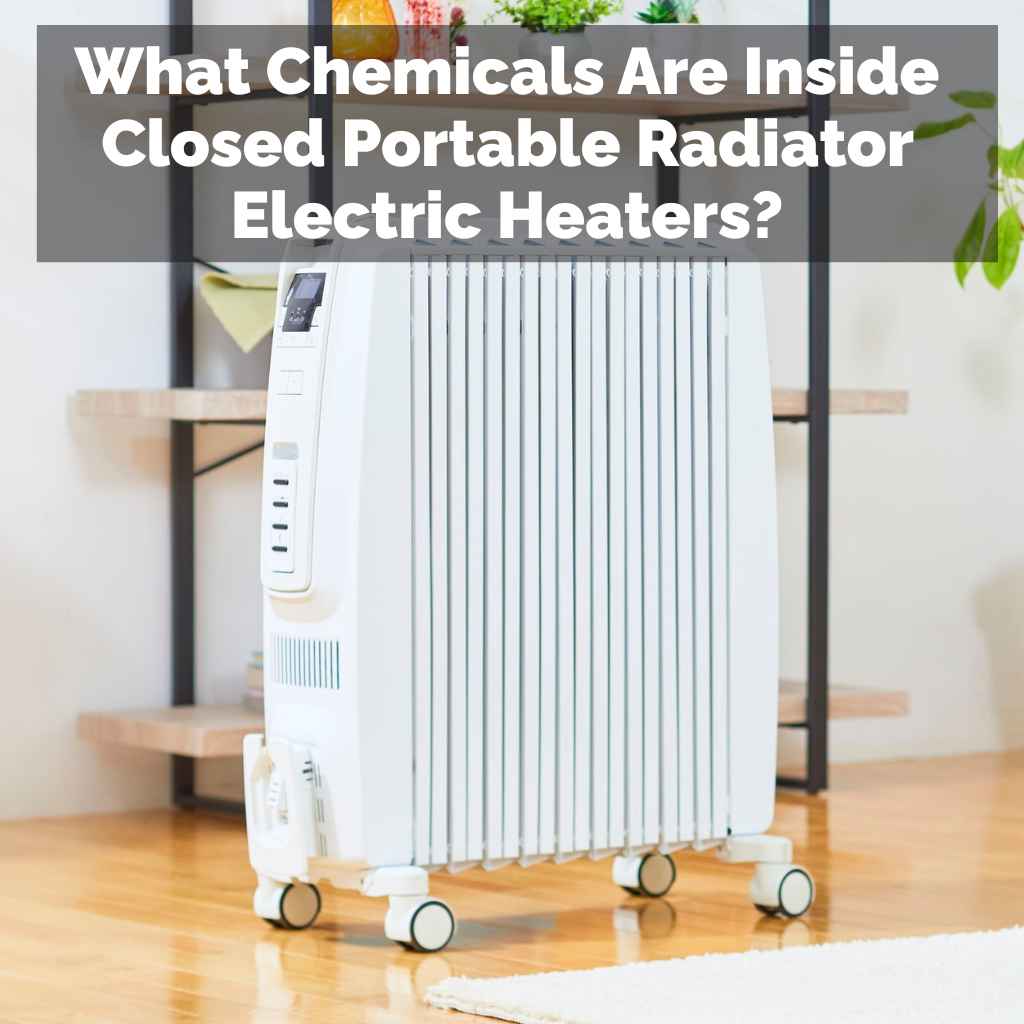
What Chemicals Are Inside Closed Portable Radiator Electric Heaters?
It’s smart to wonder what’s inside the things we bring into our homes. Especially when it comes to electric heaters. You might be looking at one of those classic-looking portable radiators.
They seem so simple and safe. But a little question pops up: what chemicals are actually in them?
Many folks worry about hidden dangers. They want to know if these popular heaters are truly a good choice for their living space. This article will pull back the curtain.
We will explain what makes these heaters work and what you can expect to find inside them. We’ll keep it clear and simple.
Closed portable radiator electric heaters primarily contain a safe, non-toxic heat transfer fluid. This fluid, often mineral oil or a similar synthetic oil, circulates to transfer heat from the electric element to the metal fins, warming your room. They are designed for safety and do not release harmful chemicals into the air during normal operation.
The Inside Story: What Makes a Radiator Heater Work
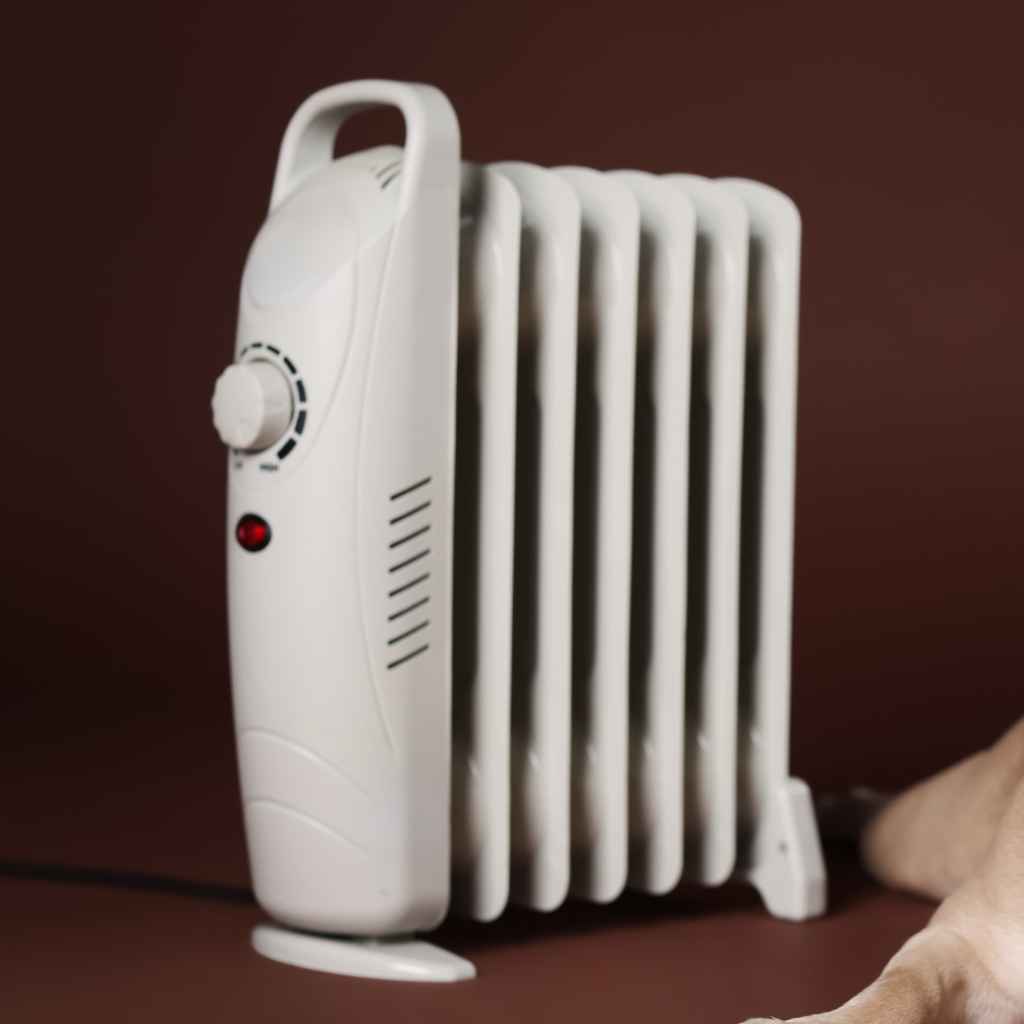
These heaters look like old-fashioned radiators, but they use electricity. Inside the metal casing, there’s a special liquid. This liquid gets heated up by an electric coil, like the one in a toaster.
But instead of glowing red, this coil heats a special oil.
The oil then moves all around the inside of the heater. It travels through the metal fins you see on the outside. As the oil warms the fins, the fins warm the air around them.
This warm air rises and spreads through your room. It’s a quiet way to get cozy. It’s like a gentle hug of warmth.
The whole system is sealed. This is important because it means the liquid stays inside. It doesn’t leak out or mix with the air you breathe.
This sealed design is key to how these heaters work safely and efficiently. They’re built to last and be reliable.
My Own “Whoa, What Is That?” Moment
I remember setting up my first apartment years ago. I bought one of those silver portable radiators. It looked so much nicer than my old noisy fan heater.
I plugged it in, and the room started to feel so warm and peaceful. It was amazing.
Then, late one night, I noticed a faint, almost unnoticeable smell. It wasn’t strong, but it was different. My mind immediately jumped to the worst.
“What is this thing really made of?” I thought. I pictured some weird, toxic goo inside. Panic started to set in a little.
I spent a good hour reading the manual and searching online. It felt like a mystery novel. Finally, I found the part that explained the oil.
It was just a safe, common type of mineral oil. The smell was likely just the oil warming up for the first time, or maybe a tiny bit of dust burning off the element. I felt so relieved.
It was a silly worry, but it taught me a lot about not assuming the worst about everyday appliances.
The Secret Fluid: Heat Transfer Oil
What it is: A special liquid inside the heater.
Most common types: Mineral oil or synthetic thermal fluids.
Why it’s used: It heats up well and moves heat around without boiling easily.
Is it safe? Yes, when the heater is used as directed. It’s designed to stay sealed inside.
Why Oil? The Science of Heat Transfer
Think about water. It boils easily, right? If you tried to heat water in a sealed metal box with a hot coil, it would turn to steam.
Steam builds up a lot of pressure. That could be dangerous if the box isn’t built for it.
Oils used in these heaters are different. They have a much higher boiling point. This means they can get very hot without turning into steam.
This is great for heating a room. The oil stays liquid, so it doesn’t create that risky pressure inside the heater.
This property makes the oil a perfect “heat transfer fluid.” It can absorb a lot of heat from the electric element. Then, it carries that heat through the heater’s body. The metal fins then give that heat off to the air.
It’s a smooth, continuous cycle of warmth.
Common Components of a Radiator Heater
Metal Casing: The outer shell you see. It’s usually steel.
Heating Element: A wire coil that gets hot when electricity passes through it.
Heat Transfer Fluid: The oil that moves heat around inside.
Fins: Metal parts that spread the heat into the room.
Thermostat: Controls the temperature and turns the heater on/off.
Power Cord: Connects the heater to electricity.
Real-World Homes: Where These Heaters Shine
You see these radiators in all sorts of places. They’re popular in homes, especially in bedrooms and living rooms. People like them for their quiet operation.
They don’t make any fan noise. This makes them perfect for sleeping or quiet work.
They are also common in offices or small apartments. Anywhere that needs a little extra warmth without being too much trouble. In the U.S., especially in colder climates, people rely on them for supplemental heat.
They can take the chill off a room quickly. They also provide a steady, comfortable warmth.
One common habit is using them to warm up a basement or a chilly den. Since they are portable, you can move them where you need them most. Some people use them to keep a garage or workshop a little warmer on cold days.
Their simple design means fewer things can break.
Myth vs. Reality: What People Worry About
Myth: Radiator heaters release toxic fumes.
Reality: The heat transfer fluid is safe and sealed inside. It does not vaporize or release fumes during normal use.
Myth: The oil can explode.
Reality: The oils used have very high boiling points. They are designed to withstand high temperatures without building dangerous pressure. The sealed system prevents issues.
Myth: Leaking oil is a big hazard.
Reality: Leaks are rare. If a very minor leak occurred, the oil is non-toxic and not flammable like gasoline. However, it should still be cleaned up and the unit serviced or replaced.
When Is It Normal, and When Should You Pause?
It’s normal for these heaters to smell a little bit when you first use them. That’s often just dust or manufacturing oils burning off. The smell should go away quickly.
If a strange smell persists, or if it’s strong and acrid, that’s a sign to stop using it.
Another thing to watch for is noise. A gentle humming or clicking sound when the thermostat kicks in is fine. But if you hear loud banging, hissing, or cracking sounds, something might be wrong inside.
These sounds could mean the fluid is behaving strangely or there’s another issue.
Always check the power cord and plug. If they look frayed or damaged, don’t use the heater. Also, make sure the heater is on a stable, flat surface.
It shouldn’t wobble or tip over easily. These are simple checks that ensure safe operation.
Quick Scan: What to Check
- Initial Smell: Faint is okay, strong/acrid is not.
- Operating Noise: Gentle hum is normal, loud bangs/hisses are not.
- Power Cord: Must be in good condition.
- Stability: Heater should sit flat and steady.
Simple Steps to Keep Your Heater Working Well
These heaters are pretty low-maintenance. The best thing you can do is keep them clean. Dust can build up on the fins.
This can make the heater less efficient and might cause a slight smell when it heats up.
Gently wipe down the outside with a damp cloth. Never spray cleaner directly onto the heater. Always unplug it and let it cool down completely before cleaning.
You can also use a vacuum cleaner with a brush attachment to get dust out of the fins.
Make sure the vents are not blocked. Don’t put clothes or furniture too close to the heater. Good airflow helps it work best and safely.
It also stops things from getting too hot near the heater.
Frequently Asked Questions About Radiator Heater Chemicals
What kind of oil is in a portable radiator heater?
Most portable radiator electric heaters use a safe, non-toxic heat transfer fluid. This is typically a type of mineral oil or a similar synthetic thermal fluid. These oils are chosen because they have high boiling points, meaning they can get very hot without turning into steam and creating pressure.
Is the oil in these heaters flammable?
The heat transfer oils used in these heaters are not considered highly flammable. They have high flash points, meaning they need to reach a very high temperature before they can ignite. This is one reason they are a safe choice for home heating appliances.
Can a radiator heater leak dangerous chemicals?
In normal operation, the system is sealed, so no chemicals should leak out. If the unit is damaged and leaks, the fluid is generally non-toxic. However, it’s always best to avoid contact, clean up any spill promptly, and stop using the heater if a leak occurs.
Do radiator heaters produce fumes or smells?
When first used, you might notice a slight burning smell from dust or manufacturing residue. This should disappear quickly. The heat transfer fluid itself does not produce fumes during normal operation because it remains a liquid and doesn’t vaporize.
What should I do if my radiator heater starts making strange noises?
If you hear loud hissing, banging, or cracking sounds, unplug the heater immediately. These noises could indicate an issue with the fluid or the heating element. It’s best to have the unit inspected or replaced if it continues to make unusual noises.
Are radiator heaters safe for children and pets?
Yes, radiator heaters are generally considered safe for children and pets when used properly. They don’t have exposed heating elements, and the surfaces, while warm, are not usually hot enough to cause immediate burns. Always supervise children and pets around any heating device.
Final Thoughts on Your Cozy Heater
It’s completely natural to be curious about what’s inside your home appliances. For portable radiator electric heaters, the “secret” is a safe and simple heat transfer oil. This fluid is the workhorse that quietly warms your rooms.
These heaters are designed with safety in mind. They rely on the properties of oil to heat your space effectively without the risks associated with steam or open flames. With basic care and by following simple guidelines, they remain a reliable and cozy way to beat the chill.
Sponsored / affiliate links. As an Amazon Associate I earn from qualifying purchases. I may earn additional commission from eligible campaigns.