How Much Space Should Be Kept Around Heat Producing Equipment
Proper clearances around heat-producing appliances prevent fires, ensure efficient operation, and prolong equipment life. Always consult manufacturer guidelines and local building codes for exact requirements.
Understanding Heat Clearance Zones
Heat-producing equipment warms up a lot. This heat can spread out. If it hits something too close, trouble can start.
That’s why we talk about clearance zones. Think of it like giving the equipment room to breathe. It needs space so its heat can go somewhere safe.
This space stops things from getting too hot.
The main reason for this space is safety. Some materials can catch fire if they get too hot for too long. Things like wood, fabric, or even some plastics.
Keeping the equipment far enough away means its heat won’t reach these flammable things. It’s a simple rule that saves a lot of trouble.
It’s also about making the equipment work best. When equipment has enough space, it can cool down better. This helps it run smoothly.
It uses energy wisely. Overheating can make machines break down. Proper space helps them last longer and work efficiently.
It’s a win-win for your home and your wallet.
Why Proper Clearance Is Crucial
The biggest reason for clearance is fire prevention. Many appliances create significant heat. We’re talking about ovens, furnaces, water heaters, and even some electronics.
These items can reach high temperatures. If they are too close to walls, furniture, or other objects, they can cause fires.
Building codes exist for this very reason. They set minimum distances. These distances are based on science and past experiences.
They help ensure that homes are safe from accidental fires caused by appliances. Following these rules is not just a suggestion; it’s often a legal requirement.
Beyond safety, efficiency is key. An appliance that can’t dissipate its heat properly has to work harder. For example, a refrigerator needs space around it.
If the coils in the back are blocked, it uses more energy. It cools less effectively. This costs you more money on your energy bills.
It also puts extra strain on the appliance itself.
Consider your furnace or boiler. These units produce a lot of heat. They need clear space around them to operate safely and efficiently.
If stored items block airflow, the unit might overheat. It might shut down. Or worse, it could become a fire hazard.
Proper space allows air to move freely. This helps the unit cool itself and function as designed.
Types of Heat-Producing Equipment
Many items in our homes produce heat. We need to know which ones need special attention. Furnaces and boilers are big ones.
They sit in basements or closets. They need substantial space. This is because they generate a lot of warmth and can produce exhaust gases.
Water heaters are another common item. They heat water for your showers and sinks. Like furnaces, they produce heat.
They also have fuel lines and vents. These need clear pathways and safe distances from anything that could burn. Tankless water heaters also produce heat and require specific clearances.
Kitchen appliances are everywhere. Ovens and ranges get very hot. The heat vents from them.
This heat can affect cabinets and walls. Microwaves and dishwashers also generate some heat. While usually less intense, they still have recommended clearances.
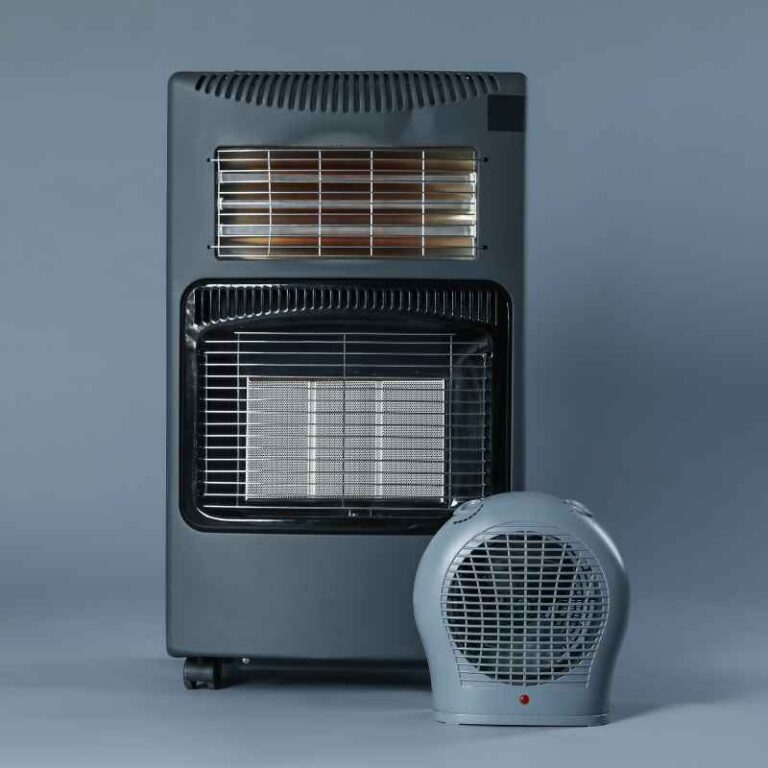
Smaller items like space heaters, dehumidifiers, and even some lamps can produce heat. While their heat output is lower, they still need space. Placing a space heater too close to a curtain or a bed is a common cause of house fires.
Always read the manual for these smaller, portable items too.
Even things like computer servers or entertainment systems can generate heat. In large setups, this heat can build up. Proper ventilation and space are needed to keep them from overheating.
This prevents damage to the electronics and ensures they perform well.
In the garage, you might have a water heater, furnace, or even a generator. These all require careful consideration of clearance. The materials in garages can also be flammable.
Think about paint cans or oily rags.
Basements often house major systems like furnaces and water heaters. These areas can also store items. It’s vital to keep clear paths.
Don’t stack boxes or store flammable liquids near these units. The space around these units is critical for both safety and maintenance access.
Common Heat-Producing Appliances in Homes
- Furnaces: Central heating systems.
- Boilers: For hot water or steam heating.
- Water Heaters: Tank and tankless models.
- Ovens & Ranges: Cooking appliances.
- Clothes Dryers: Especially gas models.
- Space Heaters: Portable heating units.
- Dehumidifiers/Humidifiers: Some models produce heat.
- Refrigerators/Freezers: Coils generate heat.
- Electronics: Computers, gaming consoles, AV equipment.
The Science Behind Clearance Distances
Clearance distances are not just random numbers. They are based on several factors. The main one is the type of heat produced.
Some equipment has open flames. Others use heating elements. Some generate heat through electrical resistance.
Each behaves differently.
The temperature the equipment reaches is crucial. A toaster oven gets hot, but not as hot as a furnace. The materials around the equipment also matter.
Wood burns at certain temperatures. Metal might warp or conduct heat. These properties guide the required spacing.
Airflow is another big part of the science. Heat rises. Hot air needs to escape.
If air can’t move around the equipment, the heat gets trapped. This trapped heat can raise the temperature of nearby surfaces. It can also make the equipment itself overheat.
Manufacturers test their products thoroughly. They determine how much heat is generated. They test how heat spreads.
They figure out the safest distance. This testing informs the clearance guidelines they provide. These guidelines are usually found in the product’s manual.
Local building codes are also based on this science. They often adopt standards from organizations like the National Fire Protection Association (NFPA) or the International Code Council (ICC). These codes translate scientific findings into practical rules for builders and homeowners.
Think about insulation. Many homes have insulation in the walls. Insulation is designed to resist heat transfer.
However, even with insulation, extreme heat or prolonged exposure can be a problem. Clearance distances ensure that the heat doesn’t overwhelm the insulation or heat up wall studs to ignition temperatures.
Consider combustion gases. Furnaces and boilers produce exhaust gases. These gases are hot and can contain byproducts.
They need a clear path to exit the building through a vent or chimney. The space around the unit ensures this path is unobstructed. It also prevents these hot gases from contacting flammable materials.
Even electronic equipment generates heat. Inside a computer, fans move air to keep components cool. If the computer is pushed against a wall, this airflow is blocked.
The components get hotter. This can lead to performance issues or even damage. So, even for electronics, a little space helps.
Factors Influencing Clearance Needs
- Appliance Type: Open flame vs. element vs. electrical.
- Heat Output: How hot does it get?
- Material of Appliance: Is it metal, plastic, etc.?
- Material Nearby: Wood, drywall, fabric, etc.
- Airflow: Does it need ventilation?
- Exhaust/Venting: Does it produce fumes?
- Manufacturer Testing: Safety data from the maker.
- Building Codes: Local safety regulations.
Clearance for Furnaces and Boilers
Furnaces and boilers are major heat producers. They often have specific requirements. Manufacturers usually specify clearances to combustible materials.
This means anything that can burn, like wood framing or drywall. These clearances can range from a few inches to several feet.
For example, a furnace might need 18 inches of clearance on the sides and 24 inches in front for access. The back might need less if it’s against a non-combustible wall. The top and bottom clearances are also important, especially for ventilation and heat dissipation.
Boilers often have similar requirements. Some high-efficiency boilers might have different needs. They often use plastic venting which can be installed differently.
Always check the installation manual for your specific model. It’s the most reliable source.
Beyond the unit itself, consider the fuel source. Gas furnaces and boilers have gas lines. These lines need to be accessible.
They should not be kinked or damaged. Clear space helps ensure the fuel supply is safe and maintained.
The vents or chimneys connected to furnaces and boilers also need clearance. Hot exhaust gases travel through them. Combustible materials should not be within a certain distance of these vents.
This is often called a vent clearance. It’s a critical safety feature to prevent house fires.
In many homes, furnaces and boilers are located in basements. Basements can become storage areas. It’s tempting to put things near the furnace.
However, this is a very dangerous practice. Keep the area around your furnace or boiler completely clear. Think of it as a dedicated safety zone.
Some newer furnaces are designed to be installed closer to combustible materials. These are often called “zero-clearance” models. However, even these have specific installation instructions.
You still need to follow them precisely. They usually require specific types of wall materials or fire-rated enclosures.
Access for maintenance is also a key reason for clearance. Technicians need to be able to reach the unit to service it. They need to check filters, igniters, and other parts.
If the unit is boxed in, it makes maintenance difficult or impossible. This can lead to problems going unnoticed.
Furnace & Boiler Clearance Zones
- Front: For access and operation (often 24+ inches).
- Sides: Varies; can be 6 inches to 18+ inches.
- Rear: Depends on wall material (combustible vs. non-combustible).
- Top: For ventilation and heat rise (often 12+ inches).
- Bottom: May need clearance from floor.
- Venting: Crucial clearance for exhaust pipes.
Clearance for Water Heaters
Water heaters, whether they are tank-style or tankless, also need careful placement. Tank-style water heaters have a large tank that stores hot water. They use a burner or heating element to keep the water hot.
They require space for ventilation and access.
For gas water heaters, clearance is critical due to the open flame or pilot light. This flame can ignite flammable vapors. These vapors can be present from things like gasoline or cleaning solvents.
Keeping the water heater away from these items is vital. The manufacturer will specify minimum distances to combustible materials.
Tankless water heaters are more compact. They heat water on demand. They still produce heat and often have exhaust vents.
Clearance requirements are usually listed on the unit or in its manual. They often need space around them for air intake and exhaust flow.
Location matters for water heaters. They should ideally be placed in an area where leaks would not cause significant damage. They should also be accessible for repairs.
Avoid tight closets with no room to work. A little extra space makes a big difference.
Consider seismic strapping. In earthquake-prone areas, water heaters must be secured. This often involves straps that attach to the wall.
Make sure there’s enough space to properly install these straps. This is a safety measure required in many regions.
Drainage is another consideration. Water heaters can eventually fail and leak. Having the unit placed where it can be easily drained and where a leak would not cause extensive damage is wise.
Some installations might include a drain pan, which also needs some clearance.
The venting for gas water heaters is similar to furnaces. Hot exhaust gases need a safe exit. Ensure the vent pipe is clear of any obstructions and meets code requirements for clearance to combustible surfaces.
This is a common cause of carbon monoxide buildup if not done correctly.
Electric water heaters produce less risk from combustion but still generate heat. Their heating elements can get very hot. Clearances are still needed to prevent damage to surrounding materials and for ventilation.
The manual will provide these specific distances.
Water Heater Placement Checklist
- Fuel Type: Gas requires more caution with vapors.
- Venting: Clear path for exhaust gases.
- Access: Room for maintenance and repairs.
- Leak Containment: Consider placement for potential leaks.
- Seismic Straps: Space for secure installation if needed.
- Manufacturer Specs: Always follow the manual.
Clearance for Kitchen Appliances
Kitchens are full of appliances that generate heat. Ovens and ranges are prime examples. The exterior of an oven can get quite hot during use.
This is why cabinets and walls around them need protection.
Most ovens and ranges require specific clearances. These are often detailed in the installation instructions. For freestanding ranges, it’s usually about space behind and to the sides.
For built-in ovens, clearance to cabinetry is paramount.
Think about the heat escaping from the oven. It often vents from the front, sometimes near the controls. It can also vent from the back or top.
This heat can damage wooden cabinets. It can warp plastic parts. It can even affect the paint or finish on your walls and cabinets.
Many modern ranges have heat shields or specific insulation built into their design. This helps reduce the heat transfer to adjacent surfaces. However, you still need to respect the manufacturer’s recommended clearances.
They are there for a reason.
Microwaves, while not as intensely hot as ovens, still produce heat. They also need some space around them to allow for proper ventilation. If a microwave is crammed into a tight spot with no airflow, it can overheat.
This can shorten its lifespan.
Dishwashers produce heat from the drying cycle. They also have water and electrical connections. While they don’t typically require large clearances, they need to be installed correctly.
They should not be pushed too tightly against adjacent cabinets, which can trap moisture or heat.
Refrigerators and freezers generate heat through their cooling coils. These coils are often located on the back or underneath the unit. Blocking these coils with walls or other objects prevents efficient heat dissipation.
This makes the refrigerator work harder, use more energy, and wear out faster.
Manufacturers often specify a minimum distance to walls for refrigerators. They also recommend leaving space above for air circulation. Keep the vents on the back or bottom of the fridge clear.
This is a simple way to improve its performance and longevity.
Small appliances like toasters, toaster ovens, and coffee makers also produce heat. While not as demanding, they should still be placed on stable, heat-resistant surfaces. Keep them away from curtains, paper towels, or other flammable items.
Even a small spark can cause a big problem.
Kitchen Appliance Space Guidelines
- Ovens/Ranges: Critical for cabinets and walls. Check manual.
- Microwaves: Allow for airflow, especially around vents.
- Dishwashers: Ensure proper sealing and avoid moisture traps.
- Refrigerators: Keep coils clear for efficiency.
- Small Appliances: Use heat-resistant surfaces, keep away from flammables.
Clearance for Electronic and Entertainment Equipment
Many people don’t think of electronics as heat producers. But devices like computers, gaming consoles, and home theater systems can get quite warm. In enclosed spaces, this heat can build up rapidly.
Computers generate heat from their processors and graphics cards. They use fans to move air. If a computer tower is pushed right up against a wall or inside a cabinet with no ventilation, the fans can’t do their job.
This leads to overheating.
Gaming consoles are similar. They pack a lot of processing power into small boxes. This power generates heat.
Manufacturers often design vents on the sides and back. Blocking these vents is a common mistake. It causes the console to overheat and shut down, or worse, to damage its internal components.
Home theater equipment, like receivers and amplifiers, also produce heat. These are often housed in cabinets or entertainment centers. It’s important to ensure these cabinets have adequate ventilation.
Open backs or side vents are often built into these furniture pieces for this reason.
If you have a lot of electronics, consider cable management. Tangled wires can obstruct airflow. They can also look messy.
Tidy cables help keep vents clear. It makes your setup look much cleaner too.
Avoid placing heat-generating electronics near other heat sources. Don’t put a computer tower right next to a radiator. Don’t place an amplifier in direct sunlight.
This compounds the heat problem and can lead to premature failure.
Some older televisions produced a lot of heat. Modern flat-screen TVs are much more efficient. However, they still need some space around them for ventilation.
Check the mounting instructions for wall-mounted TVs. They often specify how far the TV should be from the wall.
The general rule for electronics is to allow for airflow. If you can feel heat radiating from the device, it needs more space. If it’s constantly warm to the touch, it’s likely not getting enough air.
This can shorten its lifespan.
Electronics Ventilation Tips
- Airflow is Key: Always allow space for air to move.
- Check Vents: Do not block any vents on the device.
- Avoid Enclosed Spaces: If it’s hot, it needs to breathe.
- Cable Management: Keep wires tidy and out of vents.
- Combine Heat Sources: Keep electronics away from other hot items.
Clearance for Heating and Cooling Vents
While not heat-producing equipment itself, heating and cooling vents are crucial for managing heat. The vents from your furnace or air conditioner distribute conditioned air. Blocking these vents can cause problems.
If you block a heat vent from your furnace, the heat can build up in the ductwork. This can make the furnace work harder. It can also cause uneven heating in your home.
Rooms might get too hot or too cold.
Similarly, blocking air conditioning vents can disrupt airflow. This can lead to poor cooling. It can also cause moisture problems in the ducts.
It makes the system less efficient.
Furniture placement is a common issue. Don’t place large sofas or heavy cabinets directly in front of vents. Allow at least a few inches of space for air to flow freely.
This ensures your HVAC system works as intended.
Curtains can also be a problem. Long curtains can hang down and cover floor vents. This prevents warm air from rising into the room.
Adjusting curtains or using vent covers can help. Ensure the covers don’t restrict airflow too much.
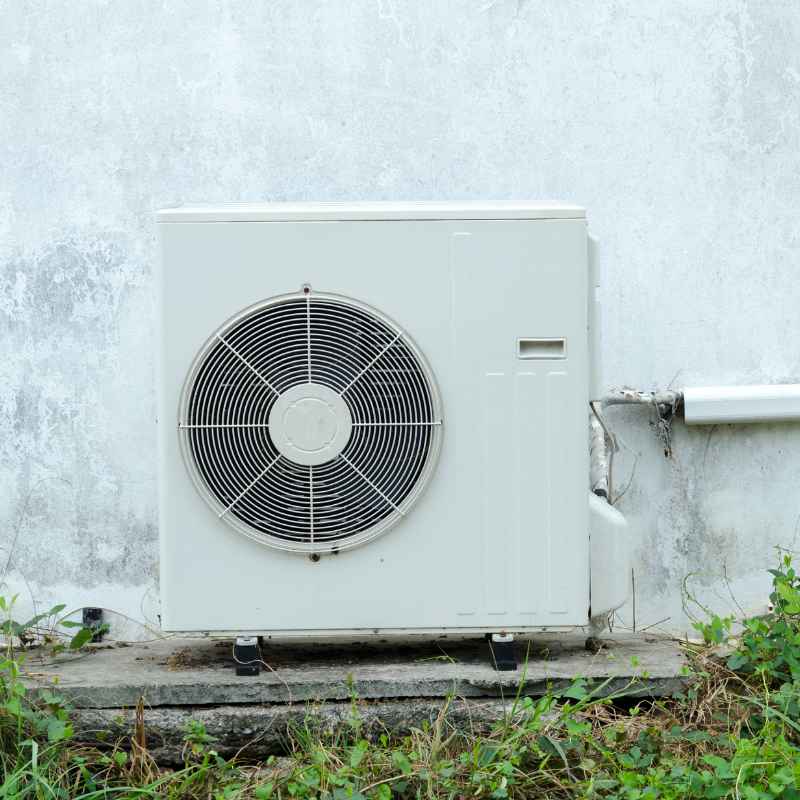
The area around outdoor HVAC units also needs to be clear. While these units dissipate heat, they also need airflow. Don’t plant dense shrubs right up against them.
Keep the area around the unit free of debris.
This is also true for exhaust vents from clothes dryers or kitchen hoods. These vents release hot, moist air. They must be clear to function properly.
Blocked dryer vents are a major fire hazard.
Regularly check your vents. Make sure they are not covered by rugs, furniture, or other items. This simple check ensures your heating and cooling systems can perform at their best.
Vents and Airflow Management
- Furnace Vents: Allow warm air to circulate.
- AC Vents: Ensure cool air reaches the room.
- Furniture: Keep clear of vents by several inches.
- Curtains/Rugs: Don’t block floor or wall vents.
- Dryer/Hood Vents: Must be unobstructed for safety.
What This Means For You: When to Worry
Most of the time, following manufacturer guidelines is enough. But sometimes, things go wrong. Or you might be unsure about an older appliance.
You should worry if:
- You smell burning plastic or electrical odors.
- You see discoloration or scorching on walls or cabinets near an appliance.
- An appliance seems excessively hot to the touch.
- You hear unusual noises coming from an appliance that might relate to overheating.
- Your circuit breaker trips frequently when the appliance is on.
- You have an older appliance with no clear manual or unclear specifications.
In these cases, it’s best to err on the side of caution. First, check the appliance’s manual if you have it. If not, search online for the model number.
Look for installation or user guides.
If you cannot find clear information, or if you suspect a problem, contact a qualified professional. For furnaces, boilers, and water heaters, this means an HVAC technician. For electrical appliances, an electrician might be needed.
They can assess the situation safely.
Never try to fix an appliance yourself if you are unsure. Electrical and gas systems are dangerous. A professional can tell you if the current clearance is adequate.
They can also advise on any necessary changes.
Also, consider the age of your appliance. Older units might not meet current safety standards. They might produce more heat or have less robust safety features.
If an appliance is very old, it might be worth considering a replacement that meets modern safety requirements.
Think about your home’s materials. If you have very old plaster and lath walls, they might be more sensitive to heat than modern drywall. Always follow the most conservative clearance recommendations if you are unsure.
Quick Fixes and Safety Tips
Here are some simple things you can do right now.
- Read the Manual: This is the most important step for any appliance. Find it!
- Clear the Area: Remove anything flammable from around your appliances. This includes boxes, fabrics, paper, and cleaning supplies.
- Check Vents: Ensure all vents on appliances and in your home are clear. No furniture, rugs, or clutter should block them.
- Airflow for Electronics: If your computer or gaming console feels hot, pull it out from the wall a bit.
- Visual Check: Look for any signs of scorching or damage around appliances.
- Regular Maintenance: Have your furnace, boiler, and water heater inspected annually.
- Use Appliance-Specific Mats: For some appliances like toasters, heat-resistant mats can offer extra protection.
- Install Smoke Detectors: Ensure you have working smoke detectors on every level of your home and near sleeping areas. Test them monthly.
- Carbon Monoxide Detectors: Especially important if you have gas appliances.
These steps are not difficult. They don’t cost much. But they make a big difference in keeping your home and family safe.
Prioritize safety.
Frequently Asked Questions
What is the standard clearance for a gas furnace?
Standard clearances for gas furnaces vary by model and manufacturer. Typically, you’ll need about 18 inches of clearance on the sides and 24 inches in front for service access. The rear clearance depends on the wall material, and top clearances are also specified.
Always check your furnace’s installation manual for exact requirements.
How much space do I need around a water heater?
For tank-style gas water heaters, you often need at least 6 inches of clearance from combustible materials on the sides and rear, and more in the front for access and burner operation. Electric water heaters may have slightly different requirements. Refer to your specific model’s manual and local codes.
Can I place my dryer too close to the wall?
Yes, you can. Your clothes dryer needs space for its vent hose and for air circulation. Blocking the vent is a fire hazard.
Ensure the dryer is not pushed so far back that the vent is crushed or kinked. Also, keep flammable items away from the back of the dryer.
What are the clearance rules for a built-in oven?
Built-in ovens typically require specific clearances from surrounding cabinetry to prevent heat damage. Manufacturers will detail these distances in the installation guide. This often involves ensuring adequate air gaps between the oven and the cabinet walls, and protecting the cabinetry from direct heat exposure.
Is it safe to store items near my water heater?
No, it is generally not safe to store items near a water heater, especially a gas model. Flammable materials like paint, solvents, or even stored boxes can be ignited by heat or potential leaks. Gas water heaters have open flames that require a clear zone around them.
Do electronics really need space around them?
Yes, absolutely. Electronics like computers, gaming consoles, and home theater receivers generate heat. They rely on airflow to stay cool.
Blocking their vents with walls, other devices, or cables can cause them to overheat, reducing their performance and lifespan.
What does “combustible material” mean in clearance instructions?
“Combustible material” refers to anything that can catch fire. This includes wood, drywall, fabrics, paper, plastics, and even some finishes. Clearance distances are designed to keep appliance heat from reaching ignition temperatures for these materials.
Conclusion
Giving heat-producing equipment the right amount of space is simple but vital. It’s a core part of keeping your home safe. It helps your appliances run better.
Always check the manuals. Follow local rules. When in doubt, ask a pro.
A little foresight goes a long way.
Sponsored / affiliate links. As an Amazon Associate I earn from qualifying purchases. I may earn additional commission from eligible campaigns.