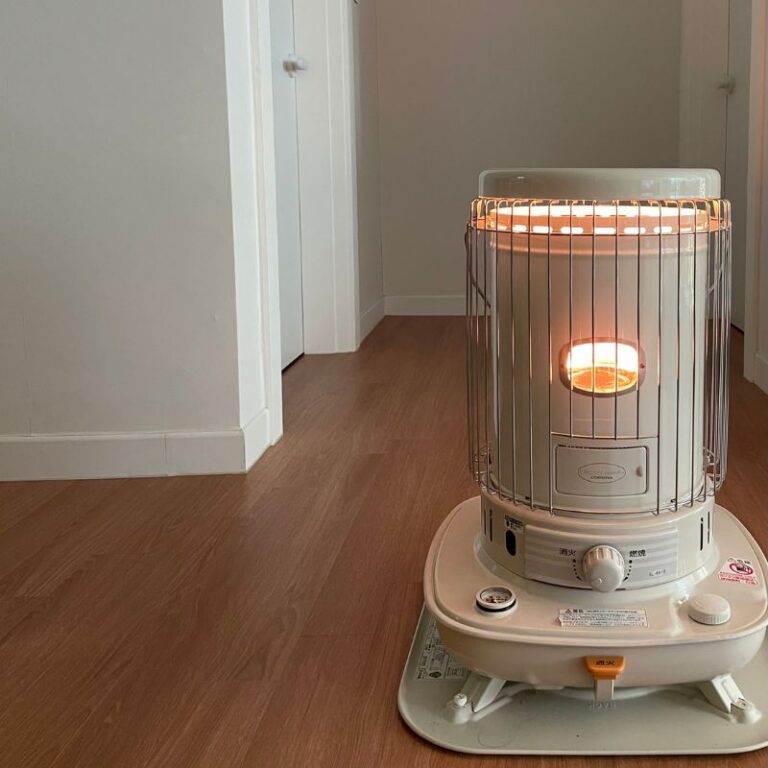
How Often Do Small Heaters Cause Fires If Left Plugged In?
It’s a worry many of us have, especially when the weather turns cold. You’ve got that little space heater keeping you cozy. But then, a thought creeps in: what if it’s left on too long?
Could it really start a fire? This is a question that comes up a lot, and for good reason. Understanding the actual risks is the first step to feeling safer.
We’ll dive deep into this, looking at how often this happens, what makes it risky, and most importantly, how to use these heaters without fear.
Small space heaters themselves are generally safe if used correctly. The primary risk comes from user error, improper placement, or neglecting maintenance, rather than the heater inherently being a fire starter when simply plugged in. Most modern heaters have safety features to prevent overheating.
Understanding Small Heater Fire Risks
Small electric heaters are incredibly useful. They help us stay warm in specific rooms. This saves energy.
It also makes our homes more comfortable. But like any electrical device, they come with potential risks. Fires are a big concern for many people.
It’s easy to imagine a worst-case scenario.
The truth is, fires from small heaters don’t happen out of nowhere. There are usually specific reasons. These reasons involve how the heater is used.
They also involve where it is placed. Sometimes, it’s about the condition of the heater itself. We’ll break down these main causes so you know what to look out for.
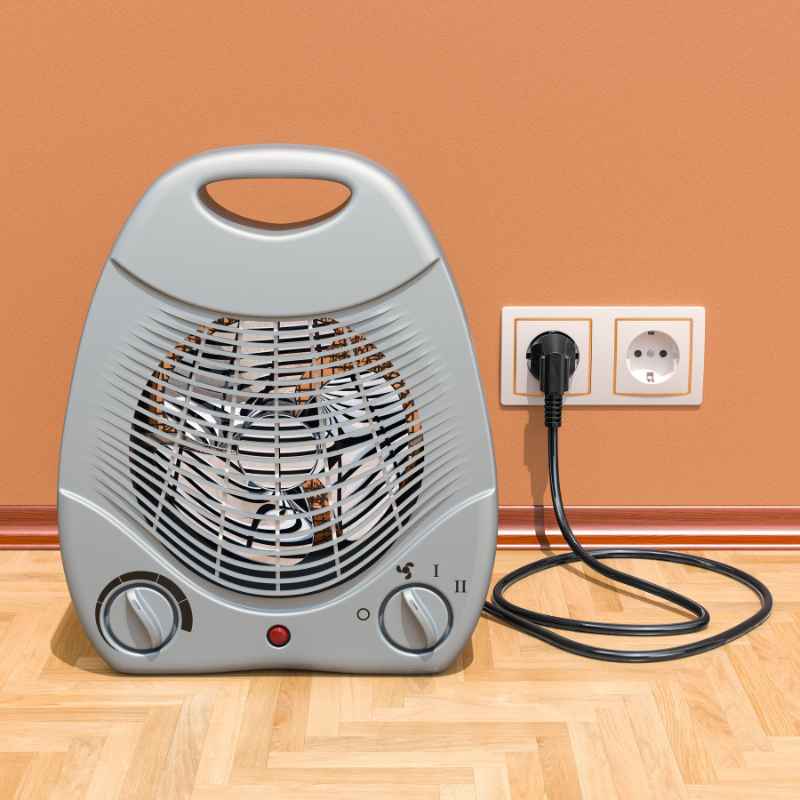
When we talk about “small heaters,” we usually mean portable electric heaters. Think of the ones you plug into a wall socket. They use electricity to create heat.
This can be through ceramic elements, oil-filled radiators, or infrared beams. They are designed for personal comfort. They are not meant for whole-house heating.
The National Fire Protection Association (NFPA) tracks home fire incidents. Their data shows that heating equipment is a leading cause of home fires. This is especially true in winter months.
They also report on the specific types of heating equipment involved. This helps us see where small heaters fit in.
It’s important to separate the appliance itself from its misuse. A well-maintained heater, used according to instructions, has a very low risk of starting a fire. The problem often starts when safety guidelines are overlooked.
This is true for many appliances we use every day.
A Personal Story: The Overlooked Cord
I remember one chilly November evening a few years back. I was working from home, and my office, which was just a spare bedroom, felt like an icebox. I’d bought a small, ceramic tower heater a few weeks prior.
It was a lifesaver, heating up the room in minutes. That night, I was really focused on a project. I had reports and deadlines swirling in my head.
The heater sat on the floor, plugged into a nearby outlet. I’d set the thermostat and basically forgotten about it. The room was perfectly warm.
I worked late into the night, probably past midnight. When I finally decided to call it a night, I unplugged my laptop and turned off my desk lamp. But in my tiredness, I completely forgot about the heater.
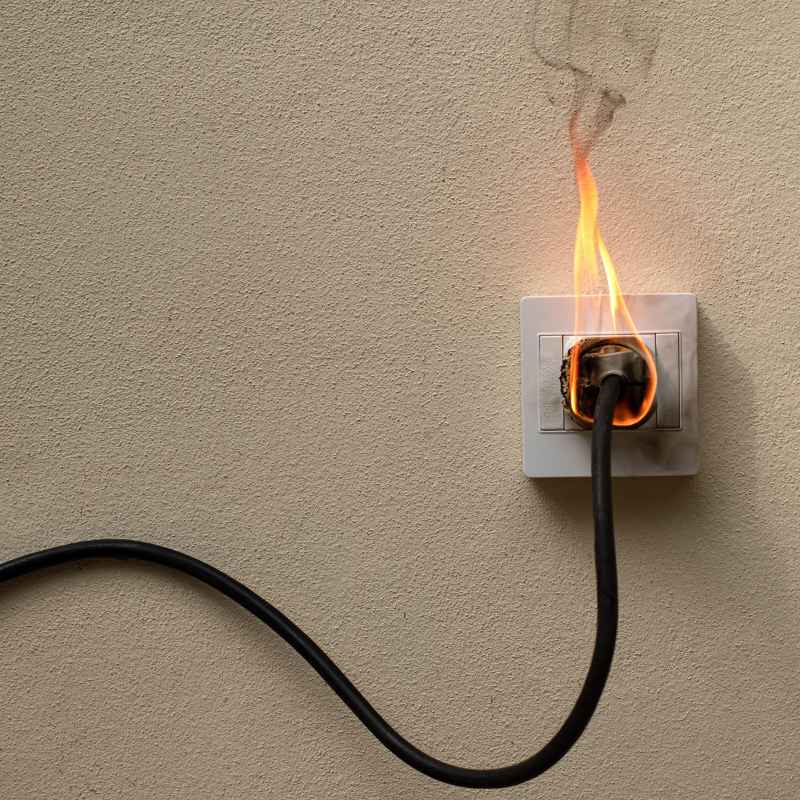
As I walked out of the office, my bare foot brushed against something near the baseboard. It was the heater’s power cord. It felt oddly warm, not just a little, but noticeably hot to the touch.
My heart gave a little jump. I immediately bent down to feel the plug itself. It was also quite warm, warmer than I’d ever noticed before.
A wave of mild panic washed over me. What if this cord was frayed? What if it was overloaded?
I quickly unplugged the heater. I inspected the cord and the plug in the dim hallway light. I couldn’t see any obvious damage.
No nicks, no bare wires. But that warmth was a clear warning sign. I realized then how easy it was to just leave things plugged in.
I had assumed it was fine. I didn’t think about the cord’s condition or the outlet it was connected to. It was a valuable lesson learned that night.
It made me much more mindful about how I used that heater from then on.
Safety Check: The Power Cord
What to look for:
- Frayed wires
- Cracked or damaged insulation
- Loose or bent prongs on the plug
- Overheating plug or outlet
Why it matters: A damaged cord can short circuit. This can spark a fire. A loose plug can cause poor electrical contact.
This can also lead to overheating. Always check these before using your heater.
How Often Do Small Heaters Cause Fires?
It’s hard to give an exact number for “how often” small heaters cause fires. This is because statistics often group them with all heating equipment. However, we can look at trends and common contributing factors.
The NFPA reported that from 2016-2020, heating equipment was involved in an average of 48,700 reported home structure fires per year in the U.S.
These fires caused an average of 490 deaths, 1,400 injuries, and $854 million in property damage annually. Space heaters were often identified as the type of equipment involved. But they were not always the sole cause.
Often, they were involved when they were too close to something flammable.
So, while the percentage of fires directly caused by a heater just sitting there plugged in might be low, the risk increases significantly with certain conditions. The key is understanding these conditions. Most fires don’t happen because the heater itself is faulty.
They happen because of its surroundings or how it’s being used.
Modern portable heaters have safety features. Many have automatic shut-off. This happens if they overheat or if they are tipped over.
These features greatly reduce the risk. But they are not foolproof. They are designed to work in conjunction with safe operating practices.
Think of it like driving a car. Cars have seatbelts, airbags, and anti-lock brakes. These make driving much safer.
But accidents can still happen if someone drives recklessly or doesn’t maintain their car. Small heaters are similar. Their safety features work best when you use them wisely.
The risk is higher when heaters are older. It’s also higher if they have not been maintained. Damage to the power cord or internal components can be a big problem.
This is why regular checks are so important. They help catch small issues before they become big dangers.
When people ask “how often,” they often want to know if it’s a common, everyday risk. For a heater used properly, the answer is: very rarely. But if you’re not careful, that “rarely” can become a real possibility.
It’s about being aware and taking simple steps to prevent problems.
Heater Fire Statistics Snapshot (Annual Averages 2016-2020)
Source: NFPA
Heating Equipment Fires: 48,700
Deaths: 490
Injuries: 1,400
Property Damage: $854 million
Key Takeaway: While these numbers are significant, they represent all heating equipment. Space heaters are a part of this. Proper use is crucial.
Factors That Increase Heater Fire Risk
Several factors can turn a safe little heater into a fire hazard. Understanding these is key to prevention. It’s not just about leaving it plugged in.
It’s about what else is happening at the same time.
1. Proximity to Flammable Materials: This is probably the biggest culprit. Heaters produce heat.
If that heat gets too close to things that can burn, a fire can start. This includes curtains, bedding, upholstered furniture, paper, and even dust. A good rule of thumb is to keep heaters at least three feet away from anything flammable.
This three-foot rule is consistently emphasized by fire safety experts.
2. Cords and Outlets: As I learned, damaged cords are a problem. Using extension cords with space heaters is also risky.
Many extension cords are not rated to handle the high power draw of heaters. This can cause the cord to overheat. It can melt the insulation and spark a fire.
Always plug heaters directly into a wall outlet. Make sure the outlet is in good condition.
3. Poor Maintenance and Age: Older heaters might not have the latest safety features. Dust and lint can build up inside the heating elements or vents.
This buildup can ignite. It can also block airflow, causing the heater to overheat. Regular cleaning is essential.
If a heater is visibly damaged or not working properly, it’s time to replace it.
4. Unattended Operation: While many heaters have safety shut-offs, they are not a substitute for supervision. Leaving a heater on when you leave the house or go to sleep is a common mistake.
Even with safety features, a malfunction could occur. It’s best practice to turn off portable heaters when you’re not in the room or when you’re sleeping.
5. Pets and Children: Pets can knock over heaters, especially portable ones. This can activate tip-over switches, but in some cases, it could cause damage or dislodge them from a safe spot.
Children might be tempted to touch hot surfaces or play with the heater. Always place heaters where they are stable and out of reach of pets and curious little hands.
6. Placement: Putting a heater on top of a dresser, a stack of boxes, or other unstable surfaces is dangerous. It could easily fall.
It could also fall onto flammable items. The floor is usually the safest place, as long as it’s a stable, non-carpeted surface if possible, or on a heat-resistant mat.
These factors highlight that the risk isn’t inherent to the heater being plugged in. It’s about the context in which it’s operating. By addressing these points, you significantly lower the chances of a problem occurring.
The “Three-Foot Rule”
Keep it clear: Always maintain at least three feet of clear space around your portable heater.
What to keep away:
- Curtains and draperies
- Bedding and blankets
- Upholstered furniture
- Paper, books, and magazines
- Clothing and towels
Why it’s vital: This prevents heat from igniting nearby flammable materials. It ensures adequate airflow for safe operation.
Modern Heater Safety Features Explained
Today’s portable heaters are much safer than older models. Manufacturers know that fire safety is a top concern for consumers. So, they build in features to prevent accidents.
Understanding these can give you more confidence.
1. Tip-Over Protection: This is a common and very important safety feature. It’s usually a switch located at the base of the heater.
If the heater is knocked over, this switch is activated. It immediately cuts off the power. This prevents the heating element from continuing to glow or heat up when it’s in an unsafe position.
2. Overheat Protection: Most electric heaters have an internal thermostat. This thermostat monitors the temperature inside the unit.
If it gets too hot, it will shut off the heater. This can happen if the vents are blocked or if the unit is malfunctioning. It’s a crucial safety net.
3. Cool-Touch Exterior: Many modern heaters are designed so that the outer casing stays relatively cool. This is especially true for ceramic heaters.
It reduces the risk of accidental burns if someone touches the heater. It also means the exterior is less likely to transfer heat to nearby items.
4. Automatic Timers: Some heaters come with built-in timers. You can set them to turn off after a certain period.
This is a great feature for peace of mind. You can set it to turn off after you’ve fallen asleep. Or you can use it to warm up a room before you get out of bed, then shut off.
5. Indicator Lights: A simple but effective feature. A light that shows when the heater is on.
This serves as a visual reminder that the unit is active. It can help prevent someone from forgetting to turn it off.
These features are designed to be reliable. However, it’s still wise to remember that no safety feature is 100% foolproof. They work best when combined with common sense and safe operating practices.
Always read the owner’s manual for your specific heater model.
Heater Safety Feature Checklist
Does your heater have:
- Tip-Over Switch? Checks if it shuts off when tilted.
- Overheat Protection? Checks if it turns off if too hot.
- Cool-Touch Exterior? Reduces burn risk.
- Automatic Timer? Lets you set shut-off times.
- On-Indicator Light? Visual reminder it’s on.
If yours is missing some, consider upgrading.
Real-World Scenarios: Where Risks Hide
Let’s look at some common situations where small heaters might be used. We’ll see how risks can pop up.
Scenario 1: The Home Office Late at Night
Like my own story, this is a frequent one. You’re working hard. The room gets cold.
You plug in a heater. You might be on a carpeted floor. The cord could run near papers or a wastebasket.
You’re focused on your screen. You might forget to unplug it. Or the cord could be slightly worn.
A loose connection at the wall could overheat. The carpet fibers could get too close to the heater’s airflow.
Scenario 2: The Bedroom Heater for Sleep
Many people use small heaters to keep bedrooms warm overnight. This can be risky if the heater is too close to bedding. A blanket could fall off the bed and cover the heater.
Or, if the tip-over switch fails, the heater could tip onto the bed. Even with safety features, it’s best practice to turn it off before sleeping.
Scenario 3: Using a Heater in a Garage or Workshop
These spaces can be damp and dusty. They often have less robust electrical systems. Extension cords might be used out of necessity.
Flammable materials like paint thinners, oily rags, or sawdust can be present. A heater in such an environment needs extra care. It should be used sparingly and with constant supervision.
Scenario 4: Small Apartment Living
In smaller spaces, it’s harder to maintain the three-foot clearance. Curtains might be closer. Furniture might be packed tighter.
Pets have less room to avoid the heater. It’s crucial to be extra vigilant about placement and to ensure nothing flammable is nearby. Older buildings might have outdated electrical wiring that can’t handle the heater’s load.
These are all places where the risk is not that the heater will cause a fire, but that it could if not used with extreme caution. The environment and habits of the user play a huge role.
Quick Scan: Risky Heater Spots
High-Risk Areas:
- Near Curtains/Bedding: Easy ignition.
- On Carpet: Can block vents or get too close.
- Using Extension Cords: Overheating risk.
- Near Flammable Liquids/Dust: Extreme fire hazard.
- Unattended Rooms: No one to react to issues.
Safer Practices:
- Direct wall plug.
- Heat-resistant mat on carpet.
- Clearance is key.
- Supervise operation.
What This Means for You: When to Worry and When It’s Okay
So, when should you actually start to worry about your small heater? The good news is, for most people, it’s not something to lose sleep over if you follow basic safety rules.
When It’s Likely Okay:
- You have a modern heater with safety features (tip-over, overheat protection).
- You plug it directly into a wall outlet.
- You keep it at least three feet away from anything flammable.
- You don’t leave it running when you’re not in the room or asleep.
- You regularly inspect the cord and plug for damage.
- You keep it clean and free of dust buildup.
If you can check off most of these points, your risk is very, very low. The heater is doing its job safely.
When You Should Worry:
- The heater is old and doesn’t have modern safety features.
- The power cord is frayed, cracked, or looks damaged.
- The plug feels unusually hot when in use.
- You’re using it near curtains, blankets, or furniture.
- You often forget to turn it off before leaving or sleeping.
- You are using an extension cord with it.
- You notice any strange smells (burning plastic, ozone) when it’s on.
- The heater makes odd noises or seems to be overheating.
If any of these apply, it’s time to take action. Stop using the heater. Inspect it closely.
If you see damage, replace it. If you’re unsure, err on the side of caution. Your safety is more important than saving a little money or staying a bit warmer for a few extra minutes.
It’s also worth noting that some older homes have electrical systems that are not up to modern standards. If you have frequent issues with circuit breakers tripping, or if outlets feel warm, this could be a sign of a bigger electrical problem. In such cases, consult a qualified electrician.
This is especially important before using high-wattage appliances like space heaters.
The key is awareness. Be mindful of the heater’s presence. Treat it with respect as a heating appliance.
It’s a tool to help you, and like any tool, it needs to be handled correctly to be effective and safe.
Simple Heater Health Check
Ask Yourself:
Is my heater old? If yes, consider upgrading.
Is the cord damaged? If yes, stop using it.
Is it near anything flammable? If yes, move it.
Do I leave it on unattended? If yes, change that habit.
Am I using an extension cord? If yes, plug it directly into the wall.
If you answered “yes” to any of the riskier options, take action!
Tips for Safe Heater Use
Using your small heater safely is all about simple habits. These habits go a long way in preventing problems. Here are some practical tips.
1. Read the Manual: This sounds basic, but many people skip it. The manual has specific instructions for your model.
It will tell you about its features and any unique safety warnings.
2. Plug Directly into the Wall: As we’ve said, avoid extension cords and power strips. They are not designed for the power draw of heaters.
A direct connection to a properly rated wall outlet is best.
3. Maintain Clearance: Seriously, the three-foot rule is critical. Make sure there’s nothing close that can catch fire.
This includes furniture, bedding, curtains, and piles of paper.
4. Place on a Hard, Level Surface: Avoid placing heaters on soft surfaces like thick carpets or beds. These can block air vents and cause overheating.
A hard, flat surface is ideal. If you must use it on carpet, consider a heat-resistant mat underneath.
5. Never Leave Unattended: Turn off the heater when you leave the room. Turn it off before you go to sleep.
This is one of the most important safety steps you can take.
6. Keep Away from Water: Never use an electric heater in a bathroom or near sinks, tubs, or showers. Water and electricity are a dangerous mix.
7. Inspect Regularly: Before each use, and at the start of the heating season, check the cord, plug, and casing for any damage. If you see any issues, don’t use the heater.
8. Clean It: Dust and lint can build up inside the heater. This can cause it to overheat and even ignite.
Unplug the heater and clean the vents according to the manufacturer’s instructions. Usually, a vacuum cleaner with a brush attachment works well.
9. Buy Certified Heaters: Look for heaters that have been tested and certified by a recognized testing laboratory, like UL (Underwriters Laboratories), ETL, or CSA. This means they meet safety standards.
10. Don’t Use for Drying Clothes: Never hang wet clothes or towels on or near a space heater to dry them. This can block airflow and create a serious fire hazard.
By following these straightforward tips, you can enjoy the warmth of your space heater with much greater peace of mind.
Your Safe Heater Checklist
Before Use:
- Read manual?
- Cord/plug okay?
- Clearance sufficient?
- On hard surface?
- No water nearby?
- Clean vents?
During Use:
- Plugged into wall directly?
- Not near flammable items?
- Supervised?
- Not drying clothes?
After Use:
- Turned off when leaving room?
- Turned off when sleeping?
- Unplugged if storing?
Frequently Asked Questions About Space Heater Fires
Can leaving a small heater plugged in overnight cause a fire?
It can, but it’s less about it being plugged in and more about the conditions. If the heater is placed too close to bedding, curtains, or other flammable items, or if it malfunctions, the risk increases. Most modern heaters have safety features like tip-over shut-offs and overheat protection, but it’s always safest to turn them off when you’re not actively supervising them, especially overnight.
Are oil-filled radiators safer than ceramic heaters?
Both types have their safety features. Oil-filled radiators tend to heat up more slowly and provide a more consistent, gentler heat. They also often have cooler exteriors.
Ceramic heaters heat up quickly and can be very effective. Safety largely depends on the specific model’s features and how it’s used, rather than just the heating type. Both require the same safety precautions.
Is it safe to use an extension cord with a space heater?
No, it is not safe. Space heaters draw a lot of electricity. Most standard extension cords and power strips are not designed to handle this high load. Using one can cause the cord to overheat, melt, and potentially start a fire.
Always plug your space heater directly into a wall outlet.
What should I do if my heater starts to smell like burning plastic?
This is a serious warning sign. Immediately unplug the heater. Do not use it again. The smell could indicate melting internal components or wiring.
If the smell persists after unplugging, or if you see smoke, evacuate the area and call the fire department. The heater should be safely discarded.
How often should I clean my small heater?
It’s a good idea to clean your heater at least once a year, before the heating season starts. If you use it frequently, or if your home is dusty, you might need to clean it more often. Unplug the heater and use a vacuum cleaner with a brush attachment to gently remove dust from vents and any grilles.
My heater has a tip-over switch. Does that mean it’s always safe to leave on?
The tip-over switch is a vital safety feature that cuts power if the heater is knocked over. However, it’s not a guarantee against all fires. The heater could still malfunction in other ways, or the switch itself could fail.
It’s still best practice to turn off the heater when it’s not in use or when you’re not in the room to ensure maximum safety.
Conclusion: Warmth Without Worry
So, to circle back to our main question: how often do small heaters cause fires if left plugged in? The data and common sense tell us that while it’s not an everyday occurrence for properly used heaters, the risk is very real when safety steps are ignored. A heater left plugged in, but otherwise safe—clear of clutter, on a stable surface, with a good cord—is unlikely to spontaneously combust.
The danger arises from external factors: flammable items nearby, damaged cords, or unattended operation.
Modern heaters have excellent safety features. These help a lot. But they work best when you use them wisely.
By following the simple tips—keeping a clear space, plugging directly into the wall, and turning it off when you’re not around—you can enjoy the comfort of your small heater without unnecessary fear. It’s all about being aware and making safe choices.
Sponsored / affiliate links. As an Amazon Associate I earn from qualifying purchases. I may earn additional commission from eligible campaigns.