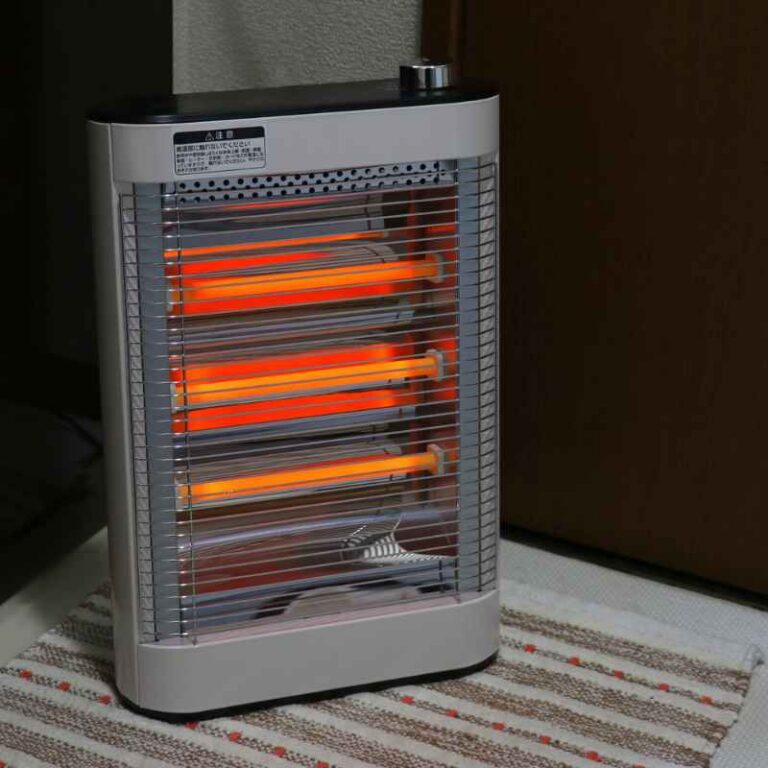
How Much Heat Does A 1500 Watt Space Heater Produce?
Many of us rely on these portable heaters to take the chill off a room or two. They are handy and can offer focused warmth. But understanding their power, especially in terms of actual heat output, can be tricky.
This guide will break down what a 1500 watt space heater means for your comfort. We’ll look at its heat-producing power, how it compares to other heaters, and what it can realistically do for your home.
A 1500 watt space heater produces about 5,118 BTUs per hour. This is a significant amount of heat for a portable unit. It’s enough to warm a small to medium-sized room effectively. The actual heat felt can depend on room size, insulation, and outside temperature.
Understanding Space Heater Wattage
When you look at a space heater, the first number you usually see is its wattage. For many common portable heaters, this number is 1500 watts. This tells you how much electrical power the heater uses.
It’s like the “fuel” it burns. More watts mean the heater can convert more electricity into heat.
Think of watts like the horsepower of a car. A higher horsepower car can go faster. A higher wattage heater can produce more heat.
However, wattage itself doesn’t directly tell you how warm a room will get. It just tells you the maximum rate at which it can generate heat.
So, a 1500 watt heater is considered quite powerful for a portable electric unit. Most standard outlets in your home can handle this much power. It’s a common and effective rating for providing supplemental heat.
It’s designed to add warmth without overloading your home’s electrical circuits. This makes it a popular choice for many people.
From Watts to BTUs: Measuring Heat
To truly understand how much heat a space heater produces, we need to talk about British Thermal Units, or BTUs. A BTU is the standard unit for measuring heat energy. It’s defined as the amount of heat needed to raise the temperature of one pound of water by one degree Fahrenheit.
Why is this important? Because watts measure electrical power, while BTUs measure heat output. We need a way to convert one to the other.
This conversion helps us compare different types of heating sources. It lets us see their true heating capability in a common unit.
The conversion from watts to BTUs is fairly straightforward. One watt is equal to about 3.412 BTUs per hour. This is a key number to remember.
It’s the bridge between the electrical rating of your heater and the actual warmth it gives off.
So, when we take that 1500 watt rating, we can do a simple calculation. 1500 watts multiplied by 3.412 BTUs per watt gives us the total BTUs per hour. This is the scientific way to measure the heat produced.
It’s a precise figure that helps us quantify the heater’s power.
Calculating the Heat Output of a 1500 Watt Heater
Let’s do the math for our 1500 watt space heater. We use the conversion factor we just learned. One watt equals 3.412 BTUs per hour.
The calculation is: 1500 watts * 3.412 BTUs/watt = 5,118 BTUs per hour.
So, a 1500 watt space heater puts out approximately 5,118 BTUs of heat every hour. This is a significant amount of warmth. It’s a useful figure to know.
It helps you understand the heater’s potential. You can use this number to compare it to other heating methods.
For example, a small candle might produce a tiny fraction of a BTU. A large furnace might produce tens of thousands of BTUs. Knowing that your portable heater is in the range of 5,000 BTUs gives you a clear picture of its place in the heating world.
Factors Affecting Actual Room Temperature
While 5,118 BTUs per hour is the theoretical maximum heat output, the actual temperature you feel in a room can vary. Several things can influence how much of that heat you actually benefit from. It’s not just about the heater’s power.
One of the biggest factors is the size of the room. A heater that can warm a small bedroom might struggle in a large living room. The BTUs need to spread out.
If the space is too big, the heat gets diluted. It can’t raise the temperature as much.
Insulation is another huge piece of the puzzle. A well-insulated room keeps heat in. It’s like wearing a warm coat on a cold day.
Your home’s insulation, windows, and doors all play a role. Drafty windows or poor wall insulation mean heat escapes quickly. This makes your heater work harder and less effectively.
The outside temperature matters too. On a mild day, a 1500 watt heater can do wonders. But on a freezing day, it might only be able to maintain a slightly warmer temperature.
It’s fighting a losing battle against the cold trying to get in. The greater the difference between inside and outside, the harder it is to heat.
Finally, how long the heater runs is important. A heater needs time to warm up a space. It also needs time to overcome heat loss.
Short bursts of heat won’t be as effective as continuous operation. Consistent heat output over time leads to a more comfortable room.
Comparing Heater Types and Their Output
It’s helpful to see how a 1500 watt space heater stacks up against other heating methods. This gives you a better perspective on its capabilities and limitations.
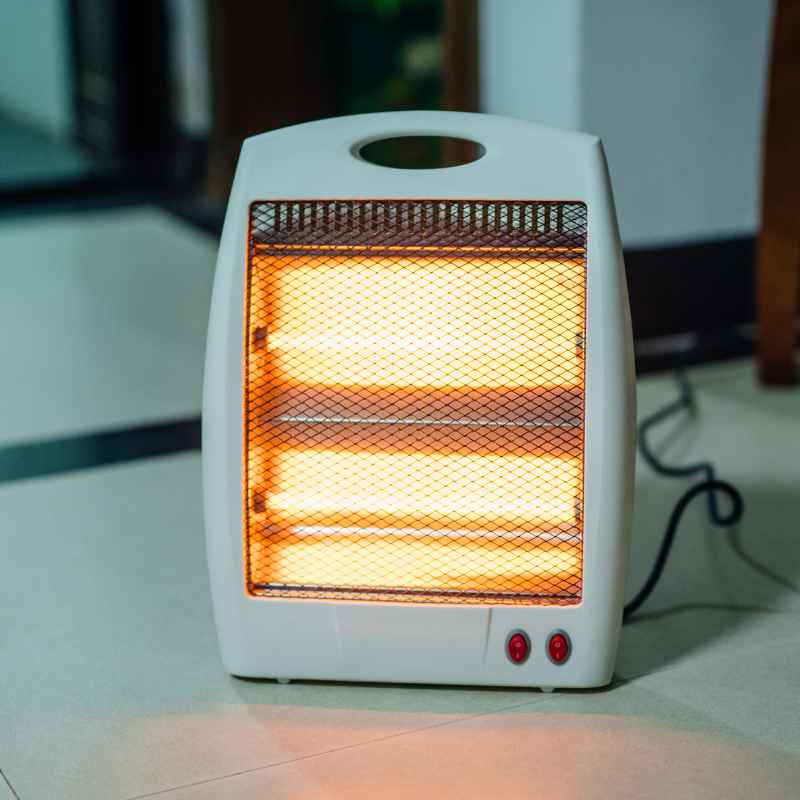
Electric Resistance Heaters: These are the most common type of portable heaters. This includes radiant, ceramic, and fan-forced models. All typically max out around 1500 watts.
They convert electricity directly into heat. Their BTU output is consistent and directly tied to their wattage.
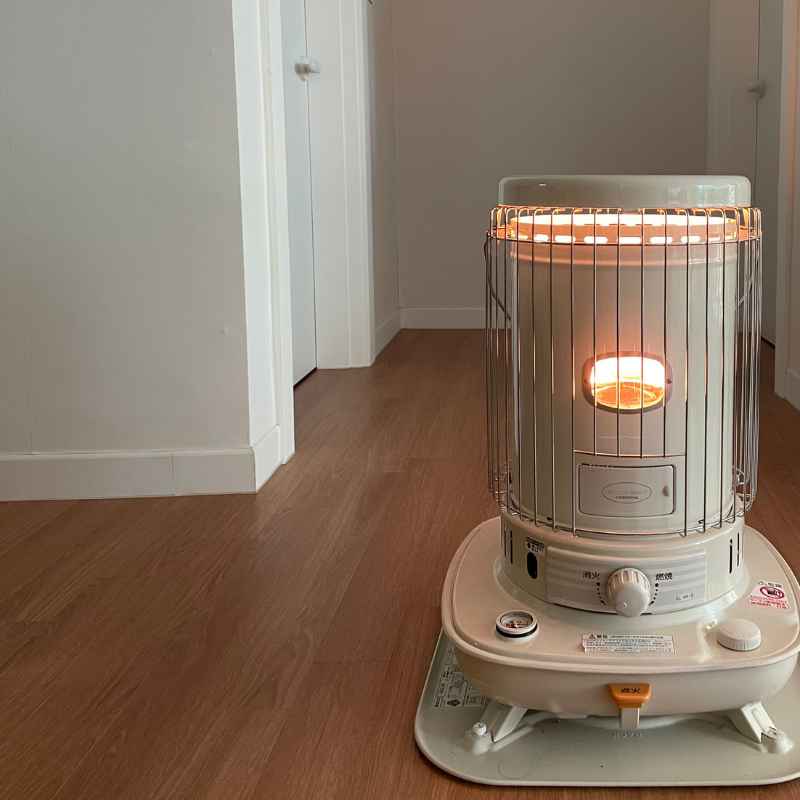
Propane/Kerosene Heaters: These portable heaters often produce more BTUs. Some can reach 40,000 to 60,000 BTUs or more. However, they require fuel, ventilation, and come with safety concerns like carbon monoxide.
They are generally not for indoor use without proper setup.
Central Heating Systems (Furnaces/Boilers): Whole-house systems are much more powerful. A typical natural gas furnace might produce 60,000 to 120,000 BTUs. These are designed to heat an entire home, not just a single room.
They are a different category of heating altogether.
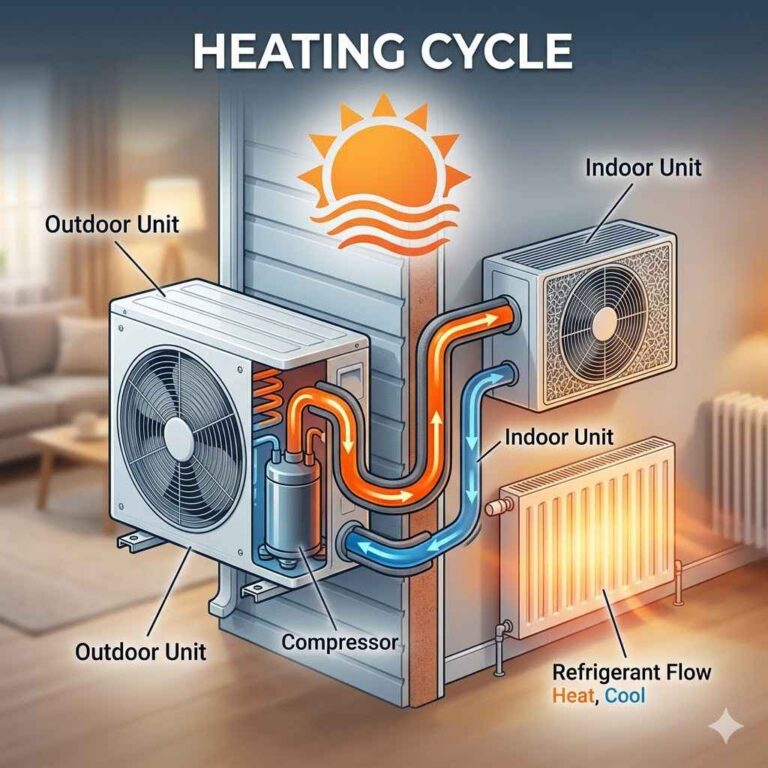
Heat Pumps: These are very efficient electric systems. They move heat from one place to another. While their BTU output can vary, their efficiency often means they deliver more heat per watt than electric resistance heaters, especially in milder climates.
So, while a 1500 watt heater is powerful for a portable electric unit, it’s much less powerful than a whole-house system. Its strength lies in its portability and ability to provide quick, focused warmth for smaller areas. It’s a great supplement, not a primary whole-home solution.
Space Heater Quick Facts
Wattage: Measures electrical power used.
BTU: Measures heat energy produced.
Conversion: 1 Watt = ~3.412 BTUs/hour.
1500W Heater: ~5,118 BTUs/hour.
Room Size: Bigger rooms need more BTUs.
Insulation: Better insulation keeps heat in.
Types of 1500 Watt Space Heaters
Within the 1500 watt category, there are different types of heaters. Each works slightly differently to deliver warmth. Understanding these can help you choose the best one for your needs.
Ceramic Heaters: These use a ceramic plate with a heating element. A fan blows air across the hot plate. This heats the air and pushes it into the room.
They are good for quickly heating up a medium-sized space. They are usually quiet and don’t produce a strong odor.
Convection Heaters: These heaters draw in cool air from the bottom. The air passes over a heating element. Then, the warm air rises and circulates out the top.
They heat the air slowly and evenly. They are best for maintaining a consistent temperature in a room over time. They don’t have fans, so they are very quiet.
Fan-Forced Heaters: These have a heating coil. A fan blows air directly over the coil. This forces warm air out into the room quickly.
They are very effective at raising the temperature fast. However, the fan can be a bit noisy. They might also dry out the air.
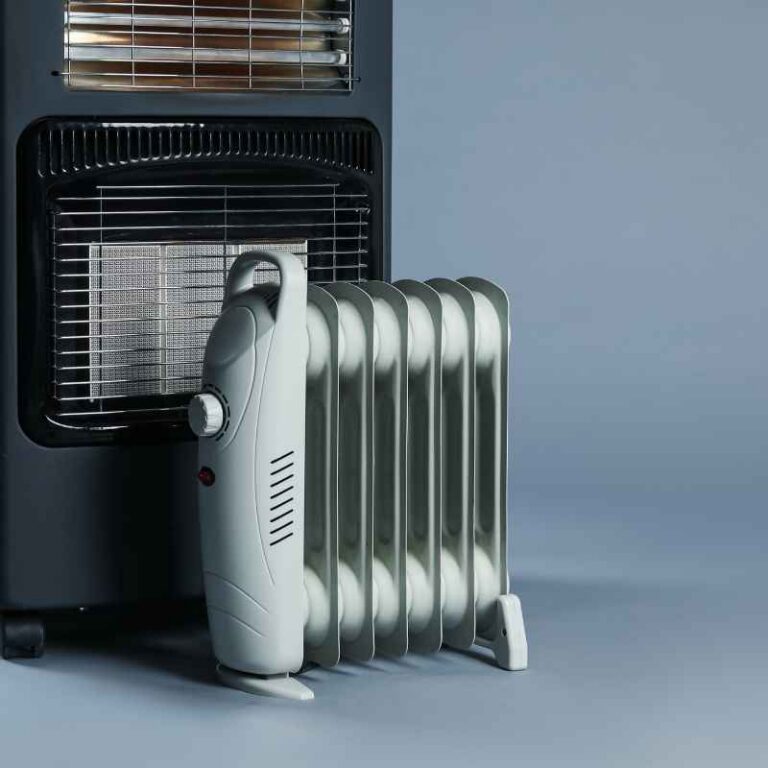
Oil-Filled Radiators: These look like old-fashioned radiators. They have fins and are filled with oil. An electric element heats the oil.
The oil then heats the metal fins. The fins radiate heat into the room. They heat up slowly but provide a steady, comfortable warmth.
They are often quiet and don’t dry out the air as much.
Infrared Heaters: These heaters emit infrared radiation. This radiation directly heats objects and people in its path. It’s like the warmth you feel from the sun.
They don’t heat the air directly. This means they can feel warm even if the air temperature is cooler. They are good for spot heating.
All these types, when rated at 1500 watts, will produce roughly the same amount of BTUs. The difference is in how they deliver that heat and how quickly they can affect the room’s temperature. The best type depends on your specific needs and preferences.
When is 5,118 BTUs Enough?
So, when can you expect that 5,118 BTUs from your 1500 watt heater to be sufficient? It really comes down to the conditions.
Small Rooms: A 1500 watt heater is ideal for small to medium rooms. Think of bedrooms, small offices, bathrooms, or dens. These spaces are typically under 150 square feet.
The heater can effectively raise the temperature by 10-20 degrees Fahrenheit.
Supplemental Heat: It’s excellent for adding extra warmth to a room that is already somewhat warm. If your main heating system keeps the house generally comfortable, but one room is always chilly, a space heater is perfect. It targets that specific area.
Quick Warm-Up: If you need to warm up a space quickly, especially a smaller one, a 1500 watt heater can do the job. Fan-forced models are particularly good at this. They circulate warm air fast.
Mild Weather: During shoulder seasons, like fall or spring, when it’s not freezing outside but just cool, a 1500 watt heater can often handle a moderately sized room on its own.
I remember one autumn when the furnace in my older house seemed to struggle. My son’s bedroom, facing north, always felt damp and cold. I bought a 1500 watt ceramic heater for his room.
It made a world of difference. He could do his homework in comfort, and I didn’t have to crank up the whole house thermostat.
It’s important to have realistic expectations. This heater is not meant to replace your main heating system. It’s a helpful tool for targeted warmth.
It can increase your comfort significantly in the right situation.
When Might You Need More Heat?
There are times when 5,118 BTUs might not be enough, no matter how good the heater is. Recognizing these situations helps you make informed decisions about heating your home.
Large Living Areas: Open-concept living spaces, large great rooms, or rooms with very high ceilings are challenging. The BTUs get spread too thin. You’ll likely need a much higher output or multiple heaters to make a difference.
Poorly Insulated Homes: If your home has old windows, thin walls, or lots of drafts, heat escapes rapidly. The heater will constantly be fighting a losing battle. You’ll be adding heat, but it’s just disappearing.
Addressing insulation issues might be a better long-term solution.
Very Cold Climates: On those bitter winter days when the temperature plummets, a 1500 watt heater might only be able to take the edge off. It can help, but it likely won’t make a very cold room toasty. You might need a more powerful system or to rely on your main heating.
Garages or Unheated Spaces: Unless these spaces are very small and well-sealed, a 1500 watt heater will struggle immensely. These areas often have no insulation and are exposed to the outside. They require specialized, higher-output heaters or complete sealing and insulation first.
I once tried to use a 1500 watt heater in my attached garage to keep my tools from freezing during a big cold snap. It ran constantly, and the garage only got a little less frigid. I realized then that some spaces just demand more power or a different approach altogether.
The garage felt like trying to fill a sieve with water.
In these scenarios, you might need to consider a higher wattage heater (if your circuits allow), a more powerful central system, or improving the thermal envelope of your home. It’s about matching the heating source to the demand.
Heater vs. Room Size Guide (Rough Estimates)
- Up to 150 sq ft: 1500 Watts (5,118 BTUs) is usually sufficient.
- 150 – 250 sq ft: Might work, but could struggle, especially in cold weather.
- 250 – 400 sq ft: Typically requires 2000-2500 Watts or more.
- Over 400 sq ft: Central heating or multiple powerful units are needed.
These are general guidelines. Insulation and climate play a big role!
Safety First: Using Your Space Heater Wisely
When you’re dealing with any kind of heat source, safety is paramount. Space heaters are generally safe when used correctly. But it’s crucial to follow some basic rules to avoid accidents.
Clearance: Always keep your space heater at least three feet away from anything flammable. This includes curtains, furniture, bedding, paper, and clothing. Never place it on soft surfaces like beds or sofas.
It needs a clear space to operate safely.
Placement: Position the heater on a flat, stable surface. This prevents it from tipping over. Many modern heaters have tip-over protection that shuts them off if they fall.
But it’s best to avoid the situation in the first place.
Supervision: Never leave a space heater running unattended, especially when you go to sleep or leave the house. It’s a device that generates heat, and vigilance is key. If you must leave the room, turn it off.
Electrical Cords: Don’t run the power cord under rugs or carpets. This can damage the cord and create a fire hazard. Also, avoid using extension cords if possible, as they can overheat.
If you must use one, ensure it’s heavy-duty and rated for the heater’s wattage.
Maintenance: Keep the heater clean. Dust and debris can build up on the heating elements or in the fan, which can be a fire risk. Check the cord for any damage regularly.
Follow the manufacturer’s instructions for cleaning and upkeep.
Overloading Circuits: A 1500 watt heater uses a lot of power. Plugging it into a circuit that already has many other high-draw appliances (like a toaster oven and a hairdryer) can trip the breaker or, in rare cases, cause damage. Try to dedicate a circuit if possible, or be mindful of what else is running.
My neighbor once had a close call because a small child pulled a blanket over their running space heater. Thankfully, it had safety features and didn’t ignite, but it was a stark reminder. Always ensure heaters are out of reach of children and pets.
And ensure there’s nothing that could easily catch fire nearby.
By following these safety tips, you can enjoy the warmth your space heater provides without unnecessary risk. Safety features are important, but they are a backup, not a replacement for good judgment.
The Role of Insulation in Heating Efficiency
We’ve touched on insulation a few times, but it’s worth emphasizing. How well your home holds heat dramatically impacts how effective any heating source is, including your 1500 watt space heater. Think of insulation as the blanket for your house.
When you have good insulation, it slows down heat transfer. In winter, it keeps the warm air inside. In summer, it keeps the cool air inside.
This means your heating system, whether central or a space heater, doesn’t have to work as hard or run as long to maintain a comfortable temperature.
What is “good” insulation? This varies by climate zone. The U.S. Department of Energy recommends certain R-values (a measure of thermal resistance) for different parts of your home (attic, walls, floors).
Generally, more insulation is better.
Where to check: Pay attention to attics, walls, crawl spaces, and basements. Older homes might have very little or outdated insulation. Window and door seals are also critical.
Drafts around these areas can let a surprising amount of heat escape.
The Impact: If your home is poorly insulated, your 1500 watt heater might seem weak. It’s not that the heater isn’t producing 5,118 BTUs. It’s that those BTUs are escaping faster than the heater can replace them.
You might be running the heater non-stop but still feel cold.
In contrast, a well-insulated room might feel perfectly cozy with a 1500 watt heater even on a cold day. The heat stays where you want it. This makes your heating more efficient and can save you money on energy bills.
I remember visiting a friend who had just bought an old house. They complained constantly about how cold it was, even with the thermostat turned up high. We went up into their attic and found barely any insulation.
After they added blown-in insulation, their heating bills dropped, and the house felt noticeably warmer and more comfortable. Their small space heater then became truly effective for just topping up the warmth in their bedroom.
Before you decide you need a bigger heater, it’s often worth checking your home’s insulation. It could be the most cost-effective way to improve comfort and heating efficiency.
Insulation vs. Heater Power
Scenario 1: Poor Insulation
- Heater runs constantly.
- Room temperature struggles to rise.
- Heat escapes quickly.
- Higher energy bills.
Scenario 2: Good Insulation
- Heater runs less often.
- Room temperature is comfortable.
- Heat is retained effectively.
- Lower energy bills.
Real-World Scenarios and Heat Performance
Let’s paint a picture with a few real-world scenarios to see how that 1500 watt space heater performs in different situations.
Scenario A: The Home Office Nook
You have a small corner in your living room set up as an office. It’s a bit away from the main heating vents, and you always feel a chill while working. The space is about 8×10 feet.
You bring in your 1500 watt ceramic heater. You set it to a comfortable temperature. Within 15-20 minutes, the little nook is noticeably warmer.
The fan circulates the heat, and you feel much more focused and comfortable at your desk. The heater cycles on and off, maintaining the temperature without running constantly. This is a perfect use for it.
Scenario B: The Drafty Bedroom
It’s a cold January night. Your central heating is set to 68°F, but your upstairs bedroom, which has older, single-pane windows, feels much colder. You place your 1500 watt oil-filled radiator in the room before bed.
It heats up slowly, radiating gentle warmth. By the time you get into bed, the room feels cozy. The heater keeps the room warm throughout the night, running only periodically.
It prevents the room from getting too cold, even with the drafts. This is a great way to supplement your main system for comfort.
Scenario C: The Large Basement Rec Room
You have a large basement space, perhaps 20×20 feet, with concrete walls and floors. It’s mostly uninsulated. You try using your 1500 watt fan-forced heater to make it more inviting.
You turn it on. The fan blows warm air, but it seems to disappear quickly into the vast space. The concrete absorbs a lot of the heat.
The heater has to run almost continuously. Even then, the room only feels slightly less cold. You might find yourself needing two or three such heaters, or a much more powerful dedicated system, for this space.
Scenario D: The Workshop Garage
You want to tinker in your garage on a Saturday morning. It’s 30°F outside. You bring your 1500 watt heater in.
You set it to run for an hour before you plan to start working. You return to find the garage is still quite cold. The concrete floor is frigid, and the large overhead door doesn’t seal perfectly.
The heat from the space heater is no match for the thermal mass and air infiltration. It might take the sting out of the air, but it won’t make it comfortable for extended work. You realize a heavy-duty propane heater or a properly insulated garage heating solution is needed.
These examples show that the 5,118 BTUs are a significant amount of heat for the right job. But applying it to a space that’s too large, too poorly insulated, or too exposed to the elements will always be a challenge. The context of the room matters immensely.
What This Means for Your Heating Strategy
Understanding the heat output of your 1500 watt space heater helps you build a smarter heating strategy for your home. It’s about using the right tool for the right job.
Targeted Warmth: Your space heater is excellent for bringing comfort to specific areas. If your main system heats the house to, say, 68°F, but you want your home office to be 72°F, your space heater can achieve that. It’s more energy-efficient than cranking up the entire house for one room.
Supplementing, Not Replacing: Think of it as an addition to your primary heating system. It can help take the load off your furnace or boiler during peak cold. This can lead to more even heating throughout the house and potentially save on energy costs by allowing you to set your main thermostat a degree or two lower.
Dealing with Cold Spots: Many homes have rooms that are naturally colder than others. These could be rooms at the end of duct runs, rooms with less insulation, or rooms facing north. A space heater is ideal for solving these persistent cold spots.
Energy Efficiency Considerations: While a 1500 watt heater uses a good amount of electricity, it can be more efficient for heating a single room than running a large central furnace to warm the entire house, especially if the rest of the house doesn’t need that much heat. However, electric resistance heating is generally less efficient than gas heating on a per-BTU basis. It’s a trade-off between convenience and overall energy source efficiency.
When to Re-evaluate: If you find yourself running your 1500 watt heater constantly and still not getting comfortable, it’s a sign. It could mean the room is too large, too poorly insulated, or there’s a bigger issue with your home’s heating. It might be time to look at improving insulation or considering a more robust heating solution for that area.
I found that during really cold spells, my gas furnace handled the main house fine, but my upstairs guest room would get quite cool. My 1500 watt ceramic heater, running for just a few hours a day, kept it perfectly warm for visitors. It made a huge difference in their comfort without having to constantly adjust the main thermostat higher.
It allowed us to host comfortably even when the weather turned nasty.
Using your space heater strategically means you get the most comfort and value from it. It becomes a powerful ally in keeping your home warm and cozy.
Quick Fixes and Tips for Optimal Heating
Sometimes, a few small changes can make your space heater work even better. These aren’t complex fixes, just smart tips.
- Seal Drafts: Use draft stoppers for doors and windows. Weatherstripping can also help seal gaps. This is one of the most effective ways to keep heat in.
- Close Off Unused Rooms: Shut the doors to rooms you aren’t using. This helps concentrate the heat where you need it. It prevents your heater from working harder than it has to.
- Use it When Needed: Don’t run your space heater all day if you don’t need to. Use it during the times you are in the room and feel cold. Turn it off when you leave.
- Consider a Timer: Some heaters have built-in timers, or you can use an external plug-in timer. This can help automate when the heater turns on and off, ensuring you have heat when you need it without forgetting to turn it off.
- Clean the Filter (if applicable): If your heater has a removable filter, clean it regularly. A clogged filter can reduce airflow and heating efficiency.
- Thermostat Use: If your heater has a thermostat, use it. Set it to your desired temperature. The heater will cycle on and off to maintain it, saving energy.
- Reflective Backing: For radiant or fan-forced heaters, placing a heat-resistant reflective panel behind the heater (making sure it doesn’t block vents) can help direct more heat into the room instead of into the wall behind it.
These are simple steps that can boost your heater’s performance. They help ensure you’re getting the most out of that 5,118 BTUs. It’s about making smart choices to stay warm and save energy.
Frequently Asked Questions About Space Heater Heat Output
How many square feet can a 1500 watt space heater warm?
A 1500 watt space heater, producing around 5,118 BTUs, is generally effective for small to medium-sized rooms, typically up to 150 square feet. This assumes good insulation and moderate outside temperatures. Larger rooms or those with poor insulation will require more heat.
Is 5118 BTUs a lot of heat for a room?
Yes, 5,118 BTUs per hour is a significant amount of heat for a portable electric heater. It’s enough to noticeably warm a small bedroom or office. However, it is much less than a central heating system which can produce 60,000 BTUs or more.
Can a 1500 watt heater heat my whole house?
No, a 1500 watt space heater is not designed to heat an entire house. It can effectively warm one or two small rooms. For whole-house heating, you need a central heating system (like a furnace or boiler) that can produce many thousands of BTUs.
Why does my 1500 watt heater not seem very hot?
Several factors can affect perceived heat. These include the size of the room, the level of insulation, drafts, outside temperature, and how long the heater has been running. If the room is large or poorly insulated, the heater might struggle to raise the temperature significantly.
Should I use a 1500 watt heater in my garage?
A 1500 watt heater might provide some minimal warmth in a very small, well-sealed garage. However, most garages are uninsulated and large, making this heater insufficient for substantial heating. Specialized garage heaters or better insulation are usually needed.
What’s the difference between watts and BTUs for heaters?
Watts measure the electrical power a heater uses. BTUs (British Thermal Units) measure the actual heat energy produced by the heater. The conversion is approximately 1 watt = 3.412 BTUs per hour.
Watts tell you how much electricity it draws, while BTUs tell you how much heat it outputs.
Are 1500 watt heaters safe to leave on overnight?
While many modern 1500 watt heaters have safety features, it is generally not recommended to leave any portable heater running unattended overnight. Always ensure the heater is placed safely away from flammable materials and has clear space around it. Following manufacturer instructions is key.
Conclusion: Maximizing Your Portable Heat
Your 1500 watt space heater is a powerful tool for providing focused warmth. It generates about 5,118 BTUs per hour, which is significant for a portable unit. This output is perfect for small to medium rooms, supplemental heating, and quickly taking the chill off a space.
Remember that its effectiveness depends heavily on the room’s size, insulation quality, and the outside temperature. By understanding these factors and using your heater wisely, you can significantly boost your home’s comfort. Always prioritize safety and consider how your space heater fits into your overall heating strategy.
Sponsored / affiliate links. As an Amazon Associate I earn from qualifying purchases. I may earn additional commission from eligible campaigns.