How To Prevent Thermal Radiation From Entering Your Home
Preventing thermal radiation from entering your home involves blocking the sun’s heat before it reaches your windows and walls. This is done through various methods like shading, using reflective surfaces, and improving insulation. Focusing on these strategies can significantly reduce heat gain, making your home cooler and more energy-efficient.
Understanding Thermal Radiation Heat Gain
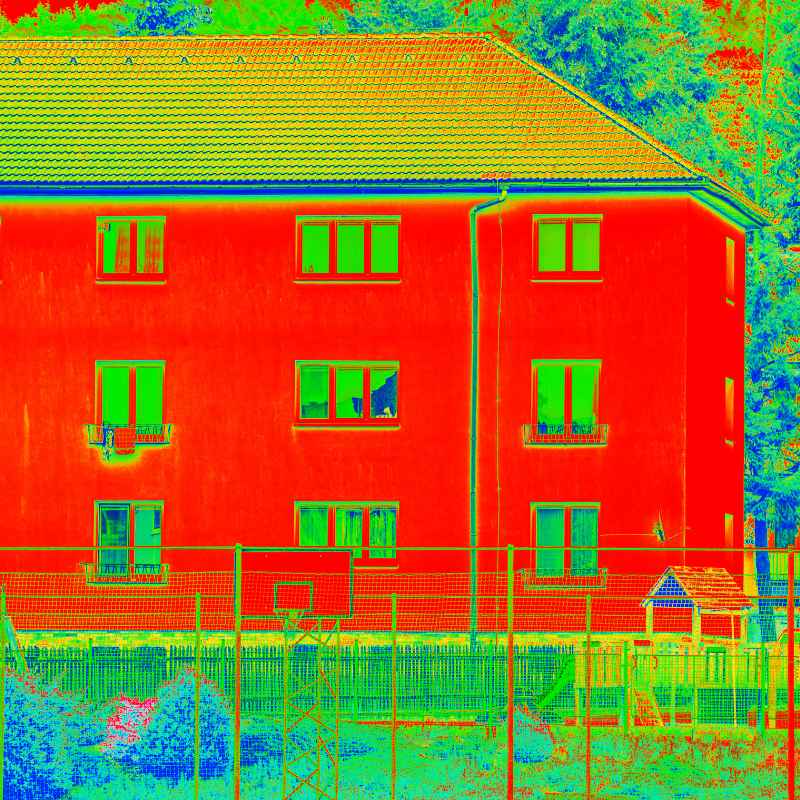
Thermal radiation is how heat travels through the air. The sun gives off a lot of this heat. When the sun shines on your home, this heat tries to get in. It’s like feeling the warmth of a fire from across the room. Your home absorbs this heat. It especially happens through windows and dark surfaces. Think of a black car parked in the sun. It gets much hotter than a white one. This is because dark colors absorb more light and heat.
This absorbed heat then moves into your home. It makes the air inside warmer. Even if your windows are closed, the heat energy can pass through. It can also seep in through your roof and walls. This is especially true if they are dark or don’t have enough protection. This process is called heat gain. It’s the main reason your home gets so hot during sunny days.
The heat from the sun isn’t just visible light. It also includes invisible infrared radiation. This infrared part is what we feel as heat. It’s very good at passing through glass. So, even on a cool day, direct sunlight through a window can heat up a room. This is a natural process. But when it comes to keeping your home comfortable, it’s something we want to manage. Understanding this helps us choose the best ways to block it.
My Backyard Battle with the Sun
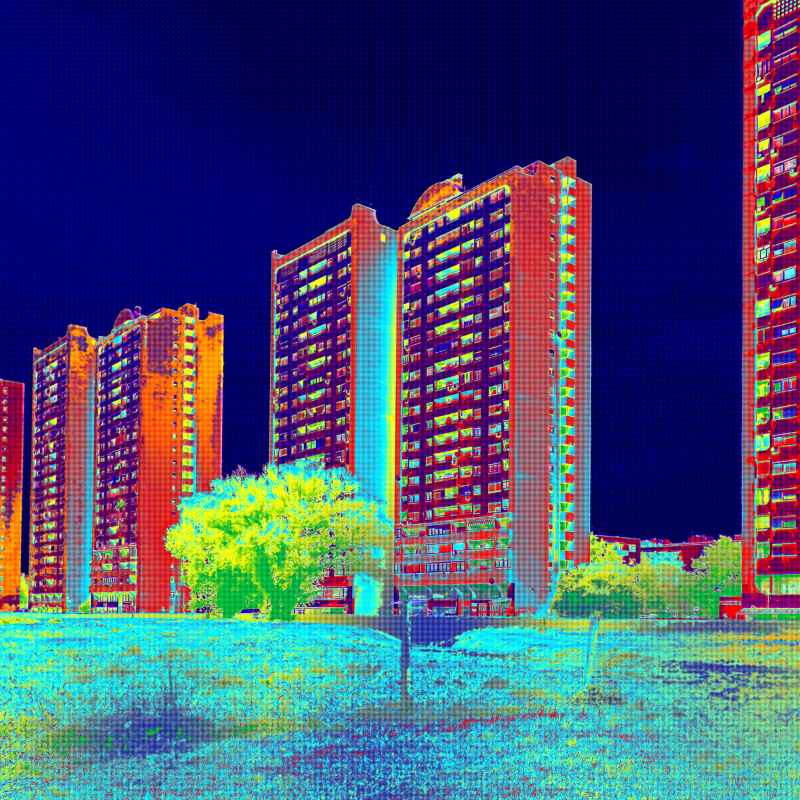
I remember one summer, my living room felt like a sauna. It was mid-afternoon, and the sun was beating down directly on my big front window. I had blinds closed, but it still felt incredibly hot in there. I’d tried everything: fans, closing doors, even misting myself with water. Nothing seemed to help much. The air conditioning was running non-stop, but the room just wouldn’t cool down.
I walked outside and felt the direct sun on my face. Then I looked at the window. The glass itself felt warm to the touch. Even the curtains looked darker where the sun hit them. It was then I realized the thermal radiation was just punching right through. It was heating everything inside. I felt a bit helpless, standing there in my own home that felt like a vacation spot I didn’t want to be at. I knew I had to find a better way than just fighting the heat after it got in.
Understanding Heat Transfer Types
Conduction: Heat moving through solid materials. Think of a metal spoon getting hot in soup. Your walls and roof conduct heat from outside to inside.
Convection: Heat moving through air or liquids. Warm air rises. This is how hot air circulates in your home.
Radiation: Heat moving as waves. The sun’s heat travels to us this way. It’s like the heat you feel from a campfire without touching it.
Ways to Block Incoming Solar Heat
So, how do we stop this invisible heat wave from entering? We need to put up barriers. These barriers can work in different ways. Some stop the sun’s rays before they even reach your house. Others reflect the heat away. And some materials just don’t let heat pass through easily. Let’s explore some of the most effective methods.
1. Shading Your Home
This is one of the most direct ways to fight solar heat. Shading involves placing something between the sun and your home. This can be done in many ways, both inside and outside.
A. Exterior Shading
Overhangs and Awnings: These are structures built over windows or doors. They are designed to block the high summer sun. But they let the lower winter sun in. This is smart design for different seasons. Awnings can be fixed or retractable. They offer significant protection.
Shade Trees and Landscaping: Planting deciduous trees on the south and west sides of your home is excellent. Deciduous trees lose their leaves in winter. This allows the sun’s warmth to reach your home when you need it. In summer, their full leaves provide dense shade. This can lower surface temperatures significantly. Bushes and vines can also help shade walls.
Exterior Shutters and Shades: These are installed on the outside of windows. They can be opened or closed as needed. They physically block the sun’s rays from hitting the glass. Rolling shutters offer great protection when closed.
Pergolas and Verandas: These structures can cover patios and parts of your home. They reduce direct sun exposure on walls and windows below. Adding climbing plants to them increases the shade effect.
B. Interior Shading
Blinds and Curtains: While they offer some help, their effectiveness varies. Light-colored blinds and curtains are better. They reflect more light. Blackout curtains can be very effective at blocking light and some heat. However, if the heat is already absorbed by the window glass, they help less. The heat can still radiate into the room from the curtain itself.
Window Films: Special films can be applied to your windows. Some films are reflective. They bounce sunlight back outside. Others tint the window to reduce the amount of light and heat that enters.
Quick-Scan Table: Interior vs. Exterior Shading
| Method | Pros | Cons | Best For |
|---|---|---|---|
| Exterior Awnings | Blocks sun before it hits glass. Seasonal sun control. |
Can be costly. May need maintenance. |
Consistent sun exposure areas. |
| Shade Trees | Natural, beautiful. Improves air quality. Seasonal sun control. |
Takes time to grow. Can cause leaf litter. |
Long-term solutions. |
| Interior Blinds | Inexpensive, easy to use. Adjustability. |
Less effective than exterior. Can absorb heat. |
Temporary or budget solutions. |
| Window Films | Less visible than blinds. Can reduce glare. |
May alter window appearance. Installation can be tricky. |
Homeowners not wanting major changes. |
2. Reflective Surfaces
Using materials that reflect heat away is another smart strategy. The brighter or more metallic a surface, the more it reflects.
Cool Roofs: This refers to roofing materials that reflect more sunlight. They also emit the heat they absorb better. This is known as high solar reflectance and high thermal emittance. Light-colored shingles or special reflective coatings can be used. A cool roof can significantly reduce heat transfer into your attic and home. The U.S. Environmental Protection Agency (EPA) has resources on cool roofs.
Reflective Window Films: As mentioned earlier, some window films are designed to be highly reflective. They bounce a good portion of the sun’s rays back outside. This is a very direct way to tackle radiant heat coming through glass.
Light-Colored Exterior Paint: Painting the exterior of your home in lighter colors can help. Lighter colors reflect more sunlight than darker colors. This is especially true for walls that receive direct sun.
3. Improving Insulation and Ventilation
While not directly blocking radiation, good insulation and ventilation work together to manage heat.
Attic Insulation and Ventilation: The attic is often the hottest part of a home in summer. Heat from the sun hits the roof and transfers through the attic space. Good insulation in the attic acts as a barrier. Proper attic ventilation allows hot air to escape. This is usually done with vents at the roofline and soffits. This creates airflow that pushes hot air out and cooler air in.
Wall Insulation: While less affected by direct solar radiation than the roof, walls still absorb heat. Proper insulation in walls slows down heat transfer.
Myth vs. Reality: Window Treatments
Myth: All blinds and curtains block heat effectively.
Reality: Light-colored, thick, and reflective blinds or curtains work best. Thin, dark ones can absorb heat and radiate it inwards. Exterior shading is generally more effective.
Myth: You only need to worry about windows on the sunny side.
Reality: While south and west-facing windows get the most direct sun, heat can still enter through other windows via reflection and general ambient temperature rise.
Focusing on Windows: The Main Culprit
Windows are often the weakest link when it comes to heat gain. They are transparent, allowing light and heat to pass through. Thermal radiation from the sun loves to enter through glass. So, a lot of our effort should be directed here.
Understanding Different Window Types
Single-Pane Windows: These offer very little protection. They let a lot of heat in during summer and out in winter.
Double-Pane Windows: These have two panes of glass with a space in between. This space can be filled with air or an inert gas like argon. This provides better insulation than single-pane windows.
Low-E Glass: This is a special coating applied to the glass. It reduces heat transfer. Low-E coatings can reflect infrared light (heat) while still allowing visible light to pass through. There are different types of Low-E coatings. Some are designed to keep heat out in summer, while others are meant to keep heat in during winter. For preventing heat gain, you want a Low-E coating that is good at reflecting solar heat.
Tinted Windows: These windows have a dark tint. They reduce the amount of light and heat that enters. However, they can also make your home darker inside.
The Impact of Window Size and Orientation
The size and direction your windows face are critical. South-facing windows get the most intense sun in the Northern Hemisphere, especially during midday. West-facing windows get harsh, direct sun in the late afternoon and evening. This is when homes are often trying to cool down. East-facing windows get morning sun, which can still be significant. North-facing windows get the least direct sun. Maximizing shade on south and west windows is usually the top priority.
Stacked Micro-Sections: Window Heat Gain Factors
Glass Type: Single-pane is worst. Double-pane with Low-E coating is much better.
Window Size: Larger windows let in more heat.
Window Orientation: South and West facing windows are primary culprits.
Shading: Lack of exterior or interior shading is a major contributor.
Frame Material: Metal frames can conduct heat more than vinyl or wood.
The Role of Your Roof and Attic
Your roof is like the hat your house wears. It takes the brunt of the sun’s energy. What happens in your attic directly impacts the temperature inside your living space.
Attic Ventilation: A Breath of Fresh Air (or Hot Air Out!)
Imagine wearing a hat on a hot day with no air moving underneath. It gets incredibly stuffy and hot. Your attic is similar. When the sun heats the roof, the air trapped in the attic gets very hot. If there’s no way for this hot air to escape, it will heat up your ceiling and the rooms below.
Soffit Vents: These are vents in the lower part of your roof’s overhangs. They allow cooler outside air to enter the attic.
Ridge Vents: These are vents along the peak of the roof. They allow hot air to escape.
Other Vents: Gable vents, roof turbines, and powered attic fans can also help. The goal is to create a consistent flow of air. This flow pushes hot air out and
Attic Insulation: The Cozy Blanket Against Heat
Insulation in your attic acts as a thermal barrier. It slows down the transfer of heat. In summer, insulation stops the heat from the hot attic from reaching your living area. In winter, it stops the heat from your living area from escaping into the attic.
Types of Insulation: Common types include fiberglass batts, cellulose (blown-in), and spray foam. The R-value measures how well insulation resists heat flow. A higher R-value means better insulation.
Proper Installation: It’s crucial that insulation is installed correctly. Gaps or thin spots can let heat pass through. Make sure insulation covers the entire attic floor and around any attic access points.
My Experience with an Attic Fan
I noticed my upstairs bedrooms were always the hottest, even with the AC on. After doing some research, I decided to have a whole-house fan installed. This fan pulls air from inside the house and vents it out through the attic. On cooler evenings, I could open windows and run the fan. It pulled in cool air and pushed out the hot air that had built up. It made a noticeable difference in how quickly the house cooled down. It also reduced how hard the air conditioner had to work during the day. It was a significant improvement, and I could feel the difference in comfort right away.
Observational Flow: Reducing Attic Heat
Step 1: Sun Hits Roof – Solar radiation warms the roofing materials.
Step 2: Heat Absorbed – The hot roof transfers heat downwards.
Step 3: Attic Air Heats Up – The trapped air in the attic becomes very hot.
Step 4: Heat Transfer to Living Space – Heat radiates and conducts through the ceiling into rooms.
Step 5: Solution – Ventilation – Vents allow hot attic air to escape.
Step 6: Solution – Insulation – Attic insulation slows heat transfer into rooms.
Result: Cooler Home – By managing attic heat, indoor temperatures are more stable.
Exterior Walls and Their Role
While windows and roofs are major heat gain areas, your walls also contribute.
Color Matters
As I mentioned before, lighter colors reflect more sunlight. If your home has dark siding or brick that faces the sun directly, it will absorb more heat. This heat then slowly radiates into your home. Painting your home a lighter, neutral color can help reduce this absorption. If repainting isn’t an option, consider how exterior landscaping can offer shade to walls.
Material Properties
Some building materials are better at resisting heat transfer than others. Brick and stone can absorb a lot of heat. Vinyl siding can also get hot. Wood siding offers some insulation value. The best defense is usually proper insulation behind the siding.
The Power of Green Walls
For a more natural approach, consider “living walls” or vertical gardens. Plants grown on exterior walls can provide shade. They also release moisture through transpiration, which has a cooling effect. This is a more advanced solution but can be very effective.
Landscaping for Shade: A Natural Defense
Plants are nature’s air conditioners. Strategically placed trees and shrubs can make a huge difference.
Tree Placement
South Side: Tall, deciduous trees on the south side are ideal. They provide shade in summer and let the sun through in winter.
West Side: Afternoon sun can be brutal. Planting trees or large shrubs on the west side helps block this intense heat.
East Side: Morning sun is less intense, but still contributes to heat gain. Smaller trees or shrubs can offer some protection.
### Bushing Up Walls
Dense bushes planted near walls can provide a buffer. They absorb some of the sun’s energy before it reaches your home. They also help keep the surface temperature of the wall cooler.
### Vines and Trellises
Vines grown on trellises away from the house create a shaded space. This gap between the vine and the wall allows air to circulate. This reduces heat transfer to the wall itself. Be mindful of the type of vine. Some can attach directly to walls and cause damage.
When It’s Normal vs. When to Worry
It’s normal for your home to get warmer on very hot, sunny days. This is especially true if you have large windows or a dark roof. However, there are signs that indicate excessive heat gain that needs attention.
Signs of Too Much Heat Gain
Rooms are Uncomfortably Hot: Even with AC running, certain rooms remain much warmer than others.
High Energy Bills: Your electricity bill spikes significantly in summer, and your AC seems to be working overtime.
Hot Surfaces: Window sills, walls, or furniture exposed to direct sun feel excessively hot to the touch.
Attic Feels Like an Oven: If your attic temperature is much higher than ambient outdoor temperatures, ventilation may be poor.
When to Consider Professional Help
If you’ve tried basic shading and insulation tips and are still struggling, it might be time to call a professional. An energy auditor can assess your home’s specific heat gain issues. They can identify problems with insulation, ventilation, or window performance. They can also recommend tailored solutions.
Quick Tips for Immediate Impact
Some simple actions can offer immediate relief.
Close blinds and curtains on sunny sides: Do this before the sun hits those windows.
Use fans: Ceiling fans and portable fans help circulate air. This creates a wind-chill effect that makes you feel cooler.
Cook outside: Use your grill to avoid heating up the kitchen.
Limit appliance use during peak sun hours: Appliances generate heat. Run the dishwasher or washing machine in the evening.
Plant fast-growing shade plants: Even temporary shade from potted plants can help.
Frequently Asked Questions
What is the most effective way to block thermal radiation from the sun?
The most effective way is usually through exterior shading. This means putting a barrier between the sun and your home before the heat even reaches the windows or walls. Examples include awnings, pergolas, and strategically planted trees.
These methods physically block the sun’s rays.
Can window films really stop heat from entering my home?
Yes, specially designed window films can significantly reduce heat gain. Reflective films bounce sunlight back outside. Tinted films reduce the amount of solar energy that passes through.
Low-E coatings on windows also serve this purpose by reflecting infrared heat.
How important is attic ventilation for preventing heat gain?
Attic ventilation is very important. A hot attic acts like a radiator inside your home. Proper ventilation allows hot air to escape.
This keeps the attic temperature lower, reducing the heat that transfers into your living space below.
Should I use light-colored paint on my house to stay cooler?
Using light-colored paint on your exterior walls and roof can help. Lighter colors reflect more sunlight than dark colors. This reduces the amount of heat your home absorbs from the sun, leading to a cooler interior.
Are interior blinds as good as exterior shutters for blocking heat?
Exterior shutters and awnings are generally much more effective. They block the sun’s rays before they even hit the window glass. Interior blinds can help a little, but heat can still enter through the glass and be radiated into the room.
Light-colored, thick, and reflective interior treatments are better than dark, thin ones.
How quickly can I see results after implementing these tips?
Some tips, like closing blinds or using fans, offer immediate relief. Others, like planting trees or improving insulation, take time to have a full effect. Exterior shading solutions often provide noticeable comfort improvements right away, while attic upgrades might show results on your energy bills over time.
Staying Cool Naturally
Stopping thermal radiation from entering your home is all about smart defense. It’s about managing the sun’s energy before it becomes a problem. By using shading, reflective surfaces, and good insulation, you can keep your home much cooler. You’ll also reduce your reliance on air conditioning. This saves money and is better for the environment. Start with the easiest steps, like adjusting your window coverings. Then, consider more significant changes over time. A cooler home means a more comfortable life.
Sponsored / affiliate links. As an Amazon Associate I earn from qualifying purchases. I may earn additional commission from eligible campaigns.