How Efficient Are Modine Heaters Attached To A Furnace?
Modine heaters attached to a furnace can offer supplemental heat and improve overall comfort. Their efficiency depends on installation, usage, and the specific furnace system. They are often used in garages or workshops but can also aid in whole-home heating if sized and integrated correctly.
Understanding Modine Heaters and Furnace Integration
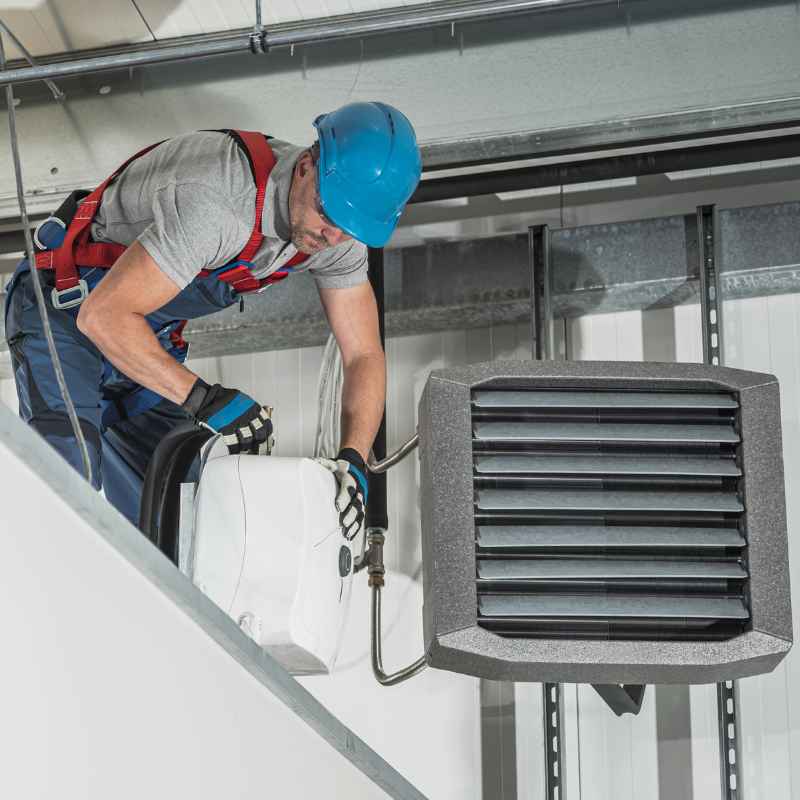
Modine heaters are often thought of for garages or workshops. But they can also work with a home furnace. A Modine heater is a type of unit heater.
It uses a fan to push warm air. This warm air comes from a heat exchanger. Your furnace also uses a heat exchanger.
It warms air that then travels through ducts. Attaching a Modine heater to a furnace system means you’re adding another heat source. This extra heat can help your furnace.
It can make your home warmer. It can also make your heating system work less hard.
There are a few ways this connection can happen. One way is using a Modine heater as a separate zone. It might heat a specific room or area.
Another way is to try and integrate it more directly with the main furnace. This is more complex. It often involves a licensed HVAC professional.
They ensure the systems work together safely. They also make sure it’s efficient. The goal is always to provide consistent, comfortable heat.
It’s also about doing it without wasting energy.
When we talk about efficiency, we mean how well a heater turns energy into usable heat. For Modine heaters, this depends on their type. They often run on gas or propane.
Electric models also exist. The efficiency rating, like an AFUE (Annual Fuel Utilization Efficiency) for furnaces, tells you how much fuel is converted to heat. Modine heaters have their own efficiency numbers.
How well these numbers translate to your home depends on many things. We’ll explore these as we go.
My Garage Heating Adventure: A Modine Heater Story
I remember a few years ago, I was finishing my basement workshop. It was a dream space. But man, it got cold.
Like, biting cold, even with the house heat running. My main furnace is in the basement, but it really only heats the main living areas well. The workshop was an afterthought in the original design.
I tried space heaters, but they were costly to run. They also felt like a fire hazard. I heard about Modine heaters.
They are tough and designed for tough spots. I decided to get a small gas-powered Modine heater for the workshop.
The installation was interesting. It wasn’t directly tied into my furnace’s ductwork. Instead, it was its own system.
It had its own gas line and vent. The fan blew warm air right into the workshop. It was a game-changer.
Suddenly, I could work in there on a snowy Saturday. The noise was noticeable, a steady hum and fan whir. But it was a comforting sound.
It meant warmth. It meant I wasn’t freezing anymore. The workshop got to a comfortable temperature quickly.
It made the space usable year-round. It saved me money compared to electric heaters. It also felt safer because it was properly vented.
That experience got me thinking. If it could make a cold basement workshop cozy, could something similar help the rest of the house? That led me down the rabbit hole of furnace integration.
It turns out, it’s not always simple. But the idea of adding targeted heat or boosting existing heat is very appealing. It’s about comfort and smart energy use.
It shows how different heating solutions can work for different needs.
Modine Heater Basics
What they are: Unit heaters. They often use gas or propane. Some are electric.
How they work: A burner heats a heat exchanger. A fan blows air over the exchanger. This warm air is then pushed out.
Common uses: Garages, workshops, agricultural buildings, small commercial spaces.
Key Parts: Burner, heat exchanger, fan, gas valve, thermostat, venting system.
Real-World Context: Where Modine Heaters Shine
Modine heaters are built tough. They are often seen in places where a standard furnace system might not reach or isn’t practical. Think of large, open spaces.
These could be garages, industrial shops, or even large chicken coops. In these places, the goal is often to heat a specific area quickly and effectively. They aren’t always designed for the gentle, whole-house comfort a furnace provides.
They can be noisier. Their heat can feel more direct. They are built for durability and quick heat delivery.
When we talk about attaching them to a furnace, it’s important to clarify what that means. It rarely means they share the same ductwork. Furnaces push air through a network of ducts to heat your whole home.
Modine heaters usually have their own fan and blow air directly into a space. So, connecting them often means they are running at the same time or controlled separately. The furnace heats the main house.
The Modine heater might heat a specific room, like a sunroom, or a colder section of the house.
The choice of fuel is a big factor. Gas and propane Modine heaters are common. They can be very cost-effective if you have access to these fuels.
Electric models are simpler to install. But electricity can be more expensive to run for primary heating. The climate where you live also matters.
In milder areas, a Modine heater might be enough for a garage. In very cold climates, it’s more likely to be a supplemental heat source for a specific zone. Understanding these contexts helps decide if this type of heating is right for you.
Fuel Types and Costs
Natural Gas/Propane: Often the most affordable fuel if available. Modine heaters using these are efficient and powerful.
Electric: Simpler to install, no venting needed. Can be more expensive to run daily, especially for larger spaces.
Heating Oil: Less common for Modine unit heaters but an option in some rural areas.
Cost to Run: Depends heavily on local fuel prices and heater efficiency rating.
Efficiency Explained: Modine vs. Furnace
Let’s talk efficiency. A furnace’s efficiency is often measured by AFUE. A high-efficiency furnace might have an AFUE of 90% or more.
This means 90% of the fuel is turned into heat. The rest is lost in exhaust. Modine heaters have their own efficiency ratings.
Some gas Modine heaters can reach 80% to 90% efficiency. This is good. But how it performs when “attached” to a furnace is key.
If the Modine heater is used as a ZONE heater, its efficiency is quite straightforward. It heats its designated area. If that area is not well-heated by the furnace, the Modine heater is adding value.
It’s making that zone comfortable without forcing the furnace to overwork. The furnace then doesn’t need to run as long or as hard for the rest of the house. This can lead to overall energy savings.
It’s like adding a targeted boost where needed.
The real efficiency question comes when people think about direct integration with furnace ductwork. This is tricky. Some Modine heaters are designed to be linked into a central heating system.
But this requires very specific models and professional installation. A poorly integrated system can actually be LESS efficient. It can cause back-pressure issues or uneven heat distribution.
This wastes energy. It can also stress the furnace. Generally, Modine heaters are most efficient when used as standalone units for specific areas.
Consider a scenario. Your upstairs bedrooms get too hot while the downstairs is cold. Your furnace might be sized for the whole house.
But that doesn’t mean it heats every room perfectly. Adding a Modine heater to a specific cold room, like a sunroom or a garage, lets you control that temperature directly. It prevents the furnace from running too much to heat the whole house.
This keeps the main areas comfortable. It also warms the extra space. This can be more efficient than just turning up the thermostat for the whole house.
Efficiency Comparison: Furnace vs. Modine (Supplemental Use)
Furnace: Designed for whole-home heating. Efficiency (AFUE) measures how well it converts fuel to heat. High AFUE = less wasted fuel.
Modine Heater (Zoned): Heats a specific area. Its own efficiency rating matters. When used to supplement a poorly heated zone, it can improve overall home comfort and potentially reduce furnace runtime, leading to savings.
Key Point: A Modine heater isn’t usually more efficient than a high-efficiency furnace for heating the whole house. Its efficiency shines when filling specific heating gaps.
When Is Attaching a Modine Heater to a Furnace a Good Idea?
This setup makes sense in a few specific situations. Firstly, if you have a garage or workshop that you want to heat separately. My own experience proved this.
It’s a space that’s separate from your main living area. It needs its own consistent warmth for extended periods. A Modine heater is perfect for this.
It provides robust heat without running your main furnace all day for an unused space.
Secondly, consider additions or renovations. If you added a sunroom or a converted patio that isn’t on your existing ductwork, a Modine heater can be a solution. It offers targeted heating to that specific area.
This avoids the costly process of extending your furnace ductwork. You can control the temperature in that room independently. This gives you comfort without overworking your main system.
Another common scenario is older homes. Some older homes have rooms that just never seem to get warm enough. The furnace might be adequate for the main areas.
But some rooms are further from the furnace or have poor insulation. A strategically placed Modine heater can provide that needed warmth. It acts as a booster.
It helps balance the temperature across your home. This avoids having to crank up the furnace to uncomfortable levels just to warm one or two rooms.
What if you have a large, open-plan house? Sometimes, heat can get trapped in one area. Or a far corner might always feel drafty.
A Modine heater can help circulate warm air or add heat to those dead zones. This helps create a more even temperature throughout the entire house. It’s about creating comfort where the furnace alone struggles.
It’s about making every part of your home feel cozy. It’s about using energy wisely.
Ideal Use Cases
Separate Garages/Workshops: Heat these spaces when in use, without running the whole house furnace.
Unheated Additions: Sunrooms, four-season porches that lack ductwork.
Problem Rooms: Areas of the house that are consistently too cold.
Balancing Temperatures: Evening out hot and cold spots in larger homes.
What This Means For You: When to Worry and When to Relax
When you’re thinking about adding a Modine heater, it’s wise to know when it’s a great idea and when to pause. Relax if you have a clear need for supplemental heat in a specific area. Your garage gets freezing.
Your sunroom is an ice box. Your workshop needs warmth to be usable. In these cases, a Modine heater is often a smart move.
It’s a practical solution for targeted heating. It can improve your comfort significantly.
However, you should worry if you’re thinking of replacing your main furnace with a Modine heater. These heaters are typically not designed for whole-home, year-round comfort. They are built differently.
They often provide more direct heat. They can be noisier. Their thermostats might not offer the same level of precise control as a modern furnace.
Trying to use one as your primary heat source could lead to uneven temperatures and higher energy bills than expected.
Also, worry if you’re not getting professional advice for installation. Connecting any gas appliance to your home’s fuel supply requires care. Venting must be done correctly to prevent carbon monoxide buildup.
Electrical connections must be safe. If a Modine heater is intended to somehow “boost” your furnace’s airflow, this needs expert design. A bad setup can damage your furnace.
It can also create safety hazards. Always consult with a qualified HVAC technician. They can assess your home and recommend the best approach.
Simple checks you can do include looking at your current heating. Is your furnace running constantly but not keeping up? Are there rooms that are always much colder than others?
If you answer yes to these, a Modine heater for those specific zones is worth exploring. If your home is already generally comfortable, and you’re just curious, it might not be the most efficient or necessary addition. Always consider the cost of installation and fuel versus the expected benefit.
Checklist: Is This Right for Your Home?
YES, if: You need heat for a specific, separate space (garage, workshop).
YES, if: You have an unheated addition that needs warmth.
YES, if: Certain rooms are always uncomfortably cold.
MAYBE, but investigate further: You want to “boost” your furnace’s output for the whole house.
NO, if: You are looking to replace your primary whole-house heating system.
Quick Tips for Efficient Supplemental Heating
If you decide a Modine heater is the right choice for a specific zone, here are some tips to make it work best. First, proper sizing is crucial. A heater that’s too big will cycle on and off too often.
This is wasteful. A heater that’s too small won’t keep the space warm enough. Your HVAC professional can help calculate the right size.
They consider the square footage, insulation levels, and climate.
Next, thermostat placement matters. If your Modine heater has its own thermostat, make sure it’s in a spot that accurately reflects the room’s temperature. Avoid placing it near heat sources or in direct sunlight.
This can cause it to shut off too early or run too long. Proper insulation in the area you’re heating is also key. A heater can only do so much if the warm air is escaping quickly.
Make sure windows and doors are sealed well.
Regular maintenance is vital for any heating system. Have your Modine heater inspected annually. This ensures it’s running safely and efficiently.
Check for any debris around the intake or exhaust. Keep the fan blades clean. For gas units, ensure the gas lines are secure and the venting is clear.
These simple steps help prevent problems and keep your heater running at its best. They also help you avoid costly repairs down the road.
Consider using timers or smart thermostats if available for your Modine heater. This allows you to set specific heating times. You can heat the garage only when you’re using it.
You can warm up the sunroom before you go in there. This avoids heating empty spaces. It saves energy.
It keeps your heating costs down. It ensures comfort when you need it most. Smart use makes any heating system more efficient.
Smart Heating Tips
Sizing is Key: Get the right size heater for the space.
Thermostat Savvy: Place it where it reads the room’s actual temperature.
Insulate Well: Don’t let that hard-earned heat escape!
Regular Tune-ups: Annual checks keep it running safely and efficiently.
Use Timers: Heat only when and where you need it.
Frequently Asked Questions About Modine Heaters and Furnaces
Can a Modine heater be directly connected to my furnace ductwork?
Direct connection to furnace ductwork is rare and complex. Most Modine heaters are independent units. They have their own fans and blowers.
Professional HVAC assessment is needed to even consider such integration, and it’s often not recommended due to system design differences.
Are Modine heaters efficient for heating an entire house?
No, Modine heaters are generally not designed for efficient whole-house heating. They excel at providing heat to specific zones or supplemental heating in areas not served by a central furnace. Using one for an entire house could be inefficient and costly.
What is the typical lifespan of a Modine heater?
With proper maintenance, a Modine heater can last 15 to 20 years. Regular cleaning, annual inspections, and prompt repairs are key to maximizing its lifespan. Like any appliance, heavy use and neglect can shorten its life.
How noisy are Modine heaters compared to a furnace?
Modine heaters tend to be noisier than a typical home furnace. They have a fan that pushes air forcefully. This creates a noticeable hum and fan noise.
For living areas, this might be an issue. For garages or workshops, it’s usually less of a concern.
What safety concerns should I be aware of with Modine heaters?
Gas-fired Modine heaters require proper ventilation to prevent carbon monoxide buildup. Ensure they are installed by qualified professionals who follow all safety codes. Like any heating appliance, keep flammable materials away from them.
Always have a carbon monoxide detector in your home.
Can I use a Modine heater to reduce my heating bills?
Yes, if used correctly for supplemental heating in specific zones. If your furnace overworks to heat a small, cold area, a Modine heater for that area can save energy. Heating only the spaces you use, when you use them, is more efficient than heating the whole house constantly.
Conclusion
So, are Modine heaters efficient when attached to a furnace? The answer is nuanced. They aren’t usually “attached” in the way ductwork connects.
Instead, they work alongside a furnace. They are very efficient for heating specific areas like garages or unheated additions. This supplemental heat can help your overall home comfort.
It can also prevent your main furnace from overworking. It’s about smart zoning and targeted warmth. Always consult with an HVAC pro to ensure safe and efficient installation.
Sponsored / affiliate links. As an Amazon Associate I earn from qualifying purchases. I may earn additional commission from eligible campaigns.