Do Heaters Emit Carbon Monoxide? Quora Answers Explained
It’s a worry many of us have, especially when the weather turns cold and we rely more on our heating systems. You might be asking yourself, “Do heaters emit carbon monoxide?” It’s a valid question because carbon monoxide, or CO, is a dangerous gas. It’s colorless and odorless, making it hard to detect without a special alarm.
This can be really stressful, wondering if your home is safe. Let’s break down exactly how this happens and what you can do about it.
Yes, many types of heaters can emit carbon monoxide. This happens when fuels like natural gas, propane, oil, or wood don’t burn completely. Incomplete combustion produces CO. Proper maintenance and ventilation are key to preventing dangerous levels of carbon monoxide from building up in your home. A working CO detector is essential.
Understanding Carbon Monoxide and Heaters
Carbon monoxide (CO) is a toxic gas. It’s made when fuels burn. Think about burning wood in a fireplace or natural gas in a furnace.
When these fuels burn fully, they create carbon dioxide and water. That’s good. But if the burning isn’t complete, a different gas is made.
That gas is carbon monoxide.
This incomplete burning can happen for many reasons. The heater might be old. It might not get enough air.
Or its parts could be broken or blocked. When CO is made, it goes into the air in your home. Because you can’t see or smell it, it’s very dangerous.
It can make people and pets sick. In bad cases, it can even be deadly.
Many common home heating systems use fuels that can produce CO. These include furnaces, boilers, water heaters, and even some portable heaters. Fireplaces and wood stoves are also sources.
Anything that burns fuel needs to be checked. Making sure these appliances work right is super important.
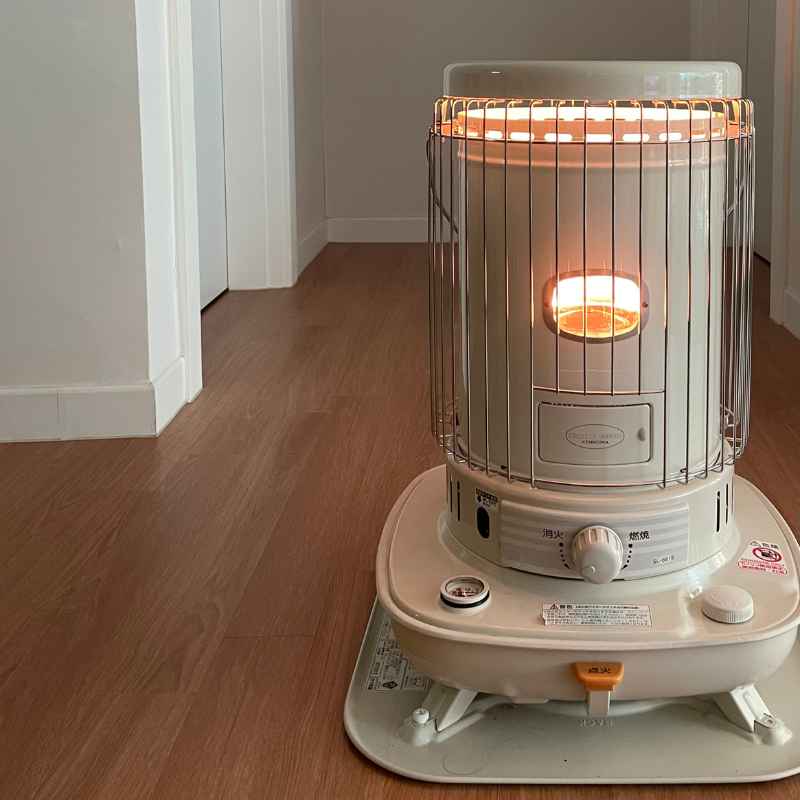
Types of Heaters and Their CO Risks
Different heaters use different fuels. This means they have different risks. Let’s look at the most common ones.
Natural Gas and Propane Heaters
Furnaces that use natural gas or propane are very common in many homes. When these furnaces work well, they are safe. But if something goes wrong, they can make CO.
A crack in the heat exchanger is a big problem. This part heats the air. If it cracks, the fumes from burning fuel can leak into the air you breathe.
This is scary.
Other gas appliances like stoves and water heaters can also make CO. Even a gas fireplace can release it. Proper venting is critical for all of these.
The vents must take the fumes outside. If the vents are blocked or leaky, CO can get into your house.
Oil Heaters
Homes that use heating oil have furnaces or boilers. These also burn fuel. So, they have the same risks as gas heaters.
They need good maintenance. They need clear vents to send fumes away. Oil burners can sometimes get dirty.
This can lead to incomplete burning and more CO.
Electric Heaters
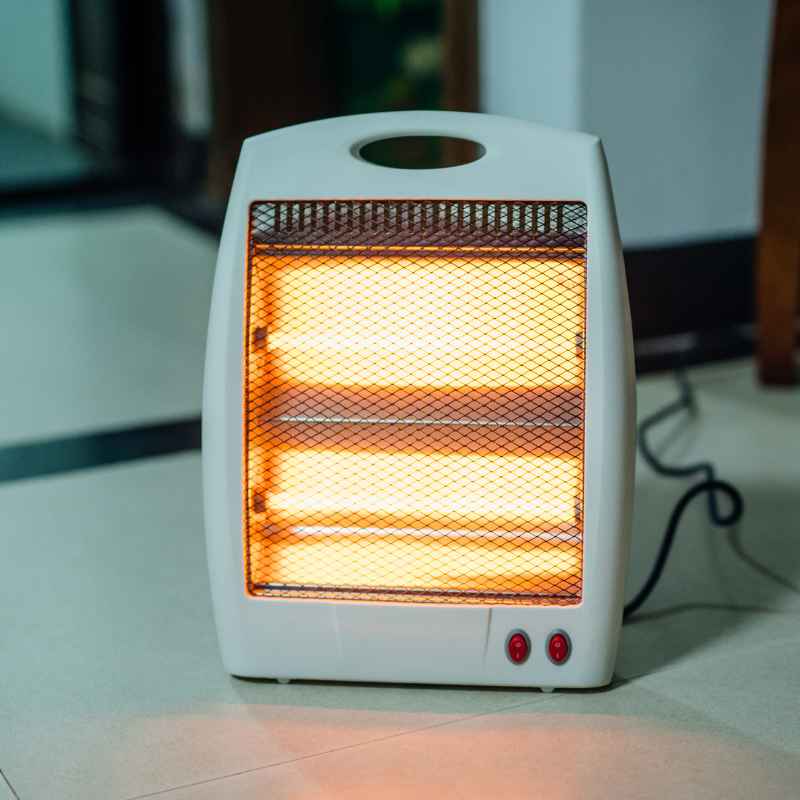
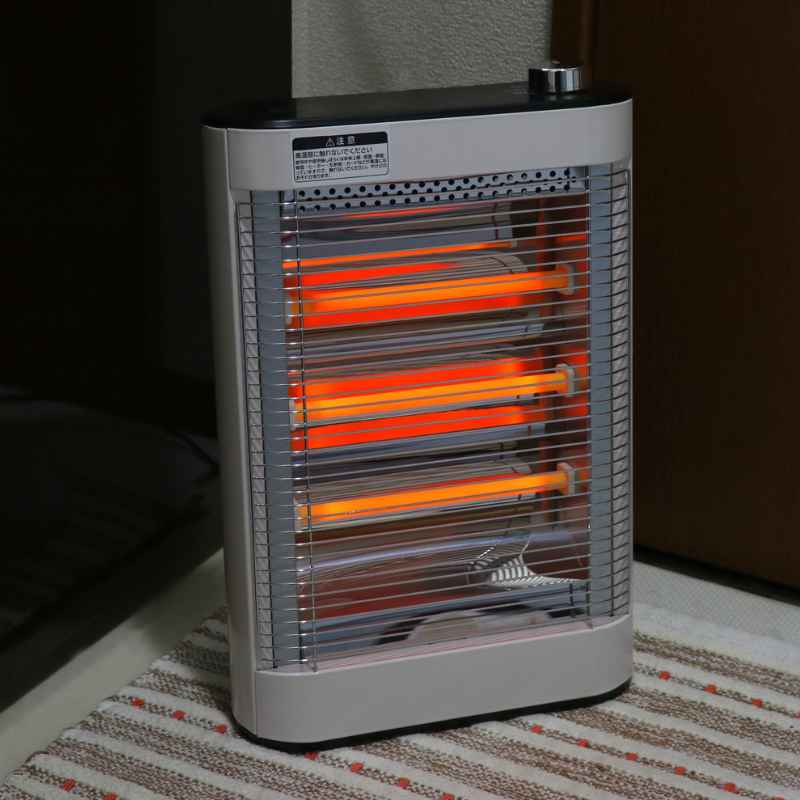
Electric heaters are different. They don’t burn fuel. So, they do NOT produce carbon monoxide.
This is a big safety point. If you are very worried about CO, electric heaters are a safer choice. However, they can use a lot of electricity.
This can make your bills higher. But for safety, they don’t have the risk of CO from combustion.
Wood-Burning Stoves and Fireplaces
Many people love the cozy warmth of a wood fire. Wood stoves and fireplaces burn wood. Wood is a fuel.
If the wood isn’t burning fully, it can make CO. This often happens when a fire is first started or when it’s dying down. Also, if the chimney is blocked, smoke and CO can come back into the room.
Creosote buildup in chimneys is a common cause of blockages.
Making sure the damper is open is important. The damper is like a door in the chimney. It needs to be open to let smoke out.
If it’s closed, the smoke and CO stay inside.
Why Does Incomplete Combustion Happen?
Incomplete combustion is the main reason heaters can emit carbon monoxide. It means the fuel didn’t get enough oxygen to burn fully. Several things can cause this lack of oxygen or other problems.
Lack of Airflow
Heaters need a steady supply of fresh air to burn fuel completely. If the air intake is blocked, the heater won’t get enough oxygen. This can happen if the area around the heater is cluttered.
Sometimes, a dirty filter can also reduce airflow. In newer, tightly sealed homes, there might not be enough natural air getting in for the heater to work properly.
Blocked or Leaky Vents and Chimneys
The vents and chimneys are like the exhaust pipes for your heater. They carry harmful fumes away from your home. If these are blocked by nests, leaves, or creosote, the fumes can’t escape.
They get pushed back into your house. Leaks in the vent pipes are also a problem. They let CO escape before it gets outside.
Poor Heater Maintenance
Like any machine, heaters need regular check-ups. Parts can wear out. They can get dirty.
A dirty burner or a cracked heat exchanger can lead to incomplete combustion. Ignoring these issues makes CO production more likely. Experts recommend having your heating system inspected every year.
Improper Installation
If a heater isn’t installed correctly, it might not vent properly. The fuel might not mix with air in the right way. This can cause CO problems from the very start.
Always use qualified professionals for installation.
It’s also worth noting that sometimes, even when everything seems okay, CO can still be produced. This is why having a detector is so crucial. It’s your backup safety net.
Signs Your Heater Might Be Producing CO
Smell of gas or “rotten eggs”: This is often a sign of a gas leak, which can be related to combustion issues. But CO itself has no smell.
Yellow or orange pilot light: A healthy gas flame should be blue. A yellow or orange flame means incomplete burning.
Soot or rust around the appliance: This can indicate that fumes are not venting correctly.
Excessive condensation: Water dripping on windows or walls near the heater might signal venting problems.
Strange noises: Banging or rattling sounds from the heater could mean internal issues leading to poor combustion.
The Dangers of Carbon Monoxide Poisoning
Carbon monoxide is often called the “silent killer.” This is because you can’t detect it on your own. Once inhaled, it enters your bloodstream. It blocks oxygen from reaching your organs and tissues.
This is very dangerous, especially for your brain and heart.
Symptoms can be mistaken for the flu. This is why it’s so insidious. Early signs include headache, dizziness, nausea, and fatigue.
As exposure continues, symptoms get worse. You might feel confused, weak, or have trouble breathing. In severe cases, it can lead to unconsciousness, coma, and death.
Children, the elderly, and people with heart or lung problems are more at risk. Pets can also be affected. If you suspect CO poisoning, get everyone to fresh air immediately.
Call 911 or your local emergency number.
Carbon Monoxide Symptoms vs. Flu Symptoms
- Headache: Common in both.
- Dizziness: Common in both.
- Nausea/Vomiting: Common in both.
- Fatigue/Weakness: Common in both.
- Shortness of Breath: More common with CO.
- Confusion: Can occur in both, but often more severe with CO.
- Stomach Pain: Less common with CO than flu.
- Fever: Present with flu, absent with CO poisoning.
Key takeaway: If multiple people in the home get sick at once, or if symptoms improve when you leave the house, suspect CO poisoning.
My Own CO Scare
I remember one particularly cold January evening. The wind was howling outside, and our old furnace had been kicking on and off more than usual. I was working late in my home office, which is in the basement.
I started to get this dull headache. I figured I was just tired or maybe coming down with something. Then, I started feeling a bit nauseous, and my chest felt heavy.
My cat, Whiskers, who usually follows me everywhere, was acting strange. He was just lying there, looking dazed, which was totally unlike him. I remember thinking, “This feels like a bad flu bug.”
My husband came home and found me feeling really unwell. He noticed Whiskers wasn’t moving much either. He went upstairs and opened a few windows, even though it was freezing outside.
Within about 20 minutes, I started to feel a little better. The headache lessened. My husband, who’s always been cautious, immediately went to the garage where we kept our battery-powered carbon monoxide detector.
He pressed the test button, and it was silent. He grabbed a newer digital one we’d bought but hadn’t installed yet. Within seconds of plugging it in, it started beeping loudly.
The readings were in the dangerous range.
That was the moment pure panic set in. We grabbed the cat and practically ran outside into the cold. We called 911.
The firefighters came, and they confirmed that our furnace had a significant crack in the heat exchanger. It was slowly leaking CO into the basement and spreading through the house. That day taught me a vital lesson: never assume a headache or nausea is just a bug, especially when your heating system is running.
Always have working CO detectors on every level of your home, and test them regularly. That little detector saved our lives.
What This Means for Your Home
Understanding that heaters can emit carbon monoxide is the first step. Now, let’s talk about what this means for you and your family. It means taking action to stay safe.
It’s not about being scared, but about being prepared.
When CO Levels are Normal
In a well-functioning home with properly maintained appliances, CO levels are typically very low. There’s always a tiny bit of CO in the air from natural sources. But modern, well-vented heating systems shouldn’t add significantly to it.
Your home’s ventilation system, even just simple airflow from windows and doors, helps keep these trace amounts from building up.
You shouldn’t experience any symptoms of CO poisoning in a normal situation. If you never feel sick when you’re home and your CO detector never alarms, that’s a good sign. It means your heating system is likely working as it should.
When to Worry About CO
You should start to worry if you notice any of the symptoms of CO poisoning. These are headaches, dizziness, nausea, confusion, or flu-like feelings. If these symptoms appear and disappear as you move around your house or go outside, that’s a big red flag.
It suggests CO might be the cause. You should also worry if your carbon monoxide detector sounds an alarm. These detectors are specifically designed to alert you to dangerous levels of CO.
Any unusual smells from your heater, such as gas or burning odors, are also cause for concern. Soot or rust around your heating unit can indicate problems. Even strange noises from the appliance should be investigated.
These are all signs that something isn’t right with the combustion or venting.
Your CO Safety Checklist
- Install CO Detectors: Place them on every level of your home, especially near sleeping areas.
- Test Detectors Monthly: Use the test button to ensure they are working.
- Replace Batteries Annually: Or according to manufacturer instructions.
- Replace Detectors Every 5-10 Years: They have a lifespan.
- Schedule Annual Heater Maintenance: Have a qualified technician inspect your system.
- Ensure Proper Venting: Check that chimneys and vents are clear and not leaking.
- Know CO Symptoms: Educate your family about the signs of poisoning.
- Have an Escape Plan: Know where to go and who to call if the alarm sounds.
Simple Checks and When to Call a Pro
There are a few simple things you can check yourself. But for most issues related to CO, it’s best to call a professional. Your safety is the top priority.
DIY Checks You Can Do
First, check your carbon monoxide detectors. Are they plugged in or do they have fresh batteries? Have you tested them recently?
Many detectors have a lifespan of 5 to 10 years, so check the expiration date. Newer models have digital displays that can show CO levels.
Next, look at your heating appliance. For gas or oil furnaces, check the pilot light if you can safely see it. A blue flame is good.
A yellow or orange flame might mean trouble. Look for any obvious signs of damage, like cracks or heavy rust. Check around the vents and chimney.
Are they clear of leaves, snow, or bird nests?
In your home, pay attention to unusual smells. Is there a faint smell of gas? Does the air feel stale or heavy?
These are things to note before calling for help.
When to Call a Professional
You should call a professional if:
- Your carbon monoxide detector alarms.
- You or anyone in your household experiences symptoms of CO poisoning.
- You see a yellow or orange flame on a gas appliance.
- You notice soot, rust, or water damage around your heating unit or vents.
- You hear strange noises from your heater.
- You suspect a gas leak.
- It’s time for your annual heating system check-up.
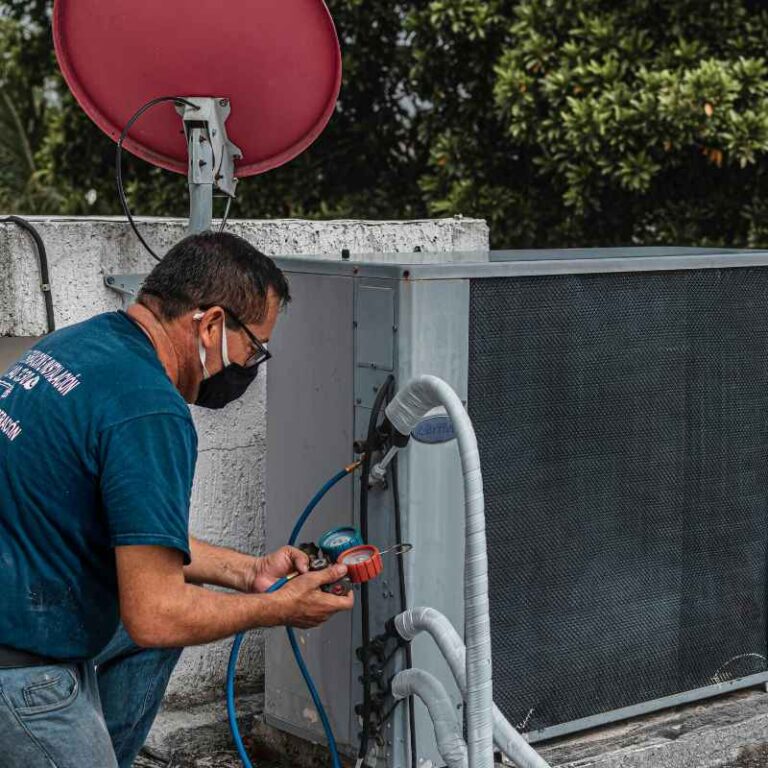
A qualified HVAC technician can inspect your heating system thoroughly. They can identify cracks, blockages, or other issues that could lead to CO production. They can also ensure your venting system is working correctly.
For gas leaks or emergency CO situations, always call your gas company or 911 first.
Quick CO Safety Tips
- Never use a gas oven to heat your home. It’s not designed for it and can produce dangerous CO.
- Ensure all fuel-burning appliances are vented outdoors. This includes generators, portable grills, and cars.
- Run generators only outdoors and far from windows and doors.
- Never run a car in an attached garage, even with the door open.
- Keep your fireplace and chimney clean.
Quick Fixes and Preventative Measures
The best way to deal with the risk of carbon monoxide is to prevent it in the first place. This involves regular maintenance and smart choices.
Regular Heater Maintenance
This is the most important step. Schedule an annual inspection of your heating system. A professional HVAC technician will check for wear and tear.
They’ll look for cracks in the heat exchanger. They’ll clean burners and check gas pressure. They’ll also test your venting system.
This yearly check can catch small problems before they become dangerous CO producers.
Proper Ventilation
Make sure your heating system has enough fresh air. If you have a newer, very tight home, you might need to ensure there are adequate air intakes. This is something an HVAC professional can assess.
For fireplaces and wood stoves, ensure the damper works correctly and is open when the fire is lit.
Install and Maintain CO Detectors
As mentioned, this is non-negotiable. Install detectors on every floor. Place them near sleeping areas.
Test them monthly and replace batteries yearly. Replace the detectors themselves every 5-10 years. Having reliable detectors is your early warning system.
It can alert you even if you don’t notice any symptoms.
Smart home technology is also offering more advanced CO monitoring. Some systems can alert your phone if CO levels rise. This adds another layer of security.
Always follow the manufacturer’s instructions for installation and maintenance.
My Experience with CO Detector Placement
When we moved into our current home, I thought just one detector on the main floor was enough. Then, after my basement scare, I really did my homework. I learned that CO is lighter than air but can linger.
It’s crucial to have detectors on every level, including the basement where the furnace often is. I also put one right outside our bedroom doors. It gives me peace of mind.
It’s a small expense for such vital protection. Testing them weekly is now part of my routine, right after checking the smoke detectors.
Frequently Asked Questions About Heaters and CO
Do all heaters emit carbon monoxide?
Click to expand
No, not all heaters emit carbon monoxide. Electric heaters do not burn fuel, so they do not produce CO. However, heaters that burn fuels like natural gas, propane, oil, or wood can emit carbon monoxide if the combustion is incomplete or if there are issues with venting or the appliance itself.
Always ensure fuel-burning appliances are properly maintained and vented.
How can I tell if my heater is producing carbon monoxide?
Click to expand
You often can’t tell by smell or sight, as CO is colorless and odorless. Signs to watch for include symptoms of CO poisoning in household members (headache, dizziness, nausea), unusual smells near the heater, a yellow or orange flame on a gas appliance, soot or rust around the appliance, or strange noises. The most reliable way is a working carbon monoxide detector.
What is the most important safety measure against carbon monoxide?
Click to expand
The most important safety measure is to install and maintain workingcarbon monoxide detectors on every level of your home, especially near sleeping areas. Regular annual maintenance of your heating system by a qualified professional is also crucial for preventing CO production.
Can a faulty furnace cause carbon monoxide poisoning?
Click to expand
Yes, a faulty furnace is a very common cause of carbon monoxide poisoning. Issues like a cracked heat exchanger, a blocked flue, or improper burner adjustment can lead to incomplete combustion and the release of CO into your home. This is why annual inspections are so important.
How often should I test my carbon monoxide detector?
Click to expand
You should test your carbon monoxide detector at least once a month. Most detectors have a test button that you can press to ensure the alarm and battery are working correctly. Also, remember to replace the batteries at least once a year, or as recommended by the manufacturer.
What should I do if my carbon monoxide alarm goes off?
Click to expand
If your CO alarm sounds, do not ignore it. Immediately move everyone to fresh air outside. Call 911 or your local emergency services from outside your home.
Do not re-enter the home until emergency responders say it is safe. If you suspect CO poisoning, seek medical attention.
Is it safe to use a portable propane heater indoors?
Click to expand
Portable propane heaters are generally intended for outdoor use or in well-ventilated temporary shelters. Using them indoors without proper ventilation can lead to dangerous carbon monoxide buildup. Always follow the manufacturer’s safety instructions carefully, and consider using them only in emergency situations with extreme caution and ample ventilation.
Conclusion
It’s clear that many common home heaters can indeed emit carbon monoxide. This happens when fuels don’t burn fully. Issues with airflow, venting, or maintenance can all contribute.
Because CO is so dangerous and undetectable, vigilance is key. Understanding the risks and taking preventative steps, like regular maintenance and installing CO detectors, is vital. Staying informed and proactive helps keep your home and loved ones safe this heating season and beyond.
Sponsored / affiliate links. As an Amazon Associate I earn from qualifying purchases. I may earn additional commission from eligible campaigns.
 Floor Gap Fixer Tool for Laminate, Vinyl & Hardwood Floors – Heavy-Duty Nylon Plank Puller with Reusable Washable Adhesive Pad, DIY Floor Gap Repair Tool (Plank Grabber Only, Hammer Not Included)
 Key Finder with Up to 131ft Working Range in Open Space, Simjar Wireless Remote Control RF Key Finder Locator for Keys Wallet Phone Glasses Luggage Pet Tracker