Does Conditioning Your Crawl Space Save Money On Heat?
The idea of conditioning your crawl space sounds like a big job. You might be wondering if it’s worth the effort. Does making your crawl space warmer or cooler actually help your wallet when it comes to heating your house? This is a common question for many homeowners. We’ll dive deep into how crawl space conditioning works. We will explore if it truly helps you save money on your energy bills.
Conditioning your crawl space can lead to energy savings. It helps keep your home warmer in winter and cooler in summer. This means your heating and cooling systems don’t have to work as hard. The savings depend on your home’s insulation and climate.
What is Crawl Space Conditioning?
Crawl space conditioning means changing the air inside your crawl space. Normally, a crawl space is open to the outside. It gets hot in summer and cold in winter. This outside air can also be damp. Conditioning aims to control the temperature and moisture.
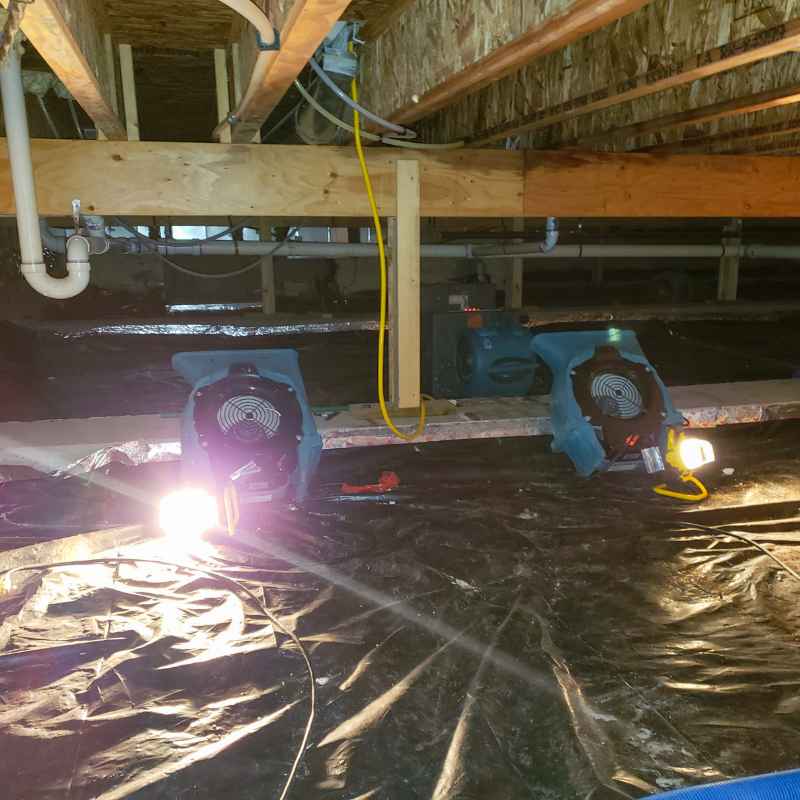
There are two main ways to do this. One is called encapsulation. This means sealing off the crawl space from the outside air. You use a strong plastic vapor barrier. This barrier covers the floor and walls. It stops moisture from coming in. Then, you can condition the air inside.
The other way is to bring in conditioned air from your home. This means connecting the crawl space to your HVAC system. This lets your furnace or air conditioner warm or cool the crawl space air.
Why does this matter for saving money? Think about your home’s foundation. It’s like a big insulator for your house. If the crawl space is very cold in winter, that cold seeps into your floors. Your heating system has to work harder to warm up your living space.
In summer, if the crawl space is hot and humid, it makes your air conditioner work harder. It also adds moisture to your home. This can feel uncomfortable. It can even lead to mold or wood rot.
My Own Crawl Space Scare
I remember a few years back, I noticed my heating bills were sky-high. It was winter, and the house just never felt truly warm. Even with the thermostat set pretty high, there were always cold spots. I assumed my furnace was old or my attic insulation was bad.
I spent hours checking the attic. It seemed okay. Then, I got down on my hands and knees to look in the crawl space. It was damp. It smelled a bit musty. I could feel a cold draft coming up through the floorboards. It hit me. The cold air from under the house was fighting my furnace.
That’s when I started researching crawl space solutions. It felt like a huge undertaking. I worried about the cost and the work. But the thought of saving money on my energy bills was a big motivator. I decided to learn everything I could.
Understanding Crawl Space Air
Normal State: Vented to the outside. Experiences outdoor temperatures. Can be humid.
Conditioned State: Sealed (encapsulated). Air temperature and humidity are controlled.
Goal: Create a stable environment under your home.
How Conditioning Helps Save Energy
When you condition your crawl space, you create a buffer zone. This buffer zone helps your main living area. It stops extreme temperatures from reaching your floors.
Let’s break it down for heating. In winter, outside air is cold. If your crawl space is vented, that cold air comes right up. It cools your floor joists and the underside of your subfloor. Your heating system has to add more heat to overcome this. Conditioning seals this out. A sealed crawl space stays closer to your home’s indoor temperature. This means your floors feel warmer. Your furnace doesn’t have to run as much. This directly lowers your heating bill.
Now for cooling. In summer, outside air can be hot and humid. A vented crawl space gets very hot. This heat transfers up into your home. Your air conditioner has to work extra hard to cool your house down. It also has to fight the humidity. When you encapsulate and condition, you stop that hot, humid air from entering. The crawl space stays cooler and drier. This makes your air conditioner more efficient. It uses less energy. Your home feels more comfortable.
Encapsulation vs. Ventilation
Myth: Vented crawl spaces are always good for air circulation.
Reality: Vented crawl spaces often bring in humid air and pests. They can make heating and cooling less efficient.
Benefit of Encapsulation: Creates a controlled environment. Reduces moisture. Improves air quality.
Boosts energy efficiency.
The Role of Insulation
Insulation is key to energy savings. Crawl space conditioning works best with good insulation. Think of it as a team effort.
If you have a vented crawl space, insulation is usually put on the floor joists above. This stops heat from escaping your living space. But that cold air is still below the insulation. It can still cool things down.
With encapsulation, you often insulate the crawl space walls. This keeps the conditioned air inside the crawl space. It acts like a thermos. The insulated walls help maintain a stable temperature. This is true for both winter and summer.
So, if your crawl space is encapsulated, but you have no wall insulation, you’ll still see some benefits. But adding insulation to the walls makes it even better. It keeps the conditioned air from escaping through the foundation walls.
Moisture Control is Also Money Control
Saving money isn’t just about heating and cooling bills. Moisture in your crawl space causes big problems. These problems can cost a lot to fix.
Damp crawl spaces are a breeding ground for mold and mildew. Mold spores can travel into your home. This affects your family’s health. It can also damage your home’s structure. Wood rot is another serious issue. It weakens floor joists and the foundation. Repairing mold or rot is expensive.
Encapsulating your crawl space seals out moisture. A good vapor barrier stops water from the ground. It also stops moisture from humid air. This keeps the wood and other materials dry. Dry materials perform better. They last longer. This prevents costly repairs down the road. So, preventing damage is a form of saving money.
Quick Scan: Crawl Space Benefits
- Reduced Energy Bills: Less work for HVAC.
- Improved Comfort: Warmer floors, less draft.
- Better Air Quality: Less mold, mildew, and dust.
- Pest Control: Seals out unwanted critters.
- Structural Protection: Prevents wood rot and moisture damage.
Real-World Scenarios and Savings
The amount of money you save can vary a lot. It depends on several factors.
Your climate is a big one. If you live in a very cold climate, like Minnesota, you’ll likely see bigger heating savings. If you live in a hot, humid climate, like Florida, you’ll see bigger cooling savings. People in moderate climates still see benefits, but they might be less dramatic.
The condition of your current insulation matters. If your home is already very well-insulated everywhere else, the crawl space might have a smaller impact. But most homes have areas for improvement.
The size of your crawl space and your home also plays a role. A larger crawl space means more air to condition. Your HVAC system’s efficiency is also important. A well-maintained system will respond better to crawl space changes.
I talked to a homeowner in North Carolina. They encapsulated their crawl space. Before, their heating bills were about $200 a month in winter. After encapsulation and adding wall insulation, their bills dropped to about $150 a month. That’s a $50 saving each month. Over a whole winter, that adds up. They also noticed their floors weren’t cold anymore. They felt much more comfortable.
Another family in Texas had high cooling bills. Their AC ran constantly in the summer. After encapsulating their crawl space, their cooling bills went down by about 15-20%. They also said their house felt cooler and less sticky.
Savings Snapshot: Factors Affecting Your Bill
| Factor | Impact |
|---|---|
| Climate | Colder/Hotter = Bigger Savings |
| Existing Insulation | Poor Insulation = Bigger Savings |
| Home Size | Larger = Potentially More Savings |
| HVAC Efficiency | Efficient System = Better Response |
When is Crawl Space Conditioning Worth It?
So, who should consider this? If you have a damp, musty crawl space, that’s a clear sign. If you have cold floors in winter or high energy bills, it’s worth looking into.
Homes with crawl spaces are more prone to these issues than homes with basements or slab foundations. Many older homes were built with vented crawl spaces. These are the ones that often benefit the most from conditioning.
If you’re planning a major renovation or buying a home with a crawl space, this is a good time to consider it. You can often integrate the work.
It’s important to note that not all crawl spaces are the same. Some might have unique challenges. This is where professional advice comes in handy. A good contractor can assess your specific situation. They can tell you if conditioning is right for you. They can also estimate the potential savings.
What This Means for Your Home
The main takeaway is that conditioning your crawl space can indeed save you money. It’s not a magic bullet that will cut your bills in half overnight. But it’s a significant improvement. It makes your home more energy-efficient. It increases comfort. It protects your home’s structure from moisture damage.
Think of your crawl space as another room in your house. You wouldn’t leave a room uninsulated and exposed to the weather. Conditioning your crawl space is like giving that “room” proper treatment.
It helps your HVAC system run more smoothly. Less strain on your system means it might last longer, too. This is another potential cost saving.
Quick Fixes and Tips for Crawl Spaces
While full conditioning is a big project, here are some simple things you can check or do:
Check Your Vents: If you have vents, make sure they aren’t blocked by debris. However, for many, sealing these vents is part of conditioning. Consult a professional before sealing.
Look for Leaks: Check for water leaks in pipes under your house. Fix them promptly.
Inspect for Pests: Keep an eye out for insects or rodents. They can damage your home and spread disease.
Measure Humidity: You can buy a simple hygrometer to measure humidity in your crawl space. High humidity (above 60%) is a problem.
Add a Vapor Barrier: Even if you don’t encapsulate fully, adding a heavy-duty vapor barrier on the ground can help reduce moisture.
These are small steps. They can help maintain a crawl space. They are not a substitute for proper conditioning if needed.
Frequently Asked Questions About Crawl Space Conditioning
Will conditioning my crawl space really save money?
Yes, it often does. By controlling temperature and moisture, it makes your heating and cooling systems work less. This reduces energy use and lowers your bills. The amount saved depends on your home and climate.
How much does it cost to condition a crawl space?
The cost varies greatly. It can range from a few hundred dollars for a DIY vapor barrier to several thousand dollars for professional encapsulation. Factors include size, accessibility, and materials used.
Is it hard to do this myself?
Encapsulation is a demanding job. It involves working in tight spaces. It requires specific materials like thick vapor barriers and sealing tapes. Most people hire professionals for best results.
How long does crawl space conditioning last?
When done correctly, encapsulation can last for many years. The vapor barrier is durable. Regular checks can ensure it stays effective.
Can I still access my crawl space after conditioning?
Yes. Professionals install access points. These allow for maintenance and inspections. You can still get to pipes or wiring if needed.
What is the difference between encapsulation and just sealing vents?
Sealing vents stops outside air from entering. Encapsulation is more thorough. It involves covering the floor and walls with a vapor barrier. It also often includes adding a dehumidifier or air circulation system.
Final Thoughts on Crawl Space Savings
Making your crawl space a better environment can offer real benefits. It’s not just about comfort. It’s about protecting your home. It’s about making your energy dollars work harder.
While the upfront cost might seem high, consider the long-term savings. Think about reduced energy bills and avoided repair costs. For many homeowners, conditioning their crawl space is a smart investment. It pays off over time. It makes your home a more pleasant and efficient place to live.
Sponsored / affiliate links. As an Amazon Associate I earn from qualifying purchases. I may earn additional commission from eligible campaigns.