Are Fireplace Heaters Cheaper Than Central Heat? Find Out
It’s that time of year again. The air gets crisp, leaves turn colors, and you start thinking about how to keep your home warm. For many, that means turning on the central heating.
But what about other options? Maybe you have a beautiful fireplace. Or perhaps you’re looking at a space heater.
You might be wondering if these alternatives could save you money. It’s a common question many homeowners ask. This article will help you sort it all out.
We’ll look at the costs involved. We’ll talk about how they work. And we’ll see if a fireplace heater is truly cheaper than your main heating system.
Let’s get warm and cozy while saving some cash.
Fireplace heaters can sometimes be cheaper for spot heating or supplemental warmth. However, central heating is typically more cost-effective for heating an entire home evenly. The overall cost depends on fuel type, usage, home insulation, and efficiency of the heating unit.
Understanding Fireplace Heaters vs. Central Heating
Let’s break down what we’re talking about. Central heating systems are designed to warm your whole house. They use a furnace or boiler.
This heats air or water. Then, it’s sent through ducts or pipes to rooms. They are usually controlled by a thermostat.
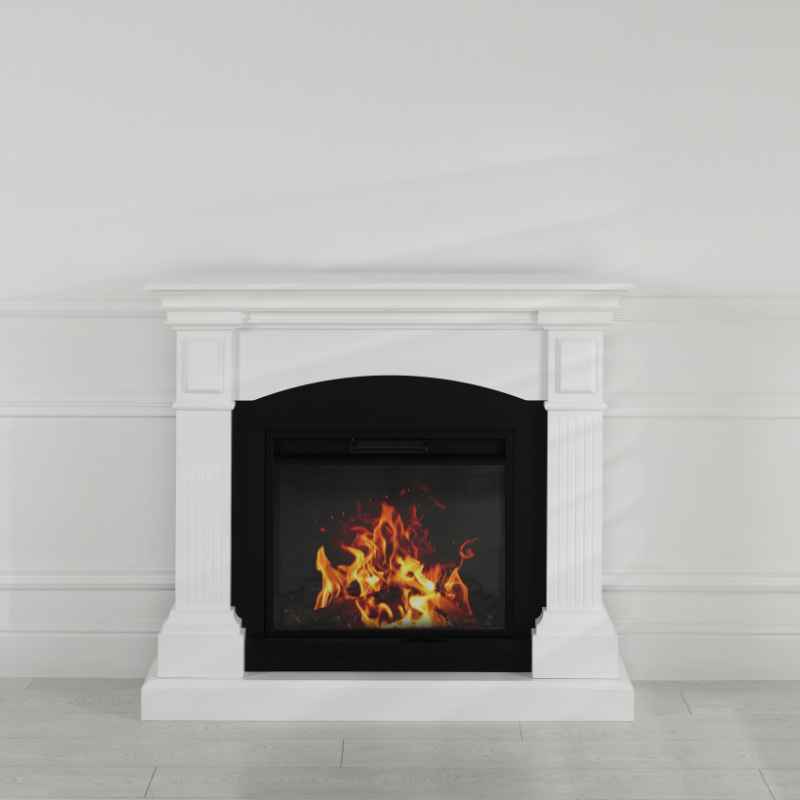
Fireplace heaters are different. They can be inserts for existing fireplaces. Or they can be standalone units.
Some burn wood, others use gas or electricity. Their main job is often to heat a specific area. They can add warmth to a room.
Sometimes, they can even supplement your central heat. But can they replace it and save you money?
The biggest difference is coverage. Central heating aims for an even temperature everywhere. Think of it as a blanket for your whole house.
Fireplace heaters are more like a warm scarf for your neck. They give focused heat. This can be great for a living room where you spend most of your time.
It might mean you don’t need to crank up the central heat as high. That could lead to savings.
We need to look at a few key things to compare them. These include the type of fuel they use, how efficient they are, and how much you plan to use them. Your home’s size and how well it’s insulated also play a big role.
We’ll dive into each of these. This will give you a clear picture of which option makes more sense for your wallet.
Real-Life Scenario: The Cozy Living Room Challenge
I remember one chilly October evening a few years back. My family and I were settling in to watch a movie. The living room is at the back of our house.
It’s a bit older and doesn’t get as much direct heat from our central system. I felt a draft. My toes started to get cold.
I thought about turning up the thermostat for the whole house. But then I remembered our fi
This experience stuck with me. It showed me how a targeted heat source can change your home’s feel. It also got me thinking about the cost.
Was I saving money by using just the fireplace insert? Or was the gas bill creeping up in a different way? These are the kinds of questions we all face when trying to balance comfort and budget.
How Do Fireplace Heaters and Central Heat Compare in Cost?
The cost of heating is a big deal for most families. Nobody likes opening a huge energy bill. When we talk about fireplace heaters, the cost can change a lot.
It depends on what they burn. Wood-burning fireplaces need logs. Gas fireplaces need natural gas or propane.
Electric fireplace heaters use electricity. Central heating also uses fuel. Usually, it’s natural gas, electricity, or oil.
Let’s look at the fuel itself. Natural gas is often the cheapest fuel source. Propane can be more expensive.
Electricity prices vary a lot by region and time of day. Wood prices depend on where you live and if you can get it for free. Buying firewood can add up.
So, the price of fuel is a huge factor. A gas fireplace insert might be cheaper to run than an electric one. A wood-burning fireplace could be cheapest if you have access to free wood.
Then there’s efficiency. Not all heaters are created equal. Older central heating systems might not be very efficient.
They can lose a lot of heat. Modern high-efficiency furnaces are much better. Fireplace inserts also have efficiency ratings.
Some are designed to push more heat into the room. Others lose a lot of heat up the chimney. It’s important to check the AFUE (Annual Fuel Utilization Efficiency) for central systems.
For fireplace inserts, look for their heating output (BTUs) and how much heat they radiate into the room.
Cost Comparison Factors
Fuel Type: Natural Gas vs. Propane vs. Electricity vs.
Wood.
Efficiency Ratings: AFUE for central systems, heat output for inserts.
Usage Habits: How many hours per day/week you use the heat.
Home Insulation: A well-insulated home needs less heat.
Climate: Colder areas need more heating.
Think about it this way: if you only need to warm up one room for a few hours, a fireplace heater might be cheaper than running your central system for the whole house. But if you need to heat multiple rooms all day, central heat is usually designed for that. It spreads the warmth more evenly and often more efficiently for a larger space.
Efficiency Matters: How Much Heat Do You Get?
Efficiency is a key word here. It tells us how well a heater turns fuel into useful heat for your home. A highly efficient system wastes less fuel.
This means it costs less to run. For central heating, we often look at AFUE. A furnace with 95% AFUE means it converts 95% of the fuel into heat.
The other 5% goes up the chimney as exhaust. Older furnaces might be 70% or 80% efficient. That’s a big difference in energy use and cost.
Fireplace heaters have different ways of measuring efficiency. For gas inserts, you might see a percentage. Some are designed to capture more heat.
They might have blowers to push warm air into the room. Wood-burning fireplaces are traditionally not very efficient. Much of the heat goes straight up the chimney.
Modern fireplace inserts are much better. They are sealed units. They use blowers and special designs to radiate heat into the room.
Some gas and electric heaters are very efficient for heating a single space. But remember, they aren’t designed to heat your whole house.
Consider an electric fireplace heater. They are often close to 100% efficient at the point of use. This means almost all the electricity used becomes heat in the room.
However, the cost of electricity itself can make them more expensive to run than gas. Also, electric heaters use a lot of power. If your home’s electrical system isn’t great, this could be an issue.
The goal is to get the most warmth for your money. This means picking a system that fits your needs. If you need to heat your whole house evenly, a high-efficiency central system is usually best.
If you only need to warm up one or two rooms, a fireplace heater might be a more efficient choice for that specific task.
Personal Experience: The Drafty Sunroom Saga
I have a sunroom that’s my favorite spot in the summer. But in winter? It’s like an icebox.
It has big windows and isn’t connected to our central heating. I used to dread going in there. I tried an electric space heater.
It worked, but my electricity bill jumped way up. It also took forever to warm the room. It felt like I was heating the outdoors.
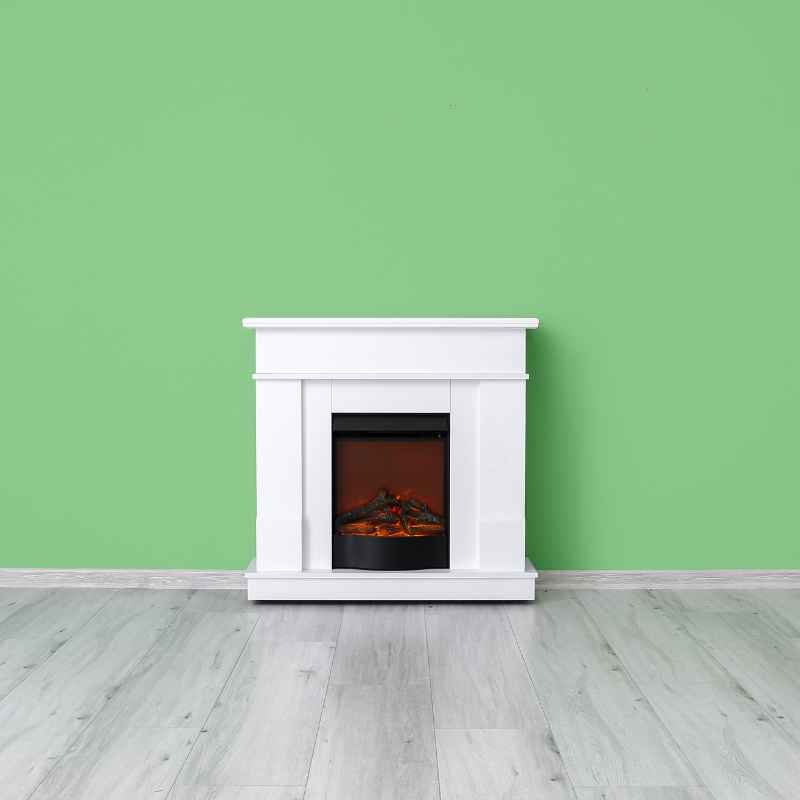
One year, I decided to try a small electric fi
This experience taught me about finding the right tool for the job. The electric fireplace didn’t heat the whole house. It didn’t need to.
It just made one specific, difficult-to-heat area usable. It was a clear win for comfort and a manageable cost increase. It showed me that “cheaper” isn’t always about the lowest price per unit of fuel.
It’s about getting the most value for how you actually use your heating.
Heating Options for Different Spaces
Entire Home: Central heating (furnace, boiler, heat pump) is usually most efficient for even warmth.
Main Living Areas: Supplemental fireplace heaters can reduce central heating load.
Hard-to-Heat Rooms (Sunrooms, Garages): Dedicated space heaters or fireplace inserts can be cost-effective.
Occasional Use Areas: Consider portable heaters or electric fireplaces for temporary comfort.
When Fireplace Heaters Can Be Cheaper
There are specific situations where a fireplace heater can save you money. The most common one is when you only need to heat a small area. Let’s say you spend most of your evenings in the living room.
Instead of heating your entire house to 70 degrees, you could turn down the thermostat for the rest of the house to, say, 60 degrees. Then, you could use a fireplace heater to warm up just the living room to your desired temperature. This targeted approach often uses less energy overall.
Another scenario is during mild weather. When it’s not freezing outside, your central heating might kick on and off frequently. A fireplace heater can often provide enough warmth during these times.
This can prevent the central system from running as much. It’s like using a small fan to cool yourself on a warm day instead of turning on the whole house air conditioning.
For people who have access to very cheap or free firewood, a wood-burning fi
Also, consider a home that is very well insulated. A well-insulated home loses heat slowly. This means it doesn’t need as much energy to stay warm.
In such a home, a small supplemental heater might be all you need for comfort in a specific room. Your central system might only need to run for short bursts. This can lead to significant savings.
It’s all about using the right tool for the job. If the job is warming one room for a few hours, a fireplace heater is often the smarter, cheaper choice. If the job is warming your whole house for 24 hours, central heat is usually designed for that.
The key is to understand your own home and your own heating habits.
When Central Heating is Likely More Cost-Effective
While fi
Modern central heating systems are also highly efficient. They can have AFUE ratings of 90% or higher. This means they waste very little fuel.
When you factor in that they are heating a larger volume of space, their overall efficiency for whole-house heating is typically better. Think about a cold winter day. You want your kitchen, bathrooms, bedrooms, and living areas all to be warm.
A central system does this with one main unit. It’s generally more practical and cost-effective for this purpose.
Another point is convenience. A central heating system is usually set and forget. You adjust the thermostat, and it does the work automatically.
Fireplace heaters, especially wood-burning ones, require more effort. You need to load fuel, start fires, and manage them. Gas and electric ones are easier, but still require you to turn them on and off.
For busy families, the ease of central heating is a big plus.
Furthermore, older homes often have central heating as the main source. Upgrading or adding supplemental heat everywhere can be costly. In these cases, improving the efficiency of the existing central system is often the best approach.
This could involve better insulation, sealing air leaks, or upgrading the furnace. These steps can make the central system more effective and cheaper to run.
If your home is properly insulated and sealed, your central heating system won’t have to work as hard. This makes it more efficient. For many households, the primary need is consistent, whole-house warmth.
In these situations, central heating is typically the more cost-effective and practical solution. It’s an investment in comfort for your entire living space.
Central Heating Advantages
- Even Heat Distribution: Warms the entire home consistently.
- Convenience: Thermostat-controlled and automatic.
- High Efficiency for Whole-House: Designed for larger spaces.
- Less Manual Effort: No constant tending of the heat source.
- Suitable for Cold Climates: Reliable for very low temperatures.
Understanding Fuel Costs: Gas, Electric, and Wood
The price of fuel is a major driver of heating costs. Let’s break down the common options. Natural gas is often the cheapest fuel per unit of heat.
If your home is already set up for natural gas, using a gas furnace or a gas fireplace insert can be very economical. However, natural gas prices can fluctuate. They also vary by region in the U.S.
Propane is another option, especially in areas without natural gas lines. Propane is typically more expensive than natural gas. You usually buy it in bulk and store it in a tank.
The price can vary widely depending on the supplier and market conditions. If you’re considering a propane fireplace, be aware that its running cost can be higher.
Electricity is a common fuel for central heating (heat pumps, electric furnaces) and for electric fireplace heaters and space heaters. The cost of electricity can vary greatly. Some areas have very cheap electricity.
Others have higher rates. Electric resistance heating (like in many space heaters and electric fireplaces) is often the most expensive way to heat a large space. However, for a small, well-insulated area, it can be manageable.
Heat pumps are a more efficient form of electric heating, as they move heat rather than create it.
Wood is a traditional fuel. If you have access to your own woodlot or can buy firewood affordably, a wood-burning fireplace or stove can be very cheap to fuel. The costs then shift to labor (cutting, splitting, stacking) and the upfront cost of the appliance.
Wood fires can also be very cozy and create a unique ambiance. However, they require regular tending and can be less efficient and produce more air pollution than gas or electric options. Modern wood stoves are much more efficient than old open fireplaces.
When comparing costs, it’s not just the price per gallon or therm. It’s the price per unit of heat delivered to your room. This involves the fuel cost plus the efficiency of the appliance.
A cheap fuel used in an inefficient heater can cost more than an expensive fuel used in a highly efficient heater.
What This Means for Your Home Heating Budget
So, what’s the bottom line for your wallet? It truly depends on your home and how you live. If your main goal is to heat your entire house evenly and comfortably, especially in a colder climate, a well-maintained and efficient central heating system is usually the most cost-effective choice.
Investing in insulation and sealing air leaks will make your central system perform better and cost less to run.
However, if you primarily use one or two rooms and want supplemental heat there, a fireplace heater can be a smart investment. Imagine using a gas fireplace insert to warm your living room in the evenings. You can then turn down the central thermostat for the rest of the house.
This “zone heating” approach can lead to noticeable savings on your energy bills. It’s about not heating empty rooms.
Consider the upfront cost too. A new central heating system is a big investment. A fireplace insert or a good electric heater is less expensive upfront.
But you need to look at the long-term running costs. A cheap-to-buy electric heater might cost you a lot more in electricity bills over several years than a more expensive gas insert.
For example, if you live in a mild climate and only need a little extra warmth on cool evenings, a stylish electric fireplace could be a great, affordable option. If you have a large home in a very cold region, relying solely on supplemental heaters would likely be more expensive and less comfortable than a robust central system.
The best approach is often a combination. Use your central heating for whole-house warmth. Then, use targeted supplemental heaters, like a fireplace insert, for specific areas or for extra coziness.
This allows you to optimize for comfort and cost. Always check your local energy prices for gas and electricity to make the most informed decision. Your energy provider’s website is a good place to start.
Quick Budgeting Tips
- Know Your Fuel Prices: Check local rates for natural gas, propane, and electricity.
- Compare Efficiency Ratings: Look for high AFUE for central systems and good heat output for fireplace inserts.
- Calculate Usage: Estimate how many hours per day/week you’ll use each heating source.
- Factor in Upfront Costs: Balance the initial purchase price against long-term running costs.
- Insulate and Seal: This makes ANY heating system more cost-effective.
When to Worry: Signs Your Heating Isn’t Working Right
Whether you rely on central heat or fi
With gas fireplace heaters, a key sign is a change in the flame. If the flame becomes yellow or flickers erratically, it could mean incomplete combustion. This can produce dangerous carbon monoxide.
A strange smell, like rotten eggs, also indicates a gas leak and requires immediate attention. If the unit is making loud noises or not producing much heat, it might need servicing. Always ensure proper ventilation for gas appliances.
Electric fi
For any heating system, if you have any doubts about its safety or performance, it’s best to call a qualified professional. Carbon monoxide detectors are essential for any home with combustion appliances. These devices can alert you to dangerous levels of this odorless gas.
Regular maintenance is also key. It helps catch small issues before they become big, expensive problems.
Quick Fixes and Tips for Smart Heating
Here are some simple things you can do to make your heating more efficient and cheaper, no matter what system you use.
- Seal Air Leaks: Check around windows, doors, and electrical outlets. Use caulk or weatherstripping. This stops warm air from escaping and cold air from coming in. It’s a low-cost, high-impact fix.
- Use a Programmable Thermostat: Set it to lower the temperature when you’re asleep or away. Even a few degrees can save a lot. Modern smart thermostats can be controlled by your phone.
- Clean or Replace Air Filters: For central heating, a dirty filter makes the system work harder. Check and change it at least once a month, especially during peak heating season.
- Use Curtains and Blinds Wisely: Open curtains on sunny days to let in natural warmth. Close them at night to help insulate your windows.
- Dress for the Weather Indoors: Wear sweaters and use blankets. You might be surprised how much warmer you feel without turning up the heat.
- Maintain Your System: Schedule annual check-ups for your central heating. For fireplace inserts, follow the manufacturer’s cleaning and maintenance guidelines.
- Zone Heating: If you have a fireplace heater, use it to warm the room you’re in. Lower the thermostat for unused parts of the house.
Frequently Asked Questions About Fireplace Heaters and Central Heat Costs
Is it cheaper to heat my whole house with a fireplace insert?
Generally, no. Fi
How much does it cost to run a gas fireplace heater per month?
This varies greatly. It depends on the price of natural gas or propane in your area, how many hours you run it, and its efficiency. A good estimate might be $30-$100 per month for regular use, but this is just a rough idea.
Are electric fireplace heaters expensive to run?
Yes, electric resistance heating can be quite expensive. While the unit itself might be cheaper to buy, the cost of electricity to produce heat can add up quickly. They are best used for small spaces or for short periods.
Should I turn off my central heat if I use my fireplace?
You can often turn down your central thermostat in the areas you aren’t using. This is called zone heating. It can save energy.
However, don’t turn it off completely if you have pipes that could freeze in unheated parts of the house.
What is the most cost-effective way to heat a home?
For whole-house heating, a high-efficiency natural gas furnace or a well-maintained heat pump is often the most cost-effective. Keeping your home well-insulated and sealing air leaks also plays a huge role in reducing overall heating costs.
How can I make my fireplace heat my room better?
Use a fireplace insert or glass doors. These help prevent heated air from escaping up the chimney. A fan can also help circulate warm air into the room.
Ensure your damper is closed when the fireplace is not in use.
Conclusion: Finding Your Warmest, Smartest Solution
Deciding between a fireplace heater and central heating isn’t always an either/or choice. Often, the best strategy is to use both wisely. Central heat keeps your whole house comfortable.
Targeted fireplace heating adds coziness and can lower overall energy use. Understand your home, your budget, and your comfort needs. Then, choose the right tools.
You can stay warm and save money this heating season.
Sponsored / affiliate links. As an Amazon Associate I earn from qualifying purchases. I may earn additional commission from eligible campaigns.