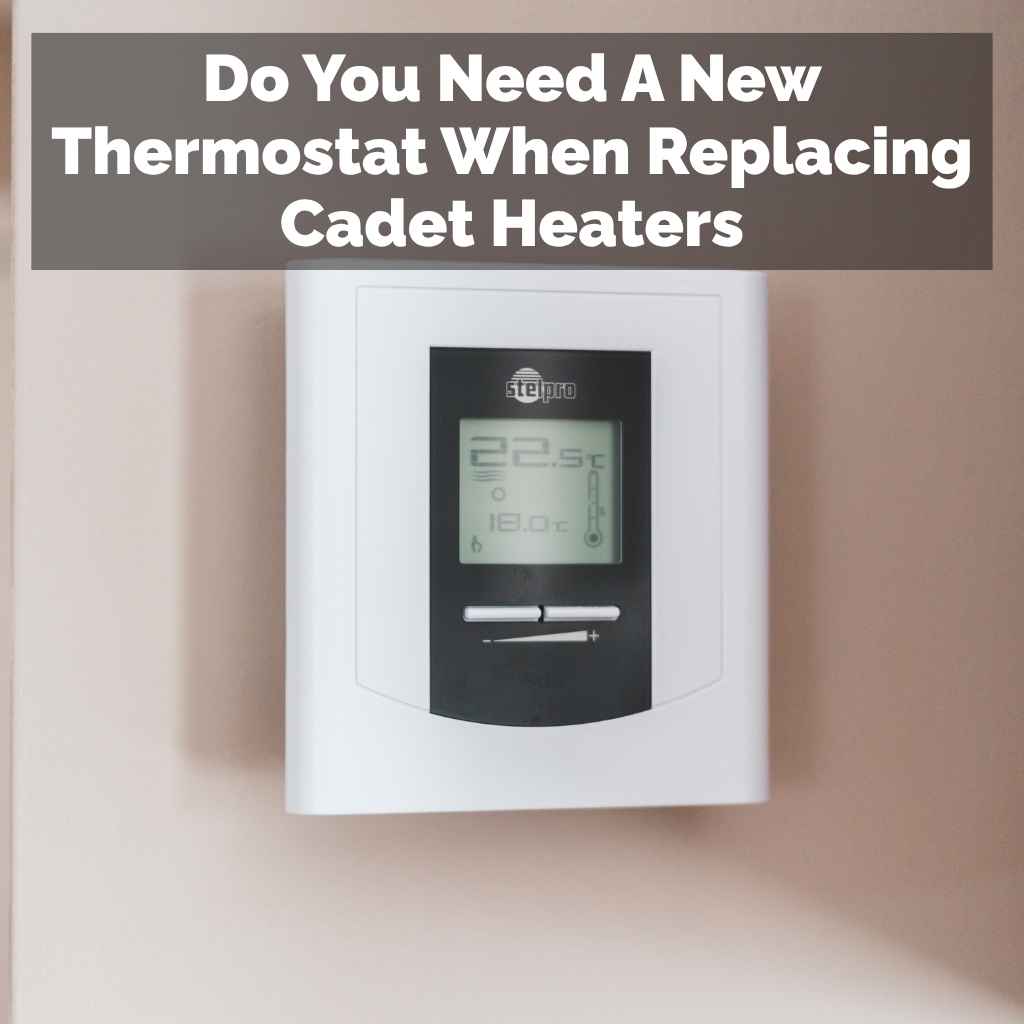
Do You Need A New Thermostat When Replacing Cadet Heaters
Many people wonder about their heating systems. When it is time to swap out old Cadet heaters, a common question pops up. Do you need a new thermostat when replacing Cadet heaters?
This can seem a bit tricky for folks who are not heating experts. But do not worry. We will walk through this step by step.
This guide will make it simple and clear. We will help you figure out exactly what you need to do.
When you are thinking about upgrading your Cadet heaters, figuring out the thermostat situation is a smart move. It is common to question whether the old thermostat will work with new heaters. This guide helps clear up any confusion.
We will look at why this question is so common. We will also explain what the best options are for your home’s heating. Getting this right means a cozy and efficient home.
Understanding Your Current Heating System
Before you swap out any heaters, it is important to know how your current setup works. Most homes have a central thermostat that controls the heat for different zones. Cadet heaters are often electric baseboard heaters.
They can be controlled by a wall thermostat. Some might have their own built-in thermostats, but these are less common for whole-home systems. Knowing your system helps you make the best choices for upgrades.
It ensures compatibility and avoids future problems. A good understanding prevents costly mistakes down the line.
Your current heating system likely uses a thermostat to tell your heaters when to turn on and off. This device senses the room temperature. When it gets too cold, it signals the heaters to start warming the space.
When the room reaches the desired temperature, it signals the heaters to stop. This keeps your home at a comfortable warmth without wasting energy. Think of it as the brain of your heating system.
How Cadet Heaters Work
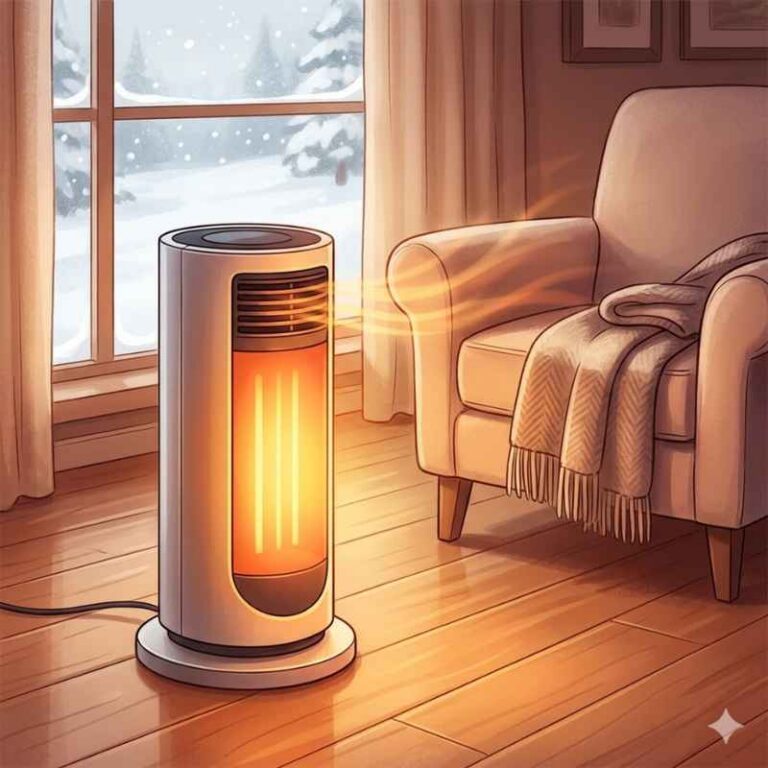
Cadet heaters are a type of electric resistance heater. They work by passing electricity through a heating element. This element gets hot.
A fan, or sometimes just natural convection, then blows or circulates this warm air into the room. They are known for being relatively simple and effective for heating individual rooms or smaller areas. Because they are electric, they rely on a steady power supply and a control mechanism to manage their operation.
The main components of a Cadet heater are the heating element, a protective grill, and often a fan. The heating element is usually a coil of wire that has high electrical resistance. When electricity flows through it, it converts electrical energy into heat energy.
The grill protects the heating element and helps direct the airflow. Some models may include a small fan to push warm air out faster and more evenly. Others rely on convection, where warm air rises naturally.
These heaters are straightforward in their design. They do not have complex moving parts like furnaces. Their operation is direct: electricity in, heat out.
This simplicity makes them reliable. However, it also means their control is usually managed externally. This is where the thermostat plays a critical role.
Without a thermostat, they would just keep heating until the power is cut off.
The Role Of A Thermostat In Electric Heating
A thermostat is the command center for your heating. For electric heaters like Cadet units, it dictates when they should operate. It works by monitoring the air temperature in a room.
When the temperature drops below a set point, the thermostat closes a circuit. This allows electricity to flow to the heating element, and the heater turns on. As the room warms up to the desired temperature, the thermostat opens the circuit, cutting off power to the heater.
Thermostats can vary in complexity. Older models are mechanical and use bimetallic strips to sense temperature changes. Newer ones are electronic or digital, offering more precise control and features like programming.
The type of thermostat you have will directly impact how efficiently and effectively your Cadet heaters perform. Choosing the right thermostat ensures your heating system meets your comfort needs and energy-saving goals.
The thermostat’s job is vital for comfort and energy efficiency. It prevents overheating, which wastes electricity and can make a room uncomfortably hot. It also ensures that the heating system only runs when necessary.
This reduces your electricity bills. Without a properly functioning thermostat, your Cadet heaters could run constantly, leading to high energy consumption and discomfort. This is why considering thermostat compatibility is so important when replacing heaters.
Do You Need A New Thermostat When Replacing Cadet Heaters
This is the big question many homeowners ask. Often, the answer is not a simple yes or no. It depends on the type of new Cadet heaters you choose and the type of thermostat you currently have.
If your new heaters are designed to work with your existing thermostat system, you might not need a replacement. However, if the new heaters have different control requirements, or if your old thermostat is outdated and inefficient, then a new thermostat is a good idea. Upgrading can lead to better performance and energy savings.
Newer Cadet heater models might come with advanced features. These could include Wi-Fi connectivity or specific communication protocols. These features might require a compatible smart thermostat.
On the other hand, if you are replacing old Cadet heaters with similar, basic models, your existing thermostat might still be perfectly fine. It is always best to check the specifications of the new heaters. Read the manufacturer’s recommendations for thermostat compatibility.
This will give you the clearest answer.
One of the main reasons to consider a new thermostat is efficiency. Older thermostats, especially mechanical ones, are not as precise. They can have a wider temperature swing, meaning the heater might turn on too soon or too late.
This can lead to uneven heating and wasted energy. A modern thermostat offers much tighter control. This leads to more consistent temperatures and lower energy bills.
So, even if your old thermostat works, a new one could be a worthwhile investment.
Compatibility Issues Between Heaters And Thermostats
Compatibility is the key word here. Cadet heaters, like most electric heaters, need to communicate with a thermostat. This communication happens through electrical signals.
Different types of heaters and thermostats use different signals. Older thermostats might not be able to send the right signals to newer heaters. Conversely, some advanced heaters might not work correctly with very basic, old thermostats.
For example, many Cadet heaters operate on a 24-volt low-voltage system for control. However, some might be designed for direct line voltage (120V or 240V) control. If your current thermostat is designed for one type and your new heaters are designed for another, they won’t work together.
This is a common reason why a thermostat replacement becomes necessary. It ensures the control signals match the heater’s needs. Ignoring this can lead to the heaters not turning on at all, or not turning off properly.
Another factor is the amperage rating. Thermostats have a limit to how much electrical current they can safely handle. Cadet heaters can draw a significant amount of power.
If the new heaters draw more power than the old thermostat was designed for, it could overheat or fail. This is a safety hazard. Therefore, checking the amperage requirements of the new heaters and comparing them to the specifications of your current thermostat is crucial.
Benefits Of Upgrading Your Thermostat
Upgrading your thermostat when replacing Cadet heaters offers several advantages. The most significant is improved energy efficiency. Modern thermostats, especially digital and smart ones, provide more precise temperature control.
This means less wasted energy. They can maintain your desired temperature within a much smaller range than older mechanical models. This leads to more consistent comfort and lower utility bills.
Smart thermostats offer even more benefits. They can be programmed to adjust temperatures based on your schedule. This means you are not heating an empty house.
Many can be controlled remotely via a smartphone app. This allows you to adjust the temperature before you get home or check on your heating while you are away. This level of control was not possible with older thermostat technology.
It offers convenience and additional energy savings.
Beyond efficiency and convenience, new thermostats can also offer better performance. They may have features like zone control, allowing you to set different temperatures for different areas of your home. Some also monitor system performance and can alert you to potential issues.
This proactive approach can help prevent costly repairs and ensure your heating system always runs smoothly. It is an investment in your home’s comfort and its long-term efficiency.
Energy Efficiency Gains With New Thermostats
The energy savings from a new thermostat can be substantial. Older mechanical thermostats have a wider temperature differential. This means they might turn your heaters on when the temperature is a few degrees too low and turn them off when it is a few degrees too high.
This on-and-off cycling can lead to energy waste. Digital thermostats typically have a much smaller differential, often within one degree. This means the heating system runs more efficiently, only activating when truly needed.
Smart thermostats take this a step further. By allowing you to program schedules and control the thermostat remotely, you can avoid heating unused rooms or heating your home to higher temperatures than necessary when you are away. A study by the U.S.
Department of Energy found that homeowners can save an average of 10% per year on their energy bills by using a programmable thermostat properly. With smart thermostats, these savings can potentially be even higher due to their advanced features and learning capabilities.
Consider a scenario where you are away on vacation for a week. With an old thermostat, you might leave it at a set temperature, heating an empty house. With a programmable or smart thermostat, you could set it to a much lower temperature for energy savings.
Then, you could remotely increase the temperature a few hours before you return, ensuring comfort without continuous energy expenditure. This is a direct example of how efficiency is gained.
Here are some statistics on thermostat efficiency:
- A programmable thermostat can save homeowners up to 10% annually on their heating and cooling bills.
- Smart thermostats have the potential to save users even more, with some estimates suggesting up to 15% in energy savings.
- Roughly 50% of American homes have programmable thermostats, but many are not used to their full potential.
Smart Thermostat Features And Benefits
Smart thermostats are a significant upgrade from traditional models. They connect to your home’s Wi-Fi network. This allows for remote control via smartphone apps, tablets, or computers.
You can monitor and adjust your home’s temperature from anywhere in the world. This is incredibly convenient and can help prevent energy waste.
One of the key features is programmable scheduling. You can set different temperatures for different times of the day and days of the week. For instance, you might set a lower temperature overnight or when everyone is typically at work.
Then, you can program it to warm up before you wake up or return home. Some smart thermostats even have learning capabilities. They observe your habits and automatically create a schedule that fits your lifestyle.
Other beneficial features include energy usage reports. These reports show you how much energy your heating system is consuming. They can help you identify areas where you can save more.
Some smart thermostats also offer geofencing, which uses your phone’s location to adjust the temperature automatically. When you leave a certain radius around your home, it can set back the temperature. When you get close to returning, it can start heating again.
When A New Thermostat Is Absolutely Necessary
There are specific situations where replacing your thermostat is not just a good idea, but essential. If your current thermostat is old, broken, or malfunctioning, it must be replaced. An unreliable thermostat can lead to inconsistent heating, damage to your system, or even safety risks.
Signs of a malfunctioning thermostat include flickering displays, inaccurate temperature readings, or the heating system not responding at all.
Another critical scenario is when the new Cadet heaters have significantly different control requirements. For example, if your old heaters were controlled by a simple line-voltage thermostat and your new heaters are low-voltage models requiring a dedicated control signal, your old thermostat simply won’t work. You must ensure the thermostat’s voltage and control signal type match the new heaters’ specifications.
This is a technical compatibility requirement that cannot be overlooked.
Furthermore, if your existing thermostat is not rated for the amperage draw of the new heaters, it poses a serious safety hazard. Overloading a thermostat can cause it to overheat, melt, or even start a fire. Always check the wattage or amperage requirements of your new Cadet heaters and ensure your thermostat can handle that load.
If it cannot, a replacement is mandatory for safe operation.
Identifying Thermostat Malfunctions
Recognizing a faulty thermostat is important for timely replacement. One common sign is inconsistent room temperatures. The room might be too hot one moment and too cold the next, even though the thermostat setting has not changed.
This indicates the thermostat is not accurately sensing the temperature or is not properly signaling the heaters.
Another symptom is a thermostat that seems to be “stuck.” This could mean the heating system runs constantly, even when the room is already warm. Or, it might fail to turn on at all, leaving your home cold. If the thermostat’s display is dim, flickering, or completely blank, it might have a power issue or be failing.
Some thermostats also make strange clicking or buzzing noises that are not normal operational sounds.
You might also notice that the temperature setting on the thermostat does not seem to affect the heating performance. For instance, turning the dial to a much higher temperature does not make the heaters come on, or turning it down significantly does not turn them off. These are all clear indicators that the thermostat is not functioning correctly and should be replaced to ensure your Cadet heaters work as they should.
Matching New Heater Specifications To Thermostat Capabilities
When you purchase new Cadet heaters, they will come with a manual or a specification sheet. This document is your best friend for determining thermostat compatibility. It will detail the voltage requirements (e.g., 120V, 240V), the maximum amperage or wattage the heater can draw, and the type of control signal it expects.
Some heaters might be designed to be controlled directly by a line-voltage thermostat, while others require a low-voltage thermostat that sends a signal.
Your current thermostat also has specifications. You can usually find these on the back of the thermostat or in its manual. Compare the heater’s requirements to the thermostat’s capabilities.
If the new heaters require a 240V line-voltage connection, and your thermostat is only rated for 120V, you will need a new thermostat. If the new heaters have a high wattage, check that your thermostat is rated for that amperage. For example, if a heater draws 1500 watts at 240V, it pulls about 6.25 amps (1500W / 240V = 6.25A).
Your thermostat needs to be rated for at least this amount, and usually higher for safety.
If you are replacing old Cadet heaters that were part of a larger system controlled by a single thermostat, you also need to consider how many heaters the thermostat can effectively manage. A single thermostat might be able to control multiple heaters in the same zone, but there are limits. Exceeding these limits can overload the thermostat.
Always err on the side of caution and choose a thermostat that comfortably exceeds the demands of the new heaters.
Installation Considerations For New Thermostats
Installing a new thermostat can seem intimidating, but it is often a manageable DIY project for those comfortable with basic electrical work. The first step is always to turn off the power to the heating system at the circuit breaker. This is a critical safety precaution.
Once the power is off, you can remove the old thermostat. This usually involves unscrewing a cover plate and noting which wires are connected to which terminals.
Taking a picture of the wiring before disconnecting anything is highly recommended. This serves as a visual guide when connecting the new thermostat. Then, you can connect the wires to the corresponding terminals on the new thermostat, following the new thermostat’s installation manual.
Modern thermostats often have clear labeling and sometimes push-in connectors that make this process simpler. Once the wires are connected, you can mount the new thermostat to the wall and restore power at the breaker.
It is important to ensure that the new thermostat is compatible not only with the heaters but also with the wiring in your home. Some advanced thermostats might require a neutral wire, which not all older homes have. If you are unsure about any step of the installation process, it is always best to consult a qualified electrician.
They can ensure the installation is done safely and correctly, preventing potential damage or hazards.
DIY Installation Vs. Professional Installation
Deciding whether to install a thermostat yourself or hire a professional depends on your comfort level with electrical work and the complexity of the system. For simple replacements of a like-for-like thermostat, a DIY installation is often feasible. You will need basic tools like a screwdriver and wire strippers.
Following the manufacturer’s instructions carefully is key to success.
However, if you are upgrading to a smart thermostat that requires new wiring, has more complex features, or if you are unsure about any aspect of the electrical work, hiring a professional is the safer choice. Electricians have the expertise and tools to ensure the installation is done safely and up to code. They can also advise you on the best thermostat for your needs and ensure it is integrated correctly with your Cadet heaters and existing electrical system.
The cost of professional installation can range from $100 to $300 or more, depending on your location and the complexity of the job. While this adds to the overall cost, it provides peace of mind and ensures the job is done right, potentially preventing future issues that could be more expensive to fix.
Wiring Considerations For New Thermostats
The wiring of a thermostat is where it connects to your heating system. For electric heaters like Cadet units, this typically involves connecting power wires and control wires. Older mechanical thermostats often use thicker wires and simpler connections.
Digital and smart thermostats may use thinner wires and require more specific connections, especially if they need a common wire (C-wire) for continuous power.
If your new smart thermostat requires a C-wire and your current setup does not have one, an electrician can often install one. This involves running a new wire from your furnace or electrical panel to the thermostat location. Without a C-wire, some smart thermostats may rely on batteries, or they might not function properly, especially if they have features that consume a lot of power.
It’s also important to pay attention to wire colors. While there are standard color codes for electrical wiring, they can sometimes vary. Always double-check your wiring diagram and the thermostat manual.
Ensure that you are connecting the correct wires to the correct terminals. Incorrect wiring can lead to the thermostat not working, the heaters malfunctioning, or even damage to the thermostat or the heating system.
Case Studies: Successful Heater And Thermostat Replacements
Many homeowners have successfully upgraded their Cadet heaters and thermostats. Here are a couple of examples to illustrate the benefits.
- Sarah in Ohio decided to replace her old, noisy Cadet baseboard heaters in her living room and bedroom. She also chose to upgrade her outdated mechanical thermostat to a new digital model.
Before the upgrade, her old heaters were inefficient, and the thermostat had a wide temperature swing, making the rooms feel unevenly heated. After replacing the heaters with newer Cadet models and installing a digital thermostat, Sarah noticed a significant improvement. The new heaters were much quieter and provided consistent warmth.The digital thermostat maintained the temperature within one degree of the set point. This resulted in a more comfortable living space and a noticeable drop in her electricity bill by about 15% in the first winter.
- Mark, a homeowner in Colorado, was looking to improve the control over his cabin’s heating. He had several Cadet wall heaters in different rooms and an old single-zone thermostat.
He decided to
Troubleshooting Common Issues
After replacing Cadet heaters or a thermostat, you might encounter a few common issues. One frequent problem is that the new heater does not turn on. This could be due to a tripped circuit breaker, loose wiring at the thermostat or the heater, or an incorrect thermostat setting.
Always check the power supply first. Then, re-verify the wiring connections against the manual.
Another issue is when the heater runs constantly and will not turn off. This often points to a problem with the thermostat’s ability to sense the temperature or a faulty thermostat signal. Ensure the thermostat is not placed near a heat source, like a lamp or a direct sunlight patch, which could trick it into thinking the room is warmer than it is.
If the problem persists, the thermostat itself might be defective.
Sometimes, you might notice that the heat output from the new Cadet heaters is not as expected. This could be related to the thermostat’s calibration. Many digital thermostats have a calibration setting that allows you to fine-tune the temperature reading.
Also, ensure the heater is properly sized for the room. An undersized heater will struggle to heat the space, even with an efficient thermostat.
Heater Not Turning On After Replacement
If your new Cadet heater refuses to turn on, the first and most important step is to check the circuit breaker. It is possible that the breaker for that circuit was tripped during installation or that it is not set to the “on” position. Look for a switch in your electrical panel that controls the heater’s circuit and ensure it is fully engaged.
Next, carefully inspect the wiring connections. Make sure all wires are securely connected to the correct terminals on both the thermostat and the heater. Loose connections are a very common cause of electrical devices not working.
If you have a multimeter, you can also test for voltage at various points to trace the flow of electricity. This can help pinpoint where the power is being interrupted.
Finally, ensure the thermostat itself is programmed correctly and set to a temperature that requires heating. Sometimes, simple user error in programming or setting the thermostat can prevent the heaters from activating. Consult the thermostat’s manual for specific programming instructions.
Heater Running Continuously
A heater that runs non-stop indicates that the thermostat is not telling it to turn off. This usually means the thermostat is not accurately sensing the room temperature or its internal mechanism for signaling the heater to stop is not working. Check the thermostat’s placement.
If it is located in direct sunlight, near another heat source like a fireplace, or in a drafty area, it will not provide an accurate reading of the overall room temperature.
Another possibility is a faulty temperature sensor within the thermostat. Most modern thermostats have electronic sensors that can degrade over time or fail due to electrical surges. If you have already checked the placement and ensured the thermostat is properly programmed, then the thermostat itself is likely the culprit.
You may need to reset the thermostat or replace it.
In some cases, the wiring between the thermostat and the heater might be faulty, causing a continuous closed circuit. This is less common but possible. A professional electrician can diagnose such wiring issues.
However, for most situations, a faulty thermostat is the primary reason for a heater running continuously.
Frequently Asked Questions
Question: Will my old thermostat work with new Cadet heaters?
Answer: It depends on the specific models. Newer heaters might require different voltage or control signals than older thermostats can provide. Always check the specifications of your new heaters and your current thermostat for compatibility.
Question: How can I tell if my thermostat is working properly?
Answer: Signs of a faulty thermostat include inconsistent room temperatures, the heater running constantly, or the heater not turning on at all. If the display flickers or is blank, it may also indicate a problem.
Question: Do I need a smart thermostat for Cadet heaters?
Answer: Not necessarily, but a smart thermostat offers advanced features like remote control, programming, and energy monitoring, which can lead to greater comfort and energy savings. Basic digital thermostats are also highly effective.
Question: What if my new Cadet heaters draw more power than my old thermostat can handle?
Answer: This is a serious safety concern. If your new heaters have a higher amperage or wattage than your old thermostat is rated for, you absolutely must
Question: Can I install a new thermostat myself when replacing Cadet heaters?
Answer: For simple thermostat
Summary
Deciding whether to replace your thermostat when swapping out Cadet heaters is key to a smooth upgrade. If your new heaters have different electrical needs or if your old thermostat is inefficient or broken, a new one is often the best choice. Upgrading offers better control, comfort, and energy savings.
Always check heater and thermostat specifications for compatibility. With the right thermostat, your new Cadet heaters will perform efficiently for years to come.
Sponsored / affiliate links. As an Amazon Associate I earn from qualifying purchases. I may earn additional commission from eligible campaigns.