Do Most Reciprocating Compressors Have Crankcase Heaters?
You might be wondering if reciprocating compressors typically have crankcase heaters. The answer is that while not every single one does, it is extremely common for them to be included, especially in certain applications and climates. Their presence is often a smart design choice to prevent specific problems.
Understanding Crankcase Heaters in Reciprocating Compressors
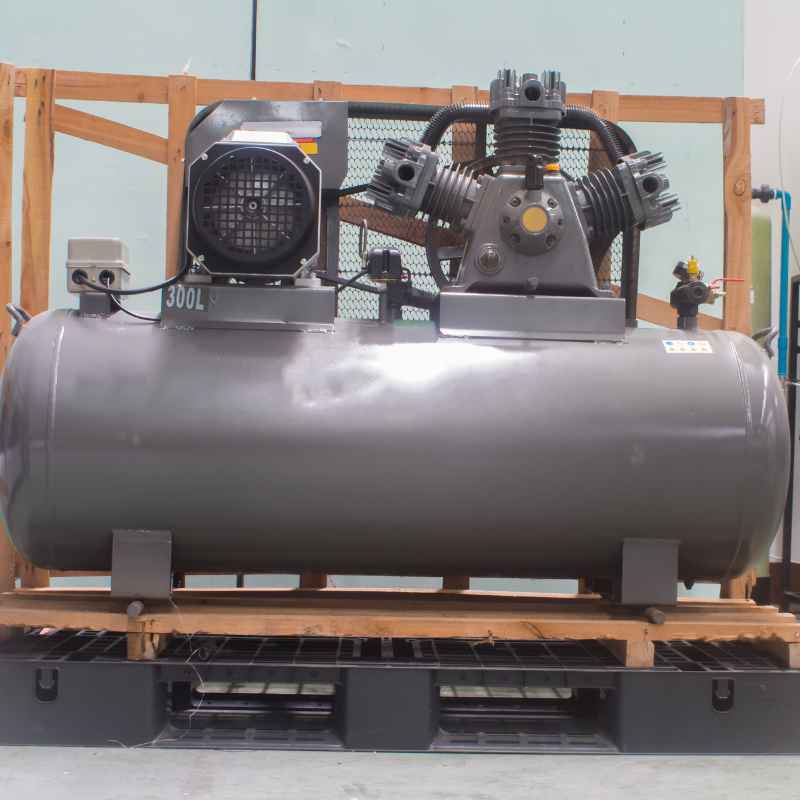
So, what exactly is a crankcase heater, and why do we even talk about it with reciprocating compressors? A reciprocating compressor is a type of machine that uses a piston to move refrigerant. Think of it like a bicycle pump.
It’s been a workhorse in the refrigeration and air conditioning world for a long time.
The crankcase is the part of the compressor that holds the oil. This oil is super important. It keeps the moving parts inside the compressor well-oiled and running smoothly.
Without enough oil, or if the oil isn’t in the right condition, the compressor can quickly get damaged. This is where the crankcase heater comes in.
A crankcase heater is basically a small electric heater. It’s usually wrapped around or attached to the bottom of the compressor’s oil sump. Its job is to keep the oil slightly warmer than the surrounding air, especially when the compressor is off.
This might sound simple, but it’s a really important job.
Why does the oil need to be warmer? Well, in refrigeration and air conditioning systems, refrigerant can sometimes mix with the oil. This is especially true when the system is at a low temperature.
If the refrigerant dissolves into the oil and then the compressor starts up when it’s cold, that refrigerant can boil out of the oil. This “flash boiling” can remove the lubricating properties of the oil. It’s like trying to drive a car with no oil.
Bad things happen.
The crankcase heater gently warms the oil. This warming makes it harder for the refrigerant to dissolve into the oil in the first place. It also helps to drive off any refrigerant that might have already mixed in with the oil.
So, when the compressor starts, the oil is less likely to be thinned out by refrigerant. This helps protect the compressor from wear and tear.
You’ll find these heaters most often in systems that run in colder environments or systems that cycle on and off frequently. Think about a commercial freezer that needs to stay very cold. Or an air conditioning unit in a place that has very mild winters but still needs to cool in the summer.
The compressor might sit idle for long periods. During these idle times, the refrigerant can migrate. That’s why the heater is so valuable.
It acts as a guardian for the oil.
In essence, the crankcase heater is a preventative measure. It’s a way to ensure the compressor’s lubrication system is in good shape when it needs to start up. It’s a key component for extending the life of the compressor and preventing costly breakdowns.
My Own Crankcase Heater Scare
I remember this one time, years ago, I was called out to a small restaurant. They had a walk-in cooler that had stopped cooling. The customer was frantic.
It was a Friday afternoon, and all their fresh food was at risk. I got there, and the compressor was indeed dead. No sound, no movement.
I started my usual checks. Power was good. Fuses were fine.
I began to suspect a compressor failure. That’s always the most dreaded part of the job. As I was looking over the compressor, I noticed something odd.
There was a slight dampness around the bottom. My gut instinct went into high alert. Was it oil?
Was it something else?
I pulled out my tools and started digging deeper. I checked the oil level. It looked a bit low.
Then, I noticed the crankcase heater was completely cold. It wasn’t just not working; it felt strangely cool, almost like it had been sitting in a cold room. That’s when it hit me.
This restaurant was in a part of town that could get quite chilly in the evenings, even in the spring and fall. The walk-in cooler’s compressor had likely been sitting idle for a while. Refrigerant, which is a gas at room temperature, had probably migrated down into the compressor crankcase, mixing with the oil.
Without the crankcase heater working to keep the oil warm and drive off that refrigerant, the oil had become thinned out. When the thermostat finally called for cooling, the compressor tried to start, but it was essentially trying to run on a watery, refrigerant-infused lubricant. That’s a recipe for disaster.
It likely seized up the compressor.
The feeling of realizing what had happened was a mix of annoyance at the failure and empathy for the owner losing all that food. It was a stark reminder of how critical these small, often overlooked components are. The crankcase heater isn’t just a nice-to-have; for many systems, it’s a must-have.
It’s a simple piece of equipment that prevents a cascade of expensive problems. That day taught me to always, always check the crankcase heater first on any compressor that seems to have died unexpectedly, especially if it’s in a cooler climate or cycles off often.
Crankcase Heater: Key Functions at a Glance
Purpose: To keep compressor oil warm.
Why it matters: Prevents refrigerant from thinning the oil.
When it’s most needed: Cold climates, frequent compressor shutdowns.
Benefit: Protects compressor, extends its life, prevents costly repairs.
Let’s talk more about the specifics. What makes a compressor need a heater more than another? It really comes down to the conditions it operates in and how it’s used.
Systems that are designed to operate in areas where ambient temperatures can drop significantly are prime candidates. For example, a refrigeration unit in a warehouse that’s not heated might get very cold at night. Or an AC unit in a home that experiences cold snaps during its off-season.
The amount of time the compressor spends off is another big factor. If a compressor is constantly running, there’s less chance for refrigerant to migrate into the oil and pool up. But if it cycles off for long periods – say, a chiller that only runs during the warm months, or a freezer that has good insulation and doesn’t need to run constantly – then refrigerant migration becomes a much bigger concern.
The oil sits there, and the refrigerant, being a gas that liquefies under pressure, will find its way into the oil sump.
The type of refrigerant also plays a role. Some refrigerants are more prone to dissolving into compressor oil than others. Historically, older refrigerants might have had different migration characteristics compared to newer, more environmentally friendly ones.
However, the fundamental principle of refrigerant migration and its effect on oil lubrication remains a concern across many types of refrigerants used in reciprocating compressors.
The design of the refrigeration or air conditioning system itself matters too. Systems with long refrigerant lines or complex piping arrangements can sometimes create conditions where refrigerant can more easily collect in the compressor when it’s off. For instance, if the compressor is located in a much colder part of the system than the evaporator, refrigerant will naturally want to flow towards the colder spot, which could be the compressor’s crankcase.
Also, consider the startup requirements. Some compressors are designed to start under significant load. If the oil is cold and thinned out, starting under a heavy load can cause immediate damage to bearings and other critical parts.
The heater ensures the oil is ready to perform its lubrication duty right from the moment the compressor kicks on.
So, while you can’t say every single reciprocating compressor has one, it’s safe to say that it’s a very common feature. Manufacturers often include them as a standard part of the design for many applications because the cost of the heater is minor compared to the potential cost of a compressor failure. It’s a form of insurance for the system’s most vital organ: the compressor.
Where You’ll Most Likely Find Crankcase Heaters
- Commercial refrigeration units (walk-in coolers, freezers)
- Air conditioning systems in colder climates
- Chillers for industrial or large building use
- Systems designed for infrequent operation
- Compressors exposed to significant temperature swings
Let’s think about the “why.” Why would a manufacturer choose not to include one? Sometimes, in very specific, controlled environments, a heater might be deemed unnecessary. For instance, a compressor that is always kept in a consistently warm, climate-controlled room might not need one.
Or perhaps a system designed for a very specific, always-on application where refrigerant migration isn’t a significant risk.
However, these are often exceptions rather than the rule. The risks associated with refrigerant migration are significant enough that adding a crankcase heater is usually the more prudent and cost-effective choice in the long run. It’s a testament to how important proper lubrication is for the longevity of these machines.
They are designed to work hard, and they need good oil to do it.
When you’re looking at a compressor, especially a larger industrial or commercial one, you’ll often see a small band or strap around the oil sump. This is usually the crankcase heater. Sometimes, it’s a small immersion heater inside the sump.
They are typically wired to the control circuit of the system and often operate on a low voltage or are controlled by a thermostat to only come on when needed.
This careful control ensures they don’t waste energy by running constantly. They are smart components designed to solve a specific problem. Their presence is a sign of good engineering aimed at preventing common failure points in reciprocating compressor systems.
So, if you see one, it’s a good sign that the system is designed with protection in mind.
When Is a Crankcase Heater Essential?
This is the core of the matter. When does a crankcase heater move from being a “nice-to-have” to an absolute necessity? The primary driver is preventing refrigerant migration and its damaging effects on compressor oil.
Consider these scenarios:
1. Cold Climates: If your compressor is located in an environment where temperatures can drop below freezing or even just into the 40s or 50s Fahrenheit regularly, a crankcase heater is vital. Refrigerant is more soluble in oil at lower temperatures.
When the compressor is off, the refrigerant will migrate to the coldest point, which is often the oil in the crankcase. This dilutes the oil, reducing its viscosity and lubricating ability. When the compressor starts, it’s running with an oil that’s too thin, leading to increased wear on bearings, pistons, and cylinder walls.
This is a fast track to compressor failure.
2. Systems with Frequent Cycling: Compressors that turn on and off many times a day or week are also at higher risk. Each time the compressor cycles off, there’s an opportunity for refrigerant migration.
The longer it stays off, the more refrigerant can gather in the crankcase. Systems like walk-in coolers or freezers, or even residential air conditioners in certain climates, can cycle frequently. Without a heater, the oil can become contaminated with refrigerant repeatedly, leading to cumulative damage.
3. Low Ambient Temperature Operation: Even if the system isn’t in a perpetually cold climate, if it’s designed to operate when the ambient temperature is low, a crankcase heater is essential. Think of a heat pump in heating mode during a cool evening.
The refrigerant circuit is reversed, and the compressor can be exposed to lower temperatures. Similarly, a chiller might be located outdoors and experience temperature drops.
4. Refrigerant Type and Oil Combination: Certain refrigerant and oil pairings are more susceptible to refrigerant migration than others. While modern systems often use specialized oils and refrigerants, the risk is never zero.
If you’re working with older equipment or unsure about the specific properties, erring on the side of caution with a crankcase heater is wise.
5. Large Refrigerant Charge Systems: Systems that hold a large amount of refrigerant have more potential for migration. The larger the volume of refrigerant, the more there is available to dissolve into the oil.
6. Systems with Potential for Flooding: In some system designs, there’s a risk of liquid refrigerant “flooding” back to the compressor during normal operation or shutdown. A crankcase heater can help evaporate this liquid refrigerant before it significantly thins out the oil.
It’s about protecting the compressor’s lifeblood: the oil. The crankcase heater ensures that the oil is always ready to lubricate effectively, regardless of whether the compressor has been sitting idle in the cold or has been cycling on and off all day. It’s a small component that plays a massive role in the overall health and longevity of the refrigeration system.
Quick Check: Do You Need a Crankcase Heater?
Ask yourself:
- Does my system operate in temperatures below 50°F (10°C)?
- Does the compressor cycle off for extended periods?
- Is the compressor located in a less controlled environment (e.g., unheated space)?
- Is the system designed for low-ambient operation?
If you answered YES to any of these, a crankcase heater is likely essential.
The decision to include a crankcase heater is often made by the equipment manufacturer based on the intended application and operating conditions. However, for technicians and system designers, understanding these factors is crucial. If you’re installing a new system or servicing an existing one, always consider the operating environment and cycling patterns to determine if a crankcase heater is present and functioning correctly.
It’s also important to note that even in systems where a crankcase heater is standard, it can fail. Electrical components can burn out, or connections can become loose. Regular maintenance checks should include verifying that the crankcase heater is working properly and maintaining the oil at the correct temperature.
This might involve checking its electrical resistance or, if possible, measuring the oil temperature directly when the compressor is off.
How Crankcase Heaters Work (The Simple Version)
Let’s keep this super straightforward. A crankcase heater is essentially an electrical resistance heater. You know how an electric stove burner gets hot when you turn it on?
It’s a similar principle.
Inside the heater element are coils made of a material that resists the flow of electricity. When electricity passes through these coils, it encounters resistance. This resistance causes the coils to heat up.
The heat generated is then transferred to the surrounding material, which is usually a metal casing or a flexible strap.
This casing or strap is then attached directly to the outside of the compressor’s oil sump. The oil inside the sump absorbs the heat from the heater. This keeps the oil temperature elevated, typically just a few degrees above the ambient temperature, but crucially, it prevents the oil from getting too cold.
Many crankcase heaters are designed to operate continuously when the compressor is off. However, more advanced systems might use a thermostat. This thermostat is set to a specific temperature.
If the oil temperature drops below this set point, the thermostat closes an electrical circuit, turning the heater on. When the oil warms up to a certain point, the thermostat opens the circuit, turning the heater off. This saves energy and prevents overheating.
The power supply for the heater is usually taken from the control circuit of the refrigeration system. This means it’s active when the compressor itself is not running. This is perfect because the main goal is to prepare the oil for the next startup.
Some heaters are powered by the main power supply, but they often have a delay mechanism or are controlled by a separate contactor so they only operate when the compressor is off.
Think of it like a cozy blanket for the compressor’s oil. When the compressor is sleeping (off), the blanket (heater) keeps it warm and comfortable. This ensures that when it wakes up (starts), it’s ready to go without its lubrication being compromised.
The installation is usually simple. For strap-on heaters, they are wrapped around the compressor sump and secured. For internal heaters, they are threaded into a port on the sump.
Proper installation is key to efficient heat transfer. If there’s poor contact between the heater and the sump, or if the heater is in a location that doesn’t effectively warm the bulk of the oil, it won’t be as effective.
So, in short: electricity flows through a resistant element, which gets hot. That heat is transferred to the compressor oil, keeping it warm and ready for action.
Crankcase Heater: The Basics
- How it works: Electrical resistance creates heat.
- Where it’s installed: Attached to the compressor’s oil sump.
- What it heats: The compressor oil.
- When it runs: Typically when the compressor is OFF.
- Purpose: Prevent oil thinning by refrigerant.
The efficiency of the heater can also be affected by the size of the compressor and the volume of oil it holds. Larger compressors with more oil might require a more powerful heater to achieve the desired temperature. Manufacturers select heaters that are appropriately sized for the compressor and its intended application.
It’s also worth mentioning that some modern compressors may have integrated oil heating systems that are more sophisticated than a simple resistance heater. However, the fundamental principle of keeping the oil warm to prevent refrigerant solubility issues remains the same. For most standard reciprocating compressors, the simple electric crankcase heater is the common and effective solution.
Reciprocating Compressors: A Quick Recap
Before we move on, let’s quickly refresh what a reciprocating compressor is. You can think of it as a robust, piston-driven pump. It works much like the engine in your car, but instead of pumping air and fuel, it’s pumping refrigerant.
The main parts include:
- Cylinder: Where the magic happens.
- Piston: Moves up and down inside the cylinder.
- Connecting Rod: Connects the piston to the crankshaft.
- Crankshaft: Rotates, converting the motor’s spin into the piston’s up-and-down motion.
- Valves: Control the flow of refrigerant into and out of the cylinder.
- Crankcase: The housing at the bottom, which holds the lubricating oil.
The motor drives the crankshaft. As the crankshaft turns, it pushes the connecting rod, which moves the piston. On one stroke, the piston draws refrigerant vapor into the cylinder.
On the next stroke, it compresses that vapor to a higher pressure and then pushes it out to the rest of the system. This cycle repeats very rapidly.
Reciprocating compressors are known for their durability and ability to handle a wide range of pressures and temperatures. They are commonly found in:
- Residential and commercial air conditioning systems
- Refrigeration systems (supermarkets, restaurants, walk-in units)
- Industrial applications
Their straightforward design makes them reliable, but like any mechanical device, they require proper lubrication. That’s where the oil in the crankcase and, by extension, the crankcase heater, become so important. The oil reduces friction between moving parts, prevents wear, and helps to seal the piston rings against the cylinder walls.
Without effective lubrication, the compressor can overheat and fail very quickly.
This is why understanding components like the crankcase heater is so valuable. It’s not just a random part; it’s a critical piece of protection for the compressor’s most vital function: lubrication. Its presence or absence, and its proper operation, can mean the difference between a system that runs for years and one that suffers premature failure.
Reciprocating Compressor: Key Traits
- Mechanism: Piston-driven, like a pump.
- Lubrication: Oil held in the crankcase.
- Strengths: Durable, handles varied pressures.
- Common Uses: AC, refrigeration, industrial.
- Vulnerability: Oil thinning due to refrigerant migration.
The efficiency and effectiveness of these compressors rely heavily on maintaining the integrity of the oil. Any factor that compromises the oil, such as dilution by refrigerant, can have severe consequences. This is precisely the problem that crankcase heaters are designed to solve.
They are an integral part of ensuring the compressor performs as intended over its lifespan.
When you are servicing or assessing a reciprocating compressor system, always take a moment to identify the compressor type. While this article focuses on reciprocating types, other compressor types (like scroll or screw) have different lubrication needs and may not use crankcase heaters in the same way, or at all. Knowing your compressor type is step one in understanding its maintenance requirements.
When to Worry: Signs a Crankcase Heater Might Be Failing
Even though they are simple, crankcase heaters can fail. Recognizing the signs is key to preventing a small problem from becoming a big one.
Here are some things to watch out for:
1. Compressor Starts Fine, Then Issues Arise: If a system seems to start up okay, but then you notice strange noises, reduced cooling performance, or the compressor seems to be working harder than usual after a period of inactivity, it could point to lubrication issues caused by a failed heater. The oil might have been too thin during the idle period.
2. Oil Level Seems to Drop Unusually Fast: If the oil level in the sight glass appears to be decreasing more rapidly than expected, it might be due to oil being carried out of the compressor due to poor lubrication from thinned oil, or even carrying over into the refrigerant system more than usual.
3. Unusual Noises During Startup: Listen carefully when the compressor starts, especially after it’s been off for a while. Grinding, knocking, or a general “rough” sound can indicate that the metal parts are not adequately lubricated.
This is a major red flag for a failing crankcase heater.
4. Compressor Overheating: Poor lubrication leads to increased friction, which in turn leads to overheating. If the compressor casing feels excessively hot to the touch, or if safety cutouts related to high temperature are tripping, investigate the lubrication system and the crankcase heater.
5. Visible Damage to the Compressor: In severe cases, prolonged operation with poor lubrication can lead to obvious physical damage. This could include scoring on cylinder walls or bearing surfaces, which would require a compressor replacement.
Catching a failing heater before this happens is critical.
6. Lack of Warmth from the Sump Area: This is the most direct sign. When the compressor has been off for several hours (especially in a cool environment), the crankcase sump area should feel slightly warm to the touch if the heater is working.
If it feels just as cold as the ambient air, the heater is likely not functioning.
7. Electrical Issues: A faulty heater might cause circuit breaker trips or blow fuses related to the control circuit. While this can have many causes, it’s a strong indicator that something is wrong with a component in that circuit, and the heater is a prime suspect.
When diagnosing, always check the power supply to the heater. If power is reaching it and it’s still cold, the heater element itself has likely failed. If no power is reaching it, you need to trace the circuit back to find the fault (thermostat, control board, wiring, etc.).
Regular preventative maintenance is the best way to catch these issues early. A technician performing routine service should always check the operation of the crankcase heater as part of their checklist. It’s a quick check that can save a lot of headaches and expense down the road.
Troubleshooting Crankcase Heater Issues
- Check for warmth around the sump when the compressor is off and in a cool environment.
- Verify electrical power is reaching the heater.
- Listen for unusual noises during compressor startup.
- Monitor compressor temperature for signs of overheating.
- Inspect oil level and condition regularly.
Don’t underestimate the importance of this seemingly small component. Its failure can lead to one of the most expensive repairs in an HVAC or refrigeration system. Being proactive about checking its function is a hallmark of good system maintenance.
Remember, the goal is to ensure the oil is always ready to do its job. If the crankcase heater isn’t doing its part, the oil won’t be properly protected, and the compressor will be at risk. This is why knowing the potential signs of failure and performing regular checks are so important for anyone managing these types of systems.
Do Most Reciprocating Compressors Have Crankcase Heaters?
To circle back to the original question: Do most reciprocating compressors have crankcase heaters?
Yes, generally speaking, most reciprocating compressors used in typical HVAC and refrigeration applications do have crankcase heaters, or they are designed to have them installed as a standard component.
Why “most” and not “all”? Because there are always niche applications or specific designs where they might be omitted if the operating conditions absolutely rule out refrigerant migration as a concern. However, for the vast majority of systems that operate in variable temperature conditions, cycle on and off, or are located in environments that can get cool, crankcase heaters are a standard feature.
Manufacturers include them because the cost of a crankcase heater is minimal compared to the potential cost of compressor replacement due to oil degradation. It’s a preventative measure that pays for itself many times over.
So, if you’re looking at a reciprocating compressor in a walk-in cooler, a standard air conditioner, or a chiller, it’s highly probable that it has a crankcase heater. And if it doesn’t, you should seriously consider if one is needed based on the system’s operating environment and duty cycle.
It’s a testament to the engineering that goes into these systems. They anticipate potential problems, like refrigerant migration, and build in solutions. The crankcase heater is one of the most effective and common solutions for protecting the heart of the compressor – its lubrication system.
In summary, while it’s difficult to put an exact percentage on it, the presence of a crankcase heater on a reciprocating compressor is very common, bordering on standard for most operational scenarios. Its purpose is clear: to protect the compressor’s oil from refrigerant dilution, especially during periods of inactivity or low temperatures.
Frequently Asked Questions
What is the main purpose of a crankcase heater on a reciprocating compressor?
The main purpose is to keep the compressor oil warm. This prevents refrigerant from dissolving into the oil and thinning it out. This is crucial for maintaining proper lubrication and preventing compressor damage, especially in cold conditions or when the compressor is off.
When is a crankcase heater most important?
It is most important in systems that operate in cold climates, systems that cycle on and off frequently, or systems located in environments where temperatures can drop significantly. These conditions increase the risk of refrigerant migration into the compressor oil.
Can a lack of a crankcase heater cause compressor failure?
Yes, absolutely. If refrigerant thins the oil, it loses its lubricating properties. This can lead to increased friction, overheating, and severe wear on moving parts, ultimately causing the compressor to fail prematurely.
How can I tell if my crankcase heater is working?
When the compressor has been off for several hours in a cool environment, the bottom of the compressor (where the heater is located) should feel slightly warm to the touch. If it feels as cold as the surrounding air, the heater may not be working.
Do all types of compressors use crankcase heaters?
No, crankcase heaters are primarily associated with reciprocating compressors. Other types of compressors, like scroll or screw compressors, have different lubrication systems and may not require or use them in the same way, though some might have oil heating elements.
What happens if the crankcase heater fails?
If the crankcase heater fails, refrigerant can migrate into the oil, thinning it out. This can lead to poor lubrication, increased wear, and eventually compressor failure, especially when the compressor is started after a period of inactivity in cold conditions.
Final Thoughts
So, to wrap it all up, yes, most reciprocating compressors you’ll encounter are indeed equipped with crankcase heaters. This isn’t just a random addition; it’s a vital component designed to safeguard the compressor’s most critical element – its oil. By keeping the oil warm, these heaters prevent refrigerant from diluting it, ensuring smooth operation and a longer lifespan for the compressor.
Understanding this simple but powerful function can help you appreciate the robust engineering that goes into keeping our homes cool and our food cold. Always check if yours is working!
Sponsored / affiliate links. As an Amazon Associate I earn from qualifying purchases. I may earn additional commission from eligible campaigns.