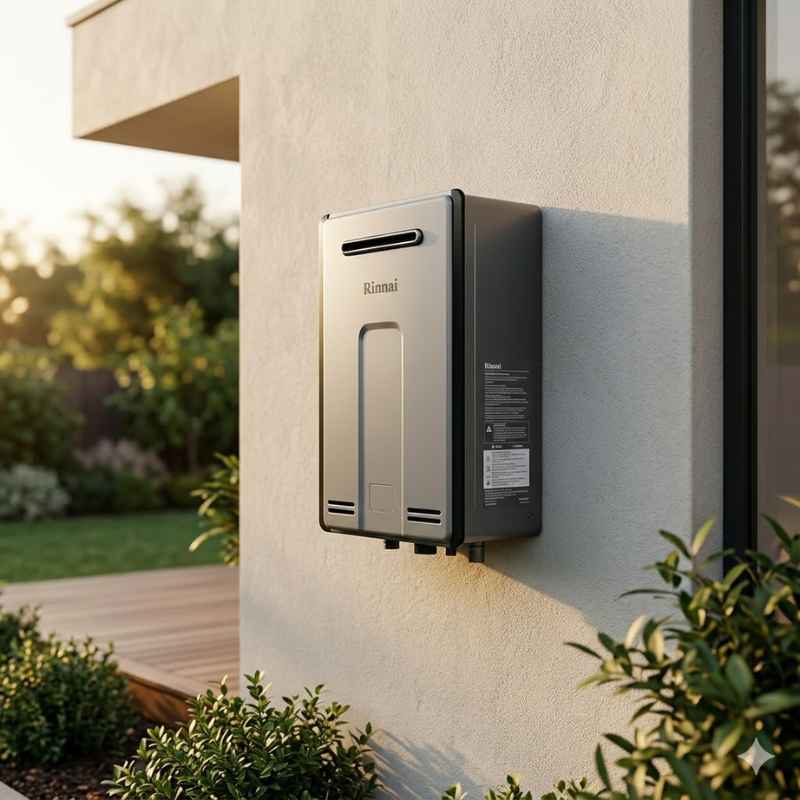
Do Exterior Rinnai Heaters Come With External Controllers?
It’s a common question when you’re looking at upgrading your home’s water heating system, especially if you’re considering a tankless option. You’ve heard good things about Rinnai, known for its efficient tankless water heaters. But if you’re thinking about one of their models designed for outdoor installation, a big question pops up: do these exterior Rinnai heaters come with external controllers?
This is a really practical concern. You want to know how you’ll be able to set the temperature and manage the unit. It’s not just about the heater itself, but how it fits into your home’s routine.
We’ll dive deep into what Rinnai offers for their outdoor units, so you can make the best choice for your home.
Most exterior Rinnai tankless water heaters do not come with a separate, integrated external controller as part of the base unit. However, many models are designed to work with optional Rinnai external controllers. These controllers allow for precise temperature adjustments and provide diagnostic information, enhancing user convenience and control over the unit’s performance.
Understanding Exterior Rinnai Water Heaters
Rinnai makes several types of tankless water heaters. Some are meant for inside your home, and others are built for the outdoors. The outdoor models have a special design.
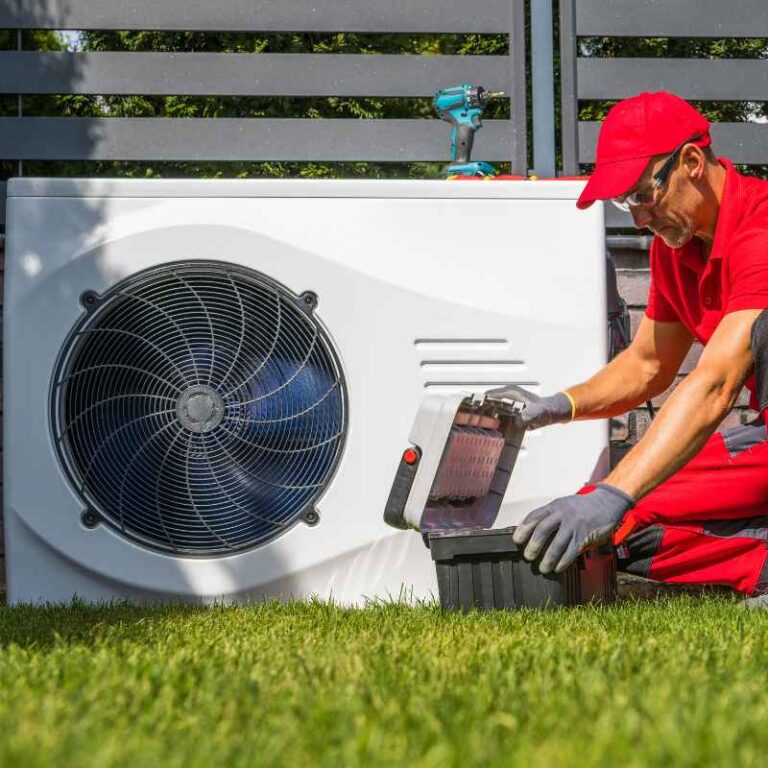
They are made to handle different weather conditions. This means they are tough and can stand up to rain, sun, and even cold. They also vent directly outside.
This saves space inside your house. It also keeps any fumes away from your living areas. That’s a big plus for air quality.
These outdoor units are popular for homes where space is limited. They are also a good choice for garages or if you want to keep the noise of the heater away from your main living areas. The main goal is efficiency.
Tankless heaters heat water only when you need it. This means you don’t waste energy keeping a large tank of water hot all the time. Rinnai focuses on delivering hot water on demand, saving energy and money.
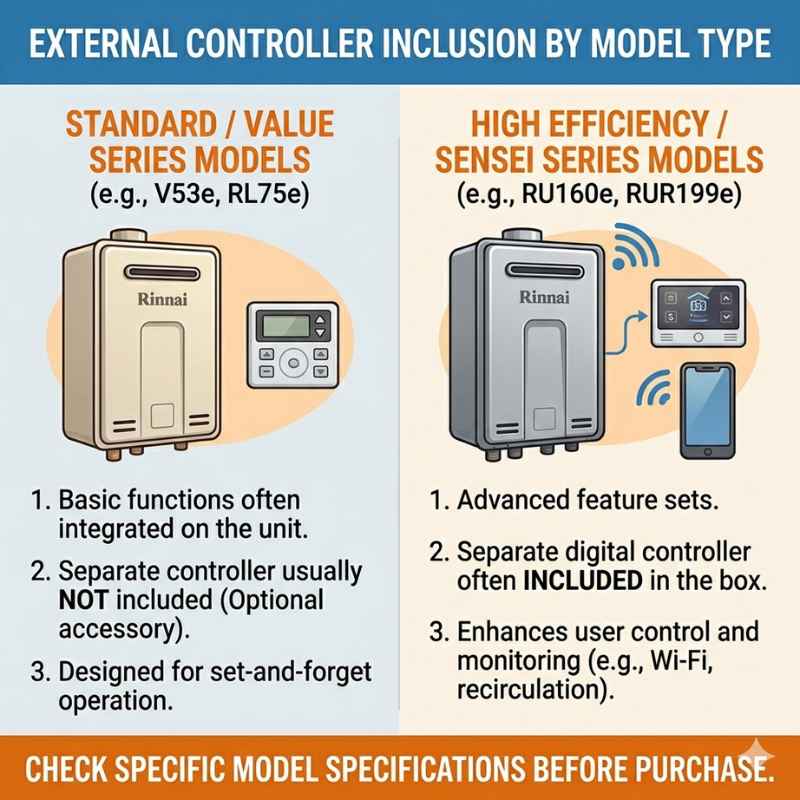
Do Exterior Rinnai Models Have Built-In External Controllers?
Now, let’s get to the main question. When you buy an outdoor Rinnai tankless water heater, does it automatically include a remote control panel that you can mount outside or inside your house? Generally, the answer is no.
The heater unit itself is designed to operate. It has its own basic settings. But a separate, user-friendly external controller is usually an add-on, not a standard feature for every outdoor model.
Think of it this way: the heater itself is the engine. The external controller is like the dashboard in your car. The engine can run on its own.
But the dashboard gives you the controls and information you need to use it best. For Rinnai outdoor units, the heater has the core function. But you often need to purchase an optional controller to get the full range of settings and ease of use.
Why an External Controller Matters
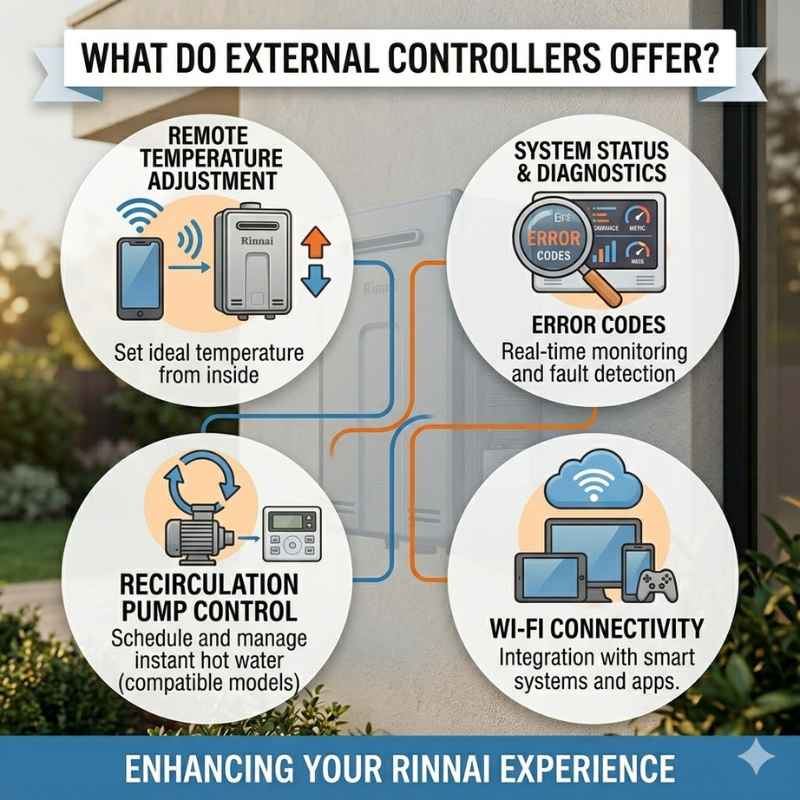
So, why would you even want an external controller? It makes managing your hot water much easier. Without one, you might have to go to the heater unit itself to make any adjustments.
This can be inconvenient, especially if the unit is installed in a hard-to-reach spot or on a cold day. An external controller lets you set the exact temperature you want. You can do this right from your kitchen, bathroom, or laundry room.
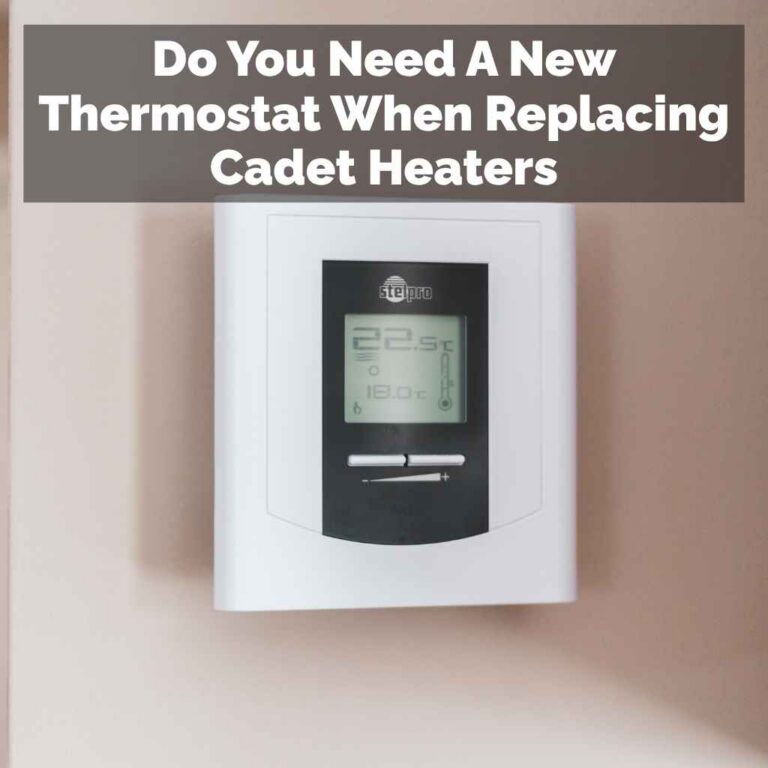
These controllers often have digital displays. They show you the current water temperature. They can also show you error codes if something isn’t working right.
This helps you quickly know if there’s an issue. It means you can often solve small problems yourself or explain them clearly to a technician. This saves time and frustration.
It’s about having comfort and control at your fingertips.
Rinnai Outdoor Controller Options
Rinnai offers a range of external controllers. These are designed to work with their specific tankless water heater models. Some popular options include:
- Rinnai MC-91-2 (Non-Remote): This is a basic controller. It allows for temperature setting. It’s often used when a simpler setup is needed.
- Rinnai C110 (Multi-Function): This is a more advanced option. It offers precise temperature control. It also has diagnostic features and can control multiple zones if needed.
- Rinnai RC-80 (Thermostat): This controller is also popular. It provides excellent temperature management. It helps maintain consistent hot water delivery.
It’s crucial to check which controller is compatible with your specific Rinnai outdoor water heater model. The Rinnai website or a product manual will have this information.
Specific Rinnai Outdoor Models and Controllers
Rinnai has different series of outdoor tankless water heaters. Let’s look at a few common ones. The Rinnai V65eN is a popular outdoor unit.
It’s known for its energy efficiency. This model does not typically come with a built-in external controller. However, it is fully compatible with Rinnai’s external controllers like the C110.
You would need to buy this separately if you want that advanced control.
Another example is the Rinnai RUR98in Outdoor Series. These are high-efficiency condensing units designed for outdoor installation. While the unit itself is powerful, the user interface is usually managed via an optional external controller.
This allows homeowners to set precise temperatures and monitor performance. Without the controller, operating the unit might be more basic, possibly involving on-unit adjustments if available.
The key takeaway here is that Rinnai designs their outdoor units with flexibility in mind. They provide the core heating function. They then offer optional controllers to enhance user experience.
This allows different customers to choose the level of control they need, balancing cost with convenience. Always check the product specifications for the exact model you are interested in.
Outdoor Heater Installation Basics
When installing an outdoor Rinnai heater, remember:
- Location: Choose a spot protected from direct impact and heavy traffic.
- Venting: Ensure proper venting according to local codes. This is critical for safety.
- Water Lines: Connect hot and cold water lines correctly.
- Gas Line: Ensure a stable gas supply.
- Electrical Power: The unit needs electricity to operate.
- Controller Wiring: If adding an external controller, proper wiring is essential. This usually involves running a cable from the unit to the controller’s location.
It’s often best to hire a licensed plumber or HVAC professional for installation. They know the specific requirements for your region and the Rinnai unit.
How to Check for Controller Compatibility
It’s super important to know if a controller will work with your heater. Rinnai usually provides detailed manuals for both their water heaters and their controllers. These manuals will list compatible models.
You can also find this information on Rinnai’s official website. Look for product pages or support sections. They often have compatibility charts or FAQs.
When you’re looking at a specific outdoor Rinnai heater, read the product description carefully. If an external controller is included, it will be clearly stated. If it’s listed as an optional accessory, you’ll know you need to purchase it separately.
Most retailers will also list compatible accessories. Asking the sales representative is also a good idea.
For instance, if you’re eyeing the Rinnai RL94iN (an indoor model, but the principle applies), you’d check its manual. It will list the compatible controllers. For outdoor models, the same logic applies.
The model number is your key to finding the right information. Don’t guess; verify compatibility to avoid disappointment and extra costs later.
My Own Experience with Controller Confusion
I remember a time when I was helping a friend choose a new water heater. They had an older home with a small utility closet, so an outdoor unit made a lot of sense. They found a Rinnai outdoor model that seemed perfect.
It was energy-efficient and well-priced. But the listing didn’t clearly state if it came with a remote controller.
They were really excited about having precise temperature control. They imagined setting the perfect shower temperature from their master bathroom. I called the store where they were buying it.
The person on the phone wasn’t sure. They had to go check the box themselves. It turned out, the unit itself was great, but the controller was a separate purchase.
My friend was a little bummed at first. They hadn’t budgeted for the extra cost. But after thinking about it, they decided the convenience was worth it.
They ended up buying the controller too. It made a huge difference in how they used and felt about their new hot water system.
Controller Benefits at a Glance
Benefit | Explanation
|
Precise Temperature Control | Set your exact desired water temperature. Convenience | Adjust settings from anywhere in the house. Easy Monitoring | View current temperature and status.
Troubleshooting | Display error codes for quick issue identification. Energy Savings | Fine-tune settings to avoid overheating water. Zone Control (Advanced Models) | Manage temperatures for different areas.
What if I Don’t Get an External Controller?
So, what happens if you decide not to get an external controller for your outdoor Rinnai heater? It’s not the end of the world. The heater will still work.
It will heat your water. Most Rinnai units have some basic on-unit controls. You might be able to set the temperature using buttons or dials directly on the heater itself.
This is usually simpler. It might involve setting it to a fixed output temperature or a range.
The main difference is convenience. You lose the ability to easily change the temperature from inside your home. If the heater is installed somewhere accessible, like on a side wall of the house, it might not be a big issue.
But if it’s in a less convenient spot, or if you frequently change the temperature you want (e.g., lower for washing clothes, higher for dishes), then you’ll feel the lack of a remote controller.
Also, some advanced features might only be accessible through an external controller. This could include things like specific modes or detailed energy usage information. For most homeowners, though, the basic function of heating water will still be achieved.
It’s a trade-off between upfront cost and long-term ease of use.
When Is an External Controller Most Useful?
An external controller really shines in certain situations. If you have a large home, it’s a lifesaver. You can place controllers in key areas, like the master bathroom or the kitchen.
This means anyone can adjust the temperature without having to search for the main unit. It’s especially helpful for families with different temperature preferences. Someone might like their shower hotter than someone else.
It’s also great for people who want to save energy. By setting a slightly lower temperature when you don’t need very hot water, you can reduce energy consumption. The controller makes it easy to do this often.
If you have young children, you can set a safer, lower temperature to prevent scalding. This is a major safety benefit that many parents appreciate.
For older adults or those with mobility issues, an external controller removes the need to bend or reach for controls on the unit. It makes the system much more accessible. In essence, if convenience, precise control, or specific energy/safety needs are important to you, an external controller is highly recommended for your Rinnai outdoor heater.
Contrast Matrix: With vs. Without Controller
Feature | With External Controller | Without External Controller
||
Temperature Adjustment | Easy, precise control from living areas | May require on-unit adjustment, less precise. Convenience | High; change settings anywhere | Low; limited to heater location. Installation Cost | Higher (includes controller and wiring) | Lower (heater only).
Monitoring | Digital display shows temperature, status, errors | Limited to on-unit indicators. Energy Management | Easier to fine-tune for savings | Requires more manual effort.
Installation and Wiring for Controllers
If you decide to get an external controller for your Rinnai outdoor heater, you need to think about the installation. The controller itself is usually a small wall-mounted unit. It needs to be wired back to the main water heater.
This wiring is typically low-voltage. It’s not like high-power electrical wiring. However, it still needs to be done correctly.
The cable runs from the heater unit to the controller’s location. This cable carries the signals between the two. It’s important that this cable is protected.
It should be routed safely, away from damage or moisture if possible, even if it’s weather-resistant. A professional installer will know how to run this cable neatly and securely. They will ensure it meets all safety and building codes.
The controller will then be mounted on a wall. You can put it in a convenient spot. Some people put them near their indoor shower controls.
Others put them in the kitchen. You’ll want to pick a place that’s easy to access. This wiring step is a key reason why many people opt for professional installation of both the heater and the controller.
Troubleshooting with a Controller
One of the significant advantages of having an external controller is how it helps with troubleshooting. If something goes wrong with your Rinnai tankless water heater, the unit will often display an error code. This code appears on the controller’s digital screen.
These codes are specific. They tell you exactly what the problem is. For example, an error code might indicate an ignition issue, a sensor problem, or a flow rate problem.
This is incredibly helpful. Instead of guessing what might be wrong, you have a clear indicator. You can then look up the error code in your owner’s manual.
The manual will explain what the code means and suggest potential solutions. This might be something simple, like checking if the water flow is too low or too high. Or it could indicate a more complex issue requiring a technician.
Even if you need to call a service technician, having the error code is a huge advantage. You can tell them exactly what the unit is reporting. This allows them to come prepared with the right tools and parts.
It saves them time diagnosing the problem. It also saves you money on service calls. This diagnostic capability is a major reason many people choose to add an external controller.
Common Troubleshooting Codes (Examples)
Note: Specific codes vary by model. Always consult your manual.
- Error 1: Ignition failure. Check gas supply.
- Error 2: Fan motor issue. Might need cleaning or replacement.
- Error 3: Water flow sensor problem. Ensure proper water flow.
- Error 10: Overheating. Ensure proper ventilation and water flow.
- Error 12: Flame rod issue. Check for debris.
Having a controller makes identifying these issues straightforward.
When Is a Controller Not Essential?
While controllers offer many benefits, they aren’t always essential. If you have a very simple setup, or if you live alone and don’t mind walking to the heater unit occasionally, you might be fine without one. For example, if the outdoor heater is installed on the side of your garage, right near your laundry room, it might be easy enough to walk over and adjust the temperature if needed.
Also, budget is a factor. External controllers add to the overall cost of your water heating system. If you are on a very tight budget, you might prioritize the heater itself and delay adding the controller.
You can always add one later if you decide you need it. Rinnai systems are designed to allow for this flexibility.
If your primary goal is just to have hot water reliably and you don’t need granular control or remote adjustments, then skipping the controller is a perfectly valid choice. The heater will still perform its main job of providing hot water efficiently. It really comes down to your personal needs, preferences, and budget.
Future-Proofing Your System
When you’re investing in a new water heater, you want it to last. Thinking about controllers also ties into future-proofing your system. Technology is always changing.
While Rinnai is a leading brand, having the option to add a controller later means your system can adapt. If you install the heater now and decide you want more control down the line, it’s usually possible.
This is a common strategy. You get the core unit installed. You see how you use it.
Then, if you find yourself wishing for more features, you can purchase and install a compatible controller. It’s like buying a smartphone that can run all the latest apps. The hardware is there, and you can add the software as you need it.
This approach can also be useful if you plan to sell your home in the future. A system with an optional controller might be more appealing to future buyers. It shows a modern, upgradeable system.
Even if you don’t install it yourself, the option is there. It adds value and flexibility to your home’s infrastructure.
Summarizing Rinnai Outdoor Heater Controllers
To wrap it all up, let’s reiterate the main point. Do exterior Rinnai heaters come with external controllers? In most cases, no, they do not come standard.
The heater unit itself is designed to function. However, Rinnai builds these units with the ability to connect with optional external controllers. These controllers are purchased separately.
The choice to get an external controller depends on your needs. If you value convenience, precise temperature settings, easy monitoring, and better troubleshooting, then adding a controller is a great idea. It enhances the user experience significantly.
If budget is a major concern or your needs are very basic, you might be fine without one. You can always add one later.
Always check the specifications for the exact Rinnai outdoor model you are considering. Look at the product manual or the manufacturer’s website to confirm which controllers are compatible. This ensures you get the right system for your home and your comfort.
Rinnai aims to give you options, and the controller is a key part of that.
Frequently Asked Questions About Rinnai External Controllers
Can I use any Rinnai controller with any Rinnai outdoor heater?
No, not all Rinnai controllers are compatible with all Rinnai outdoor heaters. Rinnai has specific series and models, and their controllers are designed to work with certain ranges. You must check the compatibility list in the product manual or on the Rinnai website for the specific heater model you own or are considering.
Using an incompatible controller can lead to malfunction or no operation at all.
How difficult is it to install an external Rinnai controller?
The installation of an external controller involves running low-voltage wiring from the main heater unit to the controller location. While the wiring itself is not complex, ensuring it is done safely, according to code, and routed neatly can be tricky. Many homeowners opt for professional installation by a licensed plumber or HVAC technician to ensure it’s done correctly and safely.
What is the average cost of a Rinnai external controller?
The cost of a Rinnai external controller can vary significantly depending on the model and its features. Basic controllers might range from $100 to $200, while more advanced multi-function controllers with enhanced diagnostic capabilities could cost $250 to $400 or more. Installation costs are separate and depend on the professional you hire.
Can I control multiple Rinnai heaters with one external controller?
Some advanced Rinnai controllers are designed to manage multiple water heaters within a system, especially in larger homes or commercial applications. However, this is not a standard feature for all controllers or heaters. You would need to specifically look for controllers marketed as “multi-system” or “multi-zone” controllers and ensure your heaters are also configured for such integration.
Do outdoor Rinnai heaters require a controller to function at all?
No, most Rinnai outdoor heaters will function to heat water without an external controller. They are designed with basic operational capabilities built into the unit itself. However, an external controller provides enhanced features like precise temperature selection, remote adjustments, and diagnostic codes that are often essential for modern convenience and efficient operation.
Where is the best place to mount an external Rinnai controller?
The best place to mount an external controller depends on your needs and home layout. Popular locations include near the primary point of hot water use, such as the master bathroom or kitchen sink. Some people also place them in utility rooms or basements.
Consider a location that is easily accessible and visible, and away from direct water spray or extreme temperatures.
Conclusion
Understanding whether your Rinnai outdoor water heater comes with an external controller is key to managing your expectations. While not usually included, these controllers are valuable add-ons. They offer convenience, precision, and useful diagnostic tools.
Always check compatibility and consider your home’s specific needs when deciding if a controller is the right choice for you.
Sponsored / affiliate links. As an Amazon Associate I earn from qualifying purchases. I may earn additional commission from eligible campaigns.