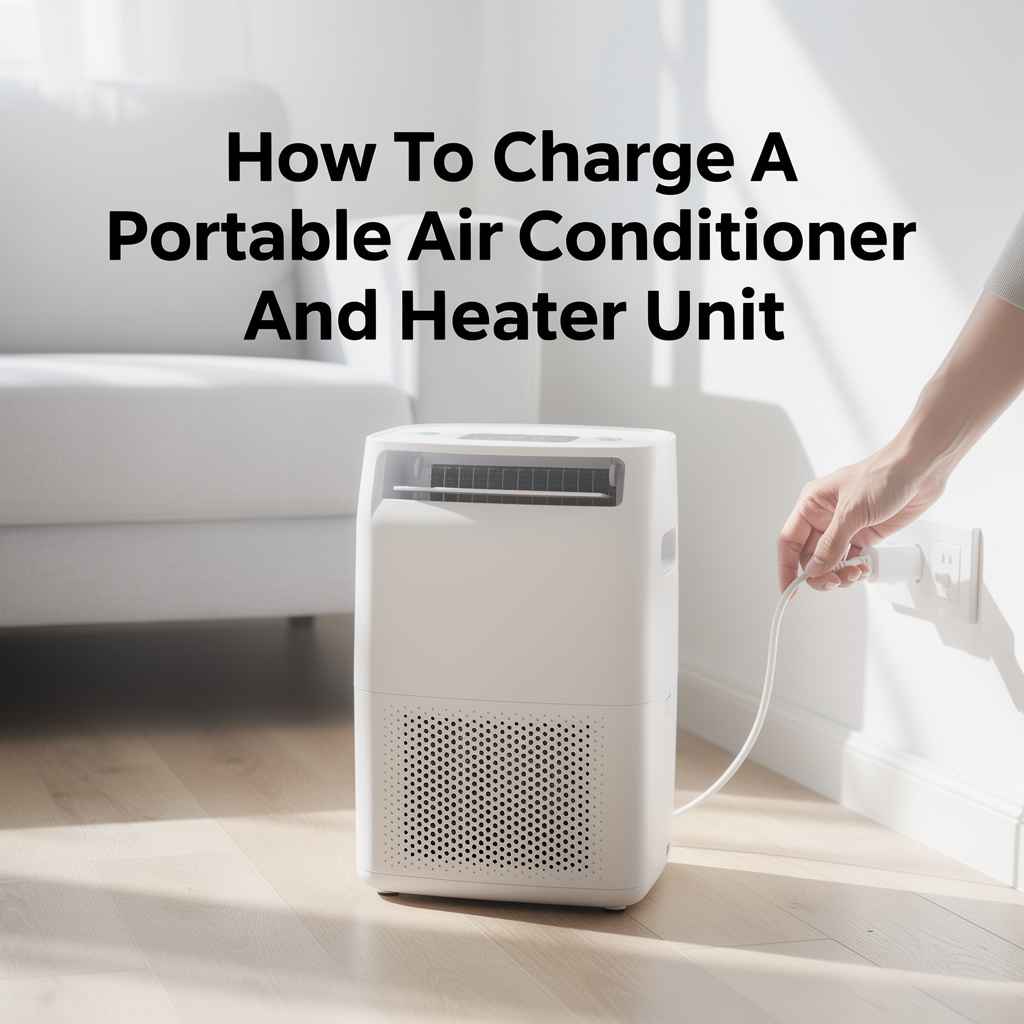
How To Charge A Portable Air Conditioner And Heater Unit
It can be a puzzle when your portable air conditioner and heater unit stops working right. You check the settings, but something feels off. Maybe it’s not cooling or heating like it used to.
Often, the first thought is, “Does this thing need charging?” It’s a common question, and the answer isn’t always simple. Many people struggle to figure out the power source for these handy devices. This article will clear things up.
We’ll explain how these units get their power. You’ll learn what “charging” really means for them. We will also cover common power issues and how to solve them.
Get ready to understand your unit’s power needs better.
Portable air conditioners and heaters do not have batteries that need charging like a phone. They run directly from an electrical outlet. If your unit isn’t working, the issue is likely with power supply, a tripped breaker, or the unit’s internal components, not a “charge” level.
Understanding How Your Portable AC/Heater Gets Power
Let’s dive into how these versatile machines work. Portable air conditioners and heaters are designed for convenience. They offer comfort where you need it most.
But they don’t have internal batteries. Think of them more like a powerful fan or a toaster. They need a constant flow of electricity to do their job.
This power comes straight from your wall outlet. There’s no fuel tank to fill or battery to plug in for hours. The cord you see is their lifeline to the power grid.
This direct connection is key. It means the unit uses as much power as it needs, whenever it needs it. Unlike a battery that stores energy, these units consume energy in real-time.
If the power cord is plugged in and the outlet has electricity, the unit should turn on. If it doesn’t, we need to look beyond a simple “charge.” We need to think about the entire electrical path.
The power from the outlet does two main things. For cooling, it runs a compressor and a fan. The compressor is like the heart of the cooling system.
The fan moves air over cold coils. For heating, it typically uses a heating element. This element gets hot when electricity flows through it.
A fan then blows air over this hot element. Both functions demand a steady supply of power. Any interruption or weakness in this supply will stop the unit.
Or it might make it work poorly.
So, when you wonder about “charging,” it’s helpful to reframe it. Instead of “charging the unit,” think about “ensuring a strong and consistent power supply to the unit.” This shift in perspective helps diagnose problems correctly. It leads you to look at the right places.
Places like the outlet, the cord, and your home’s electrical system.
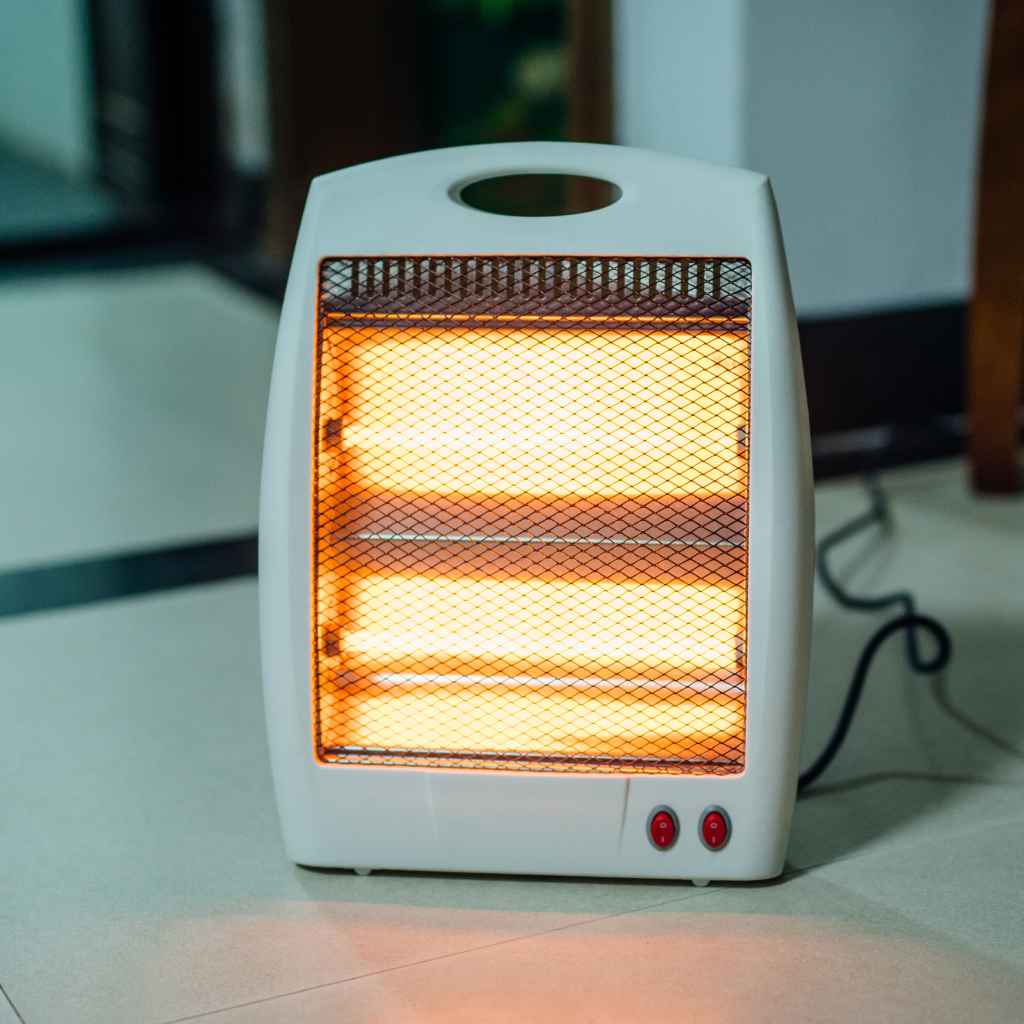
My Own Brush with “Low Battery” Confusion
I remember one sweltering summer day a few years back. My portable air conditioner was sputtering. It was barely blowing cool air.
I had bought it just last year. I felt a pang of panic. Was it already broken?
I tried turning it off and on again. I fiddled with the remote. Nothing seemed to help.
My mind immediately went to the idea of a “low battery” like my phone or laptop.
I even called a friend who’s a whiz with electronics. I explained, “I think my AC unit needs charging. It just won’t get cold anymore.” He paused, then chuckled softly.
He asked, “Does it have a battery pack you plug in?” I said, “No, it just has a cord.” That’s when he gently explained that most portable ACs don’t have batteries. He said, “It sounds more like a power issue or maybe something else is wrong.”
That conversation was a lightbulb moment for me. It was a simple misunderstanding, but it was causing me to look for a solution that didn’t exist for this type of appliance. I felt a bit silly but also relieved.
The problem wasn’t some mysterious internal battery drain. It was something I could likely figure out. This experience taught me a lot about how appliances work.
It also highlighted how common it is to assume things work like our other gadgets.
We live in a world of rechargeable devices. It’s natural to think some appliances might follow the same pattern. But for portable ACs and heaters, their power source is the home itself.
Understanding this difference is the first step to solving any operational puzzle. It redirects your troubleshooting efforts effectively. It saves you time and frustration.
And it keeps your space comfortable.
The Real Meaning of Power for Your Unit
Let’s break down what “power” truly means for your portable air conditioner and heater. These units are like any other major home appliance. Think about your refrigerator or your washing machine.
They plug into the wall. They draw electricity directly from your home’s wiring. Portable ACs and heaters work the same way.
They don’t store power. They use it as it flows from the outlet.
This means there’s no “charging” process in the way you charge a phone. You don’t plug it in overnight to fill up a battery. The power from the outlet is what makes the motor spin, the compressor run, and the heating element glow.
If the power is interrupted, the unit stops. If the power is weak or inconsistent, the unit might not perform well or might shut off.
The electrical needs of these units can be quite high. Cooling often requires more power than heating. This is because the compressor is a power-hungry component.
Heating elements also draw significant wattage. Your unit’s manual will tell you the exact power requirements, usually in watts or amps. It’s important to match these needs with your home’s electrical capacity.
Overloading a circuit can cause problems.
So, when you notice your unit isn’t working, the question isn’t “How do I charge it?” It’s “Is it receiving enough power?” or “Is the power supply stable?” This might involve checking the wall outlet. It might mean looking at the power cord. It could even mean checking your home’s circuit breaker.
These are the real “power issues” for such appliances.
Power Source: Outlet vs. Battery
Outlet Power:
- Direct connection to your home’s electrical system.
- Constant, uninterrupted energy flow (if the outlet works).
- No need to “recharge” as it uses power as needed.
- Examples: Refrigerators, microwaves, most portable ACs/heaters.
Battery Power:
- Stores energy for portable use without an outlet.
- Requires charging for a set period before use.
- Finite power supply that depletes with use.
- Examples: Smartphones, laptops, portable power stations.
Portable air conditioner and heater units fall firmly into the outlet power category.
Understanding this fundamental difference is crucial. It guides your troubleshooting. It prevents you from looking for a non-existent battery.
It ensures you focus on the actual mechanisms that deliver power to your appliance. It’s about the flow of electricity, not stored energy.
Why Portable AC/Heaters Don’t Have Rechargeable Batteries
Let’s dig a little deeper into why these units are built without batteries. The main reason is sheer power demand. To cool a room effectively, an air conditioner needs to move a lot of air and significantly lower its temperature.
This requires a powerful compressor and robust fans. A heating element also needs to generate substantial heat.
Batteries capable of supplying this much power would have to be enormous and extremely heavy. Think about the size of car batteries. They are needed for starting engines which have brief high power needs.
Running an AC unit continuously for several hours would require an even larger battery bank. This would defeat the purpose of a “portable” appliance.
Imagine trying to move a unit with a battery the size of a small suitcase. It wouldn’t be practical for most homes. The cost of such batteries would also be very high.
This would make the appliance unaffordable for many consumers. Manufacturers prioritize creating effective solutions that are also practical and accessible.
Another factor is the continuous nature of their operation. Unlike a phone used for short bursts, an AC or heater might run for hours. A battery would drain very quickly under such heavy, consistent load.
It would be frustrating to have your unit stop working after only an hour because the battery is dead, and then have to wait many hours for it to recharge.
The design choice to use a direct power cord is a deliberate engineering decision. It ensures reliable performance. It allows for the necessary power output.
It keeps the unit manageable in size and weight. And it keeps the cost reasonable. So, the absence of a battery isn’t a flaw; it’s a feature designed for optimal function in a home environment.
This is why you’ll always find a power cord attached to your portable AC or heater. It’s the most efficient and practical way to deliver the substantial electricity needed for climate control. This cord connects you directly to a power source that won’t run out until you unplug it or your home’s power goes out.
Troubleshooting Power Supply Issues: What to Check
Since “charging” isn’t the issue, let’s focus on real problems. If your portable AC or heater isn’t working, the first place to look is the power supply. This involves a few simple steps.
Being systematic helps pinpoint the problem quickly. It often turns out to be something easily fixed.
1. The Outlet Itself:
- Is the outlet working? Test it with another small appliance. A lamp or a phone charger is perfect for this.
- If the outlet doesn’t work for anything else, the problem might be with the outlet or your home’s wiring.
- Try a different outlet in a different room. This helps rule out a problem with just one specific outlet.
2. The Power Cord:
- Inspect the power cord for any visible damage. Look for cuts, nicks, or melted spots.
- Ensure the plug is fully inserted into the wall outlet. Sometimes it might seem in, but it’s not seated correctly.
- Check the connection at the back of the unit, if it’s removable. Make sure it’s snug.
3. The Circuit Breaker:
- Portable ACs and heaters can draw a lot of power. They might trip a circuit breaker, especially if running alongside other appliances.
- Go to your home’s electrical panel (the breaker box). Look for a breaker that is in the “off” position or halfway between “on” and “off.”
- To reset it, firmly push the breaker to the “off” position, then flip it back to the “on” position.
- If the breaker trips again immediately, there might be a more serious issue with the unit or the circuit. You may need an electrician.
Quick Power Check List
Check 1: Outlet Function
Use a lamp or charger to test the outlet.
Check 2: Cord Integrity
Look for damage. Ensure it’s plugged in fully.
Check 3: Breaker Status
Locate and reset any tripped breaker.
Check 4: Unit Switch
Make sure the unit’s main power switch is on.
These steps are simple. They cover the most common reasons for a unit not receiving power. Always prioritize safety.
If you’re uncomfortable checking electrical panels, call a qualified electrician. They can safely diagnose and fix any wiring issues.
When Your Unit Turns On But Doesn’t Perform
Sometimes, your portable AC or heater will power on. You’ll hear the fan, see lights on the display. But it won’t blow hot or cold air.
This is a different set of problems than a unit that won’t turn on at all. It usually points to an issue within the unit itself, or its ability to draw in and expel air properly.
1. Blocked Air Vents:
- Both cooling and heating rely on air moving freely. Check all air intake and output vents.
- Are they blocked by furniture, curtains, or dust? Clear any obstructions.
- For cooling units, ensure the exhaust hose is properly connected and not kinked or blocked.
2. Dirty Filters:
- Air filters get clogged with dust and debris over time. This restricts airflow.
- Locate your unit’s air filter(s). Most are washable.
- Gently vacuum or rinse them according to your manual’s instructions. Make sure they are completely dry before reinserting.
- A clean filter is vital for efficient operation.
3. Evaporator or Condenser Coils:
- These are the parts that get cold (evaporator) or hot (condenser). They can get dusty or dirty.
- Refer to your manual for cleaning instructions. Usually, this involves gently wiping them down.
- Be very careful not to bend the delicate fins.
4. Refrigerant (for AC units):
- Air conditioners use a refrigerant to transfer heat. If this leaks out, the unit won’t cool.
- This is a sealed system. A leak usually means the unit needs professional repair. It’s not something you can fix by “charging” it.
5. Heating Element (for Heaters):
- If a heater turns on but doesn’t get warm, the heating element might be damaged or have failed.
- This also typically requires professional service or replacement of the unit.
Unit On, No Climate Control? Check These:
Airflow:
Are vents clear? Is the exhaust hose connected (AC)?
Filters:
Are they clean and dry?
Coils:
Are they free of dust and debris?
Internal Components:
(AC) Refrigerant level / (Heater) Heating element function.
Remember that portable units have limitations. They are best suited for smaller spaces. If you’re trying to cool a very large room or heat a poorly insulated area, the unit might struggle.
It might seem like it’s not working properly, but it might just be working as hard as it can. Setting realistic expectations is important for any appliance.
Understanding Electrical Specifications
To make sure your portable AC or heater runs smoothly, understanding its electrical needs is key. This information is usually found on a sticker on the unit itself or in the owner’s manual. It’s often listed in watts (W) or amps (A).
Watts (W): This measures the total power the unit uses. Higher wattage means more power consumption. For example, a 1500W heater uses more electricity than a 750W heater.
Amps (A): This measures the flow of electrical current. Your home’s circuits are rated in amps, typically 15A or 20A for standard outlets.
The relationship between watts and amps is important. You can calculate it using a simple formula: Watts = Volts x Amps. In the U.S., household voltage is usually around 120V.
So, a 1200W unit running on a 120V circuit draws 10 amps (1200W / 120V = 10A). This is crucial for avoiding overloaded circuits.
Why this matters:
- Preventing Tripped Breakers: If you plug too many high-wattage devices into one circuit, you’ll exceed its amp rating and trip the breaker.
- Ensuring Proper Function: Some units might not start or run optimally if the voltage drops too low, which can happen on overloaded circuits.
- Safety: Overloading circuits can be a fire hazard.
Calculating Power Needs
Formula: Watts = Volts x Amps
Typical U.S. Household Volts: 120V
Example: A portable AC unit rated at 1440 Watts.
Calculation: 1440W / 120V = 12 Amps
This unit needs a circuit that can safely handle at least 12 amps.
It’s often recommended that portable ACs and heaters be plugged into their own dedicated circuit. This means no other major appliances sharing the same breaker. This is especially true for units that draw 10 amps or more.
Check your unit’s specifications and your home’s electrical panel. This ensures safe and reliable operation.
Using Dedicated Circuits: A Smart Move
Following up on electrical specifications, let’s talk about dedicated circuits. Many homeowners don’t realize the power demands of their appliances. A portable AC or heater can draw a significant amount of electricity.
Trying to run one on a circuit already loaded with other devices can lead to frustration and potential safety issues.
A dedicated circuit means that the outlet your portable climate control unit is plugged into is served by its own circuit breaker. No other outlets or lights on that same circuit. This provides a stable and sufficient power supply.
It also greatly reduces the risk of tripping the breaker.
Benefits of a Dedicated Circuit:
- Reliability: Your unit gets all the power it needs without interruption.
- Safety: Prevents overloading of circuits, which can be a fire risk.
- Performance: Ensures the unit operates at its optimal efficiency.
- Convenience: You don’t have to constantly worry about what else is running on the same circuit.
If your portable AC or heater is in a room where you regularly use other high-power items, consider having an electrician install a dedicated circuit. This is a proactive step towards better performance and safety.
They can assess your current electrical setup and add a new circuit if needed. While there’s an initial cost, it’s an investment in the reliable functioning of your appliance and the safety of your home. It’s peace of mind that your unit will run when you need it to, without unexpected power interruptions.
When to Call a Professional
While many common issues with portable ACs and heaters can be resolved with simple troubleshooting, there are times when you need an expert. Don’t hesitate to call a qualified appliance repair technician or an electrician if you encounter any of the following:
- Persistent Breaker Tripping: If a breaker trips repeatedly even after resetting it, it indicates a serious electrical problem. This could be a short circuit in the unit or faulty wiring in your home.
- Visible Damage to the Unit or Cord: If you see smoke, sparks, or melted plastic on the unit or its power cord, immediately unplug it and do not use it.
- Strange Noises or Smells: Unusual grinding, buzzing, or burning smells can signal internal component failure.
- Water Leaks (for ACs): While some condensation is normal, significant water leaks can point to issues with the drainage system or internal damage.
- Unit Won’t Turn On After Checking All Basics: If you’ve checked the outlet, cord, and breaker, and the unit still shows no signs of life, there might be an internal electrical fault.
- Refrigerant Leaks (for ACs): AC units with low refrigerant won’t cool. This requires specialized tools and knowledge to fix.
- Uncertainty About Electrical Systems: If you’re not comfortable working with electrical panels or outlets, it’s always safer to let a professional handle it.
Signs You Need Professional Help
Electrical Faults:
Repeatedly tripping breakers, sparks, smoke.
Internal Damage:
Strange noises, burning smells, significant leaks.
Performance Issues:
AC not cooling (suspected refrigerant issue), heater not heating (suspected element failure).
Lack of Confidence:
If you’re unsure about any diagnostic step.
Calling a professional ensures that the problem is diagnosed correctly and repaired safely. They have the tools, knowledge, and experience to handle complex issues. It can save you time and prevent further damage to the appliance.
It’s a good investment to keep your climate control working well.
Maintaining Your Unit for Optimal Performance
Proper maintenance is key to ensuring your portable AC or heater runs efficiently for years. It also helps prevent many common power-related issues. Think of it like giving your car regular oil changes and tune-ups.
Regular Cleaning:
- Filters: Clean your air filters at least once a month. More often if you have pets or live in a dusty area. This is the most critical maintenance task.
- Coils: Gently clean the evaporator and condenser coils as recommended in your manual. Dust buildup here hinders heat exchange.
- Exterior: Wipe down the outside of the unit with a damp cloth. Keep vents clear of any debris.
Proper Storage:
- If you store the unit during the off-season, clean it thoroughly first.
- Ensure it’s completely dry.
- Store it in a cool, dry place, preferably in its original packaging or a protective cover.
- Make sure the power cord is not kinked or strained.
Exhaust Hose Management (ACs):
- Ensure the exhaust hose is properly sealed to the window kit and the unit.
- Avoid kinking or blocking the hose, as this reduces efficiency and can strain the motor.
Seasonal Checks:
- Before using the unit at the start of the season, check the power cord for any damage.
- Test the outlet it will be plugged into.
- Ensure the window kit is secure for AC units.
Seasonal Maintenance Checklist
Spring/Start of Use:
Clean filters. Inspect cord. Check exhaust hose (AC).
Summer/Ongoing Use:
Clean filters monthly. Keep vents clear. Monitor for issues.
Fall/End of Season:
Clean filters. Clean coils. Ensure unit is dry.
Winter/Storage:
Store in a dry, protected location. Protect cord.
By following these simple maintenance steps, you ensure your portable climate control unit operates at its best. This means better comfort for you and a longer lifespan for the appliance. It also reduces the chances of running into power-related problems that could leave you uncomfortable.

Frequently Asked Questions
Do portable air conditioners need to be plugged in to a special outlet?
While portable air conditioners don’t require a special battery outlet, they do need a reliable power source. They often draw a lot of power, so plugging them into a dedicated circuit is highly recommended. This means an outlet that isn’t sharing power with many other appliances.
Check your unit’s manual for specific power requirements, usually listed in watts or amps.
Can I use an extension cord with my portable air conditioner or heater?
It’s generally not recommended to use extension cords with high-wattage appliances like portable air conditioners and heaters. They can overheat and pose a fire risk. If you must use one, ensure it is a heavy-duty cord rated for the appliance’s power draw and kept as short as possible.
It’s always best to plug the unit directly into a wall outlet.
My portable AC is leaking water. Does it need charging?
Water leaks from a portable AC unit are usually not related to its “charge.” They often indicate an issue with the unit’s drainage system, such as a clogged drain line or a problem with the internal water tank (if it has one). Sometimes, it can be due to a blockage in the condensate line. Cleaning the filters and checking the drain port might help, but persistent leaks may require professional service.
How do I know if my portable heater is getting enough power?
If your portable heater turns on but doesn’t seem to be producing much heat, or if it shuts off unexpectedly, it might not be getting enough power. Check that it’s plugged directly into a working outlet. Ensure the circuit breaker hasn’t tripped.
If the outlet is shared with many other devices, the circuit might be overloaded. Try plugging it into a different outlet on a less-used circuit. Your unit’s manual will list its wattage, which helps you understand its power needs.
What does it mean when my portable AC fan runs but it doesn’t get cold?
When the fan on your portable AC unit runs but it doesn’t cool, it’s usually not a charging issue. This can happen for several reasons: dirty air filters restricting airflow, blocked vents, dirty condenser coils, or a problem with the refrigerant. For AC units, the refrigerant is a crucial component for cooling.
If it’s low, the unit needs professional service to detect and fix the leak and recharge the system. Make sure the exhaust hose is properly connected and not blocked too.
Are portable heaters energy efficient?
The energy efficiency of portable heaters varies greatly depending on the type. Electric resistance heaters (like ceramic or radiant heaters) are generally less efficient for heating a large space because they convert electrical energy directly into heat, which can be costly. Heat pump-style portable heaters or those that use convection are often more efficient.
Always check the Energy Star rating if available. Using them for supplemental heat in small, well-insulated spaces is usually more cost-effective than trying to heat an entire home with one.
Final Thoughts on Powering Your Comfort
So, there you have it. The mystery of “charging” your portable air conditioner and heater is solved. These handy units don’t have batteries that need a charge.
They rely on a direct connection to your home’s power supply through a standard electrical outlet. If your unit isn’t working, focus on ensuring a stable and sufficient flow of electricity.
Troubleshooting involves checking the outlet, the power cord, and your home’s circuit breakers. Regular cleaning and maintenance are also vital. They keep the unit running smoothly and prevent issues.
Understanding the power specifications helps you use your appliance safely and effectively. This will keep your space comfortable all year round.
Sponsored / affiliate links. As an Amazon Associate I earn from qualifying purchases. I may earn additional commission from eligible campaigns.