Are Current Electric Water Heaters More Efficient Than Older Models?
Your water heater works hard. It heats water for showers, laundry, and dishes. An old, inefficient model can waste a lot of energy.
This means higher electric bills. It also means a bigger impact on the environment. So, let’s dive into how modern electric water heaters stack up against their older cousins.
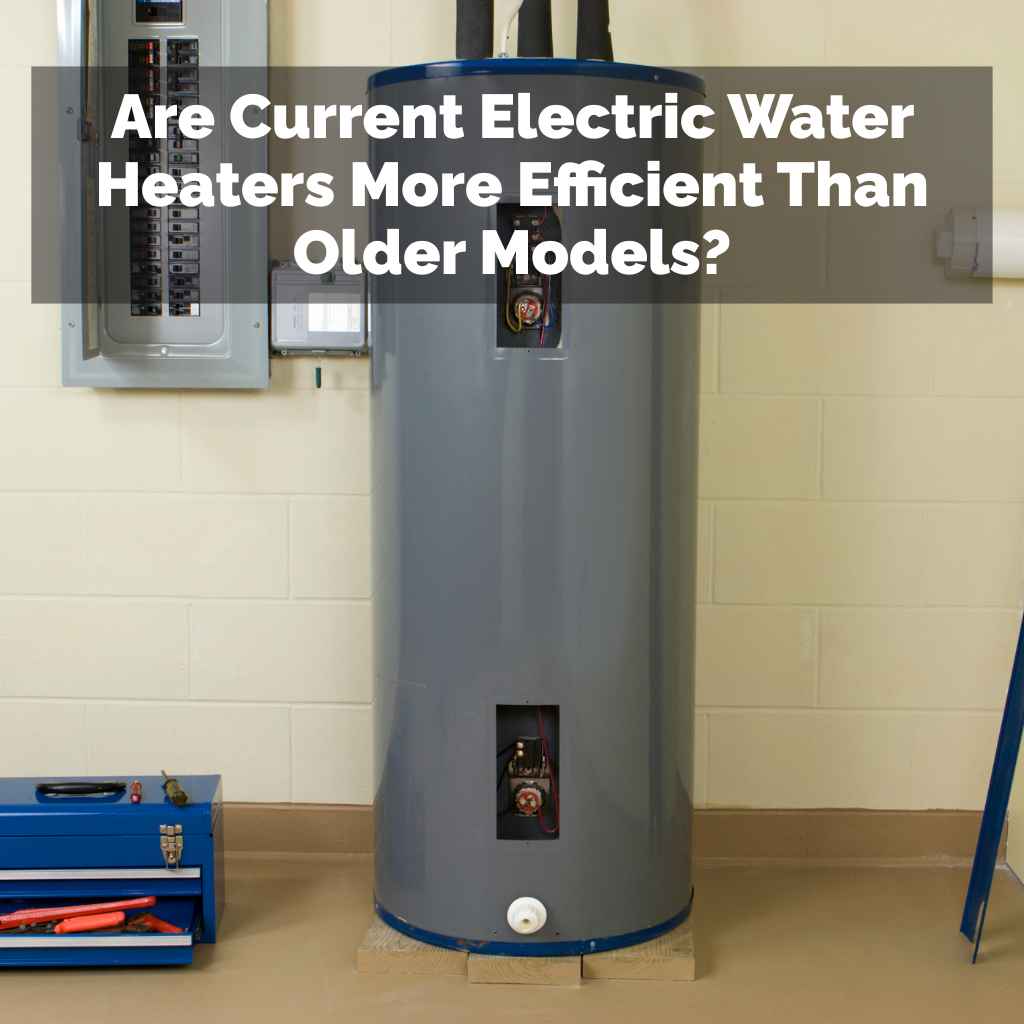
The main reason current electric water heaters are more efficient than older models is due to advancements in insulation technology, improved heating element design, and stricter government energy standards. These factors significantly reduce standby heat loss and increase the amount of hot water delivered for the energy consumed.
Understanding Electric Water Heater Efficiency
So, what makes one electric water heater more efficient than another? It’s mostly about how well it keeps the water hot. And how much energy it uses to do that.
Think of it like a thermos. A good thermos keeps your coffee hot for hours. An old, leaky thermos lets the heat escape quickly.
Older electric water heaters often had less insulation. This meant more heat escaped into the surrounding air. This is called standby heat loss.
The heater had to turn on more often to keep the water at the set temperature. This wasted energy. It also cost you more money on your electric bill.
Another factor is the heating element itself. Modern designs are often more effective. They heat the water faster and with less waste.
Government regulations have also played a big role. Agencies like the Department of Energy (DOE) set minimum efficiency standards. These standards get updated over time.
This pushes manufacturers to make better products.
Today’s electric water heaters are built with these improvements in mind. They are designed to hold heat better. They use energy more wisely.
We’ll look at the specific ways they do this. This will help you understand why upgrading can make a real difference in your home.
My Own Water Heater Wake-Up Call
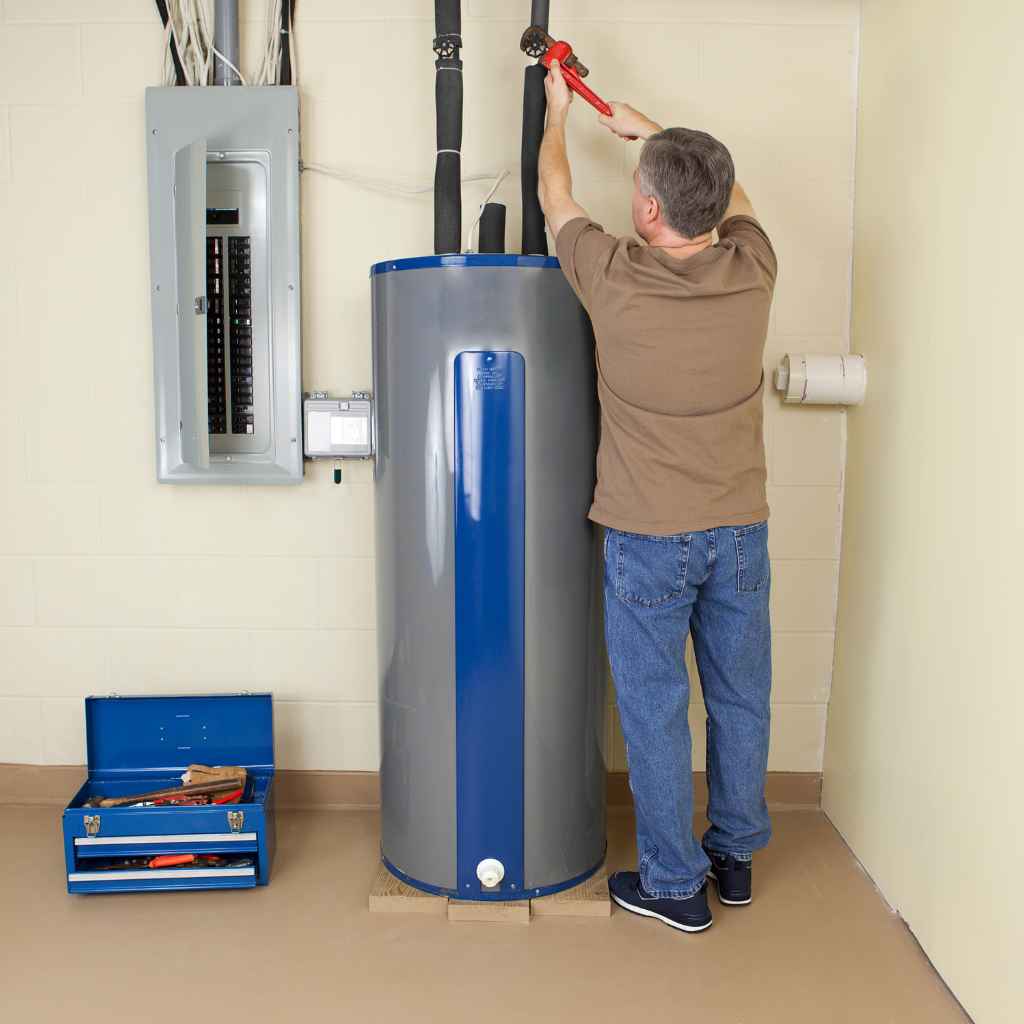
I remember one particularly cold winter. My old electric water heater was in the basement. It was a trusty old beast.
It had been there for at least 15 years. One morning, I noticed a strange humming sound. It wasn’t the usual sound.
Then, the hot water seemed to run out much faster than it used to. I’d take a quick shower, and my wife would have only lukewarm water for hers.
Panic started to set in. I imagined a burst pipe or a total breakdown. I called a plumber friend.
He came over and took a look. He explained that the tank was losing a lot of heat. The insulation had probably degraded over the years.
He said the heating elements were also starting to wear out. He showed me the energy labels on newer models.
Seeing the numbers on the new ones compared to my ancient one was eye-opening. He explained how much energy my old heater was likely wasting. It felt like a punch to the gut.
All those years, I was paying extra for heating water that was just escaping into the basement air. It was a lesson learned the hard way about the importance of equipment efficiency.
Energy Efficiency Rating Explained
What it is: The Energy Factor (EF) or Uniform Energy Factor (UEF) tells you how efficient a water heater is. A higher number means more efficiency.
Older models: Often had EF ratings of 0.50 to 0.70.
Newer models: Typically have UEF ratings from 0.70 up to 2.0 or higher for heat pump models.
Why it matters: This rating helps you compare models and estimate potential energy savings over time.
Key Improvements in Modern Electric Water Heaters
Let’s talk about the specific things that make newer electric water heaters better. It’s not just one big change. It’s a collection of smart upgrades.
These upgrades work together to save energy and give you more hot water.
First, the insulation is a big deal. Older tanks might have had just a few inches of foam. Modern tanks often have much thicker layers.
They use better types of foam insulation. This foam is designed to trap heat much more effectively. Think of it like upgrading from a thin blanket to a thick comforter.
The way the tank is sealed also improved. Less air can get in or out. This stops heat from escaping through small gaps.
Good sealing means the water stays hotter for longer. This means the heating elements don’t have to work as hard or as often.
Heating elements themselves have been improved. They are often coated with materials that resist mineral buildup. Mineral deposits, like calcium, can form on elements over time.
This buildup acts like a barrier. It makes the element work harder to transfer heat to the water. New elements are designed to prevent this or make it easier to clean.
Some newer models also feature improved thermostats. These allow for more precise temperature control. They can also be programmed.
Some can even learn your hot water usage patterns. This means they only heat water when you really need it. This is a significant step up from older models that just kept water hot all the time.
Standby Heat Loss Explained
What it is: The heat that escapes from the water tank to the surrounding air when the heater isn’t actively heating water.
How older models lose more: Less insulation means more heat escapes.
How newer models lose less: Thicker, better insulation and tighter seals prevent heat from getting out.
The result: Less energy used to maintain water temperature, leading to cost savings.
How Much Energy Can You Actually Save?
This is where things get exciting for your wallet. The energy savings can be quite substantial. It’s not just a small difference.
For many homes, upgrading can lead to noticeable reductions in their electricity bills. The exact amount saved depends on several things.
Your old water heater’s original efficiency is key. If it was very old and inefficient, the savings will be bigger. Your local electricity rates matter too.
If electricity is expensive where you live, every bit of energy saved counts more. How much hot water your family uses is another big factor. A large family will see bigger savings than a single person.
Generally, moving from an old electric water heater to a new standard one can save you anywhere from 10% to 25% on your water heating costs. That’s a pretty significant chunk of your energy bill. Some sources even suggest higher savings for older, less efficient models.
If you consider a heat pump water heater, the savings can be even more dramatic. These models are incredibly efficient. They work by moving heat from the surrounding air into the water.
They can be two to three times more efficient than standard electric resistance heaters. While they have a higher upfront cost, the long-term energy savings are substantial.
Think about the lifespan of a water heater, which is typically 10 to 15 years. Over that time, the energy savings from a more efficient model can add up to hundreds, even thousands, of dollars. It’s an investment that pays for itself.
Types of Electric Water Heaters and Their Efficiency
Standard Electric Resistance: Heats water using electric coils. Efficiency has improved with better insulation and elements.
Heat Pump Water Heaters (HPWH): Uses a refrigeration cycle to pull heat from the air and transfer it to the water. Extremely efficient.
Hybrid Electric Water Heaters: These are HPWHs. They combine a heat pump with electric resistance backup.
Tankless Electric Water Heaters: Heat water on demand. Very efficient as there’s no standby heat loss, but can draw a lot of power.
The Role of Government Standards
It’s worth talking about how government rules help make things better. The U.S. Department of Energy (DOE) sets minimum energy efficiency standards for appliances.
These standards are crucial. They ensure that new products sold meet a certain level of performance.
These standards force manufacturers to innovate. They can’t just keep making the same old, inefficient models. They have to find ways to improve their designs to meet the new rules.
This benefits consumers like us. It means we have access to more efficient appliances, even at the entry level.
The DOE periodically reviews and updates these standards. This happens every few years. As technology advances, the standards get a bit tougher.
This keeps pushing the industry forward. The move from the Energy Factor (EF) to the Uniform Energy Factor (UEF) was part of this. UEF is a more comprehensive way to measure efficiency.
When you buy a new electric water heater, you’ll see an EnergyGuide label. This yellow EnergyGuide tag is mandated by the Federal Trade Commission (FTC). It shows you the estimated yearly energy cost.
It also shows the UEF rating. This makes it easy to compare different models side-by-side. It takes some of the guesswork out of choosing.
These standards not only help consumers save money. They also help the nation save energy. This reduces our reliance on fossil fuels.
It lowers greenhouse gas emissions. It’s a win-win situation for everyone.
Heat Pump Water Heaters: The Efficiency Champions
If you want the absolute best in electric water heater efficiency, you need to look at heat pump water heaters (HPWH). They are sometimes called hybrid water heaters because they often have an electric resistance backup. These are a game-changer in energy savings.
How do they work? Instead of directly converting electricity into heat like traditional elements, HPWHs use electricity to power a compressor and fan. This system pulls heat from the surrounding air.
It then transfers that heat to the water in the tank. It’s similar to how a refrigerator or an air conditioner works, but in reverse.
Because they are moving heat rather than creating it from scratch, HPWHs are incredibly energy efficient. They can use up to 60% less electricity than a standard electric resistance water heater. This can translate into hundreds of dollars saved on energy bills each year.
There are a few things to keep in mind with HPWHs. They need a certain amount of space around them to operate effectively. They also need to be installed in a location where the air temperature is within a certain range, usually above 40°F (4°C).
They can also slightly cool the space they are in. This might be a benefit in a hot basement.
The initial cost of a HPWH is higher than a standard electric model. However, the long-term energy savings often make it a very worthwhile investment. Many government incentives and rebates are also available for HPWHs.
These can help offset the upfront cost.
Quick Scan: Heat Pump vs. Standard Electric Water Heater
| Feature | Standard Electric | Heat Pump (Hybrid) |
| Energy Efficiency | Moderate | Very High |
| Energy Cost Savings | Moderate | Significant |
| Upfront Cost | Lower | Higher |
| Installation Space | Flexible | Requires space; needs specific temperature range |
| Noise Level | Quiet | Slight fan/compressor noise |
Tankless Electric Water Heaters: Another Efficient Option
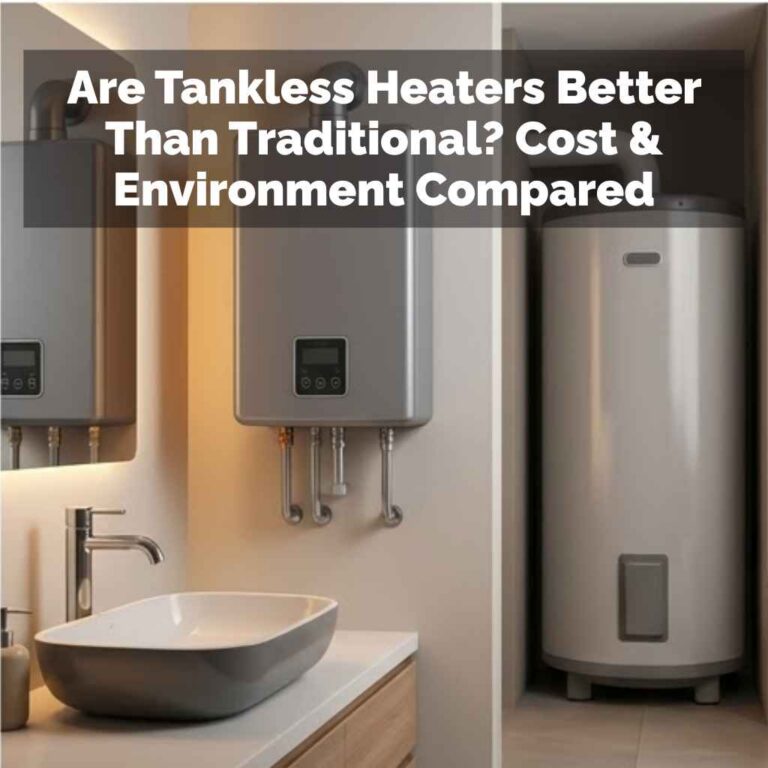
While heat pump water heaters are champions for tank-based electric models, tankless electric water heaters offer a different approach to efficiency. These are also known as on-demand water heaters. They heat water only when you need it.
The biggest advantage of tankless electric heaters is that they eliminate standby heat loss entirely. Since there’s no large tank of water being kept hot, no energy is wasted maintaining that temperature. When you turn on a hot water faucet, the unit instantly heats the water as it passes through.
This can lead to significant energy savings, especially for households that don’t use a lot of hot water constantly. You’re not paying to heat water that sits in a tank. You’re only paying for the water you actually use.
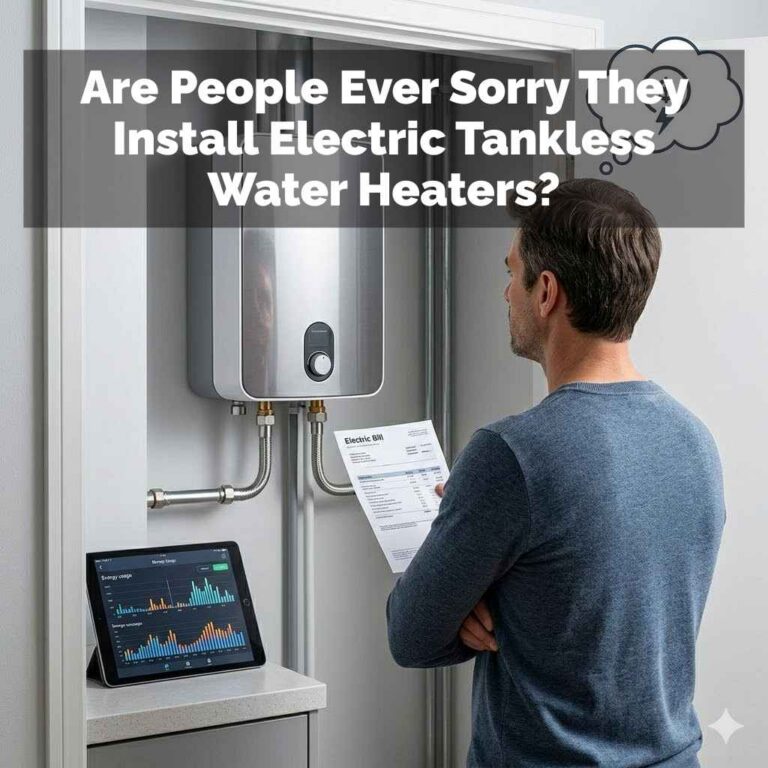
However, there are a few considerations with tankless electric models. They require a very high electrical power draw when they are in use. This means your home’s electrical system might need upgrades to handle the load.
This can add to the installation cost.
Also, their ability to heat water is limited by their power output. For very large households or homes with multiple hot water fixtures running at once, a single tankless unit might not be able to keep up with the demand. You might need multiple units or a whole-house system.
Compared to older, inefficient tank models, tankless electric heaters are definitely more efficient in terms of energy used per gallon of hot water consumed. But they are a different beast than a heat pump system.
What to Look for When Buying a New Electric Water Heater
When you’re ready to make the switch, knowing what to look for is key. Don’t just grab the cheapest option. Think about efficiency, your needs, and the long-term value.
1. Energy Factor (EF) or Uniform Energy Factor (UEF): As we discussed, this is your primary indicator of efficiency. Look for the highest UEF rating you can find for the type of heater you choose.
Remember that higher numbers are better.
2. Tank Size: Make sure the tank size is appropriate for your household. Too small, and you’ll run out of hot water.
Too large, and you’re heating more water than you need, wasting energy. Look at manufacturer charts based on the number of people in your home and your typical hot water usage.
3. EnergyGuide Label: Always check the yellow EnergyGuide label. It shows the estimated annual operating cost.
Compare this across different models. It’s a great tool for estimating real-world energy expenses.
4. Type of Heater: Decide if a standard electric, a heat pump (hybrid), or a tankless model is best for your home. HPWHs offer the best energy savings for tank models.
Tankless are efficient but have specific electrical needs.
5. Warranty: A longer warranty, especially on the tank and parts, indicates the manufacturer’s confidence in the product’s durability. This can provide peace of mind.
6. Rebates and Incentives: Check for local utility company rebates or federal tax credits for high-efficiency water heaters, especially for HPWHs. These can significantly lower the overall cost.
7. Professional Installation: Even the most efficient water heater won’t perform optimally if it’s not installed correctly. Choose a qualified plumber or installer.
Efficiency vs. Capacity: Finding the Right Balance
Efficiency: How well the heater converts energy into hot water, and how little it wastes.
Capacity: How much hot water the heater can supply. Measured in gallons for tank models.
First Hour Rating (FHR): For tank models, this shows how much hot water it can deliver in the first hour of heavy use. Higher is better for large households.
The goal: Choose a heater that is both highly efficient and has enough capacity for your family’s needs.
When Your Old Water Heater Becomes a Problem
Sometimes, it’s not just about efficiency. Your old water heater might be a ticking time bomb. Knowing the signs can save you from a flooded basement or a cold shower disaster.
Age: Most tank water heaters last between 10 to 15 years. If yours is approaching or has passed this age, it’s on borrowed time. Even if it’s working, its efficiency is likely very low.
Rust or Corrosion: Look for rust spots on the tank, pipes, or valves. If you see rust, it means the metal is deteriorating. This is a precursor to leaks.
Leaking: Any sign of water around the base of the tank is a serious problem. Even a small drip can turn into a flood quickly. Leaks usually mean the tank itself has corroded and cannot be repaired.
Strange Noises: Rumbling, popping, or banging sounds can indicate sediment buildup at the bottom of the tank. This sediment reduces heating efficiency and can damage the tank over time.
Lukewarm Water: If your water isn’t getting as hot as it used to, or it runs out much faster, the heating elements might be failing or the thermostat could be malfunctioning. This is often a sign of an aging unit.
Frequent Repairs: If you’ve had to call a plumber for the same issue more than once, it might be time to consider replacement. The cost of repairs can quickly add up and exceed the cost of a new, efficient unit.
Replacing an old, inefficient water heater isn’t just about saving energy. It’s also about reliability and preventing potential water damage to your home. An ounce of prevention is worth a pound of cure, as they say.
The Environmental Impact of Efficiency
We’ve talked a lot about saving money, but efficiency has a big impact on the environment too. Electric water heating is a significant portion of a home’s energy use. By making it more efficient, we reduce the overall demand for electricity.
In many parts of the U.S., electricity is still generated from burning fossil fuels like coal and natural gas. When we use less electricity, we reduce the demand for these fuels. This means fewer emissions of greenhouse gases like carbon dioxide.
These gases contribute to climate change.
Reducing our collective energy consumption also helps conserve natural resources. It lessens the strain on power grids. Modern, efficient appliances are a key part of a sustainable home.
They help us lower our carbon footprint without sacrificing comfort.
Even if your electricity comes from renewable sources like solar or wind, using less energy is always a good practice. It makes the system more robust and less wasteful.
Putting It All Together: Your Hot Water Future
So, are current electric water heaters more efficient than older models? Absolutely. The advancements in insulation, heating technology, and regulatory standards mean that today’s models are significantly better.
They save you money on energy bills and reduce your environmental impact.
Choosing a new water heater is an important decision. Consider your household’s hot water needs. Look closely at the energy efficiency ratings.
Explore options like heat pump water heaters for maximum savings. Don’t forget to check for available rebates and incentives.
Upgrading your electric water heater is one of the most impactful steps you can take to make your home more energy-efficient. It’s a practical investment that pays off for years to come, ensuring you have hot water when you need it without breaking the bank or harming the planet.
Frequently Asked Questions
How often should I replace my electric water heater?
Most tank-style electric water heaters last about 10 to 15 years. If yours is older than that, it’s a good idea to start looking at replacement options. Even if it’s working, its efficiency has likely decreased significantly over time, costing you more in energy bills.
What is the most energy-efficient type of electric water heater?
Heat pump water heaters (also called hybrid electric water heaters) are generally the most energy-efficient type of electric water heater. They can be 2 to 3 times more efficient than standard electric resistance water heaters because they move heat from the air rather than creating it.
Can an old electric water heater be made more efficient?
While you can sometimes add insulation to the outside of an older tank to reduce standby heat loss, it’s usually not enough to match the efficiency of a new model. Older heating elements and degraded insulation mean the unit is inherently less efficient. Replacing it is the best way to significantly improve efficiency.
How much will a new, efficient electric water heater save me on my energy bill?
Savings vary based on your old heater’s efficiency, your hot water usage, and your local electricity rates. However, upgrading from a very old model to a new standard electric water heater can save 10-25% on water heating costs. A heat pump water heater can save even more, often 50-60%.
What is the UEF rating and why is it important?
UEF stands for Uniform Energy Factor. It’s a measurement that tells you how efficient a water heater is. A higher UEF number means the water heater uses less energy to heat the same amount of water.
It’s the primary rating to look for when comparing efficiency.
Do tankless electric water heaters truly eliminate energy waste?
Tankless electric water heaters eliminate standby heat loss because there’s no tank to keep hot. They only use energy when hot water is drawn. However, they require a significant amount of electricity to heat water instantly.
Their overall energy use depends on your hot water consumption patterns compared to other types.
Are there any government rebates for efficient electric water heaters?
Yes, often there are. Check with your local utility companies, state energy offices, and the U.S. Department of Energy for information on federal tax credits and local rebate programs.
Heat pump water heaters are particularly likely to qualify for incentives.
Conclusion
Upgrading to a modern electric water heater is a smart choice. Newer models offer significant improvements in efficiency. This leads to lower energy bills and a smaller environmental footprint.
Understanding the technology behind them helps you make the best decision for your home and budget.
Sponsored / affiliate links. As an Amazon Associate I earn from qualifying purchases. I may earn additional commission from eligible campaigns.