Are Residential Hybrid Electric Water Heaters Known For Losing Power?
This guide will break down how these systems work. We’ll look at what might cause them to seem like they’ve lost power. We’ll also cover how to keep them running smoothly.
You’ll feel more confident about your hot water system.
Residential hybrid electric water heaters can experience power interruptions, but this is not a common “known” issue inherent to the technology itself. Power loss is typically due to external factors like electrical supply problems, tripped breakers, or internal component failures, rather than a design flaw causing them to frequently lose power. Proper installation and maintenance are key to reliability.
Understanding Hybrid Electric Water Heaters
A hybrid electric water heater is a smart choice for many homes. It combines two ways to heat water. It uses a regular electric resistance element.
This is like a standard electric water heater. But it also has a heat pump. This is the “hybrid” part.
The heat pump pulls heat from the air around it. It then transfers that heat to the water in the tank.
Think of it like a small refrigerator working in reverse. It uses electricity, but much less than a standard heater. This heat pump works when the outside air is warm enough.
If the air is too cold, or if you use a lot of hot water very quickly, the electric resistance element kicks in. This ensures you always have hot water. This dual system is what makes them so energy efficient.
The main goal of a hybrid system is to use less electricity. The heat pump uses about 60% less energy than electric-only models. This can save you a good amount on your energy bills.
It’s a big reason why people choose them. They are also better for the environment because they use less power.
Why It Might Seem Like Power is Lost
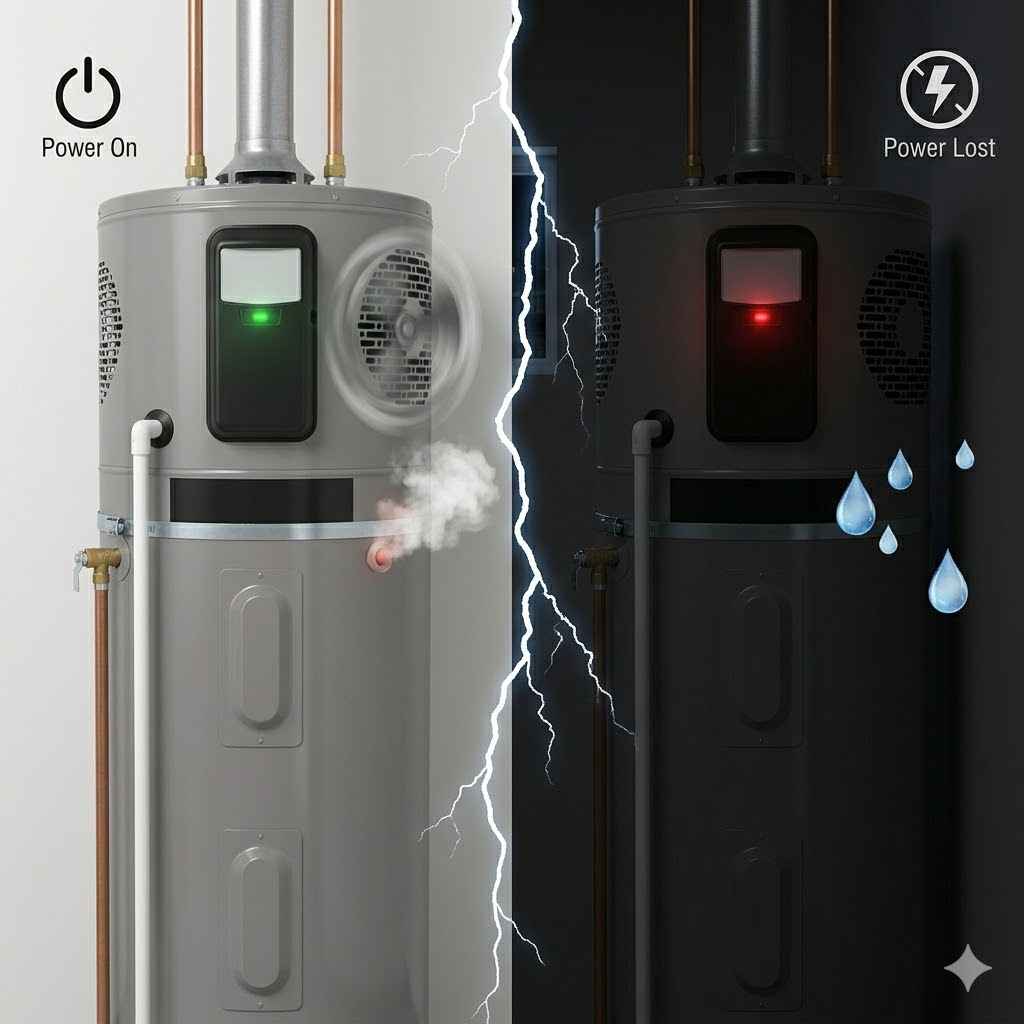
When people say their hybrid water heater “lost power,” they usually mean it’s not heating water. This can happen for a few reasons. It’s important to know these are often separate from the heater itself.
Or they are simple fixes, not big problems.
The most common reason is a tripped circuit breaker. Your home’s electrical system has breakers. These are safety devices.
If there’s too much power going through a circuit, the breaker “trips.” This cuts off the power to that circuit. Your water heater needs its own breaker. If this breaker trips, the heater stops working.
It’s like unplugging it.
Another reason could be a loose wire connection. Inside the heater or at the electrical panel, wires connect to provide power. If these connections become loose over time, the power can be cut off.
This is rare but possible. It requires a professional to fix safely.
Sometimes, the problem isn’t with the power supply. It could be an internal issue with the heater. The control board might fail.
A sensor might malfunction. Or the heat pump itself could have a problem. These issues can stop the heating process.
It might appear like a power loss.
The heater also has safety shut-off features. If it overheats, it will shut down. This is a safety measure.
It’s designed to prevent damage. If this happens, it looks like the power is gone. But it’s just the safety system doing its job.
Real-Life Scenario: The Mysterious Cold Shower
I remember a winter a few years back. It was freezing outside, single digits. I had just installed a new hybrid water heater.
I was so proud of how efficient it was. One morning, my daughter screamed, “Dad, the water’s cold!” I thought, “No way, this thing is brand new!” I went down to the basement.
The display on the heater was blank. Nothing. Totally dead.
My first thought was exactly what you might be thinking: “Did it just lose power?” I checked the circuit breaker panel. Sure enough, the breaker for the water heater was in the middle position. It hadn’t fully tripped, but it was off.
I flipped it all the way off, then back on.
The display lit up. The fan on the heat pump started whirring. The water started heating again.
It turned out the breaker had tripped overnight. It was probably due to the extreme cold outside. The heat pump was working extra hard.
Maybe it drew a bit too much power for a moment. The breaker did its job. It wasn’t that the heater lost power on its own.
It was that the power supply was interrupted by a safety device. That experience taught me to always check the breaker first.
Key Components and Their Power Needs
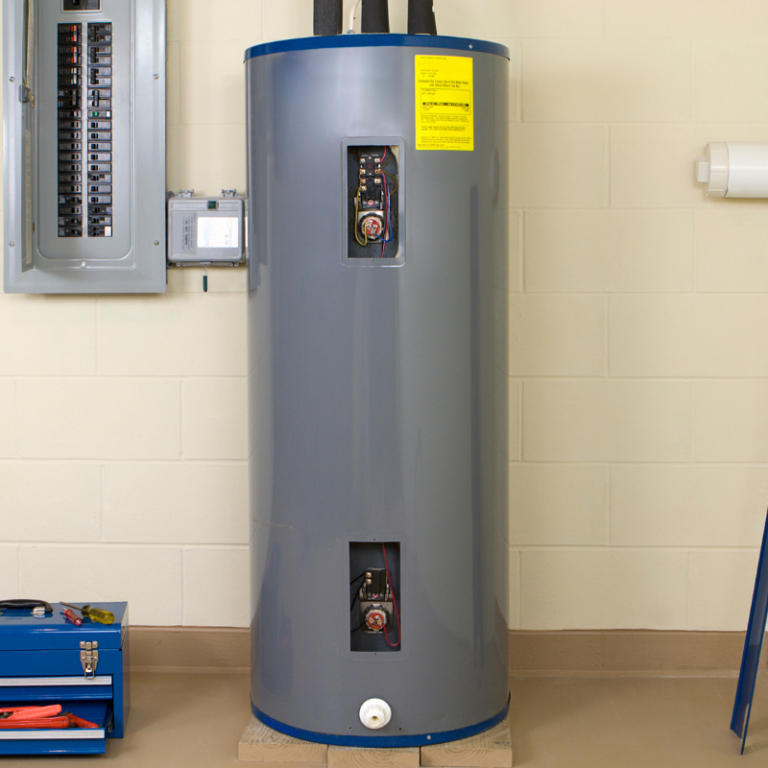
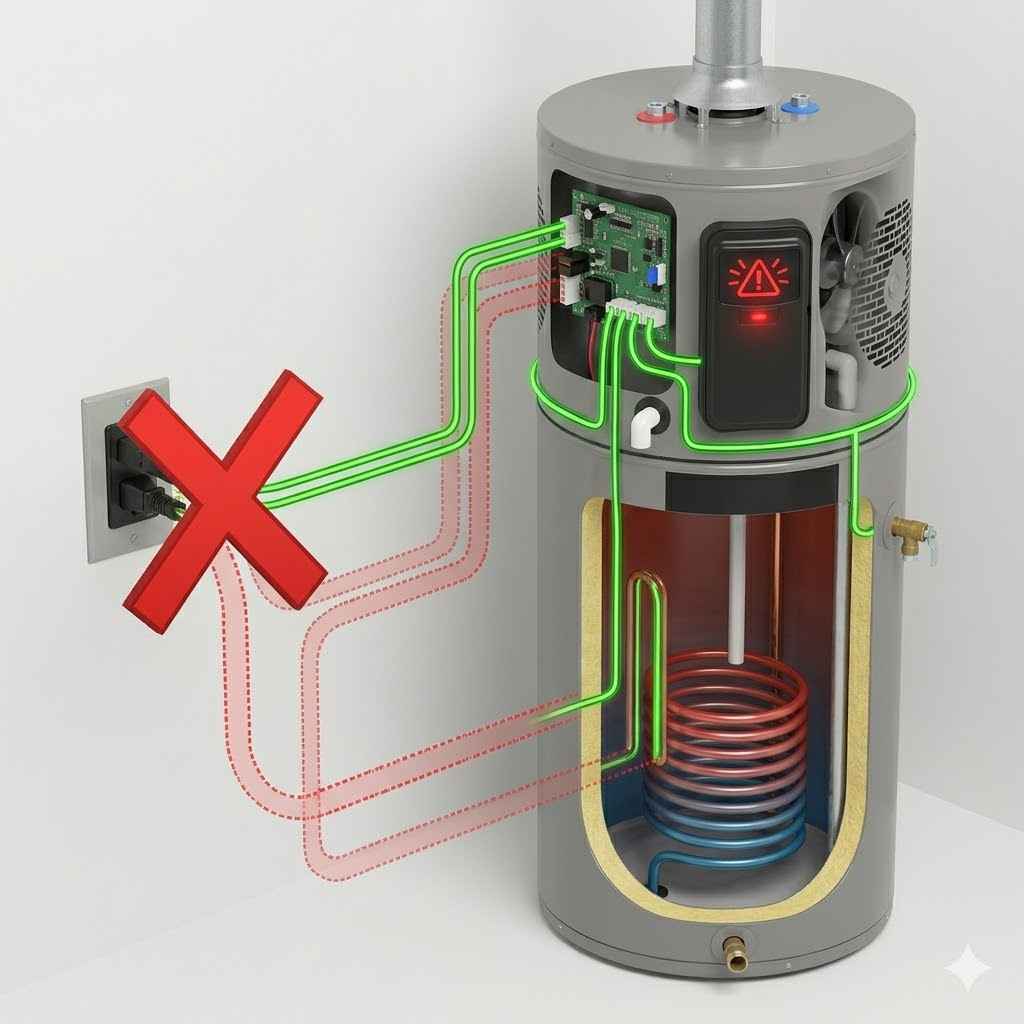
A hybrid water heater has several parts. Each needs a steady supply of electricity to work correctly. Understanding these parts helps explain why power issues occur.
The Heat Pump: This is the most energy-efficient part. It uses a compressor and fan. They move air and heat.
This part uses electricity to run. If the power is out, the compressor and fan stop. No heat is pulled from the air.
This is a direct power loss for the heat pump. If the power is on, but the heat pump component itself fails, it will stop working. The system then relies only on the electric element.
Electric Resistance Elements: These are like giant heating coils. They sit inside the tank. They heat the water directly.
This is how standard electric water heaters work. These elements use a lot of electricity when they are on. They require a strong, stable power connection.
If the power to these elements is cut off, they will not heat the water.
Control Board and Sensors: The “brain” of the heater is its control board. It tells the heat pump and elements when to turn on and off. Sensors tell the board the water temperature and air temperature.
The control board itself needs power to operate. If the power supply to the control board is interrupted, the entire unit will seem to have lost power. A faulty control board can also prevent the unit from turning on, even if power is present.
Display Panel: Most modern units have a digital display. This shows the current temperature, mode, and any error codes. If this panel is blank, it often means there’s no power reaching the unit at all.
Sometimes, a blinking or error message on the panel can indicate a specific problem, but it still relies on having power to be seen.
Quick Scan: What Affects Heater Power
Electrical Supply: This is the most direct link. No power from the utility, no work for the heater.
Circuit Breakers: Safety switches. They trip to protect against overloads. This stops power to the heater.
Internal Wiring: Loose or damaged wires inside the heater. They can stop power flow.
Control System: The heater’s brain. Needs power. Can fail and stop operation.
Component Failure: The heat pump or elements might break. This stops heating, but the unit might still have power.
Common Causes of Power Interruption
Understanding why power might be interrupted is crucial. It helps you troubleshoot. It also helps you know when to call a professional.
Tripped Circuit Breakers: This is the most common issue. Breakers trip for several reasons. Overuse of electricity on that circuit is one.
A short circuit in the appliance is another. Even power surges from the utility company can cause them to trip. Sometimes, a breaker can become weak over time.
It might trip more easily.
Power Surges or Outages: When the power goes out in your neighborhood, your hybrid water heater obviously stops working. This is temporary. Once power is restored, it should start up again.
However, a strong power surge when power comes back on can sometimes trip the breaker or even damage the unit’s electronics. Many units have surge protection built-in, but it’s not foolproof.
Faulty Thermostat or Temperature Sensor: The thermostat or a temperature sensor can malfunction. If a sensor incorrectly reads the water temperature as already hot, it will signal the heating elements to turn off. It might appear as a power loss because no heating is happening.
The unit itself still has power, but it’s not actively heating the water.
Internal Component Failure: Like any complex appliance, parts can fail. The heating elements can burn out. The compressor in the heat pump could seize.
The control board can fail. When a major component fails, the heater might stop functioning entirely. This can mimic a complete power loss, as the unit will not turn on or heat water.
Improper Installation: If the water heater wasn’t installed correctly, it could lead to electrical problems. Wires might not be securely connected. The wrong size breaker might have been used.
This can lead to frequent tripping or damage to the unit. This is why professional installation is so important.
Age and Wear: Even the best appliances wear out. Over many years, electrical connections can corrode. Internal components can degrade.
This can lead to intermittent power issues or complete failure. Hybrid water heaters are relatively new, but their components are still subject to wear and tear.
Wildlife or Pests: In some cases, especially if the unit is in a basement or garage, small animals or insects can get into the electrical components. They can chew on wires or build nests that interfere with electrical connections. This can cause short circuits and power interruptions.
When Is It a “Real” Power Loss vs. a Malfunction?
It’s easy to confuse a complete power loss with a unit that’s simply not working. Here’s how to tell the difference.
Signs of “Real” Power Loss:
- The display panel is completely blank.
- No lights are on the unit.
- The fan on the heat pump is not spinning.
- You hear no sounds of the unit trying to start up.
- Other appliances on the same circuit (if any) are also not working.
These signs usually point to an issue with the electrical supply coming into the heater. This could be a tripped breaker, a power outage, or a problem with the wiring leading to the unit.
Signs of Malfunction (When Power is Present):
- The display panel is on, but shows an error code.
- The unit makes unusual noises (grinding, buzzing).
- The water is not heating, but the unit seems to be running (fan is on, lights are on).
- The unit cycles on and off frequently.
- You might feel warmth from the unit, but no hot water comes out.
These symptoms suggest the unit has power, but one or more of its internal components are not functioning correctly. The “power” is there, but the heating function is failing.
Contrast Matrix: Power Loss vs. Malfunction
Troubleshooting Steps You Can Take Safely
Before calling a technician, there are a few simple checks you can do. Always prioritize your safety when dealing with electricity and water.
1. Check the Circuit Breaker: This is the first and most important step. Go to your electrical panel.
Find the breaker labeled for your water heater. Breakers have three positions: ON, OFF, and TRIPPED (usually in the middle). If it’s in the middle, it has tripped.
Flip it all the way to OFF, then firmly back to ON. Sometimes, a breaker can trip without fully moving to the middle.
2. Verify Power at the Outlet (if applicable): Some hybrid heaters have a visible plug. If yours does, ensure it is securely plugged in.
If it’s hardwired, skip this step. If it’s plugged in, you can use a simple outlet tester (available at hardware stores) to see if the outlet itself has power. Test other outlets on the same circuit to confirm power is flowing.
3. Check the Unit’s Display Panel: Look at the heater’s digital display. Is it blank?
Or is it showing an error code? If it’s blank, it strongly suggests a power supply issue. If it shows an error code, consult your owner’s manual.
The code will tell you what specific problem the unit is detecting. This could be a sensor issue, a communication error, or a component failure.
4. Listen for Sounds: When you try to turn the breaker back on, listen closely. Do you hear the fan start?
Do you hear a humming sound from the compressor? Or is it completely silent? Silence usually means no power.
Sounds indicate power is present, but something else is wrong.
5. Reset the Unit: Some hybrid water heaters have a reset button or a procedure outlined in the manual. This often involves turning off the breaker for a minute, then turning it back on.
This can sometimes clear minor electronic glitches.
Important Safety Note: Never try to open the heater’s access panels to check internal wiring. This is dangerous and should only be done by a qualified technician. If you are unsure about any step, it’s always best to call a professional plumber or electrician.
When to Call a Professional
You’ve checked the breaker, the plug is secure, and the display is still blank or showing an error you can’t fix. It’s time to bring in an expert.
If the Breaker Keeps Tripping: If you reset the breaker and it trips again soon after, do not keep resetting it. This indicates a serious electrical problem. It could be a short circuit in the heater or a wiring issue.
Continuing to reset it can cause further damage or create a fire hazard.
If the Unit is Making Strange Noises: Grinding, loud buzzing, or clanking sounds are not normal. These can signal a failing motor, compressor, or fan. These are often expensive parts that require professional replacement.
If the Display Shows Specific Error Codes: While the manual can help, some error codes point to internal component failures. These require specialized knowledge to diagnose and repair. A technician will have the tools and experience to correctly identify the faulty part.
If You Suspect Internal Wiring Issues: Signs like burning smells, sparks, or melted plastic around the unit are serious. These indicate immediate electrical danger. Do not use the unit and call for professional help right away.
If the Water is Not Heating But the Unit Seems On: This could be a failed heating element, a bad thermostat, or a problem with the heat pump. A technician can test these components and replace them if needed.
After Power Surges or Outages: If you suspect a power surge damaged the unit, a technician can inspect it for any signs of damage. They can also advise on surge protection for your home.
For Routine Maintenance: Even if your heater is working fine, it’s a good idea to have it checked periodically. A technician can ensure everything is running efficiently and catch potential problems before they cause a complete failure or power loss.
Professional Check-Up Checklist
- Electrical Connections: Ensure all wiring is secure and not corroded.
- Component Testing: Verify the heat pump, compressor, and elements are functioning correctly.
- Sensor Calibration: Check that temperature sensors are accurate.
- Drain and Flush: Remove sediment that can affect efficiency and heating.
- Refrigerant Levels (for heat pump): Ensure the heat pump has the correct amount of refrigerant.
- Overall System Performance: Confirm the unit is operating at peak efficiency.
Preventative Maintenance for Reliable Power
The best way to avoid unexpected “power losses” is through good maintenance. This keeps your hybrid water heater running smoothly and efficiently.
Regularly Check Your Circuit Breaker: Make it a habit to visually inspect your breaker panel monthly. Ensure all breakers are firmly in the ON position. If you notice one that looks out of place, investigate.
Resetting it once a year as a precaution can also help. Ensure the breaker is the correct amperage for your unit as specified by the manufacturer.
Flush the Tank Annually: Sediment can build up at the bottom of the tank. This layer of gunk can insulate the heating elements, making them work harder. It can also interfere with the temperature sensors.
Draining and flushing the tank once a year removes this sediment. This keeps the heating elements efficient and reduces strain on the system. Your owner’s manual will show you how to do this.
Inspect the Anode Rod: The anode rod is a sacrificial rod inside the tank. It attracts corrosive elements, protecting the tank lining. When it’s depleted, the tank can start to corrode.
This can lead to leaks or other problems down the line. Check it every 1–3 years. Replace it when it’s about 75% consumed.
Clean the Air Filter (Heat Pump): The heat pump part of your hybrid heater has an air filter. This filter prevents dust and debris from entering the unit. A clogged filter makes the heat pump work harder and less efficiently.
It can even cause it to overheat and shut down. Clean or replace this filter according to the manufacturer’s recommendations, usually every 3–6 months.
Check for Leaks and Unusual Noises: Periodically walk around your water heater. Look for any signs of water leaks. Listen for any strange sounds.
Catching a small leak early can prevent major water damage. Unusual noises might be an early warning of a component failure.
Keep the Area Around the Unit Clear: Ensure there’s enough airflow around your hybrid water heater. The heat pump needs air to work. Don’t store items too close to it.
Remove any dust or debris that might accumulate on the unit or in the surrounding area. This helps with efficiency and prevents potential blockages.
Schedule Professional Inspections: Many manufacturers recommend a professional check-up every 1–2 years. A technician can perform more in-depth checks. They can test the components, check refrigerant levels (if applicable), and ensure the entire system is working as it should.
This proactive approach can prevent costly breakdowns and ensure you always have hot water.
Daily/Weekly Quick Checks
- Visual Scan: Look for leaks or obvious damage.
- Listen In: Note any unusual sounds.
- Display Check: Glance at the panel for normal operation or errors.
Monthly Quick Checks
- Breaker Check: Ensure the water heater breaker is firmly ON.
- Air Filter Check: Briefly inspect the heat pump’s air filter for heavy dust.
Are Hybrid Electric Water Heaters Prone to Losing Power?
The short answer is: no, not inherently. Hybrid electric water heaters are not designed to frequently lose power. When they do, it’s usually for reasons that affect many electrical appliances.
These include issues with the home’s electrical system, power outages, or component failures. The technology itself is robust.
The “hybrid” aspect, using a heat pump, relies on electricity. But it uses it much more efficiently. If there’s a problem with the electrical supply, it will stop working, just like any other electric appliance.
If a specific part of the hybrid unit fails, that part will stop working. This can leave the unit relying on its backup electric element, or stop heating altogether.
Think of it this way: your smartphone relies on battery power. If the battery dies, it seems like it “lost power.” But the phone itself isn’t flawed; its power source (the battery) depleted. Similarly, a water heater needs a steady electrical current.
When that current is interrupted, the heater stops. It’s a lack of incoming power, not the heater shutting itself off without reason.
Modern hybrid heaters have many safety features. These are designed to protect the unit and your home. They might shut down if overheating occurs or if a critical component fails.
This is a controlled shutdown, not a random power loss. It’s the unit signaling it needs attention.
So, while you might experience periods without hot water, it’s generally not because the hybrid system is “known for losing power.” It’s more likely a reflection of the broader electrical system or the specific health of the appliance. With proper installation and maintenance, these units are very reliable.
What This Means for Your Home
Understanding that power loss isn’t a common built-in flaw is reassuring. It means you can enjoy the benefits of a hybrid heater without constant worry.
Normal Operation: Most of the time, your hybrid heater should provide consistent hot water. You might notice the heat pump fan running, then the electric element might engage briefly if you use a lot of hot water. The display should show the current temperature and mode.
When to Be Concerned: Any sudden blank display is a sign to check your breaker. If the breaker keeps tripping, or if you hear strange noises, that’s a cause for concern. Error codes on the display also mean something needs attention.
Simple Checks Save Time: Knowing the basic checks, like looking at the breaker and the display, can quickly tell you if the problem is external or internal. This saves you time and potentially money on a service call if it’s a simple fix.
Maintenance is Key: The biggest takeaway is that preventive maintenance is your best friend. Regular checks and cleaning of filters, flushing the tank, and professional inspections will keep your heater running efficiently. This reduces the chances of unexpected shutdowns and ensures you get the most out of your investment.
Frequent Questions About Hybrid Water Heater Power
Why did my hybrid water heater turn off suddenly?
Sudden shutdowns are usually due to the circuit breaker tripping. This can happen if there’s an electrical overload, a short circuit, or sometimes due to power surges. Other causes include a safety shut-off due to overheating or a malfunction of a key component like the control board.
Can a power outage damage my hybrid water heater?
A simple power outage itself typically does not damage the heater. The unit will just stop working until power is restored. However, strong power surges that occur when power is restored can sometimes damage electronic components.
Many modern units have some surge protection, but it’s not always enough.
My hybrid water heater’s display is blank. What should I do?
If the display is blank, the first thing to check is the circuit breaker for the water heater. Ensure it hasn’t tripped. If the breaker is on, check if the outlet (if it has a plug) is working by testing another device.
If power is reaching the unit but the display is still blank, there may be an internal electrical issue requiring a technician.
Is it normal for the heat pump on my hybrid heater to stop sometimes?
Yes, it is normal for the heat pump to stop running under certain conditions. It might stop if the ambient air is too cold for it to efficiently heat water. It will also stop if the water reaches the set temperature.
The electric resistance element may then take over. The unit is designed to cycle components on and off based on demand and conditions.
How often should I check the circuit breaker for my water heater?
It’s a good practice to visually check your circuit breaker panel monthly. Ensure all breakers are firmly in the ON position. You can also flip the water heater breaker off and then firmly back on once a year as a preventative measure, but only do this if you are comfortable and aware of your electrical panel.
What are signs of a component failure that might look like a power loss?
Signs include unusual noises like grinding or buzzing, strange smells (like burning plastic), the unit showing error codes on its display, or the water not heating even though the unit’s lights are on and the fan is running. These indicate power is present but a part is broken.
Conclusion
Hybrid electric water heaters are a smart, energy-saving choice. They aren’t prone to randomly losing power. When you experience a lack of hot water, it’s typically due to external electrical issues or internal component problems.
By understanding these potential causes and performing simple checks and regular maintenance, you can ensure your system runs reliably for years.
Sponsored / affiliate links. As an Amazon Associate I earn from qualifying purchases. I may earn additional commission from eligible campaigns.