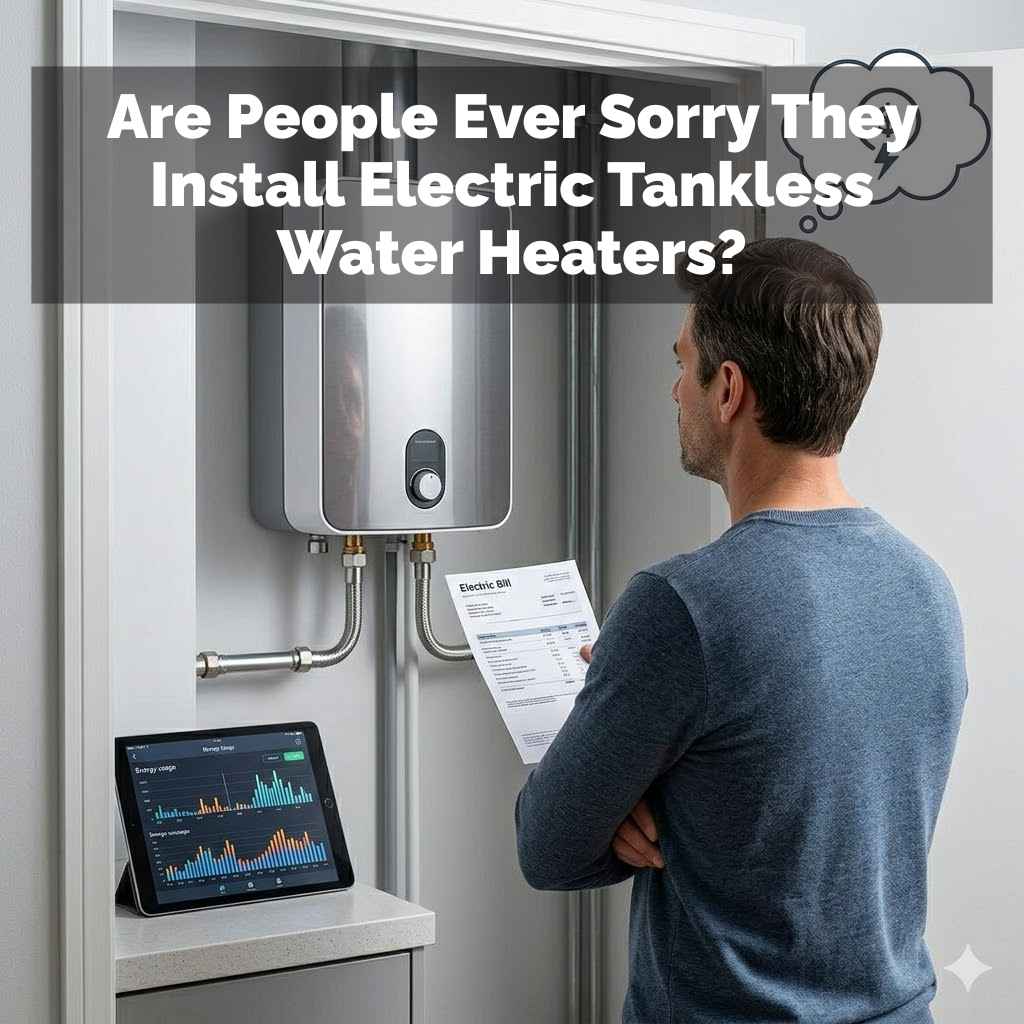
Are People Ever Sorry They Install Electric Tankless Water Heaters?
Most people who install electric tankless water heaters find them effective for their needs, but some regret the decision due to high upfront costs, insufficient hot water during peak demand, or unexpected electrical upgrades. Understanding these potential drawbacks before installation is key.
What Are Electric Tankless Water Heaters?
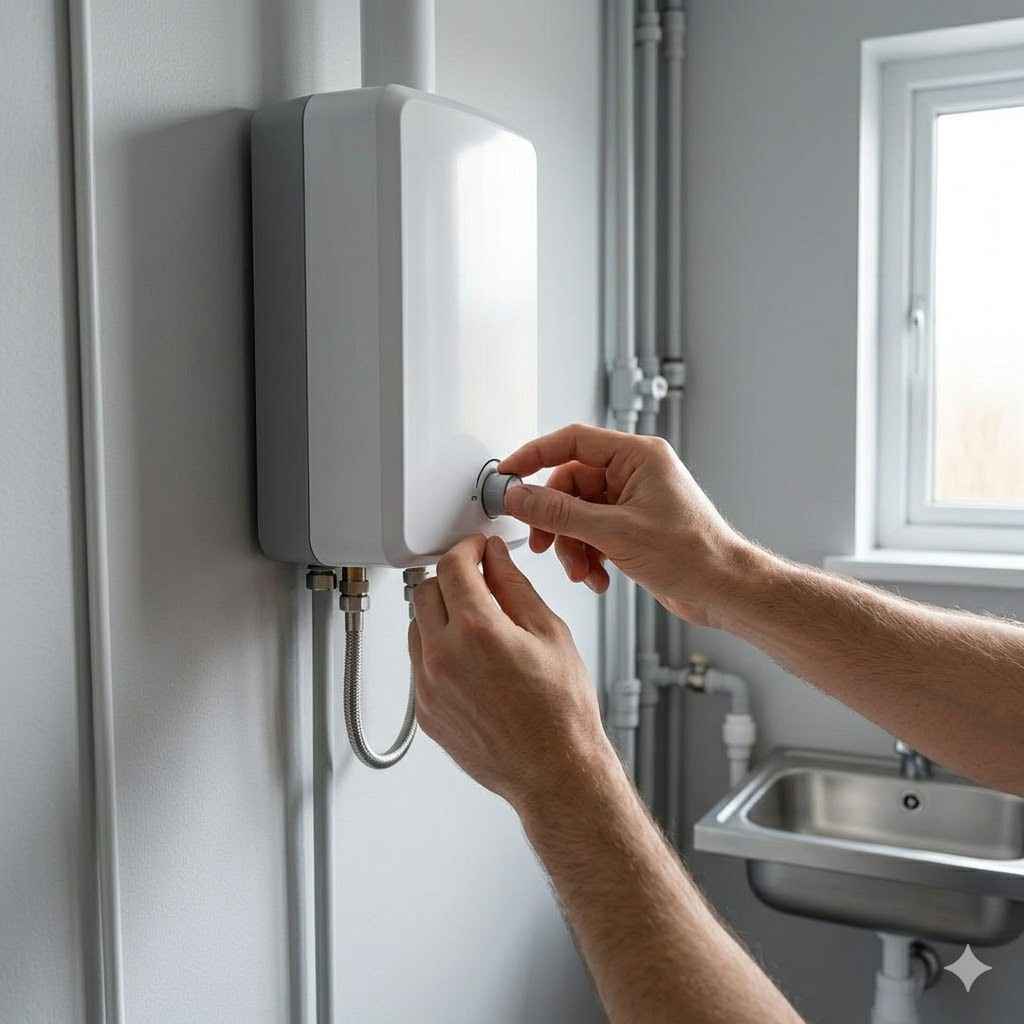
An electric tankless water heater, also called a demand-type heater, heats water only when you need it. It does this by using electric heating elements. When you turn on a hot water tap, cold water flows through the unit.
Sensors detect this flow. Then, the electric elements quickly heat the water as it passes through. This means you get hot water on demand.
You don’t have to store hot water in a big tank. This is different from traditional water heaters that keep a large tank of water hot all the time.
These units use a lot of electricity. That’s how they heat water so fast. Because they only heat when water is flowing, they can save energy.
You aren’t wasting energy keeping a tank of water warm. This is a big selling point for many homeowners. They see it as a way to lower their energy bills over time.
The idea is to have endless hot water without the constant energy use of a tank heater.
However, there’s a trade-off. They need a lot of power. This often means your home’s electrical system might need upgrades.
Older homes might not have the capacity. This can add to the total cost of installation. It’s not just the heater itself, but also the electrical work needed to support it.
This is a crucial detail many overlook.
My Own Tankless Trial: A Tale of Hot Water and High Bills
I remember when my old tank water heater finally gave up the ghost. It was a Tuesday morning, and the house was suddenly very, very cold. My first thought was, “Okay, time for an upgrade!” I’d heard all the buzz about tankless heaters.
Endless hot water sounded like pure luxury. I pictured myself taking long showers without a second thought. I imagined never running out of hot water when guests were over.
It seemed like the perfect solution for our busy family.
So, I dove headfirst into the world of electric tankless systems. I picked a model that seemed to promise all the hot water we could ever need. The salesperson assured me it would be a game-changer.
The installation was a bit involved. They had to upgrade some of the wiring in our basement. That added a few hundred dollars I hadn’t planned for.
Still, I was excited. The technician flipped the switch, and it was installed.
The first few weeks were amazing. Seriously, it felt like magic. No more worrying if the kids had used all the hot water before I could get my shower.
Laundry day was a breeze. We could run the dishwasher and shower at the same time. I felt very smug about my modern, efficient choice.
Then, the first electric bill arrived. My jaw just about hit the floor. It was significantly higher than I had ever seen it, even in winter.
That’s when the nagging doubt started to creep in. Was this “endless hot water” really worth the shock at the end of the month? I started to question if I had made the right choice.
Tankless vs. Tank: Quick Look
Tankless: Heats water as needed. Saves energy by not heating stored water. Can provide endless hot water.
Higher upfront cost. Needs significant electricity. May require electrical upgrades.
Good for smaller spaces.
Tank: Heats and stores water. Lower upfront cost. Less complex electrical needs.
Can run out of hot water. Takes up more space. Less energy efficient over time.
Understanding the Demand: How Electric Tankless Work
Electric tankless water heaters work by sensing water flow. When you turn on a hot water faucet, cold water enters the unit. A sensor notices this movement.
This signal tells the powerful electric heating elements to turn on. These elements are like super-fast heaters. They warm the water instantly as it passes through a series of coils or heat exchangers.
The goal is to heat the water to your set temperature. This happens very quickly. Usually, within seconds, hot water starts flowing from your tap.
Once you turn off the faucet, the water stops flowing. The sensors detect this. The heating elements then shut off.
This means no energy is used until the next time hot water is needed. This is the core idea behind their efficiency. You’re not wasting power keeping a big tank of water hot all day and night.
The amount of hot water an electric tankless can provide depends on its power. This is measured in kilowatts (kW). A higher kW rating means it can heat more water faster.
It can also heat water to a higher temperature. For a small bathroom sink, a lower kW unit might be fine. But for a shower or a whole house, you need a more powerful unit.
This is where many people run into trouble. They pick a unit that’s too small for their needs.
The challenge for electric models is their high energy draw. To heat water as fast as a gas tankless or a large tank heater, electric models need a lot of power. This means they often require dedicated circuits.
Sometimes, they need multiple circuits. This is especially true for whole-house units. Your home’s main electrical panel must be able to handle this sudden, high demand.
If it can’t, you’ll need an electrician to upgrade your panel and wiring. This adds a significant cost and complexity to the installation.
When Does “Endless Hot Water” Become a Problem?
- Simultaneous Use: Running multiple showers, washing machines, and dishwashers at once can overwhelm some units.
- Flow Rate: If water pressure is low, the unit might not activate or heat properly.
- Temperature Rise: In very cold climates, the unit may struggle to raise the incoming water temperature enough.
Real-World Experiences: The Good, The Bad, and The Shocking
It’s easy to get caught up in the marketing hype. But what are actual homeowners saying? Many people love their electric tankless heaters.
They appreciate the space savings. A small unit mounted on the wall is much tidier than a bulky tank. They also enjoy the continuous hot water for smaller needs.
For example, a single bathroom or a small office is often perfectly served. They report lower energy bills in situations where the unit is sized correctly and used moderately.
However, many others voice regret. One common complaint is about the flow rate. If you have a large family and everyone showers one after another, you might hit a wall.
The unit might not keep up. It starts by giving hot water, but then the temperature drops. Or the flow slows down considerably.
This is especially true if the incoming water is very cold, like in northern states during winter. The unit has to work much harder to achieve the desired temperature rise.
Another major issue is the electricity bill. For households that use a lot of hot water, the increased electricity usage can be substantial. One homeowner in Ohio wrote, “I went from a $100 gas bill to a $250 electric bill after installing an electric tankless.
The ‘endless hot water’ felt like a scam when I saw the increase.” This highlights the importance of understanding your household’s hot water usage patterns. What works for a single person might not work for a family of five.
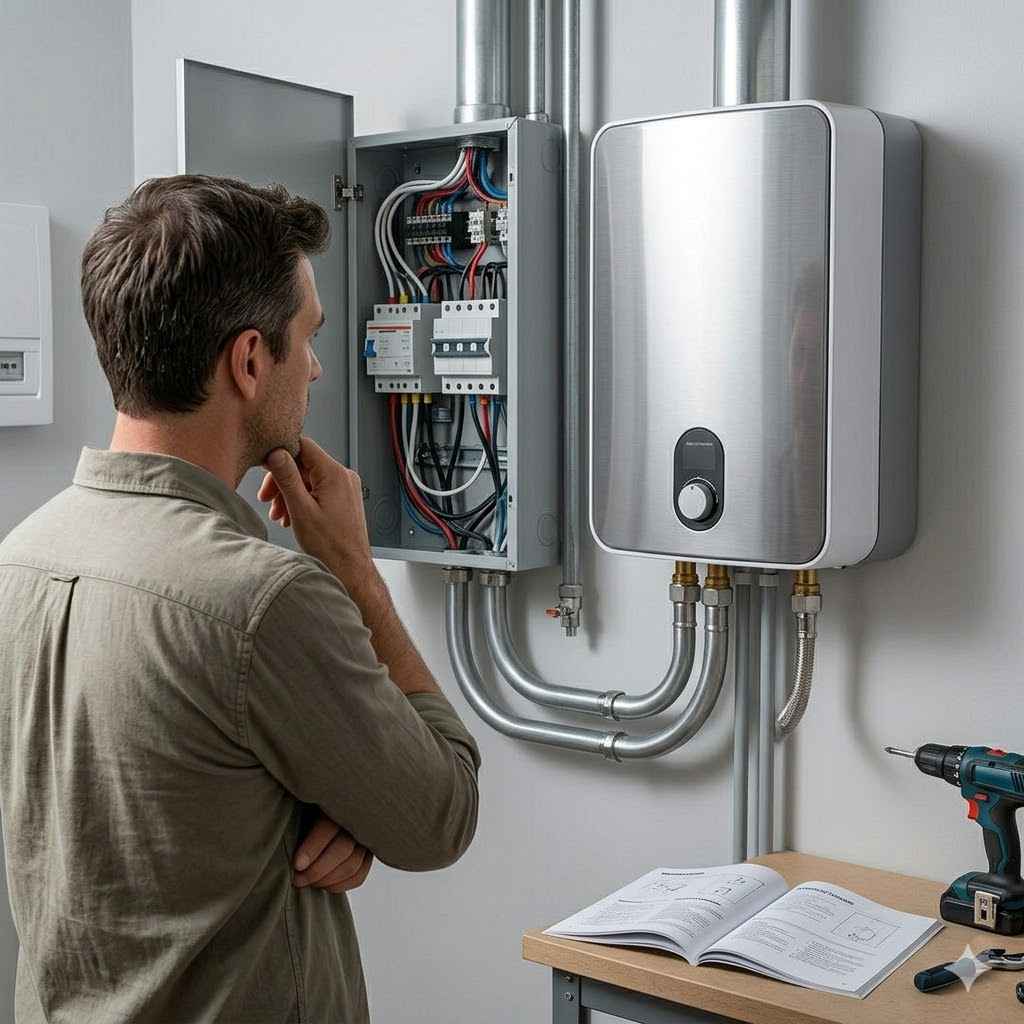
The electrical upgrade costs can also be a deal-breaker. Many people don’t realize their home’s electrical panel might not be up to the task. Hiring an electrician to install new circuits or upgrade the panel can add $500 to $2,000 or more.
This can nearly double the total installation cost. Some people end up installing a unit that’s too small just to avoid these extra electrical costs. Then they are unhappy with the performance anyway.
Common Regrets Explained
- Sizing Errors: The most frequent reason for disappointment. Unit too small for family needs.
- Electrical Costs: Unexpected and high costs for panel upgrades and wiring.
- Performance Issues: Reduced flow or temperature drop during peak demand or cold weather.
- Higher Bills: For heavy users, the jump in electricity costs negates any perceived savings.
Where and When Electric Tankless Fit Best
So, is there a place for electric tankless water heaters? Absolutely. They shine in specific situations.
Think about smaller homes or apartments. If you have fewer people, or your hot water needs are limited, they can be a great choice. A single person or a couple in a condo might find them perfect.
They save space and offer on-demand hot water for typical daily use.
They are also excellent for point-of-use applications. This means installing them right where you need hot water. For example, a small unit under a sink in a workshop or garage.
Or in a guest bathroom that isn’t used often. This avoids the long wait for hot water to travel from the main heater. It also means you’re only heating a small amount of water when needed, which is very efficient.
Another good fit is in vacation homes or rental properties. If the property is only used seasonally, a tankless heater makes sense. You don’t need to keep a large tank of water hot when no one is there.
When guests arrive, they get hot water instantly. This can lead to energy savings when the property is empty. However, in these cases, a propane tankless is often more practical than electric due to lower demand on electricity.
Consider your climate too. In very warm southern climates, the incoming water temperature is higher. This means the electric tankless doesn’t have to work as hard to heat it.
It can achieve the desired temperature rise more easily. In freezing northern winters, the incoming water can be very cold. This requires a much more powerful and expensive unit to provide the same performance.
So, location plays a big role in how well these units perform.
Best Use Cases for Electric Tankless
- Small Households: Single people, couples, or small families with moderate hot water use.
- Apartments & Condos: Space-saving and efficient for smaller living spaces.
- Point-of-Use: Under sinks, in workshops, or for remote bathrooms.
- Supplemental Heating: Adding to existing systems for specific needs.
- Warm Climates: Where incoming water temperatures are higher.
What This Means for You: Knowing When to Worry
So, when should you really worry if an electric tankless is the right choice? The biggest red flag is if your household has high hot water demands. Think about this: how many people are in your home?
Do you often have multiple showers running at once? Do you run your dishwasher and washing machine on hot settings regularly?
If the answer to these is “yes,” an electric tankless might disappoint you. You might experience lukewarm water or a significant drop in flow. This is not a fun surprise.
It can be frustrating, especially after a big investment. It’s important to be honest about your family’s usage habits. Don’t just assume “endless hot water” will solve all your problems without understanding the limits.
Another sign to pay attention to is your home’s electrical capacity. If you have an older home with a limited electrical panel, you might face significant upgrade costs. Get an electrician to assess your system before you buy a unit.
They can tell you what’s needed and the likely expense. If the electrical upgrades are too costly, it’s a strong signal that an electric tankless might not be practical for your home.
Also, consider your local climate. If you live in a region with very cold winters, be aware that electric tankless heaters struggle more. They need to achieve a larger temperature rise.
This requires more power and a higher-rated unit. You might end up with a unit that’s more expensive to buy and operate than you anticipated. This is a common pitfall.
Finally, think about your budget. The upfront cost of an electric tankless, plus potential electrical upgrades, is much higher than a traditional tank heater. If budget is a major concern, a tankless might not be the wisest investment for your home right now.
It’s wise to get quotes for both types of systems. Compare the total installed costs.
Quick Tips for a Smarter Decision
Making the right choice about your water heater can save you headaches and money. Here are some practical steps to help you decide.
- Calculate Your Peak Demand: List all hot water uses that might happen at the same time. Add up the gallons per minute (GPM) needed for each. This is crucial for sizing any water heater.
- Check Your Electrical Panel: Have a qualified electrician inspect your electrical panel. Ask specifically about its capacity to handle a high-amperage appliance like an electric tankless. Get an estimate for any necessary upgrades.
- Understand Flow Rate (GPM): Look at the GPM rating of the tankless unit. Compare it to the GPM needs of your fixtures (showerheads, faucets). Ensure the unit can meet your simultaneous needs.
- Consider Temperature Rise: Know your average incoming water temperature. Know your desired hot water temperature. The difference is the “temperature rise” the unit must achieve. Powerful units are needed for large rises.
- Get Multiple Quotes: Don’t settle for the first price you get. Get quotes from several reputable plumbers and electricians. Include the cost of the unit, installation, and any electrical work.
- Read Reviews (from Real Users): Look beyond manufacturer claims. Search for reviews from people who live in similar climates and have similar-sized homes and families.
- Factor in Long-Term Costs: Compare the estimated annual energy bills for a tankless versus a tank heater. Remember to factor in the higher upfront cost of the tankless.
Frequently Asked Questions About Electric Tankless Regrets
Can an electric tankless water heater run out of hot water?
Yes, if the unit is undersized for your needs or if multiple high-demand fixtures are used simultaneously. The flow rate or temperature may decrease significantly.
Are electric tankless water heaters really more energy-efficient?
They can be more energy-efficient because they only heat water when needed. However, they use a lot of electricity at once. For very heavy users, the overall electricity bill might be higher than with other systems.
What is the biggest downside of electric tankless water heaters?
The main downsides are the high upfront cost, the potential need for expensive electrical upgrades, and the risk of insufficient hot water if the unit is not sized correctly for the household’s demand.
How much does it cost to upgrade electrical for an electric tankless heater?
Costs can vary widely. Simple upgrades might cost a few hundred dollars. A full panel upgrade with new wiring could cost $1,000 to $3,000 or more, depending on your home.
Are tankless water heaters worth the investment?
For some situations and households, they are worth it due to space savings and on-demand hot water. For others, the high cost and potential performance issues lead to regret. Careful planning is essential.
Can I use an electric tankless for my whole house?
Yes, but you need a very powerful, high-amperage unit. These units are expensive and require significant electrical capacity. For many whole-house needs, gas tankless or high-efficiency tank heaters are more common and practical.
What happens to my electric bill with a tankless heater?
Your electric bill will likely increase because electric tankless heaters draw a lot of power when in use. The total increase depends on how much hot water your household uses.
Final Thoughts on Electric Tankless Choices
Choosing an electric tankless water heater is a big decision with potential rewards and drawbacks. While they offer convenience and efficiency, it’s vital to understand their limits. Sizing, electrical capacity, and your home’s hot water usage are key factors.
By researching thoroughly and consulting professionals, you can avoid common regrets and make a choice that truly suits your home and family.
Sponsored / affiliate links. As an Amazon Associate I earn from qualifying purchases. I may earn additional commission from eligible campaigns.
 Water Flow Control Shut Off Valve with Brass Adjustable Hand Level Water Pressure Regulator for Hand Held Shower Head & Bidet Sprayer, Brushed Nickel Water Saver G1/2
 Ddayup Smart Toilet, Electric Tankless Toilet with Bidet Built in & Dryer, Auto Open/Close, Instant Warm Water, Elongated Heated Seat, Auto Flush (Matte Black, Oval Egg Shaped) (Black3)