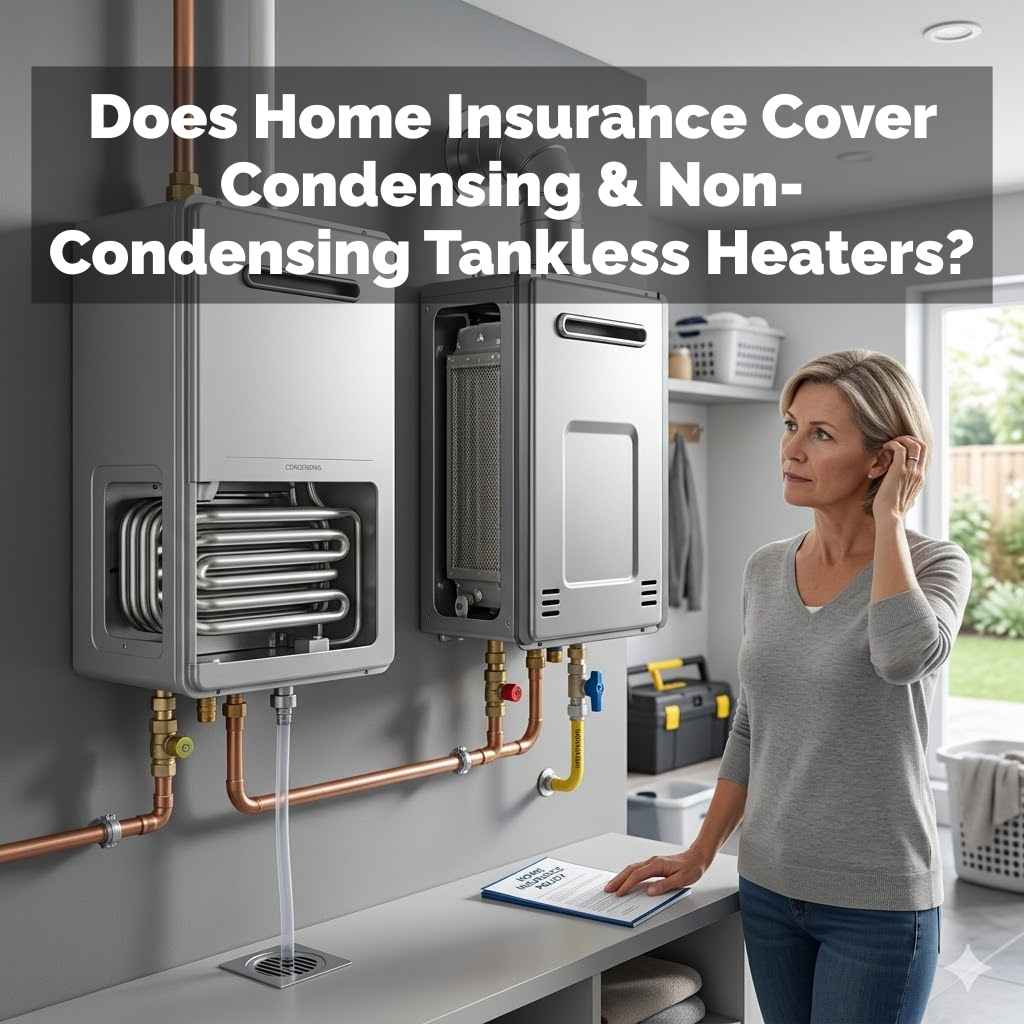
Does Home Insurance Cover Condensing & Non-Condensing Tankless Heaters?
This is a very common worry. Homeowners want to know their big investments are protected. Tankless water heaters are no small purchase.
They can cost a good bit of money. So, understanding how your insurance works with them is smart. We’ll walk through what you need to know.
We’ll cover both types: condensing and non-condensing models. By the end, you’ll feel much clearer about your coverage.
Your homeowner’s insurance policy may cover tankless water heaters, but it depends on the cause of damage. Generally, it covers damage from sudden and accidental events like leaks, bursts, or fires. However, it often excludes damage from normal wear and tear or lack of maintenance. Always check your specific policy details.
Understanding Tankless Water Heaters and Insurance
Tankless water heaters are modern marvels. They heat water as it flows through them. This is different from older tank models.
Those stored hot water in a big tank. Because they are newer and more complex, questions about their insurance coverage are common.
There are two main types: condensing and non-condensing. The difference matters for efficiency and installation. It can also matter for how insurance sees them.
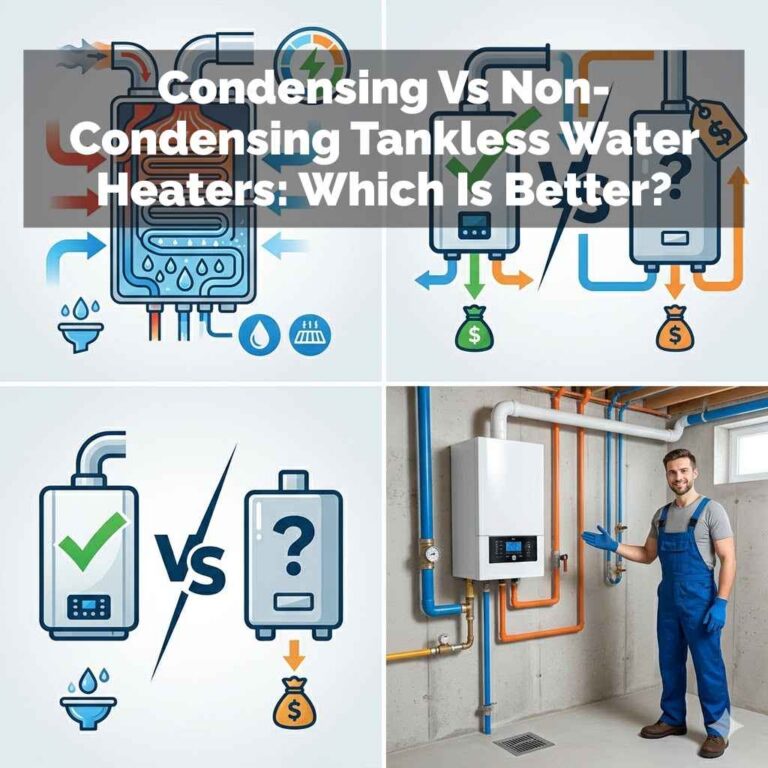
Condensing models are more efficient. They capture heat from exhaust gases. Non-condensing models are simpler.
They just vent hot exhaust directly outside.
Homeowner’s insurance is designed for unexpected problems. It protects you from sudden damage. This could be from a storm, a fire, or a burst pipe.
It’s not usually for things that break down over time. This is a key point for understanding appliance coverage.
My Own Close Call with a Water Heater
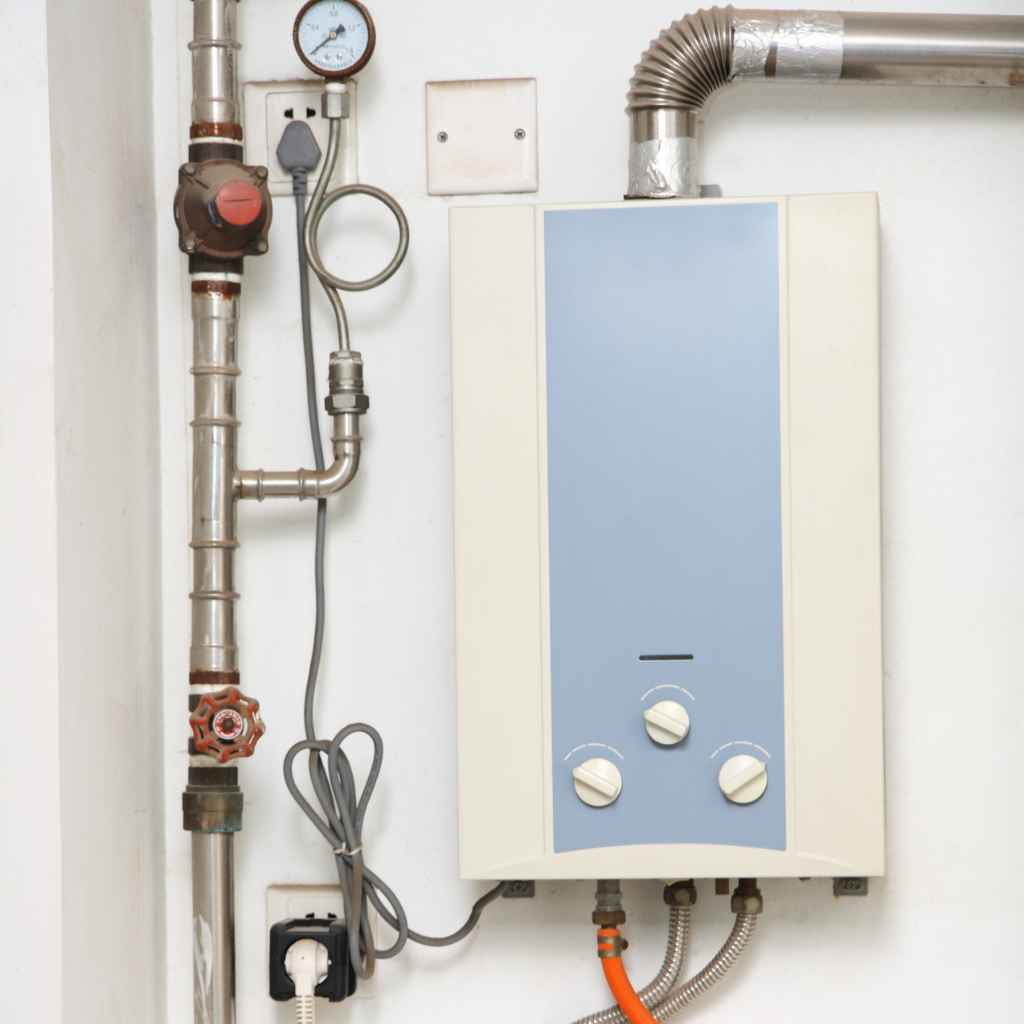
I remember one chilly November evening. I was finishing up some work late. Suddenly, I heard a strange, faint dripping sound.
It was coming from the basement. My heart sank a little. We had an older tank-style water heater down there.
It had been a bit temperamental lately. I rushed downstairs with a flashlight.
The floor around the base of the water heater was wet. Not a huge flood, but definitely a problem. A small trickle was coming from a fitting at the top.
I felt that familiar surge of panic. My mind raced. How bad is it?
Will it get worse? Is this going to cost a fortune? I just stood there for a second, feeling a bit helpless, staring at the growing puddle.
Condensing vs. Non-Condensing: What’s the Difference for Insurance?
Let’s break down the two main types of tankless heaters. Knowing these differences helps understand why your policy might respond differently.
Non-Condensing Tankless Heaters
These are the more basic models. They vent exhaust gases directly outside. They are less energy-efficient than condensing ones.
Think of them like a simple gas stove. They burn fuel and send the waste up the chimney.
Their parts might be less complex. This could mean fewer potential points of failure from a mechanical standpoint. But they still rely on pipes, valves, and heating elements that can fail.
Condensing Tankless Heaters
These are the energy-saving champs. They have a second heat exchanger. This pulls extra heat from the exhaust.
This process creates condensation. The water from this condensation needs to be drained away. This requires a condensate drain line.
The extra parts mean more things that could potentially go wrong. The condensate drain line is a specific point that could cause issues. If it clogs, the unit might shut down or even back up water.
For insurance purposes, the type itself usually doesn’t change coverage basics. The main thing is the cause of the damage. But the complexity might influence repair costs, which insurance considers.
Tankless Heater Basics
What they are: They heat water on demand. No big storage tank is needed.
Why they matter: Save energy and space. Provide endless hot water.
Types: Condensing (more efficient, creates water) and Non-Condensing (less efficient, simpler).
When Home Insurance Steps In
Your homeowner’s insurance policy is there for the “what ifs.” It covers damage that is sudden and accidental. This is the golden rule for appliance coverage.
Think about these scenarios:
- A pipe connected to the heater suddenly bursts.
- The heater itself malfunctions and causes a water leak.
- A fire starts near the unit and damages it.
- A severe storm causes a power surge that fries the unit’s electronics.
In these cases, the damage is usually covered. Your policy will pay to repair or
You will typically have a deductible. This is the amount you pay first. Then, your insurance covers the rest up to your policy limits.
Always read your policy to know your deductible amount.
When Insurance Says “No”
This is where many homeowners get confused or frustrated. Insurance does NOT cover everything. Things that are expected to wear out over time are usually excluded.
Here are common reasons insurance won’t cover a tankless heater:
- Normal Wear and Tear: Like any appliance, heaters age. Parts wear out. This is not covered.
- Lack of Maintenance: If you don’t get regular check-ups and cleaning, and it breaks, insurance might deny the claim. Manufacturers often require maintenance.
- Neglect: If you knew the unit was having problems and didn’t fix them, that’s neglect.
- Age of the Unit: While not always a strict exclusion, very old units might be seen as having reached the end of their useful life.
- Improper Installation: If a bad installation caused the problem, the installer’s insurance might be responsible, not yours.
- Natural Aging/Deterioration: This is similar to wear and tear. Parts simply get old.
So, if your heater stops working because it’s simply old, you’re likely on your own. This is a tough pill to swallow, but it’s how most policies work.
Quick Check: Is It Covered?
Yes, likely if:
The Event: Sudden, unexpected leak, burst, fire.
The Cause: A random failure, not expected aging.
The Result: Damage to your home or property.
No, likely if:
The Event: Just stopped working, slowly leaked for months.
The Cause: Old age, lack of cleaning, normal breakdown.
The Result: Only the unit itself is broken, nothing else is damaged.
My Experience with a Neglected Appliance
Years ago, before I really understood home maintenance, we had a dishwasher. It started making a funny grinding noise. I ignored it.
I figured it would sort itself out. Then, a few weeks later, the kitchen floor was wet. The dishwasher had sprung a leak.
It wasn’t a huge leak, but it was enough to soak a good portion of the vinyl flooring.
When I called my insurance company, they asked a lot of questions. They wanted to know when the grinding started. They asked if I had heard noises before.
They also asked about regular cleaning. Because I had ignored the warning signs and it wasn’t a sudden, unexpected failure of a part but rather a gradual breakdown, they denied the claim. I learned a hard lesson that day.
Ignoring small problems can lead to bigger, more expensive ones, and insurance won’t always bail you out of preventable issues.
Real-World Scenarios: What Happens on the Ground
Let’s look at how this plays out in different situations. These examples help paint a clearer picture.
Scenario 1: The Burst Pipe
It’s a cold winter in Minnesota. A pipe connected to your tankless water heater freezes and bursts. Water floods your basement, damaging the heater and your finished walls.
This is almost always covered. The bursting pipe is a sudden, accidental event.
Scenario 2: The Clogged Condensate Drain
Your condensing tankless heater has a clogged drain line. Water backs up inside the unit and then leaks out onto the floor. If this is due to a sudden clog from debris that wasn’t there before (like a construction mishap), it might be covered.
If it’s due to a buildup over months because you never had it serviced, it’s likely not covered.
Scenario 3: The Old Unit Fails
Your tankless heater is 15 years old. It simply stops heating water. No leaks, no strange noises, it just died.
This is normal aging for an appliance. Your insurance will not cover the cost of a new unit or the repair of the old one.
Scenario 4: Electrical Surge
A lightning strike nearby causes a massive power surge. Your tankless heater’s electronic board is fried. This is a sudden, accidental electrical event.
It should be covered by your homeowner’s insurance.
Damage Causes: A Quick Look
| Event | Likely Covered? | Why |
|---|---|---|
| Pipe bursts in winter | Yes | Sudden, accidental |
| Unit leaks due to old seal | No | Normal wear and tear |
| Fire damages unit | Yes | Sudden, accidental |
| Mechanical part fails unexpectedly | Yes | Sudden, accidental |
| Unit stops working (old age) | No | Normal aging |
| Water damage from clogged drain (neglect) | No | Lack of maintenance |
What This Means for You: When to Worry
So, what does all this mean for you and your tankless water heater? It’s about understanding the difference between an appliance failing due to age versus failing because of an unexpected event.
When it’s Normal:
- Your heater is 10+ years old and just stops working.
- You notice a slow drip that gradually gets worse.
- You haven’t had it serviced in years, and it starts making noises.
In these situations, the repairs or replacement will likely come out of your pocket. It’s the cost of owning an appliance that has reached its lifespan.
When to Worry (and Call Insurance):
- You hear a sudden loud pop or bang, followed by water.
- You see a large, unexpected leak appearing quickly.
- The unit is relatively new (say, under 5 years old) and suffers a sudden failure.
- Damage occurs to surrounding areas (walls, floors, cabinets) due to a heater malfunction.
If you experience these, it’s time to document everything and contact your insurance agent. Take pictures and videos of the damage. Note down when it happened and what you observed.
Simple Checks You Can Do:
- Listen: Do you hear unusual noises?
- Look: Are there any visible leaks or corrosion?
- Check Age: How old is your unit? Most have a lifespan of 10-15 years.
- Review Maintenance: When was it last serviced?
Quick Tips for Tankless Heater Care and Coverage
While insurance covers accidents, good maintenance is your best friend. It prevents many issues and can help your insurance claim if something unexpected does happen.
- Regular Flushing: Especially important for condensing models. This clears out mineral buildup and keeps the condensate drain line clear. Manufacturers recommend this annually or bi-annually, depending on water hardness.
- Professional Inspections: Have a qualified technician check your unit at least once a year. They can spot early signs of trouble.
- Know Your Policy: Read your homeowner’s insurance policy carefully. Pay attention to sections on appliance coverage, water damage, and deductibles.
- Document Everything: Keep records of your purchase, installation, and all maintenance performed. This is crucial if you ever need to make a claim.
- Install Properly: Always use licensed and insured professionals for installation. A faulty installation can lead to problems and coverage issues.
- Consider Extended Warranties: Some manufacturers offer extended warranties that go beyond the standard period. These can cover repairs for a few extra years.
Maintenance Matters!
Annual Service: Get a pro to check it.
Flush Regularly: Prevents scale and clogs.
Check Drains: Especially on condensing models.
Keep Records: Proof of care.
Frequently Asked Questions
Does my homeowner’s insurance cover a tankless water heater if it just stops working?
Generally, no. Homeowner’s insurance typically covers damage that is sudden and accidental, like a burst pipe or a fire. If a tankless water heater simply stops working due to age, normal wear and tear, or gradual deterioration, it is usually not covered.
This is considered an appliance failure due to its lifespan.
What if my tankless water heater leaks and damages my floor?
If the leak is sudden and accidental (e.g., a pipe burst, a faulty component failed unexpectedly), your homeowner’s insurance will likely cover the cost of repairing or replacing the water heater, as well as the damage to your floor and surrounding areas, up to your policy limits and after your deductible is met. If the leak was due to neglect or long-term wear and tear, coverage may be denied.
Are condensing tankless water heaters covered differently than non-condensing ones?
The type of tankless heater (condensing or non-condensing) usually doesn’t change the fundamental coverage rules. Insurance policies focus on the cause of damage. Both types are covered if damaged by a sudden, accidental event.
The complexity of a condensing unit might affect repair costs, but the coverage decision hinges on the incident itself.
Does insurance cover damage caused by a clogged condensate drain line on my tankless heater?
It depends on the cause of the clog. If the clog was due to an unexpected event, like construction debris accidentally falling into the line, it might be covered. However, if the clog resulted from a lack of regular maintenance and a buildup over time, insurance will likely consider it neglect or wear and tear and deny coverage.
How old can a tankless water heater be before insurance won’t cover it?
There isn’t a specific age limit written into every policy. However, insurance companies expect appliances to have a reasonable lifespan. Most tankless water heaters last 10-15 years.
If a unit is significantly older than this and fails, it will probably be considered normal aging, and not covered. The unit’s condition and maintenance history also play a role.
What is considered “wear and tear” versus a “sudden and accidental” failure?
“Wear and tear” refers to the gradual breakdown of parts due to normal use over time. Think of an old tire wearing smooth. A “sudden and accidental” failure is an unexpected event, like a pipe bursting due to freezing or a component breaking without prior warning.
Insurance covers the latter, not the former.
Final Thoughts
Understanding your home insurance and your tankless water heater is key. It’s about knowing what to expect and what to do. Keep up with maintenance.
Document your service. And always read your policy. This way, you’re prepared for the unexpected.
You’ll feel more confident about your home’s protection.
Sponsored / affiliate links. As an Amazon Associate I earn from qualifying purchases. I may earn additional commission from eligible campaigns.