Are Tankless Water Heaters More Energy-Efficient Than Traditional Ones?
It’s a question many homeowners ponder: Does going tankless actually save energy? You’re probably tired of seeing that water heater in the basement or closet, humming away, potentially costing you money. Maybe you’ve heard the buzz about tankless systems being the modern, smarter choice.
You’re looking for clarity, not just sales pitches.
Understanding which type of water heater is better for your wallet and the planet can feel like a puzzle. We’ll break down the energy efficiency of tankless water heaters versus traditional ones. You’ll get a clear picture of how they work and what that means for your home’s energy use.
Tankless water heaters can be more energy-efficient than traditional tank models because they only heat water when you need it. This “on-demand” heating means no energy is wasted keeping a large tank of water hot all the time. However, efficiency depends on usage, installation, and model type.
Tankless vs. Traditional Water Heaters: How They Work
Let’s dive into the basics. How do these systems actually heat your water? It’s key to understanding their energy use.
Traditional Tank Water Heaters
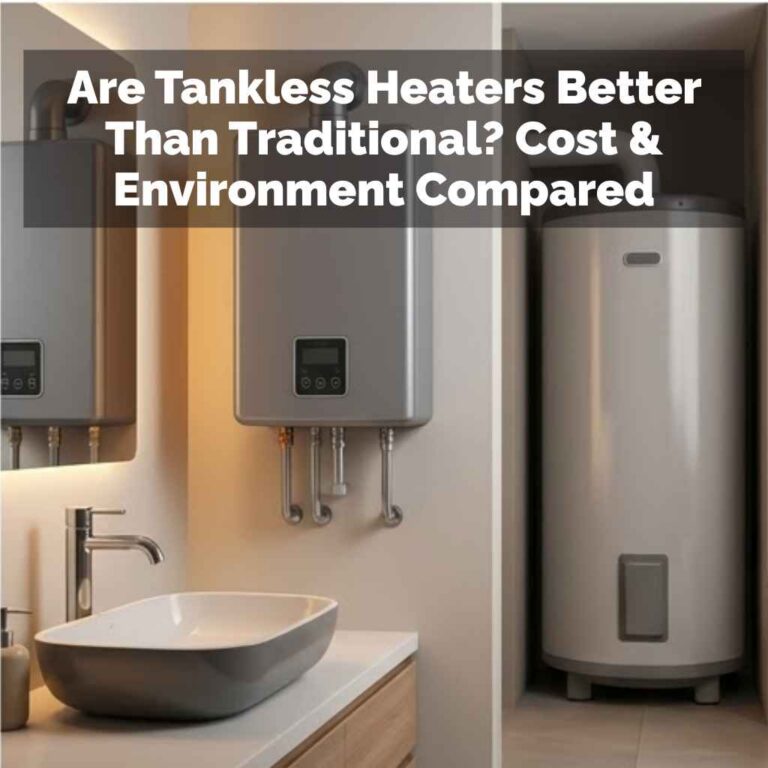
Think of a big metal drum. That’s your traditional water heater. It holds a set amount of water, usually 30 to 80 gallons.
Inside this tank, a heating element—either gas or electric—keeps that water warm. It does this constantly, even when you’re not using hot water. This is called “standby heat loss.”
Imagine filling a bathtub and leaving it. Some heat will escape into the air. That’s what happens inside the tank.
The heater cycles on and off throughout the day to keep the water at your set temperature. This is great for having plenty of hot water ready. But it uses energy even when you sleep or are at work.
Tankless Water Heaters (On-Demand)
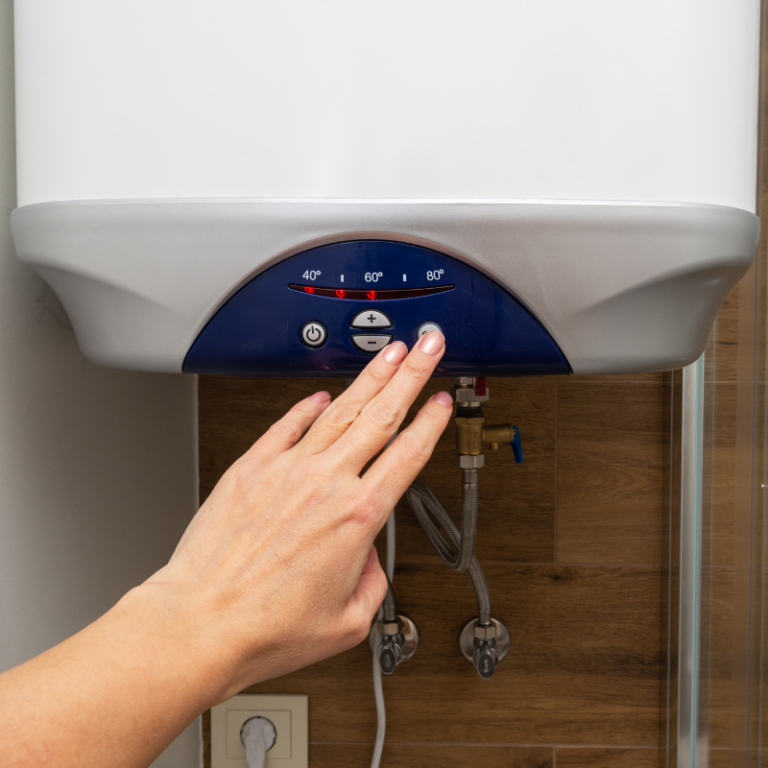
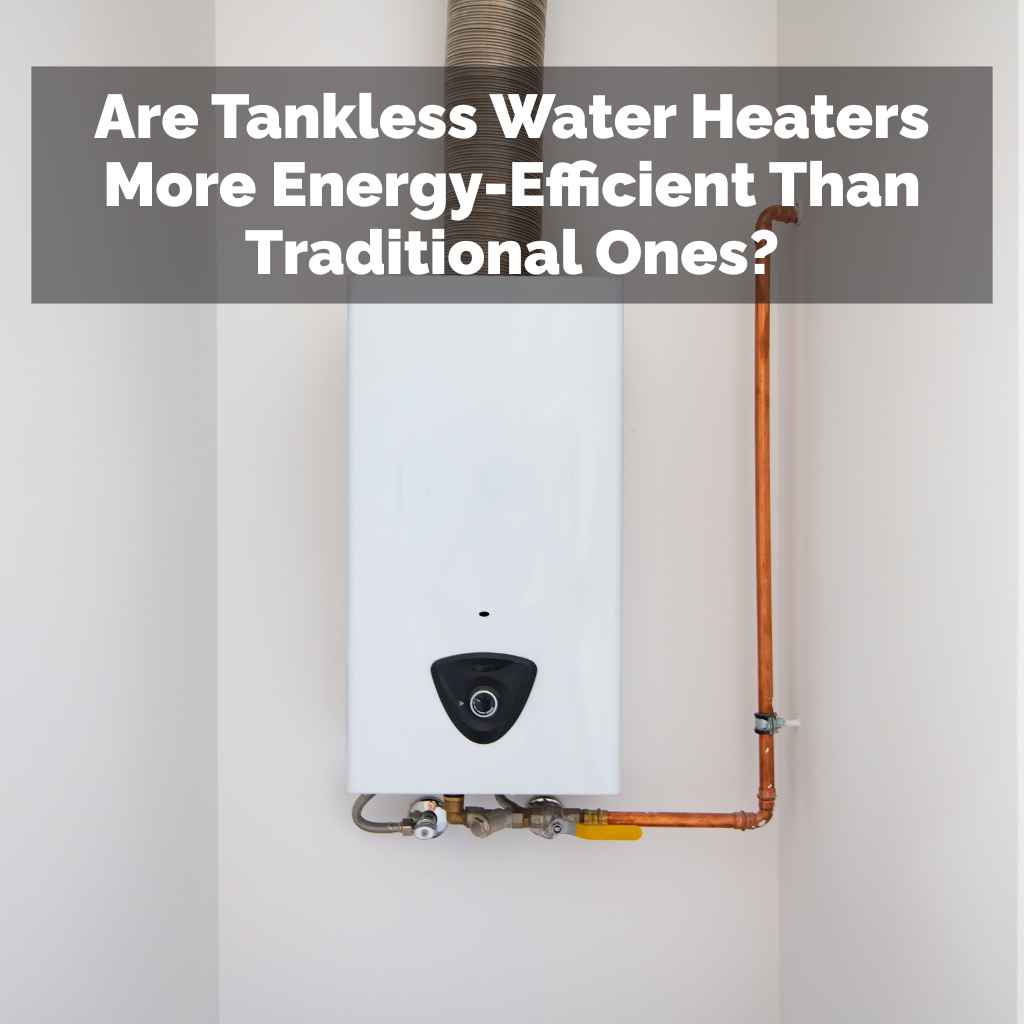
Now, picture something smaller, often mounted on a wall. That’s a tankless unit. These are also called “on-demand” water heaters.
They don’t store hot water. Instead, when you turn on a hot water faucet, a sensor detects the flow. A powerful burner or electric element instantly heats the water as it passes through the unit.
It’s like a water faucet with a built-in heater. You get hot water only when you ask for it. This means no energy is wasted heating water that just sits there.
The system only works when water is actually flowing and needs to be heated. This is the core of its potential energy savings.
Energy Efficiency: The Big Picture
So, who wins the energy efficiency race? Generally, tankless systems have a leg up. But it’s not always a simple win.
The main reason tankless heaters are often seen as more efficient is that they avoid that constant standby heat loss. Traditional tanks can lose up to 20% of the heat they generate to the surrounding air. Over a year, that adds up.
It’s like leaving a light on when you don’t need it.
Tankless heaters, by only heating when needed, use energy much more directly. This can lead to significant energy savings, especially in homes that don’t use a lot of hot water all the time. However, the actual savings depend on many factors.
We’ll explore these factors more. It’s important to know that “more efficient” doesn’t always mean “cheaper to buy.” The upfront cost is often higher for tankless units.
Energy Star Ratings: What They Mean
Look for the Energy Star label on water heaters. This means the model meets strict energy efficiency guidelines set by the U.S. Environmental Protection Agency.
Energy Star certified tankless water heaters are at least 15% more efficient than standard models. Traditional tanks can also be Energy Star certified, but their inherent design limits ultimate efficiency.
Factors Affecting Real-World Savings
It’s easy to say tankless is more efficient. But your home’s unique situation matters a lot. Let’s look at what influences actual energy use and cost.
Household Hot Water Usage
This is huge. If your family takes lots of long showers back-to-back, a tankless unit might struggle to keep up. It might not heat water fast enough for everyone.
In such cases, a large traditional tank might actually serve your needs better, even if less “efficient” in theory.
For smaller households or those with staggered water use, tankless excels. Imagine a single person or a couple who don’t all shower at the same time. Or a home where laundry and dishwashing happen at different times.
These scenarios make the on-demand heating very effective.
The U.S. Department of Energy estimates that a tankless system can save you between 8% and 34% on water heating costs. This is compared to a conventional storage water heater.
The higher end of that range is for homes with higher hot water usage. But it also depends on how old and efficient your current tank is.
Installation Quality and Location
Getting a tankless system installed correctly is vital. If it’s not sized right for your home, it might not perform as expected. Gas tankless heaters need proper venting.
Electric ones need sufficient electrical capacity. Poor installation can lead to inefficiency or even safety issues.
Where you put the unit also matters. If it’s far from the furthest faucet, you’ll wait longer for hot water. This means water runs down the drain, which is wasted water and some wasted energy.
While the tankless unit itself isn’t losing heat, you’re using more water waiting for it to get hot.
Traditional tanks are often in basements or garages. Tankless units can go in more places, even closets. This flexibility can be a plus.
But think about the distance to your kitchen sink or main bathroom.
Fuel Type: Gas vs. Electric
This is a major point. Gas tankless water heaters are generally more efficient than electric ones. Why?
Because natural gas is often cheaper per unit of energy than electricity in many parts of the U.S. Also, electric tankless units require a lot of power, sometimes needing upgrades to your home’s electrical panel.
A high-efficiency gas tankless heater can have an Energy Factor (EF) of around 0.82 to 0.98. This means 82% to 98% of the fuel energy becomes heat for your water. Traditional gas tanks have an EF of about 0.62 to 0.75.
Electric tankless heaters can be very efficient in terms of energy transfer. They can achieve EF ratings of 0.9 to 0.98. However, the cost of electricity in your area is the big factor.
If electricity is expensive, even an efficient electric tankless unit might cost more to run than a less efficient gas traditional tank.
Understanding Energy Factor (EF)
The Energy Factor (EF) is a rating that shows how efficient a water heater is. A higher EF means more efficiency. It measures the percentage of heat from the fuel that actually goes into the water.
So, an EF of 0.90 means 90% of the energy is used to heat water, and 10% is lost.
Maintenance Matters
Like any appliance, water heaters need care. For tankless units, regular maintenance is key. Mineral deposits can build up inside the heat exchanger, especially in areas with hard water.
This buildup can reduce flow and make the unit work harder, using more energy.
Flushing the unit annually is often recommended. This removes scale. Traditional tanks also need maintenance.
Draining sediment from the bottom of the tank can improve efficiency and prevent corrosion. Neglecting maintenance on either type will reduce its lifespan and efficiency.
The Experience of Going Tankless
I remember when my old tank water heater finally gave up. It was a Saturday afternoon, and suddenly, no hot water. Panic set in.
We had guests coming over, and showers were on everyone’s mind. My husband and I scrambled to find a replacement.
We looked at both options. The tankless seemed so futuristic and efficient. But the installer warned us.
Our house was older. Our plumbing might not handle the higher flow rates easily. Plus, our teenagers were heavy shower users.
He showed us charts. For our specific, busy family, a larger tank might still be the most practical choice.
We ended up with a high-efficiency tank model. It wasn’t the “trendiest” option, but it fit our budget and our lifestyle better at that moment. The installer was honest.
He knew that selling us the “best” tech wouldn’t be best for us if it didn’t meet our actual needs. That experience taught me that efficiency isn’t just a number; it’s about finding the right fit.
Many people switch to tankless for the energy savings. They report seeing lower utility bills. They also love the endless hot water for things like filling large tubs or running the dishwasher and washing machine at the same time.
It’s a quality-of-life upgrade for some.
Potential Downsides of Tankless Water Heaters
While often more efficient, tankless systems aren’t perfect for everyone. There are trade-offs to consider.
Higher Upfront Cost
This is usually the biggest hurdle. Tankless water heaters cost significantly more than traditional tank models. Installation can also be more complex and expensive.
You might need new gas lines, electrical upgrades, or special venting. The initial investment can be double or even triple that of a standard tank heater.
For example, a new 50-gallon traditional tank might cost $500-$1000 installed. A comparable gas tankless unit could run $1500-$3000 or more, depending on the brand and features. This makes many homeowners pause and consider if the long-term savings justify the immediate expense.
Flow Rate Limitations
Tankless units heat water as it passes through. They have a maximum flow rate, measured in gallons per minute (GPM). If multiple hot water fixtures are used at once, and their combined demand exceeds the unit’s GPM capacity, the water might not get as hot as desired.
This is known as “cold water sandwiching” or a drop in temperature.
For instance, a shower might need 2.5 GPM. A faucet might need 1 GPM. A dishwasher might need 1.5 GPM.
If your tankless unit is rated for 7 GPM, running a shower (2.5 GPM) and the kitchen faucet (1 GPM) at the same time is fine (3.5 GPM total). But if another shower (2.5 GPM) also turns on, you’re at 6 GPM. This is close to the limit and might cause a slight temperature drop in all fixtures.
Minimum Flow Rate Required
To activate the heating element in a tankless unit, a minimum water flow is needed. This is usually around 0.5 GPM. If you only need a trickle of hot water, like for washing a few dishes by hand, the unit might not turn on.
This is a rare issue but can happen.
Complex Installation and Venting
Installing a tankless unit is not a DIY job for most people. It often requires specialized knowledge. Gas units produce exhaust.
They need proper venting to the outside. This might involve running new pipes through walls or your roof. Electric units need heavy-duty wiring that most homes don’t have pre-installed.
Potential for Scalding
While modern units have safety features, it’s important to set the temperature correctly. Because they heat water so quickly and can reach higher temperatures, there’s a slightly higher risk of scalding if not managed. Always check the temperature at the tap, especially if children or elderly individuals are in the home.
Many units have built-in temperature limiters.
Sizing Your Tankless Heater
Choosing the right size is critical. It involves two main numbers: Flow Rate (GPM needed) and Temperature Rise (difference between incoming cold water temp and desired hot water temp). For example, in a colder climate, you might need a larger unit to achieve a 50°F rise at a 5 GPM flow rate, compared to a warmer climate needing only a 25°F rise.
When Is a Tankless Heater the Best Choice?
Based on what we’ve discussed, certain situations make tankless water heaters a really smart move. Let’s pinpoint them.
Space Savings
If you’re tight on space, a tankless unit is a game-changer. Traditional tanks take up a lot of floor space. Tankless units are compact and wall-mounted.
This frees up valuable room in your basement, laundry room, or closet. It can make a small home feel much larger.
Long-Term Cost Savings
While the upfront cost is higher, the energy savings over the unit’s lifespan can make it cheaper in the long run. If you plan to stay in your home for many years, the accumulated energy bills will be lower. This is especially true if you use a lot of hot water or live in an area with high energy prices.
Endless Hot Water for Large Families
For families with many people who need hot water at different times, or for those who enjoy long showers or frequent baths, a properly sized tankless unit provides virtually endless hot water. You won’t run out mid-shower, which is a common frustration with traditional tanks.
Imagine hosting guests. With a tankless system, you don’t have to worry about the hot water running out after the first few showers. Everyone can get ready comfortably.
This convenience is a major draw for many.
Specific Uses
Tankless heaters are also ideal for additions to homes or for specific high-demand areas. For instance, a detached workshop, an in-law suite, or a large kitchen that uses a lot of hot water might benefit from its own dedicated tankless unit. This avoids long pipe runs and ensures instant hot water where it’s needed most.
Myth vs. Reality: Tankless Water Heaters
| Myth | Reality |
| Tankless units don’t provide enough hot water. | When sized correctly for your home’s needs, they provide endless hot water. |
| They are too expensive for most people. | The upfront cost is higher, but long-term energy savings can offset this. |
| They break down easily. | With proper maintenance, tankless units can last 20+ years, often longer than tank models. |
| Installation is simple. | Installation can be complex and often requires professional help. |
When Traditional Tank Heaters Might Be Better
Let’s be fair. Tank heaters still have their place. They are reliable and have been around for decades for good reason.
Budget Constraints
If your budget is tight, a traditional tank water heater is the more affordable option upfront. The purchase price and installation costs are significantly lower. This makes it accessible for more homeowners.
Infrequent Hot Water Use
For very small households or homes where hot water is used only sparingly—perhaps a vacation cabin or a guest house used a few times a year—a tank heater might be perfectly adequate. The slight standby energy loss may not be as noticeable or impactful on your bills.
Simple Replacement Needs
If your old tank water heater simply died and you need a quick, straightforward
No Room for Venting or Power
Some homes might not have the ideal setup for a tankless heater. Gas units require venting. If your home’s layout makes venting difficult or expensive, a tank heater might be your only practical choice.
Similarly, electric tankless units need a lot of power, and upgrading your home’s electrical panel can be costly.
Quick Scan: Tank vs. Tankless Efficiency
Traditional Tank:
- Standby Heat Loss: Yes. Heats water constantly.
- Energy Factor (EF): Typically 0.62-0.75.
- Pros: Lower upfront cost, simpler installation, plentiful hot water if sized right.
- Cons: Less energy-efficient due to standby loss, takes up more space, limited hot water supply.
Tankless (On-Demand):
- Standby Heat Loss: No. Heats water only when needed.
- Energy Factor (EF): Typically 0.82-0.98.
- Pros: High energy efficiency, space-saving, endless hot water.
- Cons: Higher upfront cost, complex installation, potential flow rate limits.
What This Means for Your Energy Bills
The energy efficiency difference directly impacts your utility bills. For a tankless system, the primary energy saving comes from eliminating standby heat loss. This means you’re not paying to keep water hot when you’re not using it.
According to the U.S. Department of Energy, properly used tankless water heaters can be 24% to 34% more energy-efficient than conventional storage tank models. For a household that spends $500 a year on water heating, this could mean saving $120 to $170 annually.
However, the actual savings depend on your usage patterns. If you have a large family that uses a lot of hot water, and your current tank heater is old and inefficient, the savings from a tankless unit will be more pronounced. If you’re a single person using minimal hot water, the difference might be less dramatic.
Remember the fuel type. If you switch from a gas tank heater to an electric tankless heater, your electric bill will go up. You need to compare the cost of natural gas versus electricity in your area.
Often, gas is cheaper per BTU of heat energy.
Consider the lifespan. Tankless units typically last 20 years or more, often longer than tank units (10-15 years). While you pay more upfront, you might not need to replace the unit as often.
This can also be a cost saving over time.
Simple Checks and When to Worry
You don’t need to be a plumbing expert to get a sense of your water heater’s situation. Here are some easy things to look for.
Check Your Current Heater’s Age
Most tank water heaters have a sticker with the serial number and manufacturing date. You can often decode this to find out how old it is. If it’s over 10-12 years old, it’s likely less efficient than newer models and may be nearing the end of its life.
Listen for Strange Noises
Rumbling, popping, or clanking sounds from a tank water heater can indicate sediment buildup. This buildup reduces efficiency and can damage the tank. For tankless units, unusual noises might suggest a mechanical issue.
Inspect for Leaks
Any water pooling around your water heater is a red flag. Leaks can lead to damage and indicate a failing unit. This is true for both tank and tankless models.
Your Hot Water Habits Report Card
Rate your household’s typical hot water use:
- Low Use: Only 1-2 people, short showers, minimal laundry/dishwashing.
- Medium Use: 2-3 people, average showers, daily laundry or dishwashing.
- High Use: 4+ people, frequent long showers, multiple appliances running simultaneously.
Low Use: Tankless offers good savings potential. Traditional tank is fine.
Medium Use: Tankless can offer noticeable savings.
High-efficiency tank is also good.
High Use: Tankless might be best if properly sized. Very large tank is also an option.
When to Worry: If your water heater is making loud noises, leaking, showing signs of rust, or not providing enough hot water, it’s time to consider a replacement. For tankless units, if you notice a significant drop in performance or strange smells, contact a professional immediately. Gas leaks are dangerous and require immediate attention.
Also, if your energy bills have recently spiked without a clear reason, your water heater could be the culprit. An inefficient unit might be working overtime to keep up.
Quick Tips for Water Heating Efficiency
Whether you have a tank or tankless system, you can improve its efficiency and lower your bills. These tips are easy to implement.
Lower the Thermostat
For traditional tanks, setting the thermostat to 120°F (49°C) is recommended by the U.S. Department of Energy. Higher settings waste energy and increase the risk of scalding.
Tankless heaters usually have digital controls that make setting precise temperatures easy.
Insulate Your Tank and Pipes
If you have an older tank water heater, wrapping it in an insulating blanket can reduce standby heat loss. Insulating the first few feet of hot and cold water pipes connected to the tank also helps. This is a very cost-effective way to save energy.
Use Less Hot Water
Simple habits make a difference. Take shorter showers. Wash clothes in cold water when possible.
Run your dishwasher and washing machine only when they are full. Fixing leaky faucets also saves water and the energy used to heat it.
Install Low-Flow Fixtures
Low-flow showerheads and faucet aerators reduce the amount of hot water you use without sacrificing pressure. This means your water heater doesn’t have to work as hard or heat as much water.
Regular Maintenance
As mentioned, keeping your water heater clean and well-maintained is crucial. For tank units, drain sediment annually. For tankless units, follow the manufacturer’s recommendation for flushing to remove mineral buildup.
Frequently Asked Questions About Tankless Water Heaters
Are tankless water heaters worth the extra cost?
In many cases, yes. While the upfront cost is higher, tankless water heaters are generally more energy-efficient, leading to lower utility bills over their longer lifespan (20+ years). The savings can offset the initial investment. However, for very low hot water usage or tight budgets, a traditional tank might be sufficient.
How long does a tankless water heater last?
Tankless water heaters typically last 20 years or more with proper maintenance. This is often significantly longer than traditional tank water heaters, which usually last 10-15 years. Regular flushing to remove mineral deposits is key to maximizing their lifespan.
Can a tankless water heater provide enough hot water for a large family?
Yes, if sized correctly for your household’s specific hot water demands. This involves calculating the maximum flow rate (gallons per minute) and the required temperature rise. A properly sized tankless unit can provide continuous hot water for multiple simultaneous uses.
What is the biggest disadvantage of tankless water heaters?
The primary disadvantages are the higher upfront purchase and installation costs compared to traditional tank models. Additionally, they require a minimum flow rate to activate and may have limitations on how many fixtures can be used simultaneously if not properly sized for high-demand households.
Do tankless water heaters use more energy when they are not in use?
No, that is their main advantage. Tankless water heaters only use energy to heat water when a hot water tap is turned on. They do not have “standby heat loss” like traditional tank heaters, which constantly use energy to keep a large volume of water hot.
What maintenance is required for a tankless water heater?
The most important maintenance is regular flushing to remove mineral buildup (scale), especially in areas with hard water. This prevents reduced efficiency and potential damage. Manufacturers recommend flushing annually or every six months, depending on water conditions. Some units can be flushed by the homeowner, while others require a professional.
How much more energy efficient are tankless water heaters?
Tankless water heaters are generally 24% to 34% more energy-efficient than conventional storage tank water heaters, according to the U.S. Department of Energy. This is primarily because they heat water on demand and avoid the standby heat losses associated with keeping water hot in a tank.
Conclusion: Making the Smart Choice for Your Home
So, are tankless water heaters more energy-efficient? Yes, generally they are. By heating water only when you need it, they avoid the constant energy waste of traditional tank heaters.
This can lead to noticeable savings on your utility bills over time.
However, the “best” choice for your home depends on your unique situation. Consider your hot water usage, your budget, and your home’s specific setup. A properly sized tankless unit offers convenience and efficiency.
But a high-efficiency traditional tank might be more practical for some.
Do your research, consult with a trusted professional, and weigh the upfront costs against the long-term benefits. Making an informed decision will help you save energy and money for years to come.
Sponsored / affiliate links. As an Amazon Associate I earn from qualifying purchases. I may earn additional commission from eligible campaigns.