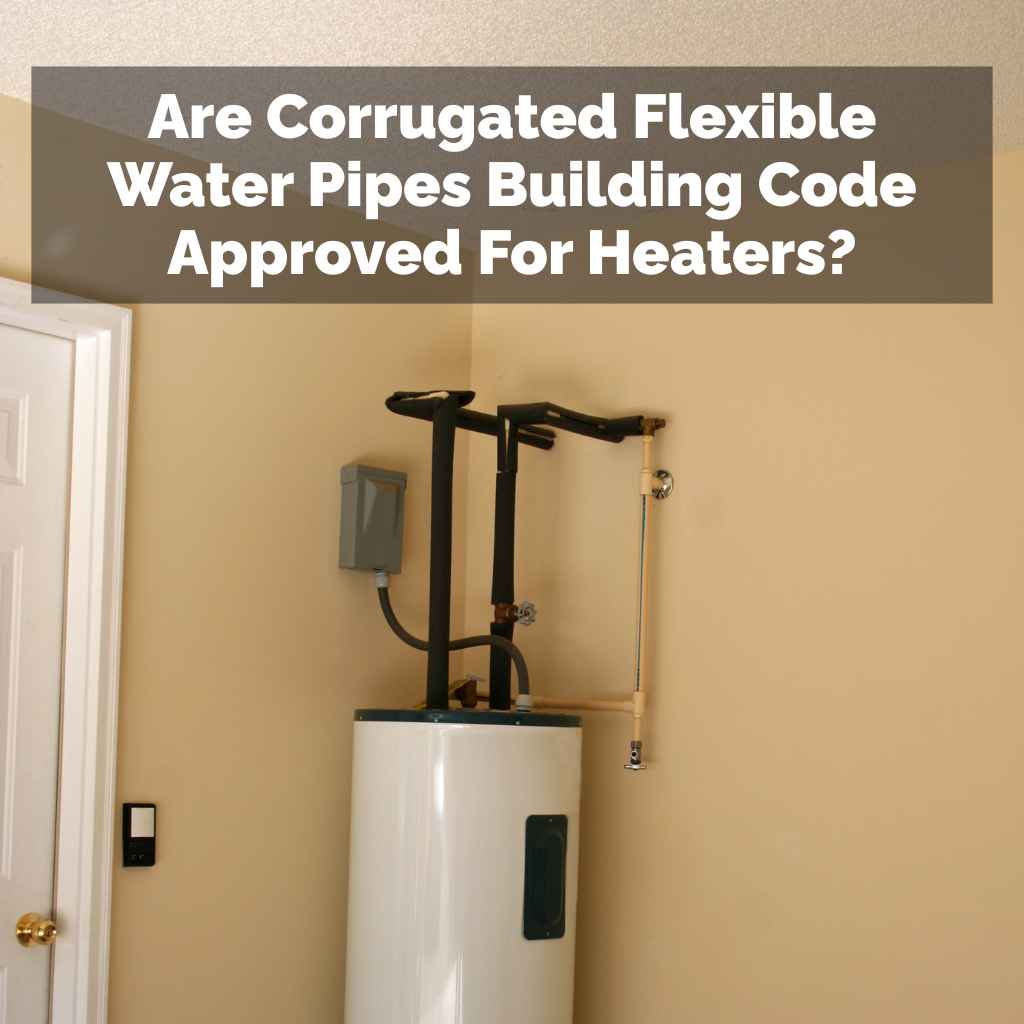
Are Corrugated Flexible Water Pipes Building Code Approved For Heaters?
You’ve likely seen them. Those shiny, flexible pipes that snake around. Maybe you’re installing a new water heater or fixing an old one. You want to do it right. You’re wondering if those corrugated pipes are okay to use. Are they safe? Do they meet building codes? It’s a common worry. Many homeowners feel this exact pinch. You want a reliable job. You don’t want future problems. This guide will shine a light on corrugated flexible water pipes and their use with heaters. We’ll break down what you need to know.
Corrugated flexible water pipes used for connecting heaters are generally not building code approved for direct connection to the heating appliance itself. Codes often require specific materials and installation methods for safety and durability. Flexible connectors are usually permitted for the final hook-up to fixtures, not as primary piping in critical areas like water heater connections. Always check local plumbing codes and manufacturer guidelines.
Understanding Corrugated Flexible Water Pipes
These pipes look a bit like accordions. They have wavy ridges. This makes them bendy. They are often made of stainless steel. Sometimes they have a plastic liner inside. People like them because they are easy to work with. They don’t need as many special bends. This can make installation quicker.
They are also called flexible water connectors or flexible supply lines. You see them connecting sinks. You see them connecting toilets. They can connect washing machines too. Their flexibility is their big selling point. It helps bridge small gaps. It can absorb tiny movements.
Why Codes Matter for Water Heaters
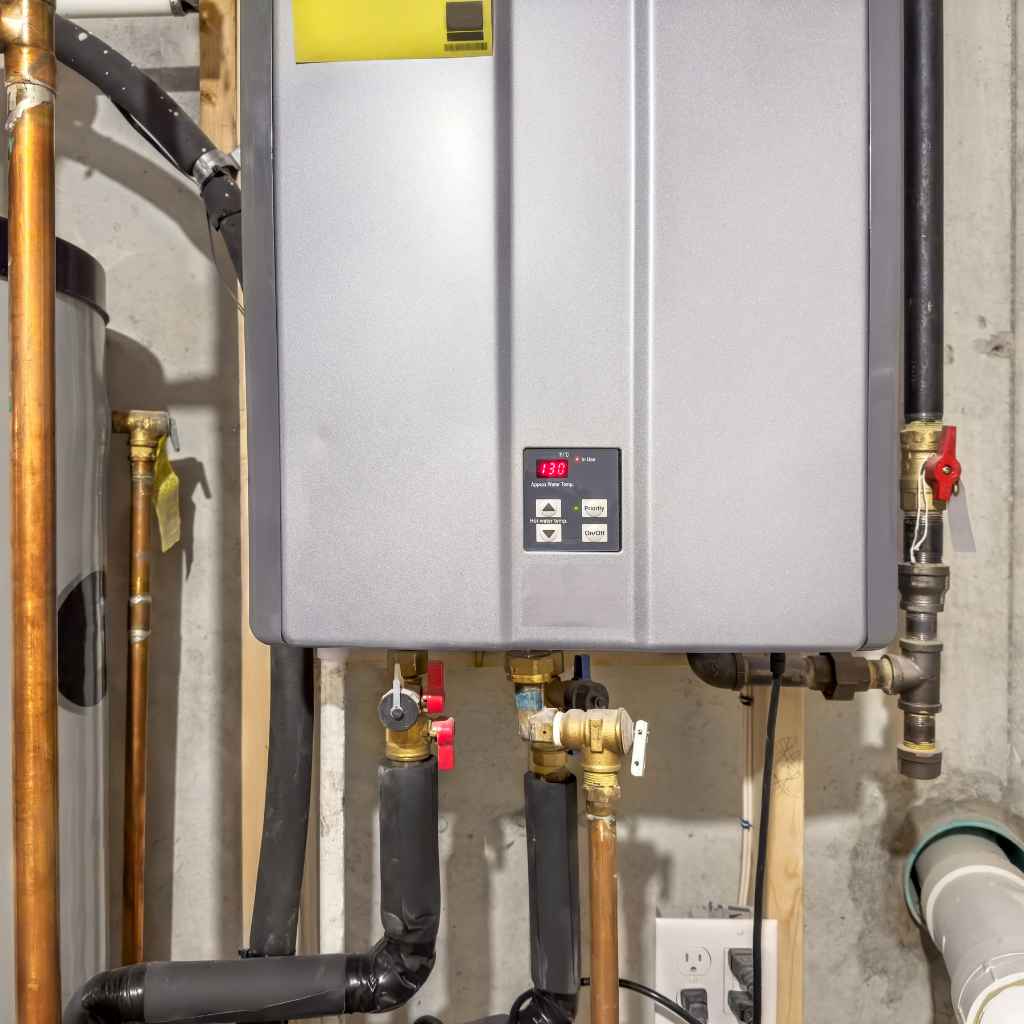
Water heaters are serious business. They hold a lot of hot water. They run on gas or electricity. They need safe and sturdy connections. Codes are rules. They are set by experts. They aim to keep people safe. They prevent fires. They prevent water damage. They prevent gas leaks.
Plumbing codes cover pipes. They cover fittings. They cover how things are installed. They specify what materials are allowed. They say how hot water and cold water pipes should be. This is especially true for the connections right at the water heater. These are critical points.
Are Corrugated Pipes Allowed for Water Heaters?
This is the main question. The simple answer is usually no, not for the direct connection. Most plumbing codes, like the International Plumbing Code (IPC) or Uniform Plumbing Code (UPC), are very specific. They talk about piping materials for hot and cold water supply lines.
These codes often require rigid pipes like copper or PEX. They may allow certain types of flexible connectors. But these are typically for the final hookup. This means the pipe that goes from the wall to the actual fixture. Think of a faucet or a toilet tank.
For a water heater, the connection points are crucial. There’s a hot water outlet. There’s a cold water inlet. Codes want materials that can handle constant heat and pressure. They need to last a long time without failing. Corrugated stainless steel pipes, while strong, can have issues over time.
The ridges can trap debris. They can be prone to kinking if bent too sharply. They can also corrode in certain water conditions. Codes aim to prevent failures that could cause scalding. They also want to prevent leaks that could damage homes.
Manufacturer Guidelines Are Key
Even if a code was less strict, manufacturers have their own rules. The company that made your water heater likely has instructions. These instructions are important. They are often written by engineers who know the product best.
Most water heater manufacturers will specify what type of pipe to use. They will usually list approved materials. Often, they will require copper or PEX. They might allow specific, approved flexible connectors designed for high-heat and high-pressure applications. These connectors are usually more robust than the standard ones you might use for a sink.
Using the wrong type of pipe can void your warranty. This is a big deal. If something goes wrong, the manufacturer might say it’s your fault. This is because you didn’t follow their instructions.
Experience: The Time the “Easy Way” Caused a Headache
I remember working on an older house once. The homeowner wanted a quick fix for a leaking water heater connection. The old pipes were corroded. I saw a roll of corrugated flexible pipe in my van. It seemed like the perfect solution. It was so easy to bend and attach. I thought I was being super efficient.
I had it hooked up in no time. No fuss, no soldering copper. I turned on the water. No leaks! I felt pretty good. But a few months later, I got a call. The homeowner said their water pressure seemed low. And sometimes the hot water wasn’t as hot as it used to be.
I went back. I checked the connections. Everything looked okay on the outside. But when I took off the flexible corrugated pipe, I saw the problem. The inside liner was starting to peel. Tiny bits of plastic were breaking off. They were floating in the water. They were getting stuck in the water heater’s dip tube and the faucet aerators. It created a mess. It also restricted flow. I had to
Types of Flexible Connectors
It’s important to know that not all flexible connectors are the same.
Corrugated Stainless Steel Tubing (CSST)
This is the type most people think of. It’s made of stainless steel. It has a corrugated pattern. It’s very bendable. These are common in gas lines. For water, they are sometimes used. But for water heaters, their use is often restricted by code.
Braided Flexible Connectors
These are more common for sinks and toilets. They have a rubber or plastic inner tube. This tube is covered by a braided sleeve. The sleeve is usually made of stainless steel or nylon. These are generally not rated for the direct connection to a water heater due to heat and pressure concerns.
Approved Appliance Connectors
Some manufacturers make special flexible connectors. These are specifically designed for appliances like water heaters or dishwashers. They might be made of corrugated stainless steel. But they are built to higher standards. They might have specific certifications. These might be allowed by code. But you have to read the fine print carefully.
What the Codes Typically Say (General Guidelines)
Plumbing codes are detailed. They change over time. And they can vary by city or state. But there are common themes when it comes to water heater connections.
Piping Material Standards
Codes usually list approved materials. For hot and cold water supply lines, they often specify:
Copper tubing (Type L or K)
PEX tubing (cross-linked polyethylene)
CPVC (chlorinated polyvinyl chloride)
These materials are chosen for their ability to withstand heat and pressure. They are also durable and resistant to corrosion.
Flexible Connector Limitations
When flexible connectors are allowed, codes usually have conditions:
Length: They often have a maximum length limit. Too long a hose can increase pressure drop.
Material: The material must be rated for the temperature and pressure. It must be safe for potable water.
Certification: Some connectors might need to be certified by an independent testing agency. Look for markings like NSF or UPC.
Installation: They must be installed according to manufacturer instructions. They should not be twisted or kinked.
Water Heater Specifics
Water heaters are a bit different. They are considered a “major appliance” in plumbing terms. The connections are direct to the tank.
Many codes require that the final connection to the water heater tank be made with approved materials like copper or PEX.
The use of flexible connectors may be permitted only if they are specifically listed and approved for such use by the water heater manufacturer and local code.
Even then, some codes might restrict them to being used in conjunction with a shut-off valve, not as the only connection.
Common Misconceptions
One big mistake people make is assuming that because a pipe is flexible, it’s okay for any job.
Myth: Flexible means universally usable.
Reality: Flexibility is great for tight spots. But it doesn’t mean it can handle every condition. Hot water and constant pressure are tough on materials.
Myth: If it looks like it fits, it’s fine.
Reality: appearances can be deceiving. The internal structure and material ratings are what matter. A pipe might look strong, but its internal lining could fail under heat.
Myth: All corrugated pipes are the same.
Reality: As we saw, there are different types. Some are designed for gas. Some for water. Some are made for low-pressure applications. The ones for water heaters need to be tough.
Real-World Context: Why Codes Are So Strict for Water Heaters
Think about what happens inside your water heater. Water gets heated to very high temperatures. Sometimes it can reach 140°F (60°C) or even higher. This hot water then sits under pressure in the tank. It’s constantly pushing outwards.
When you connect a flexible pipe directly to the heater, that pipe is exposed to this direct heat and pressure. It’s not like a sink faucet where the hot water only flows when you turn it on. The water heater connection is under stress all the time.
Materials Degradation: Some plastics can degrade. They can become brittle or soften at high temperatures. This can lead to cracks or leaks.
Pressure Surges: Water heaters can experience pressure surges. These happen when the heating element turns on and off. Or when water refills the tank. Flexible pipes need to withstand these changes.
Expansion and Contraction: Metal pipes expand when hot and contract when cold. While flexible pipes can accommodate some movement, extreme or constant thermal cycling can stress the material.
The goal of codes is to ensure that the materials used can safely handle these conditions for years. They need to perform reliably without failing.
What This Means for You
So, what’s the takeaway?
When It’s Normal to Use Flexible Connectors
You’ll see flexible connectors used all the time. They are perfect for:
Connecting a faucet to the hot and cold water supply lines in the wall.
Connecting a toilet fill valve to the water supply.
Connecting a washing machine to the hot and cold water hookups.
Sometimes, for the final hookup to dishwashers or refrigerators with ice makers, but always check the appliance manual and local codes.
When to Worry About Your Pipes
You should worry if:
You see any signs of corrosion or rust on your pipes.
The pipes look old, brittle, or cracked.
You notice any drips or leaks, even small ones.
Your water pressure seems low or inconsistent.
You’re planning a water heater installation or repair and aren’t sure about the pipe type.
Simple Checks You Can Do
Look at the pipe: What material is it? Is it copper, PEX, or a flexible hose?
Check the labels: Are there any certifications or brand names?
Inspect for damage: Gently feel the pipes. Are they hard, soft, or brittle?
Check your water heater manual: What does it say about connections?
Consult your local building department: They can tell you exactly what is allowed in your area.
Quick Fixes & Tips for Water Heater Plumbing
If you are installing a new water heater or replacing old plumbing, keep these tips in mind:
Always turn off the water supply. This is critical for safety. Find the main water shut-off valve for your house or the valve directly on the water heater line.
Drain the water heater. Before disconnecting pipes, drain the tank. This makes the work easier and safer.
Use the right tools. You might need pipe wrenches, tubing cutters, or soldering equipment depending on the material.
Consider professional help. If you are not comfortable with plumbing, or if the job involves gas lines, hire a licensed plumber. It’s worth the peace of mind.
Know your local codes. This is the most important tip. Plumbing regulations exist for a reason.
Read the manual. Your water heater manufacturer knows best about how to connect their appliance.
Frequently Asked Questions
Can I use a flexible water connector for my gas water heater?
Generally, corrugated flexible connectors are used for gas appliance hookups. However, these are specific gas-rated connectors, not the same as those used for water. You must use materials specifically approved for gas lines by both the manufacturer and local codes. Never use a water connector for gas.
What are the best materials for connecting a water heater?
The best materials are typically rigid copper piping or PEX tubing. These are durable and designed to handle the heat and pressure of a water heater. Some manufacturers may approve specific, high-quality flexible connectors, but you must verify this with both the manufacturer and your local building codes.
How long should a flexible water heater connector last?
This depends heavily on the quality of the connector and the conditions. High-quality, code-approved connectors might last 5-10 years. However, many braided flexible connectors are not intended for direct water heater connections and can fail much sooner. It’s best to replace them proactively during routine maintenance, or when their condition is questionable.
Are corrugated stainless steel pipes safe for hot water?
Corrugated stainless steel pipes can be safe for hot water if they are specifically designed and rated for that application and temperature. However, standard corrugated connectors, often used for low-pressure fixtures, might not be suitable for the constant high heat and pressure found directly at a water heater connection. Always check the product specifications and local plumbing codes.
What is the difference between a PEX pipe and a flexible water connector?
PEX pipe is a type of semi-rigid plastic tubing that is flexible enough to bend around corners but maintains its shape. It’s a standard material for water supply lines. A flexible water connector is typically a hose-like pipe, often made with a rubber or plastic core and a braided outer layer, or a corrugated metal design. Connectors are usually shorter and designed for final connections to fixtures.
Can I replace my water heater pipes myself?
You can.
Conclusion
Connecting your water heater safely is super important. While corrugated flexible pipes are handy for many tasks, they are usually not the right choice for the direct hookup to a water heater. Codes and manufacturers prefer materials like copper or PEX for these critical spots. This ensures safety and longevity. Always check your local rules and the appliance’s manual. When in doubt, call a pro. Doing it right the first time saves a lot of headaches later.
Sponsored / affiliate links. As an Amazon Associate I earn from qualifying purchases. I may earn additional commission from eligible campaigns.
 Faucet Hose Connector, 39 Inch Length Faucet Water Supply Lines 2 PCS Braided Stainless Steel 3/8" Comp x 1/2" Comp for Bathroom Kitchen Sink Faucet (1 Pair)
 Water Flow Control Shut Off Valve with Brass Adjustable Hand Level Water Pressure Regulator for Hand Held Shower Head & Bidet Sprayer, Brushed Nickel Water Saver G1/2