Are Commercial Gas Fired Water Heaters Allowed In Washington State?
In Washington State, commercial gas fired water heaters are generally allowed, but their installation is subject to strict building codes, safety standards, and permitting requirements set by local jurisdictions and the state. Compliance with these regulations is crucial.
Understanding Commercial Gas Water Heaters
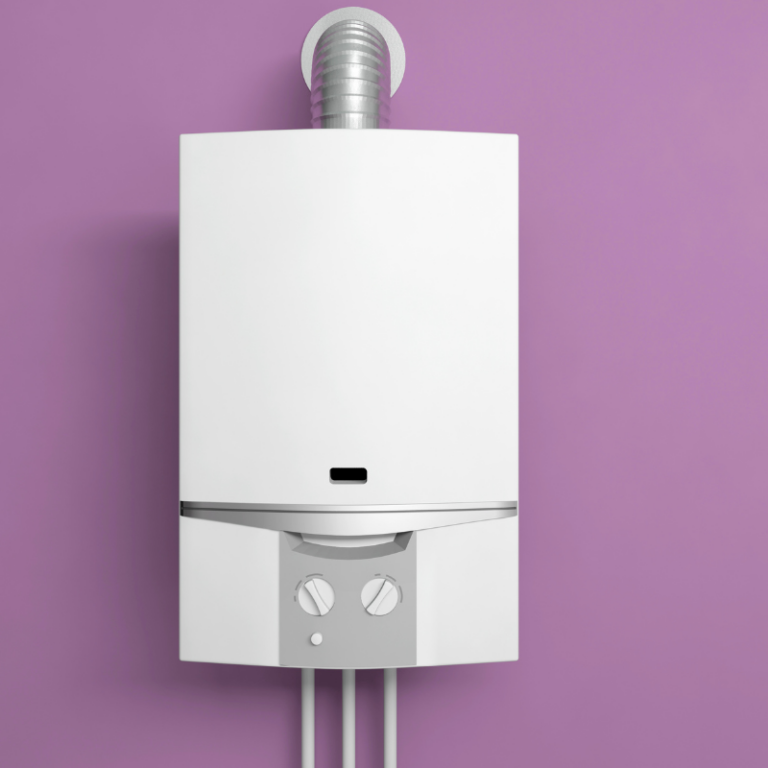
A commercial gas fired water heater is built for big jobs. Homes use smaller ones. Businesses need more hot water, faster.
Think busy restaurants, hotels, or apartment buildings. These heaters are larger and more powerful. They use natural gas or propane to heat water.
This makes them a popular choice. They can be very efficient. But they also have specific needs.
Gas heaters work by burning fuel. This heat warms the water inside a tank. The hot water then goes where it’s needed.
It’s a simple process. However, gas combustion creates byproducts. These include carbon monoxide.
This gas is dangerous. It’s colorless and odorless. That’s why safety is so important.
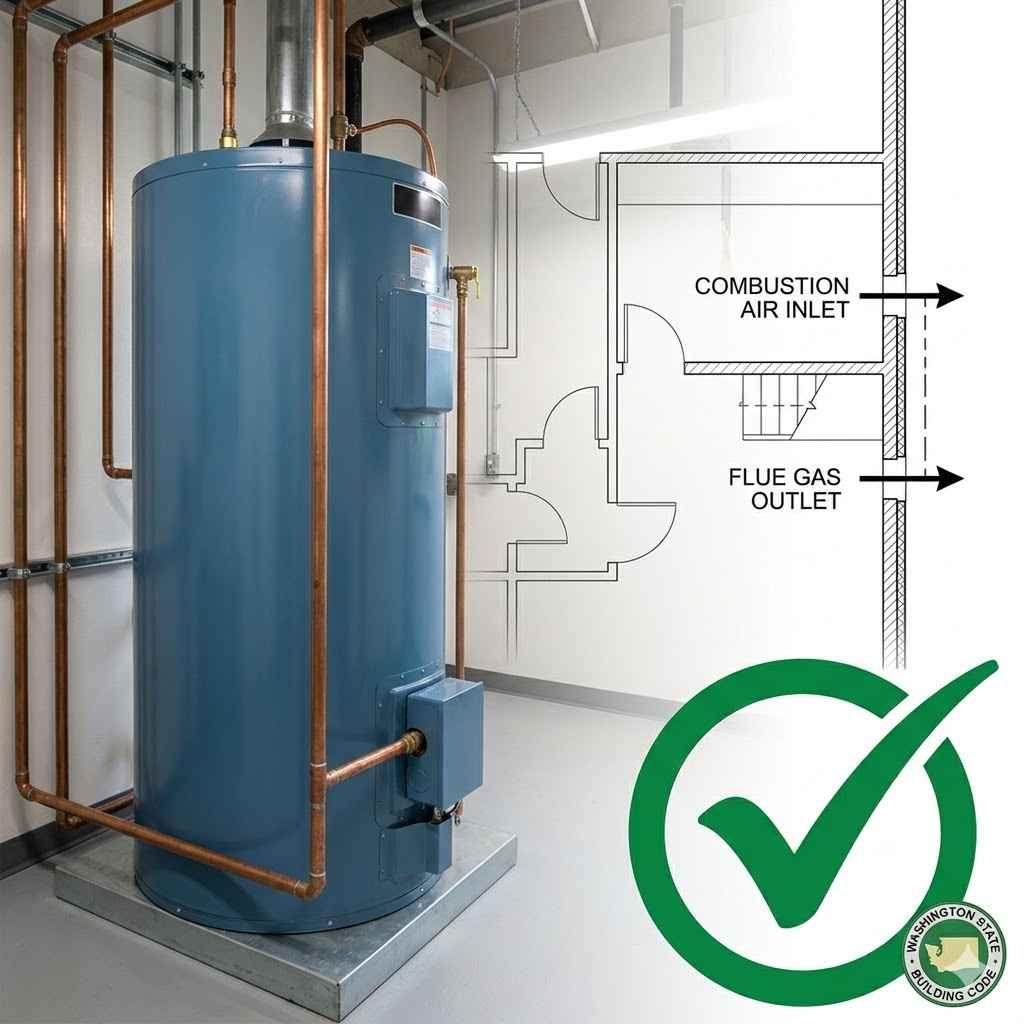
Proper venting is key. It gets these fumes out of the building. This is a big part of the rules.
The size matters a lot. Commercial models are much bigger. They hold more water.
They can heat it up quicker. This is called the recovery rate. For businesses, a low recovery rate means running out of hot water.
This is bad for customer service. It can halt operations. So, choosing the right size is vital.
It’s not just about gallons. It’s about how fast it can refill and reheat.
Why Regulations Exist for Gas Water Heaters
Regulations are not there to make things hard. They are there to keep people safe. Safety is the number one reason.
With gas appliances, there are risks. The main risk is carbon monoxide poisoning. If a heater isn’t vented right, fumes can build up inside.
This can be deadly. Codes ensure heaters are installed to prevent this.
There’s also the risk of fire. Gas is flammable. Proper installation means keeping flammable materials away.
It means using the right connections. It means checking for leaks. Building codes cover all these points.
They are based on studies and past accidents. They aim to prevent future problems.
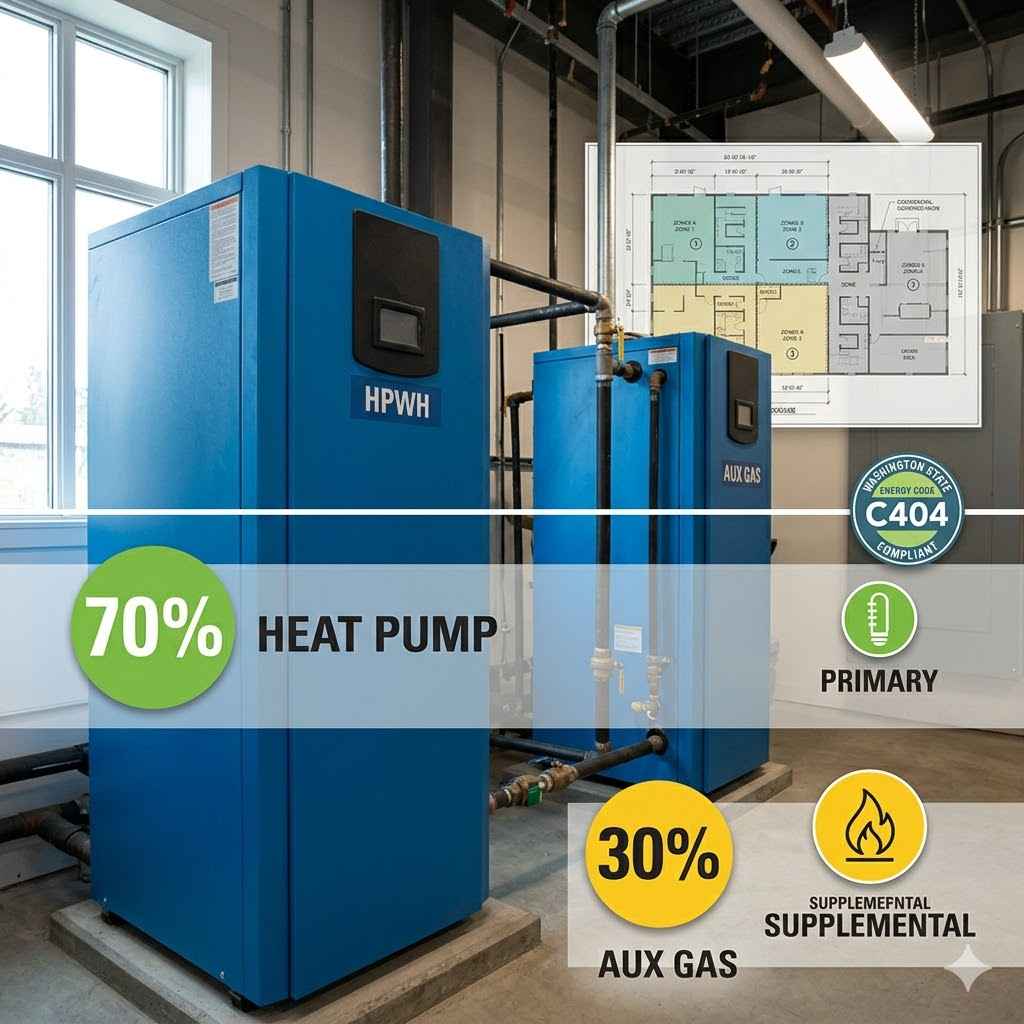
Efficiency is another big factor. Energy costs are high for businesses. Rules can encourage or require more efficient models.
This saves money. It also helps the environment. Newer gas heaters are much better than older ones.
They waste less energy. The state wants to promote these. They might have standards for minimum efficiency ratings.
Finally, there are performance standards. A water heater needs to do its job. It needs to provide enough hot water.
It needs to do so reliably. Codes might set standards for pressure relief valves. These prevent the tank from exploding.
They ensure the heater works as intended.
Washington State Building Codes and Gas Appliances
Washington State follows national standards. It also adds its own rules. The primary code is the Washington State Energy Code.
It covers energy efficiency. Then there’s the Washington State Building Code. This is a broad set of rules for construction.
It incorporates standards for mechanical systems. This includes plumbing and heating.
For gas appliances, the International Fuel Gas Code (IFGC) is often adopted. This code is very detailed. It covers gas piping.
It covers venting. It covers appliance installation. It specifies types of vents.
It sets distances from combustible materials. It details how to connect gas lines. It’s the backbone for safe gas installations.
Local cities and counties can have their own amendments. This means rules might differ slightly. A Seattle business might have slightly different requirements.
Or a Spokane business. Always check with your local building department. They are the final authority for your area.
They issue permits and do inspections.
These codes are updated regularly. They reflect new technologies. They reflect new safety findings.
It’s important to use the current code. Installing an appliance based on an old code could be a problem. It might not meet today’s safety standards.
It could fail inspection.
Permits and Inspections: What You Need to Know
You cannot just buy a commercial gas fired water heater and install it. A permit is almost always required. This is for any significant appliance change or installation.
The permit process is designed to ensure compliance. You or your contractor will apply for a permit. You’ll submit plans.
These plans show where the heater will go. They detail the venting. They detail the gas line.
They detail safety features.
The building department reviews these plans. They make sure they meet code. If approved, you get the permit.
Then, the installation begins. During and after installation, inspections happen. An inspector will visit your site.
They check the work. They make sure it matches the approved plans. They verify it meets all code requirements.
Common inspections include:
- Gas piping inspection: Checks the connections to the heater.
- Venting inspection: Ensures fumes will be safely removed.
- Final inspection: A general check of the entire installation.
Passing these inspections is mandatory. Your permit is not closed until you pass. If you fail, you’ll need to make corrections.
Then you’ll need another inspection. Skipping permits and inspections is a bad idea. It can lead to fines.
It can lead to your business being shut down. More importantly, it’s unsafe.
Key Safety Features for Commercial Gas Water Heaters
Modern commercial gas water heaters have several safety features built-in. Understanding these helps you appreciate the codes. First, the Temperature and Pressure (T&P) relief valve is critical.
If water gets too hot or pressure builds too high, this valve opens. It releases water. This prevents the tank from rupturing or exploding.
Second, flame arrestors are important. These prevent a flame from going back into the gas line. This is a safety measure against flashbacks.
Third, most heaters have a high-limit control. This shuts off the gas if the water temperature goes too high. It’s a backup to the thermostat.
Combustion air is also vital. Gas needs oxygen to burn cleanly. The heater needs a source of fresh air.
Codes specify how much air is needed. They dictate how that air is supplied. Poor combustion air leads to incomplete burning.
This produces more carbon monoxide.
Finally, venting is paramount. This includes the vent pipe material. It includes its size.
It includes its slope. It includes how it connects to the chimney or vent. It must create a draft.
This pulls the exhaust gases up and out. Improper venting is a leading cause of CO issues.
Gas Water Heater Safety Checklist
Vent Termination: Is the vent pipe clear of obstructions? Is it located far enough from windows and doors? Does it have proper clearance from combustible materials?
Gas Supply Line: Is the pipe size correct? Are fittings sealed properly? Is there a shut-off valve nearby?
Clearance: Is there enough space around the heater? Are flammable materials stored away?
Pilot Light (if applicable): Is the flame steady and blue? A yellow or wavering flame can indicate issues.
Condensation: Is there excessive condensation? This might mean improper venting or flue temperature.
When is a Commercial Gas Water Heater NOT Allowed?
While generally allowed, there are specific situations where a commercial gas fired water heater might face restrictions or be disallowed outright. One primary reason is if the building cannot accommodate proper venting. Some older buildings might lack the structural space or chimney access needed for safe exhaust removal.
In such cases, an electric water heater might be the only viable option.
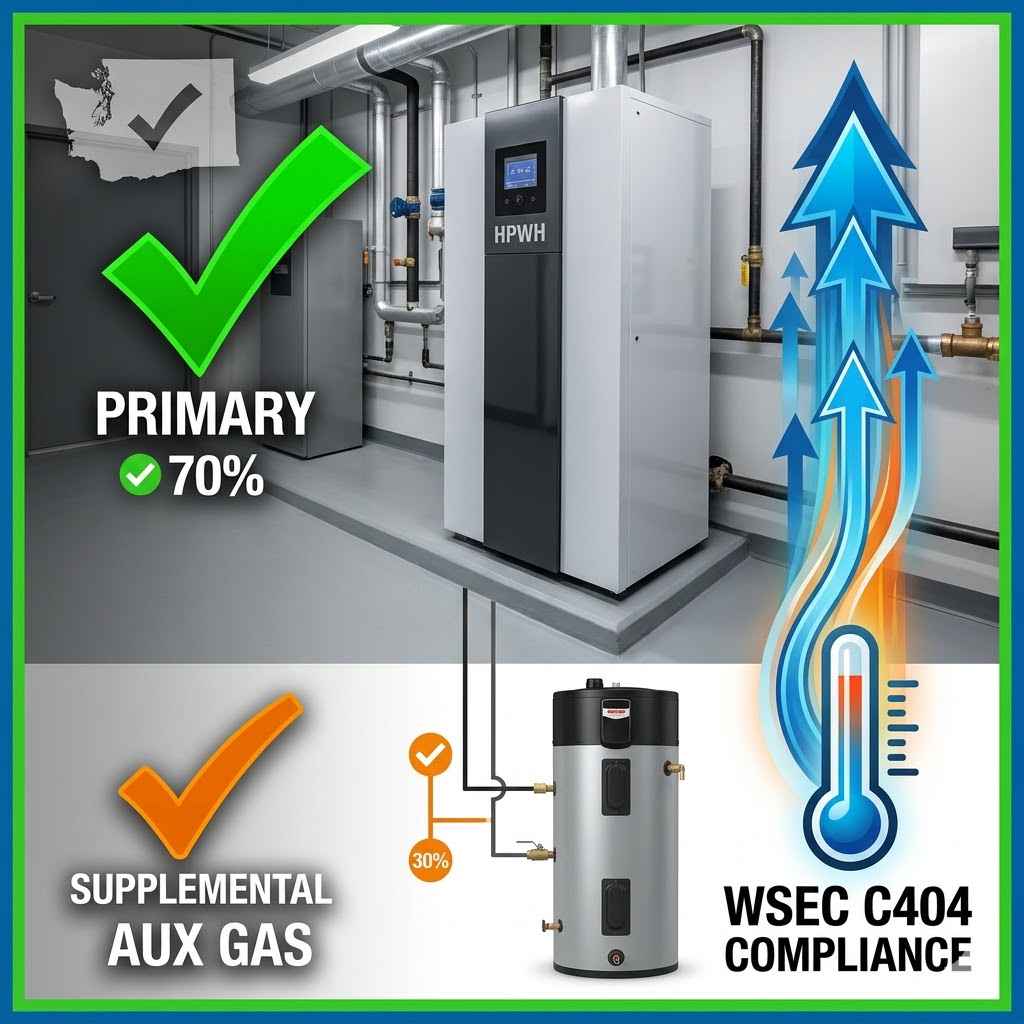
Another scenario involves local ordinances. Some cities or counties might have specific environmental goals. They might discourage or ban new gas appliance installations.
This is becoming more common in areas pushing for electrification. It’s essential to check with your local planning and building departments. They will have the most up-to-date information on any local restrictions.
Furthermore, if the building’s gas supply is inadequate, installation might not be possible. The gas utility company can determine if your current supply can handle the demand of a commercial gas water heater. If not, costly upgrades might be necessary, or you may need to consider other options.
Finally, certain historical buildings might have strict regulations. Preserving the original character could mean limitations on new appliance installations. These restrictions are usually very specific and might require special approvals or alternative solutions.
Contrast: Gas vs. Electric Commercial Water Heaters
| Feature | Gas Water Heater | Electric Water Heater |
| Initial Cost | Higher | Lower |
| Operating Cost | Lower (gas is cheaper per BTU) | Higher (electricity is more expensive per BTU) |
| Heating Speed | Faster recovery rate | Slower recovery rate |
| Installation Needs | Venting, gas line, combustion air | Sufficient electrical capacity |
| Environmental Impact | Combustion emissions (CO2, NOx) | Depends on electricity source (cleaner if grid is renewable) |
My Own Experience with a Tricky Installation
I remember a client, a small diner up near Bellingham. They were expanding their kitchen. They needed a bigger water heater for the dishwashing.
They chose a nice, efficient gas model. Easy, right? Well, not quite.
We got the permit. We had the new gas line run. But when the inspector came, he pointed out a problem.
The existing flue was old. It was clay tile. It was too narrow for the new, bigger heater’s exhaust.
Plus, it had some cracks. The inspector said it wasn’t safe. It wouldn’t draft properly.
He flagged it. We were stalled. My client was getting anxious.
They couldn’t run their full dishwasher.
It felt like a punch to the gut. All that planning. So, we had to find a solution.
We couldn’t just repair the old flue. It needed a full upgrade. We ended up installing a stainless steel liner.
It went all the way up the chimney. This was a bit more work. And it cost more too.
But it met code. The inspector signed off. The diner got its hot water back.
It taught me a valuable lesson. Always check the venting. It’s often the hidden hurdle.
What to Look for in a Commercial Gas Water Heater
When choosing a commercial gas fired water heater, you’ll see different types. The most common is the storage tank model. These are like giant thermoses.
They keep a large volume of water hot. You need to match the tank size to your needs. This involves looking at how much hot water you use during peak times.
Recovery rate is key here. How fast can it heat up more water?
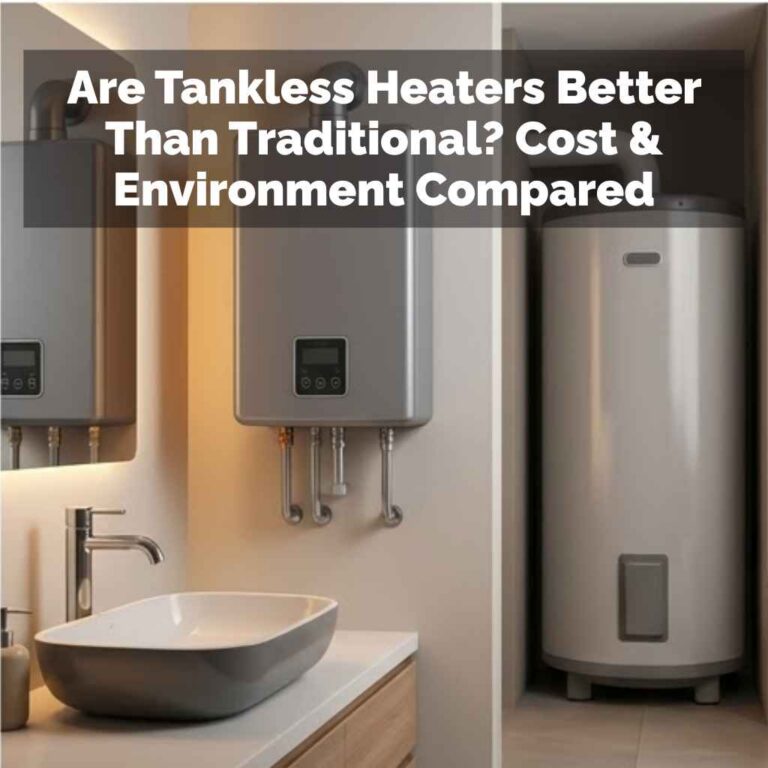
Then there are tankless or on-demand water heaters. These heat water as it flows through them. They don’t store hot water.
This means they can save energy. They never run out of hot water. However, they have a maximum flow rate.
For a busy commercial setting, you might need multiple units. Or a very large commercial tankless unit. Gas tankless heaters are powerful.
They also require robust venting.
Look at the energy efficiency rating. This is often shown as an Energy Factor (EF) or Uniform Energy Factor (UEF). A higher number means better efficiency.
This translates to lower gas bills. Also, check the warranty. Commercial equipment takes a beating.
A good warranty provides peace of mind.
Consider the warranty length. Look at what it covers. Does it cover parts and labor?
Commercial units can be expensive to repair. Ensure the manufacturer is reputable. You want a company that stands behind its products.
Also, think about serviceability. Can local technicians easily get parts for this brand? Is it a common model?
Key Features to Consider
Capacity: Gallons stored or flow rate (GPM).
Recovery Rate: How quickly it heats more water.
Energy Efficiency: UEF rating.
Fuel Type: Natural gas or propane.
Vent Type: Atmospheric, direct vent, or power vent.
Warranty: Length and coverage.
Brand Reputation: Reliability and support.
When is Your Water Heater Temperature Normal?
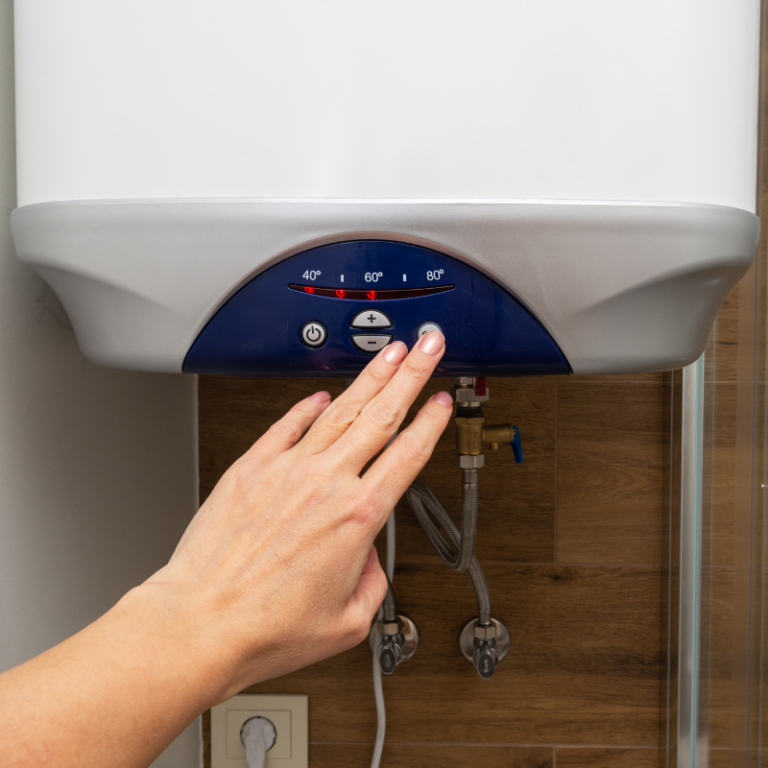
The temperature of your hot water can be a sign. For commercial settings, there are often specific needs. Health codes might dictate minimum temperatures for sanitation.
For example, commercial dishwashers need very hot water. Many regulations suggest setting the thermostat between 120°F and 140°F (49°C to 60°C).
Below 120°F, you risk bacterial growth. This is especially true for Legionella. This bacteria can grow in warm water.
It can cause a serious lung infection. So, keeping the temperature up is important for health. However, too high a temperature is a scald risk.
This is why the 120°F to 140°F range is common. It balances safety and sanitation.
Regular checks are a good idea. Use a thermometer to test the water temperature. You can test it at a faucet.
Do this a few minutes after running the hot water. This ensures you’re getting the tank temperature. If it’s consistently too low or too high, investigate.
It could be a thermostat issue. Or it could be a sign of a larger problem.
Some newer commercial units have digital controls. These allow for precise temperature setting. They often have built-in diagnostic features.
This makes troubleshooting easier. Always refer to your owner’s manual for recommended settings. Your local health department might also have specific guidance.
When Should You Worry About Your Gas Water Heater?
There are signs that your commercial gas fired water heater might have a problem. And some signs mean you should worry immediately. If you smell gas, leave the building.
Do not turn on lights or use your phone. Call the gas company from a safe distance. This is a serious emergency.
Another worry sign is a smell of rotten eggs. This usually means a sulfur smell. This can come from bacteria in the water.
It’s often related to the anode rod. It’s not usually dangerous. But it needs addressing.
It can affect water quality.
If you see water leaks, worry. A small drip might be a loose fitting. But a steady leak could be a tank problem.
A leaking tank often means replacement. Check the connections, the valve, and the tank itself.
Strange noises are also a concern. Rumbling or popping sounds can mean sediment buildup. This sediment can damage the tank.
It also makes the heater less efficient. Banging noises might mean air in the lines. Or it could be a sign of a failing part.
If you have no hot water, or not enough, that’s a clear sign. It could be a thermostat issue. It could be a thermocouple problem.
It could be a bigger mechanical failure. Finally, if the pilot light won’t stay lit, it’s a problem. This often points to a faulty thermocouple or gas control valve.
Signs It’s Time for a Professional Check
Smell of Gas: IMMEDIATE DANGER. Evacuate and call 911 or your gas company.
Unusual Noises: Popping, rumbling, banging.
Water Leaks: Around the base, connections, or tank.
Discolored Water: Rusty or cloudy water.
Insufficient Hot Water: Not enough hot water for your needs.
Pilot Light Issues: Won’t stay lit or burns with a yellow flame.
Quick Tips for Maintaining Your Gas Water Heater
Regular maintenance can prevent problems. It also makes your heater last longer. And it keeps it running safely.
One of the easiest things you can do is flush the tank. Sediment builds up over time. This is especially true in areas with hard water.
Flushing removes this sediment.
How often? It depends on your water. Once a year is a good starting point.
If you have very hard water, you might need to do it more often. How to do it? You’ll need to drain the tank.
You might need to connect a hose to the drain valve. Then open it. Let the water run out.
You might see cloudy water or grit. Keep flushing until the water runs clear.
Check the anode rod. This rod sacrifices itself to protect the tank from corrosion. It’s made of magnesium, aluminum, or zinc.
Over time, it corrodes away. If it’s mostly gone, the tank starts to corrode. You should inspect it every 1–3 years.
Replace it when it’s about half dissolved. This is a key maintenance task.
Test the T&P relief valve. This is simple. You’ll see a lever on the valve.
Lift the lever slightly. Hot water should come out. Then let the lever go.
It should snap back into place. Water should stop flowing. If it doesn’t release water, or it keeps leaking, it needs replacing.
This valve is a critical safety device.
Finally, keep the area around the heater clear. Make sure there’s good airflow. Remove any stored items.
This prevents fire hazards. It also ensures the heater gets enough combustion air.
Frequently Asked Questions About Commercial Gas Water Heaters in WA
Are there specific permits needed for a commercial gas water heater in Washington State?
Yes, almost always. You will need to apply for and obtain a building or mechanical permit from your local city or county building department before installation. This ensures the work is inspected and meets all safety codes.
What are the main safety concerns with gas fired water heaters?
The primary concerns are carbon monoxide (CO) leaks from improper venting and the risk of gas leaks or explosions. Regulations are in place to mitigate these risks through strict installation and venting requirements.
Can I install a commercial gas water heater myself in Washington?
While technically possible for some very minor tasks, for a commercial installation, it is highly recommended and often required by permit to use a licensed and qualified professional plumber or HVAC contractor. They understand the complex codes and ensure safe, compliant installation.
How do I find out about specific local rules in my Washington city?
Contact your local city or county building department. They manage permits and inspections. Their website usually has information on codes and permit applications, or you can call them directly.
What is the difference between a direct vent and an atmospheric vent gas water heater?
An atmospheric vent heater draws combustion air from the surrounding room and vents exhaust gases up through a chimney or vent pipe. A direct vent heater draws combustion air from outside and vents exhaust gases outside using a sealed system, making it safer for spaces with limited fresh air.
How often should I have my commercial gas water heater inspected?
It’s wise to have your commercial gas water heater inspected by a professional at least annually. This includes checking for leaks, ensuring proper venting, testing safety valves, and performing necessary maintenance like flushing the tank and checking the anode rod.
What is a good energy efficiency rating for a commercial gas water heater?
Look for a high Uniform Energy Factor (UEF) rating. While exact standards vary, generally, a UEF above 0.60 is considered good for tank-style gas water heaters, with tankless models often having much higher efficiency ratings. Higher UEF means lower energy bills.
Conclusion: Staying Compliant and Safe
So, can you install a commercial gas fired water heater in Washington State? The answer is yes, but with conditions. Safety codes and permits are not obstacles.
They are safeguards. They protect your business, your employees, and your customers. Always work with licensed professionals.
Always check with your local building department. Getting it right the first time saves headaches. It ensures reliable hot water for your operations.
Sponsored / affiliate links. As an Amazon Associate I earn from qualifying purchases. I may earn additional commission from eligible campaigns.
 Water Flow Control Shut Off Valve with Brass Adjustable Hand Level Water Pressure Regulator for Hand Held Shower Head & Bidet Sprayer, Brushed Nickel Water Saver G1/2
 Faucet Hose Connector, 39 Inch Length Faucet Water Supply Lines 2 PCS Braided Stainless Steel 3/8" Comp x 1/2" Comp for Bathroom Kitchen Sink Faucet (1 Pair)