Are People Ever Sorry They Installed Electric Tankless Water Heaters?
Many folks jump into this decision, excited about the benefits. Then, down the road, some find out there are hidden downsides. They might feel a bit blindsided.
It’s totally normal to wonder if others have had second thoughts after making the switch.
This article is here to explore those feelings. We’ll look at what can go wrong. We’ll talk about the things people often wish they knew before they bought.
Our goal is to give you the full picture. That way, you can make the best choice for your own home. We want you to feel confident and happy with your decision.
When people ask if they are ever sorry they installed electric tankless water heaters, the answer is yes, but it’s not always about the unit itself. Regrets often stem from unmet expectations, installation issues, or choosing the wrong size for their needs. Understanding these potential pitfalls is key.
What Are Electric Tankless Water Heaters?
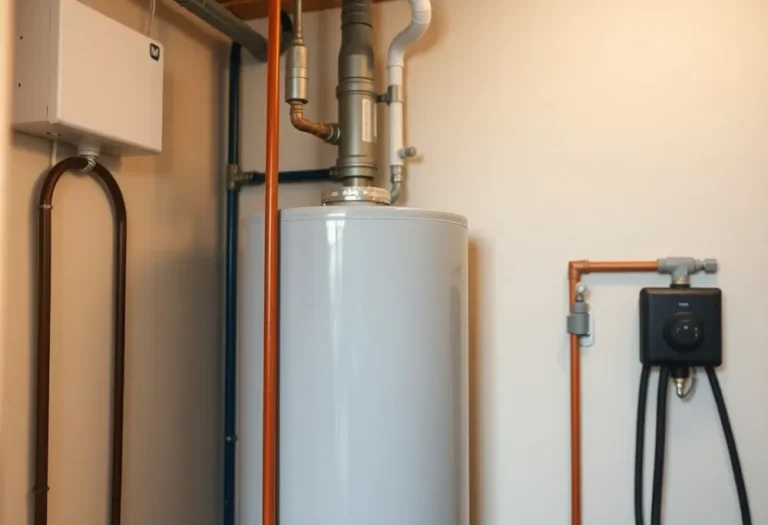
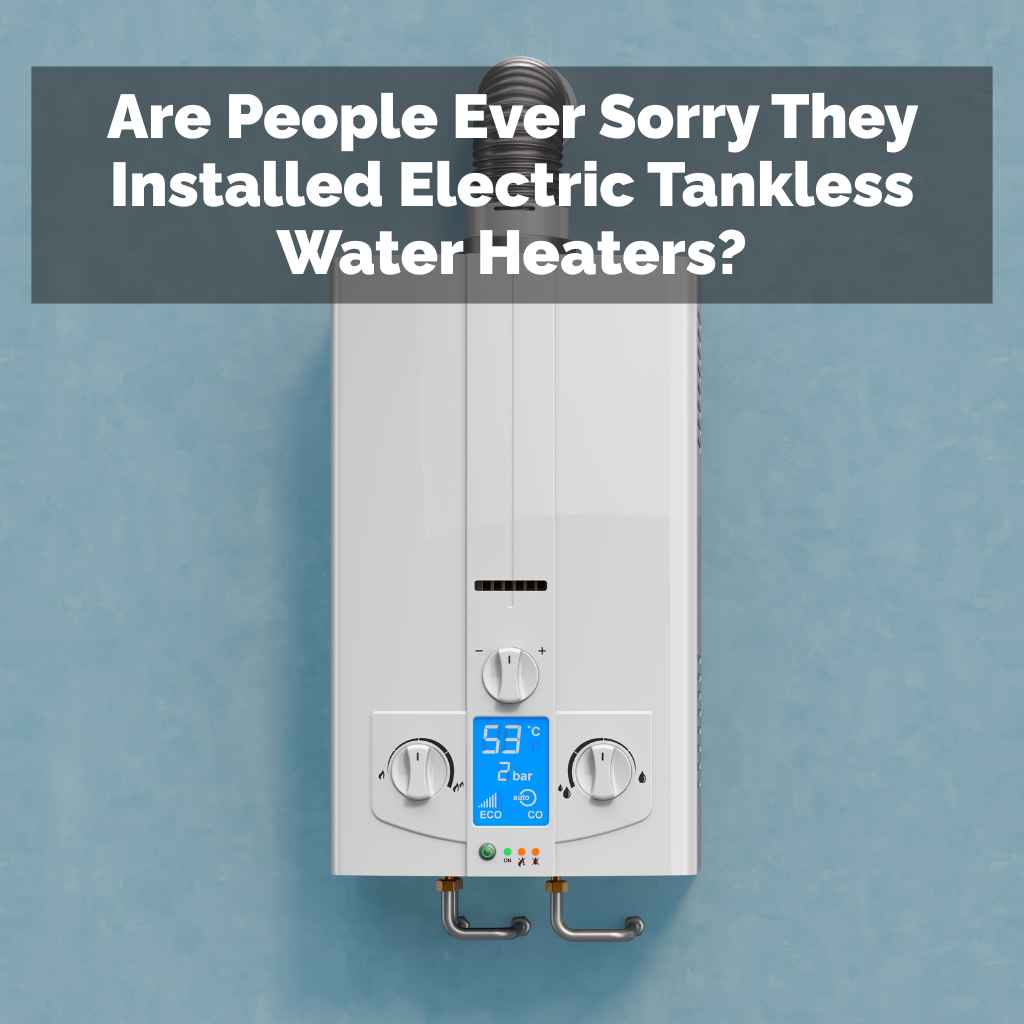
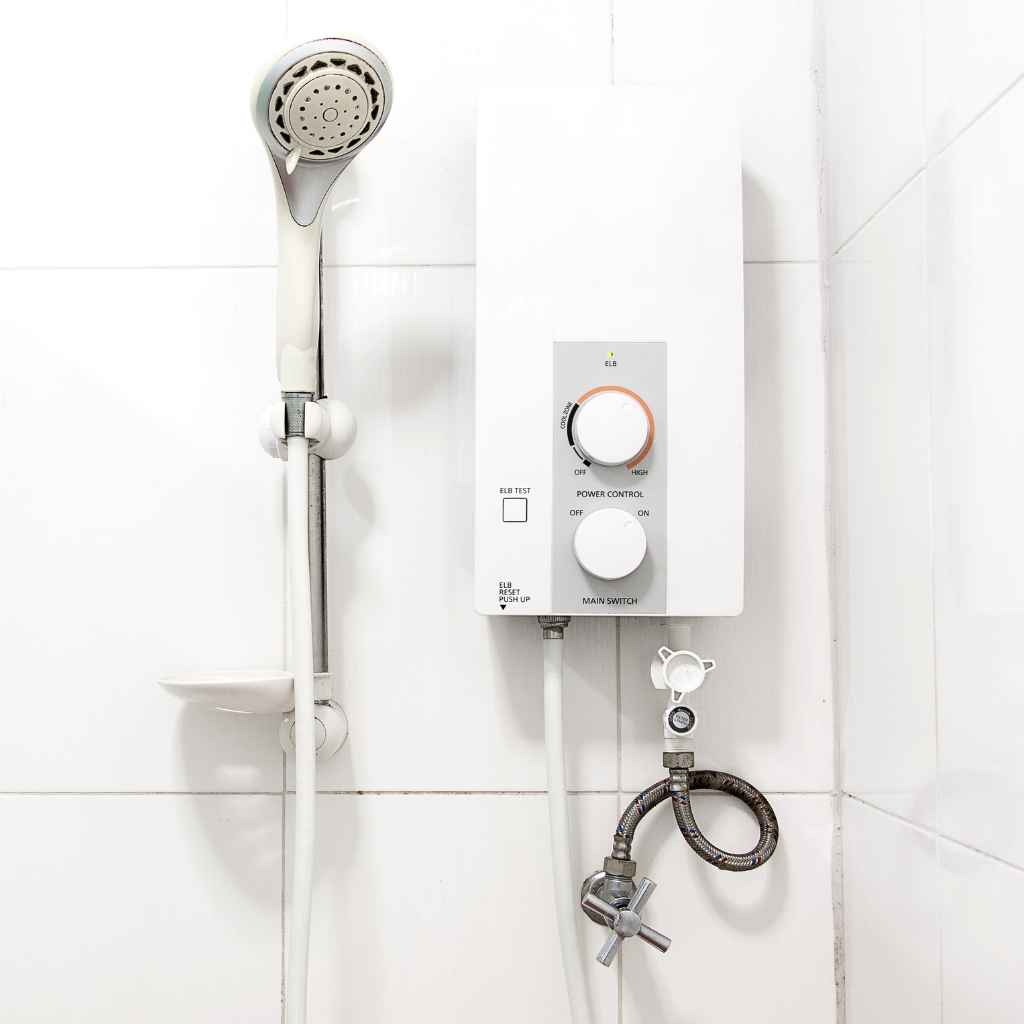
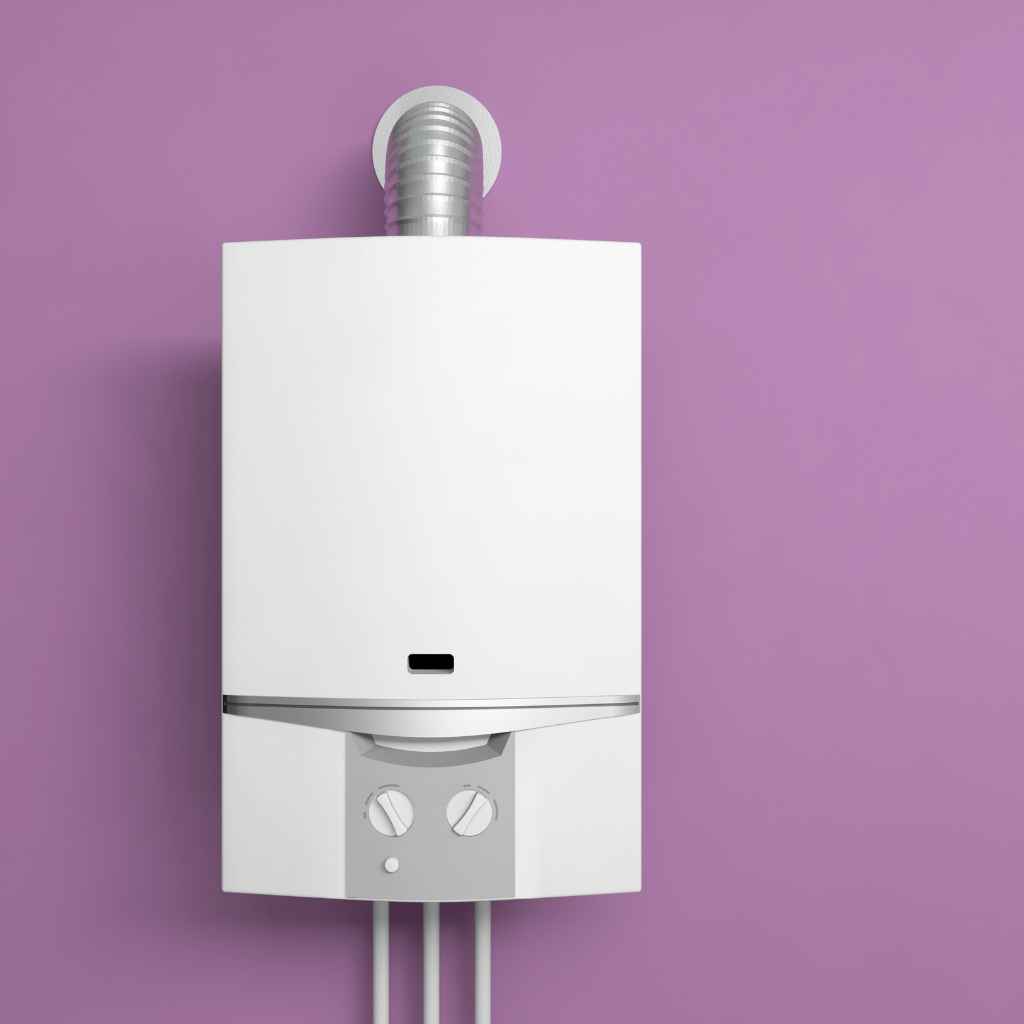
An electric tankless water heater is a device that heats water on demand. Unlike old-style tank heaters, it doesn’t store hot water. When you turn on a hot water tap, the unit instantly heats the water as it flows through.
It uses powerful electric heating elements to do this. This means you get hot water whenever you need it.
These units are much smaller than traditional tanks. They mount right onto a wall. This saves a lot of floor space in places like basements or utility closets.
They are also known for being energy efficient. This is because they only use energy when you are actually using hot water. They don’t constantly reheat a large tank of water.
However, they require a significant amount of electricity. They need a lot of power to heat water instantly. This can sometimes be a surprise to homeowners.
The amount of hot water they can provide depends on the model and the incoming water temperature. Cold climates can make them work harder.
My Own “Oh No” Moment with Tankless
I remember a few years back, my parents decided to go tankless. They were so excited about the idea of never running out of hot water. Their old tank heater was in a cramped corner of the basement and was starting to show its age.
They picked a nice, sleek electric model.
The installation went smoothly enough. They loved the extra space in the basement. For the first few weeks, it was pure bliss.
Long showers, no fighting over who got the last bit of hot water. Then came a particularly cold snap. Our winter here in Ohio can be brutal.
The thermostat inside the house dropped quite a bit.
One morning, my dad went to take his usual long shower. He loves to listen to podcasts while he shaves. He turned the dial to hot.
He waited. And waited. The water was lukewarm.
Not cold, but definitely not the hot water he expected. He turned it off, confused. He tried again.
Same thing.
He called my mom. She tried the kitchen sink. Same lukewarm water.
Panic started to set in for them. They thought the expensive new heater was broken already! I drove over, a bit worried myself.
As I was walking in, I saw the electrician who had installed it. He was shaking his head with a wry smile.
He explained that on those super cold days, when the incoming water is already near freezing, the electric tankless unit struggles. It simply couldn’t heat the water fast enough or hot enough for their needs at that moment. They had undersized it for the coldest days of the year.
It was a tough lesson learned. They had to adjust their shower times. They learned to take quicker showers on those days.
It wasn’t the endless hot water dream they had imagined on that specific, frigid morning. It made me realize how important understanding the specifics of your climate and usage is.
Common Misunderstandings About Electric Tankless
Myth: They are always cheaper to run than tank heaters.
Reality: While they only heat water when needed, electric tankless units use a lot of power at once. Your electricity bill might jump on days you use a lot of hot water. It depends on your rates and usage.
Why Do People Get Disappointed?
There are several reasons why folks end up regretting their electric tankless water heater choice. It’s often about expectations not matching reality. Let’s break down some common issues.
One biggie is the flow rate. This is how much hot water the unit can deliver at once. If you have a big family, or if multiple people like to shower at the same time, you might run into problems.
The heater might not be able to keep up. This leads to lukewarm water for some. It feels like the “endless hot water” promise is broken.
Another factor is temperature rise. This is how much the heater can increase the water’s temperature. In warmer parts of the country, this is less of an issue.
The incoming water is already warmer. But in colder climates, the heater has to work much harder. It needs to boost the temperature more.
If the unit isn’t powerful enough for your local climate, you’ll get less hot water.
Installation costs can also be a surprise. While the unit itself might seem affordable, installing it can be pricey. Electric tankless heaters need a lot of electricity.
They often require upgraded electrical panels and heavier gauge wiring. This adds to the overall expense. If your home’s electrical system isn’t ready for it, that cost can be significant.
Some people also find that the maintenance is more involved than they thought. They need regular descaling, especially in areas with hard water. This prevents mineral buildup.
If not done, it can reduce efficiency and shorten the heater’s life. This is an extra chore many didn’t consider.
When to Worry About Your Tankless Heater
Small Flow Issues: If your hot water is only slightly cooler than usual for short periods, it might be normal use. If it’s consistently lukewarm or cold, there’s a problem.
Sudden Price Jumps: A big increase in your electricity bill that you can’t explain might point to an inefficient unit or a problem.
Strange Noises: Odd sounds like banging or whistling could mean mineral buildup or a mechanical issue.
Leaks: Any water around the unit needs immediate attention.
Understanding Flow Rate and Gallons Per Minute (GPM)
The flow rate of a water heater is super important. It’s measured in gallons per minute (GPM). This tells you how much hot water the heater can supply at any given moment.
Think of it like a faucet. A small faucet doesn’t let out much water. A big faucet lets out a lot.
Your home’s needs determine the GPM you need. A single-person apartment might only need 1 to 2 GPM. A busy family with multiple bathrooms might need 5, 7, or even more GPM to run everything at once.
Running a shower often uses about 2.5 GPM. A dishwasher might use 1 GPM. A washing machine can use 1.5 GPM.
Electric tankless heaters have a maximum GPM they can produce. This maximum GPM also changes based on how much you need to heat the water. If the incoming water is 50°F and you want it 120°F, that’s a 70°F rise.
If the incoming water is 70°F and you want it 120°F, that’s only a 50°F rise. The heater can deliver more GPM when the rise is smaller.
This is where many people run into trouble. They don’t calculate their peak usage. They might buy a unit that can only provide 3 GPM.
But if two showers are running (2.5 GPM each), that’s 5 GPM needed. The unit can’t keep up. You’ll get lukewarm water.
Tip: To figure out your peak demand, list all the hot water appliances you might use at once. Add up their GPM requirements. Then, look at the GPM your chosen tankless heater can provide at your climate’s typical incoming water temperature.
Quick Flow Rate Guide (Approximate)
Low Demand (1-2 people): Shower, sink faucet = ~3-4 GPM needed
Medium Demand (2-3 people): Two showers, sink = ~5-6 GPM needed
High Demand (4+ people): Multiple showers, kitchen, laundry = ~7-10+ GPM needed
The Challenge of Cold Climates
Living in a region with very cold winters presents a unique challenge for electric tankless water heaters. The temperature of the water coming into your home from the ground can be quite low. In places like Minnesota or New England, this water can be as cold as 35-40°F in the winter.
Electric tankless heaters are rated by their ability to raise water temperature. They also have a maximum flow rate. Let’s say a unit can produce 7 GPM.
That might be fine in Florida where the incoming water is 70°F. It can easily heat it to 120°F, a 50°F rise.
But in Minnesota, if the incoming water is 40°F, you need a 80°F rise to reach 120°F. That same 7 GPM unit might only be able to deliver about 4 GPM at that much larger temperature rise. If your family needs 5 GPM for two showers, that unit will not keep up.
This is a very common reason for regret. People in colder climates buy a unit that looks good on paper but doesn’t account for their specific environmental conditions. They end up with insufficient hot water when they need it most, during those frigid winter months.
It feels like a bait-and-switch, even though it’s just a matter of matching the unit to the climate.
Many manufacturers will provide charts showing GPM output at different temperature rises. It’s crucial to look at these charts and use numbers relevant to your region. Don’t just trust the unit’s maximum GPM in ideal conditions.
Always consider the worst-case scenario for incoming water temperature.
Cold Climate Check
Incoming Water Temp: Research your area’s typical winter water temperature.
Required Rise: Subtract incoming temp from your desired hot water temp (usually 120°F).
Unit Specs: Find GPM output for that specific temperature rise on the manufacturer’s chart.
Peak Demand: Compare that to your home’s highest GPM needs.
Electrical Requirements Can Be Shocking
This is perhaps the most overlooked aspect by many homeowners. Electric tankless water heaters are power hungry. They need a lot of electricity to heat water instantly.
This isn’t like plugging in a toaster. This is more like powering a small appliance with a very high demand.
A typical whole-house electric tankless heater can require anywhere from 80 amps to even 120 amps of dedicated electrical service. This is a huge amount of power. Many older homes, or even some newer ones, do not have electrical panels that can support such a demand.
The main service coming into the house might not be large enough.
If your electrical panel isn’t up to the task, you’ll need an upgrade. This involves a new, larger main breaker and potentially new wiring running from the utility pole. It can be a very expensive undertaking.
Sometimes, the cost of the electrical upgrade makes the tankless heater a much less attractive option financially.
Furthermore, the wiring going from the panel to the heater must be of a specific gauge. It needs to be able to handle the high amperage safely. The circuit breaker protecting the unit must also be correctly sized.
Improper installation here is a major fire hazard. This is why it’s critical to use a qualified electrician experienced with these units.
People often buy the heater first, assuming their electrical system is fine. Then, they get a shock (pun intended!) when the electrician tells them they need thousands of dollars in upgrades. This can lead to a feeling of being misled or that the cost wasn’t fully explained.
Always get an electrical assessment before you buy.
Electrical Load Checklist
Panel Capacity: Does your main electrical panel have enough overall amperage capacity?
Available Breakers: Do you have space for one or more large, dedicated circuit breakers?
Wiring: Is there a clear path for thick, heavy-gauge wiring from the panel to the heater location?
Dedicated Circuits: Electric tankless heaters almost always need their own dedicated circuits.
The “Lukewarm” Reality of Simultaneous Use
This is a scenario that catches many people off guard. It’s not just about having enough hot water for one activity at a time. It’s about what happens when multiple hot water sources are running.
This is where the concept of simultaneous use really matters.
Imagine a busy Saturday morning. One person is in the shower. Someone else is washing dishes at the kitchen sink.
Maybe the washing machine is also running a hot water cycle. A traditional tank heater, even if it has a limited amount of hot water, will generally try to supply it consistently for a while.
An electric tankless heater, however, has to manage all these demands simultaneously. If the combined GPM demand exceeds what the unit can deliver, the temperature of the hot water will drop for everyone. It’s like trying to drink from multiple straws connected to a single, narrow pipe.
The flow slows down, and the liquid isn’t as strong.
People who are used to the steady, hot stream from a large tank might find this decline in temperature very frustrating. They might say, “It was hot for a minute, then it got cold.” This happens because the unit is struggling to keep up with the combined demand. The heating elements can only work so hard, and the water is only passing through so quickly.
This is why undersizing is such a common regret. Homeowners focus on individual uses but forget the cumulative demand. If you have a dishwasher, washing machine, and a shower running, the GPM requirement can quickly exceed the capacity of many electric tankless units, especially if the temperature rise needed is significant.
To avoid this, you really need to map out your household’s busiest hot water times. Think about what appliances and fixtures you might use at the same moment. Then, choose a unit that can comfortably handle that combined flow rate and temperature rise.
It’s better to slightly oversize than to undersize and live with lukewarm surprises.
Simultaneous Use Scenarios
Morning Rush: Shower + Dishwasher + Kitchen Sink = High GPM Demand
Laundry Day: Washing Machine + Bathroom Sink = Moderate GPM Demand
Cooking & Cleaning: Kitchen Sink + Pot Washing = Moderate GPM Demand
Important: Factor in the required temperature rise for each appliance.
The Initial Cost vs. Long-Term Savings Myth
Many people are drawn to electric tankless water heaters because they hear about energy savings. The idea is that since they only heat water when you need it, you’ll save money on your utility bills. While this can be true in some situations, it’s not always the huge savings people expect, and the upfront cost is significant.
The initial purchase price of an electric tankless unit is often higher than a comparable tank heater. Then, you add the potential cost of electrical upgrades. These costs can easily add up to several thousand dollars.
This is a big investment.
The energy savings often come from avoiding the “standby heat loss” of a tank heater. A tank heater keeps a large volume of water hot 24/7. It uses energy to maintain that temperature, even if you’re not using hot water.
Tankless heaters avoid this. This is their main efficiency advantage.
However, electric tankless heaters use a lot of electricity when they are actively heating water. If you use a lot of hot water, your electricity bill can actually go up, especially if your electricity rates are high. The total energy cost savings compared to a very efficient tank heater might be less dramatic than advertised.
For example, if you have a small household with moderate hot water use, you might see noticeable savings. If you have a large family with high hot water demand, or if you live in a very cold climate that requires a powerful unit, the savings might be minimal or even non-existent. You might just be paying more upfront for similar running costs.
It’s crucial to do the math for your specific situation. Consider your current energy bills, your hot water usage habits, the cost of the unit, installation costs, potential electrical upgrades, and your local electricity rates. Only then can you get a realistic picture of potential long-term savings.
Cost Comparison Points
Upfront Cost: Tank heaters are generally cheaper to buy and install.
Energy Loss: Tank heaters have standby heat loss. Tankless heaters don’t.
Operational Cost: Tankless heaters use more electricity during use. Tank heaters use less electricity constantly but have loss.
Long-Term Savings: Highly variable based on usage, climate, and rates.
What This Means for You: When is it a Good Idea?
So, given all these potential downsides, are electric tankless water heaters ever a good choice? Absolutely! They aren’t inherently bad.
They just need to be the right fit for your home and your lifestyle.
When they work well:
- Small Homes or Apartments: If you have low hot water demand (one or two people), a properly sized unit can be fantastic. You get the space-saving benefit and never run out for your limited needs.
- Supplemental Heating: For specific locations like a detached garage apartment, a workshop, or a small kitchenette where you only need hot water occasionally, a small point-of-use electric tankless can be ideal.
- Energy Efficiency Focus (with caveats): If you are committed to reducing standby heat loss and have a robust electrical system, and your climate is mild, they can offer efficiency gains.
- Space Saving is Paramount: If you absolutely need to free up space and can afford the potential electrical upgrades, the compact size is a major plus.
When to think twice:
- Large Families or High Demand: If multiple showers, appliances, and sinks are used at once, it’s a gamble. You’ll likely be disappointed.
- Cold Climates: Unless you invest in a very powerful (and expensive) unit, you might face the lukewarm water problem.
- Limited Electrical Capacity: If your home’s electrical panel is old or full, the cost of upgrades can be prohibitive.
- Budget Constraints: The upfront cost, including potential electrical work, can be significantly higher than a traditional tank.
Ultimately, the regret comes from buying the wrong unit for the job. It’s like buying a tiny car for a family of five who loves road trips. It’s not the car’s fault; it’s the mismatch.
Simple Checks Before You Buy
Before you even look at models, do a little homework. This will save you headaches later.
1. Assess Your Hot Water Usage
Sit down and think about your household’s typical hot water use. When do you use the most hot water? Is it in the morning with showers?
In the evening with dishes and laundry? Try to estimate the maximum gallons per minute (GPM) you might need at any one time. Add up the GPM of showers, sinks, dishwashers, and washing machines.
2. Know Your Climate’s Incoming Water Temperature
This is vital for colder regions. Look up the average groundwater temperature for your area in the winter. You can often find this information from local utility companies or plumbing supply stores.
This number will tell you the maximum temperature rise your heater will need to achieve.
3. Get an Electrical Assessment
This is non-negotiable. Have a qualified electrician inspect your home’s electrical panel and service. Ask them specifically what it would take to support an electric tankless water heater, including the cost of any necessary upgrades.
Don’t skip this step!
4. Research Specific Models Carefully
Once you know your GPM needs, your required temperature rise, and your electrical capabilities, you can start looking at models. Check the manufacturer’s specifications. Look at their charts for GPM output at different temperature rises.
Read reviews from people in similar climates and with similar household sizes.
Taking these steps will help you avoid the common pitfalls that lead to disappointment. It’s about making an informed decision based on your home’s reality, not just the marketing hype.
Common Questions About Electric Tankless Regrets
Are electric tankless water heaters worth the money?
They can be worth it if they are the right fit for your home. They save space and can be energy efficient by avoiding standby heat loss. However, the upfront cost and potential electrical upgrades can be high.
You need to carefully calculate if the long-term savings will outweigh the initial investment for your specific usage and climate.
Can I run out of hot water with an electric tankless heater?
Yes, you can. If you use more hot water than the unit can produce at once (exceeding its flow rate or GPM), the water will become lukewarm or cold. This is more likely in large families or if multiple hot water appliances are used simultaneously, especially in colder climates where the incoming water is colder.
Do electric tankless water heaters increase my electricity bill a lot?
They can. While they only heat water when needed, they use a significant amount of electricity in short bursts. If your household uses a lot of hot water, your electricity bill might increase compared to a traditional tank heater that uses less power more consistently but has standby losses.
Your local electricity rates play a big role.
What are the biggest mistakes people make when buying electric tankless?
The most common mistakes include undersizing the unit for their hot water needs (flow rate), not accounting for cold climate incoming water temperatures, and not checking their home’s electrical capacity for the high power draw. Ignoring the need for electrical upgrades is a major regret.
How long do electric tankless water heaters typically last?
When properly maintained, electric tankless water heaters can last a long time, often 20 years or more. This is generally longer than traditional tank heaters. Regular descaling, especially in areas with hard water, is crucial for their longevity and efficient operation.
Is it better to get a gas or electric tankless water heater?
Both have pros and cons. Gas tankless heaters generally offer higher flow rates and can be better for very high demand homes, but they require a gas line and venting. Electric tankless heaters are more compact and don’t need venting, but they require a significant electrical upgrade and can struggle with very high demands in cold climates.
Final Thoughts on Making the Switch
Switching to an electric tankless water heater can be a great move for some homes. The idea of endless hot water and saving space is very appealing. However, it’s crucial to go into this decision with your eyes wide open.
Many people who express regret didn’t do enough research upfront. They didn’t fully understand the flow rate needs, the impact of their local climate, or the significant electrical demands. These oversights can turn an exciting upgrade into a frustrating experience.
By arming yourself with knowledge about these potential issues, you can make a choice that truly benefits your household.
Sponsored / affiliate links. As an Amazon Associate I earn from qualifying purchases. I may earn additional commission from eligible campaigns.