Electric vs Hydronic Radiant Heat: Cost Per Square Foot
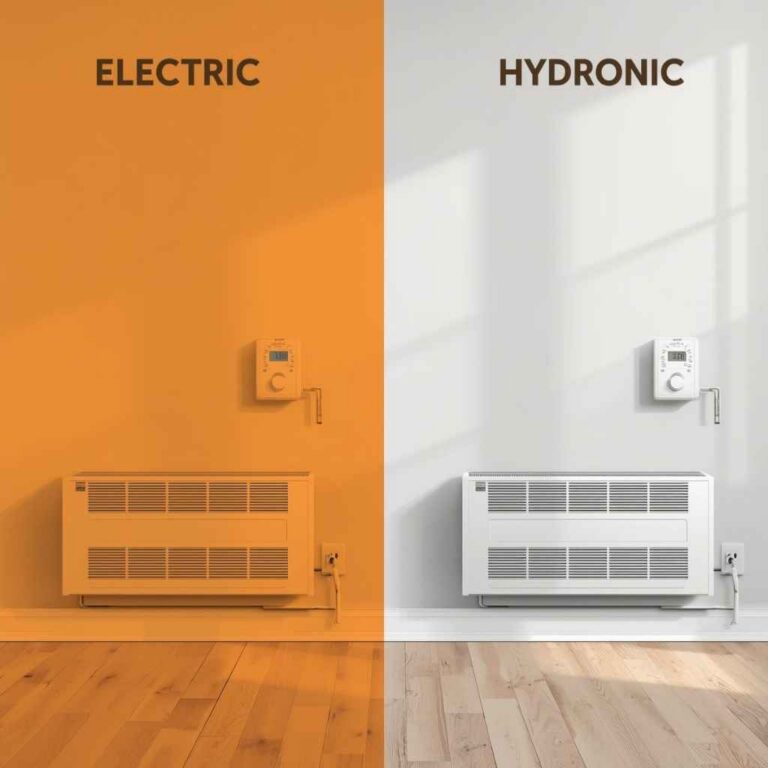
Hydronic underfloor radiant heat costs less to run long-term than electric radiant heat, even though it costs roughly twice as much to install per square foot. Over a 25-year system life, that gap can add up to tens of thousands of dollars in energy bills for whole-home heating. This guide compares installation cost, monthly running cost, and long-term value so you can pick the cheaper option for your space.
Electric Heat vs. Hydronic Radiant Heat: What’s the Difference?
Our Pick: Best Electric Radiant Floor Heat
 |
VEVOR Electric Floor Heating Mat, 20 Sq Ft – $113.90 This is the mat-and-thermostat style electric radiant heat this guide compares against hydronic tubing – the wires go right under your floor as described above. Check on Amazon |
More Electric Radiant Floor Heat This Guide Recommends
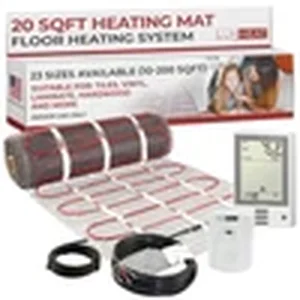 LuxHeat 20 Sq Ft Heated Floor Mat Kit – $189.00 Comes with a programmable thermostat, matching the 10 to 25 dollars per square foot electric installation cost this guide covers. Check on Amazon |
 Schluter Ditra-Heat Cable Kit, 52.9 Ft – $229.95 A cable-based alternative to mats for tile floors, the same wire-under-the-floor principle this guide explains for electric radiant heat. Check on Amazon |
 MAXKOSKO WiFi Radiant Heat Thermostat – $71.99 Lets you control run time precisely, which matters since this guide shows electric heat’s running cost is the bigger long-term expense. Check on Amazon |
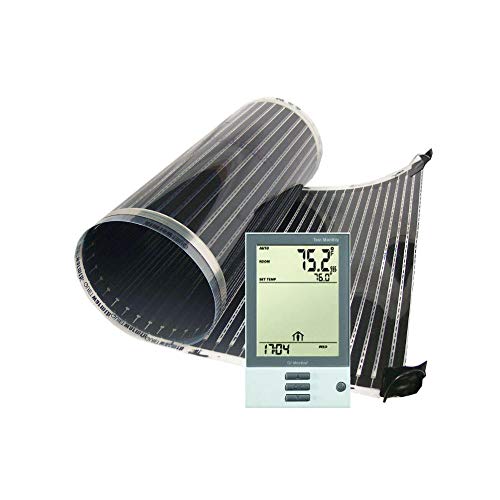
First, let’s get clear on what these systems are. Electric radiant heat uses wires or mats. These go right under your floor.
When you turn them on, electricity flows through. This makes the wires warm up. The heat then rises through your floor.
It warms the room from the ground up. This is great for smaller areas like bathrooms. It can also heat whole homes, but that gets costly.
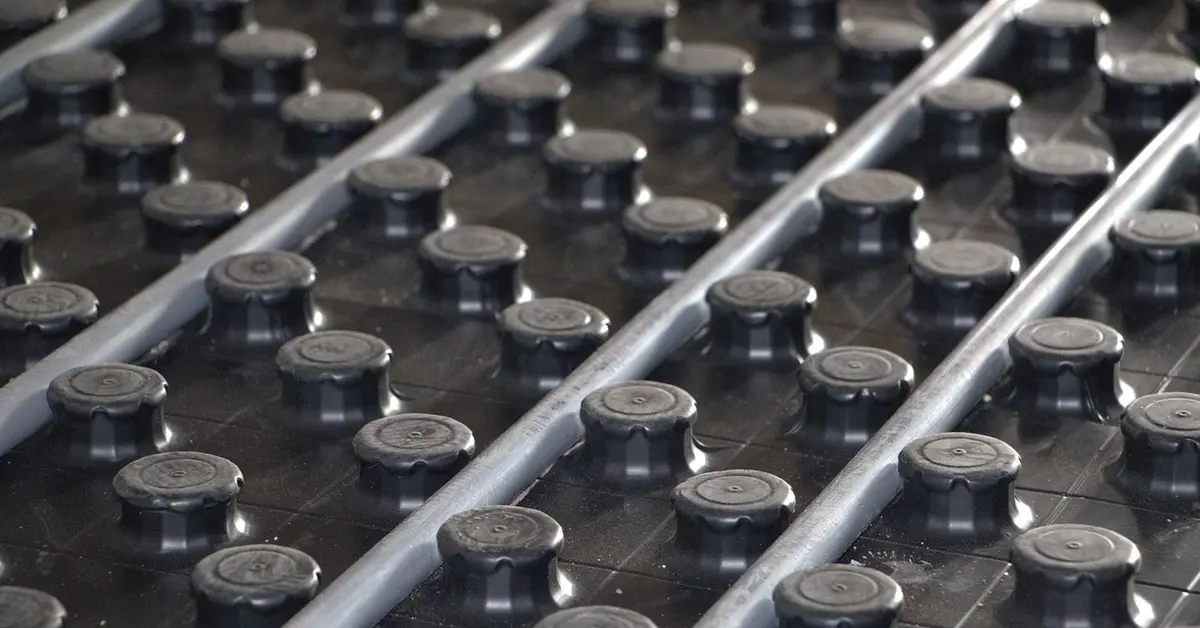
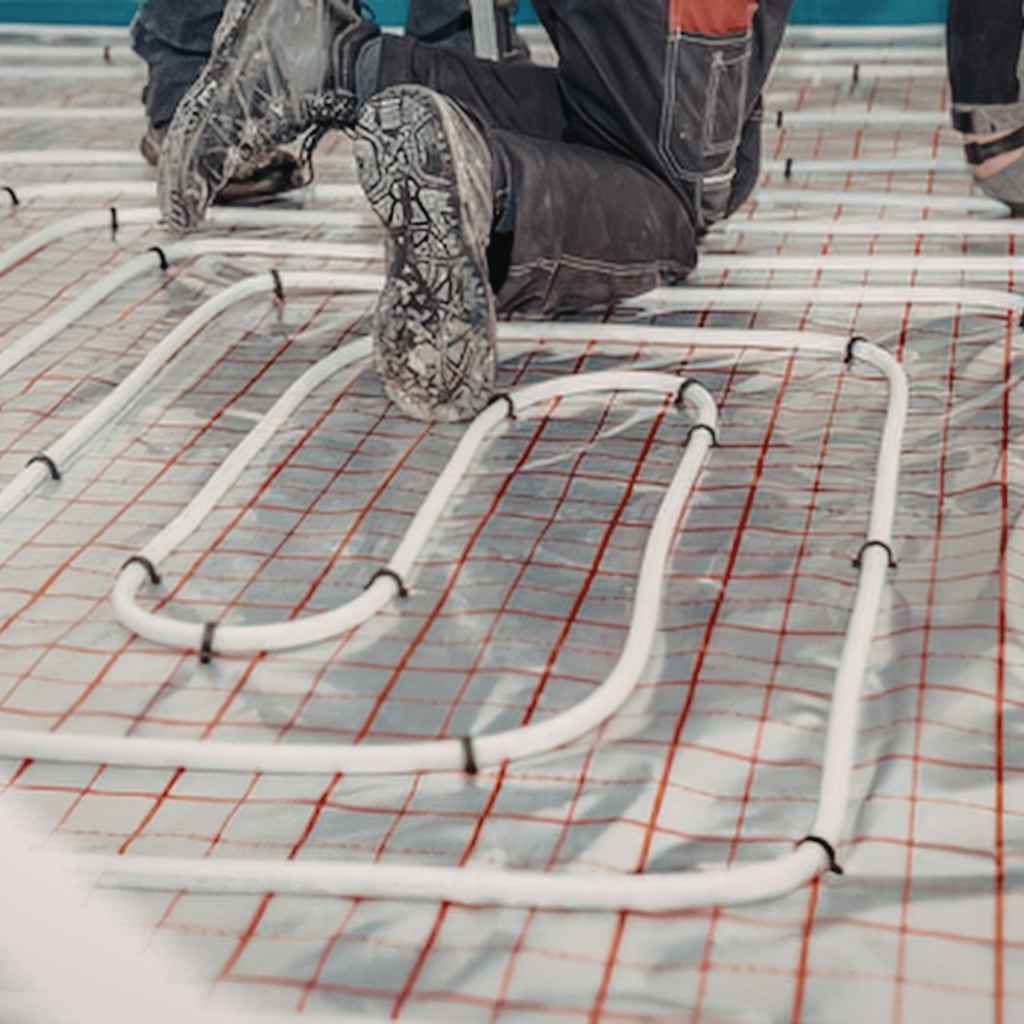
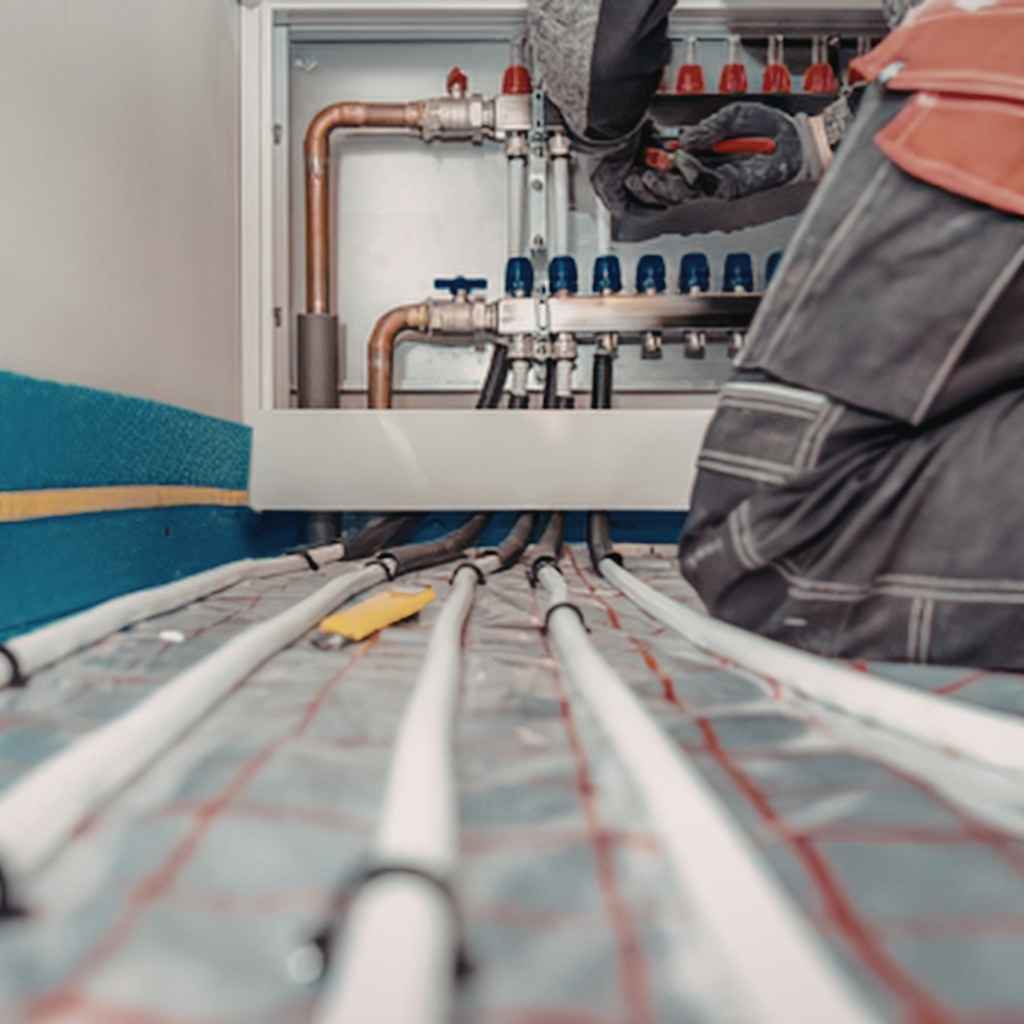
Hydronic underfloor radiant heat uses tubes filled with warm water. A boiler or water heater warms this water. Pumps then push the warm water through these tubes.
The tubes are set in concrete or under the subfloor. Like electric heat, the floor warms up. Then the heat spreads into the room.
This system is often used for larger areas. It can heat an entire house very well.
The Upfront Cost: Laying the Foundation
When you’re building or remodeling, the first thing you think about is the money you spend right away. This is the installation cost. It’s a big part of the decision.
For electric radiant floor heating, the price can be quite low. You might spend around $10 to $25 per square foot. This sounds pretty good.
It’s often less than other heating options. This makes it very tempting for small projects.
Hydronic radiant floor heating has a much higher upfront cost. Think about $20 to $40 per square foot, or even more. Why so much?
Well, you need a boiler or a heat source. You need pumps to move the water. You also need lots of tubing.
Plus, there’s the labor to install it all. This labor can be complex and takes time. So, the initial hit to your bank account is much bigger with hydronic systems.
I remember working on a guest bathroom remodel. The homeowner wanted heated floors. Electric seemed like the easy choice.
It was quick to install. The material cost was lower. We were done in a day.
For that small space, it made sense. But if we had to heat the whole downstairs, the bill would have grown fast. That’s where the numbers start to change.
Upfront Cost Comparison Snapshot
Electric Radiant Heat:
- Lower per square foot cost.
- Ideal for small rooms or additions.
- Simpler installation means less labor time.
Hydronic Radiant Heat:
- Higher square foot cost.
- Requires a boiler, pumps, and extensive tubing.
- More complex installation process.
Running Costs: The Monthly Bill Blues
Now, let’s talk about the cost that keeps coming. This is the running cost. It’s what you pay each month to keep your house warm.
Electric radiant heat uses electricity. Electricity is often one of the more expensive forms of energy. So, running an electric floor heating system can be quite pricey.
Imagine heating your whole house this way. Your electric bill could skyrocket. This is especially true in colder climates.
Hydronic radiant heat, on the other hand, uses water. This water is heated by a boiler. Boilers can run on natural gas, propane, or oil.
Natural gas is often the cheapest energy source. Propane and oil can be more expensive. But even then, heating water with a boiler is usually cheaper than heating it with electricity.
So, the monthly bills for hydronic systems are generally much lower than for electric systems.
Think about it this way: electric resistance heating is like a toaster. It directly turns electricity into heat. This is not very efficient for large-scale heating.
Hydronic systems use a central heat source to warm water. This heated water then distributes warmth. This process is more efficient for warming a whole home.
It’s like using a big oven versus many small toasters.
Energy Source Matters
Electric Heat:
- Relies solely on electricity.
- Electricity prices can fluctuate.
- Direct conversion of energy to heat can be costly.
Hydronic Heat:
- Uses a boiler heated by gas, propane, oil, or even geothermal.
- Natural gas is typically the most cost-effective fuel.
- Water holds heat well, making distribution efficient.
I recall a friend who installed electric radiant mats in his basement rec room. He loved the warmth under his feet. But when winter hit hard, he started to regret it.
His electric bill went up by nearly 70%. He said it felt like he was paying a fortune for comfort. He only used it for a few hours each evening.
Still, the cost was hard to ignore. He wished he had looked into hydronic options more closely.
Long-Term Value: Investing in the Future
When we talk about long-term value, we mean over the lifespan of the system. This is often 20 to 30 years, sometimes more. Over these many years, the lower running costs of a hydronic system really add up.
Yes, you paid more to install it. But the money you save on energy bills each year can pay back that initial difference. Eventually, the hydronic system becomes cheaper overall.
Electric radiant heat has lower upfront costs. But its high running costs can make it more expensive over 20 or 30 years. If you heat your entire house with electric radiant floors, you might spend tens of thousands of dollars more on energy bills.
This extra cost can easily outweigh the savings from the initial installation. It’s like buying a cheap car that constantly needs repairs. In the end, it costs more.
Consider the payback period. For a hydronic system, the higher upfront cost might be recouped in 5 to 10 years through energy savings. After that, you’re essentially heating your home for free, relative to the electric option.
Electric systems, while cheaper to start, never offer that kind of long-term financial return.
Total Cost Over 25 Years (Estimated)
Scenario: 2000 sq ft home, moderate climate
| System Type | Upfront Cost (Est.) | Annual Running Cost (Est.) | Total Cost (25 Yrs) (Est.) |
| Electric Radiant | $30,000 | $3,000 | $105,000 |
| Hydronic Radiant | $60,000 | $1,000 | $85,000 |
Note: These are example figures and can vary greatly.
Factors That Swing the Price Tag
Several things can change the cost for either system. The size of your home is a big one. Heating a small bathroom with electric is cheap.
Heating a whole mansion with it is very expensive. For large homes, hydronic is almost always the better long-term choice. Climate is another factor.
Colder areas mean you run your heat more. This makes running costs more important. So, efficiency matters more in places like Minnesota than Florida.
The type of flooring you have also plays a role. Some materials transfer heat better than others. Tile and stone are excellent for radiant heat.
They warm up quickly and hold heat well. Carpet and thick wood can slow down heat transfer. This means you might need to run the system longer or at a higher setting.
This increases energy use for both types, but especially for electric.
What about your existing heating system? If you already have a boiler for radiators, adding hydronic floor heating might be cheaper. You can tap into the existing boiler.
This saves you the cost of a new one. If you have no heating system, you’ll need a new one for either option. This adds to the upfront cost.
Key Cost Influencers
Home Size: Larger homes benefit more from efficient hydronic systems.
Climate: Colder climates see higher savings from efficient systems.
Flooring Type: Tile and stone are best for radiant heat transfer.
Existing Systems: Leveraging an existing boiler can reduce hydronic costs.
Energy Prices: Local electricity and gas rates are critical.
Efficiency Matters Most for Long-Term Savings
When you compare electric heat and hydronic underfloor radiant heat on cost, efficiency is the star. Electric systems are roughly 100% efficient at the point of use. This means almost all the electricity used turns into heat.
But the generation and transmission of that electricity can lose a lot of energy. Plus, electricity itself is often a more expensive energy source per unit of heat.
Hydronic systems are also very efficient, especially modern condensing boilers. They can be 90-98% efficient. This means 90-98% of the fuel they burn turns into heat for the water.
And, as we’ve said, natural gas is often much cheaper than electricity. So, even if the boiler isn’t 100% efficient, the lower fuel cost makes the overall operation cheaper.
Some people choose electric for its simplicity. You just plug it in and go. There are fewer moving parts to break.
This can mean lower maintenance costs. However, the energy savings from a hydronic system often make up for any small maintenance differences. I’ve seen people choose electric because they don’t want to deal with a boiler.
But then they get sticker shock on their energy bills year after year.
Efficiency at a Glance
- Electric: ~100% at point of use, but overall energy generation/transmission losses and high electricity cost.
- Hydronic: 90-98% for modern boilers, uses cheaper fuels like natural gas.
When is Electric Heat the Cheaper Option?
So, when does electric radiant floor heating actually win on cost? It’s usually for very specific situations. Small spaces are the main one.
Think of a single bathroom or a small sunroom addition. The upfront cost for electric is so much lower. The energy used is also limited by the small area.
So, the high running cost doesn’t become a huge burden.
Another case is when you have access to very cheap electricity. Some areas have special off-peak electricity rates. If you can run your electric floor heating mostly during these cheap hours, it might become more competitive.
However, this is rare and requires careful management of your system’s use.
Also, consider if you’re replacing a broken system in a small room. If you have electric baseboard heaters, for example, upgrading to electric radiant mats might be a simple, cost-effective swap. The goal is to minimize the upfront investment and the total energy consumed.
Electric Heat: Best for.
- Small Areas: Bathrooms, small kitchens, entryways.
- Budget Constraints: When upfront cost is the absolute priority for a limited space.
- Occasional Use: For spaces that don’t need constant heating.
- Simple Installations: When avoiding complex plumbing or boiler systems is key.
When is Hydronic Radiant Heat Cheaper?
Hydronic radiant floor heating is almost always the cheaper option for larger areas. If you’re heating an entire home, or even a large main floor, the long-term savings are significant. The lower running costs will quickly make up for the higher installation expense.
In new home construction, hydronic systems often integrate well with other home systems. The cost of installing them during the build is lower than retrofitting later. If you’re building a custom home and plan to stay there for a long time, the investment in hydronic heating pays off handsomely.
Also, consider if you are concerned about energy independence or environmental impact. While this isn’t strictly a cost factor, using natural gas or other fuels for hydronic systems can sometimes offer more stable pricing than volatile electricity markets. Plus, some hydronic systems can be powered by renewable sources like solar thermal or geothermal heat pumps, making them even cheaper and greener in the long run.
Hydronic Heat: Best for.
- Whole Home Heating: Providing primary heat for larger spaces.
- Long-Term Cost Savings: When you plan to stay in your home for many years.
- New Construction: Easier and cheaper to install during the build phase.
- Energy Efficiency Focus: Maximizing comfort while minimizing energy bills.
- Using Cheaper Fuels: Leveraging natural gas or other cost-effective energy sources.
Maintenance Costs: A Hidden Factor
We touched on this, but let’s dive a bit deeper. Electric radiant systems are pretty low maintenance. There are no pumps, no water, no boilers.
The main thing is the heating element itself. If it fails, you might need to tear up the floor to fix it. This can be a big expense.
However, these systems are generally very reliable. Failures are not super common, but they are costly when they happen.
Hydronic systems have more parts that need occasional checks. The boiler needs annual servicing to run efficiently and safely. Pumps might need replacement over time.
Valves can leak. The tubing itself is usually buried and meant to last a lifetime, but if it does leak, it’s a major repair. The cost of boiler maintenance is typically a few hundred dollars per year.
Overall, both systems are relatively low maintenance compared to forced-air systems with filters and ducts. However, the potential for a large, costly repair with electric (floor removal) versus regular, predictable maintenance with hydronic (boiler service) is something to consider. For most people, the predictable cost of hydronic maintenance is easier to budget for.
What Does This Mean for Your Decision?
When you’re deciding which is cheaper, it’s not a simple number. It’s about understanding your needs and your home. If you have a small area that gets cold, like a basement bathroom, electric is likely cheaper upfront and for its use.
You’ll enjoy warm tiles without breaking the bank. It’s a quick win for comfort.
But if you’re looking to heat your whole house, or a significant portion of it, hydronic underfloor radiant heat is almost certainly the cheaper option in the long run. The higher initial cost is offset by substantial energy savings over the years. This makes it a wiser financial investment for whole-home comfort.
It also offers a more even, gentle heat that many people prefer.
I often tell people to think about how long they plan to stay in their home. If it’s a flip, maybe electric is the way to go. You save money upfront, and the next owner deals with the high bills.
If you’re building your forever home, invest in hydronic. Your future self will thank you with lower bills and lasting comfort.
Quick Checks to Help You Decide
1. Home Size: Small room = Electric. Large home = Hydronic.
2. Budget: Tight upfront = Electric. Willing to invest for long-term savings = Hydronic.
3. Climate: Mild = Electric might be okay. Cold = Hydronic is likely cheaper to run.
4. Existing Heating: Have a boiler? Hydronic might be easier.
No system? Consider total cost.
5. Flooring: Tile/stone are ideal. They work well with both, but especially benefit hydronic’s slow, even heat.
Frequently Asked Questions
Is electric underfloor heating expensive to run in a whole house?
Yes, running electric underfloor heating in an entire house can be very expensive. Electricity is typically a more costly energy source for heating compared to natural gas or propane used in hydronic systems. Over time, the energy bills can become significantly higher than with a hydronic system.
How much more does hydronic underfloor heating cost to install than electric?
Hydronic underfloor heating typically costs between $20 to $40 per square foot to install, sometimes more. Electric underfloor heating usually costs between $10 to $25 per square foot. So, the installation cost for hydronic systems can be roughly double that of electric systems, or even higher depending on the project.
Can I use electric floor heating as my primary heat source?
Yes, you can use electric floor heating as a primary heat source. However, it is generally not recommended for whole-house heating due to the high running costs. It works best as a supplemental heat source or for smaller, well-insulated spaces where the total energy consumption remains manageable.
Does hydronic radiant heat take a long time to warm up a room?
Hydronic radiant heat is known for its slow response time compared to forced-air systems. It takes time for the water to heat up and for the floor to warm through. Once warm, it provides a consistent and even heat.
For quick temperature changes, it’s not ideal, but for steady comfort, it’s excellent.
What happens if a hydronic radiant floor tube leaks?
A leak in a hydronic radiant floor tube can be a significant problem. Since the tubes are embedded in concrete or subflooring, accessing a leak can be very difficult and expensive. It often involves breaking up flooring and potentially concrete to locate and repair the damaged section.
This is a rare occurrence with proper installation but a serious potential issue.
Is one system better for the environment than the other?
From an operational standpoint, hydronic systems can be more environmentally friendly, especially if the boiler is fueled by natural gas or a renewable source like geothermal or solar. Electric heat relies on electricity, and the environmental impact of generating that electricity varies greatly depending on the local power grid’s sources (coal, natural gas, nuclear, renewables).
The Final Word on Cost
Choosing between electric and hydronic underfloor radiant heat involves looking beyond the initial price tag. While electric offers a lower entry cost, especially for small jobs, hydronic systems deliver substantial long-term savings. For most homeowners looking for efficient, whole-house comfort, the investment in hydronic heating proves to be the more economical choice over time.
Sponsored / affiliate links. As an Amazon Associate I earn from qualifying purchases. I may earn additional commission from eligible campaigns.