Are Infrared Heaters Energy Efficient? What Experts Say
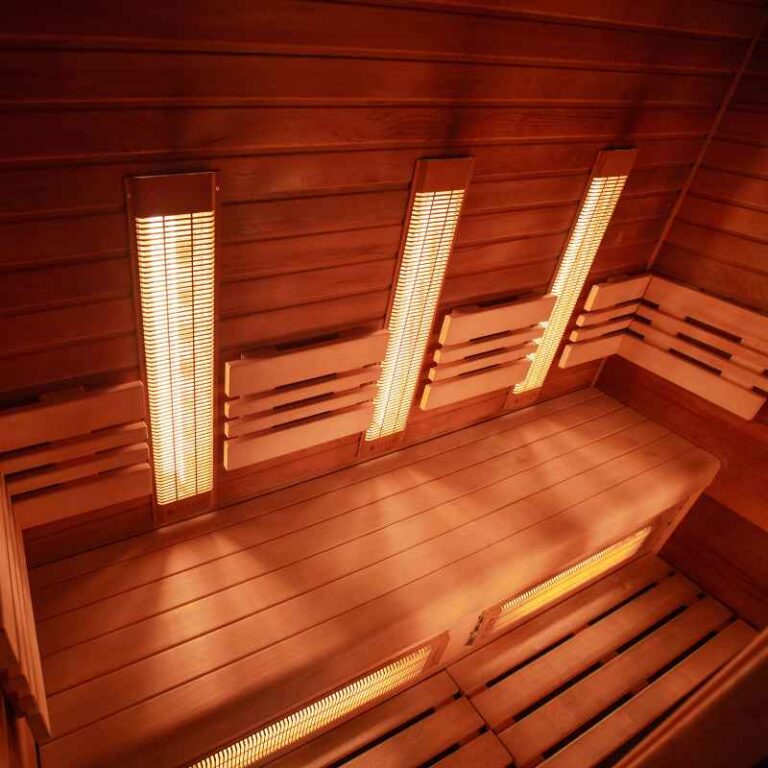
Infrared heaters can be very energy efficient, especially for spot heating or in rooms with good insulation. They work differently than traditional heaters by warming objects directly, not just the air. This can make them feel warmer faster and reduce wasted energy in certain situations.
Understanding How Infrared Heaters Work
Infrared heaters are a bit different from the heaters you might be used to. Think about how the sun warms you on a cold day. That’s kind of what an infrared heater does.
It doesn’t heat the air around it first. Instead, it sends out heat waves. These waves travel through the air.
When they hit an object, like you, your furniture, or the floor, they warm it up.
This direct warming of objects is key. Traditional heaters often work by blowing hot air. That hot air can rise quickly.
It can also get lost through drafts or poorly insulated windows. With an infrared heater, the heat energy is stored in the objects it hits. This means rooms can feel warmer much faster.
And you might feel cozy even if the air temperature isn’t super high.
The heat waves themselves are a form of electromagnetic radiation. You can’t see them, but you can feel them. This is why they are called infrared.
It’s a part of the light spectrum that we feel as heat. It’s the same kind of heat you feel from a warm stovetop or a campfire.
The efficiency comes into play because less energy is lost to the surroundings. If you’re only trying to warm a small area, like where you’re sitting, an infrared heater can be very smart. It doesn’t waste energy trying to heat an entire empty room.
This makes them great for specific uses.
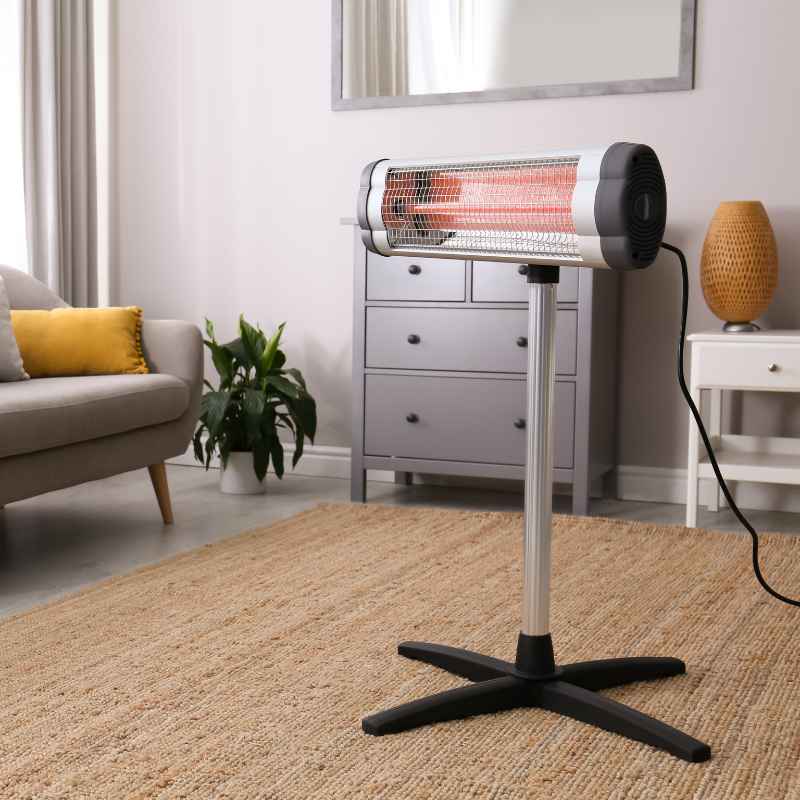
My Experience with an Infrared Heater
I remember when I first moved into my older home. The living room had these huge windows. In the winter, no matter how high I turned up the main thermostat, that room always felt a bit chilly.
The air would be warm near the vents, but standing by the windows or in the middle of the room was another story. I felt like I was just throwing money away on heating the great outdoors.
A friend suggested I try an infrared panel heater. I was skeptical. It looked like a thin, white board mounted on the wall.
I plugged it in, set it to a low temperature, and honestly, didn’t expect much. But about ten minutes later, I walked into the living room. The sun wasn’t even out yet, but the room felt noticeably warmer.
It wasn’t the stuffy, dry heat from a forced-air furnace. It felt like a gentle warmth that just seemed to sink in. Even my dog, who usually huddled by the radiator, stretched out on the rug near the heater.
I realized the heat wasn’t just in the air. It was warming the walls, the couch, and the rug. This meant I could set my main thermostat a few degrees lower.
The room felt more comfortable, and my energy bill started to look a little better. It wasn’t a magic bullet for the whole house, but for that one drafty room, it made a huge difference. It showed me that different heating methods have different strengths.
Types of Infrared Heaters
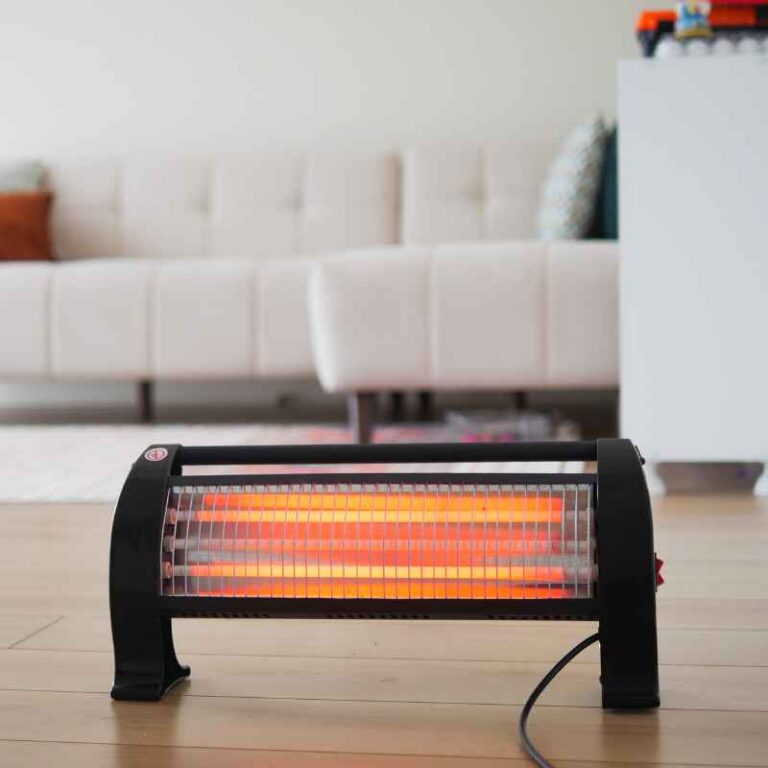
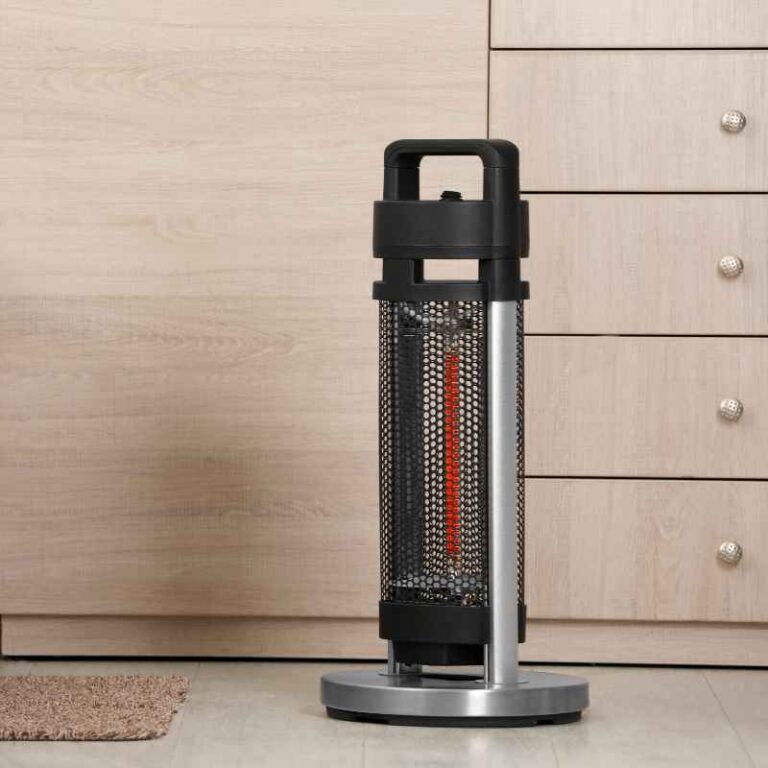
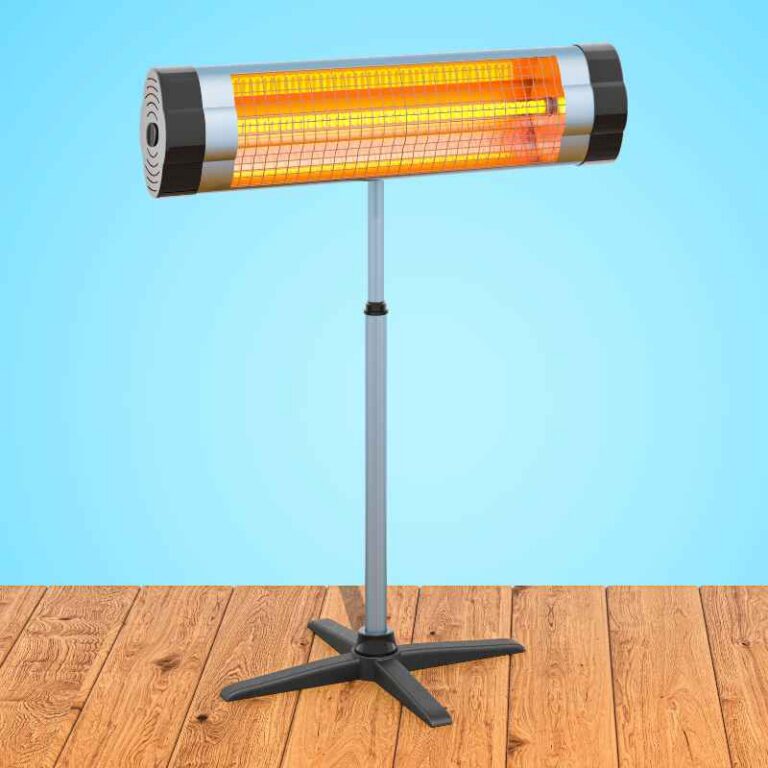
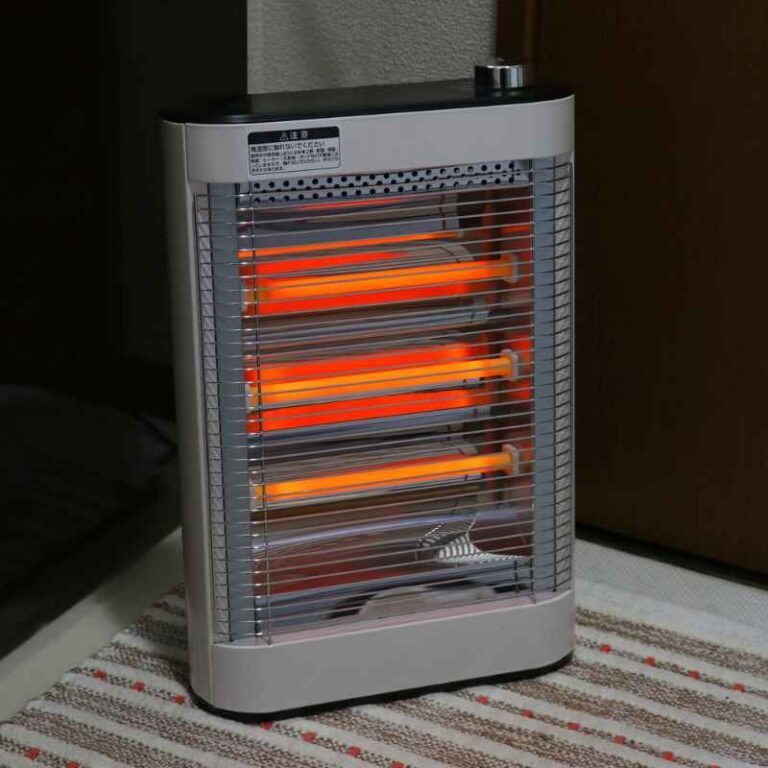
Radiant Tube Heaters: These are common in garages and workshops. They have a tube that gets hot and gives off heat. They are good for large, open spaces.
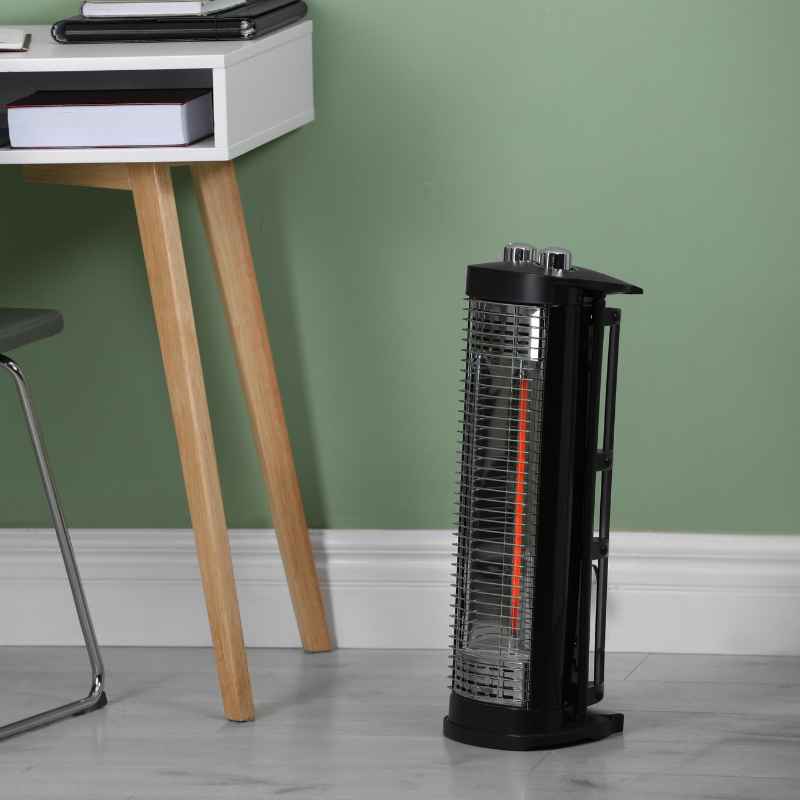
Ceramic Heaters: These use a ceramic element to get hot. They often have a fan to spread the heat, but the core heating is radiant.
Panel Heaters: These are thin, often wall-mounted panels. They are popular for indoor use in living rooms or bedrooms. They look sleek and modern.
Micathermic Heaters: These combine radiant and convective heat. They get warm quickly and heat up objects.
Patio Heaters: Used outdoors on decks and patios. They are designed to cut through cooler air.
Energy Efficiency: The Core Question
So, are infrared heaters energy efficient? The simple answer is: it depends on how you use them. They don’t magically create energy.
But they are designed to use energy in a smarter way for certain tasks. Let’s break down why they can be efficient.
One big factor is direct heating. Traditional heaters warm the air. This warm air can rise and escape.
It’s like trying to fill a leaky bucket. Infrared heat goes directly to people and objects. This means you feel the warmth faster.
You might not need the heater to run as long to feel comfortable.
Another point is targeted heating. If you have a large room but only spend time in one corner, you can point an infrared heater there. It will warm that specific spot.
You don’t need to heat the whole room to its maximum temperature. This targeted approach saves a lot of energy.
Consider a drafty room. If you try to heat it with forced air, much of that warm air will be lost outside. An infrared heater can warm the surfaces within that room.
These surfaces then radiate heat back. It’s a more contained way to add warmth. It feels more direct and effective.
However, they aren’t always the best choice for heating an entire home. If you need to raise the temperature of a whole house uniformly, especially an older, less insulated one, a central heating system might be more practical. Infrared heaters are best for spot heating or supplementing your main heat source.
They can help you lower the thermostat in other areas.
Spot Heating vs. Whole-House Heating
Spot Heating: Warming a specific person or area. Infrared heaters excel here. They are efficient because they don’t waste energy on empty space.
Whole-House Heating: Raising the temperature of an entire building. This usually requires a system that can distribute heat broadly. Central furnaces or heat pumps are designed for this.
Supplementing Heat: Infrared heaters can be used to warm a specific room or area where you spend the most time. This allows you to turn down your main thermostat, saving energy overall.
Comparing Infrared to Other Heating Methods
Let’s look at how infrared heaters stack up against other common ways people heat their homes. This comparison can highlight where they shine and where they might not be the first choice.
Central Furnaces (Gas or Electric): These systems heat air and blow it through ducts. They are great for heating an entire house evenly. However, they can be inefficient if your home has poor insulation or leaks.
Air can escape before it reaches rooms. Also, the air can feel dry.
Electric Resistance Heaters (e.g., Space Heaters): These convert electricity directly into heat. They are often less efficient than infrared for the same amount of energy used. They heat the air, which then rises and escapes.
They are good for quick, temporary heat but can be costly to run for long periods.
Heat Pumps: These systems move heat from one place to another. They are very energy efficient, especially in milder climates. They can provide both heating and cooling.
However, their efficiency can decrease in very cold weather, and they are a significant upfront investment.
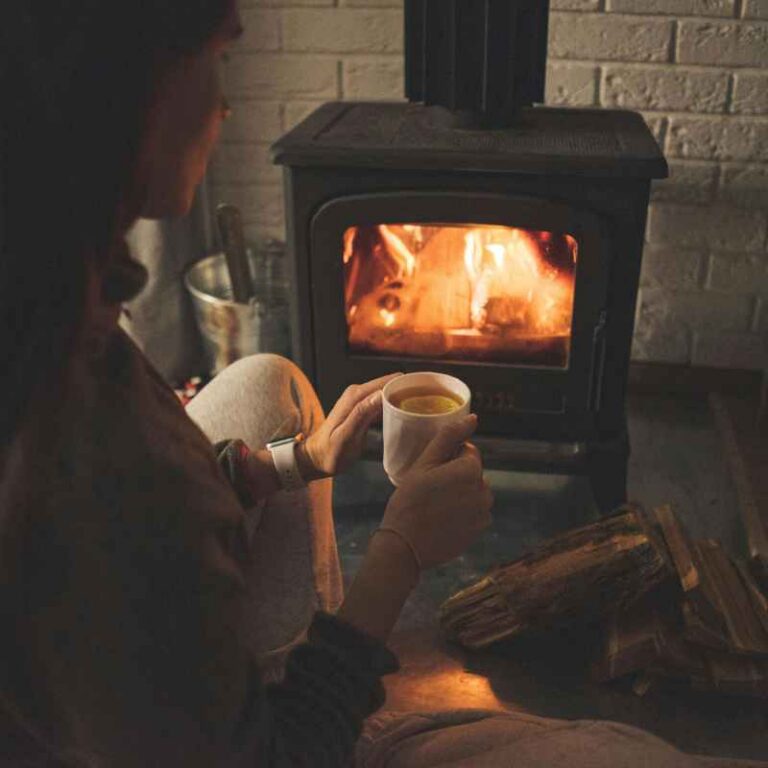
Wood Stoves/Fireplaces: These provide radiant heat that feels very cozy. They can be efficient if used properly and if you have a good source of wood. However, they require manual effort for fuel and cleaning.
They also can be a source of indoor air pollution if not vented correctly.
Infrared Heaters: As we’ve discussed, they are efficient for targeted heating. They can make a room feel warm faster. They are great for supplementing other heating systems.
They don’t dry out the air as much as some other methods. They are often simpler to install and use than central systems.
The key takeaway is that efficiency isn’t a single number. It’s about matching the heating method to the task. For warming a specific spot or a drafty room, an infrared heater often wins on efficiency and comfort.
Efficiency Quick Scan
- Central Furnace: Good for whole-house, can be inefficient if leaks.
- Electric Space Heater: Less efficient, heats air, can be costly.
- Heat Pump: Very efficient, best in mild climates, higher cost.
- Infrared Heater: Efficient for spot heating, feels warm fast.
Factors Affecting Infrared Heater Efficiency
While infrared heaters are often described as efficient, several things can influence just how efficient they are in your home. Understanding these factors can help you get the most out of your heater.
Insulation: This is a big one. If your home is well-insulated, the heat that an infrared heater warms up will stay around longer. Walls, ceilings, and floors that are insulated help keep the warmth in.
If your home has poor insulation, the heat will escape more quickly. This means the heater has to work harder and longer.
Drafts and Air Leaks: Similar to insulation, drafts let warm air out and cold air in. Even the best infrared heater will struggle if there are significant air leaks around windows, doors, or electrical outlets. Sealing these leaks is crucial for any heating system’s efficiency.
Room Size and Ceiling Height: Infrared heaters are most efficient in rooms of a reasonable size. For very large, open-plan spaces with high ceilings, you might need a more powerful unit or multiple units. The heat might spread too thin otherwise.
Usage Habits: How you use the heater matters. If you turn it on only when you’re in the room and turn it off when you leave, you’re using it efficiently. If you leave it on all day in an empty room, you’re wasting energy.
Using it to supplement your main heat and allowing you to lower the thermostat elsewhere is a key to efficiency.
Type of Infrared Heater: Different designs have different efficiencies. For example, a wall-mounted panel heater might be more efficient in a living room than a large, exposed tube heater used indoors. Consider the specific model and its intended use.
Target Area: Are you trying to warm your whole body, or just your hands? An infrared heater is great for warming your body directly. This means you might feel comfortable at a lower room temperature.
This is a major efficiency advantage.
Your Home’s Role in Efficiency
Insulation:
Keeps heat in. Better insulation means less work for the heater.
Air Leaks:
Let heat escape. Seal them for better performance.
Room Size:
Best for medium-sized rooms. Large spaces might need more power.
How You Use It:
Turn it on when needed. Use it to lower main thermostat.
The Cost of Running an Infrared Heater
When we talk about efficiency, cost is usually what we’re really focused on. How much will it cost to run an infrared heater? The actual cost depends on a few things:
Electricity Rates: This is the biggest variable. Your local electricity prices will directly impact your bills. If your electricity is expensive, running any electric heater will cost more.
Wattage of the Heater: Heaters come in different wattages, which is a measure of their power. A 1500-watt heater uses more electricity than a 750-watt heater. Higher wattage means more heat, but also higher running costs if used for the same amount of time.
How Long It Runs: This is critical. If you only run a heater for an hour a day, the cost will be much lower than running it for eight hours a day. Because infrared heaters warm objects quickly, you might find you need to run them for less time.
Your Main Heating System: If you use an infrared heater to supplement your main heat and can turn down your thermostat by a few degrees, you will save money on your primary heating source. This is where the real savings often come from. For example, if your main system costs $100 a month and you save $20 by using an infrared heater for spot heating, that’s a net saving.
Let’s do a quick example. Suppose electricity costs $0.15 per kilowatt-hour (kWh). A 1000-watt (1 kW) heater running for one hour uses 1 kWh of electricity.
That would cost $0.15. If you run it for 4 hours a day, that’s $0.60 a day. Over a month, that’s about $18.
This is for the heater itself. The savings come from reducing your other heating costs.
It’s important to compare this to your current heating costs. If your furnace is very old and inefficient, an infrared heater used smartly could lead to noticeable savings. If you already have a modern, efficient central system, the savings might be smaller.
Cost Calculation Basics
Cost per Hour = (Wattage / 1000) x Electricity Rate per kWh
Example: A 1500-watt heater at $0.15/kWh:
(1500 / 1000) x $0.15 = 1.5 x $0.15 = $0.225 per hour.
Monthly Cost = Cost per Hour x Hours Used per Day x Days Used per Month
When Are Infrared Heaters the Best Choice?
Infrared heaters are not a one-size-fits-all solution. But for certain situations, they are an excellent choice. Knowing these scenarios can help you decide if one is right for you.
Supplementing Cold Spots: If you have a room that never seems to get warm enough, even with your main heating system, an infrared heater is perfect. This could be a sunroom, a basement room, or a room with large windows.
Targeted Comfort: When you’re sitting at your desk, reading a book in a specific chair, or working in a garage, you can use an infrared heater to warm just that spot. This is much more efficient than heating the entire space to your comfort level.
Areas with Drafts: If your home has drafts, an infrared heater can provide a more effective warmth. Instead of fighting to heat the air that escapes, it warms the surfaces directly. These warmed surfaces then re-radiate heat.
Quiet Operation Needed: Many infrared heaters, especially panel heaters, operate very quietly. This makes them ideal for bedrooms, offices, or living areas where noise from fans or blowers can be disruptive.
Quick Warm-Up: You feel the warmth from an infrared heater much faster than with convective heaters. This means less waiting time to feel comfortable.
Supplementing for Efficiency: By using an infrared heater to warm yourself or a specific zone, you can often lower the overall temperature setting on your central thermostat. This leads to energy savings.
For Those Who Feel the Cold: Some people simply feel the cold more intensely. Infrared heat can feel more comforting and direct to these individuals. It warms their body rather than just the air around them.
Ideal Use Cases
- Warming a chilly home office
- Supplementing heat in a basement
- Providing comfort in a sunroom
- Spot heating a reading nook
- Warming a workshop or garage
- Quieter heating in a bedroom
When Might an Infrared Heater Not Be the Best Fit?
Just as there are times when infrared heaters excel, there are also situations where they might not be your top choice. Understanding these limitations helps you make the best decision for your home.
Heating Large, Open, Uninsulated Spaces: If you have a massive warehouse or a very poorly insulated barn that you need to heat thoroughly, an infrared heater might not have the power or reach to do the job effectively. In these cases, industrial-grade heating solutions are usually needed.
Primary Whole-House Heating: For most homes, especially those in very cold climates, relying solely on infrared heaters for all your heating needs would be impractical and potentially very expensive. They are best as a supplementary heat source.
Rapid Whole-Room Air Temperature Changes: If your goal is to quickly raise the temperature of an entire room’s air mass, a fan-forced heater might achieve that faster, though the heat might not feel as directly comforting or last as long as radiant heat.
Budget Constraints for Initial Purchase: While they can save money on running costs, some higher-end infrared units can have a higher upfront cost than basic electric space heaters. It’s worth comparing prices and expected savings.
When You Need to Dry Out Damp Air: Some types of heating can help reduce humidity. Infrared heaters primarily warm objects, so they won’t actively dry out damp air in the way that certain other heating methods might.
Very High Ceilings: In rooms with extremely high ceilings, the radiant heat might not reach floor level as effectively if the heater is mounted very high up. Positioning and the type of heater become more critical.
It’s about understanding the technology’s strengths and weaknesses. For consistent, whole-home heating, especially in colder regions, you’ll likely still need a central system or another robust method.
When to Consider Other Options
Situation: Need to heat a large, uninsulated industrial space.
Consider: Industrial-grade forced air or radiant systems.
Situation: Primary heating for an entire home in a very cold climate.
Consider: Central furnace, boiler, or high-efficiency heat pump.
Situation: Need to quickly raise the air temperature in an entire room.
Consider: Fan-forced convective heaters (though heat may be less direct).
Expert Opinions and Real-World Performance
What do the experts and real users say about infrared heater energy efficiency? Generally, the consensus aligns with what we’ve discussed. Energy Star, a program run by the U.S.
Environmental Protection Agency (EPA), often emphasizes whole-home efficiency. While they don’t rate individual infrared heaters, their advice on insulation and sealing air leaks is paramount for any heating system’s efficiency.
Consumer Reports often tests various types of heaters. Their reviews frequently highlight that radiant heaters provide quick, direct warmth. They note that while they are good for supplemental or spot heating, they aren’t typically recommended as the sole source of heat for an entire home in colder climates.
Their advice often points to using them to achieve personal comfort at a lower thermostat setting for the whole house.
Online reviews from homeowners often echo this. Many users report satisfaction with their infrared panels for warming specific rooms that were previously cold. They often mention feeling warmer at a lower thermostat setting.
Some users express surprise at how quickly a room feels comfortable. Others, however, might express disappointment if they expected it to heat an entire large, drafty space efficiently on its own.
Energy.gov, part of the U.S. Department of Energy, discusses various heating technologies. They generally explain that radiant heating warms objects and people directly.
This can lead to comfort at lower air temperatures, which translates to energy savings. They often advise homeowners to consider their specific needs and home’s characteristics when choosing a heating system.
The key is context. Experts agree that for the right job, infrared heaters can be incredibly energy efficient and provide great comfort. The job is typically spot heating, supplemental heating, or warming specific zones where people spend time.
Expert & User Insights
- Energy Star (EPA): Focuses on whole-home efficiency through insulation and air sealing.
- Consumer Reports: Radiants good for spot/supplemental heat; helps lower main thermostat.
- Homeowners: Report quick comfort, effective for cold spots, good for personal warmth.
- Energy.gov (DOE): Radiant heat warms objects directly, saving energy by allowing lower air temps.
What This Means for Your Energy Bills
If you’re considering an infrared heater, understanding its efficiency can directly impact your energy bills. Here’s how:
Potential for Savings: By using an infrared heater to warm only the areas you’re using, you can often reduce the load on your main heating system. If you can lower your central thermostat by 2-5 degrees Fahrenheit, you can see significant savings on your overall heating costs. For instance, the U.S.
Department of Energy suggests that you can save about 1% on your heating bill for every degree you lower the thermostat for an 8-hour period.
Faster Comfort, Less Runtime: Because infrared heat feels direct and warms surfaces quickly, you might not need the heater to run as long as a traditional space heater. This shorter runtime means less electricity consumed.
Targeted Heating is Key: The biggest savings come from using infrared heaters for their intended purpose: targeted comfort. Don’t expect it to efficiently heat an entire large, uninsulated house on its own. But use it to warm your home office during the day, or your living room in the evening, and you’ll likely see a positive impact on your bills.
Consider Your Climate: In milder climates, an infrared heater might be sufficient to supplement heat in specific rooms, leading to more pronounced savings. In extremely cold climates, it will primarily serve as a comfort booster, allowing you to manage your main heating system more effectively.
Upfront Cost vs. Long-Term Savings: While some infrared heaters have a higher initial price than basic electric heaters, their efficiency for specific tasks can lead to lower energy bills over time. Calculate the potential payback period based on your current heating costs and estimated usage.
Ultimately, an infrared heater is a tool. Used correctly, it’s an efficient tool that can help manage your home’s comfort and potentially lower your energy bills. Used incorrectly, it might not deliver the savings you expect.
Saving Money with Infrared Heaters
Lower Thermostat Settings:
Use infrared for personal warmth, allowing you to set main thermostat lower.
Reduced Runtime:
Feel comfortable faster, so heater doesn’t need to run as long.
Targeted Use:
Heat only the space you are in, not the whole house.
Supplement, Don’t Replace:
Best used to enhance your existing heating system.
Simple Checks You Can Do
Before you invest in an infrared heater, or after you get one, there are a few simple checks you can do to make sure you’re getting the most out of it, and to ensure your home is ready for efficient heating.
Check Your Insulation: Look in your attic. Can you see the joists? If so, you might need more insulation.
Feel your walls. Do they feel cold to the touch in winter? This could indicate poor wall insulation.
Good insulation is the foundation of efficient heating.
Seal Air Leaks: Go around your windows and doors. Can you feel drafts? Use a simple draft detector (you can find them online or make your own with a light feather) to find leaks.
Use weatherstripping or caulk to seal them up. Check around electrical outlets and where pipes enter your home too.
Consider Room Usage: Think about which rooms you use most. Is there a specific room that’s always colder? An infrared heater is perfect for these zones.
Don’t plan to use it for an entire unfinished basement if you only go down there once a week.
Understand Heater Wattage: Check the wattage of the infrared heater you are considering. A higher wattage means more heat output but also higher electricity consumption. Make sure it’s appropriate for the size of the space you intend to heat.
Review Your Electricity Bill: Know your local electricity rates. This is crucial for calculating running costs and potential savings. High rates mean you need to be more strategic with your heating choices.
Safety First: Always follow the manufacturer’s instructions for installation and operation. Ensure there’s adequate clearance around the heater. Never cover it or place items too close.
If it’s a portable unit, make sure it’s on a stable surface.
These simple steps help ensure that any heating system, including an infrared heater, performs at its best and contributes to a comfortable and cost-effective home environment.
Frequently Asked Questions
Are infrared heaters safe for pets?
Yes, infrared heaters are generally safe for pets when used correctly. They don’t have exposed heating elements like some older space heaters. However, pets should not be allowed to lie directly on top of the heater for extended periods, as surfaces can get warm.
Ensure there’s always adequate space and supervision, just like with any heat source in the home.
Can I use an infrared heater in a bathroom?
Many infrared heaters are not designed for use in damp or wet environments like bathrooms due to electrical safety regulations. Always check the manufacturer’s specifications and ensure the heater has an appropriate safety rating (like an IP rating for water resistance) if you intend to use it in a bathroom. Most wall-mounted panels are for dry living areas only.
How much space can one infrared heater cover?
This varies greatly by the heater’s wattage and design. Smaller units might be best for personal space heating (e.g., under a desk), while larger panel heaters can effectively warm a medium-sized room (e.g., 100-200 sq ft) when used as supplemental heat. Always check the manufacturer’s recommended room size for the specific model.
Do infrared heaters dry out the air?
Unlike some forced-air heaters that can reduce humidity, infrared heaters primarily warm objects and people directly. They don’t heat and circulate air in the same way, so they tend to be less drying to the air. This can lead to a more comfortable feeling for many people.
What is the lifespan of an infrared heater?
Infrared heaters, especially panel heaters, are often built to last. Many manufacturers offer warranties of 5 to 10 years. With proper care and use, they can often last much longer, sometimes 15 to 20 years.
Their simple design with fewer moving parts contributes to their durability.
Are infrared heaters more efficient than electric baseboard heaters?
For spot heating or warming specific zones, infrared heaters are generally more efficient because they heat objects directly, leading to faster perceived warmth and less wasted energy. Electric baseboard heaters heat the air through convection, which can lead to heat loss through drafts and stratification (warm air rising). However, for heating an entire room uniformly, electric baseboards might distribute heat more broadly.
Conclusion
When we talk about infrared heaters, the question of energy efficiency is key. They excel at heating objects and people directly. This makes them great for warming specific areas.
They can help you feel comfortable faster. By using them to supplement your main heat, you can often lower your thermostat. This approach can lead to real savings on your energy bills.
They are not a replacement for whole-home heating in all situations. But for targeted comfort and smarter energy use, they are a fantastic option. Consider where you need extra warmth and use them wisely.
Sponsored / affiliate links. As an Amazon Associate I earn from qualifying purchases. I may earn additional commission from eligible campaigns.