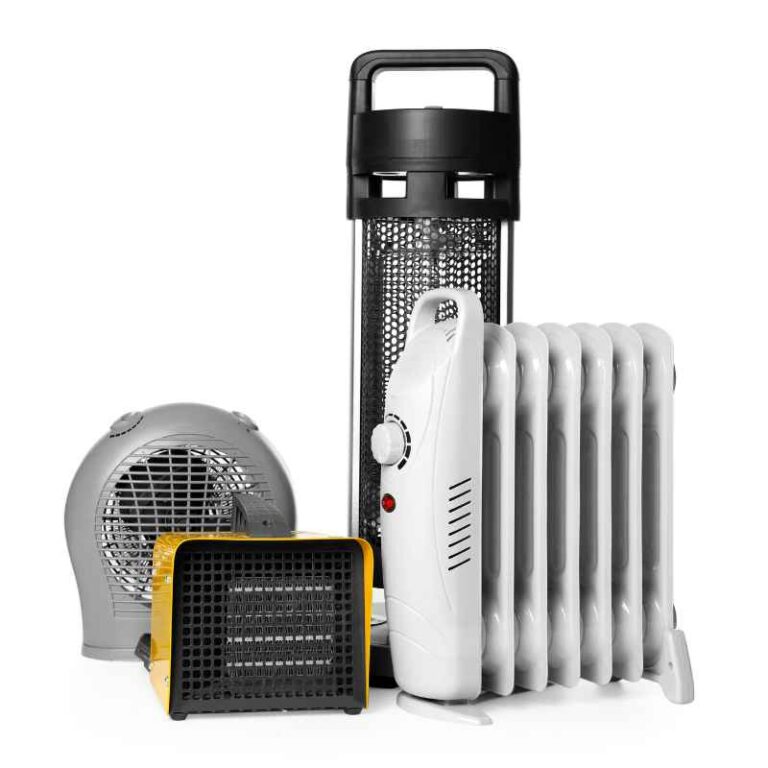
What Is The Difference Between Ceramic And Infrared Heaters?
It can feel like a puzzle when picking out a new heater. You see terms like “ceramic” and “infrared” and wonder what they really mean. Do they heat up differently?
Is one better for a chilly room, or another for a whole house? Understanding these types can save you time and energy bills. We’ll break down exactly what makes them tick and help you choose the best fit for your home.
Let’s dive in and make sense of it all.
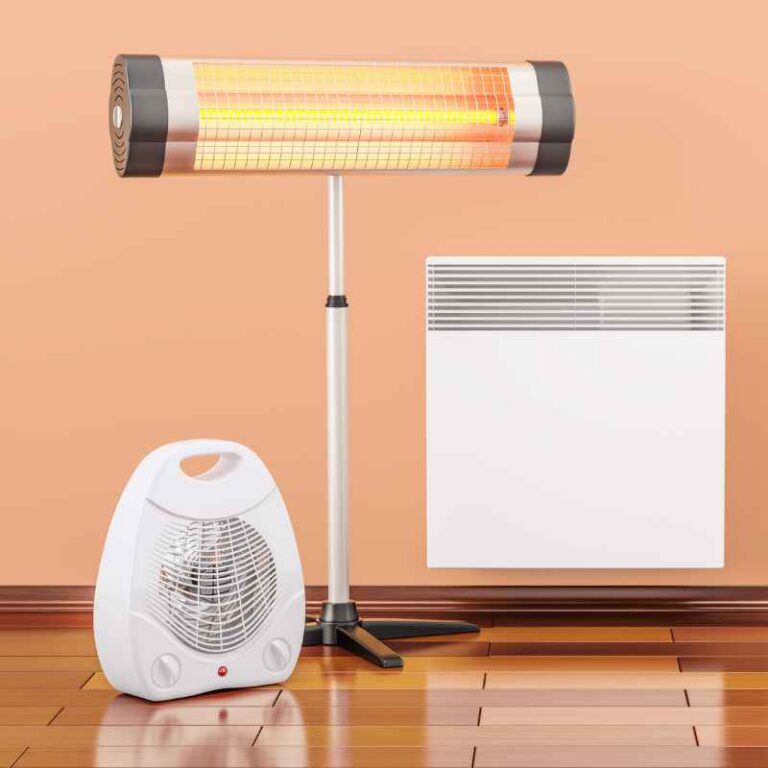
Ceramic heaters use a heating element to warm air, which then circulates. Infrared heaters use radiant energy to directly warm objects and people. The main difference is how they transfer heat. Ceramic heats the air, while infrared heats surfaces.
Understanding Ceramic Heaters
Ceramic heaters are super popular. They are great for warming up a space quickly. How do they do this?
It’s pretty simple, really. They have a special heating element inside. This element gets hot when you turn the heater on.
It’s usually made of a resistance wire.
This wire sits inside a ceramic plate or a ceramic core. The ceramic itself helps to hold the heat and release it slowly. It also helps to spread the heat out evenly.
This stops the heating element from getting too hot in one spot. That makes the heater safer to use.
Once the heating element is hot, it warms the air around it. This warmed air then needs to move. Most ceramic heaters have a fan inside.
This fan blows the warm air out into the room. Think of it like a tiny warm wind. This makes the air in the room get warmer.
This process is called convection. The warm air rises and spreads out. Cooler air then gets pulled into the heater to be warmed.
This cycle keeps going. It gradually heats up the air in the entire room. The ceramic parts help to keep the heat consistent.
They also help to soften the heat.
Ceramic heaters are known for being efficient for their size. They are also quite portable. You can easily move them from one room to another.
This makes them ideal for spot heating. You can warm up a small office or a bedroom without heating the whole house.
Some models have safety features. These can include tip-over switches. If the heater falls over, it shuts off.
They often have overheat protection too. This stops them from getting too hot and causing problems. Many also have adjustable thermostats.
You can set the temperature you want.
The air that comes out of a ceramic heater is usually pleasant. It’s not dry or harsh. This is because it’s just warm air.
It doesn’t have any special components that dry out the air excessively. This makes them comfortable for living spaces.
The ceramic material itself plays a role in safety. It’s a non-conductive material. This means it doesn’t allow electricity to pass through easily.
This is a good thing when you have hot elements inside. It reduces the risk of electric shock. It also helps prevent fires.
The heating element is usually a coiled wire. This wire is wrapped around or embedded in the ceramic. When electricity flows through the wire, it meets resistance.
This resistance creates heat. The ceramic then absorbs this heat. It then radiates it gently into the air.
Fans in ceramic heaters vary. Some are very quiet. Others can be a bit noisy.
The fan is essential for distributing the heat. Without it, the heat would stay very close to the heating element. It wouldn’t spread effectively throughout the room.
The speed at which a ceramic heater warms a room depends on a few things. The size of the room is key. A larger room will take longer to heat.
The power output of the heater also matters. A more powerful heater will work faster.
The insulation of the room plays a big part. A well-insulated room will keep the heat in. A poorly insulated room will lose heat quickly.
This means the heater has to work harder. You might find yourself running it more often.
Ceramic heaters are a common choice for a reason. They offer a balance of speed, efficiency, and safety. They are a practical solution for keeping smaller spaces cozy.
They provide a warm, comforting heat that many people enjoy.
Ceramic Heater Basics
How it Works: Uses a resistance wire in a ceramic core to generate heat.
Heat Transfer: Convection (heats air).
Key Component: Ceramic plate or core.
Fan: Circulates warm air.
Best For: Spot heating small to medium rooms.
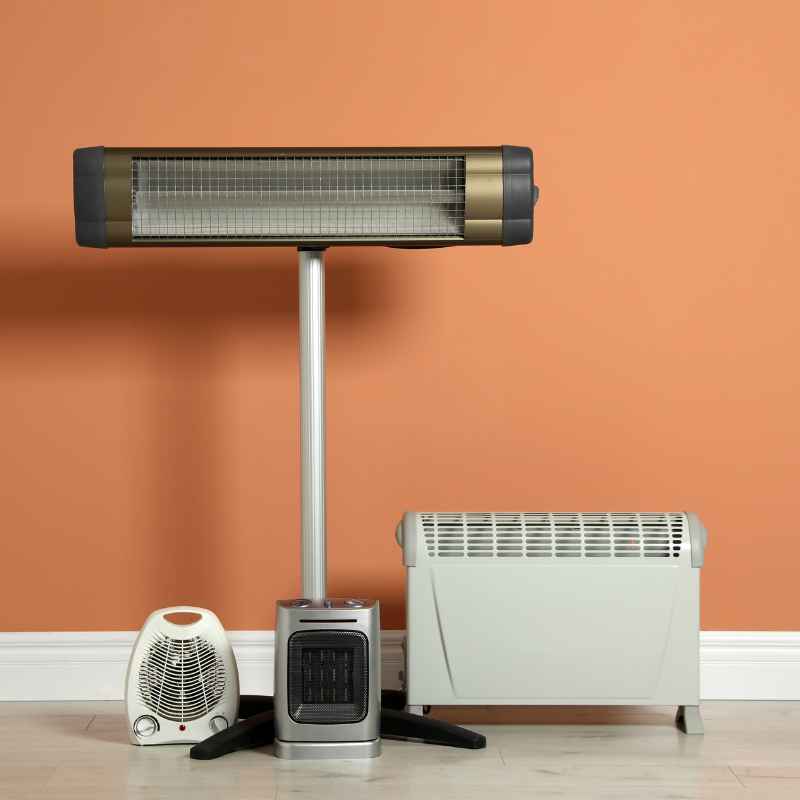
Exploring Infrared Heaters
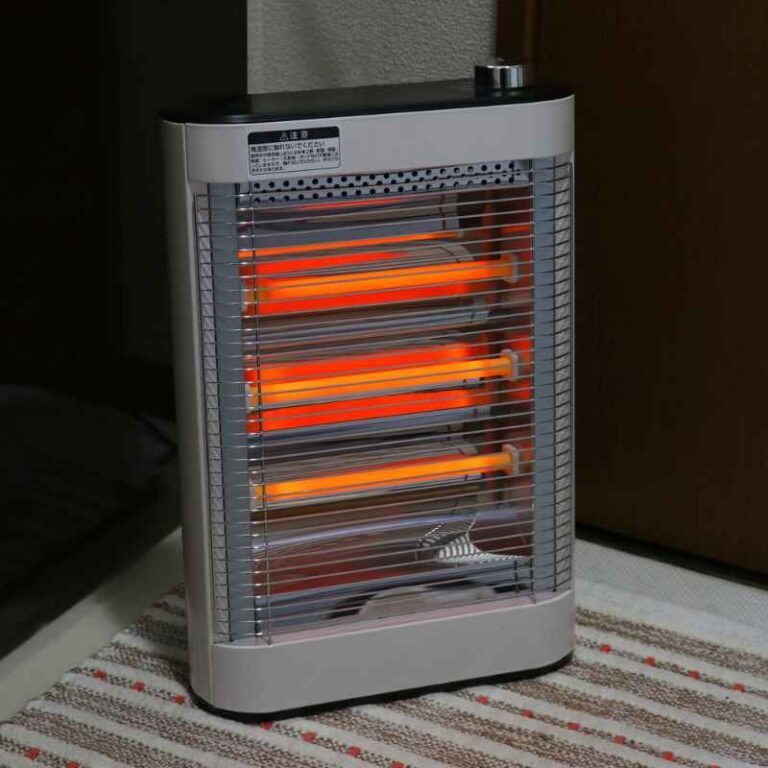
Infrared heaters are quite different. They don’t heat the air directly. Instead, they work like the sun.
They send out radiant energy. This energy travels in invisible waves. When these waves hit objects or people, they are absorbed.
This absorption warms up the objects and people.
Think about standing in a sunny spot on a cold day. You feel warm, even though the air around you might be chilly. That’s infrared heat at work.
The sun’s rays are a form of infrared radiation. Infrared heaters mimic this effect.
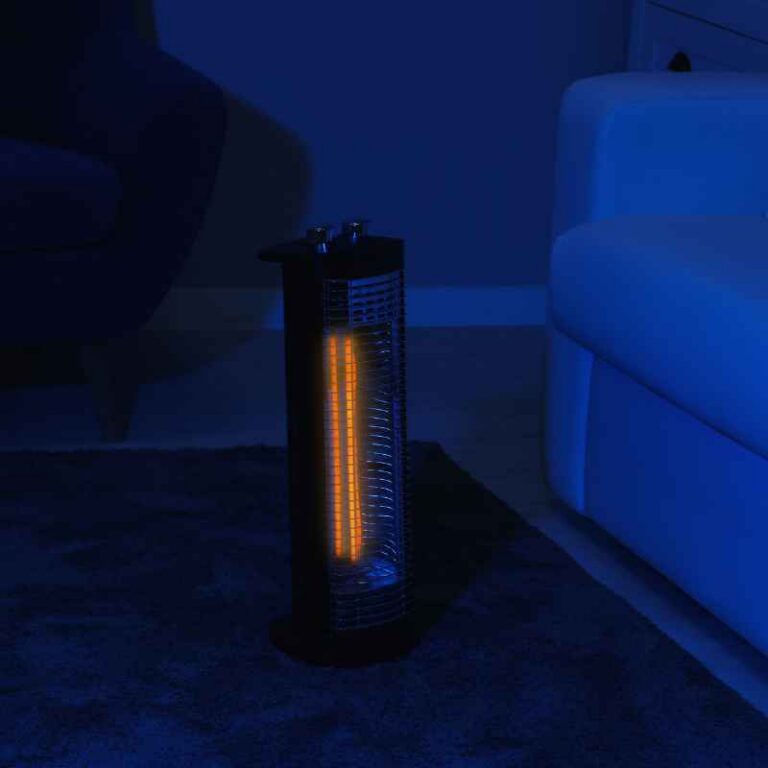
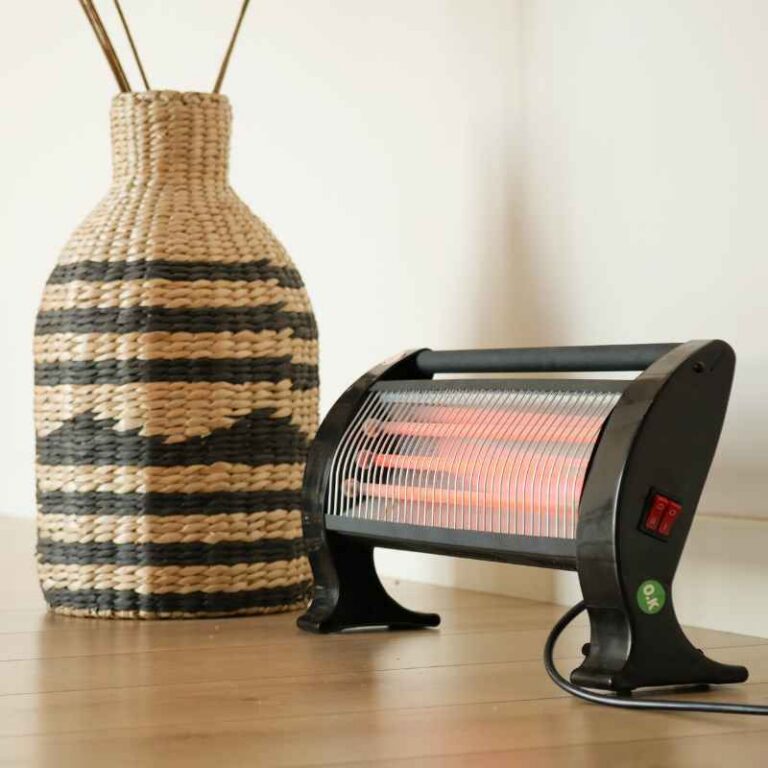
The heating element in an infrared heater is often a quartz tube or a metal coil. This element gets very hot. It then emits infrared radiation.
This radiation travels outwards. It’s like a beam of warmth. It doesn’t need air to carry the heat.
Because infrared heat warms objects directly, it feels instant. You don’t have to wait for the air to warm up. You just need to be in the path of the infrared waves.
This makes them very efficient for targeted heating. You can feel the warmth almost immediately.
This type of heating is also known as radiant heating. It’s similar to how a fi
One of the big advantages is that infrared heat doesn’t dry out the air. Since it’s not heating the air, it doesn’t evaporate moisture from it. This can be great for people who suffer from dry skin or respiratory issues.
The air can feel more comfortable.
Infrared heaters can be more energy-efficient for specific uses. If you only need to warm a person or a specific spot, they are ideal. You don’t waste energy heating the entire volume of air in a room.
This is a key difference from ceramic heaters.
They are also very quiet. Most infrared heaters don’t have fans. They work by radiation alone.
This makes them a great choice for bedrooms or quiet workspaces. You won’t hear any humming or whirring sounds.
The objects that get warmed by infrared radiation will also radiate heat. So, while the primary heating is direct, there’s a secondary effect. The walls, furniture, and floor absorb the heat.
Then they slowly release it back into the room. This creates a more even and sustained warmth over time.
There are different types of infrared heaters. Some are designed for indoor use. Others are built for outdoor patios.
Indoor models often look sleek and modern. They can be mounted on walls or ceilings. Outdoor models are usually more robust.
The effectiveness of an infrared heater depends on being in its “line of sight.” If you move out of the path of the waves, you might not feel as warm. This is why placement is important. You want to position it so it warms the area where people will be.
Some people prefer the feeling of infrared heat. They describe it as a more natural and penetrating warmth. It feels like it heats you from the inside out.
This is different from the warm air pushed by a fan heater. It’s a subtle but noticeable difference.
When considering infrared heaters, think about the area you want to warm. For a whole room, a ceramic heater might be more practical. But for warming a specific seating area or a workshop bench, infrared can be perfect.
It’s about targeting your heat where you need it.
The technology behind infrared heating is quite advanced. It uses elements that are specifically designed to emit infrared waves. These waves fall within a certain spectrum.
This spectrum is safe for humans. It’s the same kind of warmth you feel from the sun or a warm lamp.
Some people worry about the term “radiation.” But in this context, it’s not harmful. It’s simply energy being transferred through waves. It’s the same principle that allows your TV remote to work.
It uses infrared signals.
Infrared Heater Spotlight
How it Works: Emits infrared waves to directly warm objects and people.
Heat Transfer: Radiation.
Key Component: Quartz tube or heated coil.
Fan: Usually none; heat is silent.
Best For: Targeted heating, spot warming, and areas where air circulation is not ideal.
Comparing the Two: Key Differences
The biggest difference is how they move heat. Ceramic heaters use convection. They heat air and move it around with a fan.
Infrared heaters use radiation. They send out waves that warm things directly. This is a fundamental contrast.
Imagine a cold room. A ceramic heater will start by warming the air. This air circulates.
It takes time for the whole room to feel warm. An infrared heater will aim its waves at you. You’ll feel warm almost instantly, even if the air is still cool.
This means they are suited for different jobs. Ceramic heaters are good for warming up a whole room. Especially smaller to medium-sized rooms.
They are also good for maintaining a consistent air temperature.
Infrared heaters shine when you need targeted heat. Think of a workshop where you sit at a bench. Or a living room where you always sit in the same chair.
You can point an infrared heater at that spot. You get warm quickly without heating the whole space.
The sensation of heat is different too. Ceramic heat feels like warm air. It can feel gentle and pervasive.
Infrared heat feels more direct and intense. It feels like it’s warming you from within.
Noise levels are also a point of comparison. Most ceramic heaters have a fan. This fan can make a humming or whirring sound.
Some are quiet, but they all have some level of fan noise. Infrared heaters usually have no moving parts. They operate in silence.
Energy use can be another factor. For heating a whole room, a ceramic heater might be more efficient overall if it has a good thermostat. It cycles on and off to maintain temperature.
For spot heating, infrared can be more energy-saving. You only use heat where and when you need it.
Air moisture is also affected differently. Ceramic heaters can sometimes make the air feel drier. This is because they are warming air, which can hold less moisture.
Infrared heaters don’t affect air moisture. They warm objects, not the air itself.
Safety features are important for both. Ceramic heaters often have tip-over switches and overheat protection. Infrared heaters are generally safe if used correctly.
But because the elements get very hot, you need to be careful not to touch them. Keep them away from flammable materials.
Cost can vary. Both types have a wide range of prices. Basic ceramic heaters are often very affordable.
High-end infrared models can be more expensive. But think about the long-term energy savings for your specific needs.
Think about your home. Do you have drafty rooms that need constant air warming? Ceramic might be better.
Do you have specific spots where you always feel cold, like a home office desk? Infrared could be the answer.
I remember one winter, my home office was always freezing. The main heating didn’t seem to reach it well. I tried a ceramic heater first.
It helped, but the air still felt a bit thin. Then I got a small infrared panel. I placed it under my desk.
It made a huge difference. I felt warm and cozy right where I was sitting. The whole room didn’t feel much warmer, but I was comfortable.
It was a game-changer for my work days.
Ceramic vs. Infrared: At a Glance
Heat Method: Ceramic = Convection (air). Infrared = Radiation (objects).
Warmth Sensation: Ceramic = Warm air. Infrared = Direct warmth.
Speed: Ceramic = Slower (heats air). Infrared = Faster (direct warmth).
Noise: Ceramic = Fan noise. Infrared = Silent.
Air Moisture: Ceramic = Can dry air. Infrared = No effect.
Best Use: Ceramic = Room heating. Infrared = Spot heating.
How They Heat Different Spaces
Let’s talk about where each heater performs best. For a small bedroom, a ceramic heater is often a great choice. You want to warm up the air in that space.
You can set it to a comfortable temperature. The fan will circulate the heat. It will make the whole room feel cozy.
A large living room is another area where ceramic heaters can work. However, if the room is very large or poorly insulated, you might need a more powerful unit. Or you might need to run it for longer periods.
The goal is to warm the air volume.
Consider a bathroom. You want to warm it up quickly before a shower. A ceramic heater can do this.
Turn it on for 10-15 minutes. The air will get warm. Just remember to turn it off before showering if it’s not rated for damp areas.
Always check the manual.
Now, think about a garage or a workshop. These spaces can be large and drafty. Heating the entire volume of air can be a waste of energy.
This is where infrared heaters excel. You can place one near your workbench. It will warm you directly while you work.
The rest of the garage stays cooler.
A sunroom or porch is another good candidate for infrared. If you want to enjoy the space on cooler days, you can use infrared. It will warm you as you sit there.
It doesn’t need to heat the entire enclosure.
What about an open-plan kitchen and living area? This is a tricky one. A ceramic heater might struggle to warm the whole space evenly.
An infrared heater could be used to warm the main seating area. But you still might have cooler zones.
For places like a greenhouse, infrared heating can be beneficial. It warms the plants directly. This can be more efficient than trying to heat the air inside.
Make sure to choose a unit designed for such environments.
I remember setting up my home office in a converted spare room. It had a single radiator, but it never got truly warm. The air felt stuffy and still.
I was always wearing sweaters indoors. I got an infrared wall panel. I mounted it above my desk.
Within minutes, I felt a gentle warmth. It wasn’t a blast of hot air. It was just a pleasant feeling on my skin.
My productivity went up because I wasn’t shivering. The room itself didn’t become a sauna, but I was perfectly comfortable. It was a targeted solution that worked wonders.
When using ceramic heaters in living spaces, placement matters. Don’t block the air vents. Give it space to circulate air.
Placing it in a corner might help distribute heat better. Avoid placing it too close to furniture or curtains for safety.
For infrared heaters, aim is key. You want the waves to hit the area you want warmed. If you’re working at a desk, aim it at your body.
If you’re watching TV, aim it at the sofa. You might need to adjust the position as you move around the room.
Some modern homes have both types. You might use a central heating system for general warmth. Then, you supplement with ceramic heaters in colder rooms.
And you might use a small infrared heater for personal comfort at your desk or favorite armchair.
Consider the ceiling height. In rooms with very high ceilings, warming the air with convection can be less efficient. Heat rises.
So, much of the warm air might collect near the ceiling. Infrared heat is less affected by ceiling height. It heats objects at any level.
If you have pets, think about their comfort. Both types can be safe. But an infrared heater might provide a warm spot for your pet to lie in.
Just ensure they can’t touch the hot elements. Ceramic heaters with a protective grill are also good. They offer a general warmth.
Energy Efficiency and Running Costs
Energy efficiency is a big question for any heater. For ceramic heaters, their efficiency is often tied to how well they heat a room and how long they run. They use electricity to generate heat.
The amount of heat produced is directly related to the electricity consumed.
Modern ceramic heaters are pretty efficient. They convert almost all the electricity they use into heat. The key is using them wisely.
If you have a well-insulated room, a ceramic heater can maintain a comfortable temperature without running constantly. This keeps costs down.
The thermostat on a ceramic heater is crucial. A good thermostat will turn the heater off when it reaches the set temperature. It will then turn back on when the temperature drops.
This cycling prevents overheating and saves energy compared to a heater that runs non-stop.
Infrared heaters can be very energy-efficient for spot heating. If you only need to warm one person for a few hours, an infrared heater uses less energy than a ceramic heater trying to warm the entire room’s air. You are directly targeting the heat.
However, if you need to heat a whole room with infrared, it can be less efficient. You would need multiple units to cover a large area. Or a very powerful one.
This can lead to higher electricity bills than a single ceramic heater doing the same job.
The cost of electricity in your area plays a huge role. Prices vary greatly by state. Check your local utility rates to get a better idea of running costs.
A heater that uses 1500 watts will cost more to run than one using 1000 watts, all else being equal.
Think about the “wattage.” Higher wattage usually means more heat output, but also more energy use. Ceramic heaters often have settings like “low” (e.g., 750 watts) and “high” (e.g., 1500 watts). Infrared heaters also have different power levels.
Another factor is heat loss. If your home is poorly insulated, any heater will cost more to run. Heat escapes through windows, doors, and walls.
Before buying a heater, it’s often wise to seal up drafts. This will make any heating system more efficient.
Consider the time of day you use the heater. Electricity rates can sometimes be higher during “peak” hours. Running your heater during off-peak hours can save money.
Some smart heaters allow you to program their run times.
I learned this the hard way. I had a very old, uninsulated sunroom. I bought a powerful ceramic heater for it.
I ran it all day, and my electricity bill was shocking! The heat just escaped too fast. Then I switched to a radiant infrared heater designed for outdoor use.
I only turned it on when I was actually sitting out there. The cost difference was huge. It was a clear example of matching the heater type to the task.
When comparing running costs, look beyond the initial purchase price. A cheap heater that runs constantly and inefficiently can cost more in the long run. A slightly more expensive, efficient model might pay for itself in energy savings.
Some infrared heaters are designed to be mounted on walls or ceilings. This can save floor space. It also allows for more consistent placement of the radiant heat.
This can lead to less wasted energy.
Remember that both types of heaters are supplemental. They are meant to boost your existing heating system. Or to heat specific areas.
They are usually not designed to replace a central furnace for an entire home, especially in very cold climates.
Energy-Saving Tips
Ceramic: Use thermostat effectively. Heat well-insulated rooms. Use lower settings when possible.
Infrared: Target heat. Turn off when not in use. Avoid heating empty spaces.
Both: Seal drafts. Check your electricity rates. Consider heater wattage vs.
Safety Features and Considerations
Safety is always a top concern with any heating device. Ceramic heaters have several built-in safety features. One of the most common is the tip-over switch.
If the heater is knocked over, this switch automatically cuts off the power. This greatly reduces the risk of fire.
Another important feature is overheat protection. Most ceramic heaters have a sensor. If the heater’s internal temperature gets too high, it will shut itself off.
This can happen if airflow is blocked or if the unit is malfunctioning.
The ceramic housing itself is also a safety element. It’s a non-flammable material. It helps to keep the outer surfaces cooler than the heating element.
This reduces the chance of accidental burns or igniting nearby materials.
However, it’s crucial to follow operating instructions. Never cover a ceramic heater. Do not place it too close to curtains, bedding, or furniture.
Ensure it has plenty of space around it for air circulation. Keep them away from water and damp areas unless they are specifically designed for that.
Infrared heaters also have safety considerations. The heating elements get extremely hot. They can cause burns if touched.
Many units have protective grilles. But it’s still important to keep them out of reach of small children and pets. Ensure they are placed on a stable surface.
Flammable materials are a risk for both types. Keep anything that can burn, like paper, fabrics, or aerosols, away from the heater. A good rule of thumb is to keep at least three feet of clear space around any portable heater.
Electrical safety is also vital. Use heaters only in grounded outlets. Avoid using extension cords if possible, as they can overheat.
If an extension cord is necessary, make sure it’s rated for the heater’s wattage.
Consider the environment where you’ll use the heater. If you’re in a humid area, like a bathroom, you need a heater specifically designed for damp environments. Water and electricity are a dangerous mix.
I once saw a scary situation. A small child had pulled a blanket over a ceramic heater. It started to smoke.
Thankfully, a parent noticed quickly and unplugged it. But it was a stark reminder. Even with safety features, supervision and common sense are essential.
Never leave portable heaters unattended, especially around children or pets.
Some infrared heaters are designed to be wall-mounted. This keeps them out of the way and reduces the risk of accidental contact. Make sure installation is done correctly according to the manufacturer’s instructions.
When buying any heater, look for the UL (Underwriters Laboratories) or ETL (Intertek) certification. This means the product has been tested and meets safety standards. It’s a good indicator of quality and safety.
For ceramic heaters, the fan can be a point of failure. If the fan stops working, the heater can overheat. This is why overheat protection is so important.
Always check that the fan is running and blowing air when the heater is on.
Infrared heaters are generally simpler mechanically. They have fewer moving parts. This can mean less risk of mechanical failure.
However, the heating elements are still critical. Handle them with care.
Always read the owner’s manual. It will have specific safety instructions for your model. It will also tell you how to use and maintain it properly.
This information is vital for safe and efficient operation.
Safety First Checklist
For Both: Keep flammable items at least 3 feet away. Never cover the heater. Use grounded outlets.
Check for UL/ETL certification.
Ceramic: Ensure tip-over switch works. Check that fan is running. Do not block air vents.
Infrared: Keep hot elements away from touch. Ensure stable placement. Avoid touching hot surfaces.
General: Never leave unattended. Read the manual. Use only as intended.
Choosing the Right Heater for Your Needs
So, how do you pick? It really comes down to what you need the heater for. Ask yourself a few questions.
What size is the space you want to heat? Do you need to warm the whole room, or just a specific spot? How quickly do you need it to heat up?
If you want to warm up a small to medium-sized room, like a bedroom or an office, a ceramic heater is often a great choice. They are good at circulating warm air. They can make a whole room feel cozy.
Look for one with an adjustable thermostat to control the temperature and save energy.
If you have a space where you sit or work in the same area for a while, an infrared heater might be better. Think about a home office desk, a crafting table, or a favorite reading chair. Infrared heat warms you directly.
It feels instant and comfortable. It’s also great for people who find the air from fan heaters too dry.
For garages, workshops, or outdoor patios, infrared heaters are usually the go-to. They can provide targeted warmth without trying to heat the entire large, often uninsulated, space. This is much more energy-efficient.
Consider noise. If you need a heater for a bedroom or a quiet workspace, a silent infrared heater is probably a better choice. If a little fan noise doesn’t bother you, ceramic heaters can work well.
Think about the air quality. If you or someone in your household suffers from dry skin or breathing issues, infrared heaters don’t dry out the air. They might be a more comfortable option.
I remember when my sister moved into a small apartment. The heating was a bit weak. She bought a compact ceramic heater for her living room.
It worked well to take the chill off. But her home office, which was a tiny nook, always felt cold. I suggested an infrared panel for her desk.
She got one, and it was a perfect fit. She wasn’t heating the whole living room when she just needed to be warm at her desk. It was a great example of using both types for different needs.
Also, consider safety features. Always look for tip-over switches and overheat protection on ceramic heaters. For infrared heaters, ensure they have protective grilles and are placed stably.
What about running costs? For general room heating, a ceramic heater with a good thermostat can be efficient. For targeted heating, infrared often wins.
Always consider your local electricity prices and how often you plan to use the heater.
Finally, check reviews. See what other users say about the performance and reliability of different models. Look for heaters that are certified by safety organizations like UL or ETL.
In summary, if you want to heat the air in a room, go ceramic. If you want to feel warm directly, go infrared. Both have their strengths.
Choosing the right one means understanding your space and your heating needs. Don’t be afraid to use a combination of different heater types to get the best comfort and efficiency.
Frequently Asked Questions
Are ceramic heaters safe for bedrooms?
Yes, ceramic heaters are generally safe for bedrooms when used correctly. Look for models with safety features like tip-over switches and overheat protection. Always ensure they have adequate space around them and are not placed near bedding or curtains.
Can infrared heaters heat a whole room?
Infrared heaters are best for direct, spot heating. While they can warm objects in a room, they are not as efficient as ceramic heaters for warming the entire volume of air in a large space. For whole-room heating, you would need multiple infrared units or a very powerful one.
Which type of heater is more energy efficient?
It depends on the application. For spot heating, infrared heaters can be more energy-efficient because they only warm what they are aimed at. For heating the air in an entire room, a well-thermostatted ceramic heater can be efficient.
Energy efficiency also depends on room insulation and heater wattage.
Do infrared heaters dry out the air?
No, infrared heaters do not dry out the air. They work by radiant energy, warming objects directly. They do not heat the air itself, so they do not affect humidity levels in the same way that convection heaters might.
What is the difference in the feeling of heat from each type?
Ceramic heaters provide warmth from circulating hot air, which feels like a gentle ambient warmth. Infrared heaters provide a more direct, radiant warmth that you feel on your skin almost instantly, similar to the sun’s rays.
Are there any health concerns with infrared heaters?
No, the infrared radiation emitted by home heaters is safe and is not harmful. It is the same type of radiant energy that we feel from the sun or a warm lamp. It is not the same as nuclear radiation.
Conclusion
Understanding the difference between ceramic and infrared heaters is key. Ceramic heaters warm the air using convection. Infrared heaters warm objects and people directly with radiant energy.
Each has its strengths for different needs. Choose ceramic for warming air in rooms. Opt for infrared for targeted warmth.
Both can be safe and efficient when used correctly. Making the right choice helps keep you comfortable all season long.
Sponsored / affiliate links. As an Amazon Associate I earn from qualifying purchases. I may earn additional commission from eligible campaigns.