What Other Space Heaters Are There Besides Infrared?
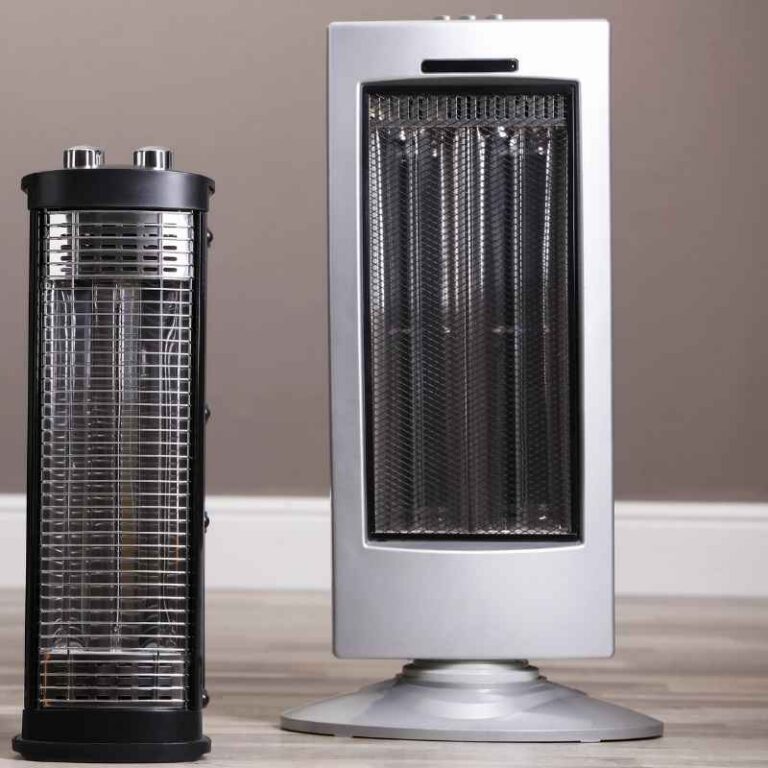
Beyond infrared, other common space heater types include convection, radiant (panel), ceramic, and oil-filled heaters. Each works differently to warm a space, offering various benefits like speed, efficiency, and heat distribution.
Understanding Different Space Heater Types
Space heaters are great helpers for staying warm. They add heat to a specific room. This is helpful when your main heating system isn’t quite enough.
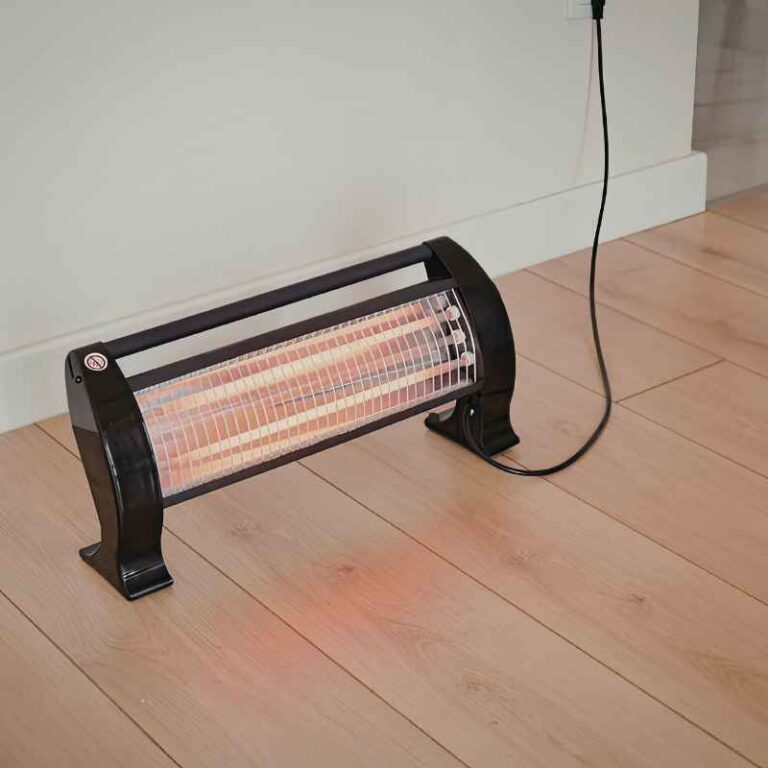
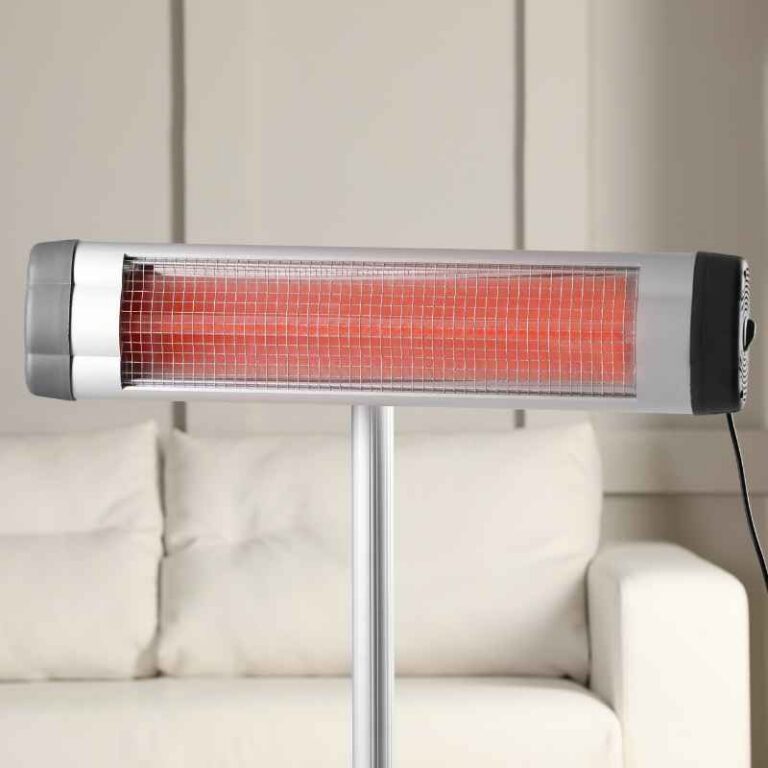
Or maybe you only use one room a lot. Infrared heaters work by sending out heat waves. These waves warm objects and people directly.
They don’t really heat the air much. But other heaters do things differently. Let’s explore them.
A Look at Convection Heaters
Convection heaters are a common choice. They work by heating the air around them. Think of it like a gentle breeze of warmth.
The heater has a heating element. This element warms the air that passes over it. A fan often helps push this warm air out into the room.
The warm air then rises. Cooler air sinks down to be heated. This creates a natural circulation pattern.
This cycle keeps warming the whole room. Convection heaters are good for heating up a whole space slowly. They provide a steady, even warmth.
They are not usually the fastest heaters. But they can be very effective for larger rooms. They tend to be quieter than fan-forced heaters.
This is because the fan might be smaller or absent. They are great for keeping a consistent temperature.
How Convection Heaters Work
Inside, a convection heater has a coil or a metal rod. This is the heating element. Electricity flows through it.
It gets hot. Air near the element gets heated up. This warm air becomes lighter.
It naturally wants to rise. As it rises, it moves away from the heater. It fills the room.
The space left behind by the warm air is filled by cooler air from the room. This cooler air gets pulled into the heater. It flows over the hot element.
Then it gets warmed and rises too. This keeps the air moving. This constant movement is called convection.
It gently warms the entire room. It’s like a mini weather system in your home.
Convection Heater Key Points
How they warm: Heat the air and circulate it.
Best for: Heating entire rooms evenly.
Speed: Slower, but provides steady warmth.
Noise: Generally quiet.
Efficiency: Can be energy-efficient for whole-room heating.
Exploring Radiant Panel Heaters
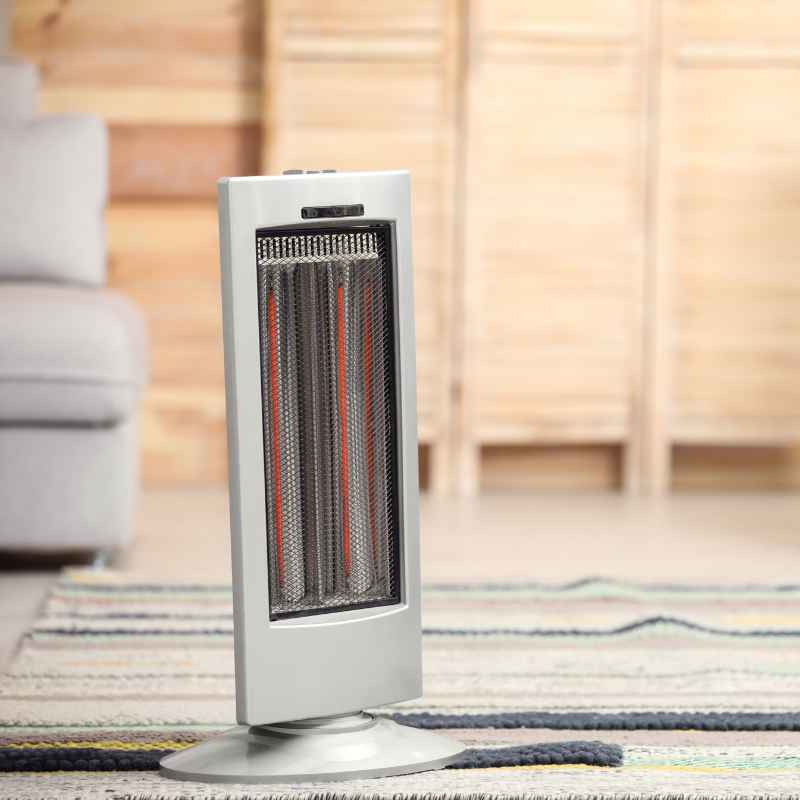
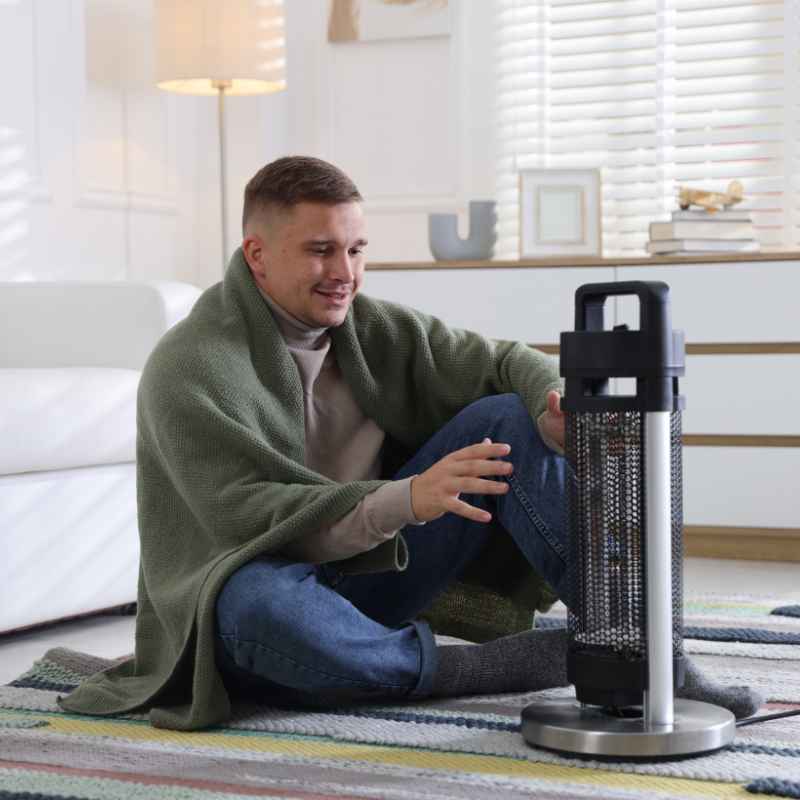
Radiant panel heaters are another type. They work a bit like the sun. They send out heat rays.
These rays travel through the air. They then warm surfaces they hit. This includes walls, furniture, and you.
They don’t rely on heating the air much. This means they can warm you up quickly. You feel the heat almost right away.
This is different from convection heaters. Panel heaters often look sleek and modern. They can be mounted on walls.
Some are designed to be slim and unobtrusive. They are very good for warming a person or a small area directly. They are often silent.
This makes them great for bedrooms or offices. They are not as good at heating a whole large room. But for targeted warmth, they are excellent.
The Science Behind Radiant Heat
Radiant heat is a form of energy. It travels in waves. These waves are part of the electromagnetic spectrum.
Think of light waves. Radiant heat waves travel until they hit something. When they hit an object, they are absorbed.
This absorption makes the object warmer. Your skin absorbs these waves. That’s why you feel warm when you stand in the sun.
Or near a fireplace. Panel heaters use a heating element. This element emits these invisible heat waves.
These waves don’t get stopped by the air. They pass right through. So the air in between stays cooler.
The heat is delivered directly to you or your surroundings.
Radiant Panel Heater Quick Facts
Warmth Style: Direct heat rays.
Feeling: Warmth is felt quickly.
Best Use: Spot heating, personal warmth.
Air Heating: Minimal air heating.
Appearance: Often slim and wall-mountable.
Ceramic Heaters: Fast and Safe
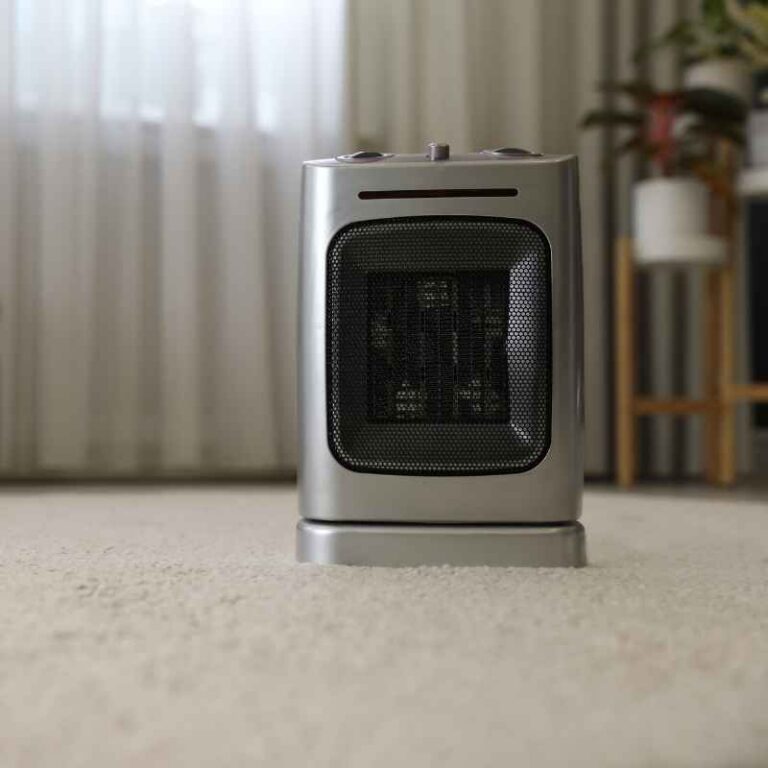
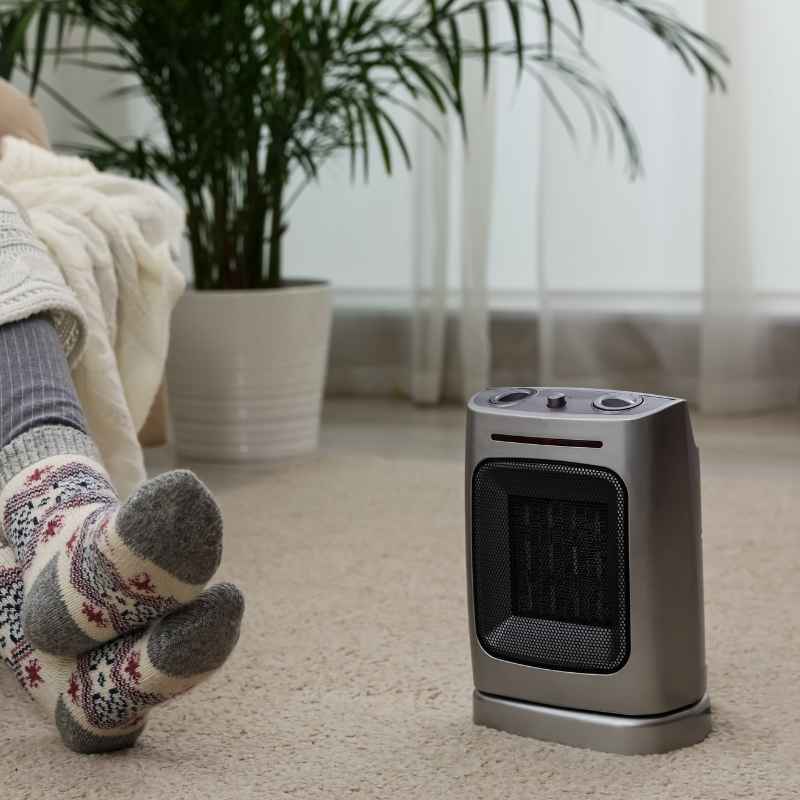
Ceramic heaters are very popular. They use a ceramic plate or element. This ceramic material heats up quickly.
It holds heat well. A fan then blows air over this hot ceramic. This warm air is pushed into the room.
They are known for being fast heaters. You feel the warmth quite soon after turning them on. Because the heating element itself is ceramic, it’s safer.
It doesn’t get as hot as some metal elements. This means they are less likely to cause fires if they accidentally touch something. Many ceramic heaters have safety features.
These include tip-over protection. This shuts the heater off if it falls over. They also often have overheat protection.
They are great for smaller to medium-sized rooms. They provide a good mix of speed and safety.
Why Ceramic is a Good Choice
Ceramic is a great material for heating. It can withstand very high temperatures. But it’s also a good insulator.
This means it doesn’t transfer heat too quickly to its outer surface. This makes it safer to touch in some areas. When electricity passes through the ceramic element, it gets very hot.
But the ceramic itself doesn’t glow red-hot like some metal elements. This reduces the risk of combustion. The fan is key here.
It takes the heat from the ceramic. It blows it out into the room. This helps spread the warmth.
Many modern ceramic heaters have adjustable thermostats. This lets you set the desired temperature. They are a reliable option for many homes.
Ceramic Heater Highlights
Heating Element: Ceramic plate or core.
Fan: Yes, blows warm air.
Speed: Fast heating.
Safety: Generally considered safe, often with tip-over switch.
Room Size: Good for small to medium rooms.
Oil-Filled Radiators: Gentle and Long-Lasting Heat
Oil-filled radiators are a bit different. They look like old-fashioned radiators. But they are sealed units.
Inside is a special diathermic oil. This oil is heated by an electric element. The oil heats up.
It then flows through the fins of the radiator. The fins then release heat into the room. This heat is mostly radiant.
But it also warms the air around the fins, creating some convection. The oil retains heat very well. This means the heater can keep radiating warmth.
Even after it’s turned off. This makes them very energy efficient for certain uses. They are excellent for keeping a room warm overnight.
They are also very quiet. There are no fans. The heat they give off is very gentle.
It doesn’t dry out the air as much as some other types. This is a big plus for many people.
The Magic of Diathermic Oil
Diathermic oil is not the same as motor oil. It’s designed to transfer heat very effectively. It’s also stable at high temperatures.
This means it won’t break down or evaporate. When the electric element inside the radiator heats up, it heats the oil. The oil then circulates within the sealed unit.
It moves up into the radiator fins. These fins have a large surface area. This allows them to release heat slowly and steadily into the room.
The beauty of oil-filled radiators is their residual heat. Once the oil is hot, it continues to give off warmth for a while. This can help maintain a comfortable temperature.
It also means the heating element doesn’t have to switch on and off as often. This can save energy.
Oil-Filled Radiator Facts
Internal Component: Sealed diathermic oil.
Heat Release: Gentle radiant and convection heat.
Noise: Very quiet (no fan).
Heat Retention: Continues to radiate heat after being turned off.
Air Comfort: Less drying to the air.
Micathermic Heaters: A Hybrid Approach
Micathermic heaters are a newer type. They combine features of both radiant and convection heaters. They use a thin, mica-based heating element.
This element heats up very quickly. It emits both radiant heat and heats the air. The mica material itself helps conduct heat efficiently.
It spreads the heat across a larger surface area. This allows for a good balance of warmth. You get quick, direct warmth from the radiant aspect.
You also get gentle room heating from the convection aspect. They are often lightweight and slim. They can be wall-mounted or used as portable units.
They are also silent because they don’t use fans. They offer a good compromise for many users. They provide quick warmth without being harsh.
They also help warm the air steadily.
How Micathermic Heaters Work
The key is the mica. Mica is a natural mineral. It’s a great insulator and conductor of heat.
In these heaters, thin sheets of mica are used. They are often coated with a conductive material. Electricity passes through this conductive layer.
This heats the mica. The mica then radiates heat. It also heats the air that touches it.
Because the mica element is so thin, it heats up very fast. This means you feel warmth almost immediately. The large surface area of the mica element helps spread this heat.
This is why they are good at both radiant and convection heating. They offer a smooth, even heat. Many people find this type of heat very comfortable.
It’s not too intense or drying.
Micathermic Heater Features
Heating Technology: Mica-based element.
Heat Type: Combines radiant and convection.
Speed: Very fast heat-up.
Noise: Silent operation.
Design: Often slim, lightweight, and portable.
Fan Heaters (or Ceramic Fan Heaters)
Fan heaters are often ceramic, but the fan is the main feature. They use a heating element. This element gets hot.
A powerful fan then blows air over the element. This super-heats the air. It then blasts it into the room.
They are the fastest way to heat up a small space. Think of a chilly bathroom. You turn on a fan heater.
The room warms up very quickly. This is great when you need instant warmth. However, they can be noisy.
The fan sound can be quite loud. They can also dry out the air. This is because the fan blows air around quickly.
They are usually more portable. They are good for temporary use. Or for quickly boosting the heat in a specific area.
The Power of the Fan
The fan is the star here. It forces a lot of air over the hot element. This means more heat is transferred to the air.
And this hot air is pushed out with force. This is why they heat up a room so fast. Imagine blowing on a hot ember.
You make it burn brighter. The fan does something similar with the heater. It pushes more air to be heated.
And it pushes the heated air out quickly. The heating element itself might be ceramic, metal coils, or even quartz tubes. The key is the strong airflow.
This makes them very effective. But it also means they use more energy to run the fan. And the noise can be a drawback for some.
Fan Heater Quick Overview
Main Component: Powerful fan and heating element.
Heat Delivery: Fast, forced hot air.
Best For: Quick spot heating, small rooms.
Downsides: Can be noisy, may dry out air.
Portability: Usually very portable.
Personal Experience: The Chilly Office Struggle
I remember a few years ago. I started working from home more often. My office was in a sunroom.
It looked lovely. But in the winter? Brrr.
The main house heating just didn’t reach it well. My fingers would get so cold on the keyboard. I’d start typing slower.
My ideas felt frozen too. I tried a small infrared heater at first. It warmed my lap.
But the rest of me, and the room, stayed chilly. It felt like a tiny warm spotlight. I needed something that could handle the whole space.
I looked into different types. My friend suggested a ceramic fan heater. I was worried about the noise.
But I was desperate for warmth. I plugged it in one cold Tuesday morning. The instant rush of warm air was amazing.
It wasn’t silent, but it wasn’t terrible either. It felt like a little personal sauna. Within minutes, the chill was gone.
My fingers thawed. My brain started working again. It wasn’t perfect for heating the entire house.
But for my little chilly office? It was a game-changer. I learned that the “best” heater really depends on your specific need.
Real-World Context: Choosing the Right Heater for Your Home
Where you plan to use the heater matters a lot. A large living room needs a different approach than a small bathroom. Consider the size of the space.
Think about how quickly you need it to warm up. Also, how long will it run? For a whole house or just one room?
What about safety? Do you have pets or small children? These factors help narrow down the choices.
Many homes have a mix of heating needs. You might use a convection heater for steady warmth in the living room. Then a ceramic fan heater for quick warmth in the bathroom.
Or an oil-filled radiator for silent, gentle heat in the bedroom overnight.
Habits and Usage Patterns
Do you turn on the heat for a few hours? Or is it on all day? If you need quick warmth, a fan or ceramic heater is good.
If you want gentle, constant heat, convection or oil-filled might be better. Consider noise levels. If you need quiet, avoid fan heaters.
If you’re concerned about dry air, oil-filled or micathermic might be preferable. Your daily routine plays a big role. Waking up to a cold bedroom?
An oil-filled radiator can start warming it before you even get out of bed. Want to heat a basement workshop? A powerful convection heater might be best.
Design and Materials in Your Home
Heaters come in many designs. Some are meant to blend in. Others are statement pieces.
Wall-mounted panel heaters can save floor space. Compact ceramic heaters fit easily on a desk or table. Oil-filled radiators have a classic look.
Think about your home’s style. Where will the heater be placed? Will it be in the way?
Safety is also a design factor. Look for features like automatic shut-off. And sturdy construction.
The materials used also affect how the heater works and how long it lasts. Ceramic and mica are good for even heating. Metal elements can be very powerful.
Always check the build quality.
User Behavior and Safety
How you use a heater is as important as the heater itself. Never block the vents. Always place heaters on a level surface.
Keep them away from curtains or furniture. Check the power cord for damage. Always follow the manufacturer’s instructions.
For example, some heaters should not be used in bathrooms. This is due to moisture. If you have young children or pets, look for models with safety grills.
Tip-over switches are a must-have for active households. Overheat protection is another important safety feature. Using a heater safely ensures you get the warmth you need without risk.
Choosing Your Heater: A Quick Checklist
Space Size: Small, medium, large?
Heating Speed: Instant or gradual?
Heat Type: Direct warmth or circulating air?
Noise Level: Silent, quiet, or fan noise okay?
Safety Features: Tip-over, overheat protection needed?
Air Quality: Concerned about dryness?
What This Means for You: When to Worry and When It’s Normal
Most of the time, using a space heater is safe and effective. The hum of a convection heater warming a room is normal. The gentle glow from a radiant panel is expected.
A quick burst of hot air from a fan heater is what it’s designed for. These are all signs your heater is doing its job. You should only worry if things seem off.
Any strange smells, like burning plastic, are a red flag. A heater that gets too hot to touch on its exterior is also concerning. If a heater starts making grinding or sparking noises, turn it off immediately.
This is not normal operation. It could mean a fan motor is failing or there’s an electrical issue. Always trust your instincts.
If something feels wrong, it probably is.
Simple Checks for Peace of Mind
Before you turn on your heater each season, do a quick check. Look at the power cord. Is it frayed or damaged?
If so, don’t use it. Inspect the vents. Are they clear of dust or debris?
Dust buildup can make a heater less efficient and a fire hazard. Try turning the heater on for a few minutes. Does it feel like it’s working properly?
Does it sound right? If you have a thermostat, does it seem to be controlling the temperature? If you notice anything unusual, it’s best to get it checked or replaced.
Regular checks make sure your heater is working safely and as well as it can.
Quick Fixes & Tips for Better Heating
Using your space heater smarter can save energy and improve comfort. Here are a few tips.
- Seal Drafts: Check windows and doors for drafts. Use weatherstripping or draft stoppers. This stops warm air from escaping.
- Use a Thermostat: Many heaters have them. Set it to a comfortable temperature. Then let the heater do its job. Avoid setting it too high.
- Room Size Matters: Use a heater designed for the room size. A tiny heater won’t warm a large living room. An oversized one can waste energy.
- Placement is Key: Don’t put heaters near furniture or curtains. Place them where air can circulate freely.
- Timer Use: Some heaters have timers. Use them to heat a room before you need it. Then turn off automatically.
- Don’t Overheat: Set your thermostat to the lowest comfortable temperature. Every degree higher uses more energy.
- Combine Methods: For extra warmth, wear layers. Use blankets. Close doors to unused rooms.
Frequent Questions About Space Heaters
Are convection heaters good for heating a whole room?
Yes, convection heaters are designed to heat the air in a room evenly. They create a gentle circulation that warms the entire space over time. They might take a little longer to warm up compared to other types, but they provide a consistent temperature.
Can I use a radiant panel heater to warm a large living room?
Radiant panel heaters are best for personal or spot heating. They warm objects and people directly. For a large living room, they might not be enough to heat the entire space efficiently.
You might need a more powerful heater or a combination of heating sources.
Are ceramic heaters safe for kids and pets?
Many ceramic heaters are considered safe. They often have features like cool-touch casings and tip-over protection. However, always supervise children and pets around any heater.
Ensure they cannot touch the hot parts directly.
How long do oil-filled radiators keep heating after being turned off?
Oil-filled radiators retain heat very well. They can continue to radiate warmth for an hour or more after being switched off. This is due to the special oil inside them.
Do micathermic heaters use a lot of electricity?
Micathermic heaters are generally energy efficient. They heat up quickly and provide both radiant and convection heat. Their efficiency comes from their ability to distribute heat widely and quickly.
Are fan heaters noisy?
Yes, fan heaters can be quite noisy. The sound of the fan blowing air is a key characteristic of this type of heater. If you need a quiet heating solution, a fan heater might not be the best choice.
What’s the difference between infrared and other space heaters?
Infrared heaters warm objects and people directly with heat waves, like the sun. Other types like convection heat the air and circulate it, while radiant panel heaters also use heat waves but often have different designs. Ceramic and fan heaters use a fan to blow hot air.
Conclusion: Finding Your Perfect Warmth
So, you see, infrared heaters are just one piece of the puzzle. There are many other excellent options. Each type offers something a little different.
Convection for steady warmth. Radiant for instant comfort. Ceramic for speed and safety.
Oil-filled for gentle, lasting heat. And micathermic for a balanced approach. Your ideal heater depends on your space and your needs.
Think about what feels most important to you. Then you can pick the one that will make your home feel just right.
Sponsored / affiliate links. As an Amazon Associate I earn from qualifying purchases. I may earn additional commission from eligible campaigns.
 GermGuardian HEPA Air Purifier - Large Room Air Purifier for Bedroom, Office, Dorm, and Home - Filters Pet Dander, Dust, Pollen, Smoke, Scents - AC4825W2PK - 22" Tower - White - 2-Pack
 Portable Air Conditioners, 14000 BTU Room Air Conditioner Cools Up to 750 Sq.Ft, In-1 Portable AC Unit With Cooling, Dehumidifier, Fan & Sleep, With Remote Control & Installation Kits, 24H Timer