Are Infrared Heaters Really Safe And Cost Effective?
You’re thinking about getting an infrared heater. Maybe you saw one online. Or a friend told you they’re super efficient.
But then questions pop up. Are they really safe to use around kids and pets? Do they actually save you money on your energy bills?
It’s tough to sift through all the info. You want to make a good choice for your home. Let’s break down what you need to know, clearly and simply.
We’ll look at how they work, what makes them safe, and if they’re a good deal for your wallet. You’ll get a real picture of these heaters.
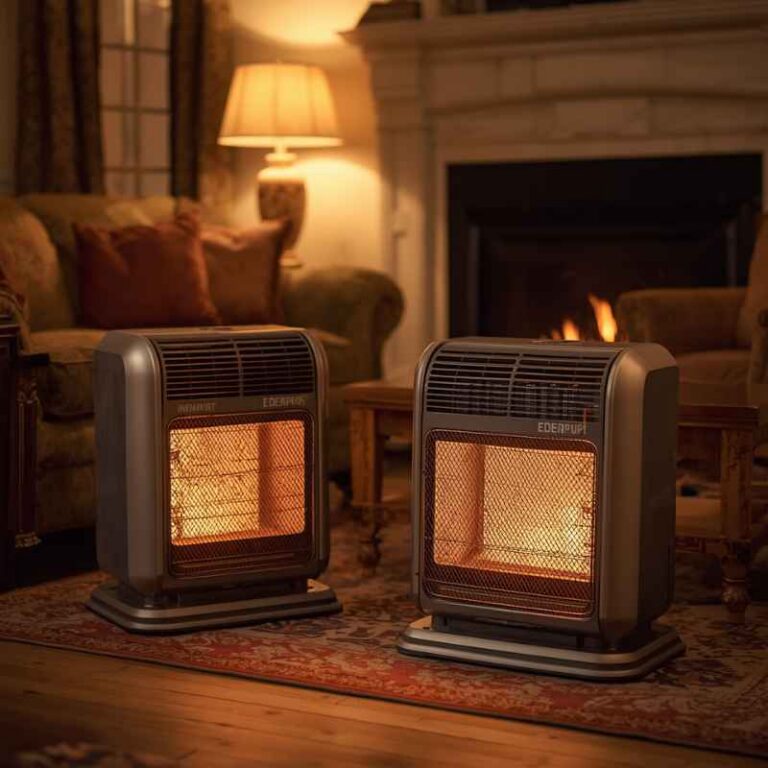
Infrared heaters are generally safe and can be cost-effective. They work by heating objects directly, not the air, which can lead to energy savings. Safety depends on proper use and placement, similar to other heating devices. Always check for certifications and follow manufacturer guidelines.
What Are Infrared Heaters?
Infrared heaters are a bit different from your usual heater. Most heaters warm up the air in a room. Then, that warm air circulates.
Infrared heaters don’t do that. Instead, they send out invisible light waves. These waves are called infrared radiation.
Think of how the sun feels warm on your skin. It’s a similar idea. The infrared waves travel through the air.
When they hit an object, like your sofa or your body, they transfer heat. This makes the object warm. So, you feel warm directly, not just because the air around you is warm.
This direct heating method has some neat perks. Since they heat objects and people, they don’t waste energy trying to heat up empty air. This can make them feel warmer faster.
It also means that if you open a window, the heat doesn’t escape as quickly. The objects in the room will stay warm for a bit. This is a big change from forced-air heaters.
They lose heat much faster when the air moves or escapes.
The heat from an infrared heater feels like a natural warmth. Many people describe it as cozy and soothing. It doesn’t create that dry, stuffy air feeling that some other heaters can.
They are often very quiet too. You usually won’t hear any fans or blowing sounds. This makes them great for bedrooms or living areas where you want peace.
How Do They Work?
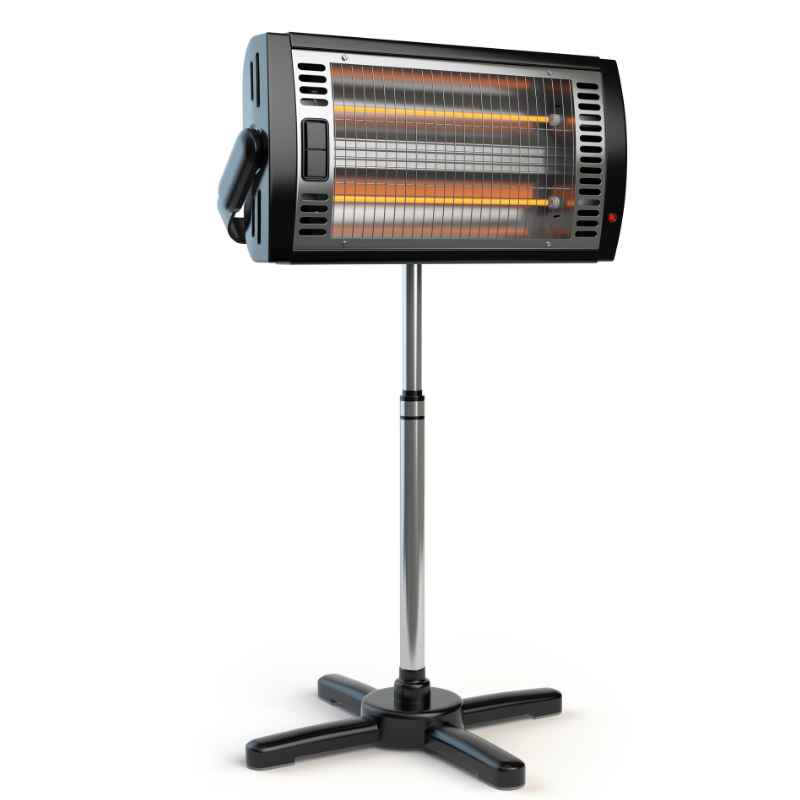
The magic behind infrared heaters is in their heating element. This is usually a special type of filament or lamp. When electricity flows through it, it gets very hot.
As it gets hot, it gives off infrared rays. These rays are part of the electromagnetic spectrum. They are just below visible light.
You can’t see them, but you can feel their warmth.
These rays travel in straight lines. They don’t heat the air they pass through. Imagine a flashlight beam.
It travels from the flashlight to where it hits. Infrared rays do the same. When these rays strike a solid object, their energy is absorbed.
This energy makes the molecules in the object move faster. More movement means more heat. So, your walls, furniture, and even you will start to feel warm.
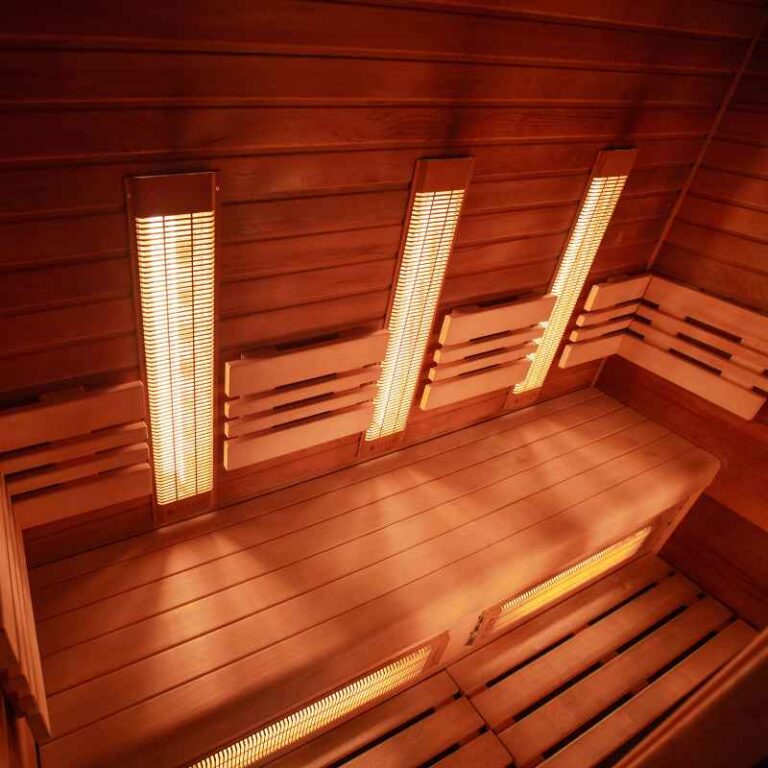
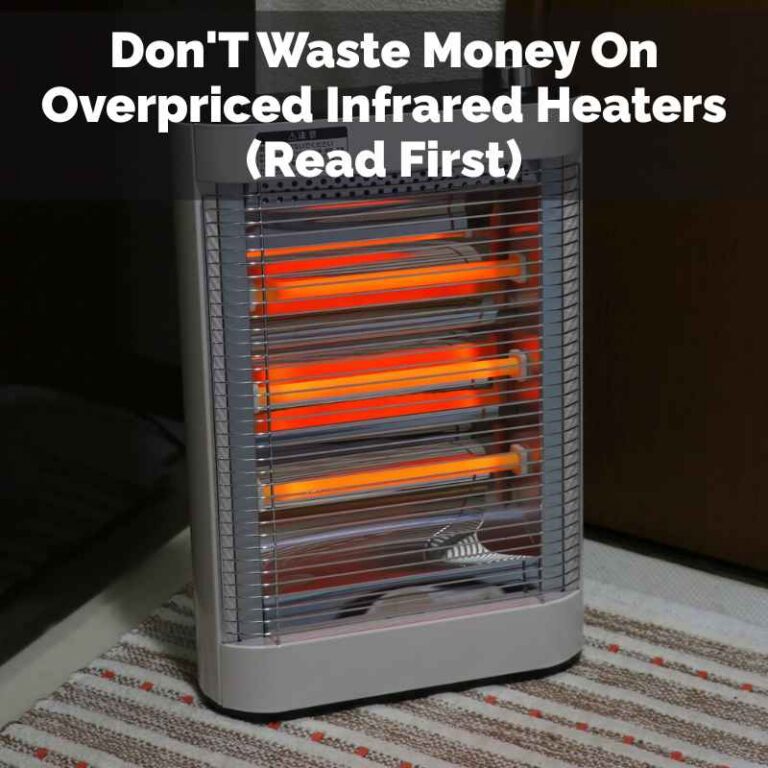
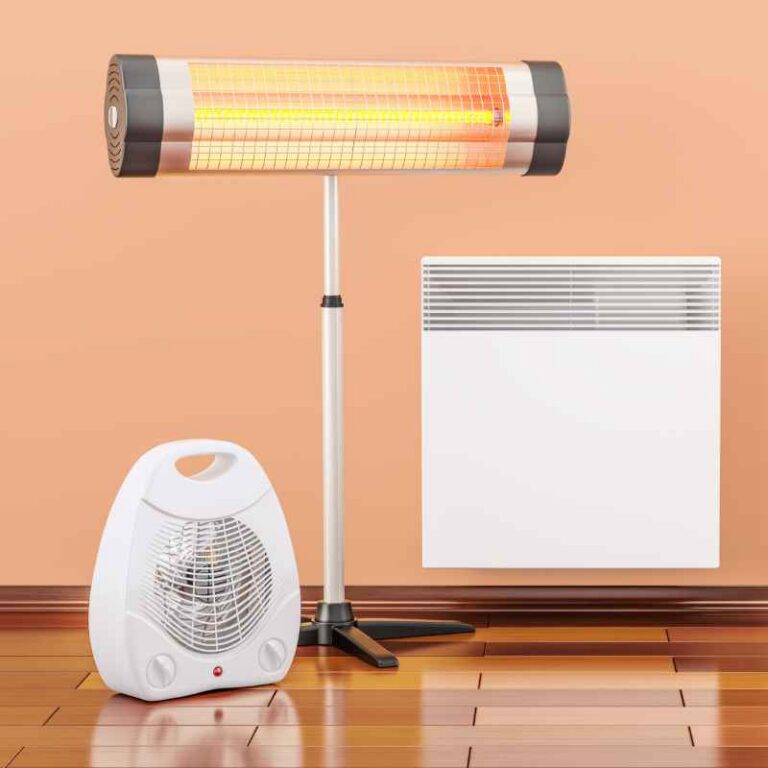
There are a few main types of infrared heaters. Panel heaters are flat and wide. You can hang them on a wall or ceiling.
They spread heat out over a larger area. Quartz heaters have quartz tubes that heat up. They are often used for spot heating.
Ceramic heaters use ceramic elements. They tend to get very hot and provide strong heat.
The efficiency comes from this targeted heating. If you’re sitting in a room with an infrared heater, it heats you. It doesn’t need to heat the whole room’s air first.
This means you can often set the thermostat lower. You’ll still feel comfortable. This is a key part of why they can save energy.
Are Infrared Heaters Safe?
Safety is a big concern for everyone. For infrared heaters, the answer is mostly yes, they are safe. But like any heat source, you need to use them right.
The main things to watch out for are similar to other heaters. Don’t block the airflow. Keep them away from flammable things.
And don’t touch the hot parts.
These heaters get hot. The outer casing might not get as hot as older types of heaters. But the parts that give off the heat will.
So, it’s wise to keep them out of reach of young children and pets. Many models come with safety features. These can include tip-over switches.
If the heater falls over, it shuts off automatically. Some have protective grills. These stop you from touching the hottest parts directly.
One thing that makes them safer is that they don’t blow hot air. Some heaters can spread dust and allergens around the room. Infrared heaters don’t do this.
This is good for people with allergies or asthma. Also, they don’t use fans. This means there are fewer moving parts.
Fewer moving parts can mean less chance of something breaking or causing an issue.
When buying, look for safety certifications. In the U.S., this often means a UL or ETL mark. These labels mean the product has been tested.
It meets safety standards. Always read the instruction manual. It will tell you exactly how to use the heater safely.
Follow the recommended distances from walls and furniture. Never cover the heater with anything. This can cause it to overheat.
I remember a time when I first got a portable infrared heater. My cat loved to sleep near it. I was worried she might get too close.
I made sure the heater was on a stable surface. I also placed it so her favorite sleeping spot was a safe distance away. She seemed to enjoy the gentle warmth.
It gave me peace of mind knowing she wasn’t in danger.
Safety Checklist for Infrared Heaters
Placement: Always place on a flat, stable surface. Keep at least 3 feet (about 1 meter) away from curtains, furniture, and walls. Never put it near water.
Do not use in bathrooms.
Children & Pets: Use a heater with a protective grill. Ensure it’s out of reach if possible. Supervise closely when in use.
Electrical Safety: Plug directly into a wall outlet. Avoid extension cords if possible. If you must use one, make sure it’s rated for the heater’s wattage.
Operation: Never cover the heater. Turn it off when you leave the room or go to sleep. Inspect the cord for damage regularly.
Certifications: Look for UL or ETL listed marks on the product. This shows it meets safety standards.
Are Infrared Heaters Cost-Effective?
This is where things get really interesting for your energy bill. Many people find infrared heaters to be quite cost-effective. The main reason is their heating method.
They heat objects directly, not the air. This means you can feel warm without heating the entire room to a high temperature. This is called spot heating.
Imagine you only need to warm up your living room for a few hours. Instead of heating your whole house, you can use a smaller infrared heater. It will warm you and the things around you.
This can use much less energy than a large central heating system. Even for larger rooms, if you’re sitting in one area, you can aim the heater there. You’ll feel comfortable faster.
Another factor is efficiency. Modern infrared heaters are designed to convert most of the electricity they use directly into heat. They don’t waste a lot of energy trying to warm air.
This is different from some older heating methods. Those might lose a lot of heat through vents or drafts. The heat from an infrared heater stays where it’s directed for longer.
However, cost-effectiveness isn’t just about the heater itself. It’s also about how you use it. If you use an infrared heater to heat your entire home all day long, it might not be as cheap as you think.
They are best used for supplemental heating or for heating specific areas. For example, heating a basement room that’s usually cold. Or warming up a home office during the day.
Let’s talk about different types of infrared heaters. Some are more powerful than others. A larger, more powerful unit will cost more to run than a smaller one.
But it might heat a larger space or heat it faster. You need to match the heater’s size to your room. Overkill can waste energy.
Too small, and it won’t do the job.
Consider your local electricity rates too. If electricity is very expensive where you live, the savings might be less noticeable. But compared to electric resistance heaters that warm the air, they are often still a good choice.
They provide a more comfortable heat for the energy used.
I used to rely only on my central heating. My study room was always chilly in the winter. Even with the thermostat turned up, it felt cool by the window.
I bought a small infrared panel heater. I mounted it on the wall. Now, when I work, I turn it on.
It warms up my desk area. I can keep the rest of the house a bit cooler. My heating bill actually went down.
That was a great surprise!
Cost-Effectiveness Explained
How they save money: They heat objects directly, not the air. This means you feel warm faster with less energy.
Best Use Cases: Great for supplemental heating in a single room. Ideal for warming up a workspace or a chilly corner.
What to Watch For: Running them to heat an entire house constantly can be costly.
Factors Affecting Cost: Room size, heater wattage, local electricity prices, and your usage habits are important.
Comparison: Often more efficient than electric fan heaters or baseboard heaters that warm air.
Real-World Usage and Scenarios
Infrared heaters are used in so many different ways. Think about a garage workshop. It might not be heated all the time.
You can turn on an infrared heater when you’re working there. It warms you up quickly. You don’t need to heat the whole big space constantly.
This is much more efficient.
In homes, they are popular for supplemental heat. A drafty sunroom can become usable in winter. You can add an infrared heater to keep it warm.
Or a basement den that always feels cold. You can target that specific area. This makes it comfortable without running up a huge bill for the whole house.
Some people use them in their bedrooms. They prefer not to sleep in a very warm room. An infrared heater can provide personal warmth.
You can turn it on before bed. Then turn it off or down when you’re asleep. This is much better than heating the whole bedroom all night.
Outdoor patios or covered decks are another place. Many infrared heaters are designed for outdoor use. They can extend the use of your outdoor living space into cooler months.
You’re not heating the open air. You’re warming the people sitting there. This is a smart way to use outdoor space longer.
What about in commercial spaces? Think of waiting rooms or small offices. An infrared heater can provide comfort.
It doesn’t need to warm up a large volume of air. It can be turned on when needed. It warms people quickly.
This is very practical.
I’ve seen them used in a large open-plan kitchen. The far end near the patio door always felt cooler. The homeowner put a sleek infrared panel heater on the wall.
It blended in nicely. Now, when they’re cooking or eating there, they can turn it on. It makes that space so much more enjoyable.
The key is understanding their strength. They excel at targeted heating. They provide a comfortable, radiant warmth.
This warmth is felt directly. It’s not about blasting hot air. This makes them ideal for situations where you want warmth without constant, whole-house heating.
Consider the design too. Many infrared heaters are quite stylish now. They aren’t just ugly boxes.
You can get slim panels that look like art. Or small, modern units that fit into your decor. This makes them a practical choice that also looks good.
Where Infrared Heaters Shine
Home Use: Supplementing heat in chilly rooms like studies, basements, or sunrooms. Providing personal warmth in bedrooms.
Workspaces: Garages, workshops, and home offices benefit from quick, targeted warmth.
Outdoor Living: Extending the use of covered patios and decks.
Commercial Settings: Waiting areas, small offices, and retail spaces for localized comfort.
Allergy Sufferers: They don’t circulate dust or allergens like fan heaters.
Understanding the Heat: Radiant vs. Convection
It’s really helpful to know the difference between how infrared heaters work and how other common heaters work. Most heaters you might be familiar with are convection heaters. Think of your home’s furnace or a portable electric heater with a fan.
These work by heating the air. Then, a fan blows that warm air around the room.
This is called convection. Warm air rises. As it rises, it pushes cooler air down.
This cooler air gets heated, and the cycle continues. It’s like a gentle circulation. It takes time for convection heaters to warm up a whole room.
Especially a large or poorly insulated one. The warm air can also escape easily through windows or doors.
Infrared heaters, as we’ve talked about, use radiant heat. They emit infrared waves. These waves travel in a straight line.
They heat objects they touch. They don’t need to heat the air in between. This is why you feel warm almost instantly when you stand in front of one.
The warmth is direct. It’s like standing in a sunny spot on a cool day.
The feeling of warmth from an infrared heater is often described as more satisfying. It’s a deeper, more penetrating warmth. Convection heat can sometimes feel like a general stuffiness.
Radiant heat feels more like a direct, comforting touch.
What does this mean for your energy use? With convection heating, you’re paying to warm all the air in the room. Even the air near the ceiling.
Or the air that escapes outside. With radiant heating from an infrared heater, you’re primarily paying to warm the objects and people in the room. This can lead to significant energy savings.
You’re not wasting energy on air that isn’t being felt.
Let’s think about a common scenario. You’re sitting on the couch. A convection heater might warm the whole living room.
But the air directly around you might not be as warm as you’d like. You might still feel a draft. An infrared heater, pointed towards your couch, will warm you and the couch fabric.
You’ll feel cozy. The rest of the room might be a bit cooler. But you’ll be comfortable.
This direct heating also means that even if there’s a slight draft, the objects you’re sitting on will retain heat longer. The warmth is absorbed by the mass of the objects. It doesn’t just disappear with the moving air.
This is a key advantage for energy efficiency and comfort.
It’s important to note that many heating systems combine methods. Some heaters might offer both radiant and fan-forced heat. But understanding the core difference helps you choose the right tool for the job.
For efficient, targeted warmth, infrared is often the winner.
Radiant vs. Convection: The Key Differences
Radiant Heat (Infrared Heaters):
- Heats objects and people directly.
- Uses infrared waves.
- Fast, direct warmth.
- Efficient for spot heating.
- Doesn’t heat the air between.
Convection Heat (Furnaces, Fan Heaters):
- Heats the air in a room.
- Warm air circulates.
- Takes time to warm the entire space.
- Can be less efficient if air escapes.
- Can dry out the air.
When is an Infrared Heater the Right Choice?
So, when should you really consider getting an infrared heater? They aren’t for every single heating need. But they are fantastic in certain situations.
If you need to heat just one specific area of a room, an infrared heater is a great option. Imagine your home office. You sit at your desk for hours.
You can place an infrared heater nearby. It will keep you warm and focused. You won’t need to crank up the heat for the whole house.
If you have a room that’s hard to heat with your central system, infrared can help. Basements, garages, or sunrooms are often good candidates. These spaces might not be used all the time.
Or they might have poor insulation. An infrared heater can make them comfortable for use without the huge cost of upgrading the whole house’s heating.
For people who are sensitive to dry air or dust, infrared heaters are a good pick. Because they don’t use fans to blow air, they don’t stir up dust or allergens. The heat feels more natural and less drying.
This can be a big plus for comfort and health.
If you want heat quickly, infrared is the way to go. You don’t have to wait for the air to warm up. You turn it on, and you feel the warmth almost instantly.
This is great for those times you come home and the house is a bit chilly. You want to warm up fast.
They can also be a good choice for supplemental heat. You might have a central heating system. But there are certain times or places where it just doesn’t provide enough comfort.
An infrared heater can fill that gap. It can make a room feel much cozier. This can help you rely less on your main heating system.
Lastly, if you’re looking for a quiet heating solution, infrared is often the answer. Most models are silent. This makes them ideal for bedrooms, nurseries, or quiet living areas.
You get warmth without the distracting noise of fans or blowers.
I know a couple who bought a small infrared heater for their baby’s nursery. They wanted to keep the room at a comfortable temperature. But they didn’t want a noisy fan heater.
The infrared heater kept the room nice and warm. It was silent. And they felt good knowing it was safe and efficient for their little one.
When to Choose Infrared Heat
Spot Heating: To warm a specific area or person.
Chilly Rooms: For basements, garages, sunrooms, or offices that are hard to heat.
Quick Warmth: When you need to feel warm fast.
Air Quality: If you have allergies or prefer less dry air.
Quiet Operation: For bedrooms or quiet living spaces.
Supplemental Heat: To boost comfort from your main heating system.
Potential Downsides and Things to Consider
While infrared heaters have many benefits, it’s important to be aware of potential downsides. The biggest one for many people is that they heat objects, not air. This means that if you turn one off, the objects that were heated will start to cool down.
They don’t keep the room warm for a long time after the power is cut. This is different from a convection heater that warms the air. That air will stay warm for a while.
Another point to consider is their effectiveness in very large, open spaces. While they are good at spot heating, trying to heat a massive, open-plan house with only infrared heaters might not be practical or cost-effective. You’d need many units.
And the heat wouldn’t distribute as evenly as a central system designed for such spaces.
Also, placement is crucial. If you don’t position the heater correctly, you might not feel the full benefit. If it’s too far away, or blocked by furniture, the heat won’t reach you.
It’s important to understand line-of-sight heating. The rays need a clear path to what they are heating.
The initial cost can sometimes be higher than basic electric heaters. While they save money in the long run through energy efficiency, the upfront purchase price might be a factor for some budgets. You need to weigh this against the potential savings over time.
Some infrared heaters can get very hot to the touch. Even with safety features, you need to be cautious, especially if you have very young children or pets who might not understand the danger. Always check for models with good protective grills and tip-over shutoffs.
And while they don’t circulate dust, the heating elements themselves can sometimes get dusty. This dust can bake onto the element. It might cause a slight odor when the heater is turned on.
It’s a good idea to clean your infrared heater regularly according to the manufacturer’s instructions. This helps maintain efficiency and prevent odors.
I once tried using a portable infrared heater in a large living room. I was hoping it would warm the whole space. It did warm me and the furniture directly in front of it.
But the far corners of the room stayed quite cool. It made me realize that for larger areas, I needed to think about a more distributed heating solution, or use multiple units strategically. It wasn’t a fault of the heater, but my expectation of what it could do.
Potential Downsides to Note
Objects Cool Down: Heat retention is mostly in objects, not the air.
Large Spaces: Less ideal for heating very large, open areas without multiple units.
Placement is Key: Heat is directional; requires good positioning.
Initial Cost: Can be more expensive upfront than basic heaters.
Hot Surfaces: Some models can get very hot.
Dust Buildup: Heating elements can collect dust, requiring cleaning.
Maintenance and Lifespan
Keeping your infrared heater running well is pretty simple. Most models require very little maintenance. The most important thing is to keep them clean.
Dust can build up on the heating elements. This can reduce their efficiency. It can also lead to odors when the heater is on.
Follow the manufacturer’s instructions for cleaning. Usually, this involves unplugging the heater first.
Then, gently wipe down the exterior. For the inside, you might use a soft brush or a vacuum cleaner with a brush attachment. Be careful not to damage any delicate parts.
Regular cleaning, maybe once or twice a season, is usually enough.
Check the power cord regularly. Make sure it’s not frayed or damaged. If you see any damage, stop using the heater immediately.
Replace the cord or the unit if necessary. This is a common safety check for all electrical appliances.
The lifespan of an infrared heater can vary. It depends on the quality of the unit and how well it’s cared for. High-quality models can last for many years.
Some people report having them for 10 to 15 years or even longer. Cheaper models might not last as long. The heating elements are designed to last a long time.
They don’t wear out like a fan motor might.
When you’re not using the heater, store it in a dry place. This will protect it from moisture and dust. Make sure it’s completely cool before storing it.
A cover can also help keep it clean. This will ensure it’s ready to go when the cold weather returns.
I have a friend who bought a nice infrared panel heater for her living room. She cleans it about once a year. It’s been working perfectly for almost eight years now.
She said it was one of the best home comfort purchases she ever made. It’s still heating her room just like it did on day one.
Simple Care for Your Heater
Regular Cleaning: Dust elements and exterior. Check manufacturer guidance.
Inspect Cord: Look for any signs of wear or damage.
Proper Storage: Keep in a dry place when not in use.
Avoid Water: Never expose to moisture.
Safety First: Always unplug before cleaning or storing.
What This Means For You
So, what’s the takeaway? Infrared heaters are a safe and potentially very cost-effective heating solution. They offer a unique way to feel warm.
They do this by heating objects directly, not just the air. This can lead to energy savings. Especially when used for spot heating or supplemental warmth.
Safety is high, provided you use them correctly. Always follow the manufacturer’s guidelines. Look for safety certifications.
Keep them away from flammable materials and out of reach of small children and pets. Proper placement is also key to getting the most out of them. They are directional, so aim them where you need the warmth.
They excel in specific situations. If you have a cold office, a chilly basement, or want quick personal warmth, they are a fantastic choice. They are also great for people who suffer from allergies.
Because they don’t blow air, they don’t stir up dust. They operate quietly, which is a big plus for many.
However, they aren’t a one-size-fits-all solution. If you need to heat a very large open space all the time, you might need to combine them with other heating methods. Or choose a different type of system.
They heat objects, and those objects cool down when the heater is off. So, they don’t keep a room warm for hours without power.
Overall, when you understand how they work and where they fit best, infrared heaters can be a smart addition to your home. They can boost comfort, lower energy bills, and provide a pleasant warmth. Just do your research, choose a reputable brand, and use them as intended.
Frequently Asked Questions About Infrared Heaters
Are infrared heaters safe to leave on overnight?
Many infrared heaters are designed for continuous use. However, safety is paramount. Always check the manufacturer’s instructions.
Look for models with automatic shut-off features or tip-over protection. If you have concerns about safety or dryness, it’s often best to set a timer or turn it off before sleeping. Ensure there’s nothing flammable nearby and the unit is placed safely.
Can infrared heaters be used in bathrooms?
Generally, no. Most infrared heaters are not designed for wet environments like bathrooms. Water and electricity are a dangerous mix.
Look for heaters specifically rated as safe for damp or wet locations if you need heat in such an area. Always check the product’s IP rating (Ingress Protection) and manufacturer guidelines carefully.
Do infrared heaters make the air too dry?
Infrared heaters do not add moisture to the air, nor do they remove it. They heat objects directly. Unlike convection heaters that can sometimes dry out the air, infrared heat feels more natural.
Some people find it less drying. If you have very dry air in your home, you might still consider using a separate humidifier.
How far away should I stand from an infrared heater?
The effective heating distance varies by the heater’s power and design. Typically, you’ll feel the warmth within a few feet. Many manufacturers suggest placing them 3 to 6 feet away from you for optimal comfort.
They work by direct line of sight, so the closer you are, the more direct the heat will feel.
Will an infrared heater heat my entire house?
No, most infrared heaters are designed for spot heating or supplemental heat in a single room. They are not typically powerful enough to heat an entire house. For whole-home heating, a central heating system is usually more appropriate.
Infrared heaters are best used to target specific areas that are colder or used more frequently.
Are infrared heaters more energy efficient than electric heaters?
Yes, generally infrared heaters are more energy efficient than many other types of electric resistance heaters. This is because they heat objects and people directly, rather than wasting energy heating the air. This targeted approach means you can often feel comfortable at a lower overall room temperature, leading to energy savings.
The Final Word on Infrared Heaters
We’ve covered a lot about infrared heaters. We looked at how they work. We talked about their safety and cost.
We saw where they fit best in our homes. They offer a unique warmth. They can be efficient.
And they are safe when used right. Think of them as smart tools for targeted comfort. They can make a real difference in how cozy your home feels, without breaking the bank.
Sponsored / affiliate links. As an Amazon Associate I earn from qualifying purchases. I may earn additional commission from eligible campaigns.
 MOVA X4 Pro Wet Dry Vacuum Cleaner, 20000Pa Cordless Vacuum Mop with Zero Tangle, Hot Water Mopping for Sticky Messes,194℉ Hot Air Self Drying, 180° Lie Flat, Push-in Charging Station, LED Display
 RKUVPAE Smart Bedroom Home Small Air Purifier, Mini Basement for Home Basement Bathroom Wardrobe Dehumidification