Nichrome Vs Infrared Heaters: What Is The Real Difference?
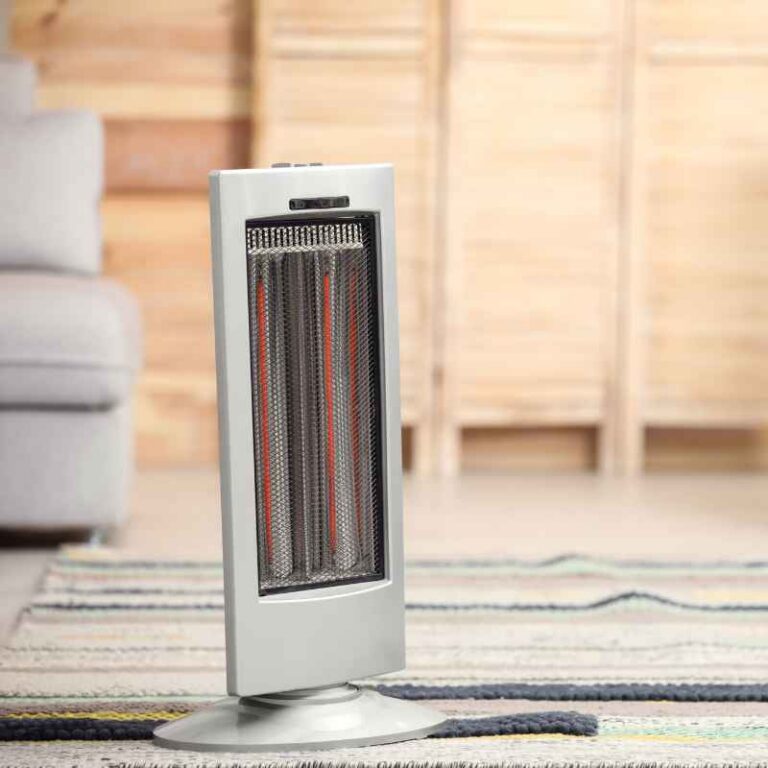
The main difference between nichrome and infrared heaters lies in how they generate and transfer heat. Nichrome heaters use a resistance wire that glows red hot to produce heat through convection and radiation. Infrared heaters, on the other hand, emit invisible infrared waves that directly warm objects and people they strike, much like the sun.
What Is a Nichrome Heater?
Nichrome is a metal alloy. It is mostly made of nickel and chromium. This alloy is great for heating elements.
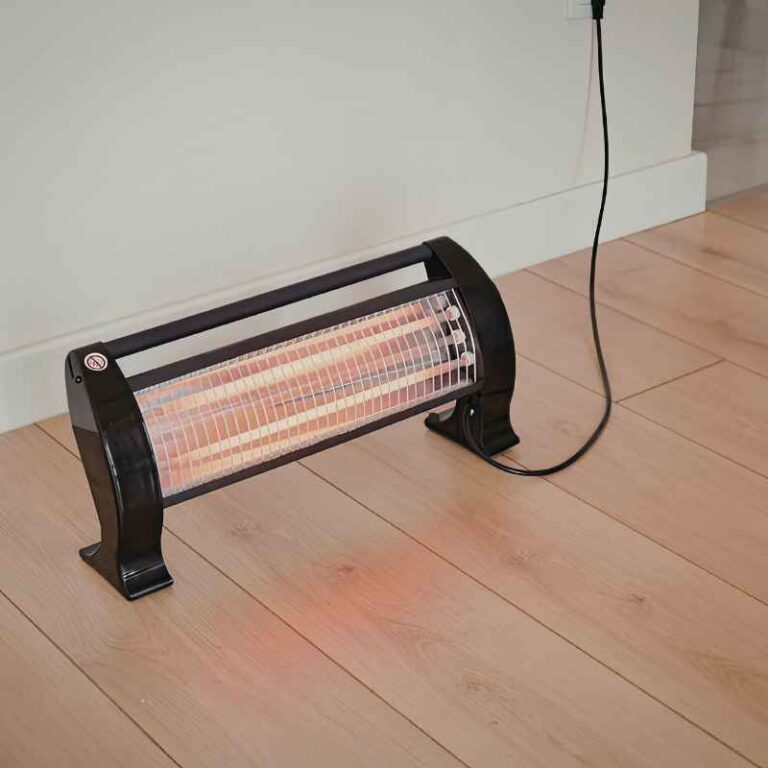
When electricity passes through it, the nichrome wire gets very hot. It starts to glow a deep red. This glowing wire is the heart of a nichrome heater.
Think of an old-fashioned toaster. Inside, you see those glowing red coils. Those are made of nichrome.
They get hot fast. This heat then warms the air around them. This process is called convection.
The hot air rises and moves through your room. It also gives off heat directly, which is radiation.
Nichrome heaters are common. You find them in many household items. This includes space heaters, toasters, hair dryers, and electric ovens.
They are good at heating things up quickly. They also tend to be quite affordable to make. That’s why they are used so often.
The way they work is simple. Electricity flows through the nichrome wire. This wire has a lot of resistance.
Resistance is like a traffic jam for electricity. As electricity struggles to get through, it creates heat. The more electricity you push, the hotter the wire gets.
This heat then warms the air. The air then circulates. This warm air heats your space.
One thing to note is that nichrome heaters warm the air. This means that if there’s a draft, the warm air can easily be lost. It’s like blowing on a candle.
The flame goes out. So, in a drafty room, a nichrome heater might work harder. It might not feel as effective as you want it to be.
They are good for direct, close-up heat though. Like standing right next to a portable heater.
The temperature of the heating element is key. Nichrome wires can reach very high temperatures. This helps them heat the air quickly.
But it also means they can be a fire risk if something flammable gets too close. Safety guards are always built into these heaters. This is to keep you and your home safe.

What Is an Infrared Heater?
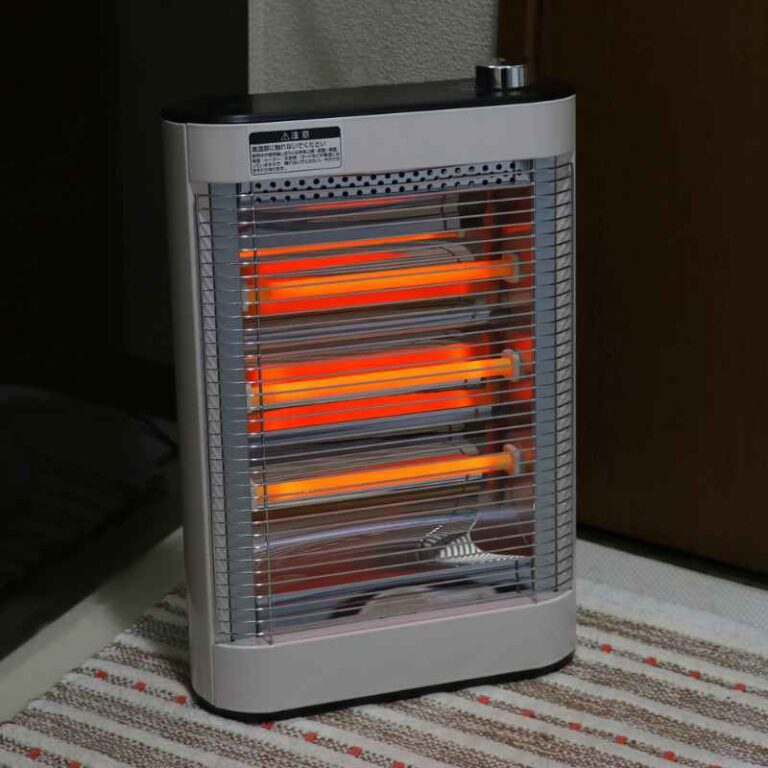
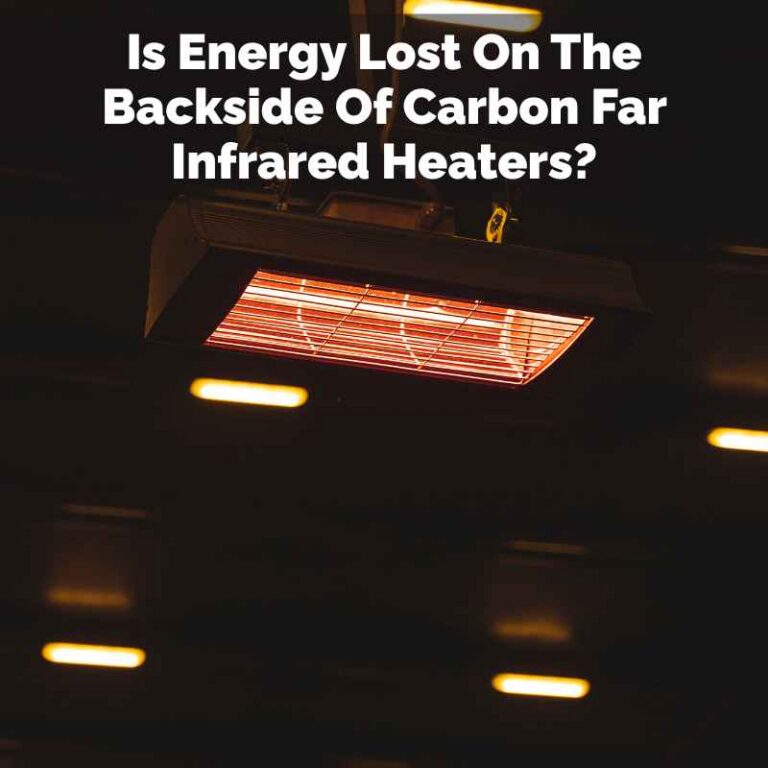
Infrared heaters work in a totally different way. They do not heat the air first. Instead, they send out waves of infrared light.
These waves are invisible to our eyes. But we can feel them as heat. It’s very similar to how the sun warms your skin on a cool day.
The sun’s rays pass through the air. They warm you directly. They don’t warm the air between you and the sun much.
These waves travel in a straight line. When they hit an object – like your skin, a table, or a wall – they transfer their energy. This energy makes the object’s molecules vibrate faster.
This is what we feel as warmth. So, infrared heaters warm surfaces and people directly. They don’t rely on moving air.
This is a big advantage. In a room with drafts or high ceilings, infrared heat stays put. It warms you where you are.
It doesn’t get blown away easily. This makes them very efficient for spot heating. Or for heating large, open spaces where heating all the air would be wasteful.
There are different types of infrared heaters. Some use quartz tubes. Others use ceramic elements.
Even some can use carbon fiber. All of them are designed to emit these infrared waves. They often have a reflective surface behind the element.
This helps to focus and direct the heat waves outwards.
Because they warm objects directly, you can feel the warmth almost instantly. There’s no waiting for the air to heat up. You step into the path of the heater, and you feel warm.
This is a nice feeling, especially when you just need a quick burst of heat.
The temperature of the element in an infrared heater is often not as extreme as a nichrome element. They focus on emitting the right kind of infrared light. This light is safe and effective for heating.
They are often seen as a more comfortable and targeted way to heat.
Nichrome vs. Infrared: Quick Look
Nichrome Heaters:
- How they work: Heat air by resistance wire (convection & radiation).
- What they warm: Primarily the air in the room.
- Feeling of heat: Gradual, surrounds you as air warms.
- Good for: Small, enclosed spaces; quick warming of air.
- Common uses: Toasters, space heaters, hair dryers.
Infrared Heaters:
- How they work: Emit invisible light waves (direct radiation).
- What they warm: Objects and people directly.
- Feeling of heat: Instant, targeted warmth.
- Good for: Large spaces, drafty areas, spot heating.
- Common uses: Patio heaters, workshop heaters, some home heating panels.
The Science Behind the Heat
Let’s dive a little deeper into the physics. It’s not too complicated, I promise. Understanding this helps you see why they perform differently.
For nichrome heaters, it’s all about electrical resistance. When electricity tries to flow through a material that resists it, like nichrome, energy is lost. This lost energy turns into heat.
This is known as the Joule heating effect. The nichrome wire gets hot. It then transfers this heat to the surrounding air.
This is mostly through convection, where the warm air rises and moves around. Some heat is also radiated directly from the wire, but the air movement is the main way the room heats up.
Imagine a crowded hallway. People trying to push through are like electricity. The walls are the resistance.
They bump into each other and generate heat. This heat then spreads to everyone in the hallway. That’s a bit like how a nichrome heater works.
For infrared heaters, the science is different. They produce electromagnetic radiation. This radiation is in the infrared spectrum.
Our eyes can’t see it. But our skin can detect it. The key is that this radiation travels through the air without heating it significantly.
It’s like light from a lamp. The light itself doesn’t warm the air. It warms whatever the light hits.
When infrared waves hit an object, their energy is absorbed. This causes the molecules in the object to vibrate faster. This increased vibration is felt as heat.
So, a person sitting in front of an infrared heater feels warm immediately. The walls and furniture in the room also absorb this heat. They then radiate it back into the room.
This direct warming of objects means infrared heaters can be more efficient. They don’t waste energy heating air that might escape. It’s a more targeted approach.
It feels warmer faster. This is because your body is directly absorbing the heat energy.
It’s important to know that infrared radiation is a natural part of our world. Sunlight contains infrared radiation. We feel it as warmth.
The infrared waves used in heaters are safe. They are not the same as ultraviolet (UV) radiation, which can be harmful.
Personal Experience: The Drafty Workshop
I remember a time when I was setting up a small workshop in my garage. It was winter, and it got incredibly cold in there. I needed a way to stay warm while I worked on my projects.
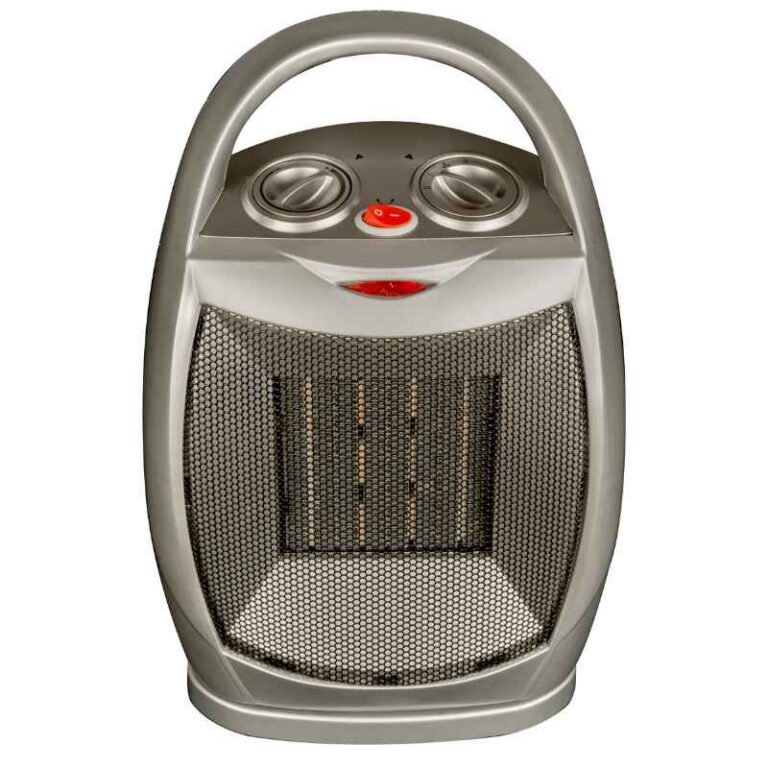
I bought a cheap portable space heater. It looked like a little ceramic tower. I figured it would do the job.
I turned it on, and it made a fan noise. The air coming out felt warm, but it didn’t seem to make much difference. The garage is large and not well insulated.
There were even some gaps around the door. I’d feel a wave of heat for a minute. Then, a cold draft would blow it away.
I’d find myself shivering again, even though the heater was running constantly.
It was so frustrating. I was spending money on electricity, but I wasn’t getting any real comfort. I was huddled in my coat, trying to concentrate.
The air itself felt cool around me. It was like the heat was just a suggestion. I felt a real sense of annoyance.
I had expected it to make a difference, but it wasn’t.
That’s when I started looking into different types of heaters. I learned about infrared heaters. I bought a small infrared panel heater for the workshop.
It was a bit more expensive upfront. But the difference was night and day. I mounted it above my workbench.
I turned it on, and there was no fan noise. Just a gentle, steady warmth.
I could feel it directly on my hands and face. Even though the air temperature in the garage didn’t climb dramatically, I was perfectly comfortable. The heat stayed with me.
It didn’t get whisked away by the drafts. It felt like a small patch of sunshine in the cold garage. That experience taught me a lot about how different heating technologies work.
Efficiency and Energy Use
When we talk about heating, efficiency is a big deal. We want to stay warm without spending a fortune on electricity bills. How do nichrome and infrared heaters stack up?
Nichrome heaters are generally considered less efficient in certain situations. Because they heat the air, any heat generated that doesn’t directly hit a person or object can be lost. If your room has poor insulation, drafts, or very high ceilings, a lot of that heated air can escape.
This means the heater has to work harder and longer to keep the space at a comfortable temperature. This can lead to higher energy consumption.
However, for small, well-insulated spaces, nichrome heaters can be quite effective. If you’re just looking to quickly warm up a small bedroom, they can do the job. They are also often less expensive to purchase initially.
So, the upfront cost can be lower.
Infrared heaters, on the other hand, are often more energy-efficient, especially in specific scenarios. Since they heat objects and people directly, they bypass the need to heat the entire volume of air. This means less heat is wasted.
You feel the warmth almost instantly. You can often turn them off sooner.
In large rooms, workshops, or spaces with drafts, infrared heaters can be significantly more efficient. They target the heat where it’s needed most. Some studies and manufacturers suggest that infrared heating can use up to 30-50% less energy than convection heating for the same level of comfort in certain applications.
This is because you’re not constantly re-heating air that’s escaping.
Another aspect of efficiency is how quickly you achieve comfort. With an infrared heater, you feel warm almost immediately. With a nichrome heater, you might have to wait 10-20 minutes for the air to reach a comfortable temperature.
This means you might start using the heater sooner with infrared.
It’s also worth considering the type of heat. While nichrome heaters heat the air, which then warms you, infrared heaters directly warm your body. This direct warmth can feel more intense and satisfying, meaning you might be comfortable at a slightly lower ambient air temperature.
This can also lead to energy savings.
Energy Use Comparison
Nichrome Heater:
- Efficiency: Can be less efficient in drafty or large spaces.
- Energy Waste: Higher potential for heat loss through air.
- Good For: Small, sealed rooms for quick air warming.
- Cost: Lower upfront purchase cost.
Infrared Heater:
- Efficiency: Generally more efficient for spot heating and large/drafty areas.
- Energy Waste: Lower heat loss; targets heat directly.
- Good For: Workshops, patios, rooms with high ceilings.
- Cost: Can be higher upfront, but potential for energy savings.
Real-World Context: Where Do They Shine?
Both types of heaters have their place. It’s not about one being universally better. It’s about using them in the right situation.
Nichrome heaters are fantastic for quick, general warmth in smaller, enclosed spaces. Think about these scenarios:
- Bedrooms at night: If you have a small bedroom that gets chilly, a nichrome space heater can quickly warm the air before you go to sleep. Once the room is cozy, you might even turn it off.
- Small living rooms: In a compact living room, a nichrome heater can help take the edge off the cold. It warms the air that circulates around you as you sit on the sofa.
- Bathrooms: Some people like a quick blast of warm air in the bathroom while they get ready. A small nichrome heater can provide this.
- Toasters and Hair Dryers: These are classic examples where nichrome’s ability to get hot very quickly is essential for their function.
The key is that the space should be relatively sealed. The goal is to warm the air inside, and you want that air to stay there.
Infrared heaters truly excel in situations where direct, targeted heat is needed, or where air heating is inefficient. Consider these uses:
- Workshops and Garages: As I mentioned, these are often large, drafty, and poorly insulated. You don’t need to heat the whole building. You just need to feel warm while you’re working at your bench. Infrared is perfect for this.
- Patios and Outdoor Spaces: Outdoor patio heaters are almost always infrared. They need to heat people despite the open air. Infrared waves do exactly that.
- Large Open-Plan Homes: If you have a large living area with high ceilings, heating all that air can be a huge energy drain. Infrared panels can be placed strategically. They warm the zones where people spend time.
- Drafty Rooms: Any room that has noticeable drafts from windows or doors will benefit from infrared. The heat isn’t easily carried away by the moving air.
- Spot Heating: If you just need to feel warm in one specific spot, like at your desk or in your favorite reading chair, an infrared heater can provide that focused warmth.
The idea with infrared is to warm the “occupants” of the space, rather than the space itself. This can lead to greater comfort and efficiency.
Scenario Spotlight
Best for Nichrome: A small, well-sealed nursery where you need to quickly warm the air for a baby. The enclosed space traps the warm air.
Best for Infrared: A large, open-plan living room with a chilly north-facing window. You want to feel warm while reading near the window, without heating the entire large room.
What Does This Mean for You?
So, you’ve read about how they work and where they’re best used. What’s the takeaway for your home or workspace?
When it’s normal to use a nichrome heater: If you have a small, enclosed room that you want to feel a bit warmer quickly, and it doesn’t have major drafts, a nichrome heater is a good option. Think of it for a quick comfort boost in a bedroom or small office. They are also great for specific appliance uses like toasters.
They heat up incredibly fast for a short burst.
When to consider an infrared heater: If you have a larger space, a room with high ceilings, or noticeable drafts, infrared will likely serve you better and more efficiently. If you want to feel warm almost immediately, or if you are heating a workshop or patio, infrared is the way to go. It’s also a great choice for energy savings if you have a space that’s hard to keep consistently warm with air heating.
Simple checks to make: Before buying, consider the size of the space you need to heat. Think about how well insulated it is. Are there drafts?
How quickly do you need to feel warm? Do you want to heat the whole room or just a specific spot? Answering these questions will point you toward the best technology for your needs.
For example, if you’re trying to heat a basement that’s often damp and drafty, an infrared heater might be better. It will warm the concrete floor and furniture. It won’t rely on the air that keeps getting replaced by cooler outside air.
On the other hand, if you have a very small, tight bathroom you use briefly, a small nichrome heater might be fine and cheaper.
It’s also about the type of warmth you prefer. Some people love the gentle, ambient warmth of heated air. Others prefer the immediate, direct sensation of radiant heat.
It’s a personal preference as much as a technical one.
Quick Tips for Using Your Heater
Regardless of which type you choose, a few simple tips can help you get the most out of your heating.
- Placement Matters: For nichrome heaters, place them where they can circulate warm air effectively. Avoid blocking vents. For infrared, aim them where you will be. Don’t place them too close to flammable materials.
- Seal Drafts: The best heater in the world will struggle if cold air is constantly coming in. Use weather stripping or draft stoppers for doors and windows. This helps both types of heaters perform better.
- Consider Insulation: While not always a quick fix, improving the insulation in your home will make any heating system more efficient.
- Zone Heating: Instead of trying to heat your whole house to a high temperature, consider heating only the rooms you are using. This is where infrared heaters can really shine.
- Thermostat Settings: Use thermostats wisely. Don’t overheat rooms. Lower the temperature when you’re not there or when you’re sleeping.
- Safety First: Always follow the manufacturer’s instructions for your specific heater. Ensure they are on a stable surface and away from water or anything that can easily catch fire. Keep children and pets a safe distance away.
Heater Use Checklist
Before You Buy:
- Assess room size and insulation.
- Identify drafts or air leaks.
- Decide if you need whole-room or spot heating.
When Using:
- Ensure proper ventilation if required by the model.
- Keep flammable items clear.
- Use a timer or thermostat if available.

Frequently Asked Questions About Nichrome vs. Infrared Heaters
Are infrared heaters safe for people and pets?
Yes, infrared heaters are generally very safe. They produce invisible infrared light waves that warm objects directly. This is the same type of heat you feel from the sun.
Unlike some other forms of radiation, infrared heat is not harmful. However, like any heater, you should keep them at a safe distance from flammable materials and curious pets or children to prevent burns or damage.
Can I use an infrared heater to heat my entire home?
For many homes, especially larger ones or those with high ceilings, heating an entire home solely with infrared heaters might not be the most practical or cost-effective solution. However, they are excellent for “zone heating.” You can use infrared panels in the rooms you use most often, significantly reducing energy costs compared to heating the entire house. Many people combine them with other heating sources.
Do nichrome heaters dry out the air more than infrared heaters?
Nichrome heaters, especially those with fans (like ceramic heaters), can sometimes dry out the air more. This is because they are heating and circulating air, which can lead to reduced humidity. Infrared heaters do not rely on air circulation as much, so they tend to have less of a drying effect on the air.
However, any heater can slightly reduce humidity in a room.
Which type of heater is better for allergies?
Infrared heaters are often considered better for people with allergies. This is because they don’t circulate air with fans like many nichrome heaters do. This means they don’t blow dust, pollen, or other allergens around the room.
They heat objects and people directly, so there’s less disturbance of airborne particles.
How quickly do infrared heaters provide warmth?
One of the biggest advantages of infrared heaters is how quickly they provide warmth. You can typically feel the heat within seconds of turning the heater on. This is because the infrared waves travel directly to you, and your body absorbs the heat energy immediately.
There is no waiting time for the air to warm up.
Are nichrome heaters expensive to run?
The cost of running a nichrome heater depends on its wattage, how long you use it, and the cost of electricity in your area. For small, well-insulated rooms, they can be relatively inexpensive to run for short periods. However, in larger or draftier spaces, they may run longer and consume more energy, making them more expensive to operate compared to more efficient options for those specific scenarios.
Conclusion: Choosing the Right Heat for Your Needs
Understanding the difference between nichrome and infrared heaters empowers you to make the best choice. Nichrome offers quick air warming for small spaces. Infrared provides instant, direct heat that’s great for larger or drafty areas.
Both have their strengths. Think about your specific needs, your space, and your comfort preferences. This will help you find the perfect heating solution.
Sponsored / affiliate links. As an Amazon Associate I earn from qualifying purchases. I may earn additional commission from eligible campaigns.