Are Infrared Heaters Good In Large Open Spaces? Real Talk
Thinking about heating a big, open room can feel like a puzzle. You want it cozy, but drafty corners and high ceilings make it tough. You might have looked at different heaters.
One that often comes up is the infrared heater. People wonder if these are the magic answer for sprawling spaces. Let’s dive into that question.
Infrared heaters can be effective in large open spaces, but their performance depends on several factors like room size, insulation, and the specific type of infrared heater used. They work best by directly warming objects and people, rather than the air, which can be beneficial in areas where air temperature fluctuates.
What Are Infrared Heaters and How Do They Work?
Infrared heaters are a type of heating system that uses infrared radiation to generate warmth. Think about the sun on your skin. It feels warm because of infrared rays.
These heaters do something similar. They send out these invisible rays.
These rays travel through the air. They don’t really heat the air itself. Instead, they heat the objects and people they hit directly.
This includes walls, furniture, and you. When these things absorb the rays, they get warmer. Then, they slowly release that heat back into the room.
This is different from many other heaters. Most heaters warm the air. They blow hot air around.
This hot air rises. It can easily escape through drafts or high ceilings. Infrared heat goes straight to what it touches.
This makes it feel warm faster, even if the air temperature isn’t super high yet.
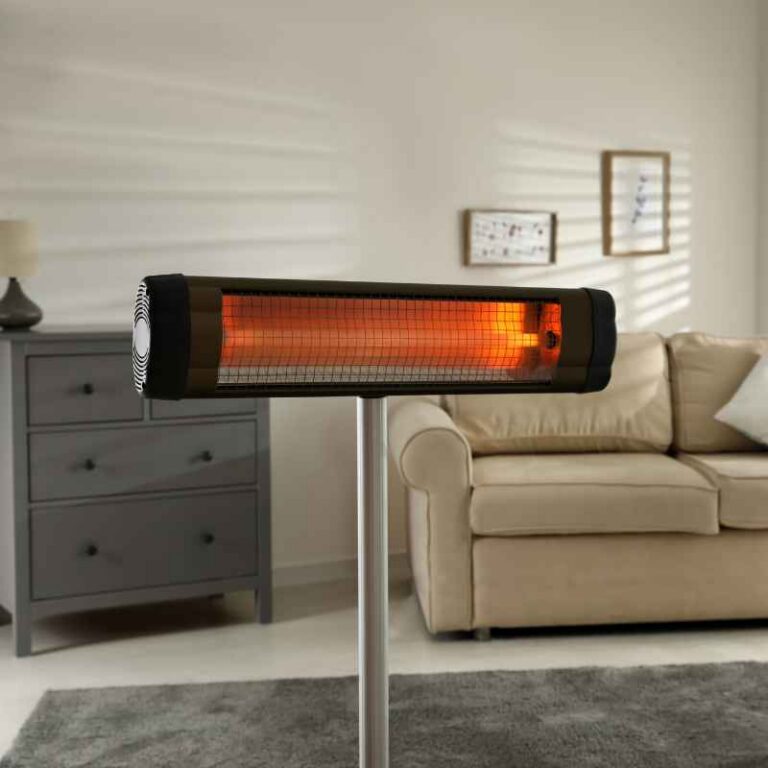
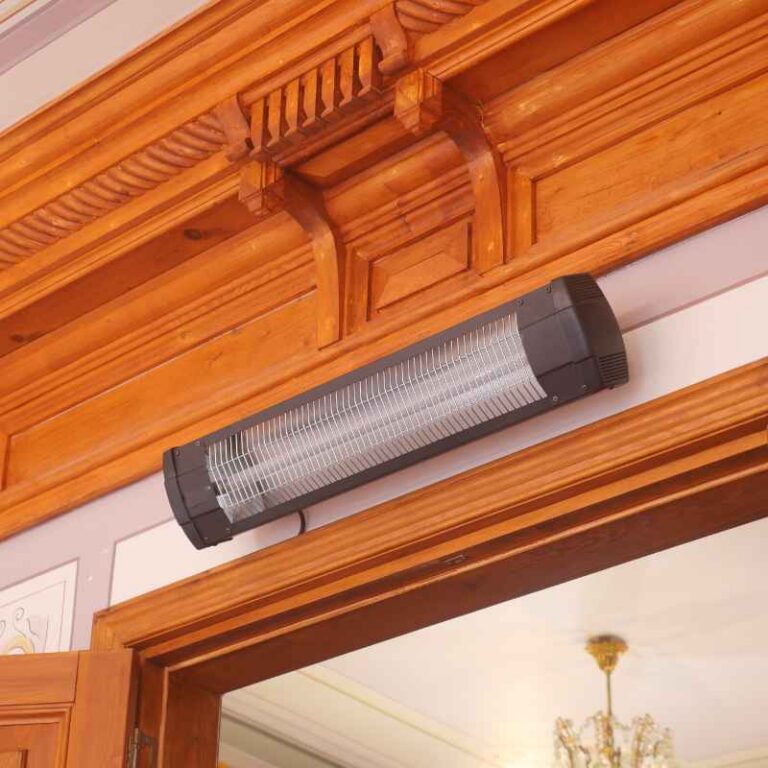
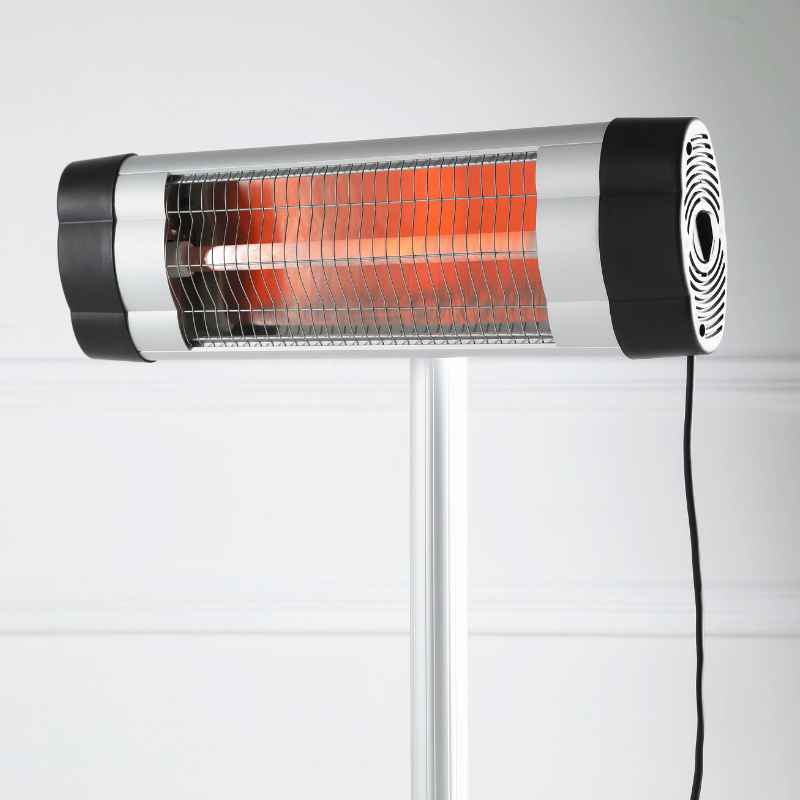
There are different types of infrared heaters. You have radiant panel heaters. These are flat and often mounted on walls or ceilings.
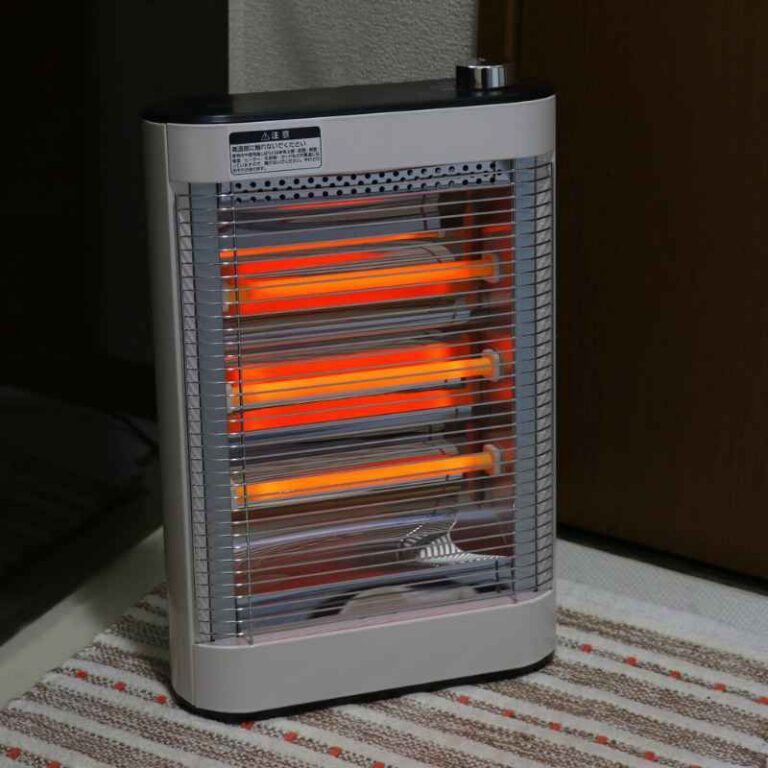
Then there are quartz or ceramic heaters. These have exposed heating elements. Some are designed for indoor use.
Others are built tough for patios or workshops.
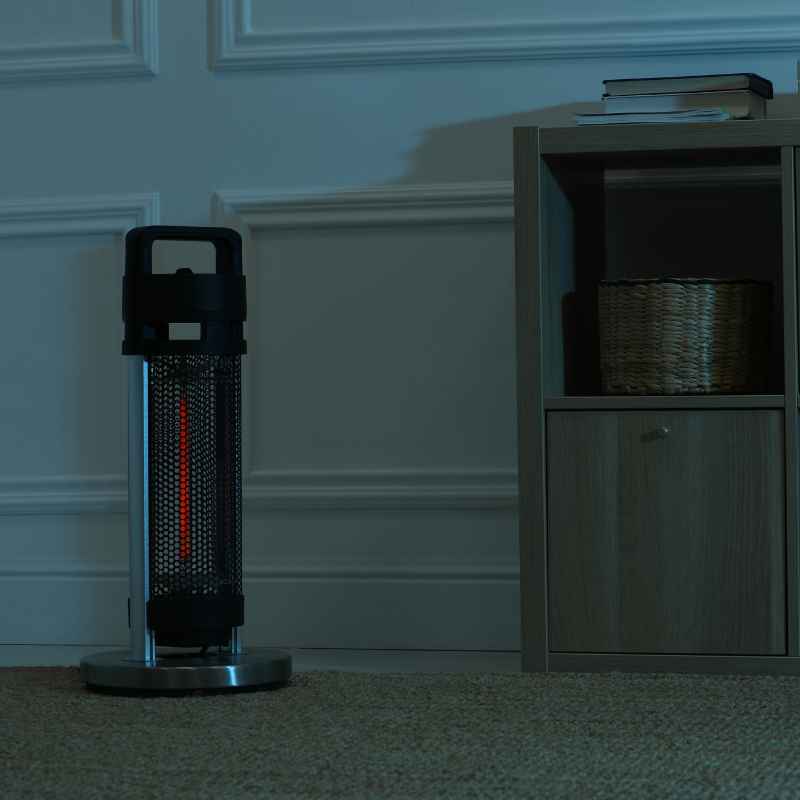
My Own Big Room Challenge
I remember trying to heat my old living room. It was huge. Think cathedral ceilings and big windows.
In winter, it felt like an icebox. I tried a few different heaters. Electric baseboard heaters just couldn’t keep up.
They made the air feel dry and muggy, but the corners were still cold. It felt like a constant battle.
I started looking at infrared. My neighbor, a contractor, swore by them for garages. He said they warmed him up fast when he was working.
I was skeptical. Could something so different really work in my giant, drafty space? I pictured it like trying to warm a forest with a tiny campfire.
It seemed like the heat would just disappear into the vastness.
One particularly cold January evening, the wind was howling. My usual heater was struggling. I could see my breath in the air.
I felt that familiar frustration. It wasn’t just about being cold; it was about feeling like I was wasting energy and money for nothing. That’s when I decided to truly understand how these infrared heaters worked, especially for spaces like mine.
Infrared Heater Basics
How they work: Emit infrared rays that directly heat objects and people.
Key difference: Warms surfaces, not just the air.
Feel: Quick, direct warmth like sunshine.
Types: Panel, quartz, ceramic.
The Science Behind Infrared Warmth
The “science” behind infrared heat is quite simple. It’s all about electromagnetic radiation. We can’t see infrared light.
But we can feel it as heat. These rays have a specific wavelength. When they strike a surface, their energy is absorbed.
This energy makes the molecules in that surface vibrate faster. More vibration means more heat.
This is why infrared heaters are often called “radiant” heaters. They radiate heat directly. They don’t need to heat up the entire volume of air in a room.
Imagine standing in front of a bonfire. You feel warm right away. The air between you and the fire might still be cool.
That’s radiant heat at work.
This is a big deal for large open spaces. These spaces often have poor air circulation. Hot air rises and escapes easily.
Infrared heat bypasses this problem. It goes straight from the heater to you. You feel warm much faster than if you were waiting for the whole room’s air to heat up.
Consider a gym or a warehouse. These are often very large. They might have high ceilings.
They might also have large doors that open frequently. Heating the entire volume of air would be incredibly wasteful. Infrared heaters can provide comfort to people working or exercising in specific zones.
They don’t waste energy heating empty space.
The effectiveness also depends on the specific wavelength. Different types of infrared radiation exist. Far-infrared (FIR) is often used for comfort heating.
It’s thought to be more deeply penetrating. Near-infrared and mid-infrared produce more immediate surface warmth. Most home comfort heaters use far-infrared.
Advantages for Big, Open Areas
So, are infrared heaters good in large open spaces? They can be, for several reasons. The primary advantage is their direct heating method.
In a large room, air can get trapped or move around strangely. You might have hot spots and cold spots. An infrared heater can help create a zone of comfort directly where people are.
This means you might not need to heat the entire massive space to a high temperature. You can focus the warmth where it’s needed most. This can lead to significant energy savings.
It’s like wearing a warm coat instead of trying to heat the whole outdoors. You use less energy to feel comfortable.
Another benefit is speed. Since they heat objects directly, you feel the warmth almost instantly. You don’t have to wait for the air to warm up.
This is great for spaces that are only used periodically. You can turn it on and get warm quickly. You don’t waste time and energy pre-heating an empty room.
Infrared heaters also tend to be quieter. Many electric heaters have fans that can be noisy. Radiant heaters often have no moving parts.
This makes them ideal for living areas where you want peace and quiet. This is especially true for panel or wall-mounted types.
They also don’t dry out the air as much as some other heaters. This is because they aren’t primarily heating and circulating air. This can be a big plus for comfort, especially in dry climates or during winter months when indoor air can already be quite dry.
Pros for Large Spaces
- Directly heats people and objects.
- Faster comfort in specific zones.
- Can save energy by not heating empty air.
- Quieter operation.
- Less drying of the air.
Challenges and Considerations
However, infrared heaters aren’t a perfect solution for every large open space. There are significant challenges to consider. The biggest one is that they heat what they “see.” If an object is blocking the path of the infrared rays, it won’t get warm.
This means furniture placement matters.
In a very large and cluttered space, the heat might not reach everywhere effectively. Imagine a big warehouse with tall stacks of boxes. The heater might warm the front of the boxes, but the items behind them will remain cold.
This is different from air heating, which will eventually circulate around obstacles.
Another major factor is insulation. Large open spaces often have poor insulation. Think of garages, workshops, or even large living rooms with many windows.
If the heat is constantly escaping, no matter the type of heater, it will struggle. Infrared heat is direct, but if the room itself is leaky, that direct heat will also be lost.
The placement of the heater is also critical. For maximum effect, the heater should be positioned to direct its rays towards the areas where people will be. If you have a large living room with seating spread out, you might need multiple heaters or a very powerful one aimed centrally.
A single small unit in a corner won’t do much for the other side of the room.
Cost can also be a factor. High-powered infrared heaters designed for large spaces can be expensive to purchase. While they might save on energy bills long-term, the initial investment can be substantial.
Electric heaters, in general, can be more expensive to run than gas heaters, depending on local utility rates.
You also need to consider the ambiance. Some infrared heaters, especially older or industrial types, can emit a dull red glow. While this might be fine in a workshop, it might not be what you want for a cozy living space.
Modern panel heaters are much more discreet.
Potential Drawbacks
- Heat is blocked by objects.
- Less effective in poorly insulated rooms.
- Requires careful placement for coverage.
- Initial purchase cost can be high.
- May not heat the entire air volume.
Real-World Scenarios
Let’s look at where infrared heaters shine and where they struggle in large open spaces. Think about a large living room or family room. If it has high ceilings, one big window, and an open layout into a kitchen, it can be a challenge to heat evenly.
Using an infrared heater focused on the main seating area can provide immediate comfort.
However, if the room is also poorly insulated or has significant drafts, the heat won’t be retained. The infrared heater will keep warming the sofa, but the warmth will escape through the walls and windows. In this case, addressing insulation issues first is key.
Consider a workshop or a garage. These are classic examples of large, open spaces. They often have concrete floors and uninsulated walls.
An infrared heater is excellent here. You don’t need to heat the whole space to 70 degrees Fahrenheit if you’re just working there for a few hours. A radiant heater can keep you warm as you work on a project, and then you can turn it off.
What about a commercial space like a small restaurant or a retail store with an open floor plan? Infrared heaters can be used to create warm zones for customers near seating areas or fitting rooms. However, if the primary goal is to heat the entire volume of the space to a consistent, comfortable temperature for everyone, they might not be the most efficient primary heating source.
A screened-in porch or sunroom can also be a large open space. In milder climates, or during cooler parts of the day, an infrared patio heater can make these spaces usable. They are great for extending the season.
But if it’s freezing outside, the heat will escape very quickly.
Infrared in Action
Scenario: Large Living Room
Good for: Warming seating zones quickly.
Needs: Good insulation, proper placement.
Scenario: Workshop/Garage
Good for: Targeted warmth for short periods.
Needs: Less focus on whole-room temp.
Scenario: Restaurant Patio
Good for: Extending outdoor dining comfort.
Needs: Protection from wind, supplemental heat.
Scenario: Uninsulated Barn
Good for: Spot heating for tasks.
Needs: Very focused heating, high power.
Choosing the Right Infrared Heater for Your Space
If you’re considering an infrared heater for a large open space, how do you pick the right one? It’s not a one-size-fits-all situation. First, assess the space itself.
How high are the ceilings? How well insulated are the walls and windows? Are there many drafts?
Then, think about how you use the space. Is it occupied all the time, or only occasionally? Do you need to heat the entire area, or just specific zones?
For very large, uninsulated spaces like garages or barns, you might need a high-wattage heater. These are often designed for industrial or commercial use.
For a living room with high ceilings, you might look at panel heaters. These are often more aesthetically pleasing. They can be mounted on the wall or ceiling.
They provide a gentle, pervasive warmth. You’ll need to calculate the wattage needed based on the square footage and ceiling height. Many manufacturers provide calculators for this.
Consider the type of infrared. Far-infrared is generally preferred for comfort heating. It provides a deeper, more gentle warmth.
Some heaters use quartz elements. These can get very hot very quickly and are often more direct. Ceramic heaters heat up more slowly but can offer more even heat distribution.
Safety features are also important. Look for heaters with tip-over protection if it’s a portable unit. Ensure it’s certified by a recognized safety organization like UL or ETL.
Read reviews from people who have used the heater in similar spaces to yours.
Don’t expect a small, inexpensive portable infrared heater to heat a massive, uninsulated 1000-square-foot space. You’ll likely need a more powerful, purpose-built unit. Or, you might need a combination of heating solutions.
Picking Your Heater
Assess: Room size, ceiling height, insulation, drafts.
Purpose: Whole room vs. zone heating.
Type: Far-infrared for comfort, panel for aesthetics.
Wattage: Calculate based on space needs.
Safety: Look for UL/ETL certification.
When Are They NOT a Good Fit?
While infrared heaters have their place, they aren’t always the best choice for large open spaces. If your primary goal is to heat the entire volume of a very large, drafty, and poorly insulated space to a consistent temperature, an air-heating system might be more effective. Think of a large open-plan office or a commercial building with many doors.
If you have a lot of obstructions like tall furniture, machinery, or shelves, the direct-heating nature of infrared can be a limitation. The heat won’t reach the areas behind these items. This could leave significant cold spots.
Also, if you’re looking for a system that is completely invisible and silent, some infrared heaters might not fit the bill. While many are quiet, some may have a faint hum or glow. If your space requires absolute silence, you’ll need to research specific models carefully.
For spaces that are used very infrequently, and where long pre-heat times are not an issue, other heating methods might be more cost-effective. The upfront cost of powerful infrared units can be high. If you only need heat once a year, a less powerful but cheaper option might suffice.
The biggest factor is often air leakage. If your large open space acts like a sieve for heat, no heater will perform optimally. Trying to heat a large, uninsulated barn with only an infrared heater is like trying to fill a leaky bucket with a tiny faucet.
You need to seal the bucket first.
What About Supplemental Heating?
Often, the best use of infrared heaters in large open spaces is as a supplemental heat source. Instead of trying to make one system do everything, you can use infrared to enhance comfort where it’s needed most. For example, you might have a primary forced-air system that heats the whole house.
But in your large living room, the corners might still be cool. You can add a wall-mounted infrared panel. This will provide direct warmth to the seating area, allowing you to set the main thermostat a few degrees lower.
This saves energy and increases comfort.
In a workshop, the main building might have a central heating system, but the far corner where you work might be chilly. An infrared heater can keep you toasty without wasting energy heating the entire vast space just for your comfort.
This approach makes sense for garages, basements, sunrooms, and even large master bedrooms. You use the infrared heater to top up the warmth in specific zones. It’s a way to get that “sunshine” feeling exactly where you want it.
Think of it as targeted comfort. You identify the areas that feel the coldest. You place an infrared heater to deliver direct warmth there.
This is often more efficient and comfortable than trying to crank up a central system that struggles to reach those areas.
Infrared as an Add-On
Use Case: Boosting comfort in specific zones.
Benefit: Reduces reliance on main heating, saves energy.
Examples: Cold corners in living rooms, workshops, basements.
Strategy: Target areas where people spend time.
Quick Checks and What to Look For
When you’re evaluating if an infrared heater is good for your large open space, do a few quick checks. First, identify your primary heating need. Is it for a living area, a workspace, or something else?
This will guide your choice.
Next, try to quantify the “openness” and “largeness.” Measure the square footage. Note the ceiling height. Are there many windows?
What’s the insulation like? This information is crucial for calculating the right wattage.
Look at the type of infrared. For general comfort, far-infrared is usually best. For rapid, intense heat in a workshop, other types might work.
Consider placement. Where will the heater be? Will it have a clear line of sight to the areas you want to heat?
Avoid placing it where it will be blocked by furniture or other objects.
Check the energy source. Most infrared heaters are electric. Know your local electricity rates.
Compare the potential running costs to other options. Some very large units might be gas-powered, but this is less common for home use.
Finally, read user reviews. See what real people are saying about using these heaters in spaces similar to yours. Do they find them effective?
Are they easy to use? Are there any common complaints?
Frequently Asked Questions
Can an infrared heater heat an entire large garage?
An infrared heater can provide warmth in a large garage, especially in the areas it directly heats. However, it may not heat the entire air volume to a high temperature, particularly if the garage is poorly insulated or very large. They are best for targeted warmth while working in a specific area.
Are infrared heaters efficient for rooms with high ceilings?
Yes, infrared heaters can be more efficient for rooms with high ceilings than air-heating systems. This is because they heat objects and people directly, bypassing the problem of hot air rising and escaping. The heat is delivered where it’s needed without having to warm the entire tall air column.
Will an infrared heater work in a drafty open-plan house?
An infrared heater can help create comfort in a drafty open-plan house by directly warming occupants. However, its effectiveness will be limited if the drafts are severe. The heat it provides will also escape quickly.
For best results, address insulation and draft issues first, then use infrared for supplemental zone heating.
How many infrared heaters do I need for a large space?
The number of infrared heaters needed depends on the size of the space, its insulation, ceiling height, and how much heat you require. For very large or poorly insulated areas, multiple heaters or a single high-wattage unit might be necessary. It’s best to calculate the required wattage based on the room’s specifications and the heater’s coverage area.
Is infrared heat safe for pets and children?
Generally, infrared heat is safe, but precautions should be taken. Like any heating element, the surface of some heaters can get very hot. Ensure that portable units have safety guards and are placed out of reach of pets and small children.
Wall-mounted or ceiling-mounted units are often safer once installed.
Can I use an infrared heater as my only heat source in a large house?
Using only infrared heaters as the primary heat source for an entire large house, especially one that is older or poorly insulated, is generally not recommended. While they can supplement existing heat or work for specific zones, they may struggle to provide consistent, whole-house warmth efficiently. A combination approach or a dedicated central heating system is usually more practical.
Final Thoughts on Big Spaces and Infrared
So, to wrap it all up: Are infrared heaters good in large open spaces? The answer is a qualified yes. They excel at delivering direct, quick warmth.
This is a huge advantage where air heating struggles.
They work best when you understand their limitations. Think of them as providing comfort zones, not necessarily as a way to heat vast, uninsulated volumes of air. Proper placement, sufficient wattage, and realistic expectations are key.
They can be a fantastic addition, especially as supplemental heat, making those large, open areas much more inviting.
Sponsored / affiliate links. As an Amazon Associate I earn from qualifying purchases. I may earn additional commission from eligible campaigns.
 Key Finder with Up to 131ft Working Range in Open Space, Simjar Wireless Remote Control RF Key Finder Locator for Keys Wallet Phone Glasses Luggage Pet Tracker
 COWAY Air Purifiers for Large Room Whole Home Up to 4,253ft², 2 Sets of XL Washable Pre-Filters and HEPA Filters for Dual Purification, AQI, Turbo Mode, Timer, Wheels, 5yr Warranty, ProX(B)