Do Infrared Electric Patio Heaters Generate Co2? Answered
It’s a common question when you’re trying to enjoy your patio on a cool evening. You want warmth, but you also want to be sure about what you’re breathing. Many people wonder if electric patio heaters, especially the infrared kind, produce carbon dioxide.
Let’s clear this up so you can relax and enjoy your outdoor space without worry.
Infrared electric patio heaters do not produce carbon dioxide (CO2). They use electricity to create heat. Unlike fuel-burning heaters, they have no combustion process and therefore no emissions like CO2.
Understanding Infrared Electric Patio Heaters
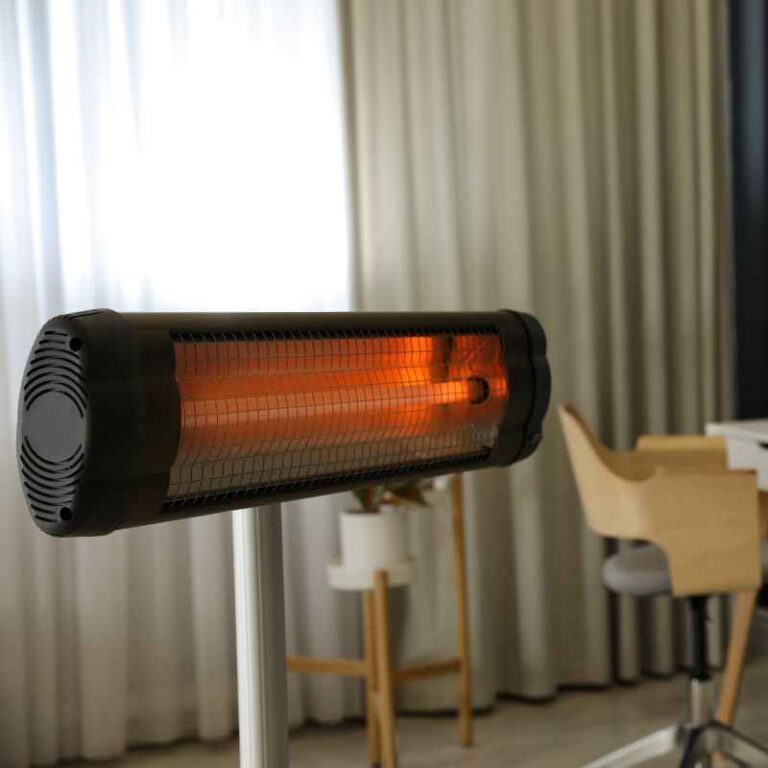
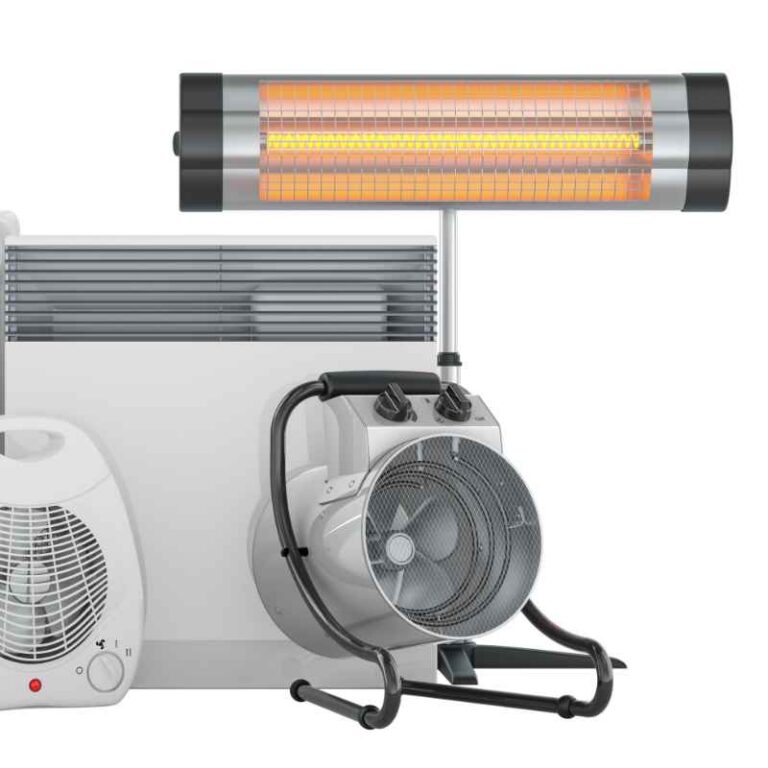
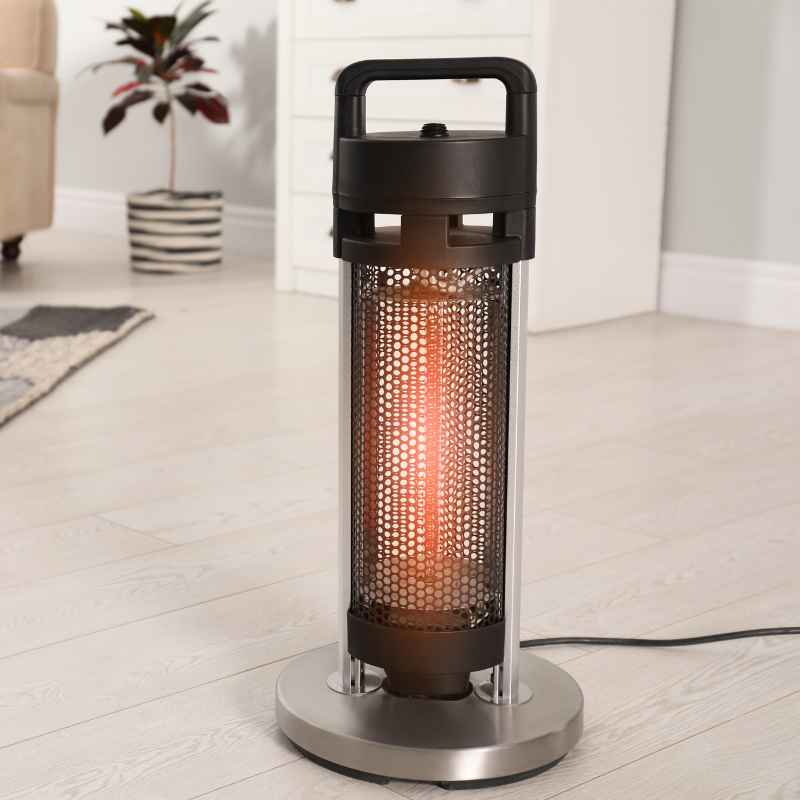
Infrared electric patio heaters are a popular choice for outdoor spaces. They work a bit like the sun. They send out infrared heat waves.
These waves travel through the air. When they hit objects, like you or your furniture, they make those objects warm. This is direct heat.
It feels cozy without needing to heat the whole air around you. This makes them efficient.
The key thing to remember is how they make this heat. They plug into an electrical outlet. Inside, an electric element gets very hot.
This hot element then gives off infrared radiation. There’s no burning of any kind. No fuel is consumed.
This is the biggest difference between these heaters and others you might see.
Why No CO2? The Science of Electric Heating
Carbon dioxide (CO2) is a gas. We usually associate it with burning things. Think about a campfire or a gas stove.
These things burn a fuel like wood or natural gas. This burning process is called combustion. During combustion, fuel mixes with oxygen.
This reaction creates heat. It also creates byproducts. CO2 is one of the main byproducts of combustion.
Other byproducts can include water vapor and sometimes even carbon monoxide (CO).
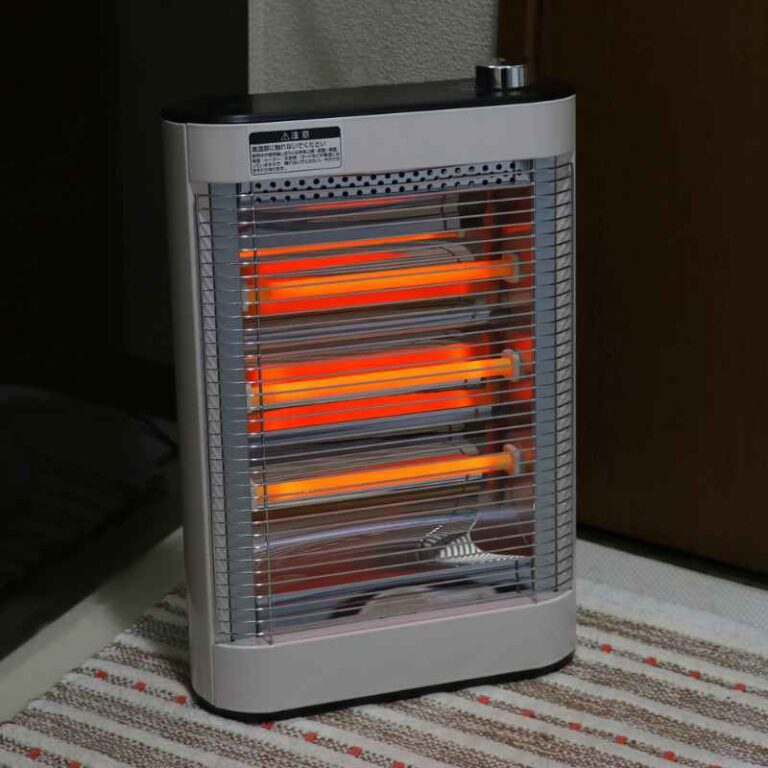
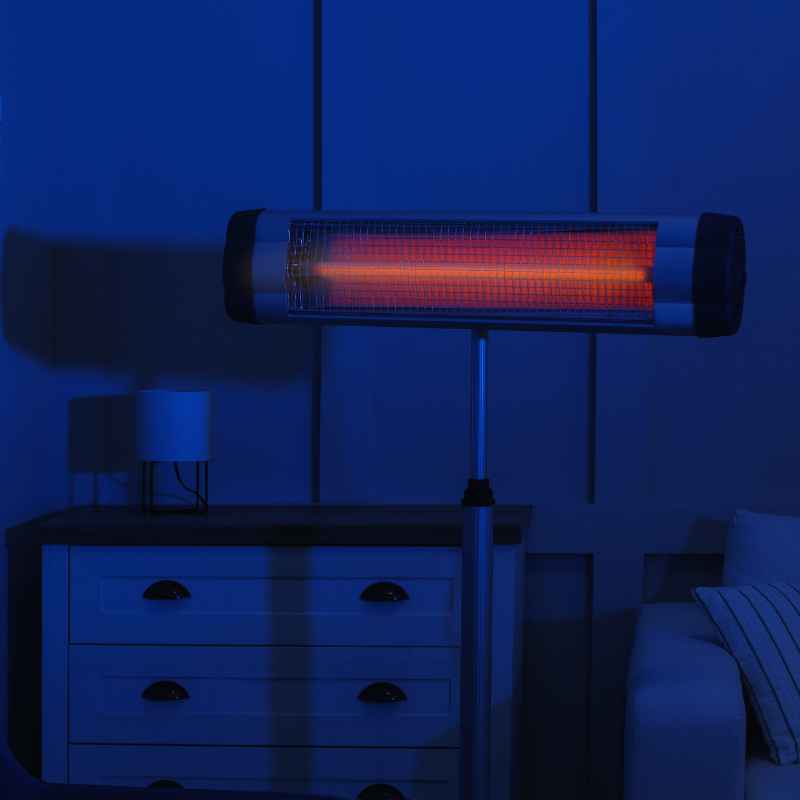
Infrared electric heaters do not use combustion. They use electricity. Electricity is a form of energy.
When electricity flows through a special resistant material, like the heating element in your heater, it meets resistance. This resistance causes the material to heat up. This process is called resistive heating.
It’s the same way a toaster or an electric oven works. There is no fuel to burn. There is no chemical reaction that produces gases.
So, there is no source for CO2 to be created.
Personal Experience: A Chilly Evening in Seattle
I remember one particular evening in Seattle. The air was crisp, the kind that makes you want to stay inside. But my friends and I wanted to sit on the deck.
It was overlooking the Puget Sound. The sun had set, and the temperature dropped fast. We had just bought a new electric infrared patio heater.
It was a tall, sleek model. I was a little nervous, to be honest. I’d only ever used propane patio heaters before.
Those propane heaters always made me think about fumes. I’d worry about running out of propane. And the smell, well, it wasn’t always the best.
So, I wondered about this new electric one. What was it actually doing to the air? Was it releasing anything?
I recall looking at the instruction manual. It clearly stated “no emissions.” At first, I was a bit skeptical. How could something make so much heat without burning something?
But as we turned it on, the warmth was immediate. It wasn’t like the gas heater that just warmed the air. This felt different.
It was like standing in a sunbeam. It was a pleasant, dry heat. We sat there for hours, under the stars, feeling perfectly comfortable.
The air stayed fresh. There was no strange smell. No concerns about exhaust.
It was such a relief. That experience really cemented for me how different and clean electric infrared heating is. It felt safe, and it let us enjoy our time outdoors way longer than we normally could.
How Infrared Heat Works
Principle: Infrared heaters emit electromagnetic radiation.
Wavelength: This radiation is in the infrared spectrum, invisible to the eye.
Action: Heat waves travel directly to objects and people.
Effect: Objects absorb the heat and become warm.
Comparison: Unlike convection heaters that warm air, infrared heats surfaces directly.
Comparing Electric to Other Patio Heater Types
It’s helpful to see how electric infrared heaters stack up against other common patio heaters. This helps explain why they are CO2-free.
Propane or Natural Gas Heaters
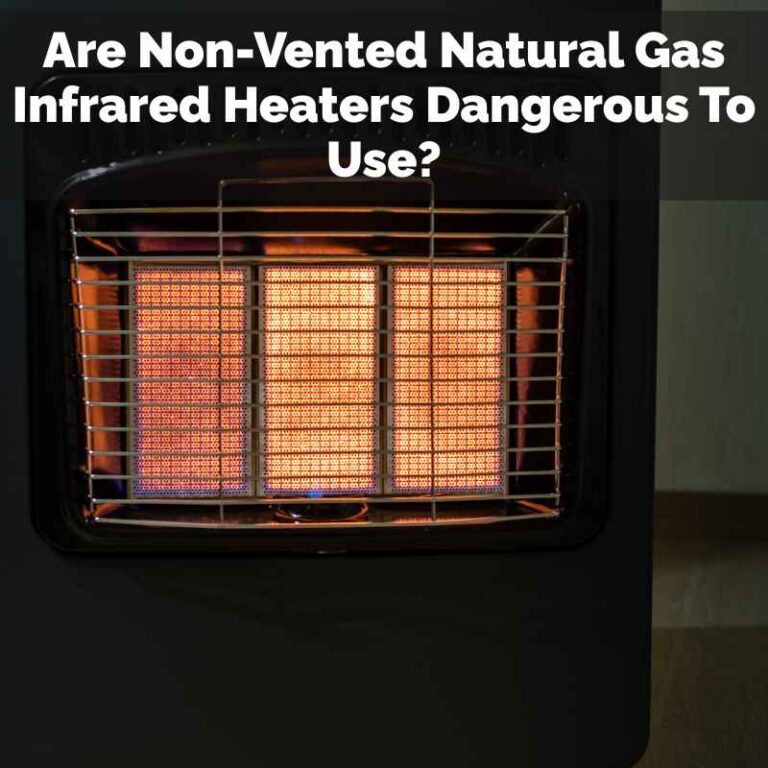
These are very common. They burn propane or natural gas. This combustion process is what releases CO2.
It also releases water vapor. Sometimes, if combustion isn’t perfect, carbon monoxide (CO) can be produced. This is why gas heaters need good ventilation.
They are powerful heaters but come with emissions. The amount of CO2 produced depends on the size of the heater and how long it runs.
Wood-Burning Fire Pits or Stoves
Wood fires are beautiful and cozy. But they are a significant source of emissions. Burning wood produces a lot of CO2.
It also releases particulate matter. This can include smoke, soot, and ash. These are not good for air quality.
For many communities, there are burn bans due to air quality concerns. So, while they provide heat and ambiance, they are far from emission-free.
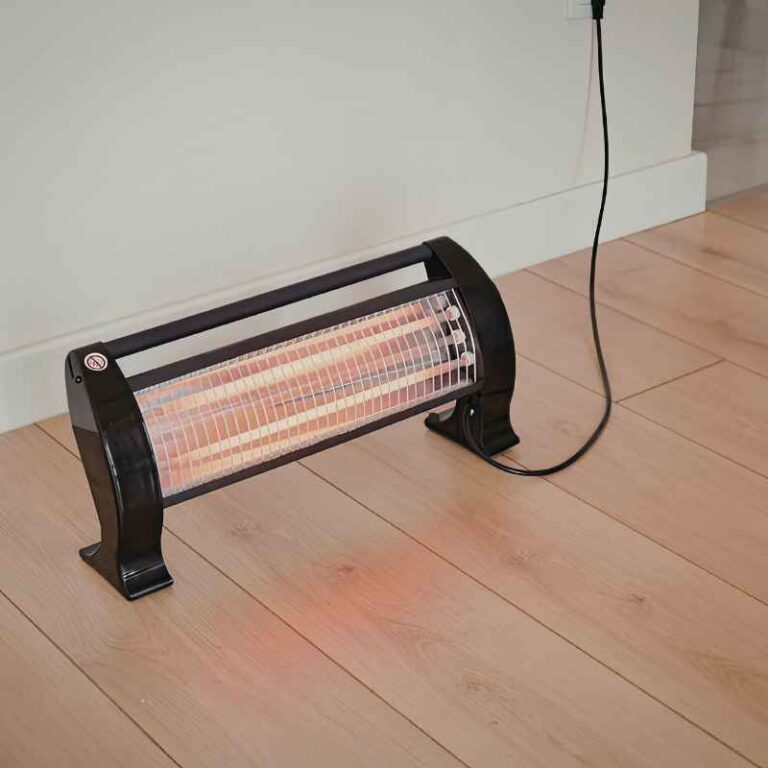
Electric Resistance Heaters (Non-Infrared)
These heaters use electricity too. They often have a fan. The fan blows air over a heated coil.
This warms the air. Like infrared electric heaters, they don’t burn fuel. So, they also do not produce CO2.
They are a clean option. However, they primarily heat the air. This can be less efficient outdoors where air moves freely.
Infrared heat is more direct for comfort.
Emissions Comparison: Key Takeaways
- Infrared Electric: Zero CO2, Zero other combustion gases.
- Propane/Gas: Produces CO2, water vapor, potential for CO.
- Wood Fire: Produces CO2, particulate matter (smoke, ash).
- Electric Resistance (Fan): Zero CO2, Zero other combustion gases.
Understanding Electrical Energy and Emissions
Electricity itself doesn’t produce CO2. The CO2 discussion really comes down to how that electricity was generated. In the United States, electricity is made in several ways.
Some electricity comes from burning fossil fuels like coal or natural gas. When these fuels are burned at power plants, they do release CO2. This is called indirect emissions.
So, if your electric heater is powered by electricity from a coal plant, then there’s an associated CO2 footprint. However, this CO2 is generated at the power plant, not at your patio.
Other electricity is generated from renewable sources. These include solar, wind, hydroelectric, and nuclear power. These sources produce very little to no CO2 during operation.
As the U.S. grid becomes greener, the indirect CO2 emissions from electric devices decrease.
So, when you use your infrared electric patio heater, the heater itself is clean. It has zero local emissions. The bigger picture of electricity generation is something to consider if you’re focused on overall carbon impact.
But for immediate air quality and safety on your patio, electric is a great choice.
Power Source Snapshot (U.S. Electricity Generation Mix – Varies by Year)
- Natural Gas: Significant source, produces CO2.
- Coal: Declining but still a source, produces CO2.
- Renewables (Solar, Wind, Hydro): Growing quickly, very low CO2.
- Nuclear: Low CO2, consistent power.
Real-World Context: Patio Heater Safety
Safety is paramount when using any outdoor heating device. Because infrared electric heaters don’t produce CO2, they eliminate the risk of carbon monoxide poisoning. This is a serious concern with fuel-burning heaters, especially if they are used in semi-enclosed spaces or if there’s poor ventilation.
Many outdoor rooms are partially enclosed with screens or roofs. In these areas, the buildup of CO from gas heaters can be dangerous. Electric heaters remove this specific risk.
They are generally considered safer for use in a wider variety of patio setups. Always follow the manufacturer’s instructions for placement and operation. Ensure there’s enough clearance around the heater.
The heating element gets very hot. Keep flammable materials, like curtains or dry leaves, away from the unit. Most electric infrared heaters have safety features like tip-over switches.
These shut off the heater if it falls. This adds another layer of safety.
Safety Checklist for Patio Heaters
- Ventilation: Always required for fuel-burning heaters. Not critical for electric, but good airflow is still nice.
- Clearance: Keep flammable items at least 3 feet away.
- Stability: Place on a level surface. Use tip-over protection if available.
- Weather Protection: Most electric heaters are not fully weatherproof. Protect them from heavy rain or snow.
- Extension Cords: Use outdoor-rated cords if needed. Avoid running them where people can trip.
What This Means for You: Peace of Mind Outdoors
So, to be absolutely clear: your infrared electric patio heater is not making CO2. This is fantastic news for your immediate outdoor environment. You don’t have to worry about harmful exhaust gases.
This means you can have conversations, enjoy meals, or just relax without constantly thinking about air quality. It’s one less thing to stress about on a nice evening.
This also simplifies outdoor heating setup. You don’t need to worry about refilling propane tanks. You don’t need to check for gas leaks.
You just need a power outlet. This ease of use is a big benefit. It makes enjoying your patio more accessible and less complicated.
If you’re looking for a way to extend the use of your patio or deck into cooler months, an electric infrared heater is a sound choice. It offers direct, comfortable warmth. And critically, it does so without producing CO2 or other combustion byproducts.
When is it Normal vs. Concerning?
- Normal: Feeling warm from your electric heater. Enjoying your patio.
- Normal: Using electricity from mixed sources (some fossil fuels, some renewables).
- Concerning: For fuel-burning heaters, any smell of gas or exhaust fumes.
- Concerning: Using any heater in a completely enclosed space without ventilation.
- Concerning: Using a heater that isn’t rated for outdoor use.
Quick Tips for Enjoying Your Electric Heater
Here are a few simple tips to get the most out of your CO2-free warmth:
- Placement is Key: Position the heater so it directly faces where people will be sitting. Aim for comfort, not just general room heating.
- Consider Wind: Even infrared heat can be affected by strong winds. Try to place the heater where it’s somewhat shielded from the breeze.
- Timer Use: Many electric heaters have timers. Use them to avoid leaving the heater on unnecessarily. This saves energy and money.
- Regular Cleaning: Dust and debris can build up on the heating element or reflector. Gently clean it according to the manufacturer’s instructions. This helps maintain efficiency.
- Check Your Cord: Ensure your power cord is in good condition. Avoid any damage to the insulation.

Frequently Asked Questions
Do electric patio heaters use a lot of electricity?
Yes, electric patio heaters can use a significant amount of electricity. Most models range from 1000 to 2000 watts. This is similar to a powerful hair dryer or toaster.
Check the wattage on your unit. Compare it to your utility’s electricity rates to estimate costs.
Can I use an infrared electric heater indoors?
Some models are designed for indoor use. Always check the product specifications. Most outdoor electric patio heaters are not meant for enclosed indoor spaces.
They may lack safety features for indoor use. Always ensure good ventilation if using any heater indoors.
Are infrared heaters safe for pets?
Yes, infrared electric patio heaters are generally safe for pets. They do not produce harmful fumes. However, the heating elements get very hot.
Keep pets from touching the hot surfaces. Ensure they stay a safe distance away, just like children or adults.
How long do electric patio heaters last?
The lifespan of an electric patio heater can vary. Many well-made units can last for several years with proper care. The heating elements are typically quite durable.
The outer casing and electrical components are also designed for outdoor use, though protection from harsh weather helps.
What is the difference between radiant and infrared heat?
These terms are often used interchangeably for patio heaters. Infrared heat is a type of radiant heat. Radiant heat is energy that travels in waves.
Infrared is a specific part of the electromagnetic spectrum. So, when we talk about infrared patio heaters, we mean they use radiant energy in the infrared spectrum to create warmth.
Do electric heaters release any other gases besides CO2?
No, electric heaters do not release any gases. They convert electrical energy into heat through resistance. There is no combustion or chemical reaction that produces gases.
This is a key difference from propane or gas heaters.
Conclusion
Enjoying your outdoor space should be simple and worry-free. Knowing that your infrared electric patio heater does not produce CO2 is a big part of that. It means cleaner air for you, your family, and your guests.
You can focus on good times, not on gas emissions. These heaters offer efficient, direct warmth without combustion. They are a smart, safe choice for extending your comfort outdoors.
Sponsored / affiliate links. As an Amazon Associate I earn from qualifying purchases. I may earn additional commission from eligible campaigns.