Do Infrared Heaters Use A Lot Of Electricity? True Costs
Infrared heaters generally use electricity efficiently by heating objects and people directly, not the air. Their energy consumption depends more on the room size, desired temperature, and how long they run, rather than inherent inefficiency. They can be cost-effective for zone heating but may not replace a whole-house system cheaply.
Understanding Infrared Heater Electricity Use
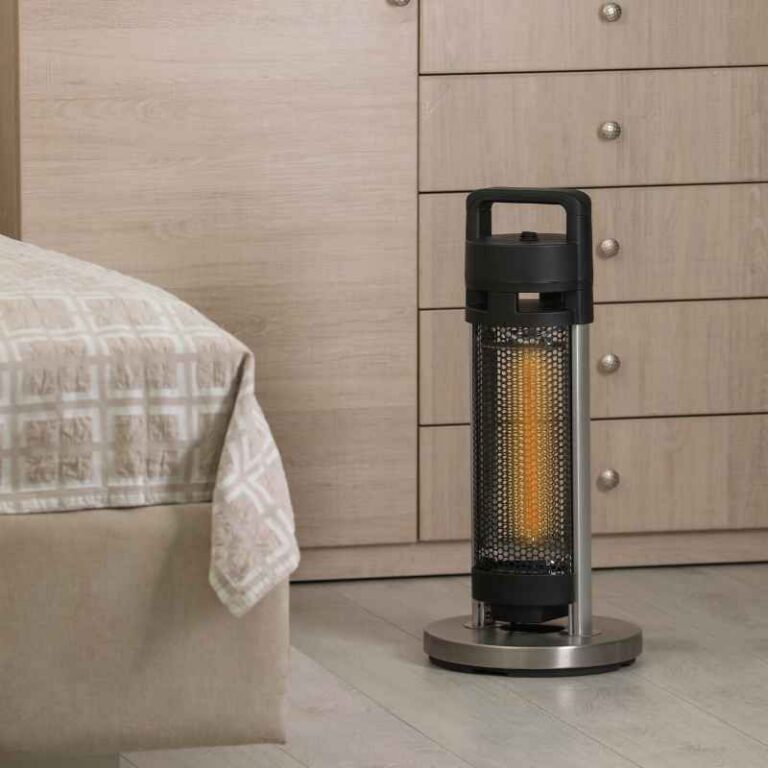
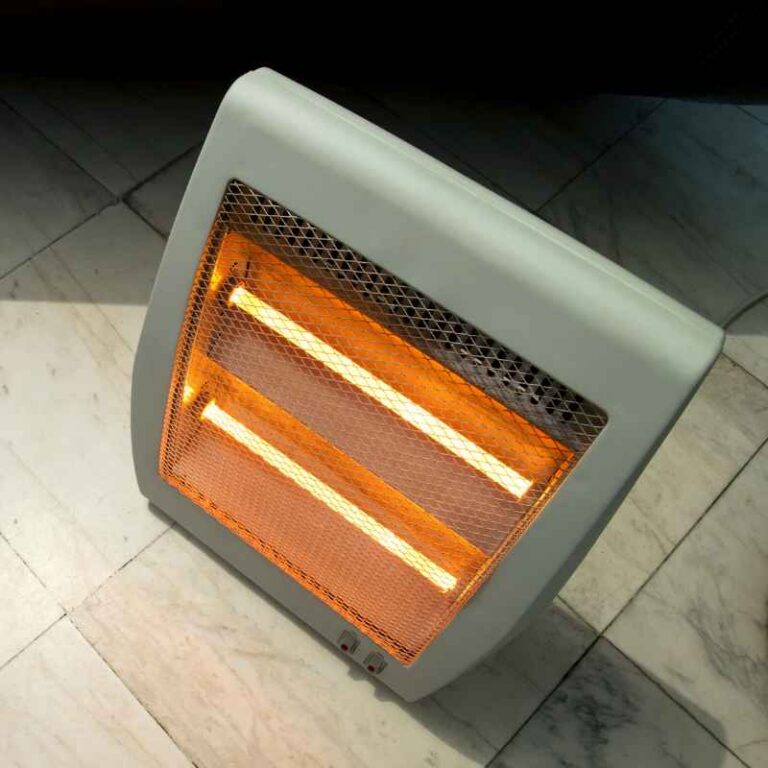
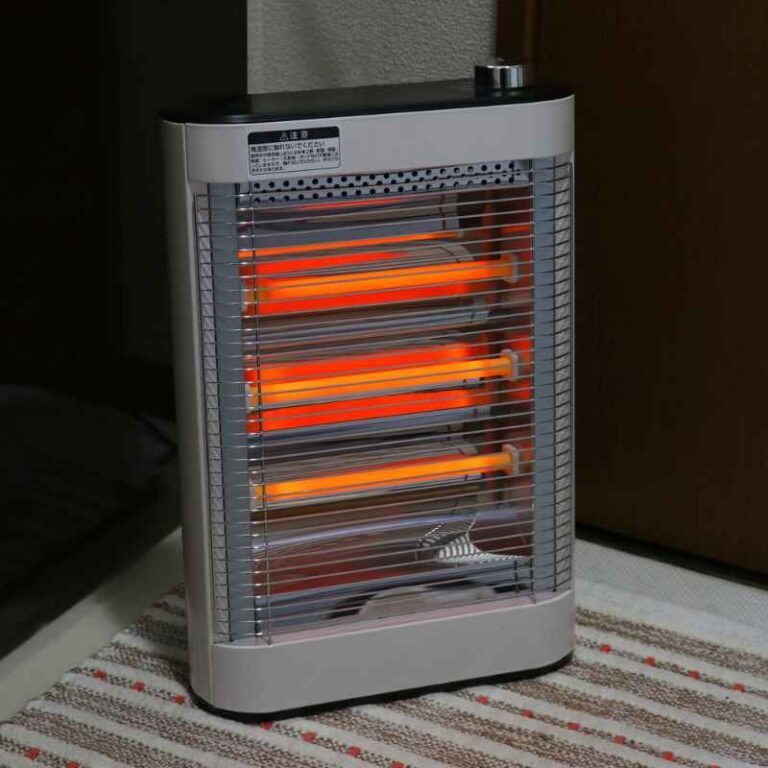
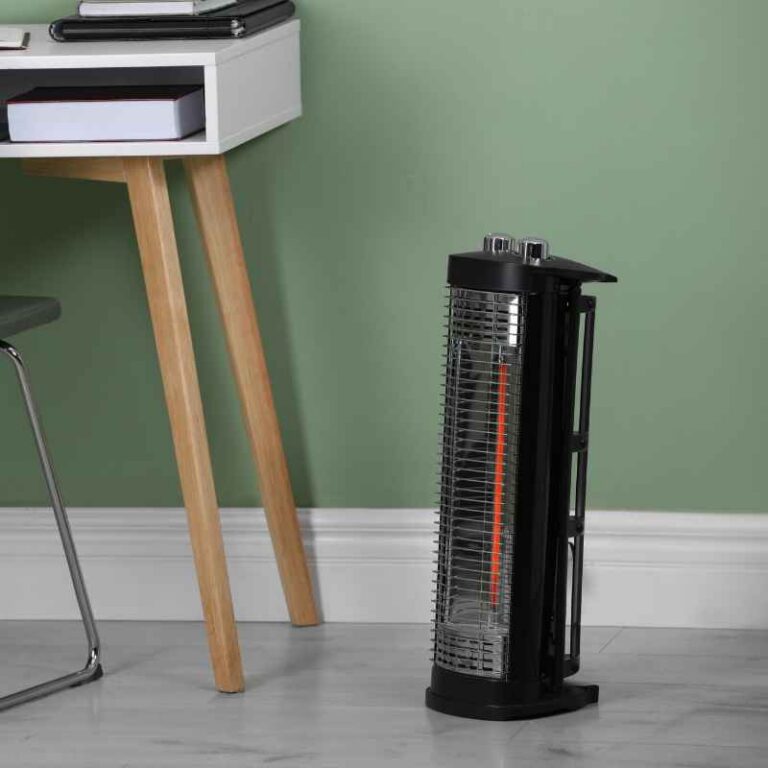
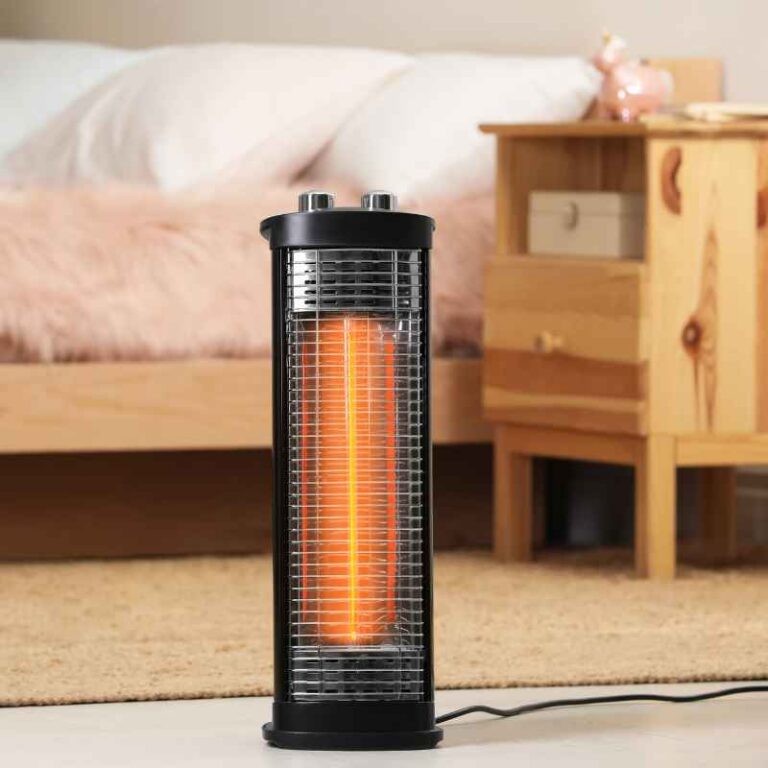
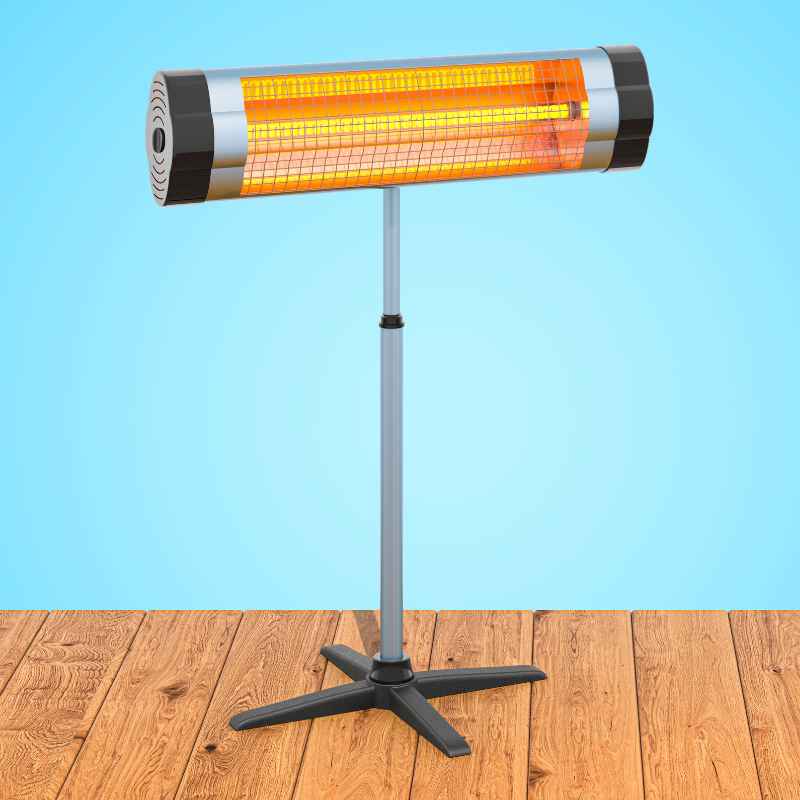
So, how do these heaters work, and why does it matter for electricity use? Unlike traditional heaters that warm the air around them, infrared heaters work by emitting infrared radiation. Think of it like the sun’s warmth. It warms the surfaces it hits directly. This means your skin, furniture, and walls absorb the heat. This is different from convection heaters, which heat the air. That warm air then rises and circulates.
The key difference here for electricity use is that infrared heat is more targeted. You feel the warmth almost instantly when you’re in its path. This can make it feel more efficient because you’re not waiting for a whole room’s air to get warm. It also means that if you’re only trying to heat a small area, like where you sit in a larger room, an infrared heater can do that effectively without needing to power a large unit for the entire space.
The amount of electricity an infrared heater uses is measured in watts (W) or kilowatts (kW). A typical infrared heater might range from 400 watts to 1500 watts. To put that in perspective, a standard incandescent light bulb uses about 60-100 watts. A microwave oven uses around 1000 watts. So, an infrared heater is in a similar ballpark to some common household appliances when it’s running.
The wattage tells you how much power it uses at any given moment. The actual cost comes from how long it runs. If you have a 1000-watt heater running for one hour, it uses 1 kilowatt-hour (kWh) of electricity. Your electricity bill is calculated based on the total kWh you use over a billing period. So, a high-wattage heater used for short periods might cost less than a lower-wattage heater that runs all day.
One of the big advantages often cited is that because infrared heat is absorbed by objects, those objects retain heat longer. This means the heater doesn’t have to kick on as often to maintain the desired temperature, especially in a well-insulated space. This is a major factor in whether do infrared heaters use a lot of electricity becomes a problem or not. It’s not just about the watts; it’s about how the heat is used and retained.
My Own Experience With Infrared Heating
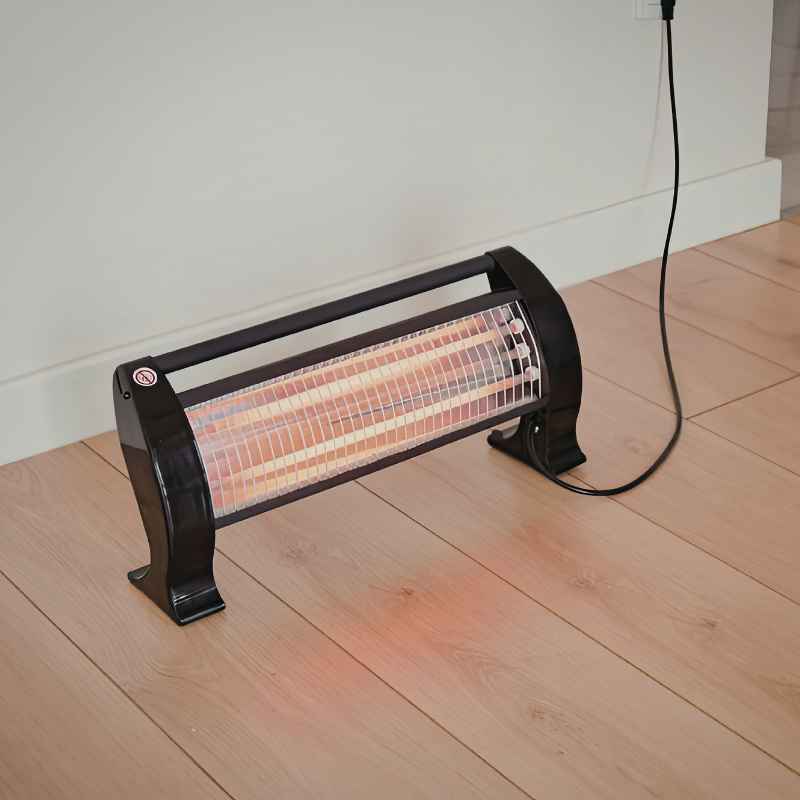
I remember vividly the first time I really put an infrared heater to the test. It was during a particularly chilly autumn. My main living room has this huge bay window that lets in a lot of cold air, even with good curtains. Heating the whole room felt like a losing battle and my gas bill was showing it. I decided to try a small, portable infrared heater, one of those quartz tube types. It wasn’t very expensive, maybe $70. The promise was “personal warmth.”
The first evening I used it, I felt a bit silly. I plugged it in, set it to medium heat, and sat on the sofa, which was maybe six feet away from it. Within minutes, I could feel this distinct, comforting warmth on my face and arms. It was different from the hot air blast of a space heater. This was like a gentle, radiant warmth. The best part? I could actually turn down the main thermostat for the house by a few degrees. I wasn’t feeling that bone-chilling cold anymore where I was sitting. The air in the room itself wasn’t much warmer, but I was perfectly cozy. This made me think, “Maybe this is the answer to the do infrared heaters use a lot of electricity question.”
Over the next few weeks, I found myself using it every evening. My central heating would come on for maybe an hour in the morning and an hour in the evening to take the edge off. But for my personal comfort while reading or watching TV, the infrared heater was my go-to. I kept an eye on my electricity meter. I expected a jump, honestly. But it was surprisingly modest. It wasn’t zero, of course, but it felt much less impactful than I feared. It definitely proved to me that for targeted heating, it could be a real money-saver compared to trying to heat empty spaces.
Infrared Heater vs. Other Heaters: A Quick Look
Heat objects and people directly.
Feel warmth quickly.
Good for spot heating.
Less effective at heating air volume.
Heat the air.
Air circulates to warm room.
Takes time to warm up.
Can dry out air.
Often glow red.
Similar to infrared but can be hotter.
Warmth is felt close up.
Can be less efficient for large spaces.
Heats the entire house.
Uses ductwork or radiators.
Can be efficient but heats unoccupied rooms.
Factors Affecting Electricity Consumption
The answer to “do infrared heaters use a lot of electricity?” isn’t a simple yes or no. It really depends on a few key things. The first is the wattage of the heater itself. As mentioned, higher wattage means more power draw. A 1500-watt heater will use more electricity per hour than a 500-watt one.
But wattage is only part of the story. The size of the space you’re trying to heat is crucial. An infrared heater is excellent for a small bathroom or a home office. Trying to heat a large, open-plan living area with a small infrared heater might mean it runs constantly, using more power over time. For larger spaces, you might need a more powerful unit or multiple units.
How long you run it is another huge factor. A heater that’s on for 30 minutes a day will use far less electricity than one running for 8 hours a day. This is where the efficiency of infrared heating can really shine. If you can achieve comfort quickly and then turn it off, the total energy cost is low.
The insulation and drafts in your home play a massive role. A well-insulated room with no drafts will hold onto heat better. This means the infrared heater won’t need to work as hard or run as long. If your windows leak cold air or your walls are poorly insulated, the heat will escape, and the heater will run more often, increasing electricity use.
Finally, consider the desired temperature. Heating a room to 75°F requires more energy than heating it to 68°F. Every degree higher your thermostat is set, the more your heating system (infrared or otherwise) has to work.
Quick Scan: Energy Use Factors
- Heater Wattage: Higher watts = more power draw.
- Room Size: Small rooms use less energy.
- Run Time: Shorter use = lower cost.
- Home Insulation: Better insulation = less running time.
- Set Temperature: Higher temps use more power.
Comparing Infrared to Other Heating Methods
To truly understand if infrared heaters use a lot of electricity, we need to compare them. Central heating systems, like a furnace or boiler, are designed to heat an entire home. They use a lot of energy to push heated air or water through ducts or pipes. While they might be cost-effective for whole-house heating, they often heat empty rooms, which is wasteful.
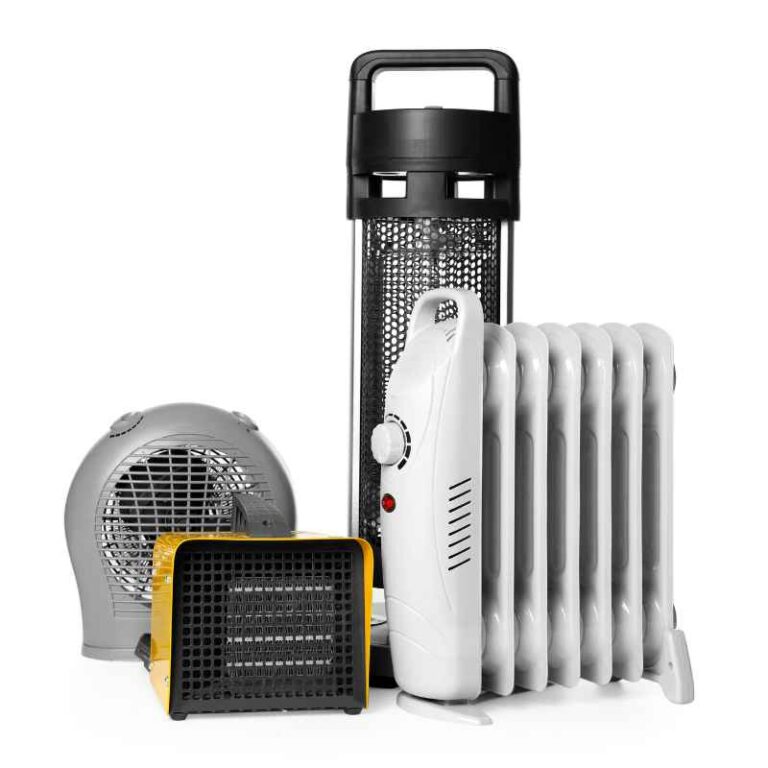
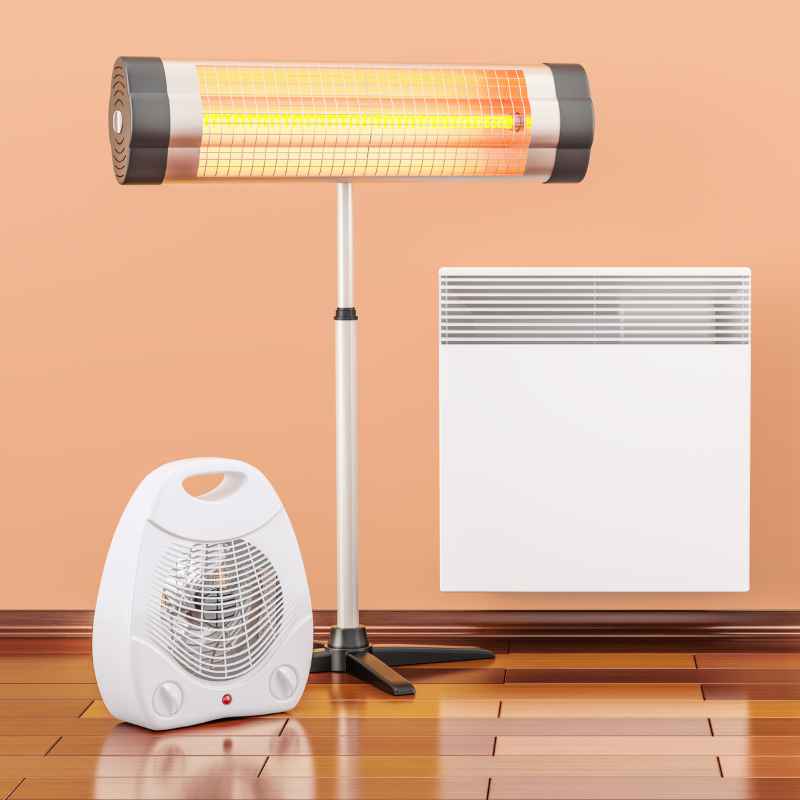
Electric space heaters that use convection are another common comparison. These heaters warm the air, and the warm air rises. They can heat a room, but it takes time. They often have fans, which use a small amount of electricity themselves. The air they produce can also feel dry. The efficiency can be lower than infrared because you’re essentially heating the air, which can escape easily through drafts.
Gas furnaces, while not electric, are a major heating source for many homes. The cost of natural gas can fluctuate. While they might be cheaper per BTU (British Thermal Unit) than electricity in some areas, they still involve heating the entire house and can have associated maintenance costs and carbon emissions.
The real strength of infrared heaters comes into play when you talk about zone heating. If you only need to warm up your immediate personal space for a few hours a day, an infrared heater can be much more efficient and cheaper to run than turning up the central heating. Imagine a drafty basement workshop or a home office where you spend most of your day. Using an infrared heater there, instead of heating the whole house to a comfortable temperature, can lead to significant savings on your overall energy bill.
The U.S. Department of Energy notes that electric resistance heating (which includes many types of electric heaters) can be more expensive to operate than other heating methods like natural gas or heat pumps, if you are trying to heat a large area or the entire house. However, for specific applications, like supplemental heating or targeting a small zone, electric infrared heaters can be a smart, energy-efficient choice.
Cost Comparison Snapshot (General Estimates)
| Heating Type | Typical Use Case | Energy Efficiency Focus | Potential Cost Factor |
|---|---|---|---|
| Central Heating | Whole House | Uniform warmth | Heats unused areas |
| Convection Space Heater | Single Room | Air circulation | Takes time to heat air |
| Infrared Heater | Personal Zone / Small Room | Direct warmth | Great for short bursts |
| Gas Furnace | Whole House | Air warmth | Fuel cost variability |
When Are Infrared Heaters Cost-Effective?
So, when does an infrared heater make sense from an energy cost perspective? They are most cost-effective when used for spot heating or zone heating. This means heating a specific area where people are present, rather than an entire room or house.
Think about areas like a home office, a garage or workshop where you spend a few hours, a bathroom that gets chilly, or even just a specific seating area in a larger living room. In these situations, you can use an infrared heater to provide immediate comfort without running your main heating system at a high setting, or at all.
Another scenario is supplementing your existing heating. If your central heating struggles to reach certain rooms or you want to lower the thermostat for the whole house, an infrared heater can provide that extra boost of warmth exactly where you need it. This can lead to noticeable savings on your utility bills. This is where the question of “do infrared heaters use a lot of electricity?” shifts from a worry to a benefit, as their targeted warmth can mean less overall energy consumption.
The type of infrared heater also matters. Panel heaters, often mounted on walls or ceilings, are great for keeping a room comfortable. Quartz or ceramic heaters are more portable and excellent for direct personal heating. The efficiency comes from delivering warmth directly to you, rather than losing it to air circulation and drafts. This direct transfer means you often feel comfortable at a lower ambient room temperature, which saves energy.
According to Consumer Reports, electric heaters, including infrared ones, can be efficient when used for supplemental heating in specific zones. They recommend using them for short periods or in spaces that are not heavily used, which aligns perfectly with the strengths of infrared technology.
Best Use Cases for Infrared Heaters
Garage/Workshop: Warm up for specific tasks.
Drafty Corners: Target cold spots in larger rooms.
Reading Nook: Cozy up without heating the whole room.
Temporary Heating: For areas not regularly used.
When Might They Not Be Cost-Effective?
There are definitely situations where relying solely on infrared heaters might not be the most economical choice. If your primary goal is to heat your entire home, especially a larger one, an infrared heater likely won’t be sufficient or cost-effective. Their strength lies in targeted warmth, not whole-house heating.
Consider a situation where you have poor insulation and leaky windows everywhere. An infrared heater will still warm objects directly, but if the room itself is constantly losing heat to the outside, the heater will have to run a lot to compensate. This constant running will rack up electricity costs. In such cases, addressing insulation issues first is usually a better long-term investment than just trying to add more portable heat.
Also, if you live in an area with very low electricity rates and very high natural gas rates, a gas furnace might still be cheaper for whole-house heating, even with its inefficiencies. The math depends heavily on your local utility costs. The question “do infrared heaters use a lot of electricity?” becomes less about the heater and more about the local energy prices and your home’s specific needs.
For example, if you need to heat a very large, open space for extended periods, a single or even a few infrared heaters might not be practical. You’d be better off with a central system or a larger, dedicated heating unit designed for that space. The cost of buying enough infrared units to cover a large area could also outweigh the benefits.
The EPA also points out that electric resistance heating, in general, can be more expensive than other electric heating methods like heat pumps, especially in climates that experience prolonged cold periods. While infrared is a type of electric resistance heating, its unique direct-heating method can make it more efficient for specific tasks than some other resistance heaters.
When to Reconsider Infrared
- Whole-House Heating Needs: Not designed for large-scale warmth.
- Poorly Insulated Homes: Heat escapes quickly, leading to constant running.
- Very Low Electricity Rates: Other sources might be cheaper per BTU.
- Large, Open Spaces: Impractical and costly to heat entirely.
Tips for Maximizing Efficiency and Lowering Costs
If you decide an infrared heater is right for you, there are ways to make sure you’re not wasting electricity. The first and most important tip is to use it for zone heating. Place the heater where you are, not in an empty room.
Proper placement matters. Point the heater towards where you’ll be sitting or working. Don’t block the heat output with furniture. The closer you are to the source (within a safe distance, of course), the more directly you’ll feel the warmth.
Make sure your home is as draft-free as possible. Seal gaps around windows and doors. Use weatherstripping. This will help the infrared heat you’re generating stay where you want it.
Consider using your infrared heater to supplement your central heating. Instead of turning up your thermostat high, try a lower setting and use the infrared heater to provide comfort where you are. This can lead to significant overall savings.
Many infrared heaters have thermostats and timers. Use them! Set the heater to turn off when you leave the room or after a set period. This prevents unnecessary energy consumption.
Finally, clean your heater regularly. Dust and debris can accumulate on the heating elements and reflectors, reducing efficiency. Follow the manufacturer’s instructions for cleaning and maintenance.
Efficiency Boosting Tips
- Targeted Use: Heat only occupied spaces.
- Optimal Placement: Direct heat towards people.
- Seal Drafts: Prevent heat from escaping.
- Thermostat/Timer Use: Automate shut-off.
- Regular Cleaning: Maintain peak performance.
- Pair with Central Heat: Lower main thermostat setting.
Common Questions About Infrared Heater Electricity Use
Do infrared heaters use a lot of electricity compared to a space heater?
Click to expand
It depends on the specific models and how you use them. Infrared heaters heat objects directly, so you feel warmth faster in their path. This can make them feel more efficient for spot heating. Traditional electric space heaters warm the air via convection, which takes longer and can be less efficient if the air escapes quickly. Both use electricity, but infrared can be more cost-effective for personal comfort because you don’t necessarily need to heat the whole room’s air.
Can an infrared heater heat an entire room?
Click to expand
Yes, a powerful enough infrared heater can warm a small to medium-sized room, but it might take longer than a convection heater. Infrared’s primary strength is heating objects and people directly, which makes it feel warm quickly. For even heating of the air in a larger room, you might need to supplement or use a more powerful unit. If the room is not well-insulated, heat can escape, requiring the heater to run longer.
Is infrared heating more efficient than central heating?
Click to expand
For heating an entire house, central heating is often more practical. However, for targeted or supplemental heating, infrared heaters can be more energy-efficient. This is because they heat you directly, meaning you don’t waste energy heating empty spaces or air that easily escapes. If you use an infrared heater to lower your central heating thermostat, you can see overall energy savings.
How much does it cost to run an infrared heater per hour?
Click to expand
This depends on the heater’s wattage and your local electricity rate. A 1000-watt heater uses 1 kilowatt-hour (kWh) per hour. If your electricity costs $0.15 per kWh, running a 1000-watt heater for one hour costs about $0.15. A 1500-watt heater would cost about $0.23 per hour at the same rate. Always check your heater’s wattage and your electricity bill for precise costs.
Are infrared heaters safe for pets and children?
Click to expand
Most modern infrared heaters have safety features like tip-over protection and cool-touch cabinets. However, the heating elements can get very hot. It’s important to keep young children and pets at a safe distance, as they might not understand the danger of touching a hot surface. Always follow the manufacturer’s safety guidelines and supervise children and pets around any heating device.
Do infrared heaters dry out the air?
Click to expand
Infrared heaters typically do not dry out the air as much as convection heaters do. This is because they heat objects directly and don’t rely on circulating air to warm the room. The process of heating the air itself, which can lead to moisture evaporation, is minimal with infrared. Many people find the warmth from infrared heaters to be more comfortable and less drying.
Will an infrared heater help lower my electric bill?
Click to expand
Yes, an infrared heater can help lower your electric bill, especially if you use it for zone heating or to supplement your main heating system. By providing direct warmth to occupied areas, you can often lower your central thermostat setting. This targeted approach uses less energy than heating an entire house or room unnecessarily. However, if used constantly to heat a large, uninsulated space, it could increase your bill.
Conclusion: Smart Heating with Infrared
So, do infrared heaters use a lot of electricity? When used smartly, they can be surprisingly efficient. They aren’t magic, and like any electric heater, they draw power. Their true cost-effectiveness comes from their unique ability to deliver warmth directly where and when you need it. They excel at personal comfort and supplemental heating, which can lead to savings over larger, less targeted systems. By understanding their strengths and using them wisely, you can enjoy the cozy warmth of infrared without a shocking electricity bill.
Sponsored / affiliate links. As an Amazon Associate I earn from qualifying purchases. I may earn additional commission from eligible campaigns.