How Close To Far Infrared Heaters Do You Need To Be?
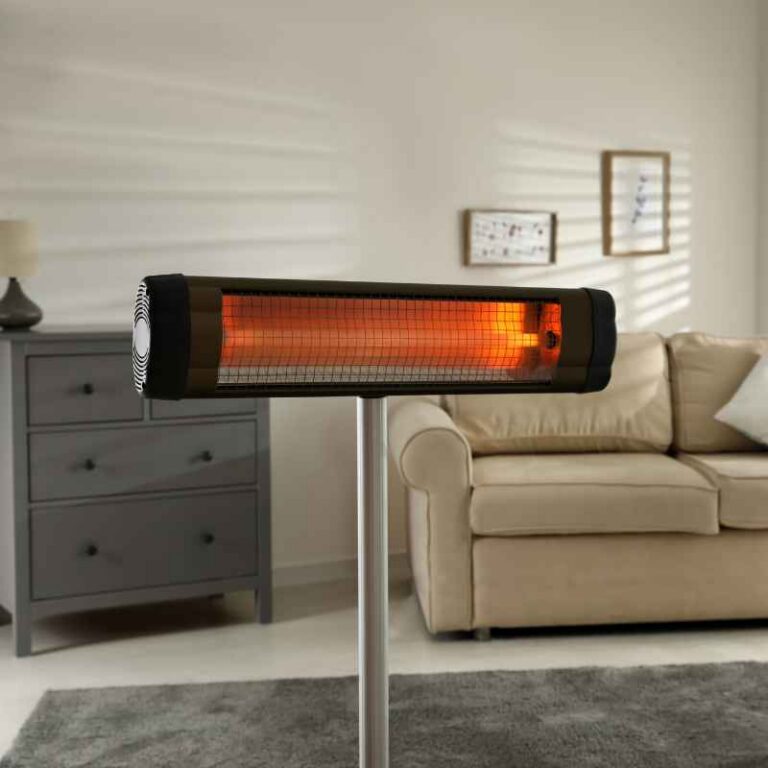
Infrared heaters work a bit like the sun. They send out waves of heat. These waves travel through the air.
When they hit objects, like you or your furniture, they warm them up directly. This is different from regular heaters. Regular heaters warm the air first.
Then the warm air spreads around the room. Infrared heat feels instant. It’s like stepping into a sunbeam on a cool day.
The key thing to know is that infrared heat isn’t about heating the air around you. It’s about heating what the infrared waves touch. This means the distance from the heater matters a lot.
If you are too far away, not enough waves reach you. You won’t feel much warmth. If you are too close, it might feel too intense.
Or it might even be unsafe.
We’ll explore the different types of infrared heaters. We’ll also talk about what the makers say. Plus, we’ll share what many people find works best in their own homes.
Getting this distance right makes a big difference. It ensures you are comfortable and using your heater wisely. It also keeps everyone safe.
A Personal Story: The Overly Enthusiastic Heater
I remember the first time I got a portable infrared heater for my home office. It was during a particularly chilly winter. My old heating system just wasn’t cutting it in that one room.
I set up the new heater, excited for instant warmth. I plugged it in and placed it on my desk, maybe a foot away from my laptop and my face.
At first, it felt amazing. I felt that direct warmth on my cheeks. But after about ten minutes, my eyes started to feel a bit dry.
My skin felt like it was getting too much sun. I realized I had made a mistake. I was too close.
The heat was intense and a little uncomfortable. It was a funny kind of panic. I had wanted warmth, but I got a mini-sauna right next to my head.
I quickly moved it further away. That’s when I really started to think about the right distance.
This experience taught me a valuable lesson. Infrared heat is powerful. It needs a bit of space to work its magic safely.
It’s not just about feeling warm. It’s about feeling comfortable and protected. After that, I always checked the manual and experimented.
Finding that sweet spot made all the difference.
Infrared Heater Types and Their Distances
Different heaters have different jobs. Some are small and portable. Others are larger and mounted on a wall or ceiling.
Each type might suggest a slightly different distance.
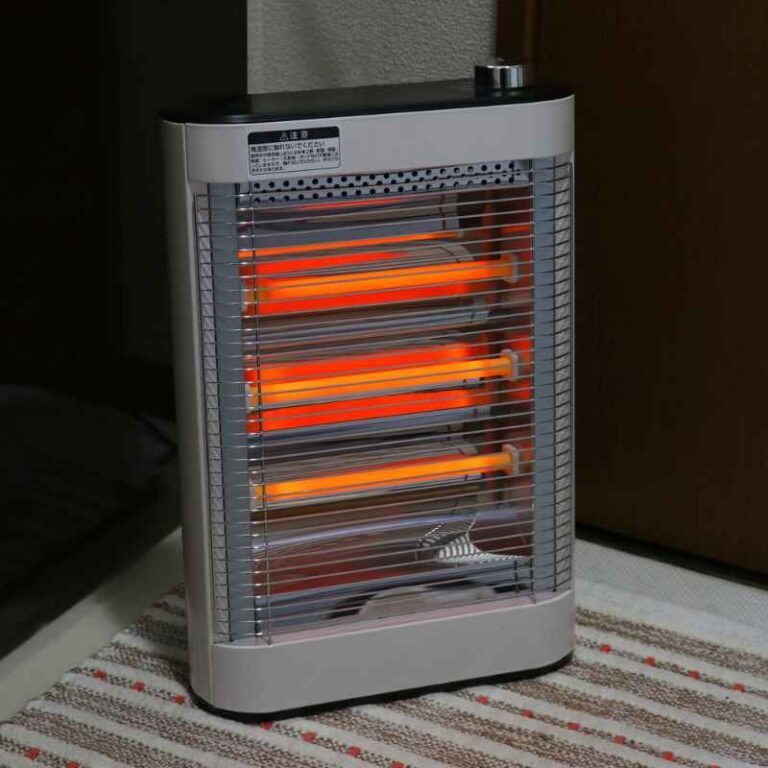
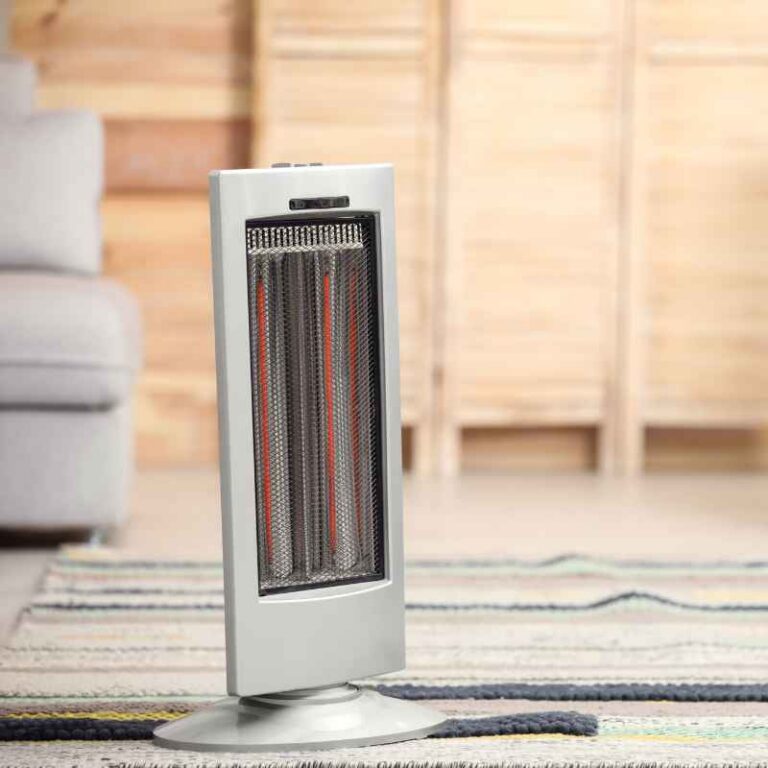
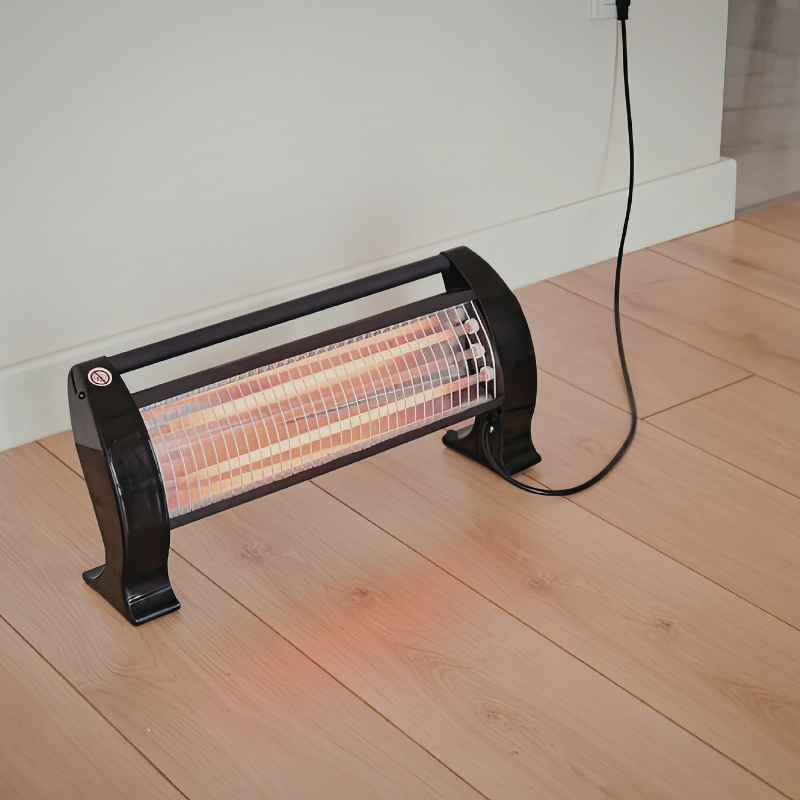
Portable Infrared Heaters: These are common for personal use. They are often used for spot heating. Think of heating just your sitting area or your workspace.
For these, a distance of 3 to 6 feet is often recommended. This lets the heat spread a bit. It avoids direct, intense exposure.
Wall-Mounted Infrared Heaters: These are often found in living rooms or garages. They are usually placed higher up. The manufacturer’s instructions are key here.
They are designed to heat a specific area. The suggested distance can range from 5 to 10 feet. This is to cover a wider space.
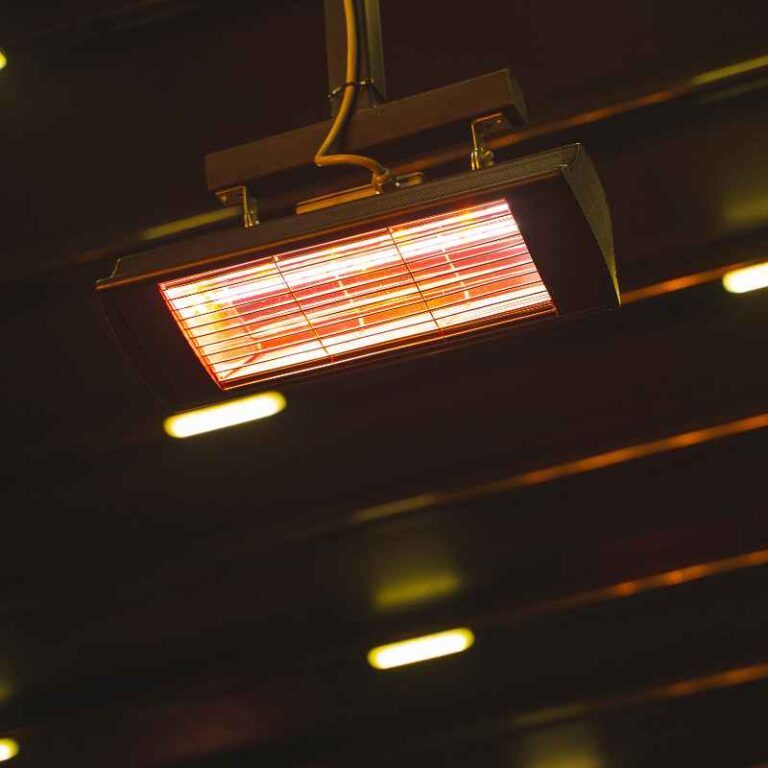
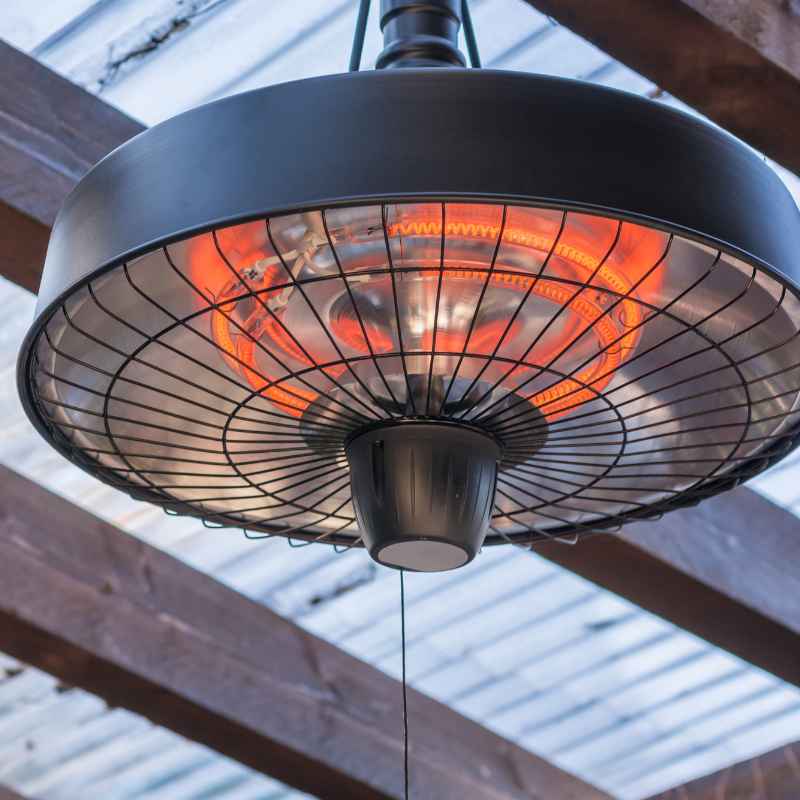
Panel Infrared Heaters: These are slim panels. They can be mounted on walls or ceilings. They provide a more even heat distribution.
The recommended distance can vary widely based on panel size and power. Always check the product guide.
How Far is “Far Enough”? Understanding the Science
Infrared radiation is a form of electromagnetic energy. It’s part of the light spectrum that we can feel as heat. The intensity of this radiation decreases with distance.
This is a basic principle in physics. Think of a light bulb. The closer you are, the brighter it seems.
The further away you move, the dimmer it gets. Heat works similarly.
The waves from an infrared heater spread out. As they spread, they become less concentrated. This means fewer heat waves hit a single spot per second.
So, if you are too far, you just won’t get enough waves to feel warm. It’s like trying to fill a bucket with a very thin stream of water. You need a good flow to fill it quickly.
The type of infrared heater also plays a role. Some heaters emit “near” infrared. This is hotter and travels further.
Others emit “far” infrared. This is gentler and is what most home heaters use. Far infrared waves are absorbed by the body.
They create a deep, soothing warmth. The goal is to have these waves reach your skin comfortably.
Most manufacturers suggest keeping a safe distance. This is for a few reasons. First, it prevents overheating of your skin.
Second, it allows the heat to disperse more evenly. This makes the warmth more pleasant. Finally, it helps prevent damage to nearby items.
Things like furniture or electronics might not do well with constant, direct heat.
Safety First: What to Watch For
Safety is the most important part of using any heater. Infrared heaters are generally safe. But you still need to be careful.
The main concern is direct, prolonged exposure to intense heat.
Skin Irritation: Being too close for too long can make your skin feel hot. It might even get red or irritated. This is your body telling you to move back.
Eye Strain: Some infrared lights can be bright. Staring directly at them, especially very close, can be hard on your eyes. Most home heaters use a less intense light, but it’s still good to be aware.
Flammable Materials: Always keep heaters away from curtains, paper, or other flammable things. The heat can ignite them. This is true for all heaters, not just infrared.
Children and Pets: Make sure they can’t touch the hot surfaces. Also, ensure they don’t get too close for too long. Educate them about heater safety.
What Do the Manufacturers Say? Checking the Manuals
When you buy any appliance, the first place to look is the manual. Infrared heater manufacturers include specific guidelines. These are based on their product’s design and power.
They are usually very clear about recommended distances. These recommendations are crucial.
For example, many portable infrared heaters will state something like, “Place at least 3 feet away from people and objects.” Or, “Do not point directly at face or eyes.” Wall-mounted units might say, “Mount at least 6 feet above the floor.” Or, “Ensure at least 2 feet of clearance from combustible materials.” These aren’t just suggestions; they are safety warnings.
Why so much detail? The engineers have tested these units. They know how much heat they produce.
They also know how the heat waves spread. Following these guidelines ensures you get the intended warmth. It also keeps you safe from potential hazards.
It’s a partnership between you and the product.
It’s also worth noting that different models have different power ratings. A 1500-watt heater will have a different heat output than a 750-watt heater. The manual will account for this.
So, always refer to the specific manual for your heater model. Don’t assume one heater’s advice applies to another.
Infrared Heater Placement: Quick Scan Table
| Heater Type | Recommended Distance (Min.) | Primary Use |
|---|---|---|
| Portable Spot Heater | 3 feet | Personal warming, office |
| Wall-Mounted Room Heater | 5 feet | Living spaces, bedrooms |
| Garage/Workshop Heater | 6 feet | Larger, open spaces |
| Ceiling-Mounted Panel | Varies (check manual) | Whole-room heating |
Real-World Experience: What People Find Works Best
Beyond the manuals, there’s the wisdom of people who use these heaters every day. Many users find that the recommended distances are a good starting point. But sometimes, you need to fine-tune it for your specific room and comfort level.
For instance, a common observation is that standing or sitting about 4 to 5 feet from a portable heater feels just right. This distance allows the heat to reach you warmly without being overwhelming. You feel the warmth on your skin, but it’s comfortable.
It’s not scorching. The heat also starts to spread out a little, warming the immediate area around you.
In living rooms, wall-mounted units are often placed higher up. This helps them heat a larger zone. People often find that sitting on the couch, around 5 to 8 feet away from the unit, provides a lovely, even warmth.
It’s like being in a cozy bubble. You don’t feel any one spot getting too hot.
Some users also experiment with angles. If a heater is directly in front of you, you might need it a bit further away than if it’s off to the side. This is because the heat waves are most intense in a direct line.
Angling it slightly can soften the impact.
It’s also important to consider the room itself. Is the room drafty? Is it well-insulated?
In a drafty room, you might feel the heat dissipate faster. You might want to be slightly closer. Or you might need to use a more powerful heater.
In a well-insulated room, the heat stays around longer. You can often afford to be a bit further away.
Myth vs. Reality: Infrared Heater Distances
Myth: Closer is Always Warmer
Reality: Being too close can be uncomfortable and unsafe. There’s an optimal distance for effective and pleasant warmth.
Myth: All Infrared Heaters are the Same
Reality: Different types (near, far, panel, quartz) and wattages require different placement strategies. Always check your manual.
Myth: You Should Feel Intense Heat Immediately
Reality: Infrared heat warms objects and people directly. It feels like a gentle, pervasive warmth, not a blast of hot air.
What This Means for Your Home: Finding Your Sweet Spot
So, what’s the takeaway for your own home? It’s about finding that balance. You want to feel the warmth, but you also want to be safe and comfortable.
The general rule of thumb is to start with the manufacturer’s recommendations.
For portable heaters: Place them so you are about 3 to 6 feet away. Sit or stand in the path of the heat. If it feels too intense, move back a foot.
If you can’t feel much at all, try moving a foot closer. Pay attention to how your skin feels. No redness or burning sensation should occur.
For wall-mounted or ceiling heaters: These are designed to heat a larger area. The distance is built into their placement. The key here is ensuring there are no obstructions.
Nothing should be directly beneath or in front of the heater that could block the heat waves. Make sure pets or children can’t reach them, even if the heat isn’t directly felt.
Think about how you use the space. If you’re sitting on the couch watching TV, the heater should be positioned to warm that area. If you’re working at a desk, it should warm your workspace.
It’s about targeted warmth where you need it most.
Consider the room’s layout. Are there large windows? Is there a lot of furniture?
These can affect how the heat waves travel. You might need to adjust the heater’s position slightly. Or even its angle.
It’s an ongoing process of finding what feels best for you.
Quick Checks for Optimal Distance
Sensory Check: Does it feel pleasant on your skin? Not too hot, not too cold? If you feel your skin tingling or getting very warm, move back.
Visual Check: Is the heater pointing towards you or the area you want to warm? Is it unobstructed?
Manual Check: Have you read the recommended distance in your heater’s manual? Always start there.
Environmental Check: How does the room feel? Drafty or well-insulated? Adjust distance based on this.
Tips for Maximizing Infrared Heater Comfort
Getting the distance right is just one piece of the puzzle. Here are a few more tips to make sure your infrared heater provides the best comfort.
Use it for spot heating: Infrared heaters are excellent for heating specific areas. Don’t expect them to warm an entire large house on their own. Use them in the room you are in.
Turn them off when you leave. This saves energy.
Combine with other heating: In colder climates, you might still need your central heating. Infrared can supplement it. It can provide extra warmth in a specific zone without overheating the whole house.
Consider humidity: Infrared heat doesn’t dry out the air as much as some other types of heaters. This can be a big plus. However, very dry air can still feel uncomfortable.
A small humidifier might help if you notice dry air issues.
Keep it clean: Dust and debris can build up on the heating elements. This can reduce efficiency and affect heat output. Gently clean your heater according to the manufacturer’s instructions.
This usually involves a soft cloth or a vacuum brush attachment.
Proper ventilation: While infrared heaters don’t burn fuel and produce carbon monoxide, good ventilation is always a good idea in any room. It helps keep the air fresh.
Experiment gently: Don’t be afraid to play around with the placement a little. Move it slightly forward or backward. Angle it a bit.
What feels perfect to one person might be slightly different for another. Your comfort is the ultimate goal.
Frequently Asked Questions About Infrared Heater Distance
Can I place an infrared heater too close to furniture?
It’s not recommended. Most manufacturers advise keeping a minimum distance of 1 to 3 feet from furniture, curtains, and other combustible materials. This is to prevent overheating or potential fire hazards.
Always check your specific heater’s manual for exact clearance requirements.
How far away should I be from a far infrared heater?
For most far infrared heaters used for personal comfort, a distance of 3 to 6 feet is generally considered optimal. This allows the heat waves to reach you effectively without being too intense. Some larger wall-mounted units might require a greater distance, so always refer to the product manual.
Is it safe to sleep with an infrared heater on?
It can be safe if used correctly and with caution. Ensure the heater is placed at a safe distance from bedding and any flammable materials. Many newer models have automatic shut-off timers and overheat protection.
However, it’s always best to follow manufacturer guidelines and consider turning it off before you go to deep sleep, or setting a timer if available.
Will an infrared heater dry out my skin?
Infrared heaters do not typically dry out the air or your skin as much as some convection heaters. They warm objects directly. However, if you are very close to the heat source for an extended period, your skin might feel drier.
Staying at the recommended distance and ensuring general room humidity is comfortable is usually sufficient.
What is the difference between near and far infrared heat?
Near infrared waves are shorter and hotter, penetrating deeper and traveling further, often used in industrial applications. Far infrared waves are longer and gentler, absorbed by the body to create a soothing, radiant warmth. Most home comfort heaters use far infrared technology.
Can I place an infrared heater behind a couch?
Generally, no. Placing an infrared heater behind a couch can be a fire hazard. The heat needs to radiate outwards, and placing it behind an obstruction can trap heat.
Always ensure there is clear space around the heater for heat to dissipate safely and effectively. Check your manual for specific placement advice.
Conclusion: Warmth Within Reach
Finding the right distance for your infrared heater is key to comfort and safety. It’s about understanding how the heat works and respecting the technology. Start with the manual, use your senses, and don’t be afraid to adjust slightly.
You’ll soon discover the perfect spot for cozy, efficient warmth in your home.
Sponsored / affiliate links. As an Amazon Associate I earn from qualifying purchases. I may earn additional commission from eligible campaigns.