Are Non-Vented Natural Gas Infrared Heaters Dangerous To Use?
Non-vented natural gas infrared heaters can be dangerous if not used correctly. They release combustion byproducts, like carbon monoxide and water vapor, directly into your home. Proper ventilation, carbon monoxide detectors, and adherence to manufacturer guidelines are crucial for safe operation. If concerns persist or you’re in an area with strict codes, vented options are safer.
Understanding Non-Vented Natural Gas Infrared Heaters
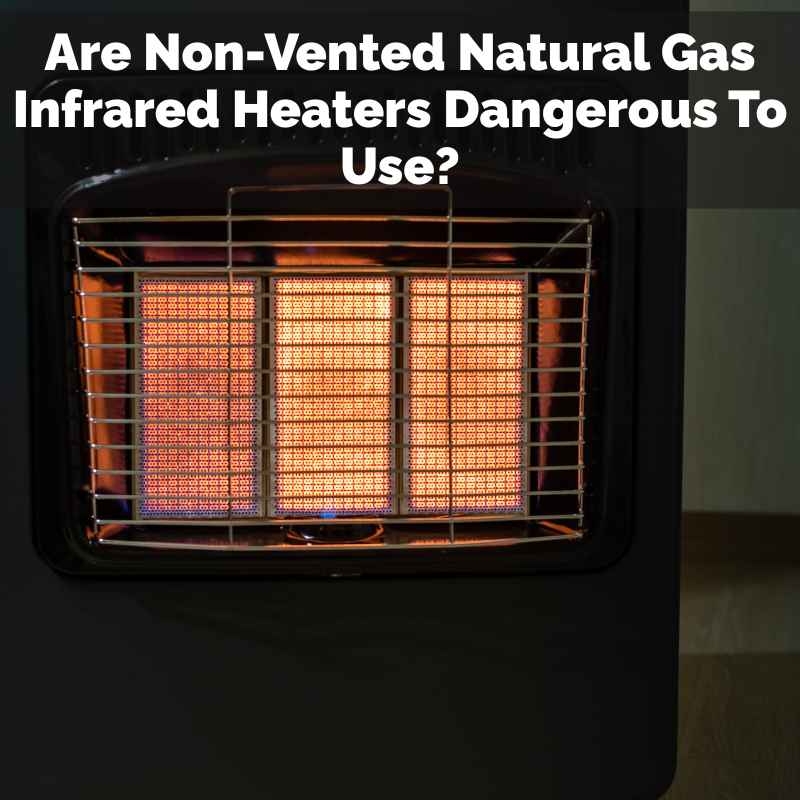
First off, let’s chat about what these heaters actually are. Non-vented natural gas infrared heaters, sometimes called vent-free heaters, work a bit differently than your old furnace. They burn natural gas right there in the room you want to heat.
This means all the heat they create goes straight into your living space. That sounds great for warmth, right? But here’s the key difference: they don’t have a pipe (a vent) to send the fumes outside.
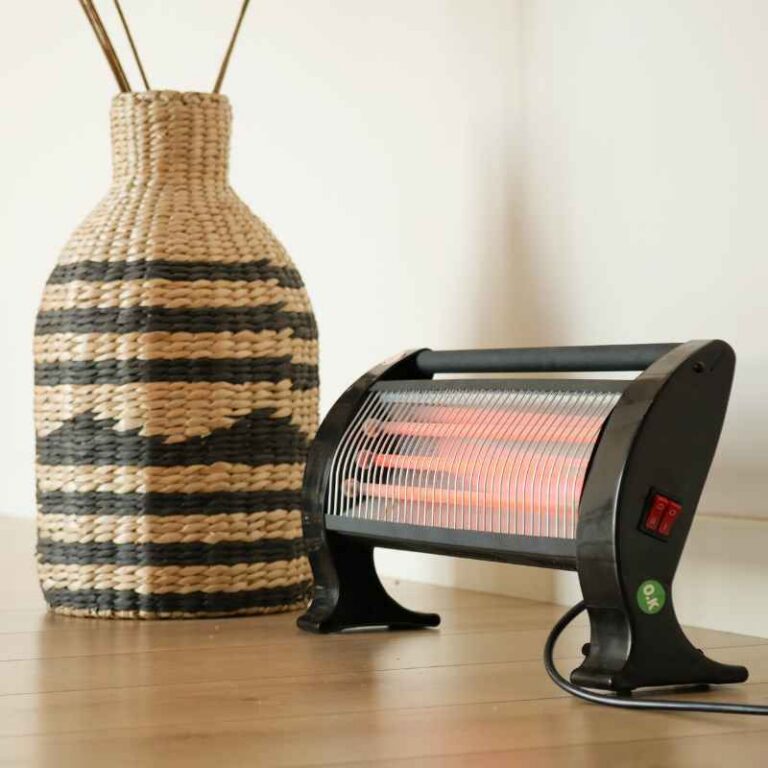
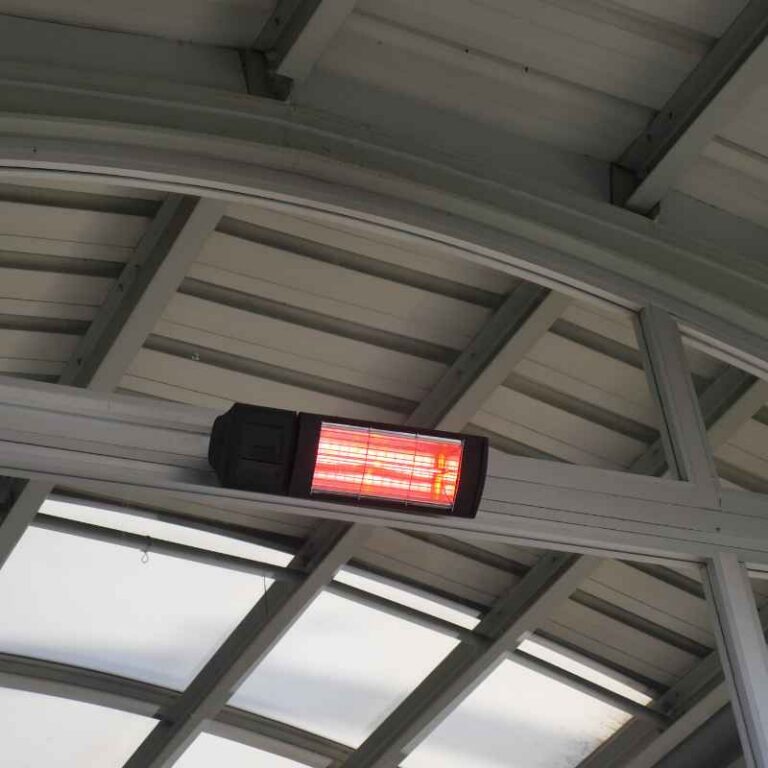
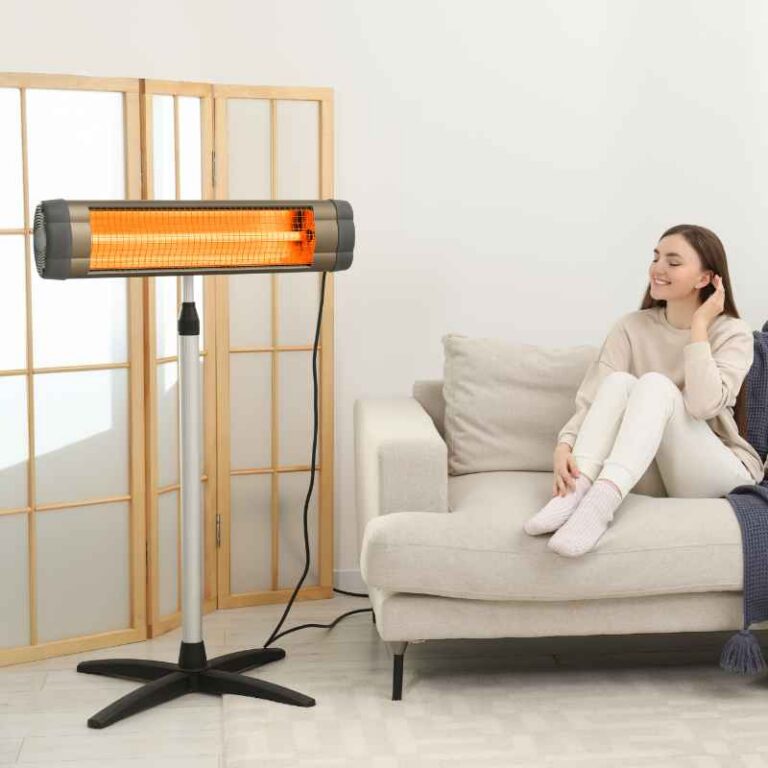
These heaters use infrared technology. Think of it like the sun. They heat objects directly, including people, rather than just warming the air.
This can make a room feel warm much faster. They are often praised for their efficiency and ease of installation because you don’t need to put a big hole in your wall or roof for a vent pipe. Many people find them appealing for workshops, garages, or even just supplemental heating in a living area.
However, this “vent-free” aspect is exactly what raises safety questions. When any fuel burns, it creates byproducts. Natural gas combustion produces things like carbon monoxide (CO), nitrogen dioxide, and water vapor.
With a vented heater, these gases go up the chimney and out of your house. With a non-vented one, they stay inside with you.
Why the Byproducts Matter
Carbon monoxide is a colorless, odorless gas. It’s often called the “silent killer” because you can’t detect it without a special detector. Breathing in too much CO can make you very sick.
Symptoms can include headaches, dizziness, nausea, and even death in high concentrations. This is the primary safety concern with any non-vented appliance.
Water vapor is another byproduct. While not directly dangerous in small amounts, it can build up over time. This excess moisture can lead to condensation on your windows and walls.
In the long run, this can cause mold growth and damage to your home’s structure. If you live in a very humid climate, this can become a bigger issue.
Quick Look: Vented vs. Non-Vented
Vented Heaters:
- How they work: Burn fuel and send all exhaust gases outside through a pipe (vent).
- Safety: Generally considered safer for indoor air quality because fumes are removed.
- Installation: Requires a vent system, which can be more complex and costly.
- Efficiency: Some heat may be lost through the vent.
Non-Vented Heaters:
- How they work: Burn fuel and release all heat and exhaust gases directly into the room.
- Safety: Pose risks of carbon monoxide buildup and indoor air pollution if not managed properly. Require strict adherence to usage guidelines.
- Installation: Simpler and cheaper as no venting is needed.
- Efficiency: Nearly 100% of heat produced stays in the room.
My Own Wake-Up Call with Fumes
I remember a time when I was helping a friend set up a small workshop in their garage. They had bought one of these gas-fired infrared heaters, raving about how it would make the space toasty for year-round work. It was one of those crisp autumn days, not too cold, but definitely not warm enough to work comfortably outside without it.
We got it hooked up, turned it on, and wow, the heat was immediate. It felt amazing. We were both wearing t-shirts in what felt like a summer afternoon.
I noticed a faint smell, but I shrugged it off. It was gas, after all, and it was new. We worked for a couple of hours, feeling pretty pleased with ourselves and the new heater.
As the afternoon wore on, though, I started to feel. off. I got a dull headache behind my eyes.
I felt a bit lightheaded, almost like I hadn’t slept well. My friend mentioned feeling a little tired too. We just thought we were working hard.
Then I looked at the heater. It was running, but there was this subtle, almost imperceptible haze near the top.
That’s when it hit me. That faint smell? That hazy look?
This wasn’t just ‘new heater smell.’ This was something being released into the air we were breathing. I remembered reading about how gas appliances can produce dangerous gases if not vented. I felt a knot of worry form in my stomach.
We immediately turned the heater off. Within about twenty minutes, my headache started to fade, and I felt much clearer. It was a real scare, and it made me understand firsthand why these units need such careful consideration.
The Real Risks: What Can Go Wrong
The main danger, as we’ve touched on, is carbon monoxide poisoning. This isn’t something to take lightly. Even low levels of CO can cause chronic health problems.
High levels can be deadly, and quickly.
Several factors increase the risk. One is the size of the room. Non-vented heaters are usually designed for specific room sizes.
If you use one in a space that’s too small, the byproducts can build up faster. Another factor is how long you run it. The longer it’s on, the more fumes are released.
Then there’s the issue of ventilation. Even though they are “non-vented,” most manufacturers recommend opening a window slightly. This provides some fresh air to dilute the exhaust gases.
If you keep the room completely sealed up for maximum heat, you’re creating a perfect storm for CO buildup. This is especially true in very cold weather when people tend to seal their homes tightly.
I’ve also seen situations where people mistakenly think these heaters are a good solution for a whole house. This is almost never the case. They are typically meant for supplemental heat in a single room or for spaces like garages where you aren’t spending extended periods.
Trying to heat an entire home this way is extremely risky.
Signs of Trouble: What to Watch For
In People:
- Headaches
- Dizziness
- Nausea or vomiting
- Flu-like symptoms (but no fever)
- Confusion
- Shortness of breath
- Unexplained fatigue
In the Environment:
- A faint smell of gas or burning
- Condensation on windows or walls
- Soot buildup around the heater or on nearby surfaces
- Plants in the room wilting unexpectedly
If you suspect CO poisoning, get everyone to fresh air immediately and call 911.
Another risk, though less common, is related to the appliance itself. If the heater isn’t properly maintained or is faulty, it could malfunction. This might lead to incomplete combustion, producing even more dangerous gases.
Or, in very rare cases, there could be a risk of fire if the unit is placed too close to combustible materials.
Most modern non-vented heaters have safety features. They often have an oxygen depletion sensor (ODS). This sensor is designed to shut off the heater if oxygen levels in the room drop too low, which is a sign of dangerous gas buildup.
They also usually have a tip-over switch to shut the unit off if it’s knocked over.
However, these safety features are not foolproof. They are a backup, not a primary safety measure. They rely on working correctly, and they don’t eliminate the inherent risk of burning fuel indoors without venting.
Real-World Context: Where These Heaters Show Up
You’ll often find non-vented natural gas infrared heaters used in specific scenarios. Think about workshops or garages where people tinker or work on projects. They need heat, but a full HVAC system might be overkill or impossible to install.
The quick, radiant heat is perfect for these spaces.
Some people also use them in basements or older homes that might not have central heating in every room. Again, the idea is to add a burst of heat where it’s needed. They can also be used in sunrooms or four-season porches that get chilly.
It’s important to note that in some states and municipalities, there are regulations against using non-vented gas appliances indoors due to the safety concerns. For instance, the International Residential Code (IRC) has specific rules about their use and installation. Always check your local building codes before installing any gas appliance.
Common Scenarios and Considerations
The Workshop Scenario: You’re working on your car or woodworking. You need heat to be comfortable, but you’re in and out, and the space might not be perfectly sealed. A non-vented heater can provide quick comfort.
But you absolutely need a CO detector, and you should crack a window open a bit.
The Basement Bonus Heat: Your basement is damp and chilly. You’ve installed a non-vented heater for occasional use when you go down there. The key is ‘occasional.’ If you spend hours down there, the air quality can degrade.
Plus, basements can be prone to moisture issues, so watch for condensation.
The Supplemental Room Heater: You have a living room that’s always colder than the rest of the house. You’re thinking of using a non-vented unit as a quick fix. This is where it gets tricky.
If this is a main living area where people spend a lot of time, the risks are higher. You need to be extra diligent about ventilation and CO monitoring.
The “design or materials” aspect also comes into play. These heaters are often made with robust materials to withstand the heat they produce. However, placement is critical.
They radiate heat, so they need clearance from walls, furniture, curtains, and anything else that could catch fire. Always follow the manufacturer’s minimum clearance guidelines to the letter.
What This Means for Your Home
So, are these heaters dangerous? The answer is nuanced. They can be dangerous if used improperly.
But they can also be used safely if you understand the risks and take precautions.
When is it normal to use them? It’s generally considered more normal for supplemental heat in auxiliary spaces like garages or workshops where people aren’t living. It’s also more normal for very short periods of supplemental heat in larger, well-ventilated rooms.
When should you worry? You should worry if you plan to use one as your primary heat source for your home. You should worry if you live in a very small, poorly ventilated space.
You should worry if you don’t have a working carbon monoxide detector. And you should definitely worry if anyone in the household has pre-existing respiratory or heart conditions, as they are more vulnerable.
Simple Checks for Peace of Mind
1. Carbon Monoxide Detector: This is non-negotiable. Ensure you have CO detectors on every level of your home, especially near sleeping areas and near any gas appliances.
Test them monthly and replace batteries as needed.
2. Ventilation: Always ensure some fresh air exchange. Crack a window open at least an inch, or use a small exhaust fan if appropriate for the space.
3. Room Size: Confirm the heater’s maximum room size rating. Do not exceed it.
If in doubt, err on the side of caution and use it in a larger space.
4. Manufacturer Instructions: Read and follow every single instruction in the owner’s manual. This includes installation, operation, and maintenance.
5. Proper Fuel: Only use the type of gas specified (natural gas or propane) and ensure the connection is secure and leak-free.
If you are having doubts, or if you’ve experienced any of the symptoms we discussed, it’s best to err on the side of caution. There are many other safe heating options available. Many of them don’t come with the same level of risk.
Quick Tips for Safer Operation
If you decide to use a non-vented natural gas infrared heater, here are some essential tips to keep in mind:
- Install Carbon Monoxide Detectors: This is the most critical step. Have them professionally installed or ensure you follow DIY instructions perfectly.
- Ventilation is Key: Always allow for fresh air. Opening a window slightly is usually enough, but monitor the indoor temperature.
- Never Use as Primary Heat: These are for supplemental or intermittent use, not for heating your entire home.
- Know Your Room Size: Match the heater’s capacity to the room’s square footage.
- Regular Maintenance: Have the unit inspected and serviced annually by a qualified technician.
- Keep it Clean: Dust and debris can affect efficiency and safety.
- Supervise Operation: Don’t leave the heater running unattended for long periods, especially in unfamiliar spaces.
- Safe Placement: Always maintain the manufacturer’s recommended clearance from walls, furniture, and curtains.
- Have an Exit Plan: Know what to do if the CO detector sounds. Get out and call for help.
Frequently Asked Questions About Non-Vented Heaters
Are non-vented gas heaters legal to use?
Legality varies by state and local building codes. Many areas have restrictions or outright bans on their use, especially in residential living spaces, due to safety concerns. Always check your local regulations before purchasing or installing one.
How do I know if my non-vented heater is producing carbon monoxide?
You won’t be able to smell or see carbon monoxide. The only way to know is by having a working carbon monoxide detector installed in the same room or nearby. If the detector sounds, evacuate the area immediately and call emergency services.
Can I use a non-vented heater in my bedroom?
It is strongly advised against using non-vented gas heaters in bedrooms. Bedrooms are where people sleep for extended periods, often with doors closed, which can lead to dangerous buildup of combustion byproducts. The risk of carbon monoxide poisoning is highest during sleep.
What happens if the oxygen depletion sensor (ODS) on my heater fails?
If the ODS fails and the oxygen levels in the room become dangerously low, the heater will not shut off automatically. This can lead to severe carbon monoxide buildup, posing a serious risk of poisoning. Regular checks and maintenance of the ODS are crucial.
Is it safe to use a non-vented heater in a poorly insulated shed?
While a shed might not be a primary living space, safety is still paramount. If you use a non-vented heater in a shed, ensure it is well-ventilated by opening a door or window. Also, always use a carbon monoxide detector in the shed.
These heaters are best suited for spaces where you are not spending extended, continuous periods.
What are the alternatives to non-vented natural gas heaters?
There are many safer alternatives. These include electric space heaters (like ceramic, oil-filled radiators, or infrared electric), vented gas heaters (which require proper venting), pellet stoves, and modern heat pump systems. For garages or workshops, electric heaters or properly vented gas units are often better choices.
Conclusion
Using non-vented natural gas infrared heaters boils down to informed choices and rigorous safety practices. They offer quick heat without complex installation. However, the inherent risk of releasing combustion gases into your home cannot be ignored.
If you choose to use one, treat it with the utmost respect. Always prioritize ventilation, install and maintain carbon monoxide detectors, and never use them as a primary heat source. When in doubt, a vented appliance or a different heating technology is always the safer path.
Sponsored / affiliate links. As an Amazon Associate I earn from qualifying purchases. I may earn additional commission from eligible campaigns.