Are Amish People Actually Making The Infrared Heaters?
It’s a common question, especially when you see a beautiful, rustic-looking heater. You might wonder, “Are Amish people really making these infrared heaters?” It’s a fascinating thought, conjuring images of skilled craftsmanship and traditional methods. But like many things we hear, the full story is often more complex than it seems.
Let’s dive in and find out what’s really going on.
The most common infrared heaters you find in stores or online are not directly made by Amish communities. While some Amish artisans might create parts or assemble certain components, the major brands and their manufacturing processes are typically handled by larger, modern companies. The association often comes from marketing that highlights traditional craftsmanship or a “hand-made” feel, even if the bulk of production is industrialized.
What is an Infrared Heater?
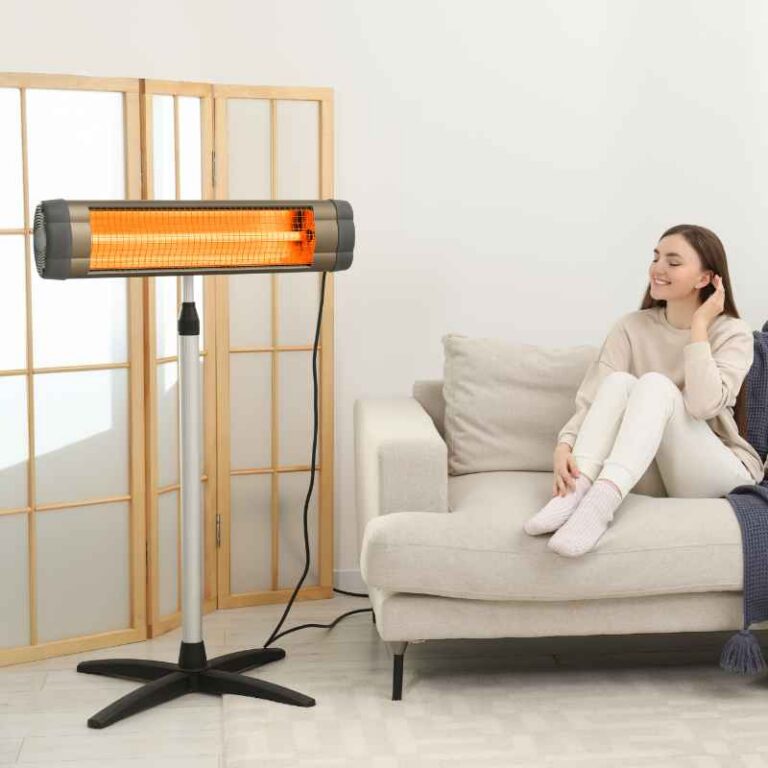
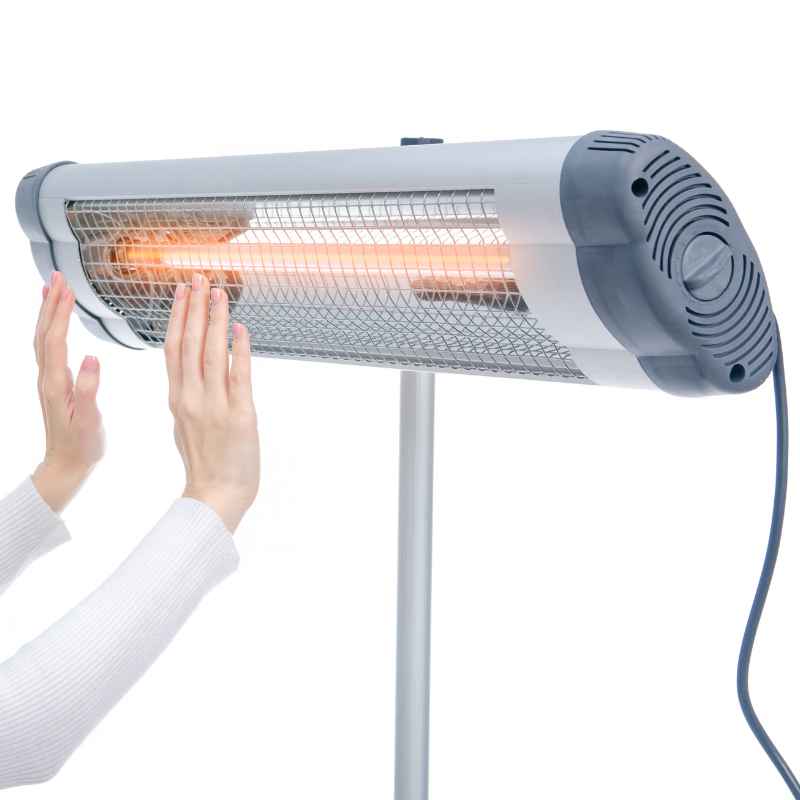
Infrared heaters work a bit like the sun. They send out rays that heat objects directly. This is different from typical heaters.
Normal heaters warm the air first. Then, that warm air warms you and your things. Infrared heaters skip the middle step.
They heat people, furniture, and walls right away.
This means you feel warm much faster. It’s a cozy, direct kind of heat. It’s also very efficient.
You don’t waste energy heating empty air. Think about standing in the sun on a cool day. You feel warm even if the air isn’t hot.
That’s the same idea with an infrared heater.
My First Encounter with an Infrared Heater
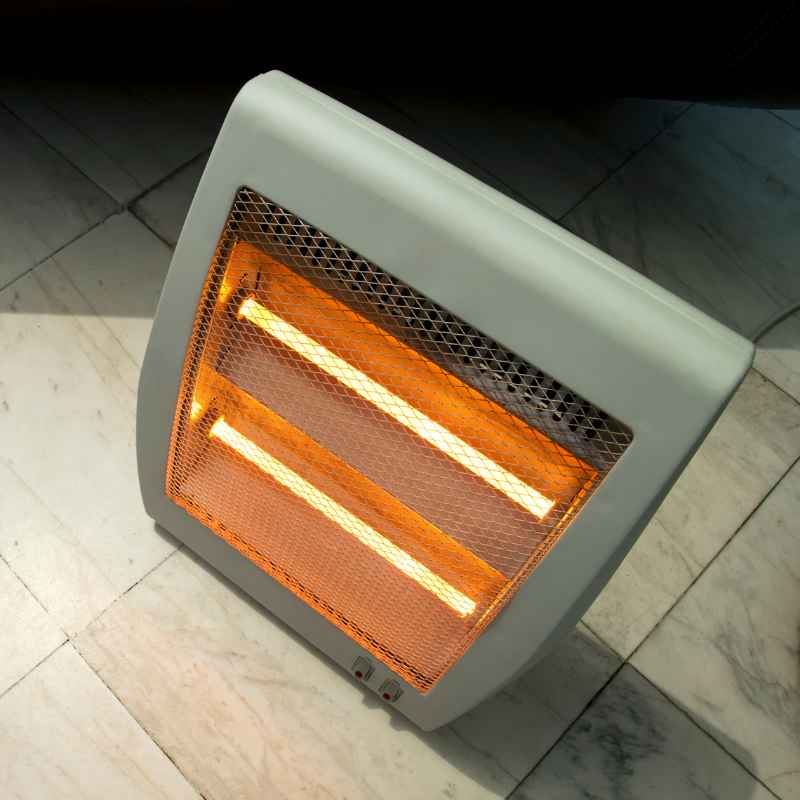
I remember the first time I really paid attention to one. It was at a friend’s workshop. He was a woodworker, and his shop was always a bit chilly in the winter.
He had this big, almost industrial-looking infrared heater hanging from the ceiling. I walked in, and even though it was freezing outside, I felt instantly comfortable. It wasn’t the stuffy heat you get from a forced-air furnace.
It was a gentle warmth that seemed to come from everywhere. I asked him about it, and he explained how it worked. He told me how it cut his heating bills.
He also mentioned how it didn’t dry out the air like his old heater did. That was a big deal for him, working with wood. I was really impressed.
It felt like a smart, simple solution to a common problem.
Infrared Heater Basics
How it Works: Emits infrared radiation to heat objects and people directly.
Feel: Like sunshine; direct warmth, not just warm air.
Efficiency: Often more efficient because it heats what matters directly.
Air Quality: Doesn’t dry out the air as much as some other heaters.
The “Amish-Made” Connection: Where Does it Come From?
So, why the link to Amish craftsmanship? It’s a smart marketing angle, plain and simple. The Amish are known for their dedication to quality, tradition, and skilled handiwork.
When a product is associated with them, people often think of sturdy, well-made items. They imagine things built with care, not mass-produced on an assembly line.
Some companies might use Amish woodworkers for specific parts. This could be the cabinet or the frame of a heater. They might also employ Amish individuals for assembly.
This allows them to say their product has “Amish influence” or “Amish craftsmanship.” But the core heating element and the electronics are almost always made in modern factories.
Think of it like a fine piece of furniture. The wood might be hand-selected and shaped by a skilled craftsman. But the varnish, the glue, and maybe even some of the hardware could come from industrial suppliers.
The “Amish touch” is often a selective one, focusing on visible, aesthetic parts. The actual heating technology is standard.
Understanding the Manufacturing Process
Let’s break down how most infrared heaters are actually made. It’s a multi-step process. It involves different factories and specialized parts.
First, you have the heating elements themselves. These are usually made from materials like quartz or ceramic. They are designed to glow hot and produce infrared waves.
This production requires precise manufacturing. It’s often done in specialized electronics plants.
Then, there are the casings or cabinets. These can be made from wood, metal, or plastic. If a company wants that “Amish look,” they might use wood.
This wood could be sourced and worked by Amish craftsmen. They might build the outer shell. They might carve decorative elements onto it.
This is where the connection often starts to form in people’s minds.
Other parts include the controls, fans (if any), wiring, and safety features. These are all manufactured using standard industrial methods. Finally, all these components come together for assembly.
Some companies might have a final assembly line where the parts are put together. This is where the “Amish-made” claim often gets its footing, even if only a small part of the assembly is done by Amish workers.
Contrast Matrix: “Amish-Made” Heater Claims
Myth: Amish people hand-build the entire infrared heater from start to finish.
Reality: Major brands use industrialized processes. Amish involvement is usually limited to specific components or assembly steps, often for aesthetic or marketing purposes.
Myth: All Amish-made heaters use traditional, non-electric technology.
Reality: Infrared heaters, by definition, use electricity to generate heat. Any “Amish-made” version still relies on standard electrical components.
Real-World Context: Where You See These Heaters
You’ll find infrared heaters in a lot of different places. Many people use them in their homes. They are great for supplementing main heating systems.
A small infrared heater can warm up a chilly living room or a drafty bedroom. It’s a quick and easy way to add comfort without turning up the whole house thermostat.
Workshops and garages are also common spots. As I mentioned with my friend, these spaces can be hard to heat. Infrared heaters are perfect because they heat people directly.
So, even if the rest of the space is cold, you feel warm when you’re working. This means you can use these spaces more comfortably, even in winter.
Some larger commercial spaces use them too. Restaurants with outdoor seating might use them to keep diners warm. Churches or community halls can use them to heat specific areas.
The appeal is always about targeted warmth. It’s about feeling comfortable without heating a huge volume of air. This makes them versatile tools for many situations.
What “Craftsmanship” Really Means in This Context
When a company says “Amish craftsmanship,” they are usually referring to a few things. One is the look. They might use beautiful, natural wood for the exterior.
They might finish it with a natural oil. This gives it a warm, inviting appearance that fits with traditional decor. It looks different from a sterile, plastic heater.
Another aspect is the perceived durability. People associate Amish work with items that last. They believe it’s built to withstand use.
This can be true for the wooden casings. They might be sturdier than cheap plastic. However, the actual heating technology inside is still subject to the same wear and tear as any other electronic device.
The third part is the storytelling. The idea of a skilled artisan carefully putting something together is appealing. It adds a narrative to the product.
It makes it feel more special than something churned out by a machine. This emotional connection is a powerful marketing tool. It taps into a desire for authenticity and quality.
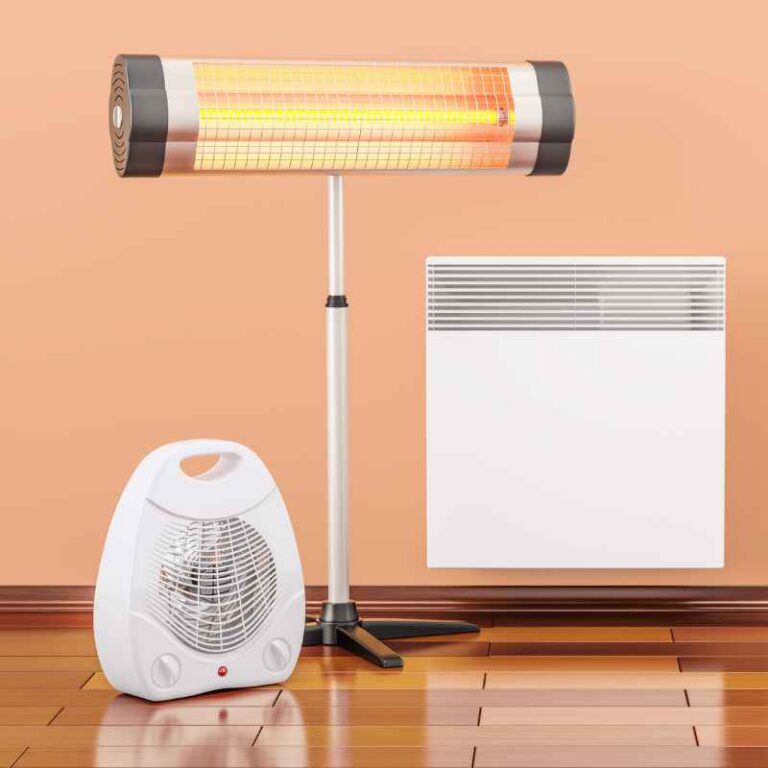
Quick-Scan Table: Common Heater Types
| Heater Type | How it Heats | Amish Association (Typical) |
| Infrared Heater | Directly heats objects/people via rays | Possible for wooden casings; marketing |
| Convection Heater | Heats air, which circulates | Less common association |
| Electric Space Heater (Coil/Ceramic) | Heats air that rises or is blown out | Rare association |
My Experience with a “Craftsman” Heater
A few years back, I decided to buy a heater for my home office. I wanted something that looked nice, not just functional. I saw one online that was advertised with “Amish-inspired design.” It had a beautiful dark wood cabinet.
It looked very elegant and different from the plastic ones. I was drawn to that aesthetic.
When it arrived, the wood part was indeed lovely. It felt solid and well-finished. It really did elevate the look of my office.
However, the heating technology inside was standard. It worked just like any other infrared heater I had encountered. The warmth was direct and pleasant.
It didn’t dry out the air, which was a plus.
What struck me was the clear separation. The “craftsmanship” was in the housing. The “technology” was in the heating element and the internal wiring.
It was a hybrid product. It offered the warmth of infrared technology with the visual appeal of traditional woodworking. It fulfilled my desire for something that looked good and felt good, but it wasn’t an item built entirely by Amish hands in a rural workshop.
What This Means for You: Making an Informed Choice
When you’re looking at infrared heaters, especially those marketed with an “Amish” connection, it’s important to know what you’re really buying. You’re likely buying a standard infrared heating unit housed in a more decorative or traditionally styled cabinet. The appeal is often in the aesthetics and the story.
Is this a bad thing? Not necessarily. If you value the look and the perceived quality of the housing, it can be a great purchase.
It can add a touch of elegance to a room. It can feel more like a piece of furniture than an appliance. Just be aware that the core heating function is not unique or built with traditional methods.
You should also consider the price. Heaters marketed this way often come with a higher price tag. This is for the design and the “craftsmanship” story.
Make sure the extra cost is worth it to you for the aesthetic benefits. If you’re just looking for the most efficient or cheapest way to get infrared heat, you might find better value elsewhere.
When is it Truly “Amish-Made”?
It’s rare to find an infrared heater that is entirely “Amish-made” in the way many people imagine. True Amish-made items usually come directly from Amish communities. They are often sold at local markets, through community networks, or from small, independent shops run by Amish families.
These products might not have fancy branding or widespread distribution.
For example, an Amish family might build wooden furniture. They might craft quilts by hand. They might even build simple, functional items for their own use or local sale.
If an Amish person were to make a heater, it would likely be a very simple design. It would probably not involve complex electronics like modern infrared heaters do.
Most often, the “Amish” label on a mass-produced heater is a marketing tactic. It suggests a connection to traditional values and quality. It’s a way to differentiate the product in a crowded market.
It’s important to read product descriptions carefully. Look for details about where and how the product is actually manufactured.
Stacked Micro-Sections: Key Takeaways
Marketing Angle: The “Amish-made” claim is primarily a marketing strategy to evoke quality and tradition.
Core Technology: Infrared heating elements and electronics are manufactured using modern, industrialized methods, regardless of the casing.
Actual Involvement: Amish communities might be involved in crafting wooden casings or specific decorative elements, but not the entire unit.
Value Proposition: Consumers pay a premium for the aesthetic and the story, not for fundamentally different heating technology.
Due Diligence: Always check product details to understand the extent of Amish involvement.
Debunking Myths About Amish Technology
One myth is that Amish people avoid modern technology. While they do limit their use of electricity and technology to maintain their way of life, they are not entirely cut off. Many Amish communities use electricity from generators or batteries.
They use modern tools for farming and woodworking when necessary. They adapt technology to fit their values.
Another myth is that everything Amish is handmade. While handcrafting is central to their culture, they also use machines. They use power tools for woodworking.
They use modern farming equipment. The key is how they integrate these things into their community and lifestyle. They often use technology that doesn’t rely on public utility power or that can be isolated.
So, when you see an infrared heater with an “Amish” association, it’s not that Amish people are suddenly making advanced heating elements. It’s more likely that a modern company is leveraging the positive associations of Amish craftsmanship for their product’s exterior. The technology itself is standard.
It’s a blend of traditional appearance and modern function.
My Thoughts on the “Amish Heater” Market
From my perspective as someone who looks at products and how they’re presented, the “Amish heater” market is a clever one. It plays on deeply held values of quality and authenticity. I understand the appeal.
Who wouldn’t want something that looks like it was built with care and tradition?
However, it’s crucial to manage expectations. If someone buys a heater expecting it to be entirely hand-built by Amish artisans using old-world methods, they might be disappointed. The reality is that the heating power comes from modern engineering.
The intricate electronics are far from traditional crafts.
My advice is to appreciate the design if you like it. If the wooden casing and the aesthetic are important to you, then go for it. But make your purchasing decision based on the heater’s performance, safety features, and energy efficiency first.
The “Amish” aspect is usually a bonus for the look, not for the core function.
Quick Fixes & Tips for Using Infrared Heaters
While there aren’t “fixes” for the manufacturing process, there are tips for using your infrared heater wisely.
- Placement is Key: Position the heater so it faces the area you want to heat. Direct line of sight is best.
- Don’t Expect Whole-Room Heat: These heaters are best for spot heating or supplemental warmth. They won’t typically heat a large room as effectively as a central system.
- Check for Safety Features: Look for tip-over protection and overheat protection. These are crucial, especially if children or pets are around.
- Understand Energy Use: While efficient for spot heating, running multiple high-wattage heaters can still increase your electricity bill. Use them mindfully.
- Maintenance is Simple: Most infrared heaters require minimal maintenance. Dusting the exterior and ensuring vents are clear is usually enough.
- Read the Manual: Always follow the manufacturer’s instructions for safe operation and placement.
Frequently Asked Questions About Amish Infrared Heaters
Are all infrared heaters made by the Amish?
No, absolutely not. Most infrared heaters sold by major brands are manufactured using standard industrial processes. The “Amish-made” claim is typically associated with specific models, often referring to the decorative wooden casing or a limited assembly involvement.
Why do some infrared heaters look like they are made of wood?
Some manufacturers use wood for the exterior casing of infrared heaters to give them a more traditional, aesthetic appeal. This wood casing might be crafted or finished by Amish woodworkers, leading to the “Amish craftsmanship” association.
Do Amish people use electricity in their homes?
The use of electricity by Amish communities varies. Some communities limit or prohibit household electricity from public utilities. Others may use electricity from generators or batteries for specific needs, especially in their workshops or for certain appliances.
Are “Amish-made” infrared heaters more efficient?
The heating efficiency of an infrared heater depends on its core technology, not its casing. A heater with a wooden “Amish-style” casing will be as efficient as a similarly designed heater with a metal or plastic casing. The manufacturing of the heating element is the key factor.
How can I tell if an infrared heater is truly made by the Amish?
It is very difficult to find infrared heaters that are entirely made by the Amish in the traditional sense. If you are looking for authentic Amish-made goods, it’s best to purchase directly from Amish communities or reputable Amish stores that can verify their direct involvement in the entire manufacturing process.
Are infrared heaters safe to use around children and pets if they have wooden casings?
Yes, infrared heaters, including those with wooden casings, are generally safe when used according to manufacturer instructions. Look for models with safety features like tip-over protection and cool-touch exteriors. Ensure the wooden casing does not obstruct airflow or get excessively hot.
Conclusion
So, the answer to whether Amish people are making the infrared heaters is nuanced. While the technology itself is modern and factory-made, some companies leverage Amish craftsmanship for the attractive wooden exteriors. It’s a blend of traditional aesthetics and contemporary heating.
It offers a beautiful option for those who value both form and function.
Sponsored / affiliate links. As an Amazon Associate I earn from qualifying purchases. I may earn additional commission from eligible campaigns.