Which Is Better: Infrared Or Forced Air Heaters? Compared
Infrared heaters warm objects directly, like the sun, offering instant, quiet warmth without moving air. Forced air heaters heat the air and then blow it around the room, providing even temperatures but can be noisy and dry out the air. The “better” choice depends on your specific needs for speed, efficiency, and comfort.
What’s the Difference: Infrared vs. Forced Air
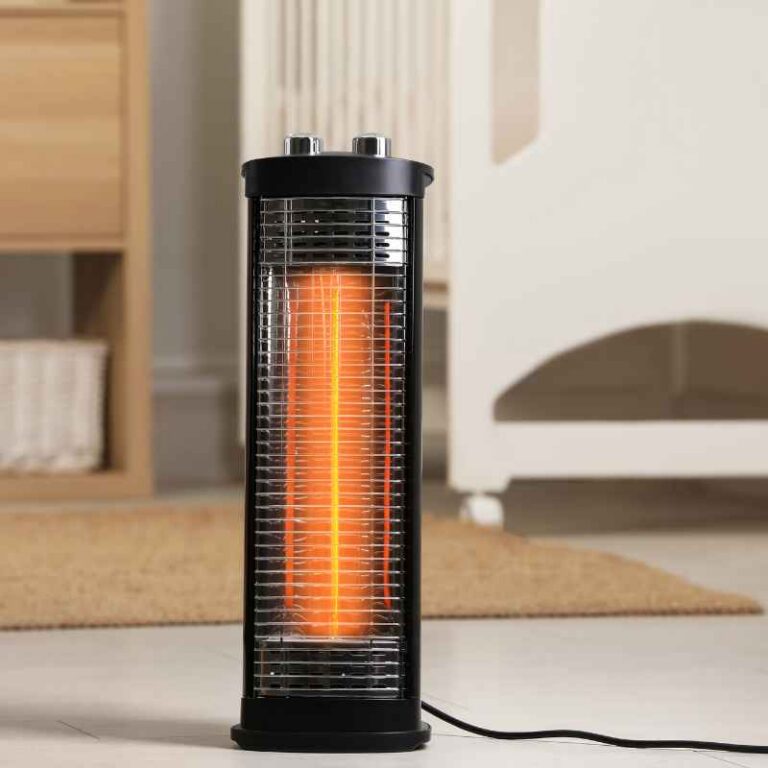
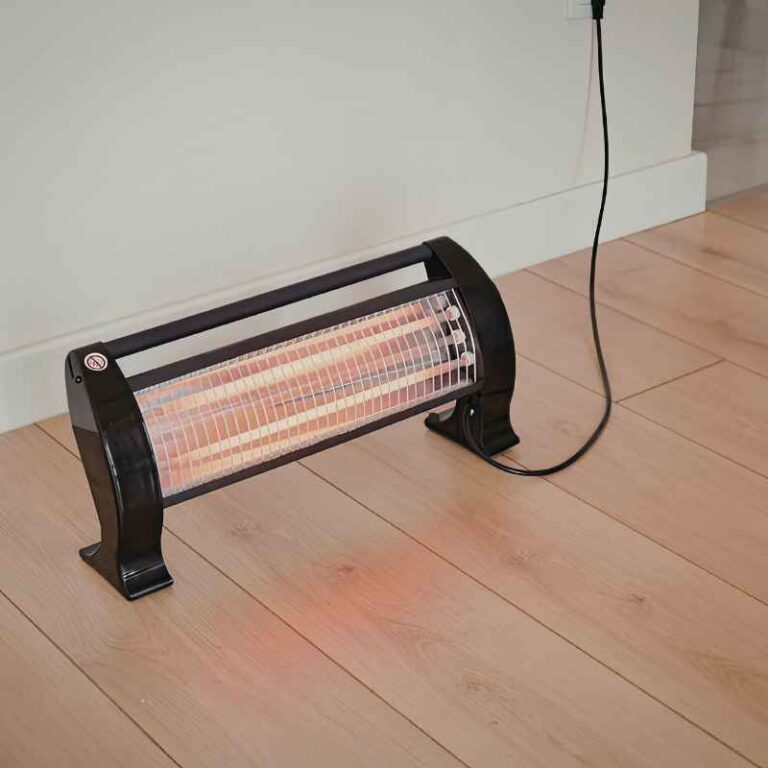
Think about how a campfire works. It sends out warmth you can feel on your skin, even if the air around you is cool. That’s like an infrared heater.
It sends out radiant heat. This heat travels in waves. When these waves hit objects, like people, furniture, or walls, they warm them up directly.
The air itself doesn’t get heated much. This means you feel warm pretty quickly where the waves are. It’s a very direct kind of warmth.
Many people find this feeling very natural and pleasant. It’s like standing in a sunny spot on a cool day.
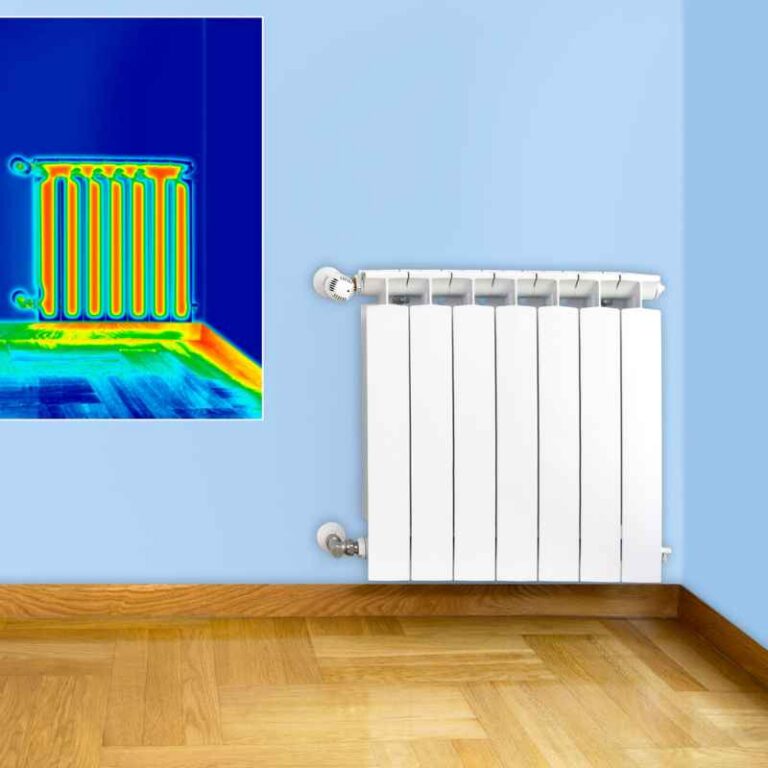
Now, think about a hair dryer or a fan blowing warm air. That’s more like a forced air heater. These heaters work by heating up the air inside them.
Then, a fan pushes that warm air out into the room. The warm air mixes with the cooler air in the room.
This process circulates the air. It aims to raise the overall temperature of the entire room. It’s a more whole-room approach.
You might notice the sound of the fan. Sometimes, forced air can also make the air feel dry. This is because the heating process can remove moisture from the air.
How They Work in Your Home
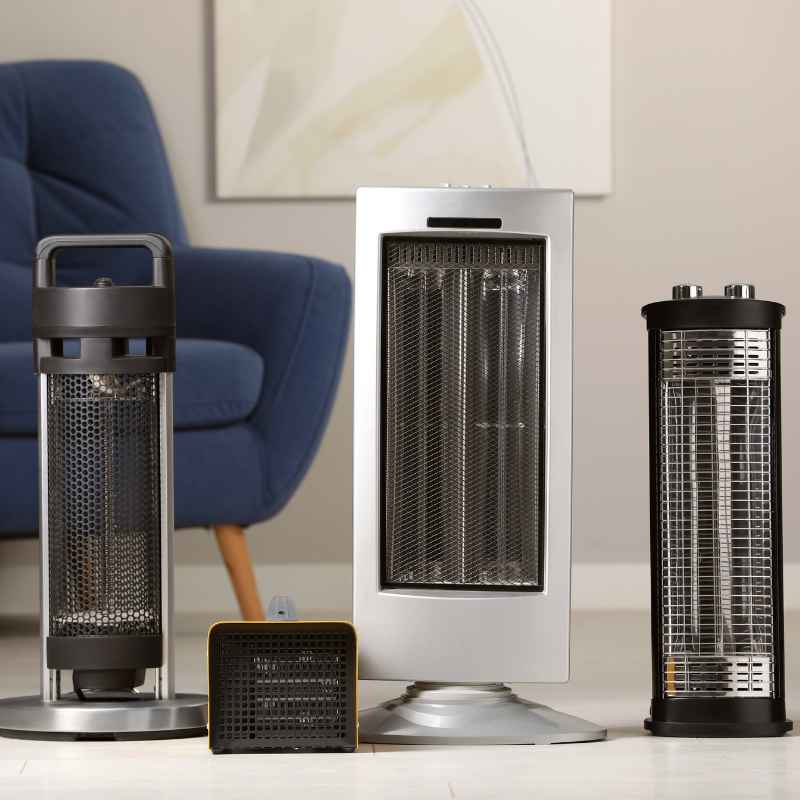
Infrared heaters are great for spot heating. Imagine you have a garage or a workshop. You don’t need to heat the whole big space all the time.
You just want to be warm when you’re working in one specific area. An infrared heater is perfect for this.
You can point it at your workbench. The radiant heat will warm you up directly. It’s very efficient for these situations.
You’re not wasting energy heating empty space. Many people also use them in bathrooms to warm up quickly before a shower. Or on a patio to extend outdoor comfort.
Forced air systems are usually central heating. They are part of your home’s main heating setup. A furnace or heat pump heats the air.
Then, ducts carry this warm air to different rooms. The fan pushes it out through vents. This is how most houses get their main heat.
It’s designed to keep the entire house at a steady, comfortable temperature. You set a thermostat, and the system works to maintain that warmth throughout the building. This system heats the air, which then heats everything in the room.
It’s a more indirect but widespread heating method.
Personal Experience: The Drafty Sunroom Surprise
I remember a few years ago. We had this enclosed sunroom added to our house. It was lovely in the summer.
But in the colder months, it was practically unusable. The windows let in a lot of cold air. It felt like standing outside, just with glass walls.
We tried a small electric forced air heater in there. It worked, but it was a battle. The fan ran constantly.
It sounded like a small jet engine sometimes. Even then, the air never felt truly warm. It would heat up for a bit, then a draft would come through.
The heat would just vanish.
It felt like we were just circulating cold air with some warmth mixed in. It was also really drying out the air. I’d wake up with a sore throat.
One day, I was looking at different heating options. I saw an infrared panel heater. I thought, “What if I could just feel warm directly?”
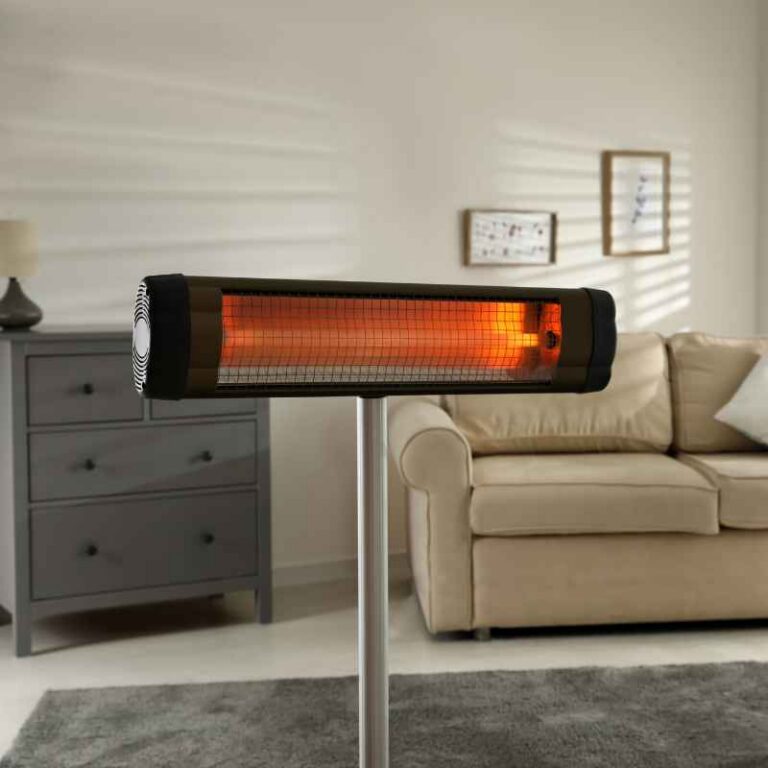
So, I bought one. I mounted it on the wall, aimed at where we’d sit. The moment I turned it on, it was different.
There was no fan noise. Just a gentle, pervasive warmth. It felt like sunshine on my skin.
The drafts were still there, but I didn’t feel them as much because I was warm.
It didn’t try to heat the whole room. It just made our little sitting area cozy. It was such a relief.
It proved to me how different heating methods can feel and perform.
Infrared Heater Quick Facts
How it works: Uses radiant waves to heat objects and people directly.
Feels like: Sunshine on your skin, immediate warmth.
Best for: Spot heating, drafty areas, quiet operation, instant comfort.
Air: Does not move or dry out the air significantly.
Noise: Very quiet, usually no moving parts.
Pros and Cons: A Closer Look
Let’s look at the good and not-so-good points for each type. This will help you see which one fits your needs best.
Infrared Heater Advantages
Instant Warmth: You feel warm almost right away. This is a big plus when you need quick comfort. No waiting for the whole room to heat up.
Energy Efficiency (for spot heating): When used for directed warmth, they use less energy. You’re only heating what you need. This saves money on your electric bill.
Quiet Operation: Most infrared heaters have no moving parts. This means they are very quiet. They won’t disturb you while you’re working, sleeping, or relaxing.
No Air Movement: They don’t blow air around. This is great for people with allergies or asthma. It also means dust and allergens aren’t stirred up.
The air also doesn’t feel as dry.
Zoning Comfort: You can heat specific zones in a larger space. This is perfect for workshops, garages, or rooms with poor insulation.
Infrared Heater Disadvantages
Limited Whole-Room Heating: They aren’t the best for heating a large, open space evenly. If you need to warm every corner of a big room, it might not be enough.
Line of Sight: The warmth only travels where the waves can go. If something is blocking the path, you won’t feel the heat. You need to be in its “line of sight.”
Initial Cost: Some higher-end infrared units can have a higher upfront cost. Though, they can save money in the long run.
Forced Air Heater Advantages
Whole-Room Heating: Forced air systems are excellent at heating entire rooms or entire homes. They provide a consistent temperature everywhere.
Even Distribution: When working well, they distribute heat fairly evenly through vents. This can lead to a steady comfort level.
Air Filtration: Many forced air systems can include air filters. This helps clean the air as it circulates. It can remove dust, pollen, and other particles.
Common Infrastructure: If you already have a forced air system (like a furnace and ducts), adding or using it is straightforward. It’s already in place.
Forced Air Heater Disadvantages
Noise: The fan can be quite noisy. This can be disruptive. It’s especially noticeable in quieter settings.
Dry Air: The heating process often removes moisture from the air. This can lead to dry skin, scratchy throats, and static electricity. You might need a humidifier.
Energy Waste in Unused Areas: If you’re heating a large house with many rooms, but only using one or two, you’re still heating the air in the empty ones. This can be inefficient.
Slow to Respond: It can take time for the air to heat up. If you turn it on, you have to wait for the air to circulate and warm everything.
Dust and Allergen Circulation: The fan can stir up dust and allergens. This is not ideal for people with respiratory issues.
Forced Air Heater Quick Facts
How it works: Heats air and blows it through the room using a fan and ducts.
Feels like: General room warmth, can feel breezy.
Best for: Whole-house heating, consistent temperatures in well-sealed spaces.
Air: Circulates air, can dry it out, can stir up dust.
Noise: Can be noisy due to the fan.
Energy Efficiency: Which Uses Less Power?
This is a big question for everyone. Energy efficiency often depends on how you use the heater. For spot heating, infrared is usually more efficient.
You’re directing warmth exactly where you need it. You’re not wasting energy heating empty air or unused rooms.
For example, if you spend an hour in your garage on a Saturday morning, using an infrared heater there is very efficient. You’ll feel warm quickly, and it won’t run up a huge bill. You only need it when you’re actively in that spot.
Forced air systems can be efficient if they are well-maintained and used correctly. A modern, high-efficiency furnace or heat pump can be quite good. The key is heating the whole house evenly when needed.
If you have a well-insulated home, a forced air system can maintain a comfortable temperature with less effort.
However, if you have a large, drafty house and only use a couple of rooms, running the central forced air system can be very inefficient. You’re heating a lot of space you’re not using. In these cases, supplemental infrared heaters for the occupied zones can save a lot of energy.
Consider your home’s insulation. Good insulation keeps heat in. This makes any heating system more efficient.
If your home has leaky windows or poor wall insulation, forced air will struggle to keep up, and energy will be lost quickly.
Energy Efficiency Comparison
Infrared
Pros: Highly efficient for spot heating. No energy wasted on empty spaces. Direct warmth means less loss.
Cons: Can be less efficient if used to try and heat a large, open area broadly.
Forced Air
Pros: Efficient for whole-house heating in well-insulated homes. Central systems can be very effective.
Cons: Inefficient for partially occupied spaces. Energy lost through drafts or poor insulation.
Comfort: What Feels Better?
Comfort is subjective, but many people have a strong preference. Infrared heat is often described as a “cozy” or “natural” warmth. It feels like sunshine.
You feel it on your skin almost immediately. It doesn’t change the air quality, so it often feels more comfortable for breathing.
People who dislike the feeling of moving air or dry air often prefer infrared. The warmth is steady and not gusty. It’s like being in a warm hug without the heat being blown at you.
You can sit near an infrared heater and feel perfectly warm, even if the air temperature is a few degrees cooler.
Forced air heat feels different. It’s about the air temperature in the room. You feel warm because the air around you is warm.
This can be very even and consistent. It eliminates cold spots well. However, the fan noise can be a distraction for some.
The dryness it creates can also be uncomfortable. Many people experience dry eyes, nasal passages, or skin in winter because of forced air heat. If you live in a dry climate or have respiratory issues, this can be a significant factor.
What’s interesting is that sometimes, a combination works best. For example, using a forced air system for background heat and an infrared heater for a cozy spot in the living room. This gives you the best of both worlds: whole-room comfort and instant, personal warmth.
Installation and Setup
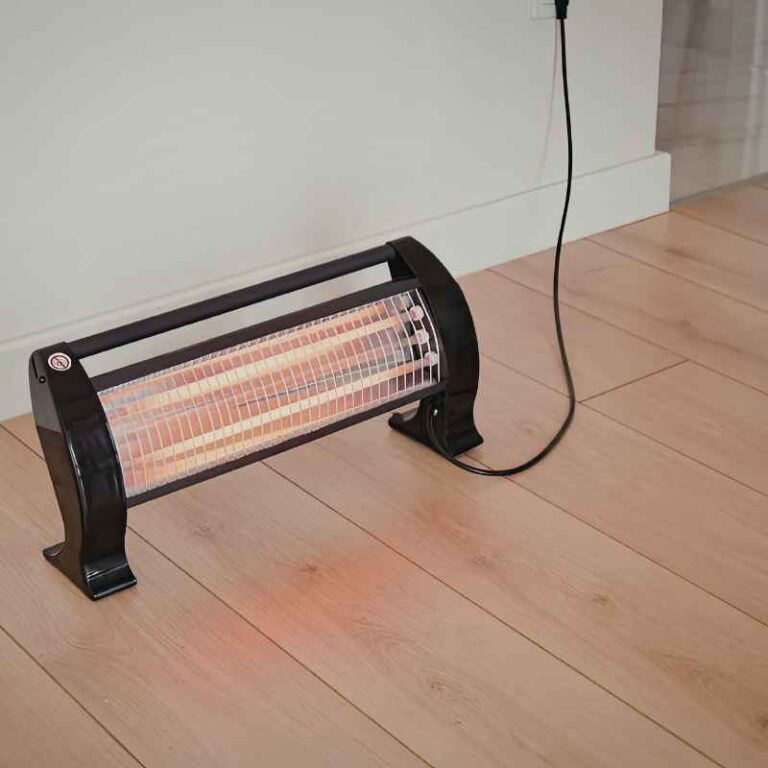
Setting up an infrared heater is usually quite simple. Many are portable. You can just plug them in and place them where you need them.
Some wall-mounted or ceiling-mounted units might require a bit more installation, maybe some basic wiring. But it’s typically less involved than a whole-house system.
Forced air systems are usually a bigger project. If you’re building a new home, you’ll install ductwork, a furnace or heat pump, and vents. This is a significant part of home construction or renovation.
If you already have a forced air system, using it is easy – just set the thermostat.
Maintenance is also a factor. Forced air systems need regular maintenance. This includes changing air filters and getting the furnace or heat pump checked by a professional yearly.
This ensures it runs safely and efficiently. Infrared heaters generally require very little maintenance.
You might just need to clean the surfaces occasionally. Their simpler design means fewer things can go wrong. This can be appealing if you want a low-maintenance heating solution.
Installation & Maintenance
Infrared
Installation: Easy, often plug-and-play. Wall/ceiling mounts are simple.
Maintenance: Very low. Occasional cleaning. No complex parts to fail.
Forced Air
Installation: Complex, requires professional ductwork and unit setup. Major part of home build.
Maintenance: Requires regular filter changes and annual professional checks for safety and efficiency.
Real-World Context: Where Each Shines
Let’s think about where you’d typically find each type of heater and why they are chosen.
Infrared in Action
Garages and Workshops: As I mentioned, this is a prime spot. You need heat only when you’re there, not 24/7. Infrared gives instant warmth without heating the entire large space.
Drafty Rooms: Sunrooms, four-season porches, or rooms with older windows benefit greatly. They can make these spaces usable without a major renovation. The direct warmth combats the feeling of drafts.
Bathrooms: A quick burst of warmth from an infrared heater is perfect for the few minutes you need it. It’s safer in humid areas than some other portable heaters.
Patios and Outdoor Spaces: Infrared patio heaters are common. They extend the use of outdoor living areas into cooler evenings.
Specific Tasks: Sometimes, you might need to dry paint or glue quickly. Infrared heat can help with that too.
Forced Air in Action
Most Homes (Central Heating): This is the standard for residential heating in the U.S. It’s designed for whole-house comfort. You set a thermostat, and it maintains the temperature automatically.
New Construction: Forced air systems are often planned and installed during the building process. The ductwork is integrated into the house’s structure.
Businesses and Offices: Larger spaces often use forced air systems to maintain consistent temperatures for many people.
Areas with Very Cold Winters: In regions where temperatures drop significantly for extended periods, a robust forced air system is often necessary for reliable warmth.
What This Means for You: Normal vs. Concerning
Understanding when each is “normal” or “concerning” helps you make informed choices.
When Infrared is Normal and Good
- Feeling warm quickly in a specific spot.
- Not hearing any fan noise.
- The air not feeling dry or stuffy.
- Using it to supplement another heating source in a drafty area.
- Heating a garage or workshop only when you are actively using it.
When Infrared Might Be Concerning
- Trying to heat a very large, open space with only one or two units.
- Expecting it to raise the overall air temperature of an entire room significantly.
- If you feel the heat being blocked by furniture or walls.
When Forced Air is Normal and Good
- Your entire home feels consistently warm at your set temperature.
- You have a well-insulated home and aren’t noticing huge energy bills for the heating output.
- The system is quiet and not constantly running at full blast.
- You appreciate the convenience of central control via a thermostat.
- Using it to filter the air in your home.
When Forced Air Might Be Concerning
- The system is very noisy, with loud fans or air rushing through vents.
- The air feels excessively dry, causing discomfort.
- You’re heating large parts of your house that are unoccupied, leading to high energy bills.
- The system struggles to reach or maintain the set temperature, especially on very cold days.
- You notice dust or allergens being circulated excessively.
Quick Tips for Using Your Heater Wisely
Here are some simple ideas to get the most out of your heating, no matter which type you have.
For Infrared Heaters
- Position is Key: Aim it directly at where people will be. Don’t put it behind furniture.
- Use for Spot Heating: Save energy by only turning it on when needed for a specific zone.
- Check for Obstructions: Make sure nothing is blocking the radiant waves.
- Consider the Reflector: Some units have reflectors to direct heat better.
For Forced Air Heaters
- Change Filters Regularly: Dirty filters make the system work harder and reduce efficiency. Check them monthly.
- Seal Leaky Ducts: Air leaks in your ductwork can lose a lot of heated air.
- Insulate Your Home: Good insulation and sealing drafts are crucial for any heating system’s efficiency.
- Use a Programmable Thermostat: Lower the temperature when you’re away or asleep.
- Close Vents in Unused Rooms: While not always recommended by HVAC pros for all systems, for some, it can help focus heat on occupied areas. Check with a professional.
Frequent Questions About Infrared and Forced Air Heaters
Can I use an infrared heater as my only heat source?
For small, well-sealed spaces, yes. But for larger homes or very cold climates, it’s usually best as a supplemental heat source. It excels at spot heating.
Does infrared heat make my electric bill go up a lot?
It depends on usage. For spot heating, it’s often more energy-efficient than trying to heat a large area with forced air. If you run it constantly in a large room, it will use significant electricity.
Is forced air heat bad for my health?
Not inherently. However, it can dry out the air, which might bother some people. It can also circulate dust and allergens if filters aren’t changed.
Using a humidifier can help.
Which is better for allergies: infrared or forced air?
Infrared is generally better because it doesn’t move air. This means it doesn’t stir up dust, pollen, or other allergens. Forced air systems can do this, though good filters can help.
Can I mix infrared and forced air heating?
Absolutely! Many people find this a great solution. Use forced air for background heat and infrared for targeted warmth where you need it most.
This can improve comfort and efficiency.
Are infrared heaters safe around pets and children?
Most modern infrared heaters are designed with safety in mind. They usually have protective grilles. However, they can get hot, so supervise children and pets to avoid direct contact.
Conclusion
Deciding between infrared and forced air heaters isn’t about one being “better” overall. It’s about finding the right tool for your specific needs. Infrared offers instant, quiet, direct warmth, ideal for targeted comfort.
Forced air provides whole-room, consistent heating, often as a central system.
Think about where you need warmth, how quickly you need it, and what kind of comfort you prefer. Consider your home’s insulation and your energy goals. Often, a smart combination of both can create the perfect heating solution for your home.
Sponsored / affiliate links. As an Amazon Associate I earn from qualifying purchases. I may earn additional commission from eligible campaigns.
 HEYAXA Air Purifiers for Home Large Room Up to 2000 Ft² with Air Quality Monitor, Filter Remind,21dB Sleep Mode, Wi-Fi and Timer, Washable Filters,Air Purifier for Pets/Dust/Smoke/Odor
 Simply Conserve Tabletop Air Purifier for Home, Bedroom, Living Room | True HEPA H13 Filter | ENERGY STAR | Removes 99.97% of Dust, Smoke, Pollen, Mold, Wildfire Smoke | For Rooms up to 1,000 Sq Ft