Are Infrared Heaters More Efficient Than Heat Pumps?
The efficiency of infrared heaters versus heat pumps depends on many factors. Generally, heat pumps are more energy-efficient for whole-home heating in moderate climates due to their ability to move heat rather than generate it. Infrared heaters are efficient for targeted heating or supplemental warmth.
Understanding Infrared Heaters
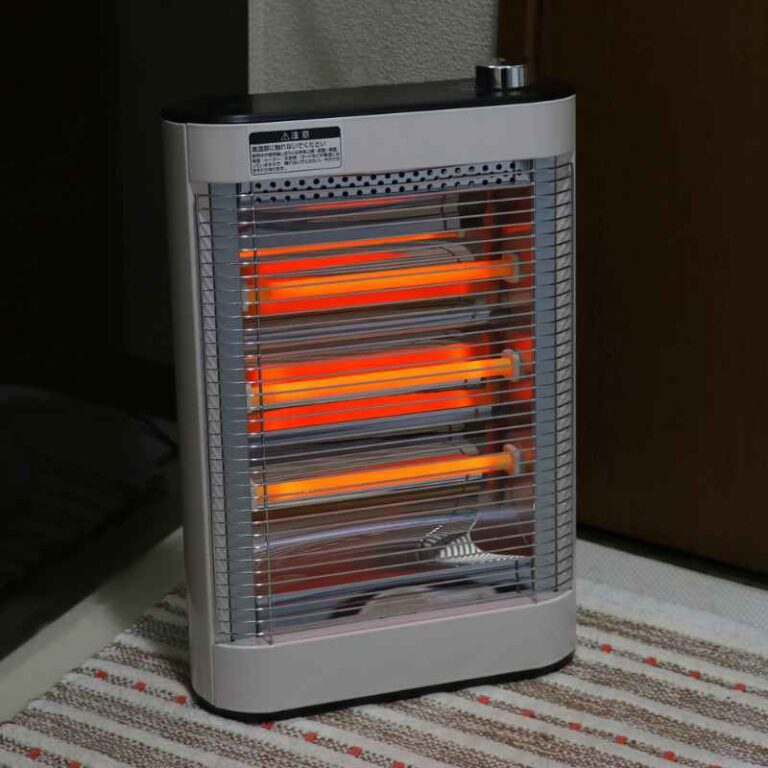
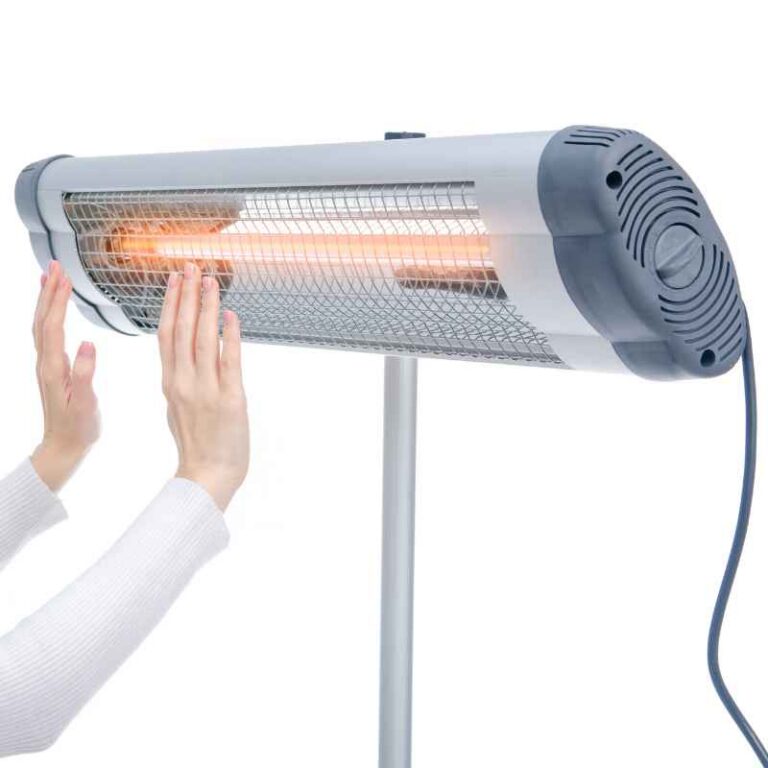
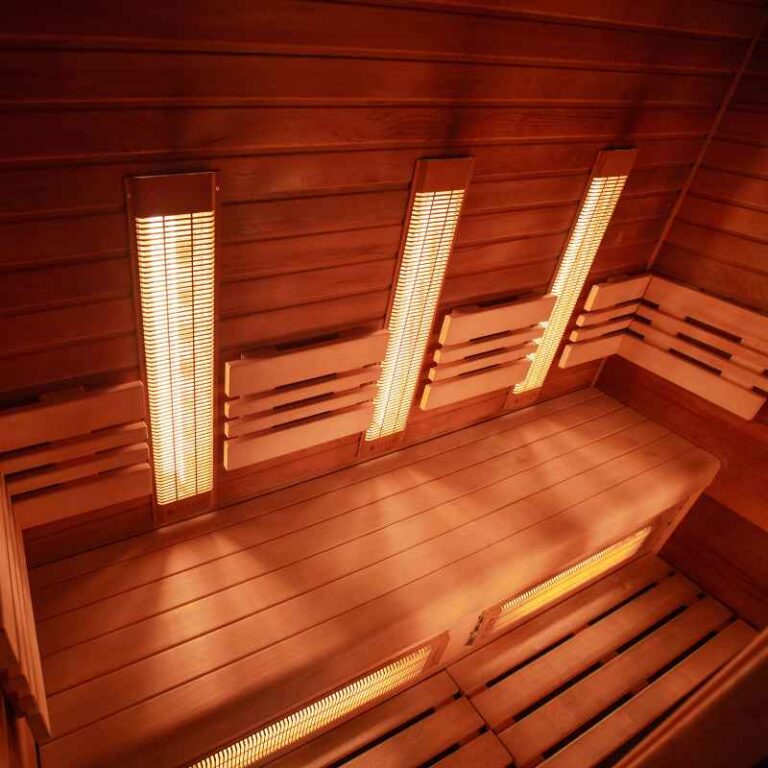
Infrared heaters work a bit like the sun. They send out invisible rays. These rays heat up objects and people directly in their path.
They don’t heat the air in a room first. This is different from many other types of heaters. Think of it like standing in a sunny spot on a cool day.
You feel warm even if the air around you is chilly. This direct warming is what makes them feel effective quickly.
The main advantage here is that you feel warmth right away. You don’t have to wait for a whole room to get hot. This can be great for specific areas.
For example, you might use one in a workshop or a drafty corner. You can direct the heat exactly where you need it. This targeted approach means less energy might be wasted heating empty spaces.
Many people find this appealing for keeping a single room cozy without warming the whole house.
How Infrared Heaters Generate Heat
Inside an infrared heater, a heating element gets very hot. This is often a coil made of metal. This hot element then gives off infrared radiation.
This radiation travels in waves. When these waves hit a surface, they transfer their energy. This energy makes the surface warmer.
It’s a bit like light, but you can’t see it. The waves pass through air easily. They only warm things they touch.
The type of element can vary. Some use quartz tubes. Others use ceramic elements.
The design of the heater also matters. A good reflector behind the element helps aim the rays. This makes sure the heat goes where you want it.
It’s important to note that infrared heaters don’t change the air temperature much. They warm surfaces. So, while you might feel warm, the room’s air might still be cooler than you expect.
This is a key difference from convection heaters.
Infrared Heater Basics
How they work: Emit infrared radiation to heat objects directly.
Key benefit: Instant warmth on surfaces and people.
Ideal for: Spot heating, workshops, drafty areas.
Less ideal for: Whole-home heating in very cold weather.
Energy use: Can be efficient for targeted heating but uses electricity directly.
When you’re thinking about efficiency, it’s good to know how they consume power. Most electric infrared heaters use electricity to generate heat. This means their efficiency is often measured by how much of that electrical energy becomes heat.
They are very good at converting electricity into heat. In this sense, they are nearly 100% efficient at turning electricity into heat energy. However, the cost and overall energy usage for your home is a different story.
The real question isn’t just how much heat it makes from electricity. It’s about how much energy you use to feel comfortable. If you need to heat a whole house, an infrared heater might run constantly.
It might still use a lot of electricity. This could be more costly than other methods. But for warming just yourself at a desk, it can be very efficient.
You aren’t paying to heat an entire empty room.
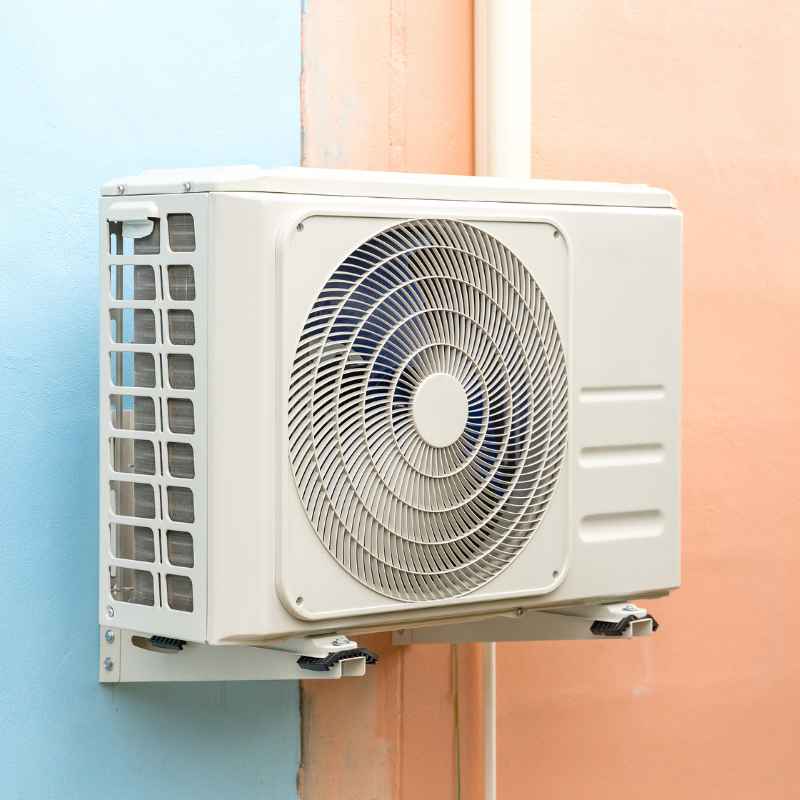
Understanding Heat Pumps
Heat pumps are quite different. They don’t create heat from electricity. Instead, they move heat.
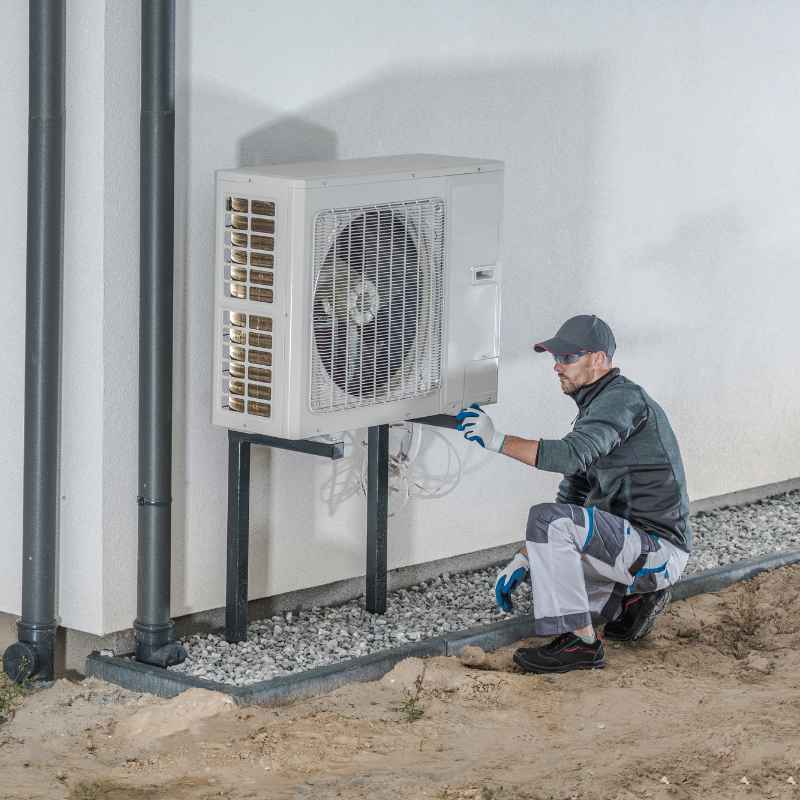
Even on a cold day, there’s heat in the outside air. A heat pump works like a reverse air conditioner. It pulls heat from the outside air.
Then, it moves that heat inside your home. In the summer, it can reverse this process. It moves heat from inside your home to the outside.
This makes your home cooler.
This “moving” of heat is what makes them very efficient. They can often deliver more heat energy than the electrical energy they consume. This is a concept called Coefficient of Performance (COP).
A heat pump with a COP of 3, for example, can provide 3 units of heat for every 1 unit of electricity used. This is a big deal for home heating. It means they can be much cheaper to run than electric resistance heaters.
These include many types of infrared heaters.
How Heat Pumps Move Heat
The process involves a refrigerant. This is a special liquid that easily changes between gas and liquid. The heat pump has an outdoor unit and an indoor unit.
In the winter, the outdoor unit absorbs heat from the outside air. This heat makes the refrigerant turn into a gas. This gas then travels inside.
There, a compressor squeezes the gas. This makes it hotter. This hot gas then passes through coils in the indoor unit.
As the hot gas flows through the indoor coils, it releases its heat into your home’s air. This warms your home. The gas cools down and turns back into a liquid.
This liquid then goes back outside. It absorbs more heat from the air. This cycle repeats.
It’s like a continuous loop of heat transfer. The electricity is mainly used to power the compressor and fans that move the air and refrigerant.
Heat Pump in Action
Core function: Moves heat from one place to another.
Winter: Extracts heat from outside air, moves it indoors.
Summer: Extracts heat from indoor air, moves it outdoors.
Efficiency driver: Coefficient of Performance (COP) – delivers more heat than electricity used.
Power source: Electricity, but used for moving heat, not creating it.
The efficiency of a heat pump can change. It depends a lot on the outside temperature. When it’s very cold outside, there’s less heat to extract.
The heat pump has to work harder. Its COP goes down. For extremely cold climates, many heat pumps have a backup heating system.
This is often electric resistance heat. This backup system uses electricity to create heat directly. It’s less efficient but ensures you stay warm.
Modern heat pumps, especially those designed for colder regions, are much better now. They can often work effectively down to very low temperatures. But there’s still a point where they become less efficient than other methods for supplemental heat.
For most parts of the U.S., however, they are a fantastic option for overall home heating. They offer significant energy savings compared to electric resistance heating.
Comparing Efficiency: The Numbers Game
When we talk about efficiency, we mean how much useful heating you get for the energy you put in. For electric resistance heaters, like many infrared heaters, this is close to 1:1. One unit of electricity gives you one unit of heat.
This is simple and reliable. But it’s not very efficient in terms of energy cost. It’s like burning money to get warm, in a way.
The electricity itself costs money.
Heat pumps operate differently. Their efficiency is measured by COP. As mentioned, a COP of 3 means you get 3 units of heat for every 1 unit of electricity.
If your electricity costs $0.15 per kilowatt-hour (kWh), and your heater has a COP of 1, you’re paying $0.15 for each unit of heat. With a heat pump with COP 3, you’re paying $0.15 for 3 units of heat. That’s like paying only $0.05 per unit of heat.
This is a huge difference in running costs.
Energy Usage in Different Scenarios
Let’s imagine heating a single room. If you only need to warm that room for a few hours, an infrared heater might seem efficient. You use it only when needed.
You feel warm quickly. The energy used might be less than running a whole-house heat pump system just for one room. This is especially true if the heat pump system takes a while to respond.
However, if you need to heat that same room for many hours a day, or if you need to maintain a consistent temperature, a heat pump is likely more efficient. Even if the heat pump has to work a bit harder, its ability to move heat means it uses less electricity overall. Over a long period, the savings add up.
This is where the overall energy consumption comes into play. For whole-home heating, heat pumps almost always win on energy efficiency.
Efficiency Snapshot
- Infrared Heater (Electric Resistance): Near 100% efficient at converting electricity to heat.
- Heat Pump: Efficiency measured by COP (Coefficient of Performance). Can be 200-400% efficient (COP 2-4).
- Cost Factor: Heat pumps use less electricity for the same amount of heat, leading to lower running costs.
- Scenario Matters: Infrared is efficient for short-term, spot heating. Heat pumps are efficient for sustained, whole-home heating.
The climate you live in is a big factor. In places with mild winters, a heat pump can run at peak efficiency most of the time. It rarely needs backup heat.
This makes it incredibly cost-effective. In very cold climates, where temperatures drop well below freezing for extended periods, the heat pump’s efficiency drops. It may rely more on its backup electric resistance heat.
In these extreme cases, the efficiency gap narrows.
But even in colder climates, modern cold-climate heat pumps are designed to perform much better than older models. They can still be more efficient than relying solely on electric resistance heat. They might just need more help from a backup system on the coldest days.
It’s a trade-off between upfront cost and long-term savings.
Real-World Experience and Use Cases
I remember a few years back, I was helping a friend set up a small art studio in their garage. It was a separate space, and they wanted to use it year-round. We looked at options.
For that specific space, an infrared heater made a lot of sense. They’d only be in there for a few hours at a time, several days a week. They wanted to feel warm quickly when they arrived.
We chose a wall-mounted infrared panel heater. It took up very little space. It warmed up the area where they sat and worked in about 10 minutes.
The air temperature didn’t skyrocket, but the feeling of warmth on their skin was immediate. They loved it. They weren’t heating the entire garage, just the zone they occupied.
This felt very efficient for their specific needs. They weren’t running a large, central system for a small, intermittently used space.
My neighbor, on the other hand, has a young family and a house that gets quite chilly in the winter. They invested in a high-efficiency heat pump system a few years ago. They told me the difference in their heating bills was dramatic compared to their old furnace.
They like that the system provides consistent, even heat throughout the house. They don’t have to worry about specific zones getting too cold.
The heat pump runs quietly in the background. It keeps the house at a comfortable temperature all day and night. They can adjust it from their phones.
Even on the colder days, they said it kept up well. They only noticed it working harder on those really frigid January mornings. But the backup heat rarely kicked in, which they were happy about.
For them, a whole-home solution was the priority, and the heat pump delivered on efficiency and comfort.
When Infrared Shines
Infrared heaters are excellent for specific situations. Think about a detached garage or workshop. If you only spend a few hours there at a time, heating the whole space with a heat pump might be overkill and costly.
An infrared heater can provide instant warmth in your work area. You turn it on when you need it, and turn it off when you leave. This direct heating is perfect for this kind of intermittent use.
Another good use is for outdoor patios or covered porches. You can extend the use of these spaces into cooler weather. An infrared patio heater can create a warm pocket outdoors.
This allows people to sit and chat comfortably. They are also great for areas with high ceilings or in buildings with poor insulation. In these cases, warming the air is difficult.
Infrared heats objects and people directly. So, the warmth feels more immediate and less likely to escape through drafts or roof leaks.
Top Uses for Infrared Heat
Spot Heating:
Warming a specific person or small area, like a desk or chair.
Workspaces:
Garages, workshops, sheds where use is intermittent.
Outdoor Living:
Patios, decks, and covered outdoor areas.
Drafty Rooms:
Rooms with high ceilings or poor insulation where air heating is inefficient.
Temporary Needs:
Quickly warming a space before a central system catches up.
Many people also use portable infrared heaters as a supplemental heat source. If one room in the house always feels colder than the others, an infrared heater can provide targeted warmth. This can help you feel comfortable without cranking up the thermostat for the entire house.
However, it’s important to remember that this is still electric resistance heat. If used for many hours, it can add up on your electricity bill. It’s best used for short periods or to supplement a more efficient primary system.
The key to infrared efficiency is how you use it. If you use it to heat only what you need, when you need it, it can be a very cost-effective way to get comfortable. It’s about matching the technology to the specific heating task.
For a quick, localized warmth, infrared is a winner. It’s about feeling cozy without waiting for the whole house to warm up.
When Heat Pumps Take the Lead
Heat pumps are designed for whole-home comfort. If you need to maintain a consistent temperature throughout your house for many hours a day, a heat pump is the champion of efficiency. Think about family rooms, bedrooms, and main living areas.
These are spaces where you want steady warmth. A heat pump provides this reliably and with minimal energy usage compared to electric resistance.
In regions with moderate to cool winters, heat pumps are exceptionally efficient. They can keep your home warm for a fraction of the cost of electric heaters. This is true even if they have to run for long periods.
The technology has advanced so much. Many models are now designed to work effectively even when outdoor temperatures dip quite low. They are a sustainable and cost-effective choice for year-round climate control.
Heat Pump Strengths
Whole-Home Heating:
Provides consistent, even temperature throughout the house.
Energy Savings:
Uses less electricity than electric resistance heaters for the same heat output.
Year-Round Comfort:
Can also provide cooling in the summer.
Climate Adaptability:
Modern units work well in a wide range of temperatures.
Environmental Impact:
More energy-efficient means a lower carbon footprint.
For new home construction or major renovations, installing a heat pump system is often the most recommended approach. It offers long-term savings and comfort. Rebates and tax credits are also frequently available for heat pump installations.
This can help offset the initial cost. It’s a significant investment, but one that typically pays for itself over time through lower energy bills.
The efficiency of a heat pump is most pronounced when it’s not extremely cold outside. If your area experiences mild winters with temperatures rarely dropping below freezing, a heat pump will likely be your most efficient and cost-effective heating solution. It’s like having a super-efficient refrigerator that cools your house in the summer and heats it in the winter by moving heat around.
What This Means for Your Home
So, are infrared heaters more efficient than heat pumps? The simple answer is: it depends on how you define efficiency and what you’re trying to heat.
If you’re measuring the conversion of electricity to heat, many electric infrared heaters are nearly 100% efficient. They turn almost all the electricity they use into heat. However, this doesn’t mean they are the most cost-effective or energy-saving option for your entire home.
Heat pumps are typically more efficient in terms of energy usage and cost for whole-home heating. They move heat rather than create it, often delivering more heat energy than the electrical energy they consume. This makes them a top choice for reducing overall energy bills and environmental impact.
When Is an Infrared Heater the Better Choice?
An infrared heater is often the better choice when:
- You need to heat a small, specific area for a short period.
- You have a detached garage, workshop, or shed that isn’t used all the time.
- You want instant warmth without waiting for a central system to heat up.
- You’re looking for a supplemental heat source for a particularly cold spot in a room.
- You want to heat an outdoor living space like a patio.
The key is targeted use. If you’re heating only yourself at a desk for an hour, an infrared heater can be more efficient than running your whole-house heat pump. You’re not wasting energy heating an empty space.
This direct, localized warmth can feel very effective.
When Is a Heat Pump the Better Choice?
A heat pump is generally the better choice when:
- You need to heat your entire home consistently.
- You want to reduce your overall home heating energy costs significantly.
- You are looking for a year-round climate control solution (heating and cooling).
- You live in a climate with moderate to cool winters.
- You are building a new home or undertaking a major renovation and want an efficient central system.
Heat pumps offer superior energy efficiency for substantial heating needs. They use less electricity to provide more heat over time. This translates to lower utility bills and a smaller environmental footprint.
They provide consistent comfort throughout your living spaces.
Making the Right Choice
For targeted, temporary warmth:
Choose: Infrared Heater
For consistent, whole-home comfort:
Choose: Heat Pump
Consider your climate:
Mild climates favor heat pumps.
Very cold climates might require robust heat pumps or supplemental heat.
Think about usage:
Short bursts vs. all-day heating.
Ultimately, the decision comes down to your specific needs and circumstances. It’s not about one technology being universally “better.” It’s about understanding their strengths and weaknesses. Then, matching them to the job at hand.
For most people seeking to heat their primary residence efficiently, a heat pump is the more sensible long-term solution. But for specific, limited applications, an infrared heater can be surprisingly effective and efficient.
Quick Tips for Maximizing Efficiency
No matter which heating system you use, there are always ways to improve its efficiency. Small changes can make a big difference in your energy bills and your comfort level. It’s about being smart with how you use your heating.
- Insulate Your Home: Proper insulation in walls, attics, and basements is crucial. It keeps the heat in during winter and out during summer. This reduces the workload on any heating or cooling system.
- Seal Air Leaks: Check for drafts around windows, doors, and electrical outlets. Use caulk and weatherstripping to seal them up. This prevents heated air from escaping and cold air from entering.
- Use a Programmable Thermostat: Set your thermostat to lower the temperature when you’re asleep or away from home. A programmable thermostat can be programmed easily. This avoids wasting energy heating an empty house.
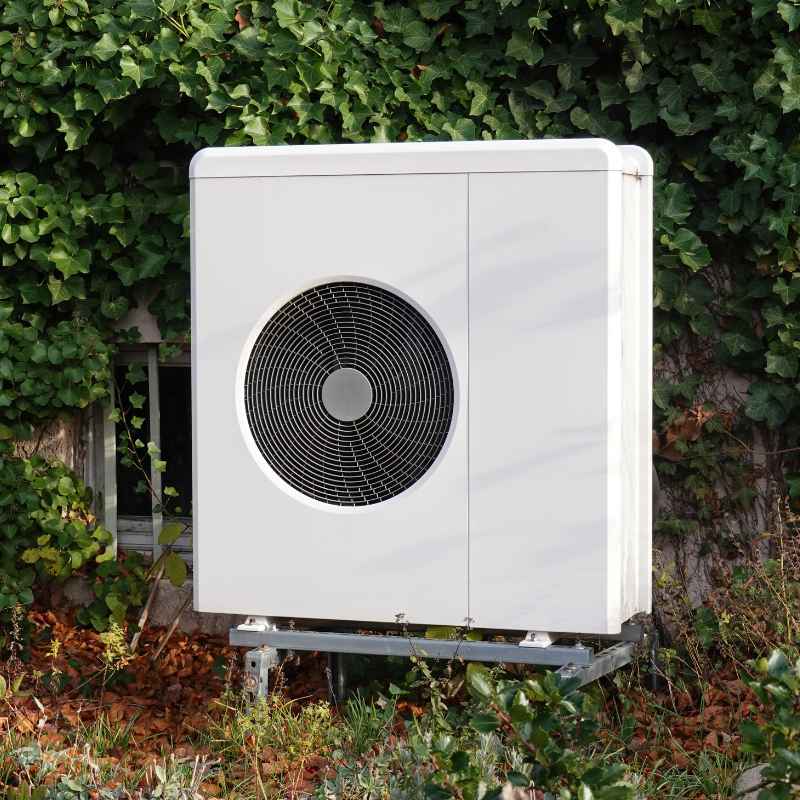
- Maintain Your System: Regularly service your heat pump or clean your infrared heater. For heat pumps, ensure the outdoor unit is free of debris. For infrared heaters, keep them clean according to the manufacturer’s instructions.
- Zone Heating Wisely: If using an infrared heater, point it directly at where you are sitting or working. Don’t use it to try and heat an entire room. For heat pumps, consider zoning if possible to avoid heating unused areas intensely.
- Dress Appropriately: Sometimes, simply wearing a sweater or putting on warm socks can make you feel comfortable at a lower thermostat setting. This can lead to significant energy savings.
Frequently Asked Questions About Heater Efficiency
Are infrared heaters more expensive to run than heat pumps?
Generally, yes, for whole-home heating. Infrared heaters use electricity for direct resistance heating, which is less efficient overall than heat pumps that move heat. Heat pumps typically have lower running costs for consistent heating.
Can a heat pump replace my furnace?
Yes, in many climates, a heat pump can be a primary heating source. For very cold regions, a backup heating system (often electric resistance or a furnace) might be needed, but modern cold-climate heat pumps are increasingly capable on their own.
Is an infrared heater 100% efficient?
Yes, in terms of converting electricity into heat. Nearly all the electrical energy consumed by an electric infrared heater is turned into heat. However, this doesn’t account for the overall energy system or the cost of that electricity.
When is it better to use an infrared heater for a single room?
It’s better for occasional use, like warming a home office for a few hours a day, or a garage you use briefly. For constant heating of a single room, a heat pump zoned for that area would likely be more efficient over time.
Do heat pumps work well in very cold weather?
Older heat pumps struggled in cold weather. Modern “cold climate” heat pumps are designed to extract heat even at temperatures well below freezing. However, their efficiency drops as it gets colder, and they may rely on backup heat.
What is the Coefficient of Performance (COP) for heat pumps?
COP is a ratio of heating output to energy input. A COP of 3 means the heat pump delivers 3 units of heat for every 1 unit of electricity it uses. Higher COP means greater efficiency.
Conclusion
Choosing between an infrared heater and a heat pump depends on your specific needs. Infrared heaters are great for quick, targeted warmth. Heat pumps are champions for efficient, whole-home heating.
Understand your goals, your climate, and how you use your space. This will help you find the most efficient and comfortable solution for your home.
Sponsored / affiliate links. As an Amazon Associate I earn from qualifying purchases. I may earn additional commission from eligible campaigns.