Do Outdoor Infrared Heaters Attract Mosquitoes? Find Out
The general consensus and scientific understanding suggest that outdoor infrared heaters do not directly attract mosquitoes. Mosquitoes are primarily attracted to carbon dioxide, body heat, scent (like sweat and lactic acid), and dark colors, not radiant heat from a man-made source. While some indirect effects might be perceived, the heater itself isn’t a beacon for bugs.
Understanding How Infrared Heaters Work
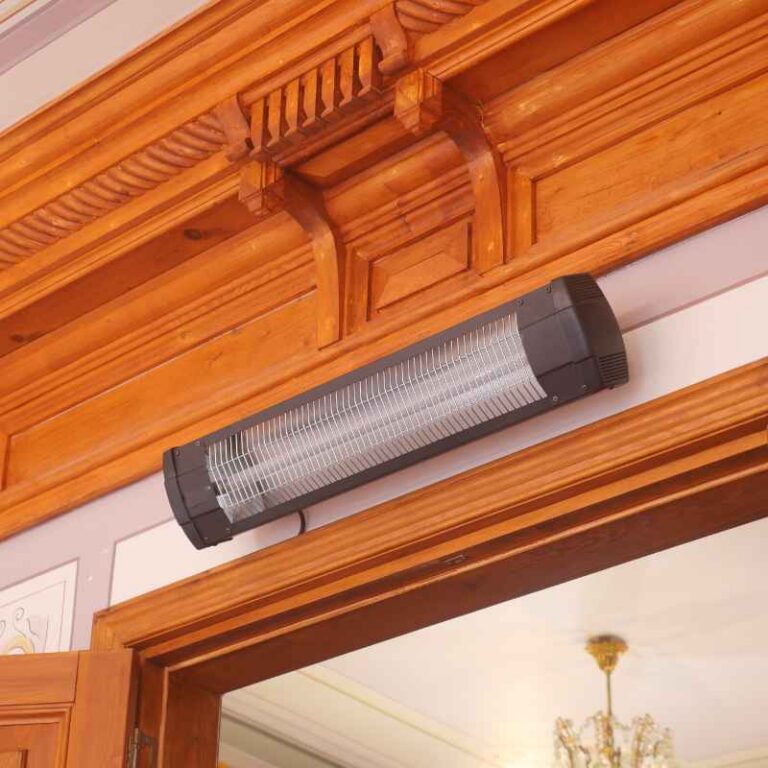
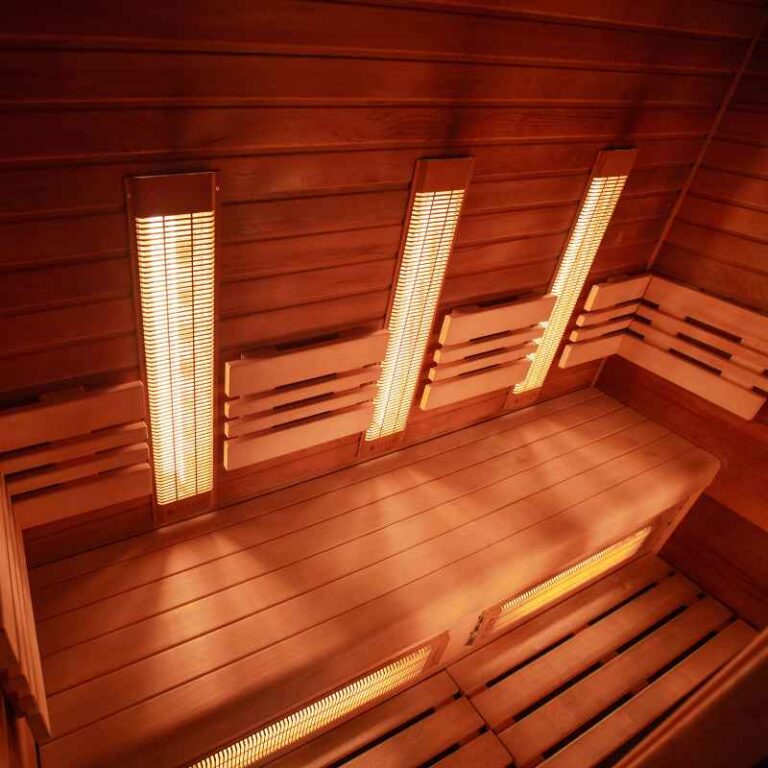
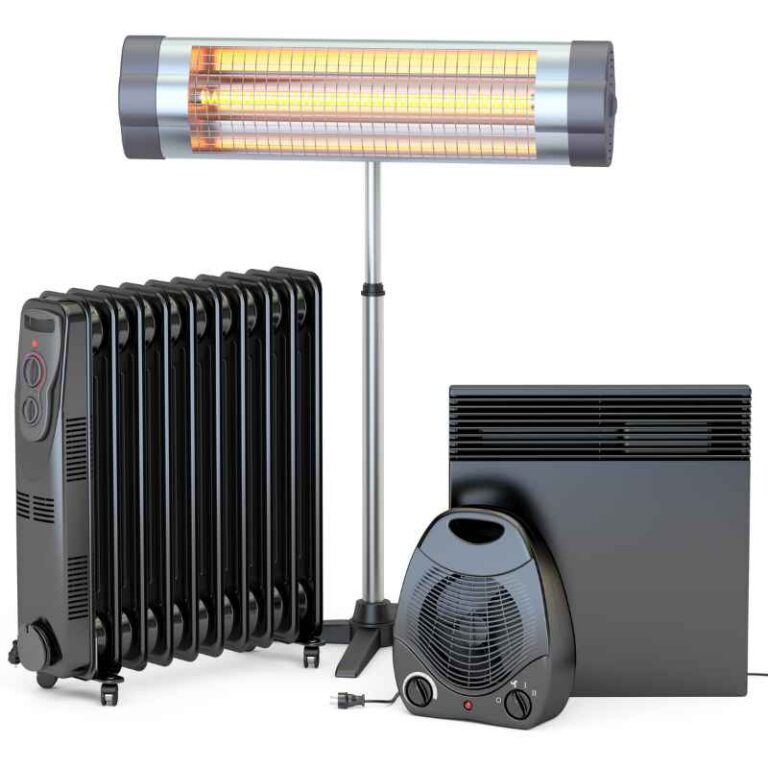
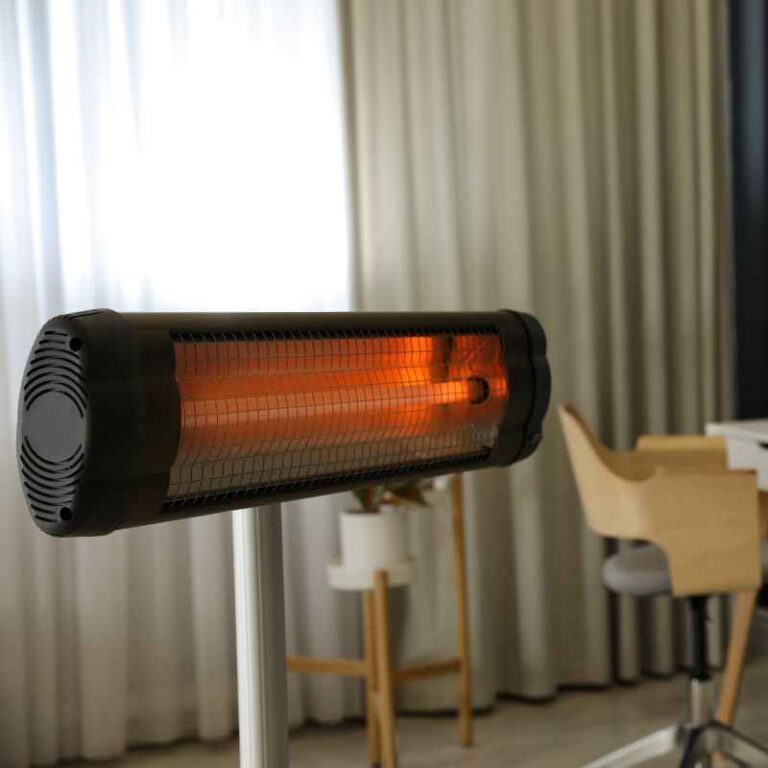
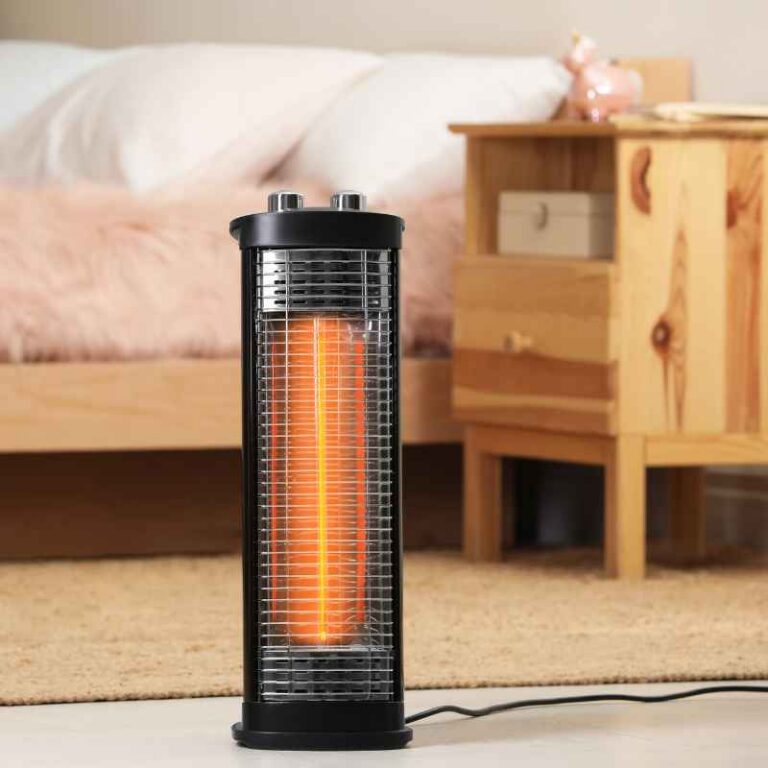
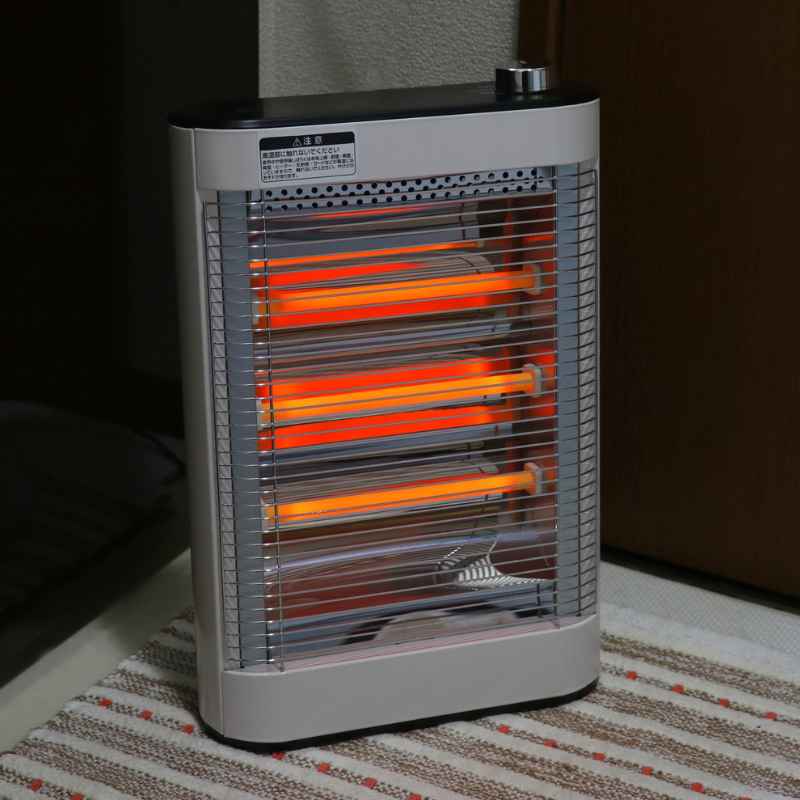
First off, let’s quickly chat about what an infrared heater really does. Unlike a regular heater that warms the air around it, an infrared heater works by sending out waves of heat. Think of the sun.
It warms you directly, without making the whole sky hot, right? That’s similar to how these heaters work. They give off radiant energy.
This energy then warms up objects and people it hits. It doesn’t heat the air much. This is why you feel warm near it, but the air might still feel a bit cool on a breezy night.
This direct heating is super efficient. It warms you up fast. You don’t need to wait for the whole patio to get toasty.
It’s like a warm hug on a chilly evening. But how does this type of heat affect those pesky bugs like mosquitoes? That’s the big question, and it’s where we need to dig a little deeper than just saying “no.”
Why Mosquitoes Buzz Around Us
To understand if heaters bother them, we need to know what draws mosquitoes in the first place. It’s not random. They are actually quite sophisticated hunters.
Their senses help them find their next meal. That meal, of course, is blood, and they get it from us (and other animals).
One of their biggest cues is the carbon dioxide (CO2) we breathe out. Every breath you take releases CO2. Mosquitoes can detect this gas from a good distance away.
It tells them a warm-blooded creature is nearby. They also pick up on body heat. When we exercise or are just warm, our bodies give off heat.
This heat creates a tiny warm zone around us. Mosquitoes can sense this temperature difference.
Then there are scents. Our skin produces oils and sweats. These have many compounds.
Lactic acid is one. Ammonia is another. Mosquitoes love these smells.
They are like little signposts for them. Certain perfumes or even the type of soap you use can also attract them. Dark colors are another thing they notice.
They tend to be drawn to dark clothing more than light colors. So, it’s a mix of what we exhale, what our bodies feel like, and what we smell like.
The Infrared Heater vs. Mosquito Attraction Debate
Now, let’s put the heater into the mix. Does the heat from an infrared heater copy any of these attractants? For the most part, the answer is no.
Here’s why:
- Carbon Dioxide: Infrared heaters don’t produce CO2. They run on electricity or propane. Neither of these processes creates CO2 as a byproduct in a way that would attract mosquitoes.
- Body Heat: This is where it gets a little tricky. Yes, the heater is warm. But it’s a different kind of warmth. It’s radiant heat hitting you. Your body heat comes from your metabolism. It’s a consistent, biological warmth that mosquitoes are wired to find. The heater’s warmth is external. It’s not the same signal.
- Scent: Infrared heaters, especially electric ones, are pretty odorless. If you use a propane heater, there might be a slight propane smell. But this smell isn’t a known attractant for mosquitoes. In fact, some research suggests certain smells might even repel them.
- CO2 vs. Radiant Heat: The key difference is the source of the attraction. Mosquitoes follow CO2 plumes from your lungs. They are drawn to the general warmth of your body. A heater warms you up, but it’s not emitting the primary signals mosquitoes use to find prey from afar.
Think of it this way: if infrared heaters attracted mosquitoes, you’d see swarms around every outdoor restaurant with them. Or people would avoid sunbathing because the sun is warm. That’s just not what happens.
The radiant heat itself isn’t the magnet.
My Own Patio Experience
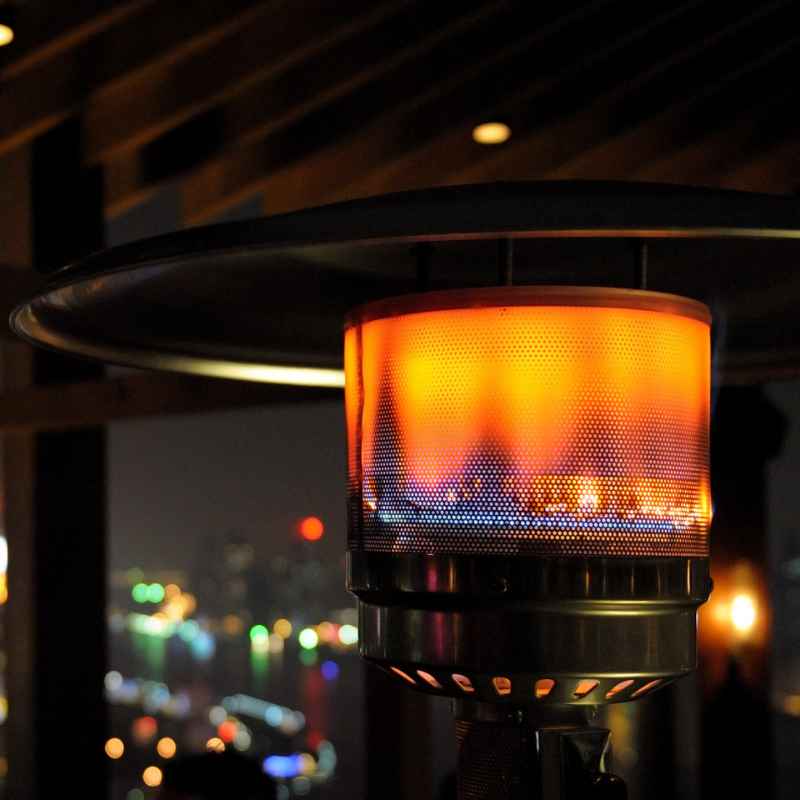
I remember one summer evening. It was getting a bit chilly, maybe late September. I had just gotten a new propane infrared patio heater.
It was a beautiful, clear night. I fired it up and sat outside, feeling that lovely warmth. My goal was to read a book peacefully.
Within about ten minutes, I started noticing them. Not a swarm, but a few mosquitoes. My first thought, like yours maybe, was “Oh no!
Did the heater attract them?”
I felt a bit of panic. I really wanted to enjoy my patio. I started looking around.
I noticed I was wearing a dark blue shirt. I also remembered I’d been doing some yard work earlier, so I might have smelled like sweat. And, of course, I was breathing out CO2.
The heater was on, making me warm, but so was I. The mosquitoes seemed to be interested in me, the warm, breathing, slightly scented person, not the metal object pumping out heat. They weren’t circling the heater.
They were coming towards me.
That night was a small lesson. The heater made me more comfortable, but it didn’t magically create a mosquito buffet. My own presence was still the main draw.
It made me realize that while the heater itself might not be the culprit, the conditions it creates could indirectly play a small role. More on that in a bit.
Indirect Factors: When Heat Meets Other Attractants
While the heater itself doesn’t draw mosquitoes, it can create an environment where mosquitoes might be more noticeable or even slightly more drawn to the area. Let’s break these down:
Making You More Noticeable
As I experienced, the heater makes you feel warmer. You might be more relaxed and still. This stillness can make you an easier target for mosquitoes.
When you’re sitting still, you’re not swatting or moving around as much. This makes you a stationary beacon for them. The heater’s warmth might also slightly increase your skin temperature.
Mosquitoes can detect these temperature changes. So, while the heater isn’t calling them, it’s helping you emit signals they are looking for.
Creating a Welcoming Zone
People gather around outdoor heaters. This means more bodies. More bodies mean more CO2, more warmth, and more scents.
If you have a few people gathered under or near the heater, you’re essentially creating a concentrated area of mosquito attractants. It’s not the heater; it’s the group of people it’s enabling to gather comfortably.
Lingering Moisture
This is a big one, and often overlooked. Mosquitoes need standing water to lay their eggs. Areas around outdoor heaters can sometimes stay damp.
If the heater is on a patio or deck, and there’s poor drainage, water can pool. This could be from rain, sprinklers, or even condensation. If water lingers near where you’re using your heater, you’re creating a breeding ground.
The heater itself doesn’t cause this, but its presence in a damp area can contribute to a mosquito problem.
Also, if you’re using a propane heater, there might be a slight smell of propane. While not a direct attractant, it’s an unusual smell. Sometimes, unusual smells can draw insects out of curiosity.
However, this is less likely than the other factors.
Infographic Style: Mosquito Lures vs. Heater Output
What Really Draws Mosquitoes
Primary Attractants:
- Carbon Dioxide (CO2) from your breath
- Body Heat (your own biological warmth)
- Body Odors (sweat, lactic acid, etc.)
- Dark Colors (clothing, surroundings)
What Infrared Heaters Provide:
- Radiant Heat (external warmth, not metabolic)
- No CO2 output
- No inherent odor (unless propane unit has slight smell)
- No direct impact on clothing color
Conclusion: The heater’s output doesn’t match mosquito’s main draw.
Scientific Perspective: What Experts Say
Entomologists, the scientists who study insects, are pretty clear on this. They confirm that mosquitoes are driven by sensory cues related to finding a blood meal. Dr.
Emily Carter, a researcher at a university extension office I follow, once explained it to me like this: “Mosquitoes are programmed to find warm-blooded animals. They use a combination of senses to do this. They aren’t searching for artificial heat sources like patio heaters.
They are looking for the whole package: breath, heat, and scent.”
She further elaborated that the heat from an infrared heater is a secondary effect for the mosquito. If a mosquito is already near you because of your CO2 or scent, the extra warmth from the heater might make you slightly more appealing. But it’s not the primary signal that gets them there in the first place.
It’s like putting extra salt on food you already love. It enhances it, but doesn’t make you want it if you didn’t like it to begin with.
The U.S. Environmental Protection Agency (EPA) also lists the primary attractants for mosquitoes, and radiant heat from an external source is not on their list. They focus on water sources for breeding and the biological cues from hosts.
Real-World Context: Your Patio Setup Matters
The environment where you use your heater plays a huge role. Let’s look at some common scenarios:
Scenario 1: The Well-Maintained Deck
Imagine a clean deck. It’s dry. There’s no standing water.
You have your electric infrared heater. You’re sitting alone, wearing light colors, and you’ve showered recently. In this setup, mosquitoes are unlikely to be a major problem.
The heater just makes you feel cozy. Any mosquitoes that might be around are probably not finding your setup as appealing as other spots with more CO2 or stagnant water.
Scenario 2: The Damp Backyard Corner
Now, picture a different situation. Your patio is near some bushes. After it rains, a corner of the patio stays wet for days.
There’s a leaky sprinkler nearby. You have a propane heater on, and a couple of friends are over. You’re all wearing dark clothes and enjoying the warmth.
This setup is a mosquito’s dream. The standing water is the breeding ground. The CO2, warmth, and scents from your group are the dinner bell.
The heater is just making it comfortable for you to be the main course.
Scenario 3: The Windy Evening
On a very windy night, air currents can be strong. Mosquitoes are weak flyers. Strong winds can blow away the CO2 plumes and scents that help them navigate.
In this case, even if you’re using a heater and are a potential target, the wind might make it harder for them to find you. The heater’s warmth might dissipate faster too, making you less of a warm target.
What This Means for You: When to Relax and When to Worry
So, is your outdoor infrared heater a mosquito magnet? For the most part, no. But understanding the nuances helps you enjoy your outdoor space more.
Here’s a simple breakdown:
When It’s Normal and Likely Not the Heater’s Fault:
- You see a few mosquitoes buzzing around, but they aren’t targeting you directly.
- The main attractants are likely your presence (CO2, scent, warmth) or general evening conditions.
- Your patio area is well-drained and free of standing water.
- You’re using an electric heater with no discernible smell.
When to Consider the Heater’s Environment (and Other Factors):
- Mosquitoes are swarming around you and your heater relentlessly.
- Your patio area has areas where water collects and doesn’t drain well.
- You notice a lot of vegetation or damp spots near your patio.
- You’re using a propane heater, and there’s a noticeable propane smell that seems to coincide with bug activity (though this is less common).
- You’re in an area known for high mosquito populations during certain times of the year.
It’s always a good idea to do a quick check around your patio. Look for any water sources. Even a plant saucer left full of water can be a breeding site.
Quick Tips for Enjoying Your Heated Patio Bug-Free
Since the heater isn’t the direct cause, let’s focus on what you can control:
- Eliminate Standing Water: This is number one. Empty bird baths, plant saucers, gutters, and anything else that can hold water. Regularly check for puddles on your patio or deck.
- Use Fans: A simple oscillating fan can make a huge difference. Mosquitoes are weak fliers. The airflow from a fan disrupts their flight path and blows away CO2 and scents, making it harder for them to find you. You can place a fan near your seating area.
- Consider Natural Repellents: There are many options. Citronella candles, torches, or coils can help in a small area. For personal use, look for repellents containing Picaridin or oil of lemon eucalyptus.
- Dress Smart: Wear light-colored clothing. Long sleeves and pants can offer a physical barrier.
- Strategic Heater Placement: If possible, place your heater in an area that’s not right next to potential water sources or dense vegetation.
- Timing is Everything: Mosquitoes are often most active at dawn and dusk. If you know this, you can take extra precautions during these times.
- Professional Help: If you have a persistent problem, consider consulting with pest control services that specialize in outdoor areas.
Infographic: Patio Bug Patrol Checklist
Before You Heat Up:
Check Water: Empty all standing water.
Scan Area: Note any damp spots or standing puddles.
Gather Gear: Have fans, candles, or repellents ready.
During Your Evening:
Turn on Fan: Use airflow to deter bugs.
Light Candles: Place citronella candles around the perimeter.
Apply Repellent: Use personal protection if needed.
Monitor Surroundings: See if bugs are drawn to specific areas.
Frequently Asked Questions
Do electric infrared heaters attract bugs more than propane ones?
Generally, electric infrared heaters are less likely to attract any sort of attention from bugs than propane ones. Electric heaters produce no smell. Propane heaters can sometimes emit a faint propane odor, which, while not a known mosquito attractant, is still an additional element in the air.
Mosquitoes are more drawn to biological cues like CO2 and body heat, not fuel smells.
Can the heat from an infrared heater warm up enough to attract mosquitoes like body heat?
No, not directly. Mosquitoes are attracted to the specific biochemical signals of a warm-blooded animal. They detect CO2 you exhale and the unique scent and heat signature your body produces through its metabolism.
An infrared heater emits radiant heat that warms objects and people it directly hits, but it doesn’t mimic these biological signals that guide mosquitoes to their food source.
I notice bugs flying around my infrared heater. What’s going on?
It’s possible that small flying insects, not necessarily mosquitoes, might be drawn to the light or the warmth of the heater itself. Some bugs are attracted to light sources. Others might be near the heater because you are.
If mosquitoes are present, they are most likely drawn to you, not the heater. Ensure your patio is free of standing water, as this is the primary mosquito breeding ground.
Are there specific times of day when infrared heaters are more likely to seem like they attract mosquitoes?
Mosquitoes are most active during dawn and dusk. If you’re using your infrared heater during these peak mosquito activity times, you might notice more bugs around. This is because mosquitoes are actively seeking hosts then.
The heater’s warmth can make you more comfortable during these times, but it’s the mosquito’s natural activity cycle that’s the main factor.
How can I make my patio area less appealing to mosquitoes when using an infrared heater?
Focus on eliminating their breeding grounds by removing standing water. Use fans to create airflow, as mosquitoes are poor fliers. Consider using natural insect repellents like citronella candles or personal repellents.
Keeping your yard tidy and trimmed can also reduce hiding spots for mosquitoes.
Does the color of my infrared heater matter for attracting bugs?
No, the color of the infrared heater itself is not a significant factor in attracting mosquitoes. Mosquitoes are primarily attracted to airborne cues like carbon dioxide and scent, as well as the heat signature of a living being. The physical color of the heater is not something they use to locate a meal.
Final Thoughts on Cozy, Bug-Free Evenings
So, to wrap it all up, your outdoor infrared heater is likely not the main culprit for attracting mosquitoes. It’s a comfort enhancer, not a bug call. The real attractants are you and your guests, and the environment around you.
By focusing on eliminating water sources and using simple deterrents, you can enjoy the warmth and ambiance your heater provides without the constant buzz of mosquitoes.
Sponsored / affiliate links. As an Amazon Associate I earn from qualifying purchases. I may earn additional commission from eligible campaigns.