How Does A Mr. Heater Infrared Garage Heater Work?
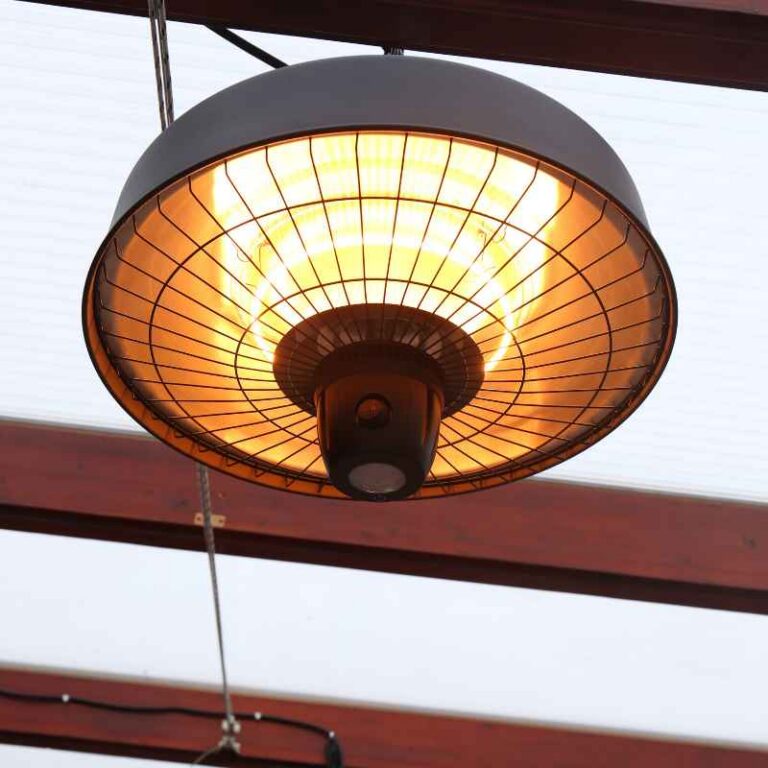
A Mr. Heater infrared garage heater works by heating objects and surfaces directly, rather than heating the air. It uses radiant energy, similar to sunlight, to warm people, tools, and the floor, creating a comfortable environment that feels warmer much faster than forced-air heaters.
Understanding Infrared Heat: The Science Behind Mr. Heater
Infrared heat is pretty special. It’s a type of electromagnetic radiation. Think about the sun warming your face on a cool day.
That warmth you feel? That’s infrared energy reaching you directly. A Mr.
Heater infrared garage heater does essentially the same thing, but on a smaller scale, right in your garage.
Instead of blowing hot air around, which can be drafty and waste energy, these heaters emit infrared waves. These waves travel through the air unseen and unheard. When they hit an object—your hands, your workbench, the concrete floor, even your car—they transfer their energy.
This energy makes the molecules within the object vibrate faster, and that vibration is what we feel as heat. It’s a very direct and efficient way to warm things up.
This process means you don’t have to wait for the whole room to fill with warm air. The moment you’re in the path of the infrared waves, you start to feel warmer. This is a big reason why many people prefer them for garages, workshops, and even outdoor patios.
It targets the warmth where you need it most.
The Inner Workings: What Makes the Heat?
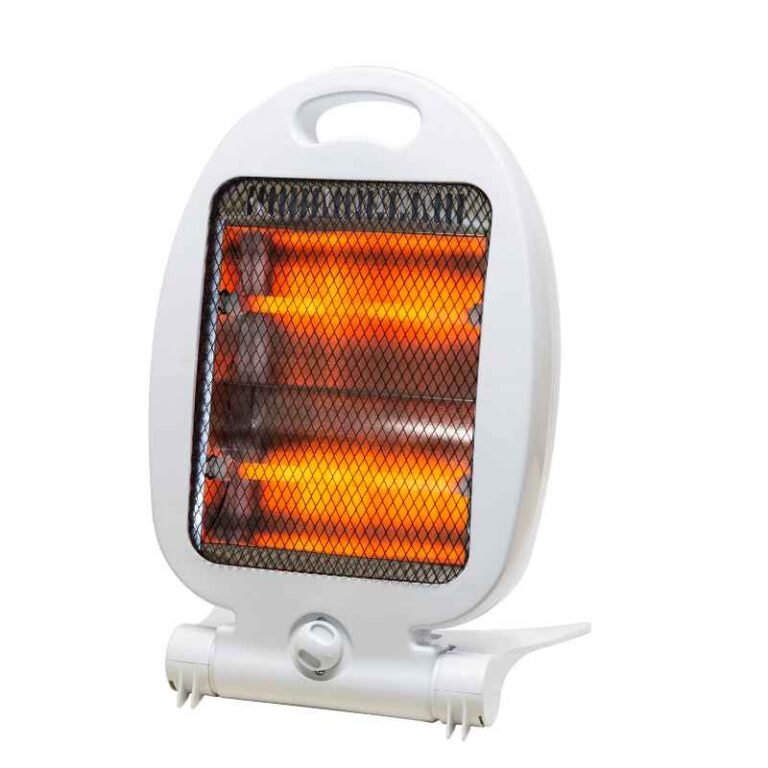
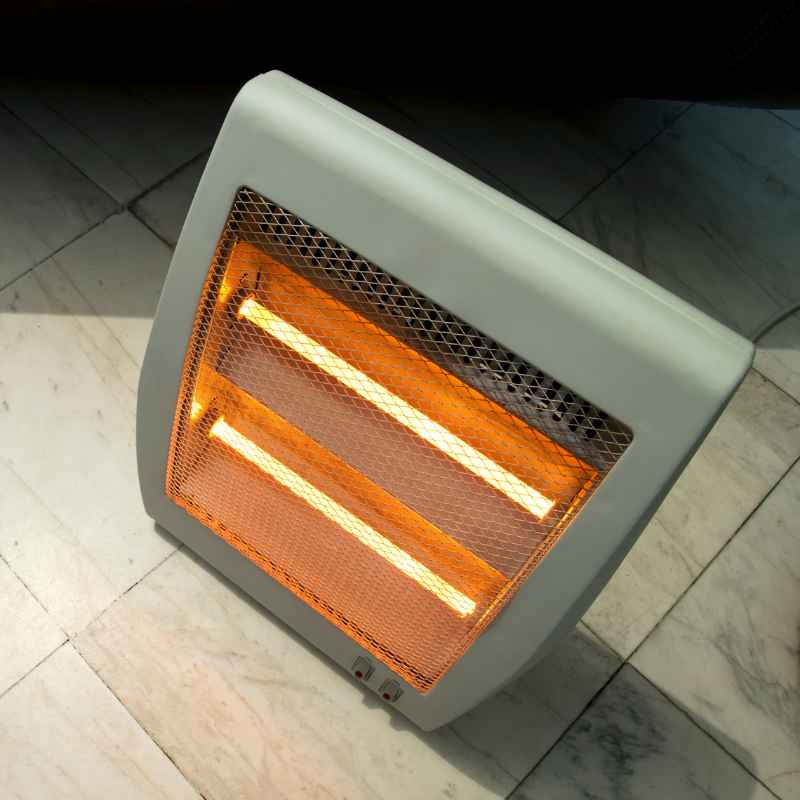
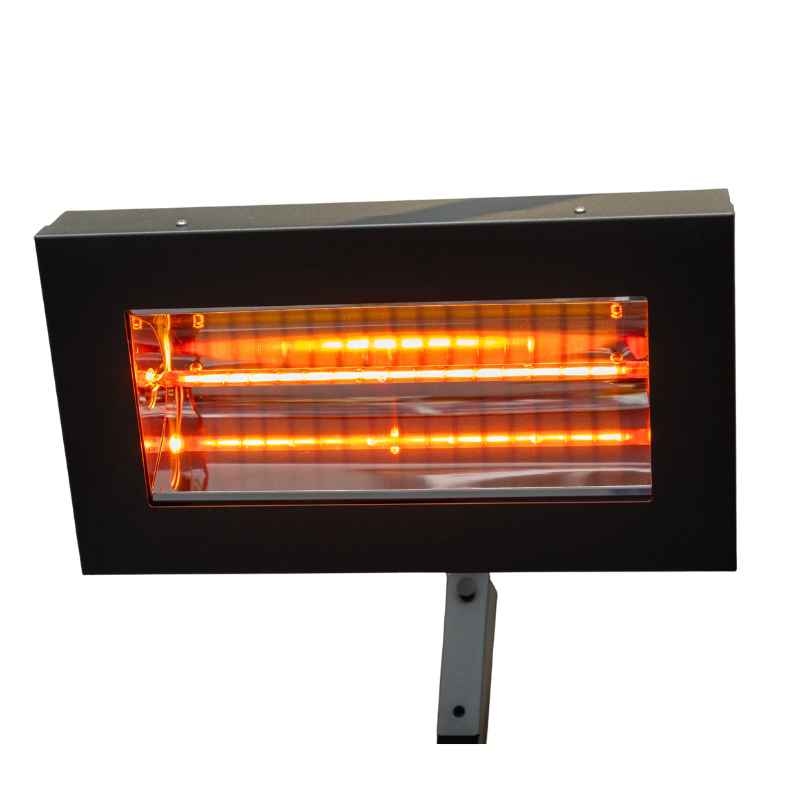
At its core, an infrared heater has a heating element. For Mr. Heater, these are often quartz tubes or ceramic emitters.
These elements get very hot when electricity flows through them. They glow, and this glow is where the infrared radiation comes from. It’s like a mini sun for your garage!
The heat element is usually housed within a reflector. This reflector is shaped to direct the infrared waves outward in a specific pattern. This ensures that the heat energy is sent where it’s most useful, not lost up towards the ceiling.
The casing of the heater is designed to be durable, often made of steel, to withstand the typical conditions found in a garage environment.
Some models have a fan, but its job isn’t to blow hot air. It’s usually there to help cool the internal components or sometimes to help distribute the heat slightly more evenly. However, the primary heating mechanism remains radiant energy.
This is a key difference from a typical forced-air furnace you might find in your home.
Safety features are also built-in. Many heaters have tip-over switches that shut them off if they’re accidentally knocked over. Overheat protection is common too, preventing the unit from getting too hot and causing a hazard.
These are important considerations for any appliance used in a busy space like a garage.
How Infrared Heat Compares
Infrared Heater
Heats objects directly.
Feels warm quickly.
No drafts.
Quiet operation.
Forced-Air Heater
Heats the air.
Takes time to warm up.
Can cause drafts.
Often noisy.
My Own Garage Winter Woes: A Personal Story
I remember one particularly cold February. I had a big project planned for my garage—restoring an old wooden chest. I’d gathered all my tools, sanded the pieces, and was ready to start painting.
But stepping into the garage was like walking into an icebox. It was in the low 30s Fahrenheit.
My first thought was my old electric space heater. It’s a fan-forced one. I turned it on, and it roared to life, blowing air.
I waited. And waited. After 30 minutes, I could feel a slight difference, but it was still chilly.
The air felt dry, and I could feel cold spots. My fingers were numb, and I couldn’t focus on the fine details of the restoration. The noise was also a bit distracting.
I ended up giving up. The frustration was immense. I had all this energy and desire to work on my project, but the environment was actively working against me.
That’s when I decided I needed a better solution. I’d heard about infrared heaters but was skeptical. Could they really make a difference?
The next day, I picked up a Mr. Heater infrared garage heater. The setup was simple.
I placed it in the corner of my garage, pointed it towards my workbench, and plugged it in. Within minutes, I could feel a distinct, pleasant warmth on my hands and face. It wasn’t just moving air; it was like standing in a beam of sunshine.
The garage still felt cool overall, but my immediate workspace was comfortable. I could finally get to work, my fingers nimble, my mind focused. It was a game-changer.
Exploring the Different Types of Mr. Heater Infrared Garage Heaters
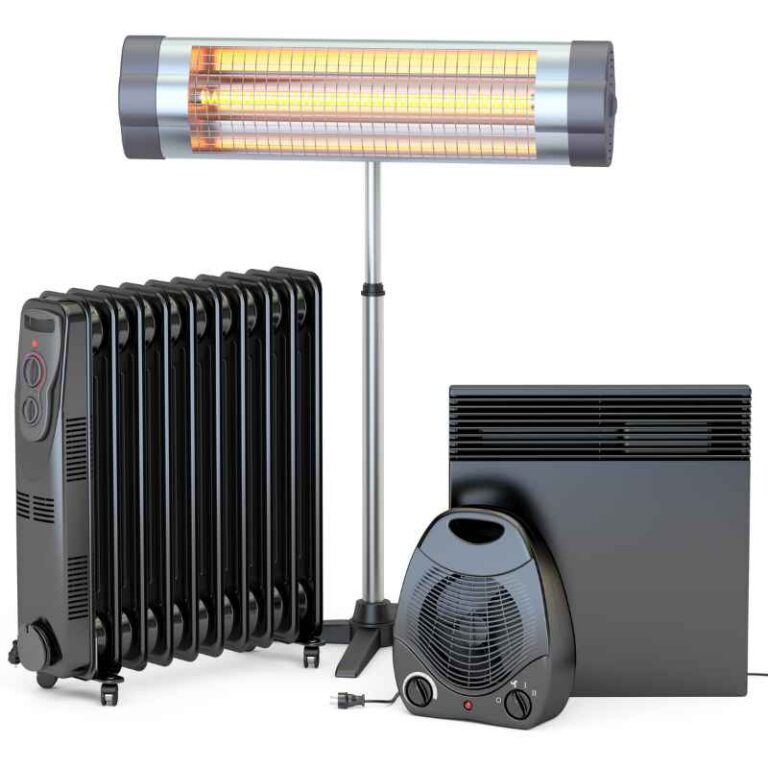
Mr. Heater offers a few different kinds of infrared heaters. This is great because it means you can find one that fits your specific garage needs and preferences.
They mainly come in two flavors: electric and propane.
The electric models are super convenient if you have a good power outlet in your garage. You just plug them in. They are great for smaller to medium-sized garages or for creating a warm zone.
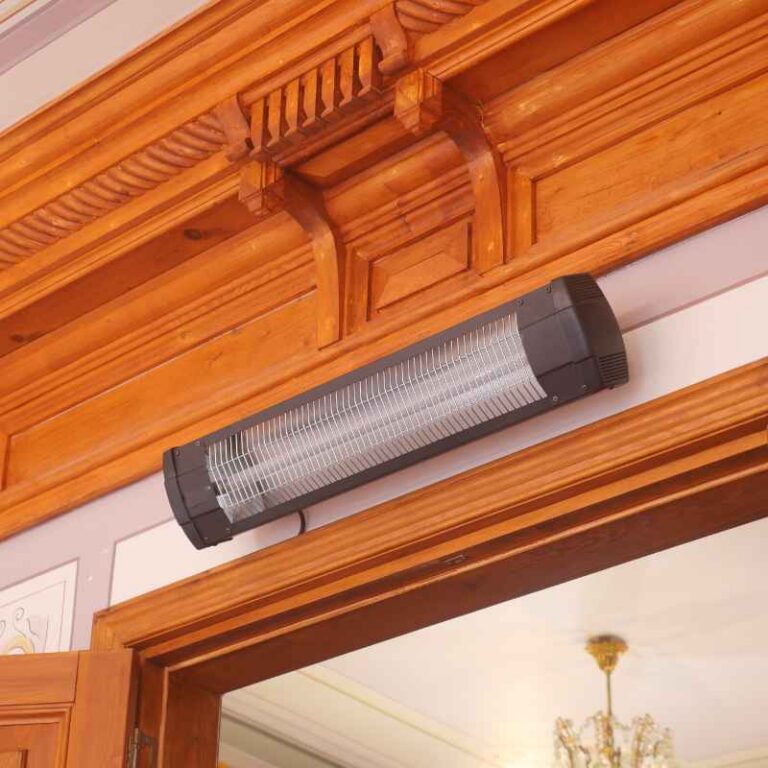
They are often portable, so you can move them around if you’re working in different areas. Some are wall-mounted, which is a nice space-saving option.
Propane heaters are a bit different. These use propane tanks, so you don’t need an electrical outlet. This makes them perfect for garages without power or for situations where you might need serious heat in a larger space.
They often put out a lot of heat. However, they do require ventilation because they burn fuel, and you need to manage the propane tanks.
Within these categories, you’ll find different wattages and heat outputs. A higher wattage generally means more heat. The design also varies.
Some are stand-alone units with legs, others are designed to be mounted on a wall or ceiling. Think about the size of your garage and how you use it when choosing.
Infrared Heater Quick Scan
| Feature | Electric Models | Propane Models |
|---|---|---|
| Power Source | Electricity | Propane Tank |
| Installation | Plug-and-play, wall mount options | Requires tank, ventilation |
| Portability | Often portable | Less portable due to tank |
| Best For | Smaller spaces, spot heating, garages with power | Larger spaces, garages without power, quick intense heat |
| Safety Note | Standard electrical safety | Requires proper ventilation, CO monitoring |
Where You’ll Feel the Warmth: Garage Scenarios
The beauty of infrared heat is its versatility. In a garage, it’s about more than just staying warm. It’s about making the space functional year-round.
Imagine working on your car in January. Without effective heat, your tools are freezing, your hands get numb quickly, and motivation plummets. An infrared heater warms the car’s engine block, your tools, and you, making the job much more pleasant.
For hobbyists, like woodworkers or crafters, consistent comfortable temperatures are key. Dropping temperatures can affect materials like wood glue or paints. Infrared heat provides a stable, comfortable zone around your workbench.
This allows for precision work without the distraction of shivering.
Even just storing things can be improved. While these heaters aren’t designed for whole-house heating, they can prevent pipes from freezing in less-used areas of a larger garage or shed. They create a small pocket of warmth where it matters most.
Think about the floor, too. A cold concrete floor can make your feet ache and draw heat away from your body. Infrared heaters warm the floor surface directly, making it much more comfortable to stand for extended periods.
This is a huge benefit many people don’t consider until they experience it.
Infrared vs. Traditional Garage Heating
Myth:
Infrared heaters are inefficient because they don’t heat the air.
Reality:
Infrared heaters are often more efficient for spot heating or occupied zones. They heat objects directly, so energy isn’t wasted heating empty air volumes or constantly fighting drafts. For garages, where you’re often in specific areas, this is a big win.
When is it Just Right, and When Should You Be Concerned?
Mr. Heater infrared garage heaters are generally safe and effective. But like any heating appliance, it’s good to know what’s normal and what’s not.
Normal Operation: You’ll feel warmth directly in front of the heater. The unit itself might get hot, which is expected. If you have a propane model, you’ll hear the burner and might see a faint blue flame.
Electric models are usually very quiet, just the hum of the heating element.
When to Worry (Electric): If the heater starts making strange buzzing or popping noises that weren’t there before, that’s a red flag. If it smells like burning plastic or ozone, turn it off immediately and unplug it. If the heating element looks damaged or cracked, it’s time for a replacement.
And always, always check the power cord for any damage before and after use.
When to Worry (Propane): The biggest concern with propane heaters is carbon monoxide (CO). You absolutely need a working CO detector in any space where you use a propane heater. If you smell gas, or if the flame is yellow or sputtering erratically, turn it off.
Make sure you are following the manufacturer’s instructions for ventilation. Never use a propane heater in a tightly sealed space.
General Safety: Keep flammable materials away from the heater. Ensure there’s plenty of clearance around the unit as recommended by the manual. Don’t operate them unattended for extended periods, especially if you’re unsure about their condition.
Simple Checks Before You Power Up
- Visual Inspection: Check the cord (electric) and casing for damage.
- Clearance: Ensure nothing is too close to the heater.
- Ventilation (Propane): Confirm adequate airflow.
- CO Detector: Make sure it’s active and working.
- Placement: Is it on a stable, level surface?
Quick Tips for Getting the Most From Your Mr. Heater
Making your Mr. Heater work its best is easy with a few simple habits. It’s all about using that directed warmth wisely.
Target Your Warmth: Don’t try to heat the entire garage if you’re only working in one spot. Position the heater so the infrared waves directly warm your workspace or where you’ll be standing. This is where infrared really shines.
Zone Heating: If you have a larger garage, consider using the heater to create a comfortable “zone” around your workbench or seating area. You don’t need to blast heat everywhere.
Combine with Insulation: Even simple garage door insulation can make a big difference. It helps keep the warmth you’re generating inside. Less heat loss means your heater doesn’t have to work as hard.
Proper Use of Propane Models: Always follow the ventilation guidelines. Open a window or door slightly, even on cold days, to allow for fresh air exchange. Never run a propane heater in a completely sealed environment.
Regular Cleaning: Dust can accumulate on the heating elements or reflectors. Gently clean them according to the manufacturer’s instructions. This helps maintain efficiency and prevents potential issues.
Thermostat Use: If your model has a thermostat, use it! Set it to the desired comfortable temperature rather than running the heater on high constantly. This saves energy and maintains a more consistent warmth.
Smart Use of Your Heater
Focus the Heat: Think of it like a spotlight. Aim it where you need it.
Short Bursts: For quick tasks, a short burst of heat might be all you need.
Combine Efforts: Use it with other energy-saving methods like insulation.
Frequently Asked Questions About Mr. Heater Infrared Garage Heaters
How long does it take for a Mr. Heater infrared garage heater to start feeling warm?
You’ll feel the warmth almost instantly. As soon as the heating element gets hot and starts emitting infrared waves, you’ll feel the radiant heat when you’re in its path. This is much faster than waiting for air to heat up.
Do I need special ventilation for an electric Mr. Heater infrared garage heater?
Generally, no special ventilation is required for electric models. They don’t burn fuel, so they don’t produce combustion byproducts like carbon monoxide. However, good general airflow in a garage is always a good idea for air quality.
Can I use a propane Mr. Heater indoors in my house?
No, it is not recommended or safe to use a propane Mr. Heater indoors in your house. These heaters are designed for well-ventilated spaces like garages or workshops to prevent dangerous buildup of carbon monoxide and other byproducts.
Always follow the manufacturer’s safety and usage guidelines.
Are Mr. Heater infrared garage heaters energy efficient?
Infrared heaters can be very energy efficient for their intended purpose, which is often spot heating or heating occupied zones. They heat objects directly, which means less energy is lost heating empty air or fighting drafts compared to some other heating methods. This makes them efficient for making a specific area comfortable quickly.
What is the difference between infrared and convection heaters?
Infrared heaters emit radiant energy that heats objects and people directly, like the sun. Convection heaters heat the air, which then circulates around the room. Infrared heat is felt immediately where it hits, while convection heat takes time to warm the entire space.
How much space can a Mr. Heater infrared garage heater warm?
The area a heater can warm depends on its wattage and the specific model. Smaller electric models are great for personal workspaces or small garages. Larger propane models can heat significantly larger areas.
It’s best to check the product specifications for the recommended coverage area for the model you are considering.
Bringing Comfort to Your Garage Space
Understanding how your Mr. Heater infrared garage heater works can really help you appreciate its benefits. It’s a smart way to bring warmth to a space often overlooked.
By using radiant energy, it heats you and your surroundings directly, offering quick comfort without the fuss of fans or drafts. Whether you’re tackling a weekend project or just need a cozier spot, these heaters provide a practical solution. Enjoy your warmer, more functional garage!
Sponsored / affiliate links. As an Amazon Associate I earn from qualifying purchases. I may earn additional commission from eligible campaigns.