Does An Infrared Heater Use A Lot Of Electricity? Costs
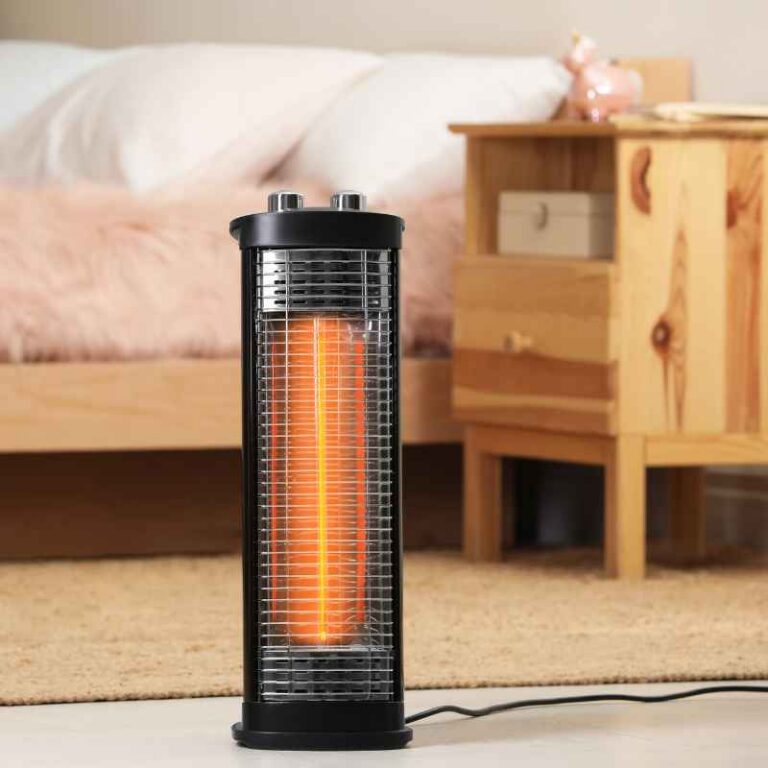
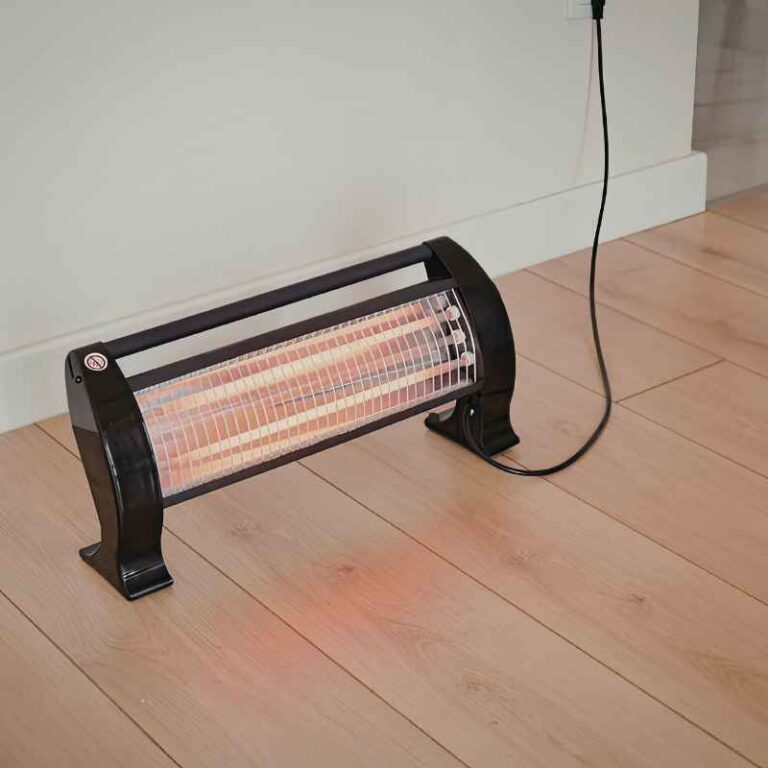
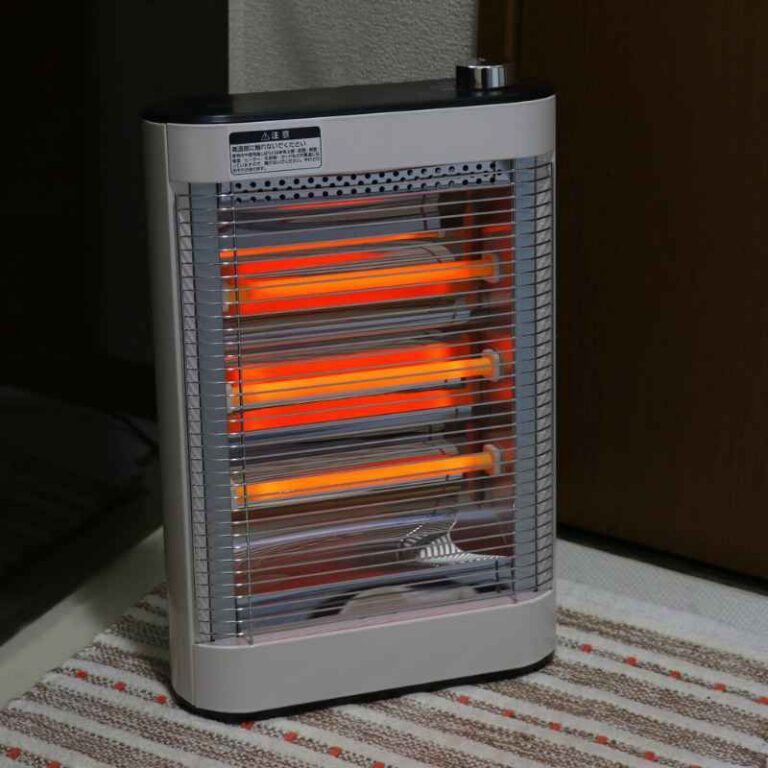
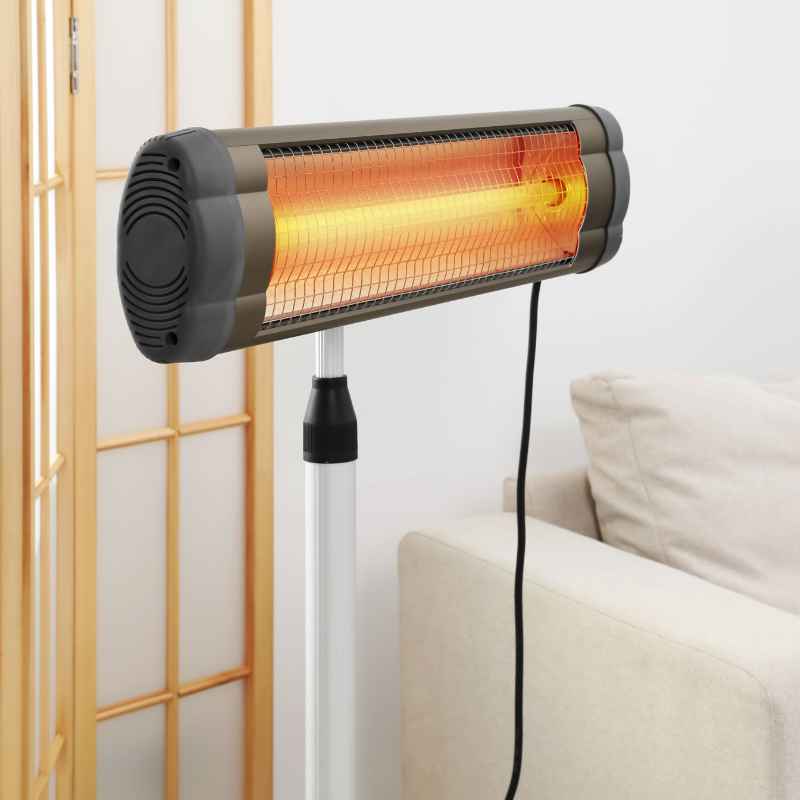
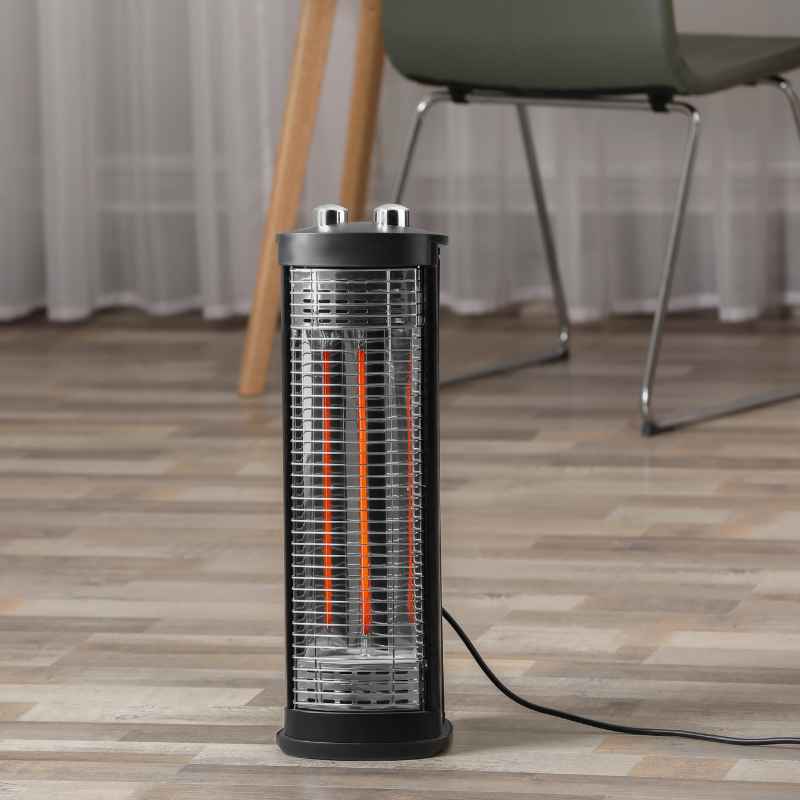
Infrared heaters work a bit differently than traditional heaters. Instead of heating the air, they heat objects directly. Think of how the sun warms your skin on a cool day.
That’s similar to what an infrared heater does. It sends out waves of radiant heat. These waves travel through the air and are absorbed by surfaces like furniture, walls, and people.
These heated surfaces then gently warm the surrounding air.
This direct heating method has some key benefits for electricity use. Because they don’t waste energy heating the air first, they can feel warmer faster. You might even feel comfortable with a lower thermostat setting.
This can lead to real savings on your power bill. Many people find they only need to heat the area they are in, not the whole house. This is often called zone heating.
The amount of electricity an infrared heater uses depends on a few things. The heater’s wattage is the biggest factor. Higher wattage means more power.
But it also means more heat. You also need to consider how long you run it. A powerful heater used for a short time might use less electricity than a small heater run all day.
The efficiency of your home also plays a role. A well-insulated room will hold heat better. This means the heater won’t have to work as hard.
When comparing infrared heaters to other types, it’s important to look at the whole picture. A space heater that warms the air might seem cheaper to buy. But if it runs constantly to keep a room warm, it can end up costing more to operate.
Infrared heaters can offer a good balance of upfront cost and running expenses, especially for targeted heating needs.
My Own Infrared Heater Experience
I remember feeling really chilly in my home office last winter. The main thermostat kept the rest of the house comfortable, but that far corner always seemed to be a cold spot. I’d wear sweaters and use blankets, but it was still distracting.
I started looking into small heaters. I was worried about a big spike in my electric bill. A friend suggested an infrared heater.
I was skeptical. Would it really make a difference? And at what cost?
I picked out a mid-sized infrared heater, rated around 1500 watts. The first time I turned it on, I felt a gentle warmth on my face and arms within minutes. It wasn’t like a blast of hot air.
It was more like standing in a sunny spot. I could feel the warmth on my desk and even the floorboards. Within an hour, the chill in the room was gone.
I felt so much more comfortable and focused. I was pleasantly surprised. I checked my smart meter later that day.
The increase in usage was noticeable, but not as dramatic as I feared. It felt like a fair trade for the comfort I gained. I learned that using it just for the few hours I was in the office was key.
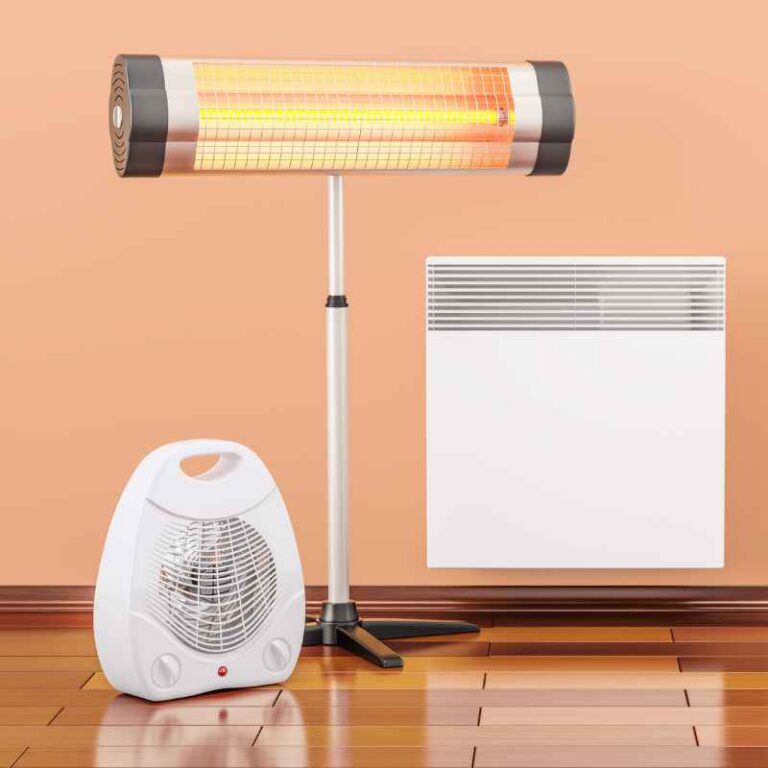
Infrared Heater vs. Traditional Heaters
How they work:
- Infrared: Heats objects and people directly with radiant waves.
- Convection: Heats the air, which then circulates.
- Fan: Uses a fan to blow heated air.
Energy Use Idea:
- Infrared can feel warmer sooner, possibly using less total energy for comfort.
- Convection heaters might need to run longer to achieve the same feeling.
Real-World Context: Where Infrared Heaters Shine
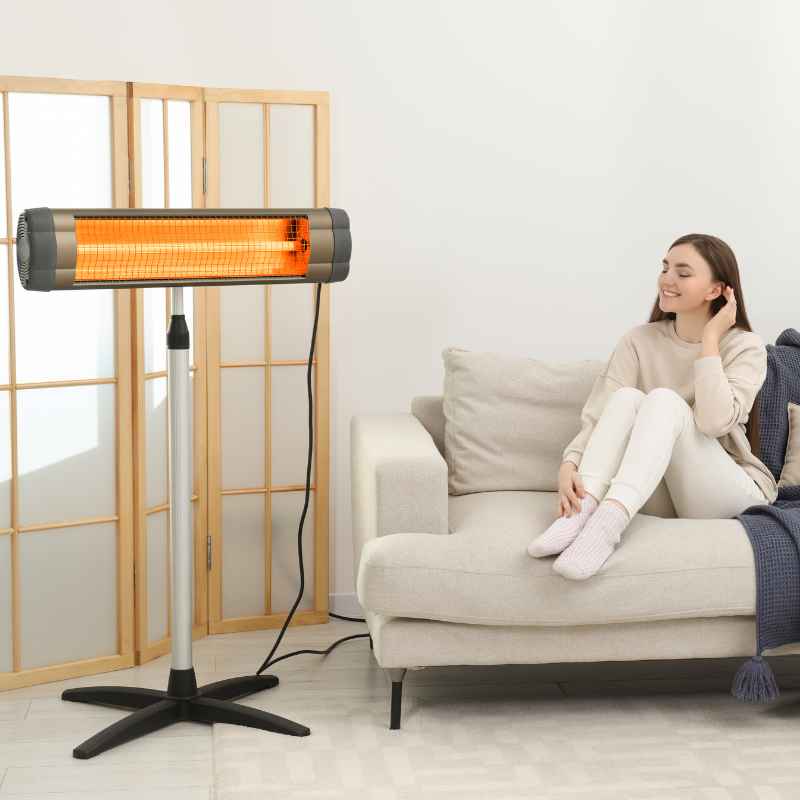
Infrared heaters are fantastic for specific situations. Think about spaces that are hard to heat evenly with central systems. A drafty sunroom, for example.
Or a large garage workshop where you only need heat when you’re working. They are also great for adding targeted warmth to a specific spot in a larger room. You might have a favorite reading chair by a window that gets cold.
An infrared heater can make that spot cozy without heating the entire room.
In many American homes, we have different temperature needs in different areas. One person might like it cooler, while another prefers it warmer. Infrared heaters allow for this kind of personal climate control.
They offer a way to provide comfort without the expense of heating unused spaces. The design of many infrared heaters is also quite sleek. They can blend into a room’s decor.
Some are wall-mounted or even look like artwork. This means you can add warmth without an eyesore.
Consider homes in colder climates. During the winter, heating bills can be a major expense. Using an infrared heater for a home office or a basement den can supplement the main heating system.
This can help keep overall energy consumption down. It’s about smart energy use. Instead of cranking up the main thermostat, you add heat exactly where and when it’s needed.
This often leads to noticeable savings over the course of a heating season.
Another factor is the type of building. Older homes may not be as well-insulated as newer ones. This can cause heat to escape quickly.
Infrared heat, by warming surfaces, can create a more comfortable environment even in less-insulated spaces. The radiant heat also doesn’t get as easily lost to drafts compared to warm air. This makes them a practical choice for many older or less-sealed homes.
When Infrared Heating Makes Sense
Use Cases:
- Targeted Heating: Warms just the person or spot you want.
- Drafty Rooms: Helps overcome cold spots by warming surfaces.
- Unused Spaces: Heats only when you are using a specific area.
- Supplemental Heat: Adds warmth to main heating in colder areas.
- Quick Comfort: Feels warmer faster than air-heating methods.
What This Means for Your Electricity Bill
So, does an infrared heater use a lot of electricity? The answer is: it depends on how you use it. A 1500-watt infrared heater, which is a common size, will use 1.5 kilowatts (kW) per hour.
If you live in a place where electricity costs about $0.15 per kilowatt-hour (kWh), running that heater for one hour would cost about $0.23. That’s less than a quarter. If you run it for 4 hours a day, it would cost about $0.92 per day.
Over a month, that adds up, but it’s often less than heating a whole house more intensely.
The key to managing electricity costs is efficiency and smart usage. Using your infrared heater to warm just the space you are in is the most cost-effective approach. Instead of setting your main thermostat to 72 degrees all day, you might set it to 68 degrees.
Then, when you’re in your office or living room, you use an infrared heater to boost the temperature there to 72. This targeted approach often uses less total energy.
It’s also important to compare apples to apples. A small fan heater might have a lower wattage, say 750 watts. But if it takes much longer to warm a room or needs to run constantly to maintain heat, it could end up using more electricity over time.
Infrared heaters provide that quick, direct warmth. This can make them more efficient for immediate comfort needs.
Consider the lifespan and durability of the heater. A well-made infrared heater can last for many years. This means your investment in electricity usage over time is spread out.
When you look at the cost, factor in not just the hourly usage, but the overall comfort and convenience it provides. For many, the benefit of localized warmth without the need to heat a whole house makes the electricity usage worthwhile.
Quick Scan: Infrared Heater Cost Factors
| Factor | Impact on Electricity Use |
|---|---|
| Wattage | Higher wattage = more power used per hour. |
| Run Time | Longer use = more total electricity consumed. |
| Insulation | Good insulation = heater works less. |
| Room Size | Larger rooms need more power to heat effectively. |
| Outside Temp | Colder weather makes the heater work harder. |
| User Habits | Targeted use saves energy compared to whole-house heating. |
Quick Fixes & Tips for Efficient Use
To get the most out of your infrared heater and keep electricity use in check, follow these simple tips. First, always check the heater’s wattage. Match the heater size to the room you need to warm.
A tiny heater won’t do much in a large space. Similarly, an oversized heater might cycle on and off too much. This isn’t always the most efficient way to use power.
Keep the heater in the area where you will be spending time. Pointing it towards you or the furniture you use is best. Think of it like sitting in front of a campfire.
You feel the heat most directly when you are facing it. Make sure doors and windows in the room are closed. This helps trap the radiant heat.
It stops the warmed air from escaping.
Consider using a smart plug with your infrared heater. These plugs let you set timers. You can schedule the heater to turn on just before you get home or start work.
You can also set it to turn off automatically after a certain time. This prevents you from accidentally leaving it on all night. It’s a simple way to control usage without thinking about it.
Regularly clean your infrared heater. Dust buildup on the heating elements can make them less efficient. Follow the manufacturer’s instructions for cleaning.
Usually, a soft cloth is all you need. A clean heater performs better. It transfers heat more effectively.
This means it won’t have to work as hard. It also helps prolong the life of the unit.
Finally, understand that radiant heat is different. You might not feel the air temperature rise as quickly as with a fan heater. Give the heater some time to work.
The surfaces in the room will absorb the heat. Then, they will release it gently. This process can take a little while.
Be patient. You’ll feel the comfort build over time.
Frequently Asked Questions
How many watts does a typical infrared heater use?
Most portable infrared heaters range from 1000 to 1500 watts. Some larger or specialized models can go up to 2000 watts. Always check the product specifications for the exact wattage.
Is an infrared heater cheaper to run than a space heater?
It can be. Infrared heaters warm objects directly, which can feel warmer faster. This means you might use them for shorter periods or at lower overall temperatures than some air-heating space heaters.
The actual cost depends heavily on the specific models and how you use them.
Can an infrared heater heat an entire room?
Yes, an infrared heater can heat an entire room, especially if it’s well-insulated and the correct size for the space. However, their main strength is direct, targeted heating. For very large or poorly insulated rooms, they might be best used as a supplemental heat source.
Do infrared heaters use more electricity in cold weather?
Yes, like any heater, infrared heaters will use more electricity in colder weather. The greater the temperature difference between inside and outside, the harder the heater has to work to maintain your desired temperature. Good home insulation helps reduce this effect.
Are infrared heaters safe to leave on all day?
Most modern infrared heaters are designed with safety features like tip-over switches and overheat protection. If used according to the manufacturer’s instructions, they are generally safe. However, for maximum safety and energy savings, it’s often best to use timers or turn them off when not in the room.
What is the difference between infrared and radiant heat?
Infrared heat is a type of radiant heat. Radiant heat is energy that travels in waves. Infrared is just one part of the electromagnetic spectrum that produces this type of heat we can feel.
Conclusion
Infrared heaters can be a smart way to add warmth. They don’t necessarily use a lot of electricity if you use them wisely. Their ability to heat objects directly offers a unique advantage.
It often means faster comfort and potentially lower energy bills. By understanding their function and using them for targeted heating, you can enjoy a cozy space without breaking the bank. Always consider your specific needs and home setup when choosing and using any heating appliance.
Sponsored / affiliate links. As an Amazon Associate I earn from qualifying purchases. I may earn additional commission from eligible campaigns.