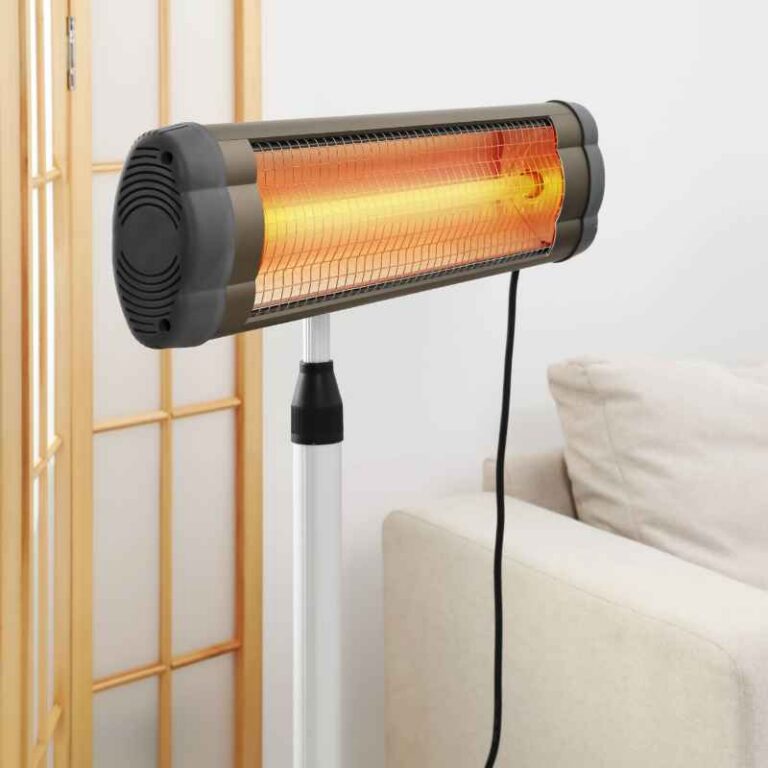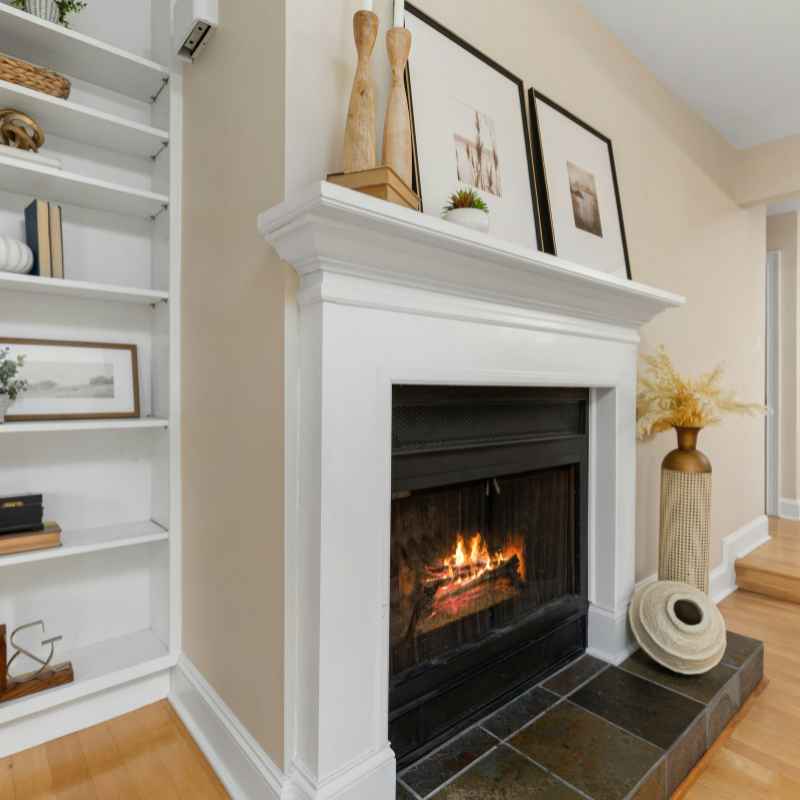
How Long Do Infrared Electric Fireplace Heaters Last?
It’s a question many of us have when looking at a new appliance for our home: “How long will this actually last?” This is especially true for something as central to comfort and ambiance as an infrared electric fireplace heater. You invest in one to bring warmth and style to your living space, and you want that to last for many years to come. It can be frustrating to think about a beautiful new heater failing sooner than you expected.
Let’s dive into what makes these units tick and what you can expect from their lifespan.
Most infrared electric fi
Understanding Infrared Electric Fireplace Heater Lifespan
Thinking about how long an infrared electric fireplace heater lasts involves looking at a few key parts. The main components are the heating elements themselves, the fan, the thermostat, and the control board. Each of these parts has its own expected life.
Good quality units tend to use more durable materials. This means they can handle more heat and use over time. It’s like buying a sturdy piece of furniture versus a flimsy one.
The sturdy one will serve you better for longer.
Infrared heat works by sending out waves that heat objects directly. This is different from a traditional heater that warms the air first. These waves don’t harm the heating elements directly.
The lifespan of the heating element is often measured in hours of use. Manufacturers usually estimate this. The other parts, like the fan and electronics, can also wear out.
A fan’s motor can get tired. Circuit boards can fail. These are common issues with many electronic devices.
Knowing this helps us understand why some heaters last longer than others.
The overall lifespan is a combination of how long each part keeps working well. If one part fails, it might be fixable. Or, it might mean it’s time for a new unit.
It’s often a balance between the cost of repair and buying a new one. Especially as technology advances, newer models might offer better efficiency or features. That’s something to consider too.
But for pure longevity, quality components and careful use are super important.
My Own Frustration with a Heater
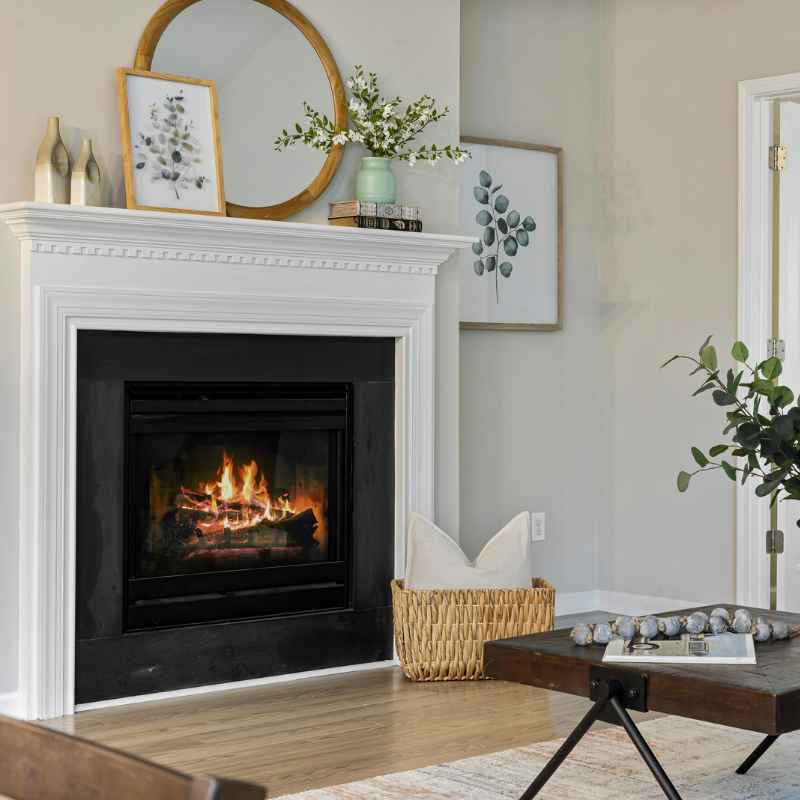
I remember a few winters ago. I’d just moved into a new place and wanted to make the living room feel super cozy. I found this beautiful, rustic-looking electric fi
Then, about two years in, it started making this weird clicking noise. At first, I ignored it. I figured it was just settling in.
But the noise got louder. Then, one cold evening, it just stopped heating altogether. The flames still flickered, but there was no warmth.
I felt this wave of panic. It was freezing outside, and I hadn’t budgeted for a new heater. Plus, I was really bummed that something that seemed so solid had given up so soon.
I felt a bit cheated, honestly. I opened it up, hoping for a simple fix, but saw nothing obviously wrong. It just seemed like it had reached its limit.
It taught me a valuable lesson about not just the initial cost, but the lasting power of appliances.
What Affects How Long They Last?
There are several big things that influence how long your infrared electric fireplace heater will keep humming along. It’s not just about luck. You can actually do a lot to make sure it lasts.
Let’s break down the main factors that play a role in its durability.
Key Factors for Heater Longevity
Build Quality: Cheaper models often use less robust materials. This can mean thinner metal casings, less durable fans, and lower-grade electronic components. Higher-end units use better materials that resist wear and tear better.
Think of it like the difference between a plastic toy and a metal one; the metal one usually lasts much longer.
Usage Frequency: How often you run your heater is a major factor. If you use it for a few hours each day during the colder months, it will get more wear than if you only turn it on occasionally. Constant use means more cycles for the heating elements and fan.
This leads to faster overall wear.
Environment: Where you place your heater matters. If it’s in a very dusty room, or near sources of moisture (like a bathroom, which is not recommended anyway), this can shorten its life. Dust can clog the fan and vents, making it work harder.
Moisture can lead to corrosion and damage electronic parts.
Maintenance: This is a big one that many people overlook. Regular cleaning of the vents and fan is crucial. Checking for loose connections or damage is also smart.
A little bit of care can prevent small issues from becoming big, costly ones.
So, a heater that’s well-built and used moderately in a clean environment with regular check-ups will naturally last longer. It’s like taking care of a car: regular oil changes and keeping it clean helps it run smoothly for many miles. Your heater is no different.
It needs some TLC to perform its best for the longest time.
The Role of Heating Elements
The heart of any infrared heater is its heating element. For infrared electric fi
Ceramic elements are also robust. They heat up efficiently and can last a long time. The way the elements are powered also matters.
Some heaters use a pulsing system to manage heat. This can sometimes be gentler on the elements than constant, full power. The temperature at which the elements operate also plays a role.
If they are pushed to their absolute maximum constantly, they might not last as long as units that operate at slightly lower, more controlled temperatures.
Manufacturers often provide an estimated lifespan for their heating elements, usually in hours of use. This can range from tens of thousands of hours for premium elements to fewer for basic ones. When the heating element starts to fail, you might notice it doesn’t heat as effectively, or it might make odd noises.
Sometimes, the glow might be dimmer or uneven. If this happens, it’s a sign that the element is nearing the end of its life.
Replacing a heating element can be a straightforward fix for some models. However, for others, it might be quite complex or costly. It’s always a good idea to check the heater’s manual or contact the manufacturer if you suspect an element issue.
Understanding this component is key to understanding the overall lifespan of the heater.
Fan and Motor Lifespan
The fan in your infrared electric fireplace heater is responsible for circulating the warm air. Even though infrared heat warms objects directly, a fan helps distribute that warmth more effectively throughout the room. The fan motor is a mechanical part, and like all mechanical parts, it has a finite lifespan.
It’s subject to wear and tear over time.
The quality of the fan motor is very important here. A cheap, low-quality motor will wear out much faster. You might start to hear it whining, rattling, or making grinding noises.
This is a clear sign of a motor under stress or nearing failure. Over time, these noises can become more pronounced. Eventually, the motor can seize up entirely, and the fan will stop working.
Dust is a major enemy of fan motors. When dust builds up on the fan blades and inside the motor housing, it makes the motor work harder to spin. This extra strain speeds up the wear process.
That’s why regular cleaning of the vents and fan assembly is so critical for extending the life of your heater. A clean fan runs more efficiently and puts less stress on its motor.
If the fan motor fails, it will usually stop moving air. You might still see the infrared elements glowing, but the heat won’t be distributed. In some units, a safety feature might even shut the heater down completely if the fan isn’t working, to prevent overheating.
Replacing a fan motor can be a feasible repair for many models. However, like heating elements, the ease and cost depend greatly on the heater’s design and construction.
Thermostat and Control Board Durability
The thermostat and control board are the “brains” of your electric fireplace heater. The thermostat tells the heater when to turn on and off to maintain your desired temperature. The control board manages all the functions, like the flame effects, timer, and temperature settings.
These electronic components can also wear out over time.
Electronic components are sensitive to power surges and fluctuations. If you live in an area with unstable power grids, this can be a factor that shortens the life of these parts. Using a surge protector can offer some protection.
Also, extreme heat or cold can affect electronics. While the heater is designed to work in your home’s temperature, extreme conditions outside its operational range can cause stress.
A failing thermostat might cause the heater to run constantly, or not turn on at all. It could also lead to inaccurate temperature readings. The control board is more complex.
If it starts to fail, you might experience erratic behavior. Buttons might stop working, display screens could glitch, or the unit might turn off randomly. Sometimes, the flame effects might stop working while the heating still functions, or vice versa.
Repairing thermostats and control boards can be difficult for the average homeowner. They often involve intricate circuitry. Depending on the cost of replacement parts and labor, it might be more economical to replace the entire heater.
Many modern heaters have digital control boards. These are generally reliable, but like any computer system, they can eventually fail.
Quick Scan: When to Check Your Heater
- Unusual Noises: Grinding, rattling, or loud humming from the fan.
- Reduced Heating: The room isn’t getting as warm as it used to.
- Intermittent Operation: The heater turns on and off unexpectedly.
- Smells: Burning smells (other than the normal initial scent) are a serious warning.
- Control Issues: Buttons don’t respond, or settings are erratic.
These are signs that one or more components might be stressed or failing. Catching these early can sometimes prevent more serious damage or a complete breakdown.
Real-World Context: Where and How They’re Used
The context in which an infrared electric fireplace heater operates significantly impacts its lifespan. Think about the typical American home environment. Many people use these heaters as supplemental heat.
This means they might be in a living room, bedroom, or den. These are generally climate-controlled spaces.
However, some people might use them in less ideal environments. For instance, putting one in a garage or a basement that’s prone to dampness. Dampness is a killer for electronics and can cause metal parts to rust.
Even in a main living area, dust is a constant battle. Carpets shed fibers, pets (if you have them) add a lot of hair and dander, and general household activity kicks up dust. All this dust can get pulled into the heater’s vents and clog up the fan and internal components.
This forces the fan motor to work harder and can lead to overheating, which stresses all the parts.
Usage habits also vary wildly. Some households might run their heater for 12 hours a day, every day for months. Others might only turn it on for a few hours on a particularly cold evening.
The more hours it runs, the more wear and tear it accumulates. It’s like tires on a car; the more miles you put on them, the sooner they need replacing.
The design of the fi
What This Means For You: Normal Wear vs. Problems
It’s important to understand what’s normal wear and tear versus what’s a sign of a serious problem. Over time, you might notice subtle changes in your heater’s performance. These are often not cause for alarm, but rather expected signs of aging.
Normal Wear:
Slightly Dimmer Flame Effect: The LED lights that create the flame effect might not be as bright as when the unit was new. This is common as LEDs age. Minor Fan Noise: You might notice a very faint hum from the fan.
This is usually just the motor running normally. Heating Cycles: The heater will cycle on and off as the thermostat works to maintain the set temperature. This is its intended operation.
Initial Odor: When you first get a new heater, there’s often a faint smell as the elements get hot for the first time. This usually dissipates quickly. If a burning smell persists or returns later, that’s different.
When to Worry:
Loud, Grinding, or Rattling Fan Noises: This indicates the fan motor is struggling or damaged. No Heat Output: If the unit powers on, but no heat comes out, this suggests a problem with the heating elements or a safety shut-off. Burning Smells: This is a serious warning.
It could indicate overheating or a failing electrical component. Turn the unit off immediately and unplug it. Sparking or Electrical Odors: This is a major safety hazard and means the unit should not be used.
Erratic Controls: If the buttons don’t work or the display is faulty, the control board might be failing.
Knowing the difference helps you troubleshoot. It also helps you decide when it might be time to consider a replacement rather than a costly repair. A heater that’s 15 years old and starts making noise might be showing its age.
A heater that’s two years old and starts making the same noise might have a defect or need immediate attention.
Infographic: Lifespan Expectation by Component
10,000 – 50,000+ hours
(Depends on quality & usage)
5 – 15 years
(Affected by dust & load)
5 – 15 years
(Sensitive to power surges)
10 – 20 years
(With good care & quality build)
Quick Fixes & Tips for Longevity
Want your infrared electric fireplace heater to last as long as possible? It’s mostly about simple, consistent care. You don’t need to be a tech wizard to keep it running well.
Here are some practical tips that really make a difference over the years.
1. Regular Cleaning is Key: This is hands down the most important thing you can do. Dust the Vents: Use a soft brush or the brush attachment on your vacuum cleaner to gently remove dust from all the intake and output vents.
Do this at least once a month, or more if you have pets or allergies. Clean the Fan Grille: If accessible, gently clean the fan grille. A build-up of dust and hair here really stresses the motor.
Wipe Down the Exterior: Use a soft, dry cloth to keep the casing clean. Avoid harsh chemicals.
2. Proper Placement:
Avoid Moisture: Never place your heater in bathrooms, laundry rooms, or near pools. Humidity is bad for electronics and can cause corrosion.
Ensure Airflow: Make sure there’s enough space around the heater for air to circulate freely. Don’t block vents by pushing furniture too close. The manual will usually specify clearance distances.
Stable Surface: Always place the heater on a flat, stable surface. This prevents it from tipping and ensures the fan and internal parts are aligned correctly.
3. Use a Surge Protector:
Protect the Electronics: Plug your heater into a good quality surge protector. This safeguards the control board and thermostat from sudden power spikes or brownouts, which can cause damage.
This is especially important in areas with unreliable electricity.
4. Gentle Operation:
Avoid Constant Max Power: If your heater allows for different heat settings, try not to always run it on the highest setting unless absolutely necessary. Running it at a moderate level can be less stressful on the heating elements and fan motor.
Don’t Overuse the Timer: While timers are useful, don’t rely on it to have the heater running for 24 hours straight if it’s not needed. Give it breaks.
5. Listen and Look:
Pay Attention to Sounds: If you start hearing new or unusual noises, investigate. A little noise now can lead to a big problem later.
Observe Performance: Notice if the heating seems weaker or if the flame effect is acting strangely. Early detection is key.
By following these simple tips, you’re not just keeping your heater clean; you’re actively contributing to its longevity. You’re ensuring its components work as efficiently as possible and reducing the stress that leads to premature failure.

Frequently Asked Questions
How often should I clean my infrared electric fireplace heater?
You should clean the vents and exterior of your infrared electric fireplace heater at least once a month. If you have pets that shed a lot or live in a particularly dusty environment, cleaning every two weeks is even better. Ensure the unit is unplugged before cleaning.
Can I repair my infrared electric fireplace heater myself?
Simple cleaning or replacing an easily accessible external part might be manageable for some. However, repairs involving the heating elements, fan motor, or control board can be complex and potentially dangerous if you’re not experienced with electronics. Always consult your manual or a qualified technician for internal repairs.
What is the average lifespan of an infrared heating element?
The lifespan of an infrared heating element can vary greatly depending on its quality and how it’s used. High-quality quartz or ceramic elements can last for tens of thousands of hours of use, often translating to 10-20 years of typical home use, but this is an estimate.
Is it better to repair or replace an old infrared heater?
This often depends on the age of the heater, the cost of the repair, and the price of a new, comparable model. If a heater is quite old (10+ years) and requires a major repair, it might be more cost-effective and energy-efficient to buy a new one. For newer units with minor issues, repair might be a good option.
Will using a surge protector make my heater last longer?
Yes, using a good quality surge protector can significantly help protect the electronic components like the thermostat and control board from damage due to power surges and fluctuations. This can contribute to a longer overall lifespan for the unit.
Why does my heater smell when I first turn it on?
A faint burning smell when you first turn on a new infrared electric fireplace heater is often normal. It’s usually caused by dust or manufacturing residues burning off the heating elements. This smell should dissipate after the first few uses.
If a strong or persistent burning smell occurs later, or if it’s accompanied by smoke, turn off the unit immediately.
Conclusion: Investing in Lasting Warmth
Understanding how long your infrared electric fi
Sponsored / affiliate links. As an Amazon Associate I earn from qualifying purchases. I may earn additional commission from eligible campaigns.