Quartz Vs Infrared Heaters: Key Differences You Must Know
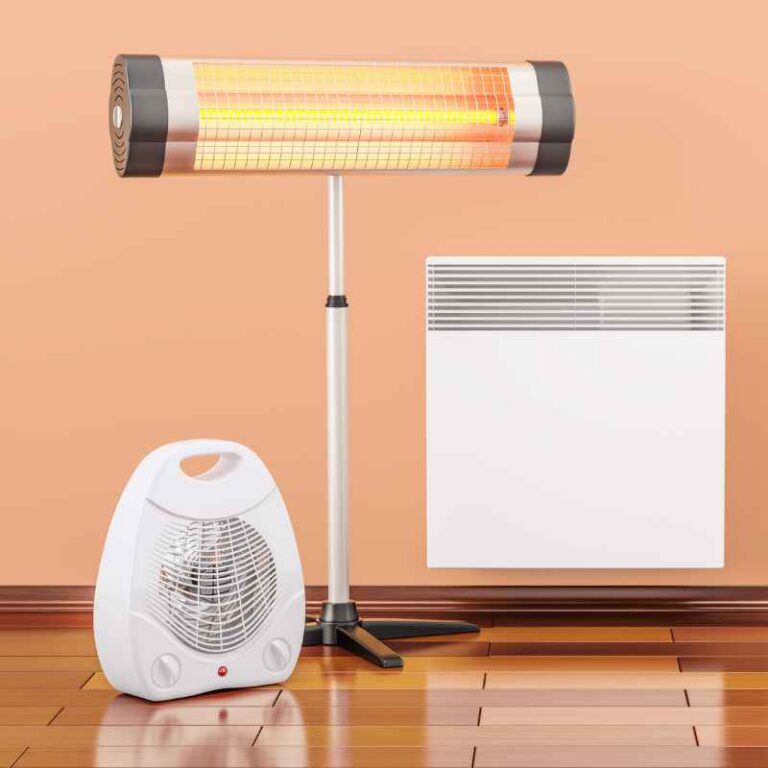
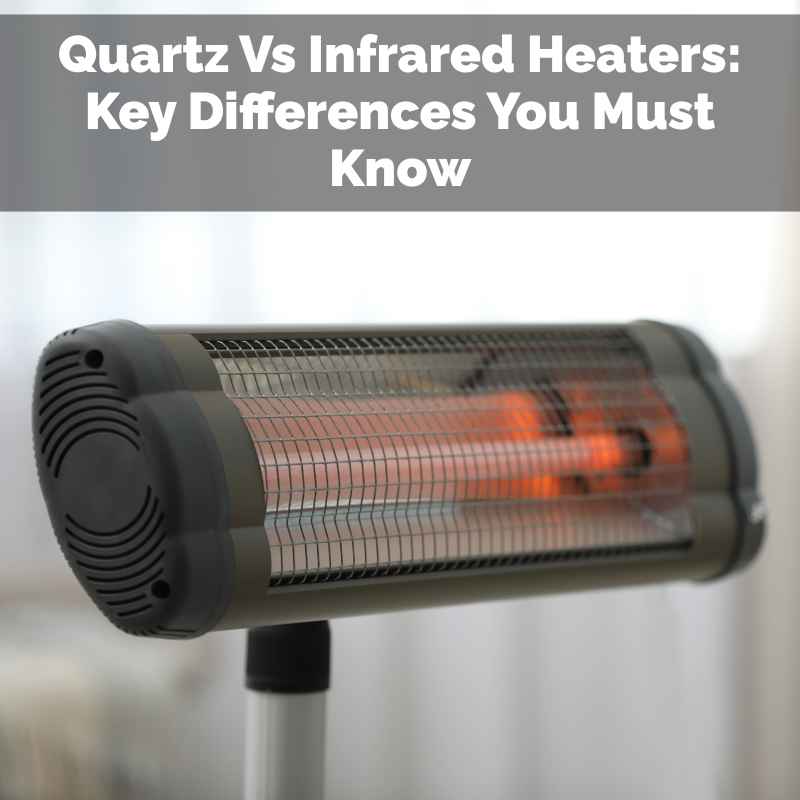
The main difference lies in how they heat the air and objects around them. Quartz heaters use a heating element inside a quartz tube to warm the air directly. Infrared heaters use radiant heat, much like the sun, to warm objects and people without heating the air in between.
Understanding Quartz Heaters
A quartz heater uses a heating element. This element gets very hot. It’s usually a metal coil.
This coil sits inside a quartz tube. Quartz is a strong type of glass. The tube helps protect the coil.
It also helps focus the heat.
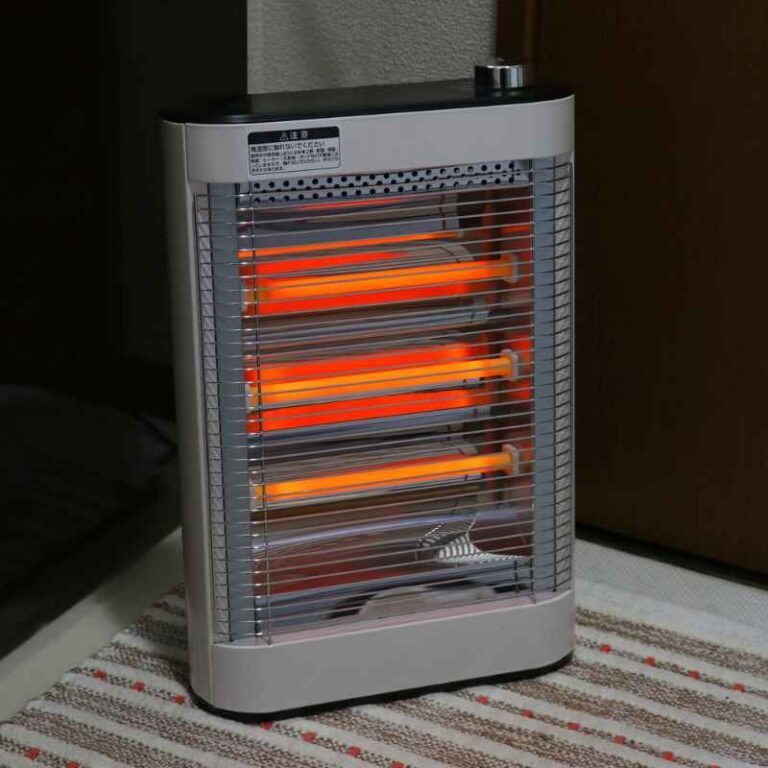
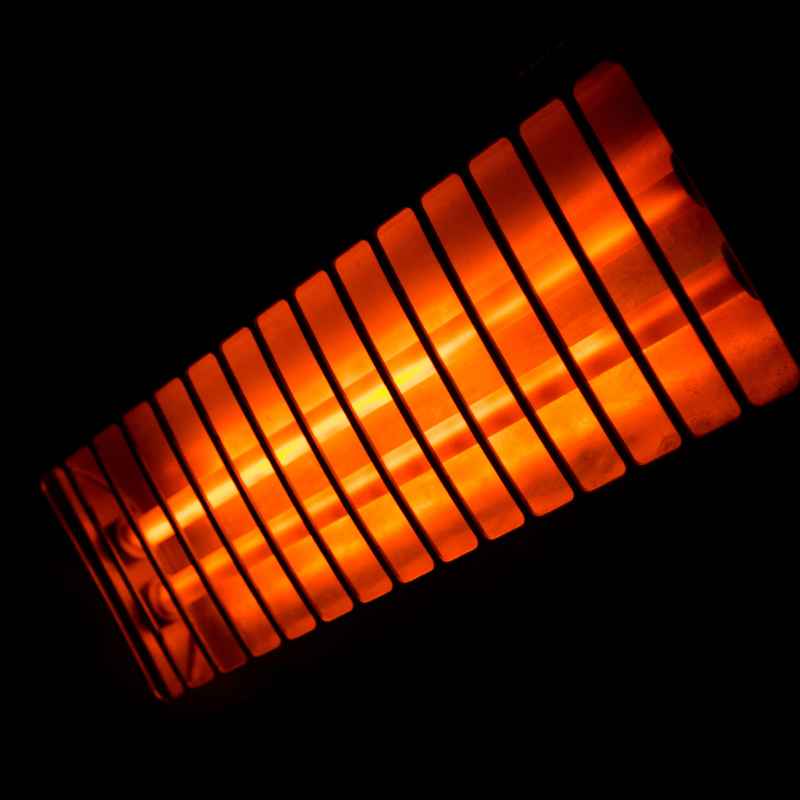
When you turn the heater on, electricity flows through the coil. The coil glows red. It gets very hot.
This heat then warms the air around it. Think of it like a tiny campfire inside your room. The air closest to the heat source gets warm first.
Then, that warm air moves around the room.
This process is called convection. Convection is how heat spreads through air. Hot air rises.
Cooler air sinks. This creates a gentle circulation. It warms the whole space over time.
It’s a bit like how a radiator works, but with a different heat source.
How Infrared Heaters Work Differently
Infrared heaters work in a totally different way. They don’t heat the air first. Instead, they send out infrared waves.
These waves are a type of radiation. They travel through the air without warming it. It’s much like how sunlight feels warm on your skin.
The sun’s rays travel through space. They warm you directly when they hit you.
An infrared heater has a heating element. This element emits these waves. When these waves hit objects in the room, like furniture, walls, or you, they are absorbed.
This absorption turns the wave energy into heat energy. So, the objects and people in the room get warm. The air between the heater and these objects stays cooler for longer.
This direct heating of objects is very efficient. You feel warm almost instantly. You don’t have to wait for the whole room’s air to heat up.
This can make infrared heaters feel more powerful for personal comfort. It’s like standing in a sunbeam on a cool day. You feel warm right where the sunbeam hits you.
Quartz vs. Infrared: The Core Differences
Let’s line up the key things that set these heaters apart. It’s easy to get them mixed up, but their function is quite distinct. One is all about the air, and the other is about direct warmth.
Heat Transfer Method
Quartz Heaters: Primarily use convection. They heat the air. The warm air then circulates.
Infrared Heaters: Primarily use radiation. They heat objects and people directly.
This difference in heat transfer is the biggest point. It affects how quickly you feel warm. It also affects how evenly a room gets heated.
And it can influence energy use.
My Own Confusing Heater Hunt
I remember one winter, my old apartment felt like a giant icebox. The heating system was terrible. I decided I needed a portable heater.
I went online and started searching. I saw “quartz” and “infrared” everywhere. They both promised warmth.
The pictures looked similar too. I felt so overwhelmed.
One salesperson told me quartz was better for filling a whole room. Another insisted infrared was faster for personal warmth. I spent hours reading reviews.
Some people loved their quartz heaters. Others swore by infrared. I even bought one of each to try.
It was a mess of cords and confusing controls.
I finally figured it out through trial and error. The quartz heater did warm the air, but it took ages. By the time the room felt a bit warmer, I was already wearing a hat indoors.
The infrared one, though, felt like magic. I put it on, and within minutes, I could feel a cozy warmth. I was sitting on the couch, and it was like a warm hug.
That’s when I truly understood the core difference.
Speed of Heating
How fast do you want to feel the warmth? This is a big question for many people. You come in from the cold, and you want relief quickly.
Or maybe you’re just topping up the heat in a room.
Quick Warm-Up Factor
Quartz Heaters: Slower to make you feel warm. They need to heat the air first. This takes time.
Infrared Heaters: Much faster to make you feel warm. They heat you directly. You feel it almost right away.
If you’re looking for instant comfort, especially in a drafty room or a large open space, infrared usually wins. Quartz heaters are better if you have the time to let them gradually warm the entire air volume.
Heating Effectiveness and Room Size
Where and how you plan to use your heater matters a lot. A small space might be easy to warm with either. But a large, open-plan living room is a different story.
Best For What Spaces?
Quartz Heaters: Good for smaller, enclosed rooms. They work by heating the air. This air then circulates.
They are good at making a whole room feel generally warmer over time.
Infrared Heaters: Excellent for larger spaces or rooms with high ceilings. They heat people and objects directly. This means you can feel warm even if the air isn’t fully heated.
They are also great for spot heating, like warming just your desk area.
Think about where you’ll put it. If you want to warm just yourself while you’re working at your desk, infrared is perfect. It heats your body without wasting energy heating the whole room.
If you want to make a chilly bedroom feel cozy all over before you get into bed, a quartz heater might do that job nicely.
Energy Efficiency and Cost
Everyone wants to save money on their energy bills. Heating can be a big part of that. Both types of heaters use electricity, but they use it differently.
This can lead to different running costs.
Quartz heaters heat the air. This air can escape if the room isn’t well-sealed. Drafts can make them work harder.
They might also overheat the air near the heater. This can make you feel uncomfortably hot in one spot. Then you might turn it off, only for the room to cool down fast.
Infrared heaters heat objects. These objects hold the heat better. They don’t lose heat as quickly to drafts.
This can make them more efficient for keeping you warm. You might feel comfortable at a lower overall room temperature. This can lead to lower energy bills.
Many people find they use less electricity with infrared for personal comfort.
Energy Usage Insights
Quartz Heaters: Can be less efficient in drafty or large spaces. They heat air, which can escape easily. May run longer to achieve a general room temperature.
Infrared Heaters: Often more efficient for spot heating and personal comfort. They heat objects directly, which retain warmth. Can lead to lower energy bills by allowing lower thermostat settings.
It’s not always a simple win for one over the other. If you have a very well-insulated, small room, a quartz heater might be perfectly fine. But for general use and cost savings, infrared often has an edge.
Air Quality and Comfort
Some people are sensitive to how heaters affect the air. This is another area where quartz and infrared differ.
Quartz heaters warm the air. This can sometimes dry out the air more. It can also stir up dust and allergens.
This might not be ideal for people with allergies or respiratory issues. The hot air can also feel a bit stifling to some.
Infrared heaters don’t heat the air directly. They warm surfaces. This means they tend to dry out the air less.
They also don’t blow air around. This means they stir up less dust. Many people find the heat from infrared feels more natural and comfortable.
It feels like being in the sun.
Impact on Your Air
Quartz Heaters: Can dry out air more. May stir up dust and allergens as they heat the air.
Infrared Heaters: Tend to be gentler on air quality. Less drying effect. Don’t blow air, so less dust stirred up.
If you’re concerned about air quality or have sensitivities, infrared heating is often the better choice. It provides warmth without the same potential drawbacks of air-based heating.
Safety Features and Design
Safety is always a top concern with any heating appliance. Both quartz and infrared heaters come with various safety features. It’s good to know what to look for.
Quartz heaters often have tip-over switches. If the heater falls, it shuts off automatically. They also usually have overheat protection.
This stops the heater from getting too hot. The outer casing can still get quite warm, so caution is needed around children and pets.
Infrared heaters also have safety features. Tip-over switches and overheat protection are common. Some models have cool-touch casings, which are safer.
Because they heat objects directly, the air temperature around the heater might not get as intensely hot as with some quartz models. However, the heating elements themselves are still very hot and should not be touched.
Safety Checklist
Quartz Heaters: Look for tip-over shut-off and overheat protection. Be mindful of hot external surfaces.
Infrared Heaters: Standard safety features include tip-over and overheat protection. Some offer cool-touch designs. Heating elements are extremely hot.
Always read the manufacturer’s instructions. Place heaters on a flat, stable surface. Keep them away from curtains, furniture, and flammable materials.
Ensure there’s plenty of space around them for air circulation.
Noise Levels
For some, a quiet home environment is essential. Heating appliances can sometimes add unwanted noise.
Quartz heaters are generally very quiet. The main sound you might hear is a very faint hum from the heating element. There are no fans involved in the heating process itself.
So, they don’t create fan noise like some other types of heaters.
Infrared heaters are also typically very quiet. Like quartz heaters, they don’t have fans that blow air. The heat transfer happens through radiation.
The only sound you might hear is a slight click when the thermostat turns on or off. This is usually very faint.
Sound Check
Quartz Heaters: Very quiet. Minimal noise from heating element, no fans.
Infrared Heaters: Also very quiet. No fans. Occasional faint click from thermostat.
If you need a heater that won’t disturb your peace, both quartz and infrared are good choices. They are far quieter than fan heaters or some other heating systems.
Durability and Maintenance
How long will your heater last? And what do you need to do to keep it working well?
Quartz heaters have a heating element inside a quartz tube. The quartz tube is durable, but it can be brittle. If the heater is dropped hard, the tube could crack.
Cleaning usually involves dusting the outside. The heating element itself is quite robust.
Infrared heaters also have durable heating elements, often made of ceramic or metal. The outer casings are usually sturdy metal. Maintenance is similar: gentle dusting.
Some models might have more complex controls, but the core heating function is usually straightforward. Both types are built to last with proper care.
Lifespan and Upkeep
Quartz Heaters: Generally durable. Quartz tube needs care to avoid breakage. Simple dusting for maintenance.
Infrared Heaters: Robust construction. Simple cleaning tasks. Designed for long-term use.
As with any electrical appliance, treating your heater gently will help it last longer. Always unplug it before cleaning. Never try to repair it yourself if something goes wrong.
Cost of Purchase
The initial price tag is often a deciding factor. How do these heaters compare when you’re at the store or browsing online?
Basic quartz heaters can be very affordable. You can often find small, simple models for a low price. As you look at more powerful or feature-rich quartz heaters, the price can go up.
But generally, the entry point for quartz heaters is quite low.
Infrared heaters can sometimes have a higher initial cost. This is especially true for larger, more powerful models, or those with advanced features like smart controls. However, you can also find very reasonably priced infrared heaters.
The price range is broad, but they can sometimes be more expensive upfront than the cheapest quartz options.
Upfront Investment
Quartz Heaters: Often start at a lower price point. Very budget-friendly basic models available.
Infrared Heaters: Can have a higher starting price, especially for larger units. Wide range of prices available.
Remember to consider the long-term running costs. A slightly more expensive infrared heater might save you money over time on your electricity bills. It’s a trade-off between upfront cost and ongoing savings.
When Is a Quartz Heater the Right Choice?
So, who should lean towards a quartz heater? They have their strengths, especially for specific situations.
If you need to warm a small, enclosed space. Think of a small office or a compact bedroom. And you plan to leave the heater on for a longer period to gradually warm the whole room.
If your budget for the initial purchase is very tight. And you’re not overly concerned about the nuances of air quality. Quartz heaters can be a good fit.
They are simple to operate. Just plug them in and turn them on. The heat feels like warm air.
If you’re used to older types of heaters that warm the air, this will feel familiar. They can make a small space generally comfortable over time.
When Is an Infrared Heater the Better Choice?
Now, let’s talk about when infrared really shines. These are the situations where their unique way of heating makes a big difference.
If you want to feel warm right now. Like when you step into a cold bathroom. Or you’re working in a chilly garage.
Infrared is your go-to. If you have a large, open-plan living area. Or a room with high ceilings.
Infrared can warm you and your immediate surroundings without wasting energy heating empty space.
If you’re sensitive to dry air or dust. Infrared is much gentler. It won’t stir up allergens.
It feels more like natural warmth, like standing in the sun. And for potentially lower energy bills for personal comfort, infrared often wins.
Putting It All Together: My Real-World Test
After my initial confusion, I started using my infrared heater more and more. I placed it near my desk. I could feel cozy while I typed away.
The room air might still have been a bit cool. But I was warm. It was a revelation.
I also tried it in my living room. It was a big space. I used it to supplement the main heating.
Instead of turning up the thermostat for the whole house, I just used the infrared heater. It felt much more targeted and efficient. I noticed my electricity bill didn’t jump as much as it used to.
I still kept a small quartz heater. I used it in the bathroom sometimes. I’d turn it on before I showered.
It would make the air a bit warmer. But for just sitting and relaxing, the infrared was always my preference. The direct warmth was just so much more pleasant and immediate.
Frequently Asked Questions
Common Questions Answered
Do infrared heaters use a lot of electricity?
Infrared heaters use electricity to generate heat. Their efficiency comes from how they deliver that heat. Because they warm objects and people directly, you often feel warm at a lower overall room temperature.
This can lead to less electricity used compared to heating the air in less efficient ways.
Can infrared heaters dry out the air?
Infrared heaters do not heat the air directly. They emit radiant energy that warms objects. Because they don’t rely on moving air to transfer heat, they tend to be much less drying to the air than convection or fan heaters.
This makes them a more comfortable option for many people.
Are quartz heaters safe for pets?
Quartz heaters can be safe if used properly. They usually have safety features like tip-over switches and overheat protection. However, the exterior can get quite warm.
Always keep pets at a safe distance and ensure the heater is on a stable surface. Never leave any heater unattended.
Which type of heater is better for a bedroom?
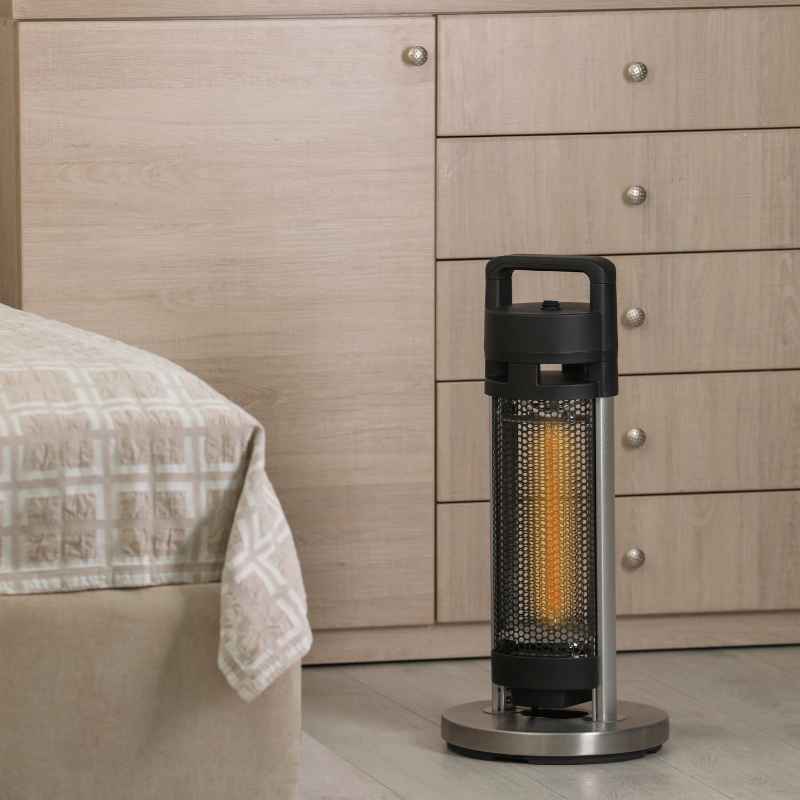
For a bedroom, it often depends on your preference. If you want to quickly warm the air for a cozy feeling before sleep, a quartz heater might work well. If you want to feel warm without drying the air or making it too stuffy, an infrared heater can be a great choice.
Always ensure the heater is safe for overnight use and placed away from bedding.
Can I use an infrared heater in a bathroom?
Yes, many infrared heaters are suitable for bathrooms. However, always check the product’s specifications for water resistance ratings (like IP ratings). Many are designed to be safe, providing quick warmth.
Ensure it’s placed away from direct water spray and on a stable surface. Never use any electrical heater in a tub or shower.
What does “radiant heat” mean for a heater?
Radiant heat is the type of heat that travels in waves, like sunlight. A radiant heater emits infrared waves. When these waves hit an object or a person, they are absorbed and convert into heat.
This is different from convection heat, which warms the air first and then relies on air circulation.
Final Thoughts on Choosing Your Heater
Deciding between quartz and infrared heaters comes down to what you need most. Think about how quickly you want to feel warm. Consider the size and layout of the space you want to heat.
And keep in mind how important air quality and energy costs are to you. Both have their place in keeping homes cozy during colder months.
Sponsored / affiliate links. As an Amazon Associate I earn from qualifying purchases. I may earn additional commission from eligible campaigns.