Infrared Vs Infrared Quartz Heaters: What Sets Them Apart?
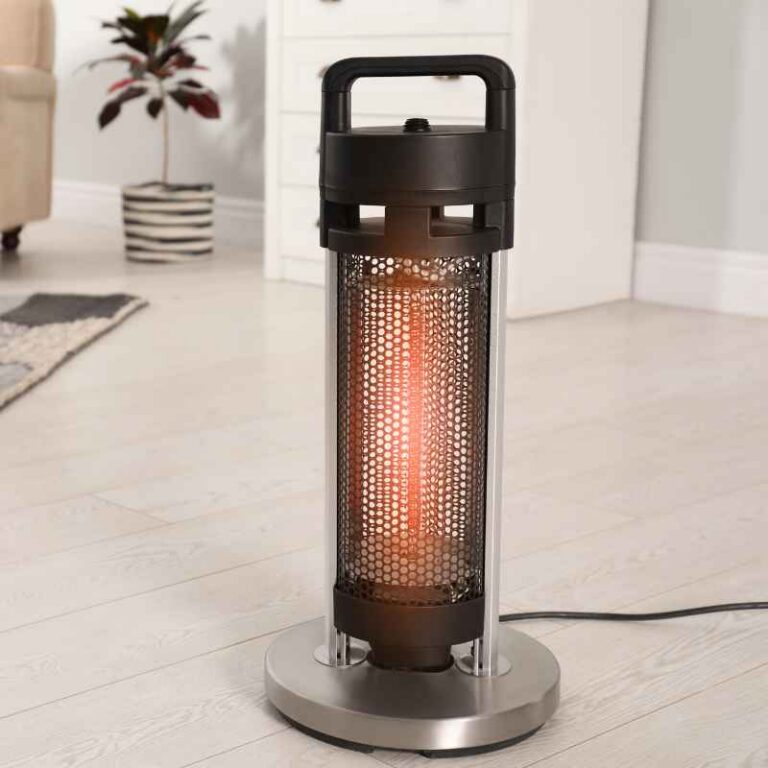
The main difference is how they produce heat and the materials used for the heating element. Infrared heaters use a heating element that emits infrared radiation. Infrared quartz heaters use a quartz tube to house and protect the heating element, which also emits infrared radiation, but the quartz can impact heat distribution and intensity.
Understanding Infrared Heat
Infrared heat is a type of radiant heat. Think about the sun warming your skin. That’s infrared radiation at work.
It doesn’t heat the air directly. Instead, it warms objects and people it hits. This is a big difference from convection heaters.
Convection heaters warm the air. Then, that warm air circulates around the room.
With infrared, the warmth feels more direct. It’s like standing in a sunny spot on a cool day. You feel warm even if the air around you isn’t that warm.
This type of heat can feel very comfortable. It’s often described as a cozy warmth.
Infrared waves travel through space. They are a part of the electromagnetic spectrum. We can’t see them, but we can feel their heat.
Different wavelengths of infrared light produce different types of heat. Some are more intense. Others are gentler.
This technology is used in many places. It’s in kitchen lamps for keeping food warm. It’s used in saunas.
It’s even used in some medical treatments. The basic principle is always the same: energy is emitted and absorbed by objects, making them warmer.
What is an Infrared Heater?
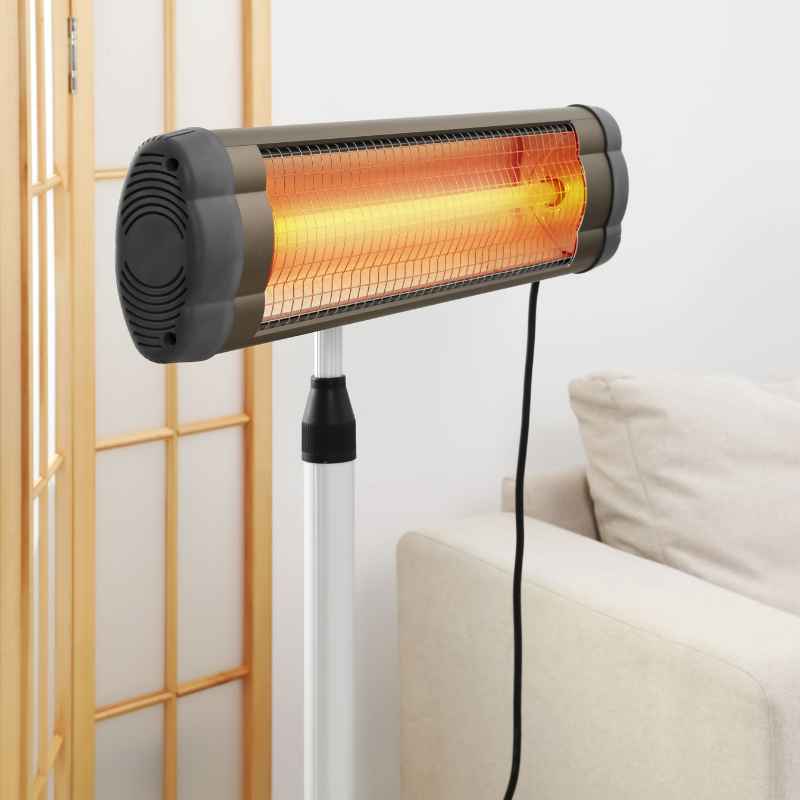
An infrared heater uses a heating element. This element gets hot. Then, it releases infrared radiation.
This radiation travels outwards. It warms anything it touches. The heat source is often a metal coil or rod.
This element is typically enclosed in a protective casing.
The casing can be made of different materials. Some are simple metal grilles. Others might be glass or ceramic.
The goal is to let the infrared waves pass through. But it also needs to keep the heating element safe. And it should protect you from touching the hot element.
These heaters are great for spot heating. You can direct the warmth where you need it. This is efficient.
You don’t waste energy heating empty spaces. Think about sitting in a drafty garage. An infrared heater can make that space bearable.
They work fast. Once you turn them on, you feel the warmth pretty quickly. There’s no waiting for air to heat up.
This makes them good for quick comfort. You don’t have to run them all day. You can turn them on when you need that specific warmth.
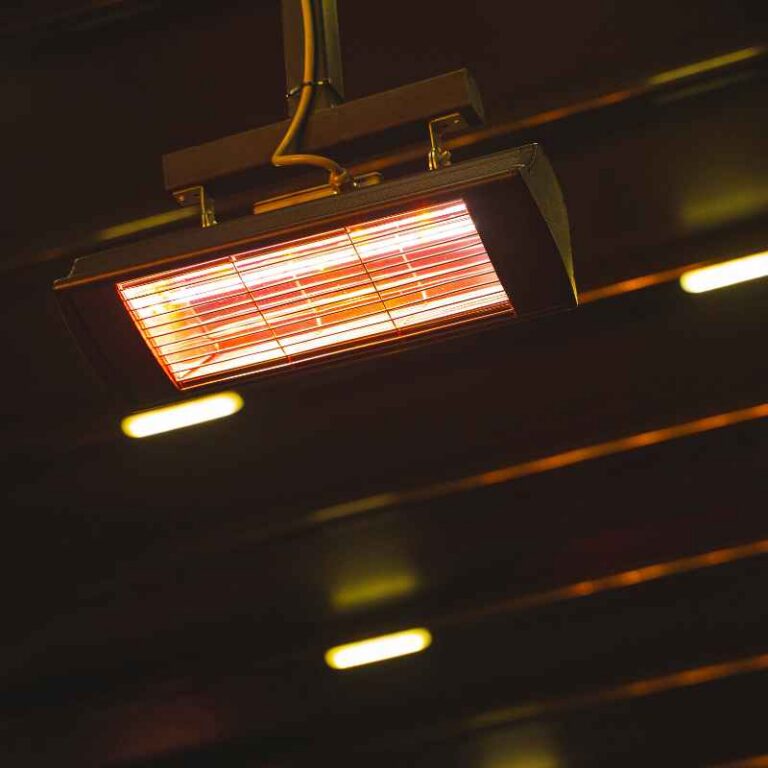
One common type is the panel heater. These are often flat and mount on walls or ceilings. They spread the heat out over a larger area.
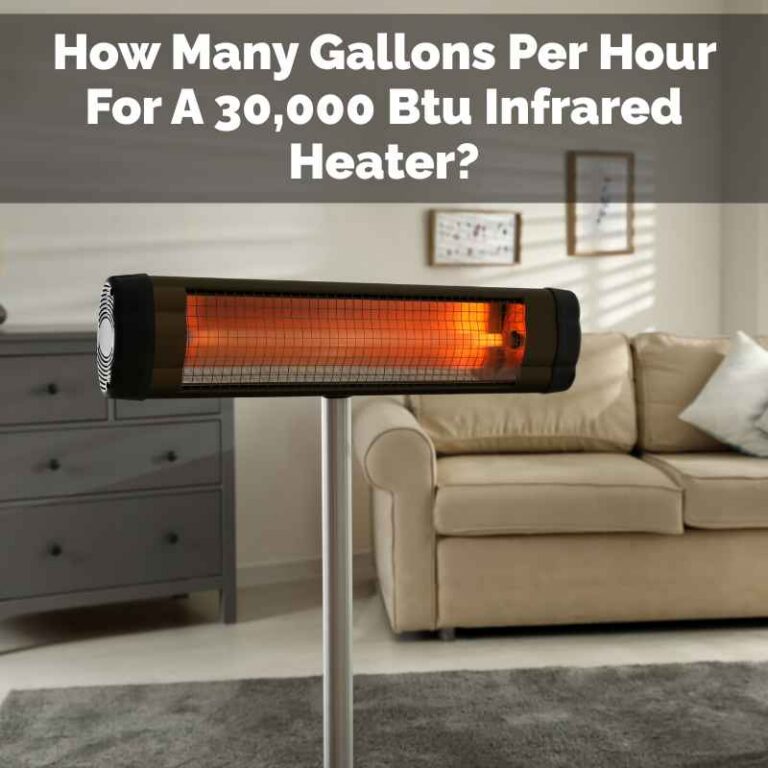
Other types are portable. They have a stand and can be moved around. You can aim them right at you.
The efficiency of an infrared heater is high. Most of the energy used becomes heat. It’s not lost in heating the air that then escapes.
This is why many people find them cost-effective for targeted warmth.
What is an Infrared Quartz Heater?
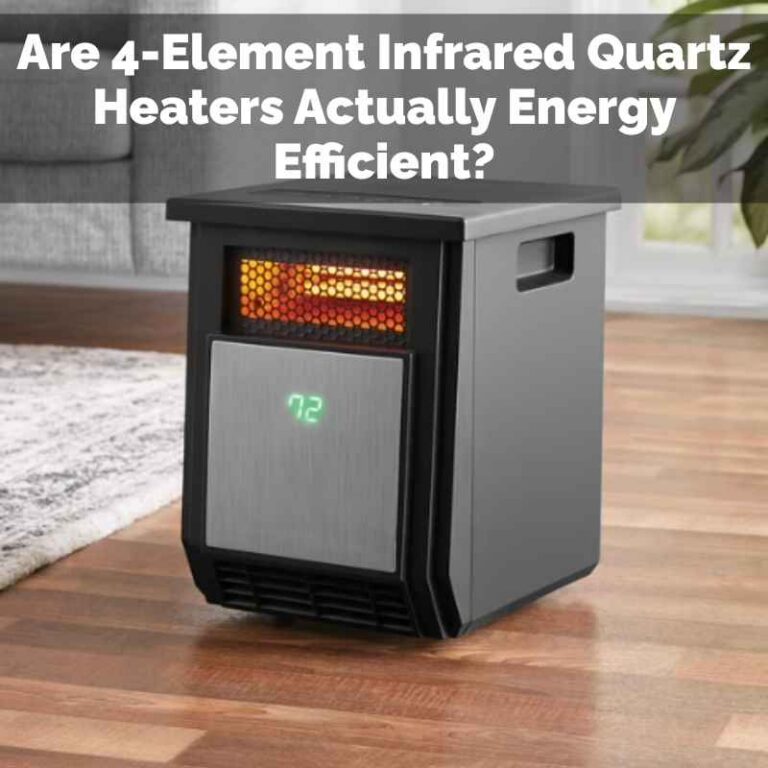
An infrared quartz heater is a specific type of infrared heater. The key difference is the quartz tube. This tube surrounds the heating element.
The heating element itself is still what produces the infrared radiation. But the quartz tube plays an important role.
Quartz glass is a good conductor of heat. It also lets infrared radiation pass through easily. The tube helps protect the heating element.
It also helps to focus and direct the heat. This can make the heat feel more intense and immediate.
The heating element inside the quartz tube is often a resistance wire. This wire heats up very quickly. As it gets hot, it glows red.
This glow is a sign of the infrared energy being produced. The quartz tube contains this glowing element.
These heaters are known for their quick heat-up time. Because the element is directly exposed (within the tube), the heat transfer is very fast. You’ll feel warm almost instantly.
This is a big selling point for many users.
The quartz tube can also get quite hot. This means the heater surface itself can be very warm to the touch. Safety features are important.
Many models have guards or sturdy casings to prevent accidental contact. But it’s something to be mindful of, especially in homes with kids or pets.
The light emitted by the glowing element can be visible. It’s often a soft orange or red. Some people like this visual cue that the heater is working.
It adds to the cozy feeling. Others might find it too bright in certain settings.
Quartz heaters are popular for personal comfort. They are often used in smaller spaces or for direct, targeted warmth. Think about sitting at a desk on a cold morning.
A small quartz heater can make a big difference.
How They Work: The Science Behind the Warmth
Both types of heaters rely on infrared radiation. This is energy. It travels in waves.
These waves are a part of the electromagnetic spectrum. They are invisible to our eyes. But our skin can feel them as heat.
When infrared waves hit an object, they are absorbed. This absorption makes the object’s molecules vibrate faster. More vibration means more heat.
This is why your skin feels warm when the sun shines on it. The sunlight is infrared radiation.
An infrared heater has a heating element. This element is made of a material that resists electricity. When electricity flows through it, the resistance causes it to get very hot.
This hot element then gives off infrared waves.
In a standard infrared heater, the element might be exposed or behind a simple grille. The waves travel directly into the room. They hit walls, furniture, and you.
They warm these things up. The air is warmed indirectly as these surfaces radiate heat back.
In an infrared quartz heater, the heating element is inside a quartz tube. Quartz is a type of glass. It’s special because it’s very clear.
It lets the infrared waves pass through easily. It also withstands high temperatures well.
The quartz tube helps to contain the heat. It can also help to shape the heat output. The element inside gets very hot, often glowing red.
This intense heat is then radiated outward through the quartz. This can make the heat feel more concentrated.
The wavelength of the infrared radiation is important. Different wavelengths penetrate different materials. Shorter wavelengths can penetrate deeper.
This can lead to a more immediate and intense feeling of warmth. Longer wavelengths heat the surface more. The quartz tube can influence how the waves are emitted.
Think of it like a flashlight beam. A regular flashlight spreads light widely. A focused beam directs it to one spot.
Similarly, the design of the heater, including the quartz tube, can affect the direction and intensity of the infrared rays.
Both types are efficient at converting electricity to heat. They don’t waste much energy heating the air. This makes them a good choice for energy savings when used properly.
The primary difference lies in the delivery and intensity of that heat.
Quick Scan: Infrared vs. Infrared Quartz
Infrared Heater (General):
- Uses a heating element to emit infrared radiation.
- Warms objects and people directly.
- Heat feels steady and spread out.
- Can be used for general room heating or spot heating.
- Element may be exposed or behind a protective grille.
Infrared Quartz Heater:
- Uses a heating element inside a quartz tube.
- Quartz tube protects the element and helps focus heat.
- Element often glows red, emitting visible light.
- Heat feels more intense and immediate.
- Excellent for quick personal warming.
Pros and Cons: Weighing Your Options
Every type of heater has its good and bad points. Understanding these helps you pick the best one for your needs. Let’s look at infrared and infrared quartz heaters.
Infrared Heaters (General)
Pros:
- Energy Efficient: They heat objects directly. This means less energy is wasted heating air that escapes.
- Fast Heat: You feel the warmth almost instantly.
- Quiet Operation: Most models are very quiet. There are no fans blowing air.
- No Drying Air: They don’t remove moisture from the air like some heaters.
- Good for Spot Heating: You can aim the warmth where you need it.
Cons:
- Limited Air Circulation: They don’t heat the air, so stagnant air can feel cool.
- Surface Dependent: Heat may feel less intense on surfaces that absorb a lot of light.
- Initial Cost: Some higher-end models can be pricey.
- Placement Matters: Needs to be positioned correctly to be most effective.
Infrared Quartz Heaters
Pros:
- Very Fast Heat: The quartz tube and glowing element provide instant warmth.
- Intense Heat: The focused infrared rays feel very direct and powerful.
- Compact Size: Many quartz heaters are small and portable.
- Visible Glow: Some people like the visual of the glowing element.
Cons:
- Surface Heat: The quartz tube can get very hot. This is a safety concern.
- Visible Light: The bright glow might be disruptive in dark rooms.
- Limited Range: The intense heat is best for close proximity.
- Element Lifespan: The glowing element may have a shorter lifespan than some other types.
- Can Dry Air Slightly: While not a convection heater, the intense heat can sometimes feel like it dries the air.
It’s worth noting that quality varies greatly within both categories. A well-made general infrared heater might perform better than a cheap quartz model. Always check reviews and specifications.
When to Use Which: Real-World Scenarios
The best heater for you depends on your situation. Let’s walk through some common scenarios.
Scenario Spotlight: The Drafty Workshop
Problem: You spend weekends in your garage workshop. It’s often cold and drafty, even with the door shut. You need to stay warm while working on projects.
Best Choice: A robust infrared heater with a wide heat projection. You can aim it at your workbench. It will warm you directly.
It won’t waste energy trying to heat the whole large space. You can turn it on when you start working and feel comfortable right away.
Why not quartz? While a quartz heater would provide immediate warmth, its intense, focused beam might be too narrow for a large workshop. You’d constantly be repositioning it. Also, the higher surface temperature of a quartz heater might be a bigger risk in a space with tools and materials.
Imagine you’re working from home. Your office is a little chilly. You don’t want to turn up the main thermostat for the whole house.
You just want to feel cozy at your desk.
In this case, a compact infrared quartz heater could be perfect. You can place it under your desk. It will send gentle waves of warmth right to your legs and body.
The heat is instant. You can feel comfortable without running up a big energy bill for the entire house. The visible glow might even add a nice ambiance to your workspace.
What about a sunroom or a screened porch? You want to extend its use into cooler months. The space might not be fully insulated.
You want warmth but also good air circulation. Here, a larger infrared panel heater might be ideal. It can be mounted on the wall.
It will radiate warmth across the room. It won’t feel like you’re sitting in a blast of hot air.
Think about a bathroom. You want to warm up quickly after a shower. You don’t want to heat the whole bathroom for an hour.
A small, wall-mounted infrared heater could be a good choice. It provides quick, direct heat. Many are designed for bathroom use and have safety features.
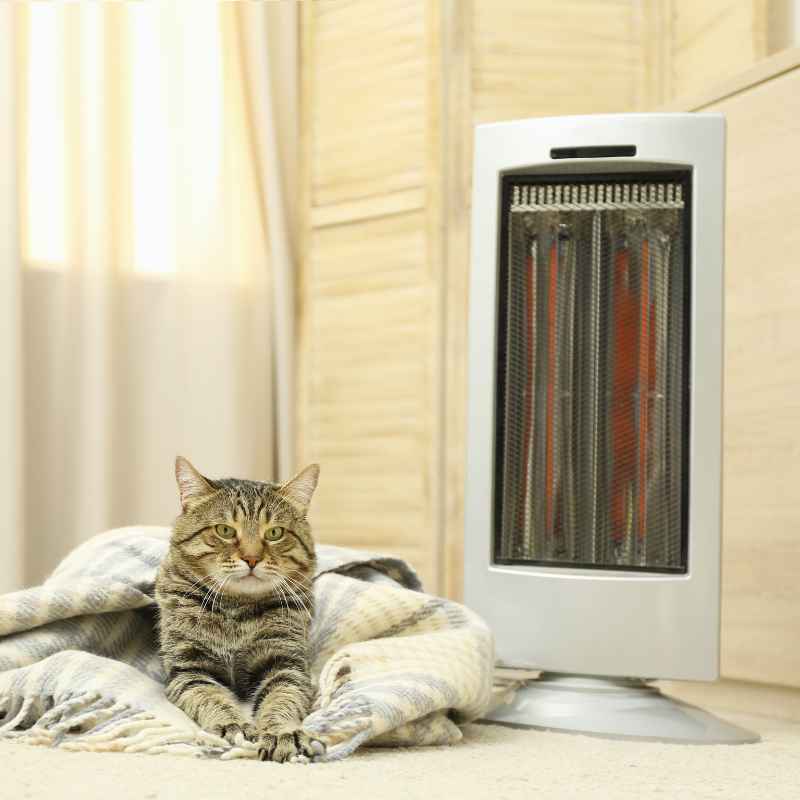
What if you have a pet that always seems cold? You want to give them a warm spot to relax. An infrared heater can create a cozy zone for them.
You need to make sure the heater is placed safely away from them. And that they can move away if they get too warm.
Consider an entryway or a mudroom. People are coming in and out. You want to feel warm as soon as you step inside.
An infrared heater near the door can provide that immediate comfort. It’s more effective than trying to heat the air that’s constantly being replaced.
The key is to match the heater’s strength and how it distributes heat to the space and your activity. For rapid, personal comfort, quartz often wins. For broader, gentler warmth, or in spaces with more air movement, general infrared is often better.
Key Features to Look For
When you’re shopping for either type, some features stand out. These can make a big difference in safety, convenience, and performance.
Feature Focus: Safety First
For Infrared Heaters:
- Tip-Over Switch: Automatically turns the heater off if it’s knocked over. This is crucial.
- Overheat Protection: Shuts the unit down if it gets too hot.
- Cool-Touch Housing: The outer casing stays relatively cool. Good for busy homes.
- Sturdy Base: Prevents accidental tipping.
For Infrared Quartz Heaters:
- Protective Grille/Guard: A strong metal mesh to keep fingers or paws away from the hot quartz tube.
- Cool-Touch Exterior: Even with a hot core, the outside should be safe.
- Tip-Over Switch: Still very important for these models.
- Stable Design: A wide base is essential as these can be top-heavy.
Thermostat Control: This lets you set a desired temperature. The heater will cycle on and off to maintain it. This is great for consistent comfort and energy savings.
Adjustable Heat Settings: Having multiple power levels allows you to fine-tune the warmth. You can use a lower setting for mild days and a higher one when it’s very cold.
Timer Function: A timer is useful. You can set the heater to turn on before you get home. Or to turn off automatically after you fall asleep.
This adds convenience and safety.
Remote Control: Some models come with a remote. This lets you adjust settings without getting up. It’s a nice luxury.
Portability: If you plan to move the heater, look for wheels or a lightweight design. Some models are meant to stay put. Others are designed for easy transport.
Cord Length: Make sure the power cord is long enough. You don’t want to be stuck using an extension cord. It’s often safer to plug heaters directly into the wall.
Wattage: This tells you how much power the heater uses. Higher wattage generally means more heat output. But it also means higher energy consumption.
Match the wattage to the size of the room you need to heat.
Material Quality: Look for heaters made with durable materials. Metal casings tend to last longer than plastic ones. The heating element should be robust.
For quartz heaters, ensure the quartz tube is thick and well-made.
When comparing, always think about how you’ll use the heater. This will guide you to the features that matter most.
Maintaining Your Heater for Longevity
Just like any appliance, keeping your heater clean and well-maintained helps it last longer. It also keeps it working efficiently and safely. This applies to both infrared and infrared quartz heaters.
Regular Cleaning: Dust and debris can build up. This can block airflow (if any) or affect the heating element. For most infrared heaters, a simple dusting is enough.
Unplug the heater first.
For quartz heaters, be extra careful. The quartz tube needs to be clean. Fingerprints or smudges on the tube can cause hot spots.
This might even crack the quartz. Use a soft cloth. If you need a cleaner, use one specifically made for glass.
Ensure it’s completely dry before plugging in.
Check for Damage: Before each use, give your heater a quick inspection. Look for any frayed cords. Check for cracks in the casing or the quartz tube.
Make sure the grilles are intact. If you see any damage, stop using the heater immediately. Contact the manufacturer or a qualified repair person.
Proper Storage: When you’re not using your heater, store it in a safe, dry place. Avoid damp basements or garages where moisture can cause damage. Keep it away from flammable materials.
Wrap the cord neatly. Some heaters come with storage bags or boxes.
Avoid Overuse: While these heaters are designed to work hard, don’t push them beyond their limits. If a heater seems to be struggling or making strange noises, give it a break. Using it for longer periods than recommended could shorten its lifespan.
Read the Manual: This sounds obvious, but many people skip it. Your heater’s manual has specific care instructions. It will tell you what cleaners to use, how often to clean it, and any warnings specific to that model.
Professional Check-ups: For larger or more expensive units, consider an annual check-up by a professional. They can spot issues you might miss. This is especially true for electric heaters used frequently.
Taking these simple steps can ensure your heater provides reliable warmth for many seasons. It’s a small effort for a long-lasting benefit.
What This Means for You: Making the Right Choice
Deciding between an infrared and an infrared quartz heater comes down to your personal needs and priorities. It’s not about one being definitively “better” than the other. It’s about which one fits your lifestyle and heating goals.
If you need to quickly warm up a specific spot, like your feet under a desk, or your seating area in a larger, cooler room, an infrared quartz heater is often a great choice. Its intense, immediate heat is perfect for personal comfort. Just be mindful of the surface temperature and the visible light.
Make sure it’s placed safely.
If you’re looking for gentler, more widespread warmth, or if you need to heat a larger zone, a general infrared heater might be more suitable. These are excellent for keeping a whole area comfortable without making the air feel dry. They offer a more consistent, less intense heat output that can be pleasant for longer periods.
Consider the space you’re heating. Is it a small office, a large living room, a workshop, or a bathroom? Is it well-insulated or drafty?
The answers to these questions will guide your decision.
Also, think about who uses the space. If you have young children or pets, safety features become paramount. A heater with a cool-touch exterior and a robust tip-over switch might be more appropriate.
Even with quartz heaters, ensure they have excellent safety guards.
Don’t forget about your personal preference for heat. Do you like to feel the warmth hit you instantly and strongly? Or do you prefer a more subtle, ambient warmth that builds over time?
Ultimately, both types of heaters offer an efficient way to generate heat. They are both good alternatives to traditional convection heaters when used correctly. By understanding their differences and how they work, you can confidently select the one that will bring you the most comfort and satisfaction.
Quick Fixes & Tips for Better Heating
Here are a few simple things you can do to get the most out of your infrared or infrared quartz heater, and any heating system really:
- Seal Drafts: Check windows and doors for leaks. Use weatherstripping or caulk. This stops warm air from escaping and cold air from coming in. It makes any heater work better.
- Use Curtains or Blinds: Close them at night to keep heat inside. Open them on sunny days to let natural warmth in.
- Combine with Other Heat: Sometimes, using your infrared heater for spot heating is best. You can then use your central heating at a lower setting. This saves energy.
- Proper Placement: For infrared, aim it at the people or objects you want to warm. For quartz, keep it close but safe. Avoid placing heaters near curtains or furniture that could overheat.
- Thermostat Use: If your heater has a thermostat, use it! Set it to a comfortable but not excessively warm temperature. This prevents overheating and saves energy.
- Regular Maintenance: Keep your heater clean. Dust can reduce efficiency. Check cords for wear. Safety first!
- Understand Room Size: Make sure your heater’s wattage is suitable for the room. A heater that’s too small will struggle. One that’s too big might overheat the space quickly.
Frequently Asked Questions
Are infrared and infrared quartz heaters safe?
Yes, when used properly and according to the manufacturer’s instructions, both types of heaters are safe. Always ensure they have safety features like tip-over switches and overheat protection. For quartz heaters, be mindful of the hot quartz tube and use protective grilles.
Never leave any heater unattended, especially around children or pets.
Which type is more energy efficient?
Both types of infrared heaters are generally very energy efficient because they heat objects directly, rather than wasting energy heating the air. The efficiency often comes down to the specific model and how you use it. Both convert most of the electricity they use into heat.
Can I use an infrared heater to heat a whole room?
General infrared heaters can help warm a room, especially if it’s a smaller, well-insulated space. For larger rooms or very cold conditions, you might need a higher wattage unit or supplemental heating. Infrared quartz heaters are best for personal, targeted warmth due to their intense, localized heat.
Do infrared heaters dry out the air?
Unlike convection heaters that heat and circulate air, which can lead to dry air, infrared heaters do not typically dry out the air significantly. They warm objects. However, some users report that the intense heat from quartz models can feel like it dries the air slightly.
What is the lifespan of an infrared quartz heater element?
The lifespan can vary depending on the quality of the heater and how often it’s used. The glowing element inside a quartz heater can sometimes have a shorter lifespan than the heating elements in other types of infrared heaters. However, many are designed to last for several years with normal use.
Should I choose a heater with a thermostat?
A thermostat is a valuable feature. It allows you to set a specific temperature. The heater will then cycle on and off to maintain that temperature.
This provides consistent comfort and can help save energy compared to a heater that runs continuously.
Wrapping Up Our Heat Talk
We’ve looked closely at infrared and infrared quartz heaters. They both offer fantastic, efficient warmth by using radiant energy. Understanding their specific designs helps you pick the right one for your comfort.
You now know how they work and what makes them different. Choose wisely and stay warm!
Sponsored / affiliate links. As an Amazon Associate I earn from qualifying purchases. I may earn additional commission from eligible campaigns.