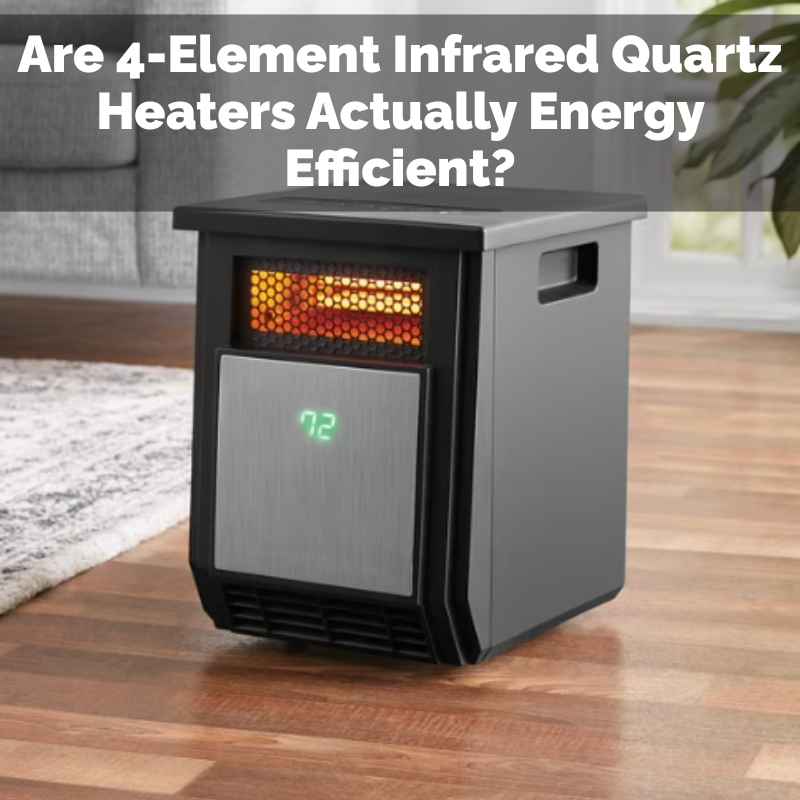
Are 4-Element Infrared Quartz Heaters Actually Energy Efficient?
Infrared quartz heaters with multiple elements can provide targeted warmth efficiently by heating objects directly. Their energy efficiency depends on usage, home insulation, and comparison to other heating methods. They are often best for supplemental or spot heating.
Understanding Infrared Quartz Heaters
What makes these heaters tick? Infrared quartz heaters are a bit different from your typical furnace. They don’t heat the air directly.
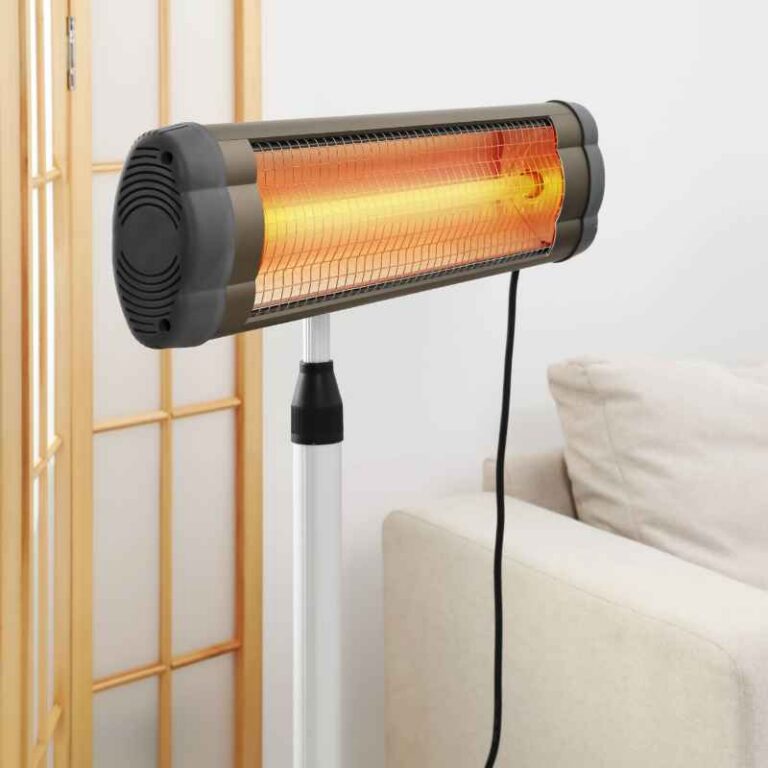
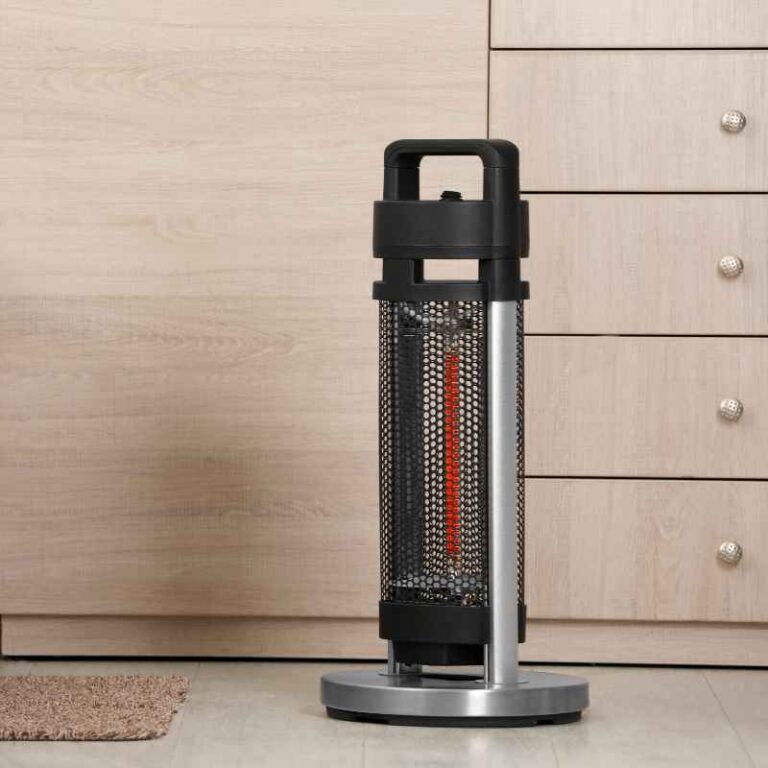
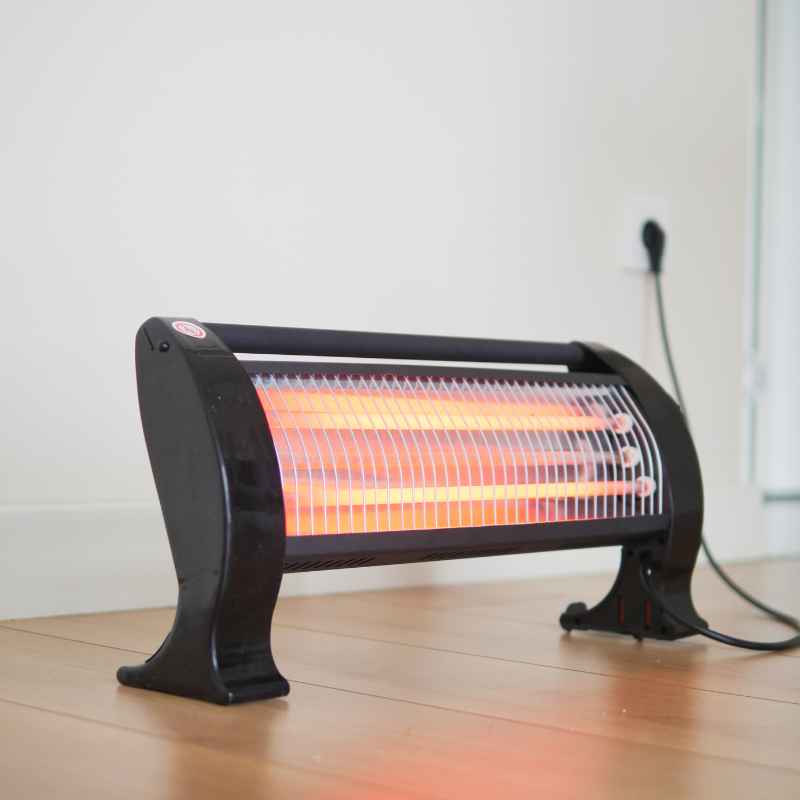
Instead, they use quartz tubes. These tubes glow red-hot. They then send out infrared heat waves.
Think of the sun on your skin. It warms you directly, not the air around you first. That’s similar to how these heaters work.
They warm surfaces and people in their path.
The “four-element” part means there are four of these quartz tubes inside. More tubes often mean more heat output. This can warm a larger space or warm things up faster.
The infrared waves travel in straight lines. They bounce off surfaces like walls and furniture. These warmed surfaces then give off a softer heat.
This is called radiant heat. It feels different from forced air heat. Many people find it more pleasant.
This direct heating method has a big impact. It means less heat is wasted trying to warm empty air. If you’re in the room, you feel warm quickly.
If you leave the room, the heater isn’t wasting energy heating an empty space. This sounds promising for efficiency. But there are other factors to consider.
We need to look at how they perform in real homes.
My Experience with a Multi-Element Heater
I remember one particularly chilly November. My living room always seemed to have a cold spot near the big window. The main heating system just couldn’t keep up.
I decided to try a four-element infrared heater. It arrived in a nice box. It looked pretty modern.
I plugged it in and turned it on.
Wow. Within minutes, I could feel a warmth radiating towards me. It was like sitting by a campfire.
The cold spot near the window felt much better. I didn’t have to crank up the thermostat for the whole house. This felt like a win!
I could read my book and feel truly comfortable. It was a simple joy.
However, the novelty wore off slightly. I noticed that if I moved away from the heater, the warmth faded fast. The air in the room didn’t get much warmer overall.
My dog, who loved to nap in a sunbeam, now loved to nap in front of the heater. But if he moved even a few feet, he’d look a little chilly. It was great for direct, personal warmth.
But it wasn’t a whole-house solution.
How Infrared Heat Works: The Science
Infrared waves are a type of electromagnetic radiation. They are invisible to the human eye. When these waves hit an object, they cause its molecules to vibrate.
This vibration creates heat. Unlike convection heaters that warm the air, infrared heaters warm objects and people directly. This is why you feel warm almost instantly.
It’s like standing in sunlight on a cool day.
Energy Efficiency: What Does It Really Mean?
When we talk about energy efficiency, we usually mean how much useful work you get for the energy you put in. For a heater, the useful work is making heat. All electric resistance heaters are technically 100% efficient at converting electricity into heat.
This sounds great, right? But that’s only part of the story. The real question is how well that heat meets your needs.
And how much energy you use to do it.
A 1500-watt heater, no matter the type, uses 1500 watts of power. It converts all that power into heat. So, a four-element infrared heater that uses 1500 watts uses the same amount of electricity as a 1500-watt ceramic heater or a 1500-watt oil-filled radiator.
The difference is in how that heat is delivered and perceived. This is key to its perceived efficiency.
Infrared heaters deliver heat directly to you. This means you can feel warm at a lower thermostat setting for the whole house. Or you can feel warm in a specific spot.
This targeted heating is where the savings come in. If you only need to warm yourself and your immediate area, you use less energy than heating an entire room or house. This is the core of their energy-saving potential.
Infrared vs. Convection: A Quick Look
Infrared Heaters: Heat objects and people directly. Feel warm instantly. Great for spot heating.
Less effective at warming an entire room evenly.
Convection Heaters: Heat the air. Warm air rises. They heat the whole room.
Can take longer to feel warm. Can be less efficient if rooms are poorly insulated.
Real-World Scenarios: When They Shine
These heaters are not designed to replace your central heating system. That’s a common misunderstanding. If your furnace breaks in the dead of winter, an infrared heater won’t save your entire house.
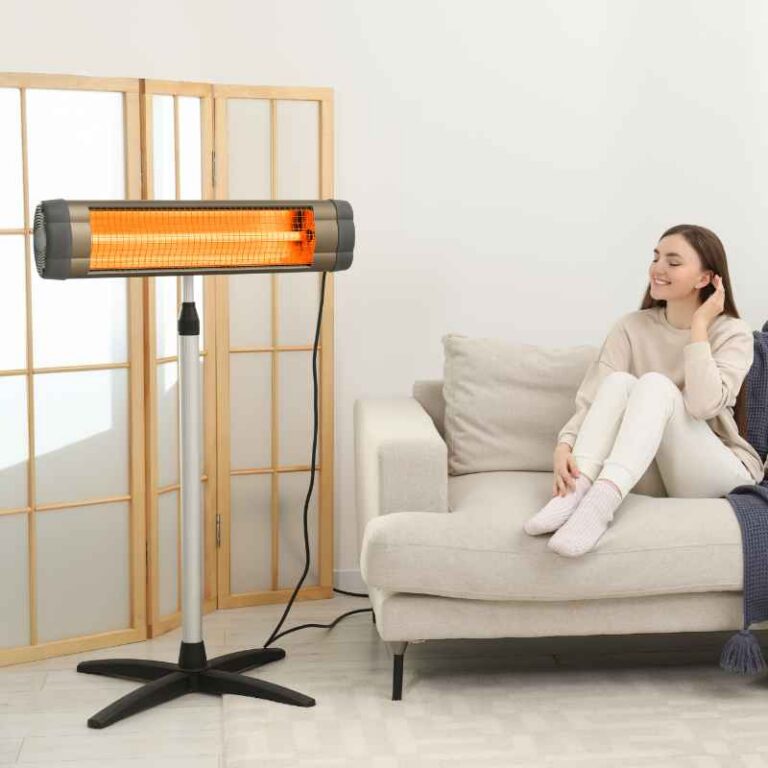
But they excel in specific situations. Think about a home office where you spend most of your day. You can place one near your desk.
This keeps you toasty while the rest of the house stays cooler.
Another great use is in drafty rooms. You know, the ones that never seem to get warm enough. Instead of turning up the main thermostat, you can use an infrared heater to supplement.
This can save energy. You’re adding heat only where it’s needed most. It’s like having a personal sunshine spot in the room.
Basements and garages are also good candidates. These areas are often colder. They might not have good insulation.
An infrared heater can make them more usable. You can warm up a specific workbench area. Or make a corner of the basement cozy for a hobby.
You’re not trying to heat the whole large, often uninsulated space. You’re just heating the area you’re using.
Usage Habits and Efficiency
Short bursts of heat: Use them when you first enter a cold room to feel warm quickly. Then turn them off or down.
Targeted zone heating: Place them near where you’ll be sitting or working. Aim the heat directly at you.
Supplemental heat: Use them to boost comfort in one area instead of raising the whole-house thermostat.
Avoid for whole-house heating: They are not designed to replace a central heating system for large or poorly insulated homes.
What This Means for Your Energy Bill
So, can these heaters actually save you money? Yes, but with a big caveat. They save money when used correctly.
If you use a 1500-watt infrared heater for four hours a day to keep your workspace comfortable, and this allows you to turn down your central heating by 5 degrees Fahrenheit, you will likely see savings. The savings come from reducing your overall energy consumption.
However, if you plug in a four-element heater and let it run all day in a large, uninsulated room, thinking it will heat the whole space, you will rack up a high electricity bill. This is because it’s still using a lot of electricity. The energy isn’t being wasted in the same way as heating air that escapes, but it’s still a significant draw.
The key is smart usage. Think of it as a personal blanket of warmth. You’re not trying to heat the whole house.
You’re creating a cozy bubble just for yourself. This targeted approach is where the energy efficiency truly lies. It’s about using less energy to achieve your comfort goals.
This is a much more sustainable approach to heating.
Energy Cost Comparison (Estimates)
Cost per hour for a 1500W heater: (1.5 kW * your local electricity rate per kWh)
If your electricity rate is $0.15/kWh: 1.5 * $0.15 = $0.225 per hour.
Running this heater for 8 hours a day would cost about $1.80 per day. This is why targeted use is important.
When to Be Concerned About Energy Use
You might be using too much energy with your infrared heater if you’re treating it like a main heat source. Are you trying to warm up a large, open-plan living area? Are you running it all day in a room with poor insulation?
If so, you’re likely not seeing the efficiency benefits. You might even be spending more than you would with a more conventional approach.
Another sign is if the heater runs constantly. If it never seems to cycle off, it means it’s struggling to maintain the temperature. This is often a sign that the heater is too small for the space, or the space is too hard to heat.
Or, you’re expecting it to do a job it wasn’t designed for.
Always check the heater’s wattage. Most powerful infrared heaters are around 1500 watts. This is a good amount of power.
But it’s not enough to heat a whole house in most climates. Knowing the limitations is key. Don’t blame the heater for using electricity if you’re asking it to do too much.
Quick Checks for Efficiency
Is the room insulated? Poor insulation makes any heater work harder.
Is the heater the right size? For spot heating, they are great. For whole rooms, consider other options.
Are you in the heat’s path? If you aren’t feeling the warmth, it’s not working for you.
Does it cycle off? If it runs non-stop, it’s not efficient for that space.
Tips for Maximizing Infrared Heater Efficiency
Want to get the most bang for your buck with your infrared heater? It’s all about smart strategies. First, insulate your space as much as possible.
Seal up drafts around windows and doors. This helps keep the heat where you want it. It makes the heater’s job much easier.
Second, use a thermostat. Many infrared heaters have them built-in. Set it to a comfortable temperature.
Then let the heater cycle on and off. This prevents it from running constantly. It ensures you’re only using energy when you need it.
This is crucial for saving money.
Third, placement is everything. Position the heater so the infrared waves are directed at you. Don’t put it in a corner where the heat will just hit a wall.
Think about where you’ll be spending your time. Place the heater nearby. This ensures you feel the direct warmth.
Finally, understand its role. These heaters are best for supplemental or spot heating. They are not a primary whole-house solution.
Use them to take the chill off a specific area. This is the most efficient way to use them. It allows you to stay comfortable without heating an entire house unnecessarily.
Smart Usage Checklist
Keep doors and windows closed in the heated area.
Use the built-in thermostat to control temperature and cycling.
Aim the heater directly at where you will be sitting or working.
Combine with other heat sources if needed, but use it to reduce reliance on central heat.
Turn it off when you leave the room for an extended period.
The Role of Home Insulation
Insulation is the silent hero of home heating. It acts like a cozy blanket for your house. Good insulation keeps the warm air in during winter.
It also keeps the cool air in during summer. Without it, heat escapes easily. This means your heating system, whatever type it is, has to work much harder.
And it uses more energy.
For infrared heaters, insulation is especially important. Because they heat surfaces, those surfaces need to hold onto the heat. If a room is poorly insulated, the warm surfaces will quickly lose their heat to the outside.
Then the infrared heater has to work overtime to reheat them. This negates any efficiency gains.
Think about a poorly insulated garage. You might point an infrared heater at your workbench. You feel warm there.
But the rest of the garage is still freezing. And the warmth near the workbench might not last long as heat escapes. Improving insulation, even just sealing air leaks, can make a big difference.
It helps your infrared heater work more effectively.
The U.S. Department of Energy (DOE) has great resources on insulation. They talk about R-values.
Higher R-values mean better insulation. Adding insulation to attics, walls, and crawl spaces can significantly reduce heating costs. It also makes your home more comfortable year-round.
It’s an investment that pays off.
Comparing Infrared to Other Heaters
How do four-element infrared heaters stack up against other popular options? Let’s take a look.
Ceramic Heaters: These use a fan to blow heated air. They heat a room more evenly but can dry out the air. They are good for quick spot heating but can be noisy.
Their efficiency is similar in terms of power usage. But they might heat a whole room faster if that’s your goal.
Oil-Filled Radiators: These slowly heat up and retain heat. They provide a gentle, consistent warmth. They are quiet and good for keeping a room warm over longer periods.
They are generally considered very safe. Their efficiency is good for maintaining warmth, but they take longer to heat up a cold space.
Convection Panel Heaters: These are slim electric heaters that heat air which then circulates. They offer a quieter way to heat a room than ceramic heaters. They provide more even heat than infrared for a whole room.
But they also rely on circulating air, which can be lost in poorly insulated spaces.
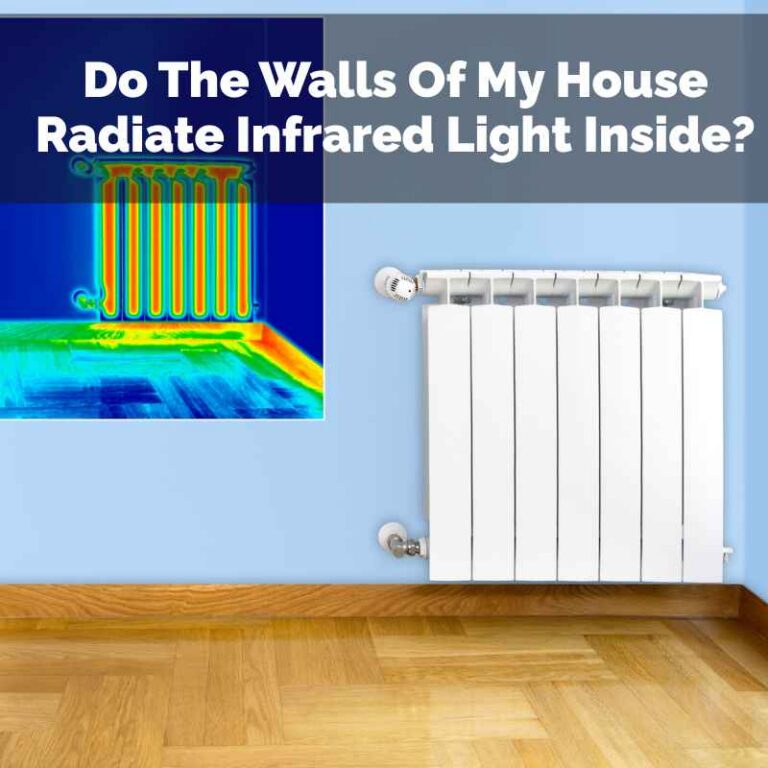
Central Heating Systems: These heat your entire home. They are the most powerful but can be the least efficient if not managed well. They heat the air and distribute it.
They are essential for very cold climates but can be overkill for just one person in one room.
In this comparison, infrared heaters excel at direct, rapid personal warmth. This makes them energy efficient for individual comfort in specific situations. They are not meant to replace the broad heating capabilities of central systems or even some convection heaters when whole-room heating is the primary goal.
Heat Delivery Comparison
Infrared: Direct, fast, object-focused.
Ceramic: Fan-forced, air-focused, quick room warming.
Oil-Filled Radiator: Gentle, consistent, air-focused, slow and steady.
Convection Panel: Silent air circulation, even room warming.
Understanding Wattage and Power Draw
The wattage of a heater tells you how much electricity it uses. A four-element infrared heater is usually at the higher end for portable electric heaters. This is often around 1500 watts.
This is the maximum power it can draw. It doesn’t mean it will always draw that much.
Many infrared heaters have multiple heat settings. They might also have a thermostat. This allows them to cycle on and off.
When the thermostat reaches the set temperature, the heater turns off. It will turn back on when the temperature drops. This is how they regulate the heat output and save energy.
For example, a 1500-watt heater might only run at half power (750 watts) if that’s enough to maintain the desired temperature. Or it might only run for short bursts. So, while the heater is capable of using 1500 watts, its actual energy consumption will vary based on its settings and the room’s needs.
Always check the heater’s specifications.
The number of elements can influence how quickly it heats up and its maximum output. More elements can mean a higher maximum wattage or a more even distribution of heat across the heating surface. But it’s the total wattage that determines the overall energy consumption.
When is “Efficient” Truly Efficient?
The term “energy efficient” is relative. For electric resistance heaters, it means converting most of the electricity into heat. But the practical efficiency for you is about how much heat you get for your money and comfort.
Infrared quartz heaters are efficient for their intended purpose.
Their purpose is to provide quick, direct warmth to a person or a small area. If you’re using it for this, and it allows you to keep your central heating lower, then yes, it’s energy efficient. It’s helping you save money by reducing your overall energy use.
You’re not heating unused space.
If you’re expecting it to replace your main furnace or heat a large, drafty room, then it will seem inefficient. It will use a lot of electricity and not provide the comfort you expect. It’s about matching the tool to the job.
When used as a supplemental or spot heater, a four-element infrared quartz heater can indeed be a very energy-efficient way to boost your comfort.
Potential Downsides to Consider
While infrared heaters offer benefits, they aren’t perfect. One downside is their effect on humidity. They don’t add moisture to the air.
In dry climates or dry winters, this can make the air feel even drier. You might need a separate humidifier.
Another point is the directness of the heat. While you feel warm instantly, the air temperature in the room might not rise much. If you have a fan blowing or a draft, the warmth can be quickly dispersed.
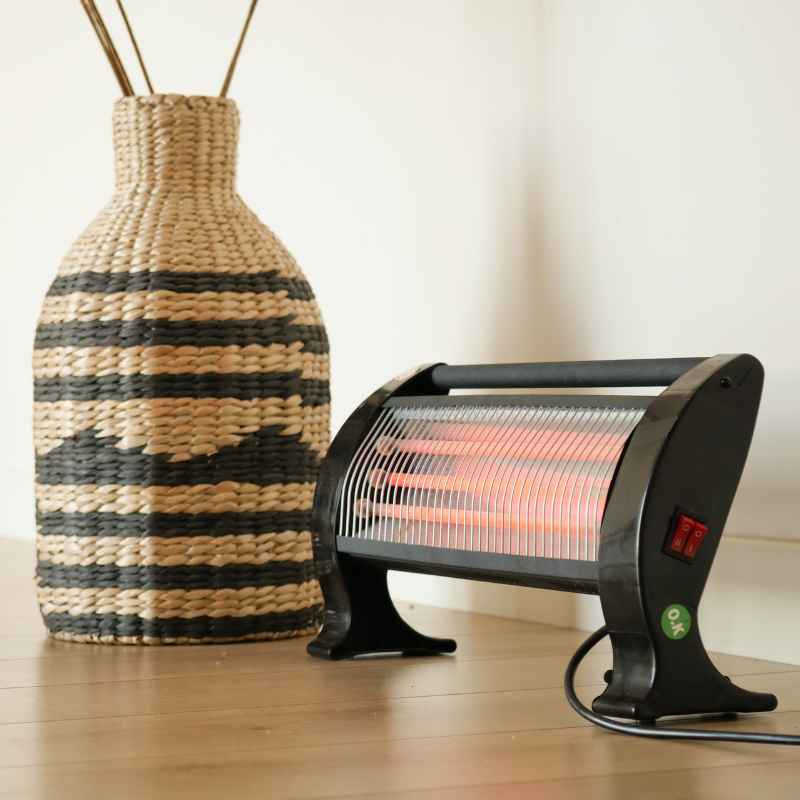
Also, the glowing quartz tubes can be a hazard for small children or pets if they get too close. Always check safety features.
They can also be less effective at warming larger spaces or an entire room evenly compared to convection or fan-forced heaters. If your goal is to raise the ambient temperature of a whole living room, an infrared heater might not be the best primary solution. It’s best for personal comfort zones.
Infrared Heater Myths vs. Reality
Myth: Infrared heaters heat the air instantly like a fan heater.
Reality: They heat objects and people directly, not the air.
Myth: They are the most energy-efficient heaters for any situation.
Reality: They are efficient for spot heating, but not for whole-house heating.
Myth: The heat is dangerous or harmful.
Reality: Infrared heat is natural and safe, like sunlight, when used properly. Be mindful of hot surfaces.
The Verdict: Are They Efficient?
So, to wrap it all up, are four-element infrared quartz heaters actually energy efficient? The answer is a nuanced yes. They are energy efficient when used correctly.
They excel at providing targeted, immediate warmth. This allows you to feel comfortable without necessarily heating your entire home. This focused heating can lead to significant energy savings.
Think of them as a tool in your heating arsenal. They are perfect for adding comfort to a home office, a chilly basement corner, or a drafty living room. They help you avoid turning up the central thermostat unnecessarily.
This smart usage is where their efficiency shines brightest. They offer a way to stay warm and save money. Just remember their strengths and limitations.
Frequently Asked Questions
Can a four-element infrared heater heat a whole room?
A four-element infrared heater can help warm a room, especially if it’s well-insulated and the goal is supplemental heat. However, it’s best for direct, personal warmth rather than evenly heating a large or poorly insulated space. For full room heating, other types of heaters might be more effective.
How many watts is a typical four-element infrared heater?
Most four-element infrared quartz heaters operate at a maximum of 1500 watts. This is a common power rating for powerful portable electric heaters. They often have multiple heat settings or a thermostat to control actual energy usage.
Is infrared heat safe for pets and children?
Infrared heat itself is safe, similar to sunlight. However, the heating elements can get very hot. It’s important to keep pets and young children from touching the heater’s surfaces.
Always follow the manufacturer’s safety guidelines and keep a safe distance.
How does an infrared heater compare to a space heater with a fan?
Infrared heaters warm objects and people directly with radiant heat, providing instant warmth. Space heaters with fans use convection to heat the air in a room, which can take longer but heat the whole room more evenly. Both use similar amounts of electricity for their wattage but deliver heat differently.
Will an infrared heater dry out the air?
Unlike fan-forced heaters that can circulate air and reduce humidity, infrared heaters primarily heat objects directly. They do not inherently add moisture or significantly dry out the air themselves. However, in very dry environments, the feeling of dryness might still be noticeable.
When is it better to use an infrared heater versus a central heating system?
It’s better to use an infrared heater when you only need to warm a small area or yourself, and you can turn down your central heating system. This uses less overall energy than heating your entire house. Central heating is better for maintaining a consistent temperature throughout the whole home, especially in very cold weather.
Final Thoughts on Efficiency
The pursuit of a warm home without a sky-high energy bill is totally understandable. Four-element infrared quartz heaters offer a clever way to add comfort. They do this by heating you directly.
This smart approach means they can be energy efficient. The key is using them for their strengths. They are perfect for personal warmth.
They help you avoid heating unused spaces. When matched with your needs, they can be a valuable tool for comfort and savings.
Sponsored / affiliate links. As an Amazon Associate I earn from qualifying purchases. I may earn additional commission from eligible campaigns.
 Portable Air Conditioners 14000 BTU, Energy Efficient AC with Remote Control & 24H Timer, Ultra Quiet Cooling Unit for Large Rooms Up to 750 Sq. Ft, Office, Bedroom, White
 Window Weather Sealing Tape, 2" x 35 Yards (105 FT) Ultra-Clear Insulation Tape - Residue-Free Weather Stripping for Windows, Doors & AC Units, Blocks Drafts, Waterproof & Windproof, All-Season