Are Infrared Heaters More Efficient Than Baseboard Heat?
Infrared heaters can be more energy efficient than traditional baseboard heaters, especially for targeted heating. They warm objects and people directly, rather than heating the air, which can lead to faster perceived warmth and less wasted energy in large or drafty spaces. However, overall efficiency depends on usage, home insulation, and climate.
Understanding How They Work
To know which is better, we need to see how each heater does its job. It’s like comparing how a flashlight works versus how a campfire works. One is direct and focused.
The other fills a whole area with warmth.
Infrared Heaters: The Sunshine Approach
Infrared heaters are a bit like the sun. They don’t heat the air around them first. Instead, they send out waves of heat.
These waves travel through the air. When they hit an object or a person, that object or person absorbs the heat. It feels warm right away.
You feel the warmth on your skin almost instantly. Think about standing in a sunny spot on a cool day. The sun feels warm, but the air around you might still be cool.
That’s infrared heat in action.
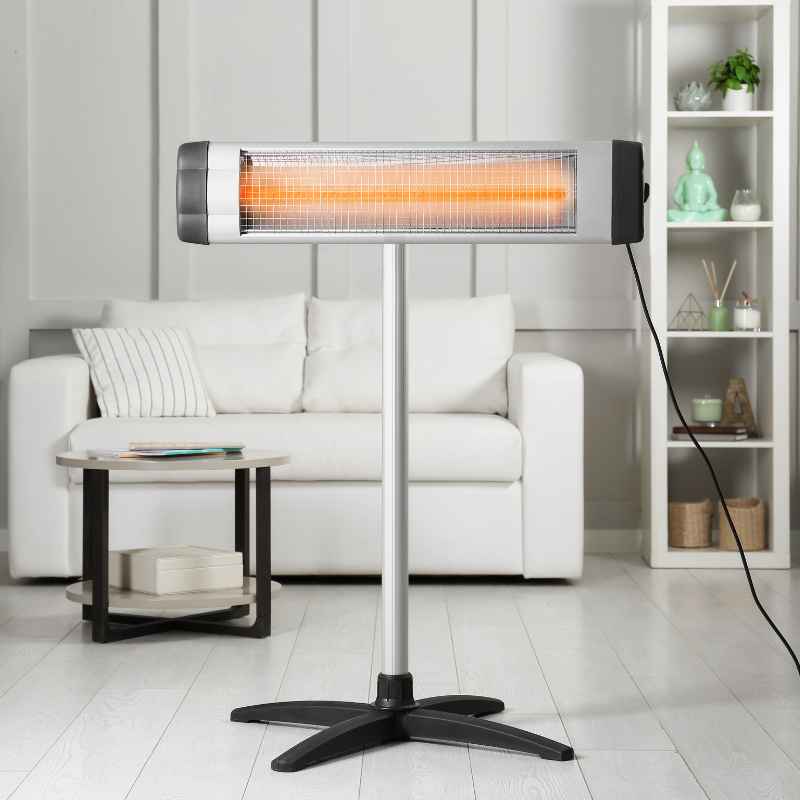
These heaters are great for specific spots. You can point them at a chair where you often sit. Then, that chair and you get warm.
This is called radiant heat. It’s very direct. It means less heat might be lost by warming up empty rooms or trying to fight drafts.
Many people find they feel warmer faster with an infrared heater.
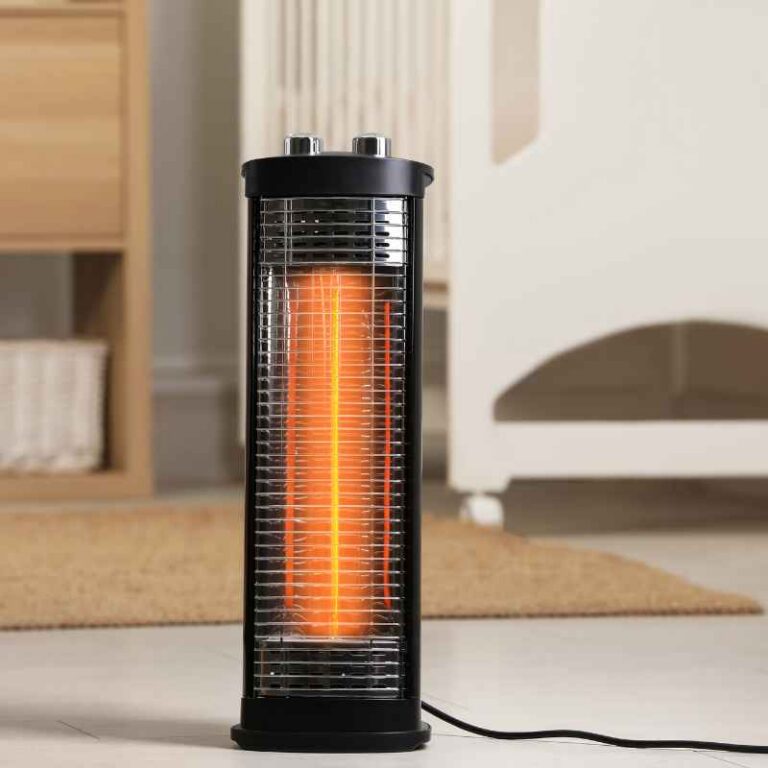
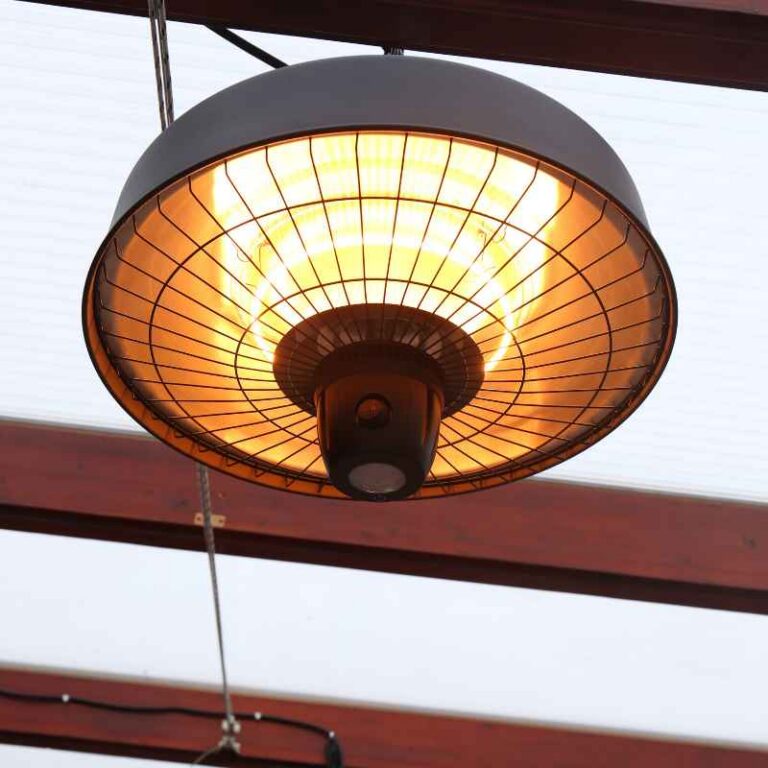
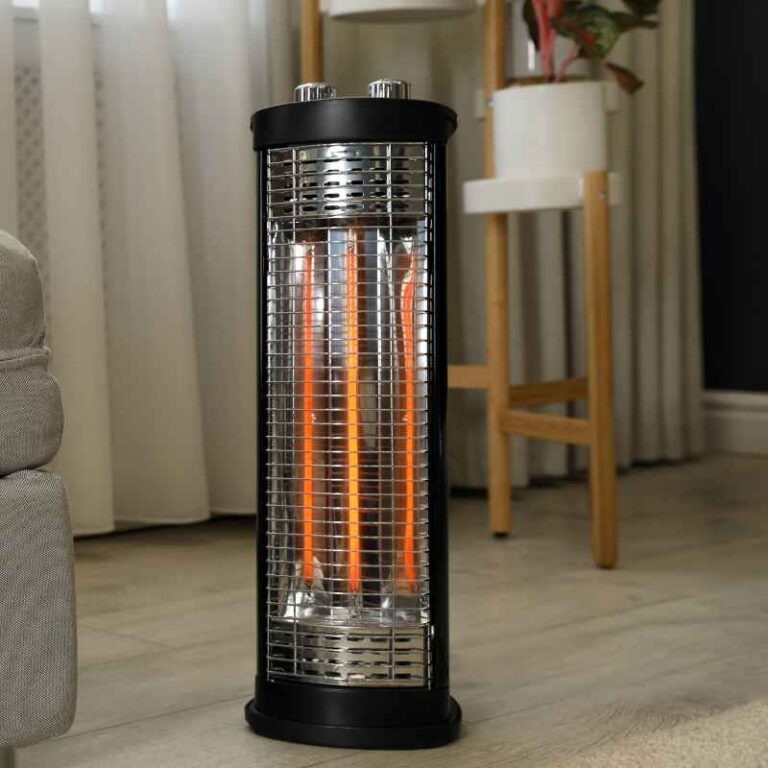
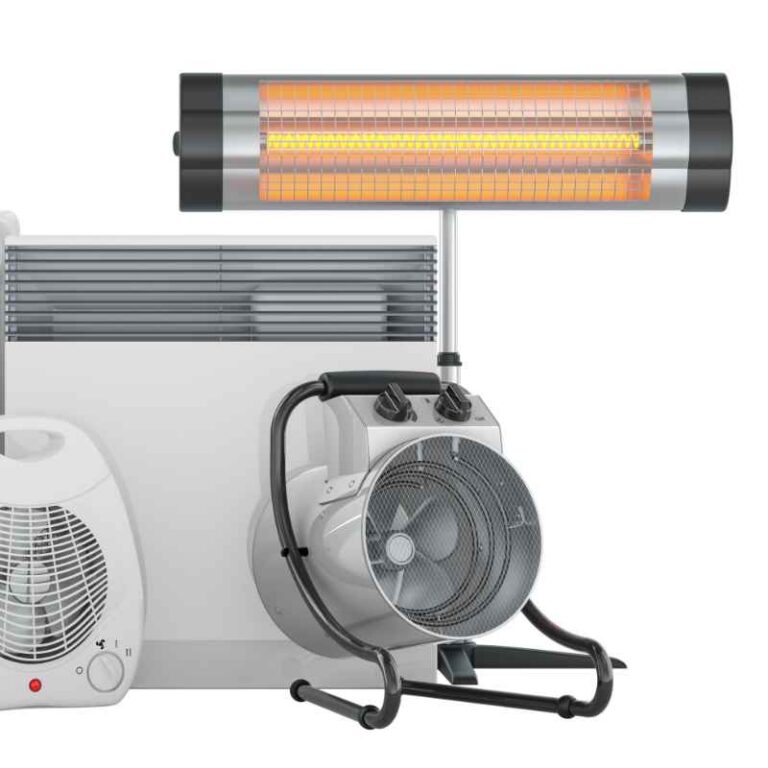
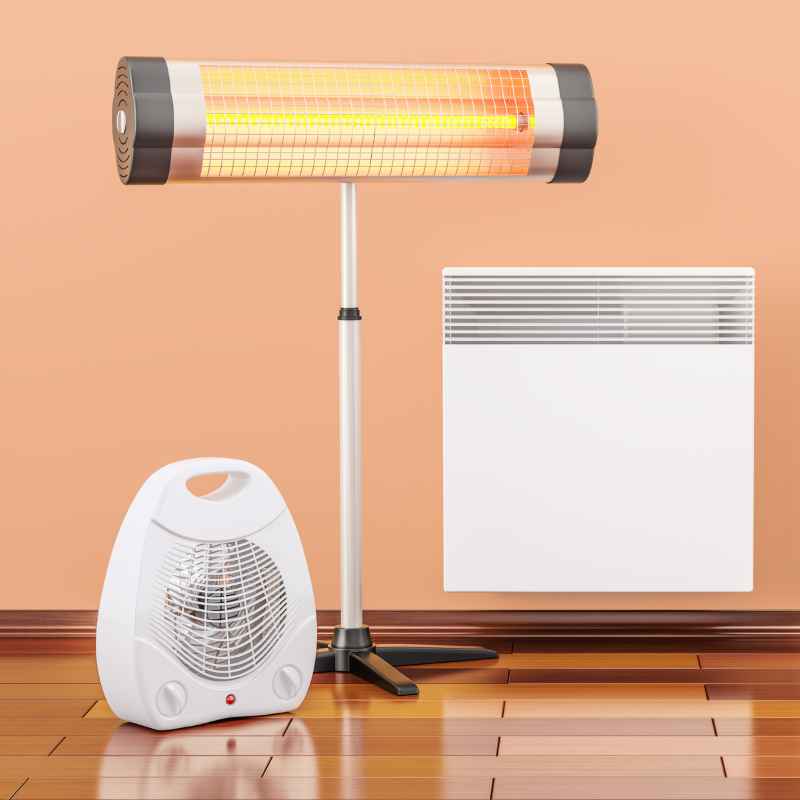
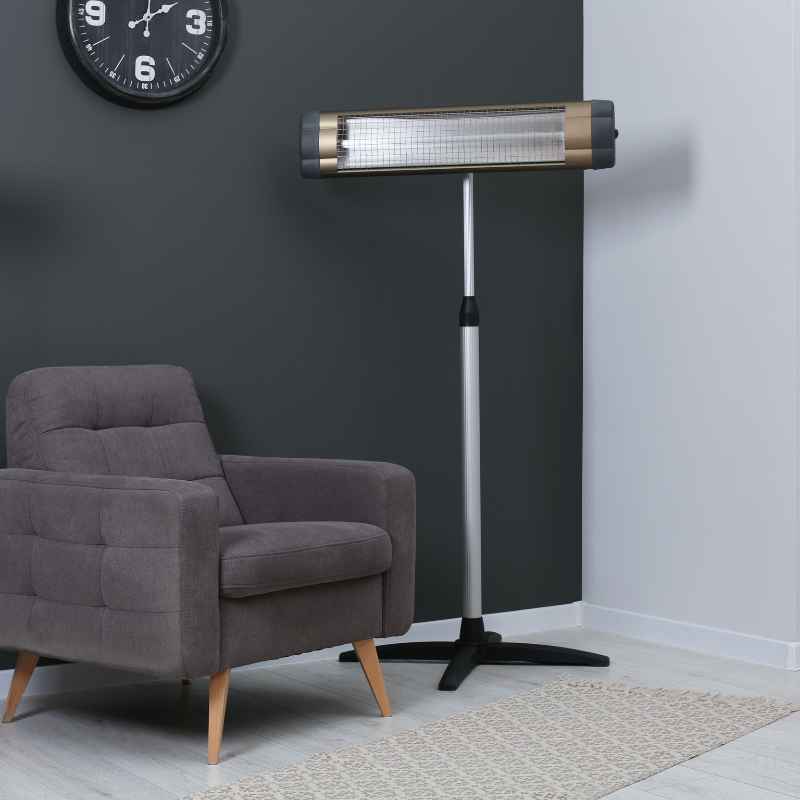
There are a few types of infrared heaters. Some are wall-mounted. Others are portable.
You can even get them built into the ceiling. They often use glowing elements or ceramic surfaces to create the heat waves. The key idea is that the heat goes straight to you.
It doesn’t rely on air movement much.
Baseboard Heaters: The Air Warmer
Baseboard heaters work differently. They are usually long units. They sit along the bottom of your walls.
Inside them, there’s a heating element. This element warms up. Then, it heats the air that passes over it.
This warm air rises. It starts to circulate through the room. Cooler air sinks down.
It gets pulled into the baseboard heater to be warmed. This process is called convection. It’s all about moving air.
This type of heating warms the entire room. It heats the air first. Then, the air transfers some of that warmth to the objects in the room.
It takes time for the whole room to feel warm. This is because the air has to be heated and then circulate. Sometimes, this can lead to warm spots and cool spots.
The air at the ceiling might be warmer than the air near the floor.
Baseboard heaters are a common choice. They are often installed in older homes. They can be electric or hydronic.
Hydronic ones use hot water that flows through pipes inside the baseboard. Electric ones have coils that heat up. Both rely on heating the air to warm the space.
Comparing Energy Use: The Efficiency Angle
This is where the big difference lies. Efficiency isn’t just about how much heat a unit makes. It’s about how well it uses the energy it gets.
And how much of that heat actually ends up keeping you comfortable.
Infrared Efficiency: Direct Heat Savings
Because infrared heaters warm objects and people directly, they can feel more efficient. Imagine you’re sitting in a large living room. You only want to warm the area where you are.
An infrared heater can do this. You can set it to warm just your seating area. The rest of the room can stay cooler.
This means the heater doesn’t have to work as hard. It doesn’t use as much electricity or fuel. You’re not wasting energy heating up empty space.
This direct heating is especially good in homes that aren’t super insulated. Drafty rooms or homes with high ceilings lose heat quickly. With baseboard heaters, that warm air just escapes.
But infrared waves don’t rely on air. They can often cut through a bit of draftiness. People often feel comfortable at lower thermostat settings with infrared.
This directly leads to lower energy bills.
Consider this: if you are only home for a few hours in the evening, you might not need to heat the whole house. An infrared heater can warm the room you are in quickly. Then, you can turn it off when you leave.
This spot heating approach is a key efficiency win. It’s like using a lamp to read instead of turning on all the lights in the house.
Baseboard Efficiency: The Air Circulation Trade-off
Baseboard heaters work by heating air. This means they have to heat all the air in a room to make it comfortable. In a well-insulated, tightly sealed home, this can be quite efficient.
The warm air stays inside. It circulates nicely. The whole room becomes evenly warm.
This is good for consistent comfort.
However, in many homes, especially older ones, there are leaks. Warm air can escape through windows and doors. Cracks in walls or floors let cold air in.
This means the baseboard heater has to constantly produce more heat to
Another factor is how quickly you need heat. If you come home on a cold day, it takes time for a baseboard system to warm up the air. The heater needs to run for a while before you feel the full effect.
This can mean longer run times. Longer run times mean more energy used.
Real-World Scenarios: Where Each Shines
Let’s look at some everyday situations. This helps see the practical side of things.
Scenario 1: The Cold Home Office
Problem: You work from home. Your office gets cold first. You don’t want to heat the whole house all day.
Infrared Solution: A small infrared panel heater in your office warms your desk area and you directly. You feel warm quickly. You don’t waste energy on unused rooms.
Baseboard Challenge: To warm your office, you’d have to turn up the whole house’s baseboard heat. This warms hallways and unused rooms too. Energy gets used for spaces you aren’t in.
Scenario 2: The Large, Open Living Room
Problem: Your living room is big. It has high ceilings or large windows. It’s hard to keep warm evenly.
Infrared Advantage: You can place infrared heaters to warm the main seating areas. People sitting on the couch feel the warmth. They don’t need to feel the chill from the far side of the room.
Baseboard Drawback: Baseboard heat might struggle to push warm air to all corners of a large room. You might have warm spots near the heaters and cool spots elsewhere. The air might stratify, with heat rising to the ceiling.
Scenario 3: The Quick Warm-Up Need
Problem: You come home on a freezing afternoon. You want to feel warm fast.
Infrared Benefit: An infrared heater starts sending out heat waves right away. You feel warmer in minutes. It provides comfort much quicker.
Baseboard Lag: Baseboard heaters need time to warm the air. It can take 30 minutes or more for a room to feel significantly warmer.
Cost Considerations: Upfront vs. Ongoing
When thinking about efficiency, we also must consider the cost. There’s the cost to buy the heater. And there’s the cost to run it over time.
Upfront Costs: Purchase and Installation
Infrared heaters come in many forms. Small portable ones can be quite affordable. They might cost $50 to $200.
Larger, wall-mounted or ceiling-mounted panels can cost $200 to $500 or more. Installation for these might require an electrician, adding to the cost.
Baseboard heaters are often installed as part of a home’s permanent wiring. The cost for electric baseboard heaters can range from $10 to $30 per linear foot. So, a 6-foot heater might cost $60 to $180.
Installation is usually done by an electrician. Hydronic baseboard systems are more complex and costly to install initially.
Often, the upfront cost for electric baseboard heat can be similar or even lower than some panel-style infrared units. However, the running costs are where the efficiency differences really show up.
Ongoing Costs: Energy Bills
This is the main area where infrared heating often wins. Because they are more efficient at delivering heat where and when you need it, infrared heaters can lead to lower energy bills. If you use an infrared heater to warm just one room instead of heating your whole house with baseboards, you’ll use less energy overall.
For example, if you use an infrared heater for 4 hours a day to warm your office, and it uses 1500 watts, that’s 6 kWh per day. If your electricity costs $0.15 per kWh, that’s $0.90 per day for that specific comfort.
If you were to run your central heating (which might include baseboards) to achieve the same level of comfort in that space, but also heated other areas, the total energy use could be much higher. Let’s say your central system uses 10,000 BTUs per hour, and you need it on for 8 hours to keep that room comfortable, plus heating other parts of the house. Converting that to electricity usage for comparison is complex, but the principle is clear: heating only what you need saves money.
Electricity is often more expensive per unit of heat delivered than natural gas. So, for electric baseboard heat, the running costs can add up quickly, especially in colder climates or poorly insulated homes.
Quick Scan: Cost Factors
- Upfront Cost: Varies widely for both. Portable infrared is cheap. Built-in baseboard can be cheaper than some panel infrared.
- Installation Cost: Both usually need an electrician.
- Running Cost: Infrared often lower due to targeted heating. Baseboard can be high if heating whole house or in drafty areas.
- Energy Price: Cost of electricity or gas is a big factor.
- Usage Habits: How much you use it and where makes a huge difference.
Factors Affecting Efficiency for Both
No heater is magical. Several things can make any heating system perform better or worse.
Home Insulation
This is a huge one. A well-insulated home keeps heat in. It doesn’t matter if you have infrared or baseboard.
Good insulation means less heat escapes. This makes any heating system more efficient. If your home has poor insulation, baseboard heaters will struggle.
They’ll constantly fight the cold air coming in. Infrared heaters will still lose some heat, but their direct heating can sometimes offset this a bit more effectively.
I remember visiting a friend’s older house. It had cranky old baseboard heaters. On a cold winter day, you could feel the cold air coming in from around the window frames.
The baseboards ran constantly, but it was still chilly. We later put a portable infrared heater in the living room. It made a noticeable difference in comfort for a fraction of the energy.
Climate
In a very cold climate, you need a robust heating system. If you have a whole-house heating system, its overall power is important. In milder climates, or for heating specific rooms, infrared can be a great choice.
For instance, in the Pacific Northwest where winters are damp and cool but not extreme, using infrared for spot heating in the evenings might be very effective. In a place like Minnesota, where winters are harsh, you might need a primary heating system that can handle extreme cold for the whole house. Infrared could then supplement that primary system.
Room Size and Usage
As we’ve said, infrared is excellent for smaller spaces or for heating just a zone within a larger space. If you have a large, open-concept living area and you only use one part of it regularly, infrared is likely more efficient than trying to heat the entire space with baseboards.
Conversely, if you have a small, well-sealed bedroom and you want the entire room to be a consistent temperature, baseboard heat can work very well and be quite efficient in that specific scenario.
Thermostat Placement and Settings
For baseboard heaters, the thermostat location is critical. If it’s near a heat source or in a sunny spot, it might turn off too early, leaving the rest of the room cold. For infrared, a thermostat can help manage energy use, but the direct heat means you might not need the thermostat set as high.
The “Feel” of the Heat: Comfort Levels
Efficiency is one thing, but comfort is another. How does the heat feel different?
Infrared: Direct, Soothing Warmth
The heat from an infrared heater feels very natural. It’s often described as soothing. It’s like the difference between being in a sauna and being in a steam room.
The sauna (infrared) warms you directly. The steam room heats the air (like baseboards).
Many people prefer the feeling of radiant heat. It doesn’t dry out the air as much as some convection heaters can. It also doesn’t create that feeling of stagnant, stuffy air.
You feel warm even if the air temperature isn’t sky-high. This can be a big plus for comfort.
Baseboard: Gentle, Ambient Warmth
Baseboard heat provides a more gentle, ambient warmth. It heats the air around you. This can feel consistent.
Once the room reaches temperature, it stays at that temperature. There are no sudden blasts of heat. It’s a steady, background warmth.
However, as mentioned, it can lead to uneven temperatures. You might feel warm when you’re near a heater but a bit cool when you’re in the middle of the room. The air can also feel drier.
Some people notice more dust circulation with convection heating.
When Is Infrared Definitely More Efficient?
There are specific situations where infrared heaters have a clear edge in efficiency over baseboard heat.
Key Efficiency Wins for Infrared
- Spot Heating: Warming only the area or people you need.
- Drafty Rooms: When heat escapes easily, direct heat is better.
- High Ceilings: Heat rises, so baseboard heat in a room with high ceilings is less effective. Infrared heat doesn’t rise as much.
- Quick Occupancy: When you need heat fast for a short time.
- Supplemental Heat: Adding warmth to a specific spot without running the main system.
If you work in a home office and only need to heat that one room for a few hours a day, using an infrared heater for that specific task is almost always more efficient than running your whole house’s central heating system (which might include baseboards) to keep that room warm.
I’ve seen many people transition their basement rec rooms or garages into more comfortable spaces using infrared heaters. These are often areas that are hard to heat with a central system. The infrared works wonders because it heats people directly, making the space feel warm without needing to heat all the air.
When Might Baseboard Heat Be Comparable or Better?
It’s not always a simple win for infrared. There are times when baseboard heat can be efficient, or even more practical.
Situations Where Baseboard Heat Can Compete
- Small, Well-Sealed Rooms: If the room is small and very well insulated, baseboard heat can maintain an even temperature efficiently.
- Whole-House Heating: For primary heating in very cold climates, a well-designed central system with baseboards might be the most practical and energy-efficient solution for the entire home.
- Hydronic Systems: If you have a hydronic (hot water) baseboard system, and your heat source is efficient (like a modern boiler or even a heat pump), it can be very efficient for whole-home heating.
- Preference for Ambient Heat: Some people simply prefer the steady, gentle warmth of convection heating.
If you have a small, perfectly insulated bedroom that you use all night, a baseboard heater set to a comfortable temperature might maintain that temperature very efficiently without much wasted energy. The key here is that the heat stays in the room.
What About Other Heating Methods?
It’s helpful to briefly compare infrared and baseboard heat to other common options, too. This gives a fuller picture.
Forced Air (Furnaces/Heat Pumps)
Forced air systems use ducts to blow heated air throughout the house. They can be very effective and efficient, especially modern heat pumps. However, they also rely on air circulation and can lose heat through duct leaks.
Like baseboards, they heat the air first.
Electric Radiant Floors
Similar to infrared, radiant floor heating warms objects and people directly from below. It’s often considered very efficient and comfortable but can be expensive to install.
Ductless Mini-Splits
These are highly efficient heat pumps that don’t require ducts. They can heat and cool specific zones. They are often more efficient than electric baseboard heat and provide better climate control than many infrared options.
Making the Right Choice for Your Home
So, are infrared heaters more efficient than baseboard heat? The answer is often yes, but it depends heavily on your home and how you use it.
Choose Infrared if:
- You want to heat specific areas of your home (spot heating).
- Your home has drafty windows or doors.
- You have rooms with high ceilings or large open spaces.
- You need to warm up a space quickly.
- You want to supplement your existing heating system.
- You want a more direct, natural feeling of warmth.
Consider Baseboard Heat if:
- You have a small, very well-insulated room that you want to heat evenly all the time.
- You are looking for a primary, whole-house heating solution in a very cold climate.
- You prefer the consistent, ambient warmth of air heating.
- You already have a hydronic baseboard system with an efficient heat source.
Expert Tips for Maximizing Efficiency
No matter which type of heater you use, a few smart moves can boost efficiency.
Smart Efficiency Tips
- Seal Air Leaks: Check windows, doors, and outlets. Use caulk and weatherstripping. This helps both types of heaters work better.
- Improve Insulation: Add insulation to attics and walls. This is one of the best energy-saving steps.
- Use Programmable Thermostats: Set lower temperatures when you’re away or asleep. This saves energy whether you have baseboards or infrared panels with thermostats.
- Zone Heating: If possible, heat only the rooms you use. This is where infrared shines.
- Regular Maintenance: Keep heaters clean and in good working order.
- Smart Venting: Ensure baseboard heaters aren’t blocked by furniture.
Frequently Asked Questions
Are infrared heaters safe for pets and children?
Click to expand
Yes, most infrared heaters are safe. The heating elements themselves can get very hot, so it’s important to keep them out of reach of very young children and curious pets. Many models have safety grates.
Some newer models also have cool-touch exteriors. Always follow the manufacturer’s safety guidelines.
Can infrared heaters heat an entire home?
Click to expand
It depends on the size of your home and the number and power of the infrared heaters you use. For smaller homes or for supplemental heating in specific zones, yes. For very large homes or in extremely cold climates, you might need many units or a different primary heating system.
They are best for targeted heating.
Do infrared heaters use less electricity than baseboard heaters?
Click to expand
Often, yes. Infrared heaters can use less electricity because they heat objects and people directly. This means they don’t waste as much energy heating air that escapes or is not needed.
If you use an infrared heater only in the room you are in, it will likely use less electricity than heating your whole house with baseboards.
What is the lifespan of an infrared heater versus a baseboard heater?
Click to expand
Both types of heaters can last a long time with proper care. Electric baseboard heaters can last 15-20 years or more. Infrared heaters, especially those with solid-state components or ceramic emitters, can also last 10-20 years.
Some simpler portable infrared units might have a shorter lifespan depending on build quality.
Are infrared heaters noisy?
Click to expand
Most infrared heaters are very quiet. They operate without fans or motors, so they produce little to no noise. This is a big advantage over forced-air systems, which can be quite noisy.
Baseboard heaters are also generally quiet, though some might make minor expansion noises as they heat up or cool down.
Does the type of surface matter for infrared heat absorption?
Click to expand
Yes, different surfaces absorb infrared heat differently. Darker, matte surfaces tend to absorb more heat than lighter, shiny, or reflective surfaces. For example, a dark sofa will absorb heat more readily than a white, polished table.
However, the heat is still effective on most materials.
Conclusion: Heat Smarter, Not Harder
Deciding between infrared and baseboard heat comes down to your specific needs and home. Infrared heaters often offer a more efficient way to heat. They do this by focusing warmth directly on you and the objects around you.
This can lead to faster comfort and lower energy bills, especially in less-than-perfectly insulated homes or for targeted heating. Baseboard heaters provide steady, ambient warmth. They can be efficient in small, sealed spaces or as part of a whole-house system in harsh climates.
By understanding how each works and considering your home’s unique features, you can choose the heating method that brings you the most warmth and savings.
Sponsored / affiliate links. As an Amazon Associate I earn from qualifying purchases. I may earn additional commission from eligible campaigns.