Which Portable Heaters Are Safest: Ceramic, Infrared Or More?
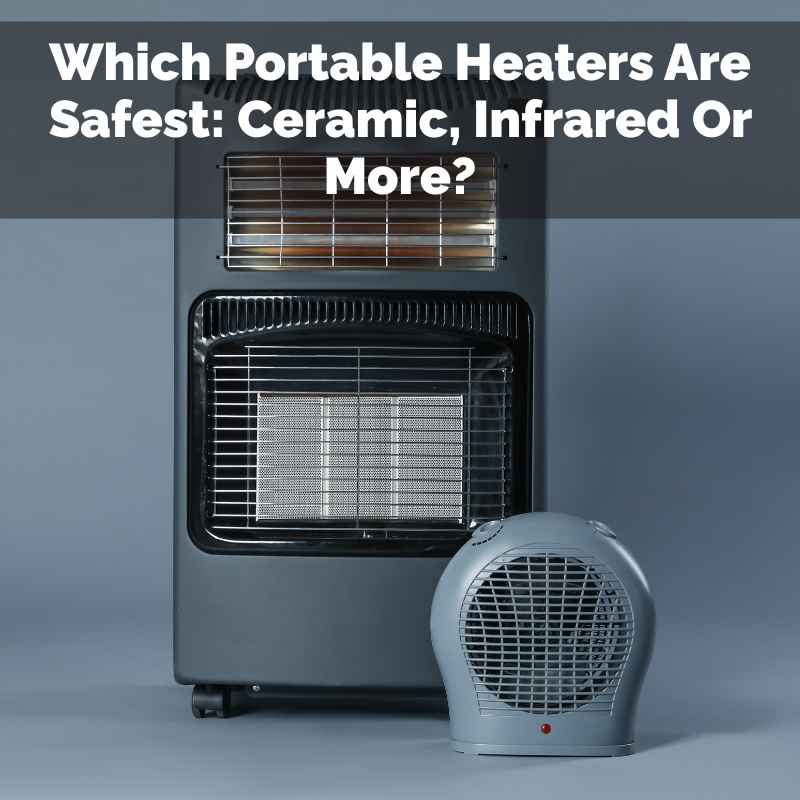
The safest portable heaters often have automatic shut-off features, cool-touch exteriors, and tip-over protection. Understanding the different types like ceramic, infrared, and oil-filled models can help you choose one that best suits your safety needs and home environment.
Understanding Portable Heater Safety
Portable heaters are handy. They give you heat right where you need it. But they also come with risks.
The main concerns are usually fire and burns. It’s crucial to know how different types of heaters stack up. Safety isn’t just about the heater itself.
It’s also about how you use it. Where you place it matters a lot. What you put around it matters too.
We’ll look at the most common types you’ll find.
We’ll break down ceramic heaters. We’ll check out infrared heaters. We’ll also cover oil-filled radiators and fan heaters.
For each, we’ll talk about how they make heat. Then, we’ll see what makes them safer or less safe. This will help you make a smart choice for your home.
The Common Portable Heater Types
Let’s dive into the details of the popular heaters. Each works in its own way. This affects how they heat a room and their safety features.
Ceramic Heaters
Ceramic heaters are very popular. They are often called convection heaters. They have a ceramic element inside.
This element heats up when electricity flows through it. A fan then blows air over this hot ceramic. This warm air is pushed into the room.
They are good at heating up a space fairly quickly.
Most modern ceramic heaters have safety features. This is good news. Look for ones with a tip-over switch.
This switch cuts the power if the heater falls. Cool-touch casings are also a big plus. They mean the outside of the heater doesn’t get super hot.
This reduces the risk of burns if you touch it by accident.
One thing to watch out for with ceramic heaters is dust. Since they use a fan, they can blow dust around. If you have allergies or asthma, this might be a concern.
Also, always keep anything flammable far away from them. Like any heater, they need space to work safely.
Ceramic Heater Safety Checklist
Key Safety Features:
- Tip-Over Switch: Automatically turns off if the heater falls.
- Overheat Protection: Shuts down if internal temperatures get too high.
- Cool-Touch Exterior: Reduces the risk of burns from touching the unit.
- Stable Base: Helps prevent accidental tipping.
Things to Remember:
- Keep at least 3 feet clear around the heater.
- Never cover the heater with clothes or blankets.
- Clean the dust filter regularly if it has one.
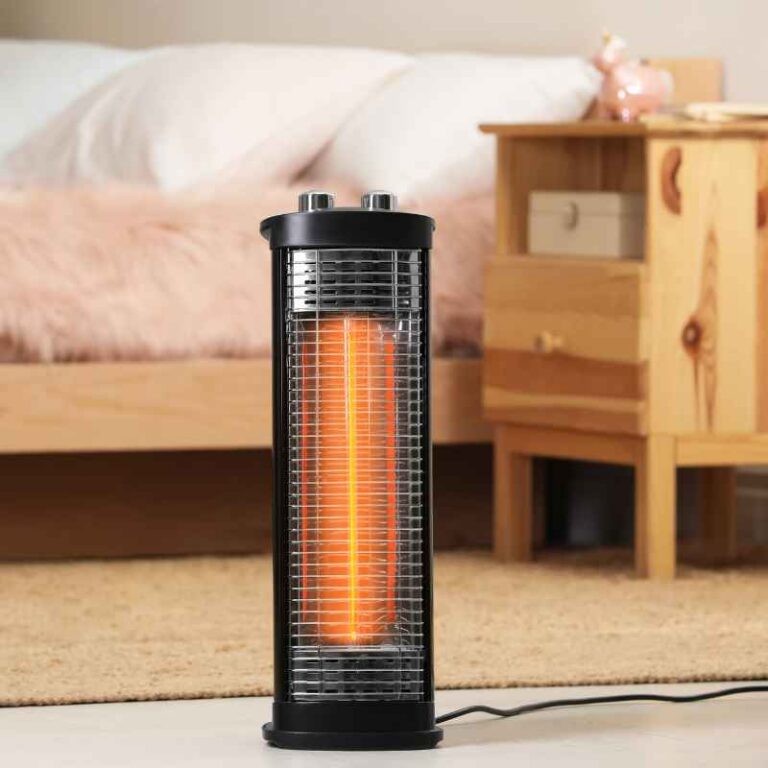
Infrared Heaters
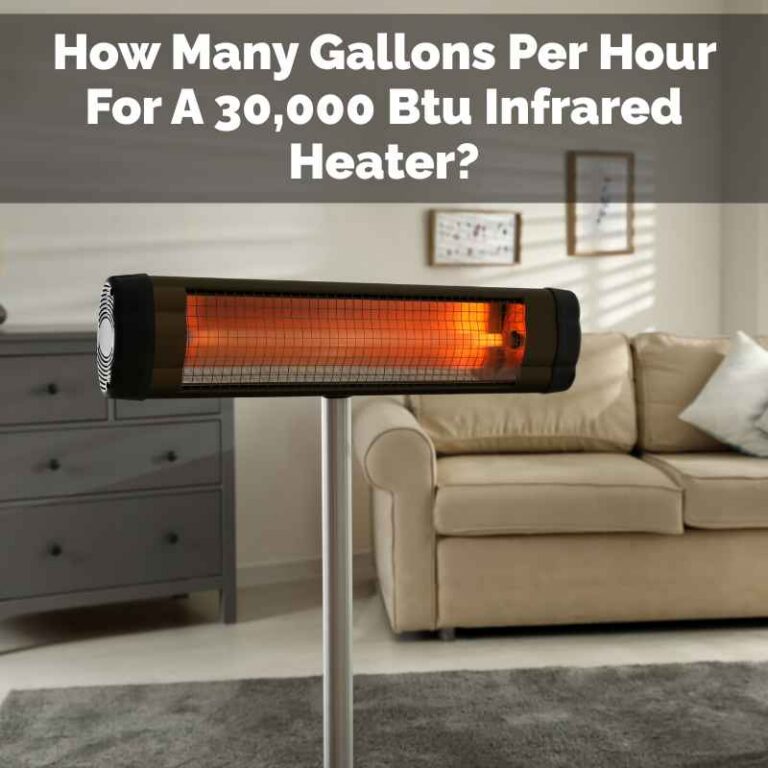
Infrared heaters work differently. They don’t heat the air directly. Instead, they use infrared radiation.
This is like the heat you feel from the sun. It heats objects and people in its path. You feel the warmth almost instantly.
They are great for spot heating. You can point one at yourself and feel warm quickly.
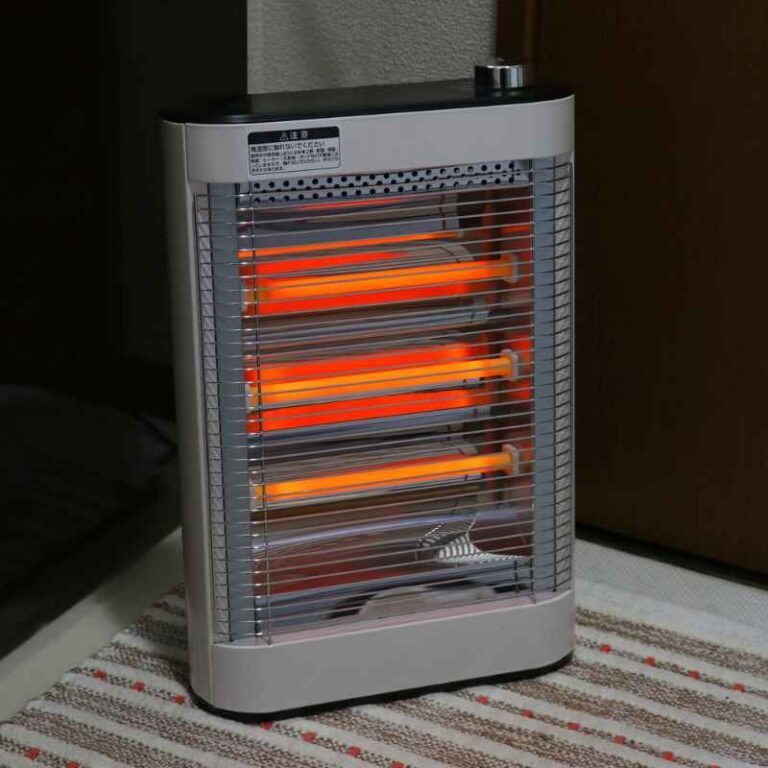
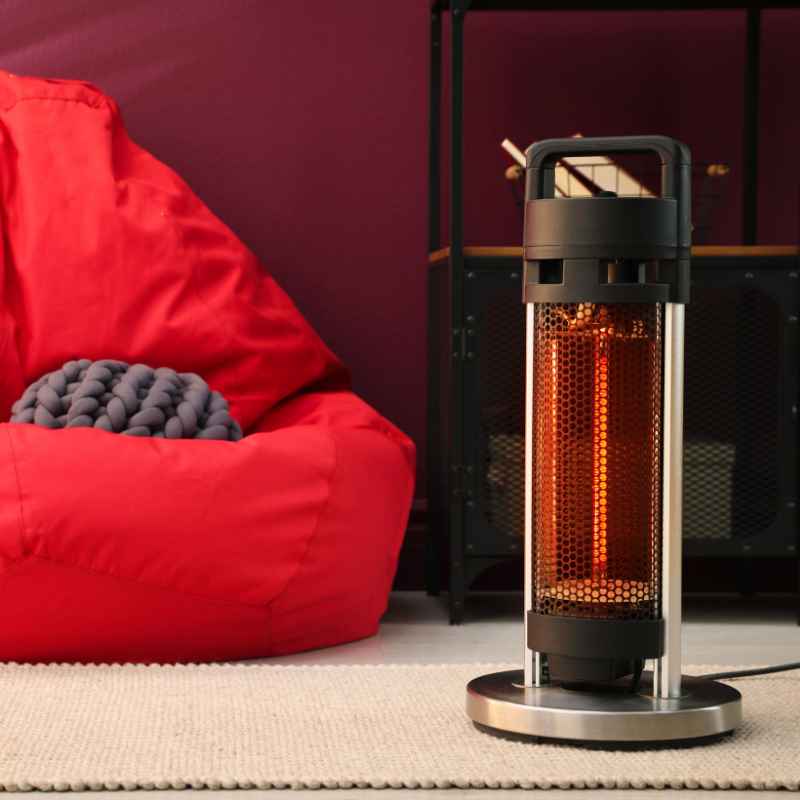
Many infrared heaters have a radiant element. This could be a quartz tube or a heating element in a reflector. They often have a metal grille in front.
This grille can get hot. So, burn risk is something to consider. Always check if the model has a cool-touch front.
Some models are designed with this in mind.
Infrared heaters are often quieter than ceramic ones. This is because many don’t have fans. This can be a big plus for some people.
Since they heat objects, they can feel effective even in drafty rooms. The heat stays where it’s directed. They are generally safe if used correctly.
Always follow the manufacturer’s instructions.
I remember setting up an infrared patio heater once. It was on a cool evening. The warmth felt amazing on my skin.
But I also noticed how hot the metal reflector got. I made sure to keep my kids and pets far away. It’s powerful stuff, that direct heat.
You just need to respect its range.
Infrared Heater Insights
How They Work: Emit radiant heat that warms objects directly.
Pros: Quick spot heating, quiet operation (often no fan), don’t dry out air as much.
Cons: Can cause burns if touched directly (check for cool-touch designs), less effective for heating an entire room evenly.
Safety Note: Keep direct line of sight clear. Avoid pointing at flammable materials.
Oil-Filled Radiators
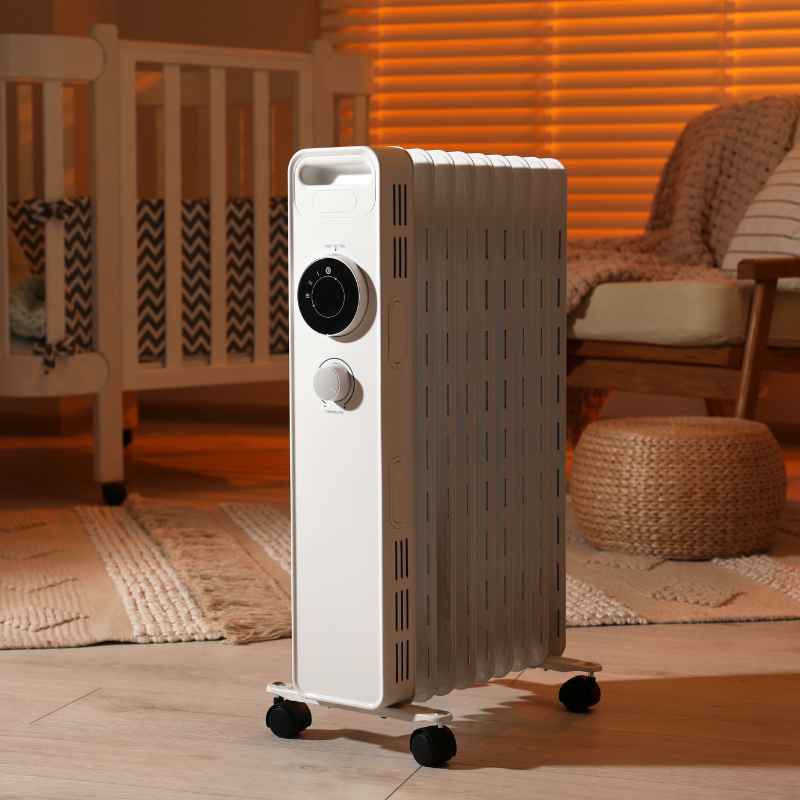
Oil-filled radiators look like old-fashioned cast-iron radiators. But they are filled with special oil. Electricity heats up an element inside the heater.
This element heats the oil. The oil then circulates through the fins of the radiator. The radiator’s surface heats up.
It then radiates heat into the room. This process is slow but steady.
These heaters tend to get hot all over. This is part of how they work. So, the risk of burns is present.
However, they don’t have fans. This means they don’t blow air around. They are very quiet.
They also tend to provide a more even heat. They are a good choice for keeping a room warm for long periods.
Because they heat up slowly and cool down slowly, they are energy efficient. They can keep a room warm even after being turned off for a while. Safety-wise, they are quite stable.
Most have tip-over protection. They also have overheat protection. Their sealed design means no risk of leaking oil.
They are generally considered a very safe option for bedrooms or offices.
I used an oil-filled radiator in my home office during a really cold winter. It was amazing. The room stayed at a perfect, gentle temperature all day.
I could touch the sides lightly, and they were warm, not burning hot. It was so quiet, I often forgot it was even on. That steady warmth was a game changer for my productivity.
Oil-Filled Radiator Quick Facts
Heating Method: Convection and radiant heat from oil-filled internal elements.
Heat Distribution: Even and steady, ideal for prolonged heating.
Noise Level: Very quiet, no fan noise.
Surface Temperature: Can get hot; caution advised with children and pets. Look for models with good insulation.
Safety Features: Typically include tip-over and overheat protection.
Fan Heaters (Space Heaters)
Fan heaters are often called space heaters. They use an electric coil to heat air. Then, a fan blows that hot air into the room.
This is similar to ceramic heaters. But the heating element is usually a metal coil, not ceramic. They can heat a room very quickly.
The main safety concern with fan heaters is their heating element. The metal coils can get very hot. They can also be a fire hazard if something falls on them or too close.
Many have safety grilles. But it’s always important to keep flammable items far away. Look for models with good safety certifications.
These heaters are usually lightweight and portable. They are often the most affordable option. However, they can be noisy due to the fan.
They also tend to dry out the air. If you have dry skin or respiratory issues, this might not be ideal. Safety features like tip-over switches and overheat protection are common.
But vigilance is key with these.
Fan Heater Safety Considerations
Heating Element: Exposed metal coils can get very hot.
Air Movement: Fan can blow dust and dry out the air.
Fire Risk: Higher risk if not kept clear of flammable materials.
Essential Safety Features: Tip-over switch, overheat protection, sturdy construction.
Best Use: Quick heating of small spaces when supervised.
Key Safety Features to Look For
No matter which type of heater you choose, certain safety features are non-negotiable. These are the things that really make a difference in preventing accidents.
Tip-Over Protection
This is a big one. A tip-over switch is a mechanism inside the heater. If the heater gets knocked over, this switch activates.
It immediately cuts off the power. This is crucial for preventing fires. Imagine a heater tipping over onto a rug or near curtains.
Without this switch, it could be very dangerous.
Most modern heaters have this. But it’s always good to double-check the product description. Test it out if you can.
Gently tilt the heater. Does it shut off? This feature gives you so much peace of mind, especially if you have kids or pets who might bump into it.
Overheat Protection
This feature is also vital. Overheat protection works by sensing when the heater is getting too hot internally. This could happen if the air vents are blocked or if the heater is running for too long without proper ventilation.
When it detects a dangerous temperature, it shuts itself off.
This prevents the heater from malfunctioning or causing damage due to excessive heat. It’s a silent guardian. It works behind the scenes to keep you safe.
Make sure any heater you buy has this built-in. It’s a standard safety measure for a reason.
Cool-Touch Exterior
This is especially important for heaters that can get quite hot, like ceramic and infrared models. A cool-touch exterior means the outside surfaces of the heater don’t become dangerously hot. This significantly reduces the risk of accidental burns if someone touches the unit.
For families with young children or pets, this feature is a lifesaver. Even adults can accidentally touch a hot surface and get burned. Look for heaters that specifically mention having a cool-touch casing or insulated housing.
It makes a big difference in daily use.
Flame-Resistant Materials
Heaters can get hot, and in rare cases, can be near flammable materials. The materials used to construct the heater itself should be flame-resistant. This means they are designed not to catch fire easily, even when exposed to heat.
This is a passive but important safety feature.
Reputable brands will use these materials. It’s often not explicitly advertised like a tip-over switch. But it’s part of the safety standards they must meet.
Certified heaters (like UL or ETL listed) will adhere to these standards.
Real-World Context and Usage Scenarios
Where and how you use your portable heater matters greatly for safety. A heater that’s safe in one situation might be risky in another.
In the Bedroom
Bedrooms are places where people sleep. This means heaters might be running unsupervised for long periods. For this reason, oil-filled radiators are often the best choice.
They provide gentle, consistent heat. They don’t have exposed heating elements or loud fans. Their surfaces get warm but usually not dangerously hot.
They are also very stable.
Ceramic heaters can also work, but ensure they have all safety features. Always place them away from the bed and curtains. Never fall asleep with a fan heater running directly on you.
The airflow can be drying and potentially uncomfortable.
In the Living Room
Living rooms are often high-traffic areas. Kids and pets play here. This is where tip-over protection and cool-touch exteriors are essential.
Ceramic and infrared heaters are popular choices for living rooms. They can quickly warm up a space when needed.
Make sure to keep heaters clear of furniture, especially sofas and chairs. Kids might be tempted to play with them. Pets might lie too close.
Designate a safe zone for the heater. This is usually at least three feet away from anything that can burn or be knocked over.
In the Office or Study
Offices are usually quieter spaces. You might want a heater that doesn’t make much noise. Oil-filled radiators and some quiet ceramic heaters are good options.
Infrared heaters are also great for personal warmth at a desk.
Even in a quieter setting, safety is paramount. Avoid placing heaters near piles of paper, electrical cords, or anything that could obstruct airflow. Always ensure there’s enough space for ventilation.
In the Bathroom
Heating a bathroom can be tricky because of moisture. It’s generally advised not to use most portable electric heaters in bathrooms. Water and electricity are a dangerous mix.
Look for heaters specifically designed for bathroom use. These are often wall-mounted and have special waterproof ratings (like IP ratings).
If you absolutely must use a portable heater, ensure it’s in a completely dry area. Never let it come into contact with water. Keep it far from the shower or tub.
It’s usually best to avoid this altogether and use your home’s central heating for bathrooms.
Heater Placement: The Golden Rule
General Guideline: Keep heaters at least 3 feet (1 meter) away from:
- Flammable Materials: Curtains, blankets, clothes, paper, furniture, rugs.
- Walls: Ensure proper airflow.
- High-Traffic Areas: To prevent tripping or tipping.
- Water Sources: Especially in bathrooms or kitchens.
Never:
- Place a heater on top of furniture or in confined spaces.
- Cover the heater with anything.
- Use extension cords unless absolutely necessary and rated for the heater’s wattage.
What This Means for You: Normal vs. Concerning
It’s helpful to know what’s normal operation and what might signal a problem with your portable heater.
Normal Heater Behavior
Warm Air Output: The heater should blow out warm air (ceramic, fan) or radiate heat (infrared, oil-filled). The temperature should be consistent with the setting.
Quiet Operation (for some): Oil-filled radiators should be nearly silent. Ceramic and infrared heaters should have minimal fan noise or be completely silent.
Indicator Lights: Most heaters have power lights. Some might have lights for different heat settings.
Automatic Shut-off: If the heater tips over, it should shut off immediately. If it overheats, it should shut down.
Slight Odor (initially): New heaters, especially ceramic or oil-filled ones, might have a slight chemical smell the first few times they are used. This should dissipate quickly.
Concerning Heater Behavior
Burning Smell: A strong burning smell that doesn’t go away is a red flag. It could mean something is overheating or about to catch fire. Unplug the heater immediately.
Sparks or Smoke: If you see any sparks or smoke coming from the heater, unplug it right away. Do not try to use it again. This indicates a serious malfunction.
Unusual Noises: Grinding, clicking, or loud rattling sounds from a heater that was previously quiet could mean a fan motor is failing or something is loose. This can lead to overheating or damage.
Not Heating: If the heater turns on but doesn’t produce any heat, there might be an internal issue. Check the power source first, but if it’s plugged in and still cold, it’s likely broken.
Melting Plastic: If you notice any signs of plastic melting on the heater or near it, unplug it immediately. This is a major fire hazard.
Persistent Tip-Over Trigger: If the tip-over switch seems overly sensitive and shuts off the heater even when it’s perfectly upright, the switch might be faulty.
When to Worry: Heater Warning Signs
Immediate Action Required:
- Burning smell or smoke: Unplug and do not use.
- Sparks or visible damage: Unplug and discard/repair professionally.
- Strange noises (grinding, loud clicking): Unplug and investigate.
Monitor Closely:
- Uneven heating: Check for blockages or settings.
- Constant cycling on/off: May indicate a thermostat issue or blockage.
Quick Fixes and Tips for Safe Use
Beyond choosing the right heater, simple habits can ensure it runs safely and effectively.
Read the Manual
This sounds obvious, but so many people skip it. The manufacturer’s manual has specific safety warnings and operating instructions for that particular model. It will tell you about recommended placement, cleaning, and troubleshooting.
Take five minutes to read it.
Use the Right Outlet
Portable heaters draw a lot of power. They should ideally be plugged directly into a wall outlet. Avoid using extension cords if possible.
If you must use one, make sure it’s a heavy-duty cord rated for the heater’s wattage. Never plug a heater into the same outlet as other high-power appliances.
Regular Cleaning
Dust buildup is a common problem. It can block vents and make the heater less efficient. It can also be a fire hazard.
Unplug the heater and gently clean the vents and any filters regularly. A soft brush or vacuum cleaner attachment works well.
Inspect Cords and Plugs
Before each use, check the power cord and plug for any signs of damage. Look for fraying, nicks, or melted spots. If you see any damage, do not use the heater.
It’s a fire risk.
Supervise Operation
Never leave a portable heater running unattended, especially older models or those without advanced safety features. If you leave the room, turn it off. If you are sleeping, use a model designed for bedroom use (like an oil-filled radiator) and place it safely.
Daily Safety Habits
Before Turning On:
- Check cord and plug for damage.
- Ensure vents are clear and clean.
- Verify the heater is on a level, stable surface.
- Confirm it’s at least 3 feet from anything flammable.
During Operation:
- Never leave unattended.
- Listen for unusual noises.
- Keep children and pets away.
After Use:
- Turn off and unplug.
- Allow to cool completely before storing.
Frequent Questions About Heater Safety
Are ceramic heaters safe for bedrooms?
Yes, ceramic heaters can be safe for bedrooms if they have essential safety features like tip-over protection and overheat protection. Always place them at least three feet away from bedding and curtains. Newer models often have cool-touch exteriors, which further reduces burn risks.
Can infrared heaters cause fires?
Infrared heaters can cause fires if not used properly. Their radiant heat can ignite flammable materials if they are placed too close. Always maintain a safe distance and ensure the heater is stable.
Models with safety grilles and auto shut-off features are safer.
Is it safe to leave an oil-filled radiator on all night?
Yes, oil-filled radiators are generally considered the safest option for overnight use. They provide steady, gentle heat and don’t have exposed heating elements or loud fans. Their surfaces get warm but are less likely to cause severe burns.
However, always ensure they have functioning tip-over and overheat protection.
Which portable heater is best for a small apartment?
For a small apartment, a compact ceramic heater or a small oil-filled radiator can be good choices. Ceramic heaters warm up quickly and are good for spot heating. Oil-filled radiators offer steady, quiet warmth.
Choose based on your priority: quick heat or long-lasting comfort. Always check for safety features.
Are portable heaters energy efficient?
The energy efficiency of portable heaters varies. Oil-filled radiators are often efficient because they retain heat. Infrared heaters can be efficient for personal heating because you feel the warmth directly.
Ceramic and fan heaters can be less efficient if used to heat large spaces constantly. Using them to heat only the room you’re in is more efficient.
What does ETL or UL listed mean for a heater?
ETL and UL are independent testing laboratories. When a product is “ETL Listed” or “UL Listed,” it means it has been tested against U.S. safety standards.
This indicates the product meets recognized safety requirements and is less likely to pose a hazard when used correctly.
Conclusion
Choosing the safest portable heater involves understanding the technology behind each type. It also means prioritizing key safety features like tip-over protection and overheat shut-off. Ceramic, infrared, oil-filled, and fan heaters all have their pros and cons.
By selecting a model with robust safety measures and using it responsibly, you can enjoy reliable warmth throughout your home.
Sponsored / affiliate links. As an Amazon Associate I earn from qualifying purchases. I may earn additional commission from eligible campaigns.