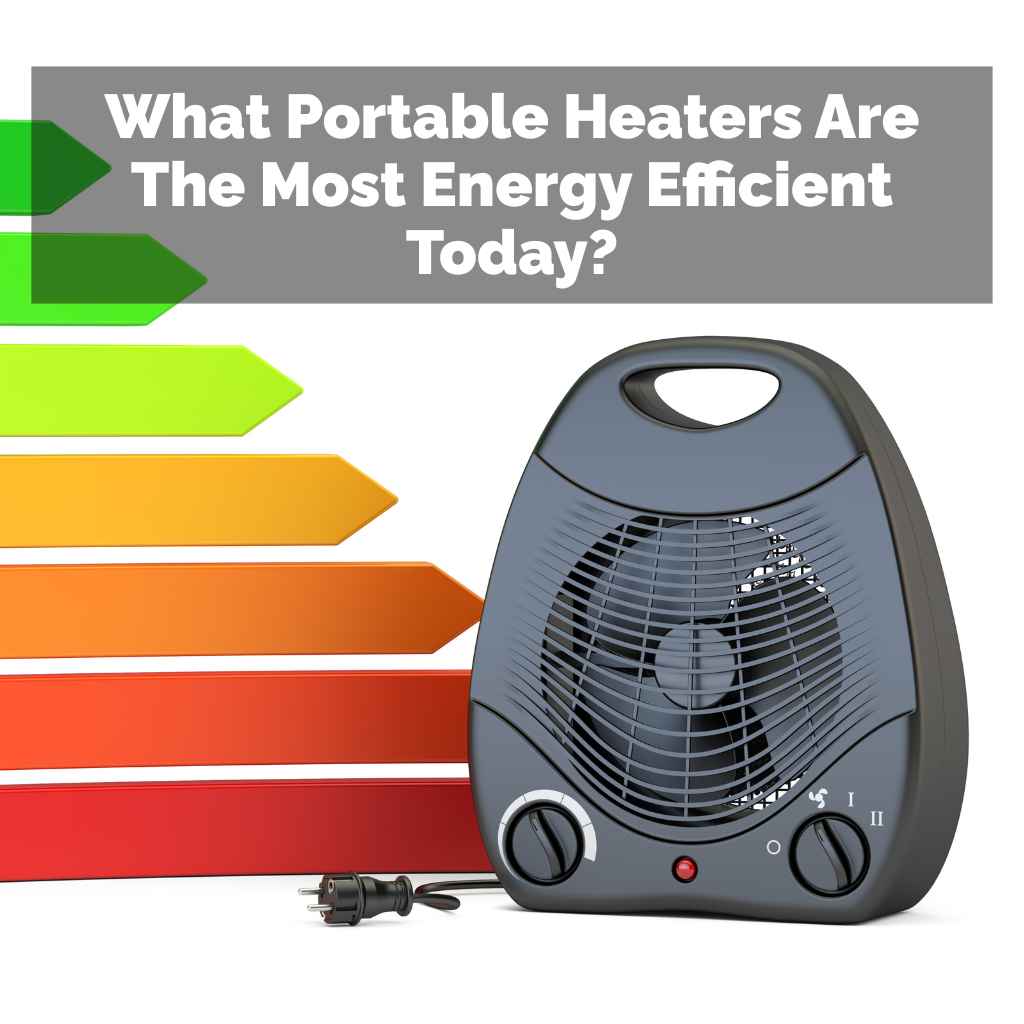
What Portable Heaters Are The Most Energy Efficient Today?
It’s a common worry, isn’t it? That chilly draft creeping into your favorite room, and the thought of cranking up the heat. You want comfort, but you also don’t want to see your energy bills skyrocket.
Finding a portable heater that keeps you warm without draining your wallet can feel like a puzzle.
Many people struggle with this. They buy a heater that looks good, only to be surprised by the cost later. We’ve all been there, feeling a bit stuck.
This guide is here to help. We’ll break down what makes a portable heater energy-efficient. We’ll look at different types.
We’ll also share tips that actually work.
The most energy-efficient portable heaters today are typically radiant or convection models that use infrared heat or offer precise thermostat controls. Look for ENERGY STAR certified models or those with features like timers and multiple heat settings. They provide targeted warmth to specific areas, reducing overall energy waste compared to space-filling heaters.
Understanding Energy Efficiency in Portable Heaters
When we talk about energy efficiency, it simply means how well a heater turns electricity into usable heat. No heater is 100% perfect. Some energy always gets lost.
But the best ones lose very little. They make sure most of the power they use becomes warmth for you.
Think of it like a leaky bucket. A very inefficient heater is like a bucket with many holes. A lot of water (energy) spills out before it reaches its goal.
An efficient heater has fewer holes. It holds onto more of its contents. For your home, this means less wasted power and lower costs.
How Portable Heaters Create Heat
Portable heaters use a few main ways to make heat. Understanding these helps you pick the right one. Most use electricity to heat up a special element.
This element then warms the air or objects around it.
Some heaters warm the air directly. This is called convection heating. Others send out waves of heat.
This is radiant heating. Each method has its own pros and cons when it comes to efficiency and how it feels.
Convection Heaters: Warming the Air
Convection heaters work by heating the air around them. This warm air then rises. It spreads through the room.
Cooler air sinks down to be heated next. This creates a gentle, steady flow of warmth.
Models like ceramic heaters and oil-filled radiators are common convection types. Ceramic heaters use a fan to push warm air out. Oil-filled radiators heat up oil inside.
This oil slowly releases heat into the air. They are good for keeping a whole room at a consistent temperature.
The upside is they can heat a space evenly. The downside is they can take a bit longer to warm up a room. Also, if the room is large or has drafts, the warm air can escape easily.
This means the heater might run more often to keep up.
Radiant Heaters: Heating Objects and People
Radiant heaters work differently. They send out infrared waves. These waves travel in straight lines.
They heat up objects and people they directly touch. Think of the sun warming your skin on a cool day. That’s radiant heat.
Panel heaters and quartz heaters often use this method. They get hot very quickly. You feel the warmth almost instantly.
They are great for heating a small area where you are sitting or working. They don’t waste energy heating empty air.
The main benefit is quick, direct warmth. This can be very efficient if you only need to heat one spot. The drawback is that if you move out of the direct path, you stop feeling the heat.
It doesn’t heat the whole room air as much as convection types.
What About Fan Heaters?
Fan heaters, often using ceramic elements, are a type of convection heater. They have a fan built in. This fan blows air over a hot element.
It then pushes the warm air out into the room. They heat up fast.
Their efficiency depends on how well the fan distributes the heat. They are good for quick bursts of warmth. But running the fan can use a little extra energy.
Also, the air movement can sometimes feel drying.
Features That Boost Energy Efficiency
Beyond the basic type of heater, certain features make a big difference. These are the smart additions that help you save power. They often cost a little more upfront.
But they pay for themselves over time.
Look for these when you are shopping. They are the keys to a lower energy bill. They also make the heater easier and more pleasant to use.
Thermostats: The Smart Control
A thermostat is perhaps the most important feature for efficiency. It lets you set a desired temperature. The heater then turns itself on and off to maintain that level.
It doesn’t just run non-stop.
Without a thermostat, you’d have to manually turn the heater on and off. You’d likely overheat the room or let it get too cold. A thermostat prevents this waste.
It keeps the room comfortable without using extra energy.
Some thermostats are simple dials. Others are digital with precise controls. Digital ones are often more accurate.
They can help you fine-tune the warmth. This means less energy is used because the heater only runs when needed.
Adjustable Heat Settings
Many efficient heaters have multiple heat settings. This lets you choose how much power the heater uses. You might not always need the maximum heat output.
For example, a heater might have a low, medium, and high setting. Or it might have wattage options like 750W, 1000W, and 1500W. Choosing a lower setting when you only need a little warmth saves a lot of energy.
This is especially helpful in rooms that aren’t too cold. You can provide just enough heat to feel comfortable. You don’t need to blast the heater on high.
This simple control is a big energy saver.
Timers: Setting a Schedule
Timers are another excellent efficiency feature. They allow you to program when the heater turns on and off. You can set it to warm up a room before you wake up.
Or you can set it to shut off after you go to sleep.
This is great for preventing energy waste. You won’t forget to turn off the heater. It also adds convenience.
You wake up to a warm room. You can also use it to warm a room only when you are actively using it.
Some timers are basic 24-hour cycles. Others are programmable for specific days. The more control you have, the more likely you are to use energy wisely.
Imagine setting it to turn off an hour before you usually leave for work.
Automatic Shut-off Features
Safety features also contribute to efficiency and peace of mind. Most modern heaters have an auto-shutoff function. This is important if the heater tips over.
It will turn itself off. This prevents fires and saves energy.
Some models also have overheat protection. If the internal temperature gets too high, it shuts down. These features are crucial.
They make the heater safer to use. They also stop it from running unnecessarily if something goes wrong.
ENERGY STAR Certification
ENERGY STAR is a program from the U.S. Environmental Protection Agency (EPA). It identifies products that meet strict energy efficiency guidelines.
These products use less energy than standard models.
When you see the ENERGY STAR label on a portable heater, you know it’s been tested. It meets high standards for efficiency. While not all portable heaters are ENERGY STAR certified, it’s a good indicator of a well-performing unit.
These heaters are designed to be efficient from the start. They often use better insulation, more advanced heating elements, and smarter controls. Choosing an ENERGY STAR model is a direct path to saving energy.
Types of Efficient Portable Heaters
Let’s dive into the specific types of portable heaters that tend to be the most energy-efficient. This is where you can really make a difference in your heating choices.
Remember, the best choice often depends on what you need the heater for. Is it to warm a whole room? Or just a small personal space?
Ceramic Heaters with Advanced Features
Ceramic heaters have become very popular. They use ceramic plates to heat up. A fan then blows air over these plates.
This warm air is pushed into the room. They are often compact and lightweight.
Modern ceramic heaters are much more efficient than older models. Look for ones with good thermostats. Also, check for models that offer multiple heat settings.
Some use quieter fans. This makes them more pleasant to use.
The efficiency comes from their ability to heat up quickly. They also provide even heat distribution if the fan is well-designed. They are good for medium-sized rooms.
Ceramic Heater Efficiency Tips
Quick Warm-Up: They get hot fast, so you feel warmth sooner.
Zone Heating: Great for heating just one room you are in.
Smart Controls: Look for digital thermostats and timers.
Wattage Options: Choose models with lower wattage settings for small spaces.
Oil-Filled Radiators: Steady Heat
Oil-filled radiators look like old-fashioned radiators. But they are electric. They have a sealed chamber filled with special oil.
The electric element heats this oil. The oil then gently radiates heat into the room.
These heaters are known for providing a very steady, even heat. They don’t use a fan. This means they are very quiet.
They also tend to heat the air without drying it out as much.
Their efficiency comes from their ability to retain heat. Once the oil is hot, it stays warm for a while. This means the heater cycles on and off less frequently.
They are excellent for keeping a room at a consistent temperature for long periods. They are best for larger rooms or bedrooms.
Oil-Filled Radiator Insights
Quiet Operation: No fans means very little noise.
Consistent Heat: The oil helps maintain a steady warmth.
Moisture Friendly: Less likely to dry out the air compared to fan heaters.
Long-Lasting Warmth: Stays warm even after turning off.
Infrared and Radiant Panel Heaters: Direct Warmth
Infrared and radiant panel heaters send out infrared waves. These waves directly heat surfaces and people. They are often very sleek and modern-looking.
Their efficiency is high for spot heating. If you need to warm yourself while sitting at a desk or on a couch, these are excellent. You feel the heat immediately.
You don’t waste energy heating the entire room air.
Many of these are wall-mounted or portable. Look for models with adjustable thermostats. This ensures they don’t run endlessly.
They are a great choice for personal comfort zones. They can supplement your main heating system.
Radiant Heater Quick Facts
Instant Warmth: Feel the heat the moment you turn it on.
Targeted Heating: Perfect for warming just one person or spot.
Energy Saver: Doesn’t waste energy heating empty air.
Quiet: Most models operate silently.
Consider Fan Heaters with Smart Controls
While fan heaters can sometimes be less efficient, modern versions are improving. Look for fan heaters that have very precise digital thermostats. Also, seek out models with programmable timers.
Some advanced fan heaters have sensors. These sensors can detect if a room is already warm enough. They might adjust their output or turn off automatically.
This level of smart control is key to efficiency.
Their advantage is rapid room heating. If you need to warm a space quickly, they are good. Just make sure they have the smart features to prevent overuse.
Real-World Context: Using Heaters Wisely
Owning an efficient heater is only half the battle. How you use it makes a huge difference. Think about where you place it and how you set it.
I remember one winter, my office felt like a freezer. I got a small ceramic heater. At first, I just put it on the floor and let it run all day.
My electricity bill jumped. Then I learned better ways.
Placement Matters for Maximum Efficiency
Where you put your heater is very important. For convection heaters, placing them near a cold wall can help. The warm air rises and circulates better.
Don’t block the air intake or the heating element.
For radiant heaters, place them so they face you directly. You want to be in the path of the heat waves. Don’t hide them behind furniture.
They need a clear line of sight to you or the object you want to warm.
Try to keep the heater away from drafts. If you have a drafty window, the heat will escape quickly. Closing curtains or using draft stoppers can help trap the warmth.
This means your heater doesn’t have to work as hard.
Sealing Your Space: Drafts Are Energy Killers
This is a big one that many people miss. Drafts are gaps and cracks in your home. They let cold air in and warm air out.
This is like trying to fill a leaky bucket.
Check around windows and doors. You can often feel a draft. Use weatherstripping or caulk to seal these gaps.
Even small seals can make a big difference. This keeps the heat inside where you want it.
Also, consider draft stoppers for the bottom of doors. You can buy them or make them yourself. They are simple fabric tubes filled with rice or beans.
They sit against the bottom of a door and block air from coming through.
Room Size and Heater Capacity
You need to match the heater’s power to the room size. A small heater won’t effectively warm a large living room. A giant heater might overheat a small office.
Most heater boxes will suggest the square footage they are designed for. A 1500-watt heater is usually good for a medium-sized room, around 150-200 square feet. For smaller spaces, you might only need 750-1000 watts.
Using an undersized heater will make it run constantly. It won’t ever reach the desired temperature. This is inefficient.
Using an oversized heater will make the room too hot too fast. It will cycle on and off a lot, or you’ll have to turn it down constantly.
When to Use Your Portable Heater
Portable heaters are best for supplemental heating. They are not usually meant to be the primary heat source for your whole house. Use them to warm specific rooms or zones where you spend most of your time.
For example, if you work from home, use a portable heater in your office. If you only use the living room in the evenings, a heater there makes sense. It’s more efficient to heat one occupied space than to heat the entire house.
This is called zone heating. It targets warmth where it’s needed most. It saves a lot of energy compared to running your central heating system all the time.
Especially if some parts of your house are rarely used.
What This Means for You: Smart Choices
Understanding heater efficiency helps you make smarter buying decisions. It’s not just about the price tag. It’s about the long-term cost of running the heater.
An efficient heater might cost a bit more upfront. But it will save you money on your electricity bills. Over the life of the heater, this can be significant.
When is a Portable Heater a Good Idea?
Portable heaters are a good idea when:
- You need to warm a specific room that your main heating system struggles with.
- You want to lower the thermostat on your central heating and use a portable heater for targeted warmth.
- You have an area like a basement or garage that you want to use occasionally but doesn’t have its own heat.
- You need quick heat for a short period.
When Might You Want to Reconsider?
You might want to reconsider relying heavily on portable heaters if:
- You need to heat a very large space or your entire home regularly.
- Your home has major insulation problems or many drafts. Fixing these first might be more efficient.
- You are concerned about the safety of electric heaters in your home, especially with pets or young children.
Simple Checks for Your Heater
Before you buy, check the heater’s power consumption. This is usually listed in watts (W). Higher wattage means more power use.
Look for models with lower wattage options or those with good thermostats.
Read reviews. See what other users say about energy use and effectiveness. Look for ENERGY STAR certification if possible.
Make sure the heater has safety features like tip-over protection and overheat shut-off. These are non-negotiable for safe operation.
Quick Tips for Saving Energy
Here are some easy ways to get the most out of your portable heater and save energy:
- Use the Thermostat: Set it to your desired temperature. Don’t let the room get too hot.
- Use the Timer: Program it to turn off when not needed.
- Choose the Right Setting: Use the lowest heat setting that keeps you comfortable.
- Close Doors: Keep the door to the room you’re heating closed.
- Wear Layers: Put on a sweater before turning up the heat.
- Seal Drafts: Block any air leaks around windows and doors.
- Don’t Overheat: Aim for a comfortable temperature, not tropical heat.
Top Efficiency Features to Look For
- Precise Thermostat: Digital is usually best.
- Programmable Timer: For scheduled heating and cooling down.
- Multiple Heat Settings: Allows for lower power usage.
- ENERGY STAR Certification: Guaranteed efficiency standards.
- Tip-Over Switch: Safety and auto-shutoff.
Frequently Asked Questions About Efficient Heaters
What type of portable heater uses the least electricity?
Generally, radiant and infrared heaters use less electricity for spot heating because they target direct warmth. For heating a whole room efficiently, look for convection heaters with precise digital thermostats and timers.
Are oil-filled radiators energy efficient?
Yes, oil-filled radiators can be very energy efficient for maintaining a steady temperature. They retain heat well and cycle on and off less often, providing consistent warmth without constant power draw.
How much does it cost to run an energy-efficient portable heater?
The cost depends on the heater’s wattage and how long you run it, plus your local electricity rates. An energy-efficient 1500-watt heater running for 8 hours might cost between $1.50 and $3.00 per day, depending on your rates.
Can a portable heater really lower my heating bill?
Yes, by using a portable heater for zone heating, you can often lower your main thermostat. This allows you to heat only the rooms you are using, which can significantly reduce your overall energy consumption and costs.
What does wattage mean on a portable heater?
Wattage (W) indicates how much power a heater uses. A higher wattage means it uses more electricity and produces more heat. For efficiency, choose a wattage appropriate for the room size and look for models with lower settings or good thermostats.
Should I look for a ceramic heater or an oil-filled radiator?
Ceramic heaters are good for quick, targeted heat and warming medium rooms. Oil-filled radiators are better for steady, quiet warmth in larger or longer-occupied rooms. Both can be energy efficient if they have good controls.
Conclusion
Finding the most energy-efficient portable heater is about smart choices. It’s a mix of choosing the right type. It’s also about looking for key features like thermostats and timers.
Remember that how you use your heater matters just as much.
By focusing on these details, you can stay warm and comfortable. You can do so without worrying about huge energy bills. Happy heating!
Sponsored / affiliate links. As an Amazon Associate I earn from qualifying purchases. I may earn additional commission from eligible campaigns.