Portable Heater vs Central Heat: Which One Saves You More?
Choosing between a portable heater vs central heat can be a significant decision for many households, impacting comfort, cost, and convenience. While central heating systems offer whole-home warmth, portable heaters provide localized solutions that can be both cost-effective and flexible. This guide will break down the key differences, benefits, and drawbacks of each to help you make an informed choice for your heating needs.
In short, portable heaters offer efficient zone heating for immediate needs and cost savings on unused areas, while central heating provides consistent, whole-home comfort but with higher installation and running costs. The best choice depends on your home size, usage patterns, and budget.
Key Takeaways
- Portable heaters excel at providing targeted warmth, making them ideal for single rooms or specific areas, leading to potential energy savings by not heating the entire house.
- Central heating systems deliver uniform temperature distribution throughout the entire home, offering consistent comfort but typically come with higher upfront installation and ongoing operational expenses.
- When considering portable heater vs central heat, evaluate factors like room size, insulation, frequency of use, and personal comfort preferences.
- Maintenance for portable heaters is generally simpler and less expensive than the comprehensive annual servicing required for central HVAC systems.
- Both options have pros and cons regarding energy efficiency, installation costs, and overall convenience, making a direct comparison essential for smart decision-making.
What is Central Heating?
Central heating refers to a system designed to warm an entire building from a single point. Typically, this involves a furnace or boiler that heats air or water, which is then distributed throughout the home via a network of ducts or pipes. This system is integrated into the structure of the house, providing a steady and uniform temperature across all rooms.
It’s often the primary heating solution in many modern homes due to its ability to deliver consistent comfort.
The core components of a central heating system usually include a heat source (furnace, boiler, or heat pump), a distribution system (ductwork for forced air or pipes for hydronic systems), and a thermostat for control. This integrated approach ensures that all occupied spaces receive a comfortable level of warmth, eliminating cold spots and providing a reliable heating experience, especially during the harsh winter months.
How Central Heating Works
In a forced-air system, a furnace heats air and a blower fan pushes this warm air through ducts to various rooms. Cooler air from the rooms is drawn back to the furnace through return ducts to be reheated, creating a continuous cycle. For hydronic systems, a boiler heats water, which then circulates through pipes to radiators or baseboard heaters in each room, releasing heat into the space.
The thermostat acts as the brain of the operation, monitoring the home’s temperature and signaling the central unit to turn on or off as needed. Modern thermostats can be programmed to adjust temperatures at different times of the day, further enhancing efficiency. This automation ensures that the home remains at a set temperature with minimal manual intervention, providing a set-and-forget convenience.
- Heat Source: Furnace (gas, electric, oil), Boiler (hot water/steam), Heat Pump.
- Distribution Method: Ductwork (forced air), Pipes (hydronic/steam).
- Control System: Thermostat (programmable, smart).
- Energy Source: Natural gas, electricity, propane, oil.
- Maintenance Needs: Annual professional servicing, filter changes.
Pros and Cons of Central Heating
| Pros | Cons |
|---|---|
| Consistent whole-home temperature regulation. | High initial installation costs. |
| Enhanced comfort and convenience. | Can be less energy-efficient if not properly zoned or insulated. |
| Increases property value. | Requires regular professional maintenance. |
| Integrated air filtration capabilities. | Heating entire unoccupied spaces can waste energy. |
| Quieter operation compared to some portable units. | Repair costs can be substantial. |
Central heating offers widespread comfort but at a premium price for installation and maintenance, and potential energy waste if not managed efficiently.
What is a Portable Heater?
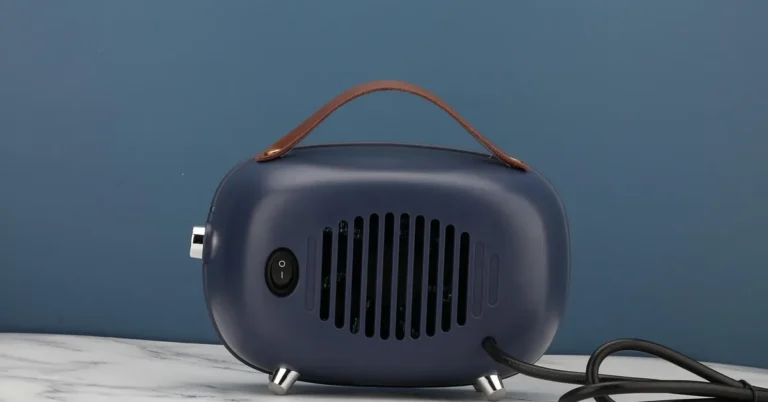
A portable heater is a self-contained heating appliance designed to provide localized warmth to a specific area, such as a single room or a workspace. Unlike central heating, these units are not integrated into the building’s infrastructure and can be easily moved from one location to another. They come in various types, including electric, propane, and kerosene, each with its own set of advantages and disadvantages regarding efficiency, safety, and cost.
The primary appeal of portable heaters lies in their flexibility and cost-effectiveness for targeted heating. You can warm a room you’re currently using without expending energy to heat unused parts of your home. This makes them an excellent supplementary heating solution or a primary source for smaller living spaces, apartments, or workshops where central heating might be impractical or too expensive.
Types of Portable Heaters
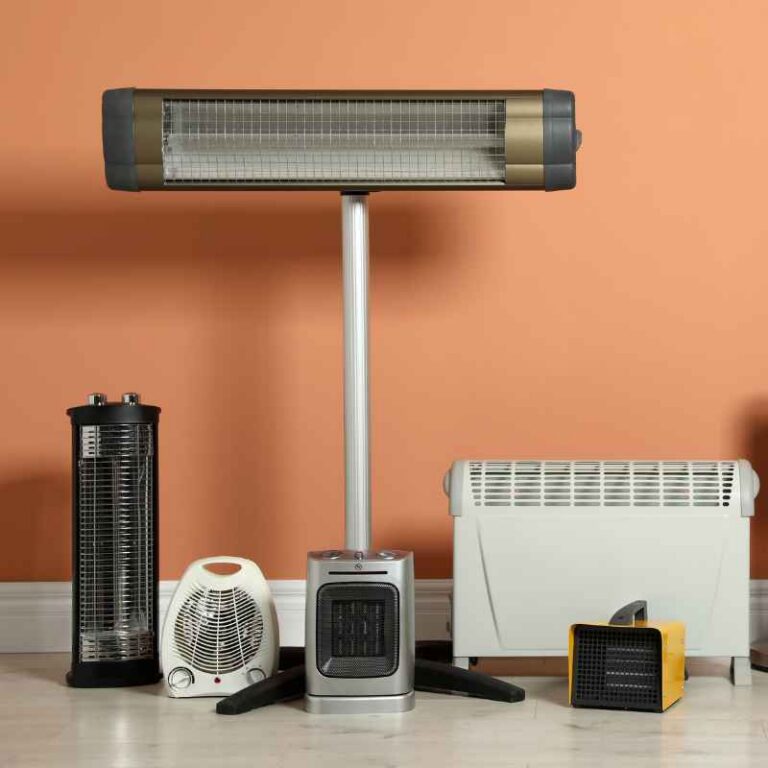
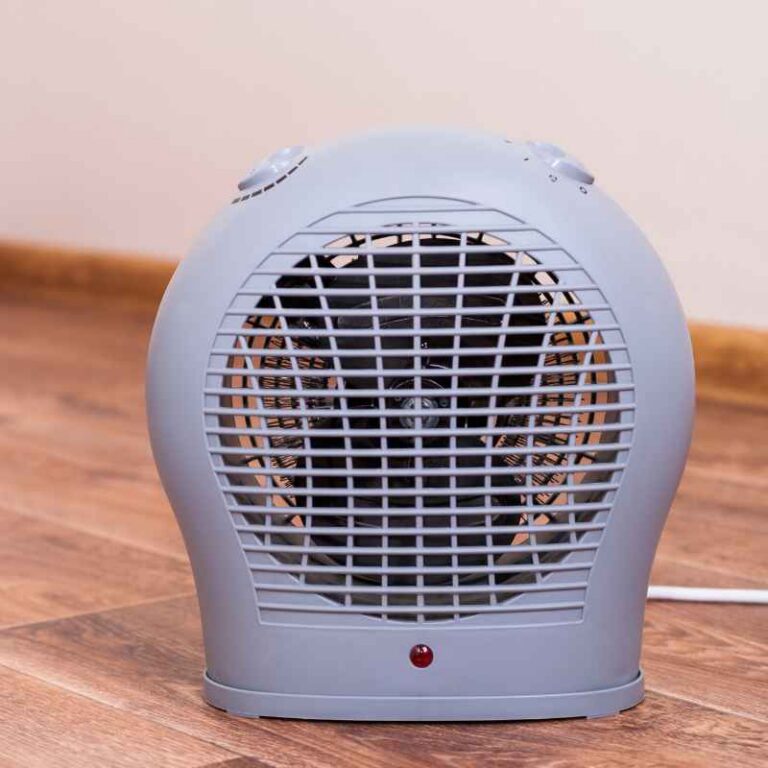
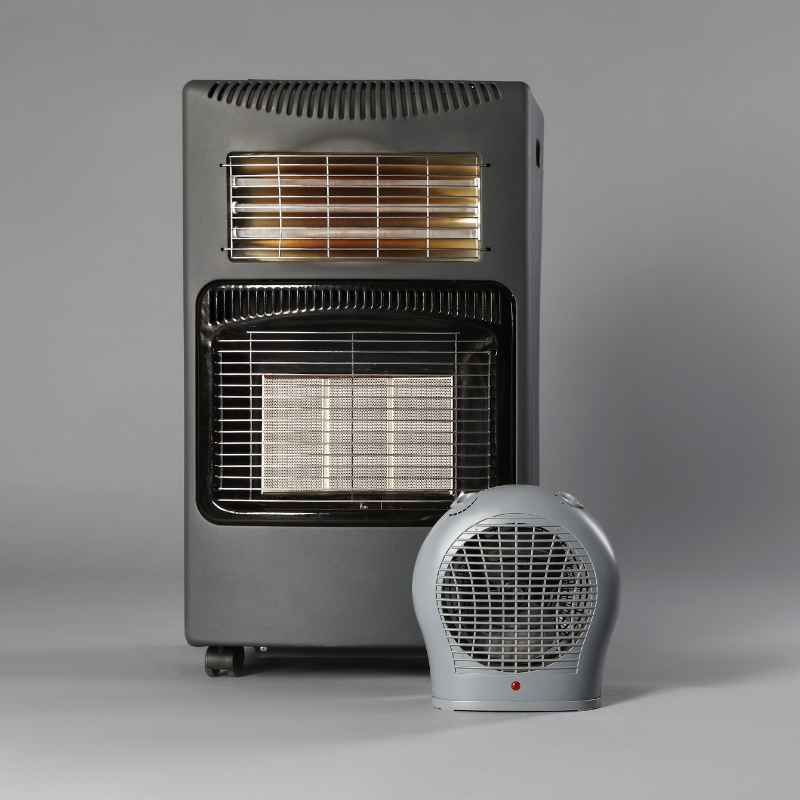
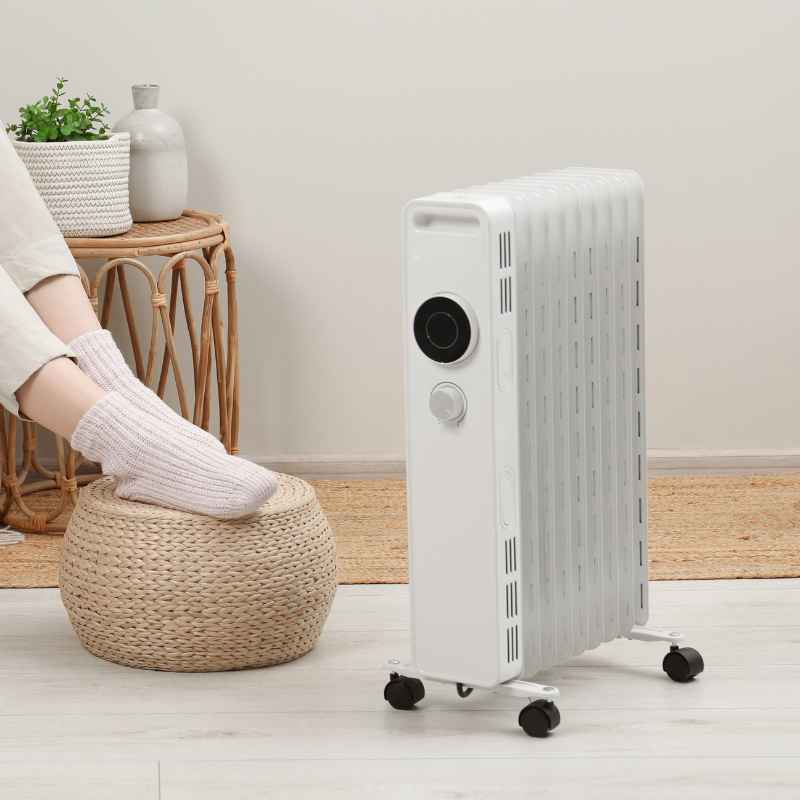
Portable heaters can be broadly categorized by their energy source and heating mechanism. Electric heaters are the most common, utilizing electricity to generate heat, and include options like ceramic heaters (known for quick heating and safety features), oil-filled radiators (offering steady, radiant heat), and fan heaters (delivering rapid warmth through forced air). Fuel-burning portable heaters, such as propane or kerosene models, are also available but require proper ventilation and adherence to safety guidelines due to the combustion process.
The choice between electric and fuel-burning portable heaters often depends on the availability of utilities and safety considerations. Electric models are generally safer and easier to use indoors, requiring only an electrical outlet. Fuel-burning units can provide powerful heat but necessitate careful management of fuel, ventilation, and potential emissions, making them more suited for well-ventilated spaces or outdoor use.
-
Electric Heaters:
- Ceramic Heaters: Fast, efficient, good for small to medium rooms.
- Oil-Filled Radiators: Silent, provides sustained radiant heat, good for bedrooms.
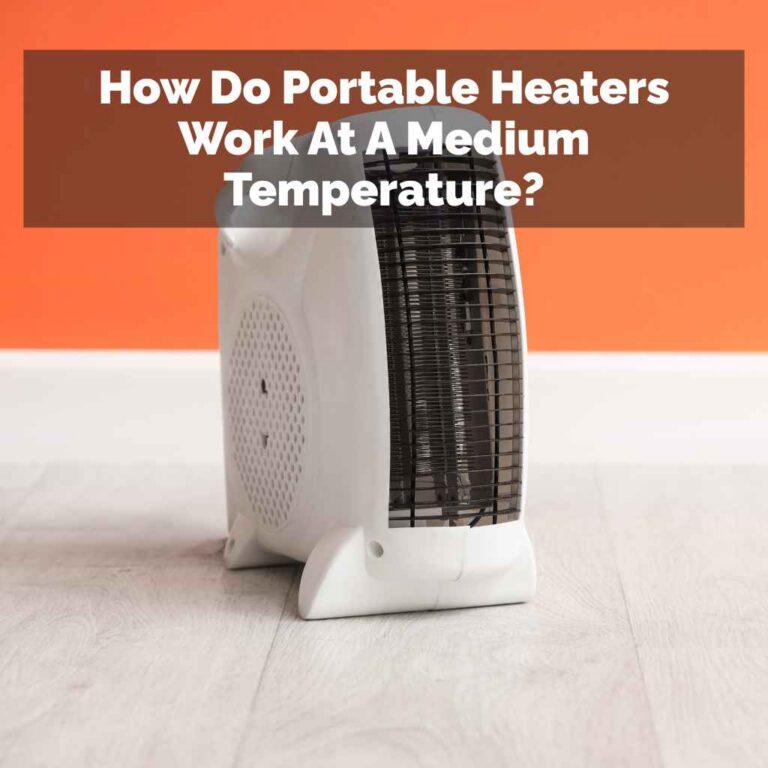
- Fan Heaters: Quickest heat dispersion, good for quick warm-ups.
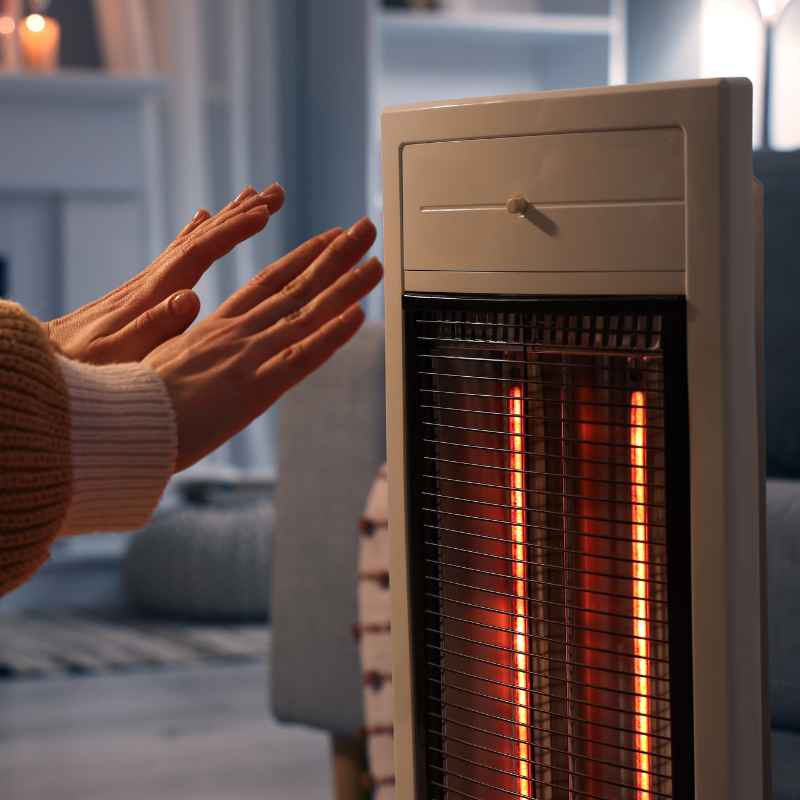
- Infrared Heaters: Heats objects directly, not air, efficient for targeted areas.
-
Fuel-Burning Heaters:
- Propane Heaters: Powerful, suitable for garages or outdoor spaces.
- Kerosene Heaters: High heat output, requires significant ventilation.
Pros and Cons of Portable Heaters
| Pros | Cons |
|---|---|
| Lower upfront cost. | Can be a fire hazard if not used correctly. |
| Energy efficient for targeted heating. | May not provide sufficient heat for very large or poorly insulated spaces. |
| Easy to move and store. | Some models can be noisy. |
| No installation required. | Fuel-burning types require careful ventilation and pose carbon monoxide risks. |
| Can supplement central heating during cold snaps. | Increased electricity bills if overused. |
Portable heaters are a budget-friendly and flexible option for localized warmth but come with safety considerations and limitations in heating capacity.
Cost Comparison: Installation and Running Expenses
When comparing portable heater vs central heat, the cost factor is often a primary driver for decision-making. Central heating systems have a significant upfront investment. Installation can range from $3,000 to $7,000 or more, depending on the type of system, the size of your home, and the complexity of the installation, including ductwork.
However, once installed, the running costs are influenced by fuel prices (natural gas is typically cheaper than electricity) and the efficiency rating of the unit.
Portable heaters, on the other hand, have a much lower entry cost, with prices typically ranging from $30 to $150 for electric models. Fuel-burning portable heaters might cost a bit more, often between $100 and $300. The running costs are primarily determined by electricity rates or fuel prices per gallon/pound.
While an individual portable heater might seem cheap to run for a few hours, using multiple units extensively or relying solely on electric portable heaters can lead to surprisingly high electricity bills, sometimes even exceeding the cost of running a central system, especially if the central unit is energy-efficient.
| Cost Factor | Central Heating | Portable Heater |
|---|---|---|
| Upfront Cost | $3,000 – $7,000+ | $30 – $300 |
| Installation Cost | High, integrated into home | None |
| Running Cost (Monthly) | Varies greatly by fuel and usage (e.g., $100-$300+) | Varies greatly by electricity rate/fuel (can be high if used extensively) |
| Maintenance Cost | Annual professional servicing ($150-$300) | Minimal (cleaning filters, occasional checks) |
| Energy Efficiency Focus | Whole-home, potential for zoning | Zone-specific, efficient for occupied areas |
The initial investment for central heating is substantial, whereas portable heaters are affordable upfront, but their running costs can escalate quickly if not used strategically.
Calculating Running Costs
To accurately compare running costs, you need to consider the wattage of the portable heater, the price of electricity in your area, and the number of hours it’s used. The formula is generally: (Wattage / 1000) Hours of Use Cost per Kilowatt-Hour (kWh). For example, a 1500-watt (1.5 kW) heater running for 8 hours a day at $0.15 per kWh would cost $1.80 per day, or about $54 per month if used daily.
For central heating, the calculation involves the BTU output of the system, its Annual Fuel Utilization Efficiency (AFUE) rating, and the cost of the fuel. A higher AFUE means more of the fuel’s energy is converted into heat. For instance, a furnace with 95% AFUE means 95% of the gas consumed becomes usable heat.
Comparing these figures requires a detailed understanding of your local energy prices and appliance specifications, but the principle is to heat only when and where needed for maximum savings.
Important: Energy Star certified central heating systems and highly efficient portable heaters can significantly reduce running costs. Always check the EnergyGuide labels and AFUE ratings.
Efficiency and Environmental Impact
When discussing portable heater vs central heat, efficiency and environmental impact are crucial considerations. Central heating systems, especially newer, high-efficiency models, can be quite energy-efficient. A modern furnace with an AFUE of 95% or higher means very little energy is wasted.
Heat pumps can be even more efficient, transferring heat from the outside air rather than generating it, though their efficiency can decrease in very cold temperatures. The environmental impact is largely tied to the fuel source – natural gas and propane combustion release greenhouse gases, while electricity generation can have varying impacts depending on the grid’s energy mix.
Portable electric heaters, while convenient, can be less efficient in terms of overall energy consumption if they are not used strategically. A 1500-watt heater consumes 1.5 kWh of electricity for every hour it runs. If this electricity is generated from fossil fuels, the indirect environmental impact can be substantial.
However, if the electricity comes from renewable sources, the impact is much lower. Fuel-burning portable heaters directly release emissions, including carbon monoxide, nitrogen oxides, and particulate matter, making proper ventilation absolutely critical and often limiting their indoor use. Organizations like the Environmental Protection Agency (EPA) recommend choosing ENERGY STAR certified appliances for both central systems and portable units to minimize energy waste and environmental footprint.
-
Central Heating Efficiency Metrics:
- AFUE (Annual Fuel Utilization Efficiency): Percentage of fuel converted to heat (e.g., 90% means 90% of fuel becomes heat, 10% is lost).
- HSPF (Heating Seasonal Performance Factor): For heat pumps, measures efficiency over the heating season.
-
Portable Heater Efficiency Considerations:
- Wattage: Higher wattage means more power consumption.
- Heat Distribution: How effectively the heat is spread in the target area.
- Standby Power: Some units consume a small amount of power even when off.
-
Environmental Impact Factors:
- Fuel Source: Natural gas, electricity, propane, oil.
- Emissions: Greenhouse gases, particulate matter, carbon monoxide.
- Renewable Energy Use: Utilizing solar or wind power for electricity.
Reducing Energy Consumption
To reduce energy consumption with central heating, proper insulation, sealing air leaks, and using programmable thermostats are key. Zoning systems can also be installed to heat only occupied areas. Regular maintenance ensures the system operates at peak efficiency.
For portable heaters, the strategy is to use them only when and where needed, such as in a home office during work hours or a bedroom at night.
Turning down the thermostat on your central heating system and using a portable heater to supplement warmth in the specific room you are in can be a very effective way to save energy and money. Always ensure that portable heaters are placed away from flammable materials and that they have safety features like automatic shut-off if tipped over. Considering electric portable heaters powered by renewable energy sources can also significantly reduce their environmental impact.
Installation and Maintenance
The installation process for central heating systems is a major undertaking. It requires professional HVAC technicians to set up the main unit, run ductwork or piping throughout the house, and connect it to a thermostat. This process can take several days and involves significant disruption to your home.
Once installed, central heating systems require annual professional maintenance, including cleaning, inspection, and testing, to ensure optimal performance and safety. Filter changes are typically a homeowner’s responsibility and should be done regularly, usually every 1-3 months.
Portable heaters, in stark contrast, require no installation. You simply plug them in and turn them on. Their maintenance is also far simpler.
For electric models, this typically involves dusting the exterior, cleaning the intake and outtake grilles, and checking the power cord for any damage. For fuel-burning types, maintenance also includes cleaning the burner, checking fuel filters, and ensuring proper ventilation is clear. These tasks can usually be performed by the homeowner, making maintenance costs minimal.
However, it’s crucial to follow the manufacturer’s instructions for care and safety to prevent issues.
Warning: Never use fuel-burning portable heaters indoors without adequate ventilation. This can lead to dangerous levels of carbon monoxide, which is odorless and deadly. Always have a working carbon monoxide detector in your home.
DIY vs. Professional Maintenance
Most aspects of central heating maintenance, such as the annual tune-up and any repairs, must be handled by a qualified HVAC technician. This is due to the complexity of the systems, the use of potentially hazardous fuels like natural gas, and the need for specialized tools and expertise. Attempting DIY repairs on a central heating system can void warranties, compromise safety, and lead to more expensive damage.
Conversely, the maintenance for portable heaters is overwhelmingly DIY-friendly. Cleaning dust from vents, checking power cords, and wiping down the unit are simple tasks anyone can do. Even more involved tasks, like replacing a fuse in some models, are usually straightforward.
This significantly reduces the ongoing cost associated with keeping the appliance in good working order, making portable heaters a lower-maintenance option.
Safety Features and Concerns
Central heating systems are generally considered safe when properly installed and maintained by professionals. Modern furnaces and boilers have built-in safety mechanisms, such as automatic shut-off if they overheat or if the fuel supply is interrupted. The main risks associated with central heating involve potential gas leaks, carbon monoxide poisoning if the heat exchanger fails or is poorly vented, and fire hazards from ductwork or electrical components.
Regular inspections by HVAC technicians are vital to mitigate these risks. Professional installation by certified technicians adhering to building codes is paramount.
Portable heaters, particularly electric models, have come a long way in terms of safety features. Most modern electric portable heaters include tip-over protection (shutting off the unit if it’s knocked over), overheat protection (shutting off if the unit gets too hot), and cool-touch exteriors. However, the risks are still higher than with central systems.
Fire hazards can arise if heaters are placed too close to combustible materials like curtains, furniture, or bedding. Fuel-burning portable heaters pose the additional, significant risk of carbon monoxide poisoning and fire due to combustion. Proper placement, adherence to manufacturer guidelines, and ensuring adequate ventilation are critical for safe operation.
According to the U.S. Fire Administration, portable heaters are involved in a significant percentage of residential fires during winter months.
-
Central Heating Safety Features:
- Automatic shut-off mechanisms.
- Overheat sensors.
- Sealed combustion chambers (on some models).
- Professional installation and regular inspections.
-
Portable Heater Safety Features:
- Tip-over switch.
- Overheat protection.
- Cool-touch housing.
- Certifications like UL (Underwriters Laboratories) or ETL (Intertek).
-
Key Safety Concerns:
- Fire hazards from proximity to combustibles.
- Carbon monoxide poisoning (especially from fuel-burning units).
- Electrical hazards (damaged cords, overloaded circuits).
- Burns from hot surfaces.
Best Practices for Safe Use
For central heating, ensure you have working smoke and carbon monoxide detectors on every level of your home. Schedule annual maintenance with a reputable HVAC company. Avoid storing flammable materials near your furnace or vents.
For portable heaters, always keep them at least three feet away from anything flammable. Never leave them running unattended, especially when sleeping. Ensure the power cord is not frayed or damaged, and avoid plugging them into extension cords or power strips, as they can overheat.
For fuel-burning units, always use them in well-ventilated areas and follow the manufacturer’s fuel-handling instructions precisely.
For electric portable heaters, consider using them on a circuit dedicated to the heater if possible, to avoid tripping breakers. If you have children or pets, choose models with advanced safety features like enclosed heating elements or cool-touch exteriors. Regularly inspect the unit for any signs of wear or damage.
A report from the National Fire Protection Association (NFPA) highlights that heating equipment is a leading cause of home fires, with portable heaters being a significant contributor. Adhering to safety guidelines drastically reduces these risks.
Suitability for Different Living Spaces
The choice between portable heater vs central heat often depends heavily on the type and size of your living space. Central heating is generally the preferred option for larger homes, multi-story dwellings, or homes with multiple living areas that are occupied simultaneously. It provides consistent, reliable warmth throughout the entire structure, which is especially important in colder climates.
Its integrated nature means it’s less obtrusive and offers a more seamless comfort experience for the whole household.
Portable heaters shine in specific scenarios: apartments, studios, small homes, garages, workshops, or for heating specific rooms that are used more frequently than others. They are perfect for supplementary heating during peak cold periods or for providing comfort in an addition or a basement that the central system doesn’t adequately reach. For individuals or couples in smaller dwellings, a few well-placed portable heaters can often be a more economical and practical solution than installing a full central heating system.
-
Central Heating is Best For:
- Large single-family homes.
- Multi-story houses.
- Homes in very cold climates requiring constant, whole-house warmth.
- Families or households with diverse temperature preferences across rooms.
- Individuals who prioritize convenience and consistent temperature.
-
Portable Heaters are Best For:
- Apartments, condos, and studios.
- Single rooms or specific zones within a larger home.
- Guest rooms or home offices used intermittently.
- Garages, workshops, or basements.
- Renters who cannot install permanent heating systems.
- Supplementing an existing central heating system.
Optimizing Your Heating Strategy
The most effective heating strategy often involves a hybrid approach. For instance, using central heating as your primary source for general warmth during colder months and then employing portable heaters to boost comfort in specific areas you’re actively using can lead to significant energy savings. This “zoned heating” approach allows you to maintain a comfortable temperature where you need it without wasting energy on unused spaces.
Consider your home’s insulation levels and window efficiency as well. A well-insulated home will retain heat much better, whether from a central system or a portable unit, making any heating method more effective. For example, sealing drafts around windows and doors can make a noticeable difference in maintaining the warmth provided by a portable heater in a particular room.
Frequently Asked Questions
What is the most energy-efficient way to heat a home?
The most energy-efficient way to heat a home depends on various factors like climate, home insulation, and available energy sources. Generally, highly efficient central heating systems (like modern condensing furnaces or heat pumps with high SEER/HSPF ratings), especially when paired with smart thermostats and good insulation, are very efficient for whole-home heating. For targeted heating, energy-efficient portable electric heaters used judiciously in occupied spaces can save energy compared to heating an entire house with central heat.
Can portable heaters replace central heating entirely?
For very small living spaces, such as studio apartments or single-room dwellings, a few well-chosen portable heaters might suffice as the sole heating source. However, for most homes, especially larger ones or those in colder climates, portable heaters are best used as supplemental heat or for zoning, rather than a complete replacement for central heating. They typically lack the capacity to heat an entire house effectively and consistently.
How much does it cost to run a portable heater versus central heating?
The cost comparison varies greatly. A 1500-watt portable electric heater running 8 hours a day can cost $40-$100+ per month depending on electricity rates. Central heating costs also fluctuate widely based on fuel type (natural gas is usually cheaper than electricity), system efficiency, and thermostat settings, potentially ranging from $100-$300+ per month.
For occasional use in one room, portable heaters are cheaper. For whole-house heating, an efficient central system is often more cost-effective.
Are portable heaters safe to use overnight?
Using portable electric heaters overnight is generally considered safe IF the unit has advanced safety features like automatic shut-off, overheat protection, and tip-over protection, and is used according to manufacturer instructions. However, it is never recommended to use fuel-burning portable heaters overnight indoors due to the risk of carbon monoxide poisoning. Always place electric heaters away from bedding and ensure good ventilation.
Which type of portable heater is most efficient?
When comparing electric portable heaters, infrared and ceramic heaters are often considered quite efficient for their intended use because they deliver heat quickly to the immediate area or objects. Oil-filled radiators provide steady, ambient heat that can be efficient for maintaining a consistent temperature in a room over longer periods. The overall efficiency also depends on how well the heater distributes the heat and how much energy it consumes for the output.
For fuel-burning options, their efficiency is measured differently and they are generally more powerful but require significant ventilation.
Final Thoughts
Deciding between a portable heater vs central heat ultimately comes down to your specific needs and circumstances. Central heating offers unparalleled whole-home comfort and convenience but demands a significant initial investment and ongoing maintenance. Portable heaters provide a flexible, cost-effective solution for localized warmth and can be an excellent supplement to an existing system.
By carefully considering your home’s size, your budget, usage patterns, and safety requirements, you can determine the best heating strategy to keep you warm and comfortable throughout the colder months.
Sponsored / affiliate links. As an Amazon Associate I earn from qualifying purchases. I may earn additional commission from eligible campaigns.