Are Portable Heaters Cheaper To Run Than Central Heating?
The cost of running portable heaters versus central heating depends on many factors like your home’s insulation, the heater’s efficiency, and how you use them. Portable heaters can be cheaper for small spaces or short periods, while central heating is often more cost-effective for whole-house heating. Understanding the nuances is key to saving money.
Portable Heaters vs. Central Heating: The Big Picture
When we talk about heating our homes, most of us have two main options in mind. One is the system that warms your entire house, often through vents or radiators. This is what we call central heating.
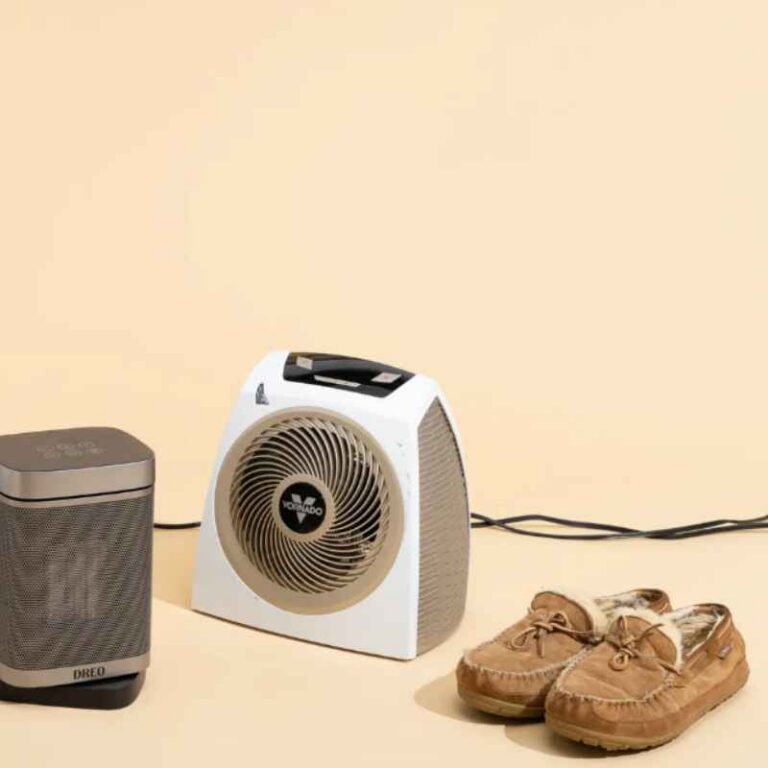
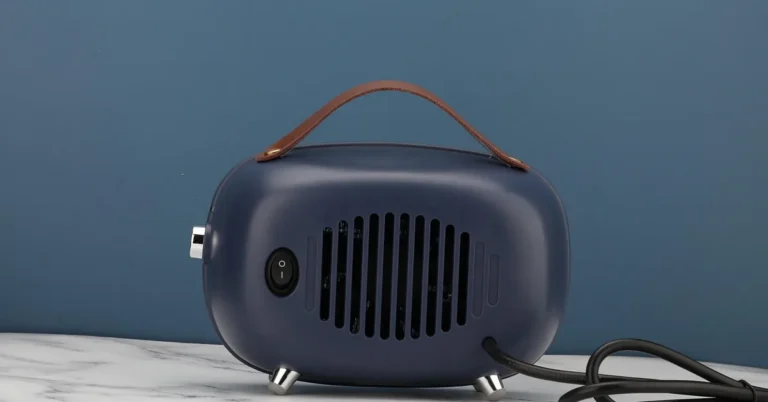
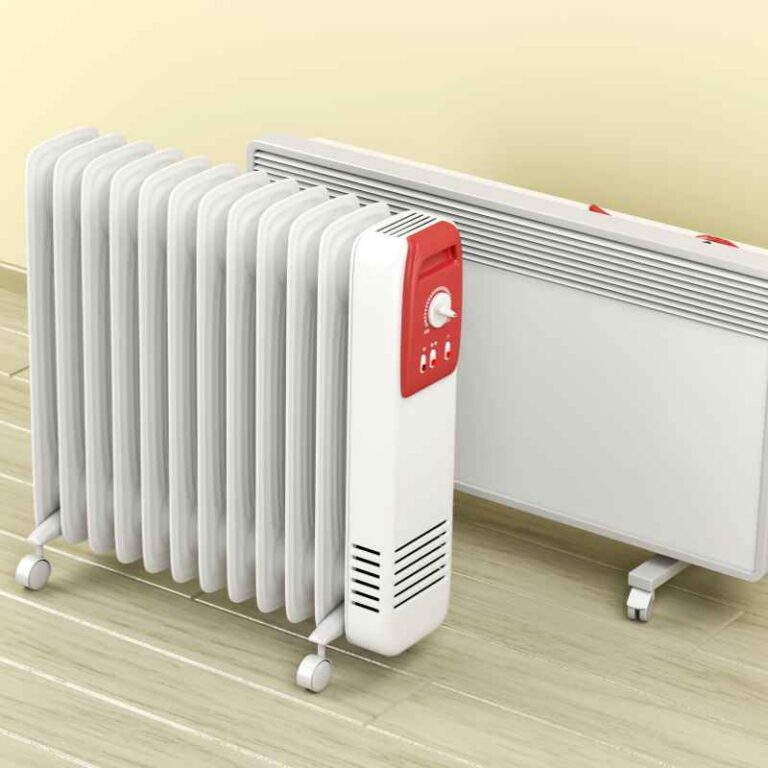
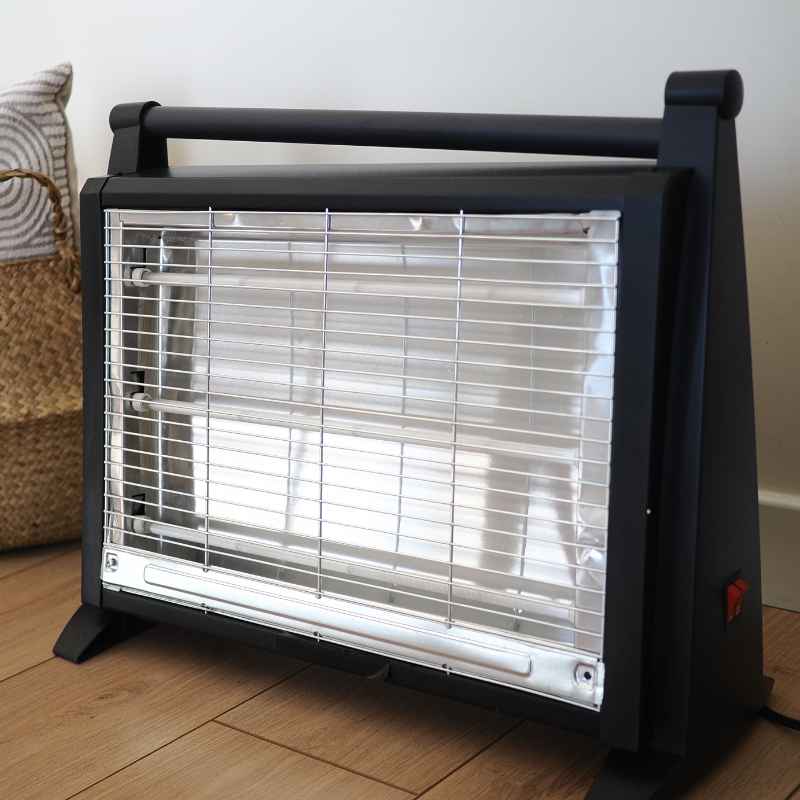
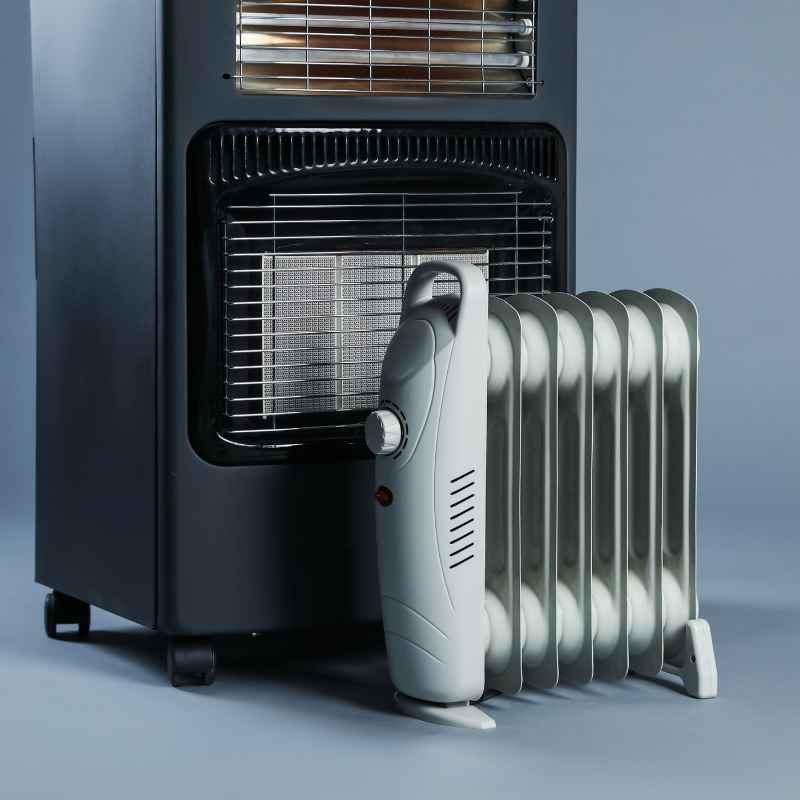
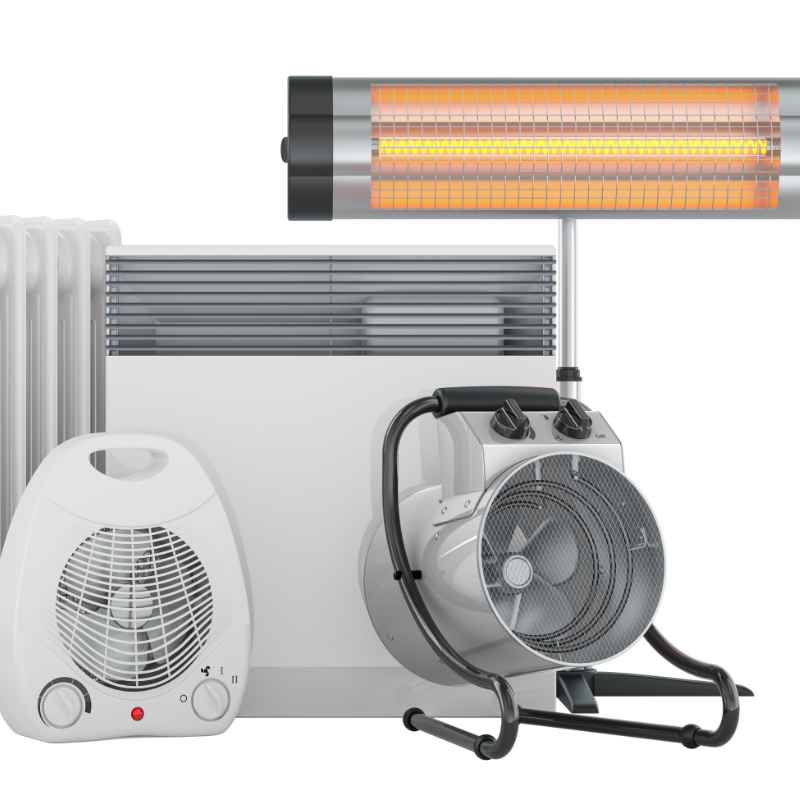
The other is those smaller, movable heaters you can plug in and place where you need them most. These are your portable heaters. They come in many types, like ceramic, oil-filled, or infrared models.
Each has its own way of making heat.
The big question is always about cost. Is one really cheaper than the other? The simple answer is: it’s complicated.
It’s not a straight yes or no. Many things play a role. Your home’s size matters.
How well your house keeps heat in, called insulation, is super important. The kind of heater you use is also key. And most of all, how you actually use these heating methods makes a huge difference.
Let’s look at what makes each option tick. Central heating systems are designed to warm every room. They use a main unit, like a furnace or boiler.
This unit heats air or water. Then, it sends that heat all over your house. This sounds powerful.
It can be good for keeping every corner cozy. But it also means you’re heating spaces you might not be using at all.
Portable heaters, on the other hand, are like little heat buddies. You can move them from room to room. You can place them right next to you on a chilly evening.
This means you can heat just the spot you are in. This is called zone heating. The idea is that by only heating what you need, you use less energy.
Less energy used often means less money spent.
But there’s a catch. Many portable heaters, especially electric ones, use a lot of power. They have a high wattage.
Wattage is a measure of how much electricity a device uses. A higher wattage means more power draw. If a heater uses a lot of watts, and you run it for a long time, the electricity bill can climb fast.
Central heating might use more energy overall to heat the house, but its efficiency can sometimes win out.
So, are portable heaters cheaper? Sometimes, yes. But sometimes, no.
It really depends on your situation. We need to dig deeper into how they work and where they shine. Understanding the energy they use and the heat they give off is crucial.
We will also look at how your home itself affects the heating costs.
How Portable Heaters Work (And Use Energy)
Portable heaters are pretty straightforward. They take electricity and turn it into heat. It sounds simple, but the way they do this affects how much they cost to run.
Most electric portable heaters use a heating element. This is often a coil that gets very hot when electricity flows through it. Some heaters blow air over this element to spread the warmth.
Others, like oil-filled radiators, heat oil inside. This oil then radiates heat slowly.
The power a heater uses is measured in watts. You’ll see this on the heater’s label. A small ceramic heater might use 750 watts on a low setting.
It might use 1500 watts on high. An oil-filled heater could also be around 1500 watts. Infrared heaters often use a similar amount of power.
To figure out the cost, you need to know this wattage. You also need to know the price of electricity in your area. Electric companies charge by the kilowatt-hour (kWh).
A kilowatt is 1000 watts.
So, if you run a 1500-watt heater for one hour, you use 1.5 kWh of electricity. If your electric rate is, say, $0.15 per kWh, that one hour of heating costs you 1.5 * $0.15 = $0.225. That might not sound like much.
But if you run that heater for several hours a day, for weeks on end, those costs add up quickly. A whole winter of using a portable heater can become a significant expense.
There are different types of electric portable heaters. Some are more efficient than others. Ceramic heaters are popular.
They heat up fast. They often have a fan to push the warm air out. This can make a room feel warm quickly.
Oil-filled radiators are different. They heat up slower. But they tend to provide a more even, gentle heat.
They also stay warm for a while after being turned off, thanks to the oil inside.
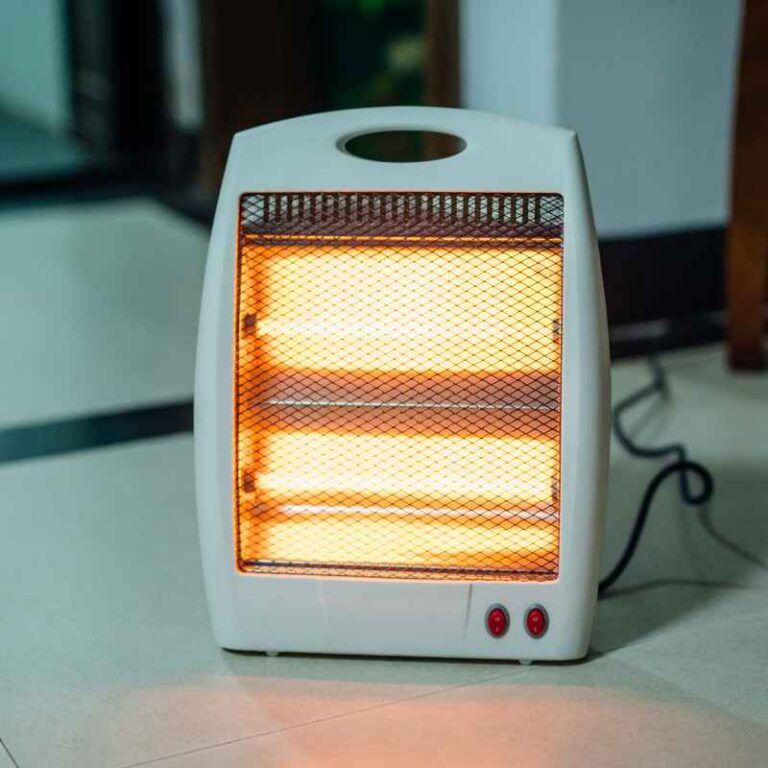
Infrared heaters work by directly heating objects and people. They don’t heat the air as much. This can feel very direct.
Some people like this because they feel warm without making the whole room stuffy. The energy use for these types is usually comparable to other electric heaters, around 1500 watts.
The key takeaway here is that electric resistance heating, which most portable heaters use, is not the most energy-efficient way to produce heat. It’s often more expensive per unit of heat produced than other methods, especially compared to central heating systems that are well-maintained and properly sized.
Let’s look at a quick comparison. A typical central heating system might have an efficiency rating. For example, a gas furnace might be 90% efficient.
This means 90% of the energy from the gas is turned into heat. Electric resistance heating is almost 100% efficient at turning electricity into heat at the point of use. However, the electricity itself might have been generated from sources that were not very efficient.
So, while the portable heater is efficient locally, the overall energy picture might not be as rosy.
Understanding these energy numbers is the first step. It helps you see why a portable heater might be cheaper in one scenario but more expensive in another. The wattage is your guide.
The duration you use it is your multiplier. And your local electricity price is the final calculation.
Central Heating: How It Works and Its Costs
Central heating systems are the backbone of warmth for many American homes. They are designed for one main job: to heat your entire living space efficiently. Most systems use a furnace or a boiler.
A furnace typically heats air. A boiler heats water. This heated air or water then travels through a network of ducts or pipes.
These ducts or pipes lead to vents or radiators in each room.
The fuel source for central heating can vary. Natural gas is very common. It’s often cheaper per unit of energy than electricity.
Propane is used in areas without natural gas lines. Electric furnaces are also an option, though they can be more expensive to run. Some homes use heat pumps, which are a type of electric system that moves heat from outside air into the home.
The cost of running central heating is tied to the fuel it uses and its efficiency. For a natural gas furnace, the cost depends on the price of natural gas in your region. For an electric furnace or heat pump, it depends on your electricity rates.
The age and efficiency of your furnace or boiler also play a huge role. Older units are often less efficient.
Modern furnaces and boilers have AFUE ratings. This stands for Annual Fuel Utilization Efficiency. An AFUE of 90% means that 90% of the fuel used is converted into heat for your home.
The other 10% is lost, usually up the chimney. High-efficiency models can reach 95% or even higher. These are much better at saving energy and money over time.
Central heating systems are designed to maintain a consistent temperature throughout the house. You set a thermostat, usually in a main living area. The system then works to keep that temperature.
This means it can use a significant amount of energy, especially on very cold days when the system needs to run for long periods. However, because it heats the whole house, you don’t typically have one specific appliance drawing a massive amount of power at once.
The cost of central heating is spread out. You pay for the fuel used over the entire heating season. It might seem like a large bill at the end of the month.
But when you break it down per hour of heat delivered across the whole house, it can be competitive, especially if your system is efficient and your home is well-insulated.
A key advantage of central heating is comfort. It provides a steady, even heat. It doesn’t have fans that can be noisy or create drafts.
It’s often less noticeable because it’s always there, doing its job in the background. The initial cost to install a central heating system is high. But its running costs, when efficient, can be quite manageable for whole-home comfort.
Let’s consider a scenario. Imagine a 2000-square-foot home. Heating this entire space with electric portable heaters would likely be extremely expensive.
You would need multiple heaters running constantly. The total wattage could easily exceed what a central electric furnace uses. If you have natural gas, central heating is almost always cheaper than electric resistance heating for whole-house warmth.
The efficiency of your central heating system and your home’s insulation are critical. A leaky, poorly insulated house will make any heating system work harder and cost more. Regular maintenance is also vital.
A clean filter and a tuned-up furnace or boiler will run more smoothly and efficiently. This translates directly into lower energy bills.
So, while central heating might seem like a big energy user, its purpose is to provide widespread comfort. Its cost-effectiveness depends heavily on the fuel type, system efficiency, and how well your home holds onto that heat. It’s often the most practical solution for keeping an entire home warm throughout the winter.
When Portable Heaters Shine (and Save You Money)
Okay, so portable heaters aren’t always the most expensive option. There are specific times and places where they are actually a fantastic choice for saving money. Think about situations where you don’t need to heat your entire house.
Perhaps you only spend a few hours a day in a specific room.
A classic example is heating a home office during the workday. If your main living area is warm enough, but your office gets a bit chilly, a small ceramic or oil-filled heater can be perfect. You can set it up near your desk.
It warms just your immediate workspace. You might even be able to turn down the thermostat for the rest of the house a degree or two, saving even more.
Another common scenario is heating a bedroom at night. Many people find they sleep better in a slightly cooler room. But they still want to be warm when they first get into bed.
A portable heater can do this quickly. You turn it on for a short time before bed. Then, you turn it off.
You’re cozy without using energy all night. This is much cheaper than running central heating all night, which might overheat the room.
Garages and workshops are also good candidates for portable heaters. If you spend a few hours working in your garage on a weekend, you don’t need to heat your whole house to keep that space comfortable. A sturdy portable heater can make the space usable.
Just be sure it’s rated for garage use and is placed safely away from flammable materials.
Drafty rooms are another perfect use case. Some older homes have rooms that just never seem to stay warm, no matter how high you turn up the central heating. These rooms might have poor insulation or leaky windows.
Instead of cranking up the thermostat and wasting energy everywhere else, you can use a portable heater to supplement the heat in that specific room. This targeted approach is far more economical.
It’s also important to think about the size of your home. If you live in a small apartment or a tiny home, a portable heater might be all you need. You might not even have central heating.
In such cases, a single, efficient portable heater can be the most cost-effective way to keep the entire living space warm. You’ll want to choose one that’s appropriately sized for the square footage.
Here’s a little tip: look for portable heaters with thermostats. This allows you to set a specific temperature. The heater will turn itself on and off to maintain that temperature.
This prevents it from running constantly and using unnecessary electricity. It’s like having a mini-central heating system for just one room.
So, to sum up, portable heaters are cost-effective when you need to heat:
- A single, small space.
- A room you use for a limited time each day.
- A specific spot where you are sitting or working.
- As a supplement to an unevenly heated central system.
- In very small homes or apartments.
By using them smartly, you can target your heat usage. This can lead to noticeable savings on your energy bills compared to heating unused areas of your home.
Portable Heater Usage: Smart Choices
Focus on the Zone: Only heat the room you are in. Don’t heat empty hallways or rooms.
Short Bursts: Use heaters for a limited time to warm up a space. Turn them off when not needed.
Thermostat Control: Always use heaters with built-in thermostats to avoid overheating and wasted energy.
Lower the Main Heat: When using a portable heater in one room, consider turning down your central thermostat slightly.
Safety First: Keep heaters away from curtains, furniture, and pets. Never leave them on when you leave the room.
When Central Heating is the Smarter Choice
While portable heaters are great for targeted warmth, central heating is usually the champion for overall home comfort and, in many cases, long-term cost savings. If you need to keep your entire house at a comfortable temperature, especially on very cold days, central heating is often the way to go.
Consider a home with multiple bedrooms, living areas, and bathrooms. Heating all these spaces with portable electric heaters would be a massive undertaking. You’d need many units.
The total electricity consumption could be astronomical. Even if you don’t use every room every day, you still want the house to be generally warm when you move from one area to another.
Central heating is designed for this. It provides a consistent temperature throughout the house. This creates a comfortable living environment.
You don’t have to worry about carrying a heater from room to room. Or setting up multiple heaters. It’s a set-it-and-forget-it system.
You set your thermostat, and the house stays warm.
Furthermore, if your central heating system uses natural gas or propane, it’s often significantly cheaper per unit of heat than electricity. Natural gas prices, while they fluctuate, are typically lower than the cost of electricity needed to generate the same amount of heat using electric resistance. So, for a whole-house solution, gas central heating is a very strong contender for cost-effectiveness.
Even with electric central heating, like a heat pump or electric furnace, it can be more efficient than relying on multiple small electric heaters. A central system is designed to distribute heat evenly. Heat pumps, in particular, are very efficient because they move heat rather than creating it from scratch.
They can provide a lot of warmth for the electricity they consume, especially in milder climates.
Think about the infrastructure. Central heating systems are built into the house. Ducts are hidden in walls and ceilings.
Radiators are installed permanently. This means there’s no visual clutter of multiple heaters. It also means the heat is delivered efficiently through the designed pathways.
Portable heaters, while convenient, can create hot spots and cold spots.
Another point is reliability. Central heating systems are built to run for long periods during the coldest months. They are usually more robust.
While portable heaters can be useful for backup heat during power outages (if you have a generator), for the primary source of warmth, central systems are the workhorses.
The key factors that make central heating smarter are:
- Whole-Home Comfort: Maintaining a consistent temperature throughout the entire house.
- Fuel Cost: Often using cheaper fuels like natural gas.
- System Efficiency: Well-maintained modern systems are very efficient at distributing heat.
- Convenience: Set it and forget it. No moving heaters around.
- Aesthetics: Less clutter in your living spaces.
If you have a well-insulated home and an efficient central heating system, it’s likely the most economical and comfortable way to heat your entire living space during the winter. Trying to replicate that with portable electric heaters would be difficult and, in most cases, much more expensive.
Central Heating: When It’s King
Large Homes: Heating a multi-room house is its primary strength.
Consistent Comfort: Delivers even warmth throughout the entire structure.
Natural Gas Advantage: If available, gas central heating is often the cheapest fuel source.
Efficiency Factors: High AFUE ratings and proper home insulation maximize savings.
Long-Term Investment: A reliable system for decades of warmth.
Factors Affecting Your Heating Costs
We’ve talked about portable heaters and central heating. We’ve seen where each can save you money. But there are other big factors that influence your heating bills.
These affect both types of systems. Understanding them can help you make even smarter choices about staying warm.
Insulation is King: How well your home is insulated is probably the single biggest factor. Insulation acts like a blanket for your house. It keeps the heat inside during the winter.
It also keeps the heat out during the summer. Homes with poor insulation lose a lot of heat through walls, attics, and floors. This means your heating system has to work much harder.
It uses more energy to replace the lost heat. Adding insulation, especially in the attic, can be one of the most effective ways to lower your heating bills.
Windows and Doors: These are common culprits for heat loss. Older windows with single panes are terrible insulators. They let a lot of cold air in and warm air out.
Replacing them with double or triple-pane, energy-efficient windows makes a big difference. Weatherstripping around doors and windows is also crucial. It seals up small gaps where drafts can enter.
Thermostat Settings: How you set your thermostat has a direct impact. Every degree you turn down your thermostat can save you a surprising amount of money. The U.S.
Department of Energy suggests setting your thermostat lower when you are away or asleep. Even a few degrees can add up. Smart thermostats can help automate this process.
Home Size: This one seems obvious, but it’s worth stating. A larger home requires more energy to heat than a smaller one. If you have a huge house and only use a couple of rooms, using portable heaters in those specific rooms might be cheaper than heating the entire house with central heat.
But if you need to heat the whole large space, a properly sized central system is usually more efficient than trying to do it with portable units.
Climate: Where you live matters a lot. If you live in a mild climate where winters are short and temperatures rarely drop severely, the cost difference between heating methods might be less dramatic. However, in regions with long, cold winters, the efficiency and type of heating system become much more critical for cost savings.
Fuel Prices: The cost of natural gas, propane, and electricity changes. These prices are set by supply and demand. They can vary greatly from one region to another and change over time.
A system that is cheaper to run in one state might be more expensive in another, simply due to fuel costs.
System Maintenance: As mentioned before, keeping your heating system in good shape is vital. A dirty air filter in a furnace can reduce airflow and efficiency. A boiler that needs bleeding can also lose efficiency.
Regular check-ups by a professional can catch problems early and ensure your system runs at its best.
Behavioral Habits: How we use our homes affects heating costs. Leaving doors open, using exhaust fans excessively, and not sealing drafts all contribute to higher energy use. Simple changes in habits can lead to noticeable savings.
Let’s visualize this. Imagine two identical homes side-by-side. One is perfectly insulated, has new windows, and the occupants are mindful of thermostat settings.
The other is poorly insulated, has drafty windows, and the thermostat is always set high. The second home will cost significantly more to heat, regardless of whether they use central heat or portable heaters. The portable heater might seem cheaper for a short time, but if the room is losing heat rapidly, it will have to run constantly, negating any savings.
These factors are interconnected. Good insulation makes your central heating system work less. It also means your portable heater doesn’t have to run as long to keep a room warm.
Focusing on improving these areas will help you save money no matter what heating method you choose.
Your Home’s Impact on Heating Bills
Insulation Levels: (Attic, Walls, Floors)
Window & Door Quality: (Single vs. Double Pane, Seals)
Thermostat Habits: (Setback temperatures, Smart usage)
Home Size & Layout: (Square footage, Usable living space)
Regional Climate: (Harsh winters vs. Mild seasons)
Fuel Type Costs: (Gas vs. Electric vs. Propane rates)
Comparing Costs: A Quick Guide
To make this clearer, let’s try to put some numbers together. Keep in mind these are estimates. Your actual costs will vary.
We’ll look at two common scenarios: heating a single room for a few hours and heating a whole house. For electricity, let’s use an average rate of $0.15 per kWh. For natural gas, we’ll use $1.20 per therm (1 therm = 100,000 BTUs, roughly equivalent to 29 kWh of heat).
Scenario 1: Heating a Single Room (e.g., Office) for 4 Hours Daily
Option A: Electric Portable Heater (1500 Watts)
- Wattage: 1500 W = 1.5 kW
- Daily Usage: 1.5 kW * 4 hours = 6 kWh
- Daily Cost: 6 kWh * $0.15/kWh = $0.90
- Monthly Cost (30 days): $0.90 * 30 = $27.00
Option B: Central Heating (Heating one zone or room set to slightly higher temp for that period)
This is harder to estimate directly as it depends on your system. A central furnace might use 70,000 BTU/hour on high. If it runs for 2 hours to warm the room and stays on low for 2 more hours (total 4 hours), and is 90% efficient:
- Gas furnace usage: Let’s say it uses 70,000 BTU/hr * 4 hours = 280,000 BTU.
- Therms used: 280,000 BTU / 100,000 BTU/therm = 2.8 therms.
- Daily Cost: 2.8 therms * $1.20/therm = $3.36
In this specific scenario, the portable heater appears cheaper for targeted room heating. However, this assumes your central heating system can efficiently isolate and heat just that area without significant heat loss elsewhere.
Scenario 2: Heating a Whole House (e.g., 2000 sq ft) for 12 Hours Daily
Option A: Multiple Electric Portable Heaters (2 heaters at 1500W each, running for 12 hours)
- Total Wattage: 1500 W + 1500 W = 3000 W = 3.0 kW
- Daily Usage: 3.0 kW * 12 hours = 36 kWh
- Daily Cost: 36 kWh * $0.15/kWh = $5.40
- Monthly Cost (30 days): $5.40 * 30 = $162.00
This doesn’t account for needing more heaters or the inefficiency of heating a whole house this way.
Option B: Natural Gas Central Heating (90% AFUE Furnace)
A whole house might need roughly 60,000 BTU/hour on average during a cold day. Let’s say it runs for 8 hours over a 12-hour period to maintain temperature:
- Total BTU needed: 60,000 BTU/hr * 8 hours = 480,000 BTU.
- Therms used: 480,000 BTU / 100,000 BTU/therm = 4.8 therms.
- Actual energy input (due to 90% efficiency): 4.8 therms / 0.90 = 5.33 therms.
- Daily Cost: 5.33 therms * $1.20/therm = $6.40
- Monthly Cost (30 days): $6.40 * 30 = $192.00
This comparison gets closer. However, if the house is poorly insulated, the central heating might run more than 8 hours, increasing its cost. If the house is well-insulated, central heating might run less.
Electric central heating (like a heat pump) would have different calculations based on its efficiency (COP). For whole-house heating, especially with gas, central systems often prove more economical or comparable, with far superior comfort.
These are simplified models. Real-world usage, thermostat settings, and actual fuel prices will create variations. The key takeaway is that for heating small, occupied spaces for short durations, portable heaters can win.
For consistent, whole-home warmth, central heating is generally the more practical and often more economical choice.
Cost Comparison Snapshot
| Scenario | Portable Heater (Electric) | Central Heating (Natural Gas) |
|---|---|---|
| Single Room (4 hrs/day) | ~$27.00/month | ~$10.20/month* (for targeted heat, often higher if heating whole house) |
| Whole House (12 hrs/day) | ~$162.00+/month (highly variable, often more) | ~$192.00+/month (dependent on insulation and efficiency) |
* Note: The central heating cost for a single room is an approximation. It assumes efficient zone heating which isn’t always possible.
Safety Considerations for Portable Heaters
Portable heaters are convenient, but they come with risks. Safety should always be your top priority. Because they generate heat directly, they can pose fire hazards if not used correctly.
It’s crucial to be aware of these risks and take precautions.
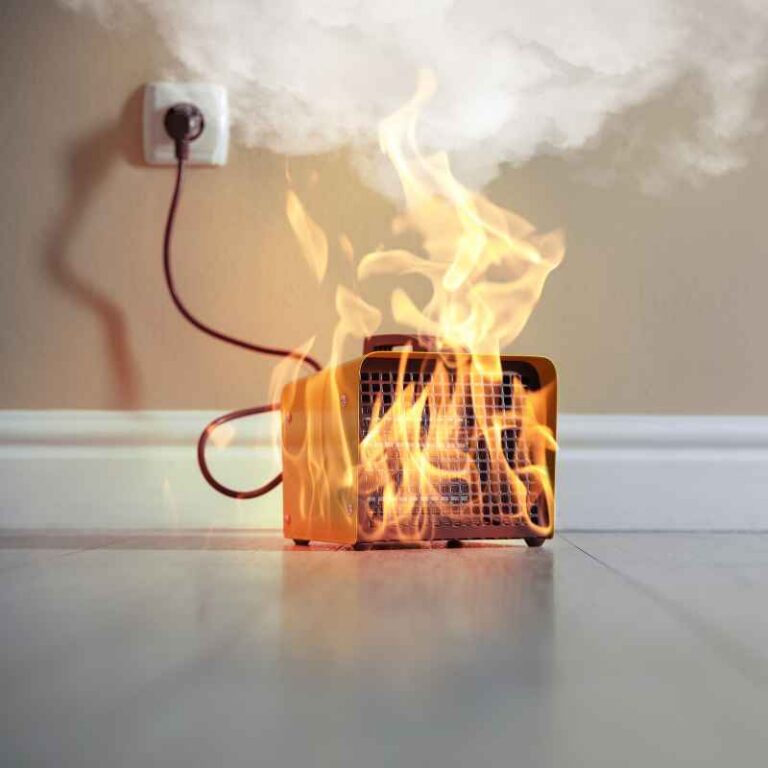
Fire Hazard: This is the biggest concern. Portable electric heaters, especially older models or those with damaged cords, can overheat or malfunction. They should NEVER be placed too close to anything flammable.
This includes curtains, bedding, furniture, paper, and clothing. A general rule of thumb is to keep them at least 3 feet away from anything that can burn.
Overheating: Some heaters have safety features like automatic shut-off if they tip over. This is a great feature to look for. Always ensure the heater is on a stable, flat surface.
Never place it on top of furniture that could tip, like a bed or a sofa. If a heater starts to smell strange, make unusual noises, or feel excessively hot to the touch on the outside casing (beyond where the heat is intended to be), unplug it immediately and have it inspected or replaced.
Carbon Monoxide (CO): Electric portable heaters do not produce carbon monoxide. However, if you are using a portable heater that runs on propane or kerosene, this is a serious risk. These types of heaters produce CO, a colorless, odorless gas that can be deadly.
NEVER use fuel-burning portable heaters indoors without proper ventilation. It’s highly recommended to have a working carbon monoxide detector in any home where these types of heaters are used.
Children and Pets: Keep portable heaters out of reach of children and pets. Their curious nature can lead them to touch the hot surfaces, causing burns. They might also knock over the heater, creating a fire hazard.
Always supervise young children and pets when a portable heater is in use.
Electrical Safety: Only plug portable heaters directly into a wall outlet. NEVER use an extension cord. Extension cords can overheat and become a fire risk, especially with high-wattage appliances like heaters.
Also, avoid plugging heaters into power strips or surge protectors, as these are not designed to handle the continuous high power draw of a heater.
Ventilation: Even electric heaters need some ventilation. They draw in air and expel warm air. Ensure the air intake and exhaust vents on the heater are not blocked.
Blocking them can cause the unit to overheat and reduce its efficiency.
Age and Condition: If a portable heater is old, damaged, or has a frayed cord, it’s time to replace it. Modern heaters have improved safety features. Look for certifications from organizations like UL (Underwriters Laboratories) or ETL, which indicate the product has met safety standards.
I remember one winter, a friend’s basement filled with stored holiday decorations caught fire. It turned out their old space heater, which had been running for days, was placed too close to a pile of boxes. Thankfully, everyone got out okay.
It was a stark reminder that these devices, while helpful, require constant vigilance. Always read the manufacturer’s instructions. Follow them carefully.
Using portable heaters safely means being informed and cautious. It’s about making sure the warmth they provide doesn’t come at the cost of your safety or your home.
Portable Heater Safety Checklist
- 3-Foot Rule: Keep heaters at least 3 feet from flammable items.
- Stable Surface: Place on a flat, sturdy floor.
- Tip-Over Protection: Choose models with automatic shut-off.
- No Extension Cords: Plug directly into wall outlets.
- Unblock Vents: Ensure air intake and exhaust are clear.
- Supervise Use: Keep away from children and pets.
- CO Detector: Essential for fuel-burning heaters.
- Inspect Regularly: Check cords and casings for damage.
When to Call a Professional
Most of the time, managing your heating involves choosing between systems or using portable units wisely. But sometimes, your heating situation might point to bigger issues. These are times when you should definitely call a professional.
Trying to fix complex heating problems yourself can be dangerous and ineffective.
Your Central Heating Isn’t Working: If your furnace or boiler simply won’t turn on, or if it’s making strange noises, it’s time to call an HVAC technician. They have the tools and knowledge to diagnose and repair complex systems. Trying to force a broken system can cause more damage.
Inconsistent Heating: If some rooms are freezing while others are sweltering, it might be more than just a portable heater issue. This could indicate problems with your ductwork, airflow, or the balance of your central system. A professional can assess and fix these issues.
High Energy Bills Without Explanation: If your heating bills have suddenly jumped significantly, and you haven’t changed your habits or system, it’s a red flag. There could be an underlying problem with your central heating system’s efficiency or a major insulation issue that you can’t see. A professional can perform an energy audit or system check.
Suspected Gas Leaks: If you smell rotten eggs (the odorant added to natural gas) near your furnace or gas lines, leave your house immediately and call your gas company from a safe location. Do not turn on lights or use any electronics. If the smell is faint or you are unsure, it’s still best to err on the side of caution and call a professional.
Frequent Portable Heater Issues: If you find yourself constantly having to unplug, reset, or troubleshoot your portable heaters, they might be faulty or too old. It might be more cost-effective and safer in the long run to invest in a more reliable heating solution, or at least ensure your home’s overall heating is adequate.
Concerns About Insulation or Air Sealing: While you can do some basic air sealing yourself, significant insulation upgrades or identifying where your home is losing the most heat often require professional assessment. They can use tools like infrared cameras to find hidden heat loss.
I once ignored a strange rattling sound from my furnace for a few weeks. I kept thinking it would go away. Then, one very cold night, it just stopped working.
The repairman told me that if I had called him sooner, the fix would have been minor and much cheaper. He showed me a small part that had failed, likely due to the stress from that rattling sound. It taught me not to delay when I notice something is off with my home’s essential systems.
Trusting professionals for major heating issues ensures the job is done right. It also maintains the safety and efficiency of your home’s heating systems. It’s an investment in comfort and peace of mind.
Frequently Asked Questions
Are portable heaters safe to leave on overnight?
It’s generally not recommended to leave most portable electric heaters on overnight, especially unattended. While some models have safety features like tip-over protection and automatic shut-off, there’s always a residual risk of malfunction or fire. If you need warmth overnight, consider using a heater with a thermostat set to a moderate temperature and ensuring it’s placed safely away from flammable materials and clear of obstructions.
Many people prefer to use them for a limited time to warm up a room before bed.
How much electricity does a 1500-watt heater use per hour?
A 1500-watt heater uses 1.5 kilowatts (kW) of power. In one hour, it will consume 1.5 kilowatt-hours (kWh) of electricity. To find out the cost, multiply this by your local electricity rate per kWh.
For example, if your rate is $0.15 per kWh, it costs $0.225 (or 22.5 cents) to run a 1500-watt heater for one hour.
Can I use a portable heater as my primary heat source?
For very small spaces like a studio apartment, a single room, or a tiny home, a portable heater can serve as a primary heat source. However, for larger homes or homes in very cold climates, relying solely on portable electric heaters is usually not cost-effective or practical. They are often best used as supplemental heat for specific areas or during shoulder seasons.
What’s the difference between a ceramic heater and an oil-filled radiator?
Ceramic heaters use a ceramic heating element and a fan to blow warm air quickly into a room. They heat up fast and are good for immediate warmth. Oil-filled radiators, on the other hand, heat oil inside sealed columns.
This oil then radiates heat slowly and steadily. They take longer to warm up but provide a more consistent, gentle heat and tend to stay warm longer after being turned off.
Are infrared heaters more energy-efficient than other portable heaters?
Infrared heaters work by emitting infrared radiation that heats objects and people directly, rather than primarily heating the air. While they can make you feel warm quickly, their energy consumption is often similar to other electric portable heaters (around 1500 watts). They can be efficient in how they deliver warmth to occupants, but they don’t necessarily use less electricity overall than other types of electric resistance heaters.
How can I make my central heating more efficient?
To improve central heating efficiency: ensure your home is well-insulated (especially the attic), seal air leaks around windows and doors, change air filters regularly, have your system professionally maintained annually, and use a programmable or smart thermostat to lower temperatures when heat isn’t needed. Consider upgrading to a high-efficiency furnace or heat pump if your current system is old.
Conclusion
Deciding whether portable heaters are cheaper than central heating really boils down to how you plan to use them. For quick, targeted warmth in a small space or for a few hours, a portable heater can be a budget-friendly option. It’s about heating only what you need, when you need it.
But when it comes to keeping your whole house comfortable throughout the cold months, especially in larger homes or colder regions, a well-maintained central heating system is often more practical and can be more cost-effective in the long run. Always prioritize safety, keep your systems maintained, and consider your home’s insulation. Making smart choices can keep you warm and save you money all winter long.
Sponsored / affiliate links. As an Amazon Associate I earn from qualifying purchases. I may earn additional commission from eligible campaigns.
 Garvee 14,000 BTU Inverter Portable Air Conditioner, Dual Hose with Heat Pump, Energy Efficient Smart AC Unit for Rooms Up to 700 sq.ft, Quiet Cooling & Dehumidifier with Remote
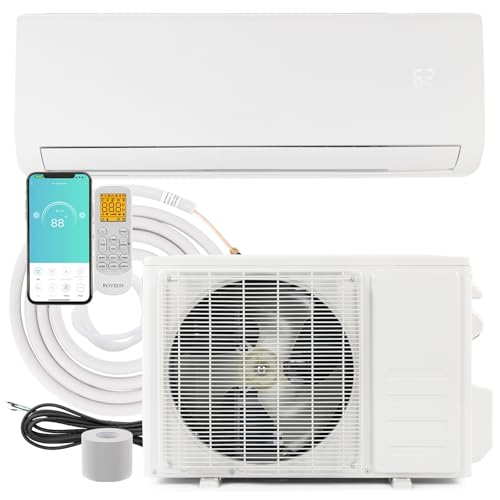 Bonnlo 18,000 BTU Ductless Mini Split AC/Heating System, 230 V / 20 SEER Split-System Wall Air Conditioner Pre-Charged Inverter Heat Pump with 16ft Installation Kit