Radiant Heater Market: Top Items & Buying Guide
Finding the right radiant heater for your needs can significantly improve comfort in cooler spaces. These heaters provide direct warmth, much like the sun, making them a popular choice for workshops, garages, patios, and even supplement heating in homes. This guide will walk you through the top radiant heater options available on the market and help you understand what to look for when making your purchase.
In short, the radiant heater market offers diverse options from portable electric models to powerful propane units. Key considerations include heat output (BTUs/watts), fuel type, safety features like tip-over protection, and intended use environment. Choosing a model with appropriate coverage and energy efficiency will ensure optimal warmth and value.
Key Takeaways
- Radiant heaters provide efficient spot heating, warming objects and people directly rather than just the air.
- Consider fuel type (electric, propane, kerosene, natural gas) based on availability and ventilation.
- Heat output, measured in BTUs or watts, should match the size of the space you need to heat.
- Safety features like auto shut-off, tip-over switches, and cool-touch exteriors are crucial.
- Installation and maintenance requirements vary significantly between different types of radiant heaters.
What is a Radiant Heater and How Does It Work?
A radiant heater operates on a simple yet effective principle: it emits infrared radiation that directly heats objects and people in its path. Unlike convection heaters, which warm the air that then circulates, radiant heaters bypass the air entirely. This means you feel the warmth almost instantly, even in spaces with drafts or high ceilings where air heating would be inefficient.
The heat source within a radiant heater, whether it’s an electric element, a glowing ceramic burner, or a flame, gets very hot. This intense heat then radiates outwards in the form of infrared waves. These waves travel in straight lines until they strike an object, where they are absorbed and converted into heat.
This direct heat transfer is what makes radiant heaters so effective for localized warming.
- Mechanism: Emits infrared radiation that travels in straight lines.
- Heating Method: Directly heats objects and people, not the air.
- Speed: Provides near-instantaneous warmth upon activation.
- Efficiency: Ideal for spot heating and drafty areas where convection is less effective.
- Types of Radiation: Primarily Far-infrared, Mid-infrared, and Near-infrared, each with different penetration depths.
- Applications: Suitable for garages, workshops, patios, outdoor seating areas, and supplemental home heating.
The effectiveness of a radiant heater is largely dependent on its placement and the environment. In enclosed spaces with good insulation, they can significantly reduce reliance on central heating. For outdoor use, they provide comfort without needing to heat the entire volume of air.
Understanding this fundamental difference from other heater types is key to appreciating their benefits.
Types of Radiant Heaters Available
The radiant heater market is diverse, offering solutions for various needs and fuel preferences. Each type has its own advantages and disadvantages, making it important to match the heater to your specific application. From portable electric models to powerful, fixed-installation gas units, there’s a radiant heater for almost any scenario.
Electric radiant heaters are the most common for indoor residential use. They are generally safe, easy to operate, and require no special ventilation. However, their running costs can be higher depending on electricity prices.
Propane and natural gas heaters are typically more powerful and cost-effective to run for larger spaces or outdoor applications, but they necessitate proper ventilation due to combustion byproducts.
| Heater Type | Fuel Source | Pros | Cons |
|---|---|---|---|
| Electric Radiant Panel | Electricity | Safe, no fumes, quiet, easy installation, thermostat control. | Higher running costs, requires electrical outlet, less powerful for very large spaces. |
| Infrared Quartz Heater | Electricity | Portable, quick heating, often includes multiple heat settings. | Can be very hot to touch, limited coverage area for some models. |
| Propane/Natural Gas Radiant Heater | Propane or Natural Gas | High heat output, efficient for large or outdoor spaces, lower running cost for gas. | Requires ventilation, potential fumes, fuel storage (propane), may require professional installation. |
| Kerosene Heater | Kerosene | Very high heat output, portable, good for emergencies or unpowered areas. | Requires ventilation, fuel odor, fuel storage, potential safety concerns if not used correctly. |
The choice often comes down to your specific requirements regarding portability, fuel availability, and the size of the area to be heated.
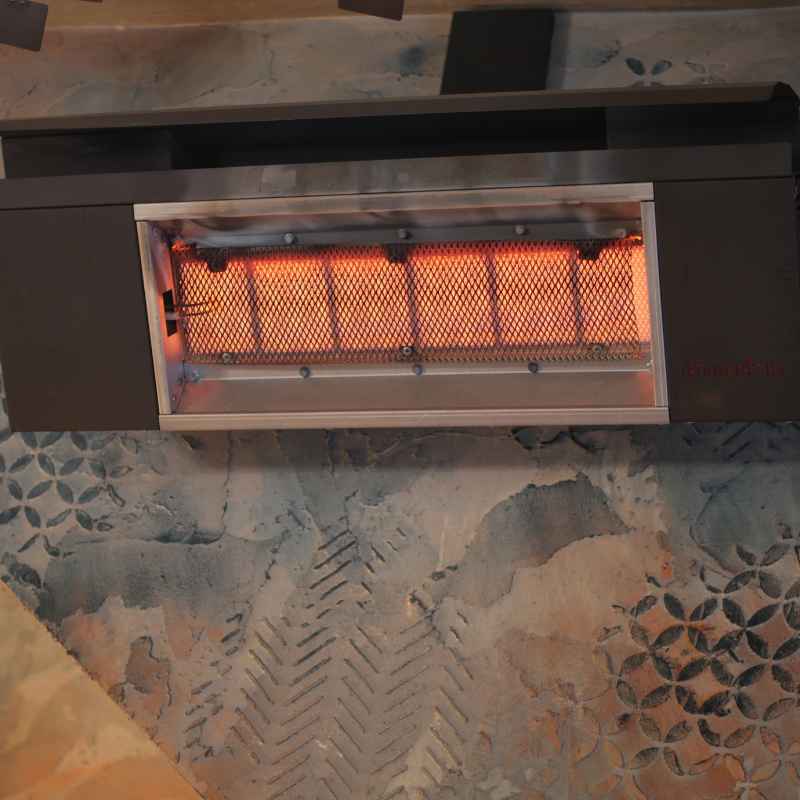
- Electric Radiant Panels: Typically mounted on walls or ceilings, providing consistent, background warmth.
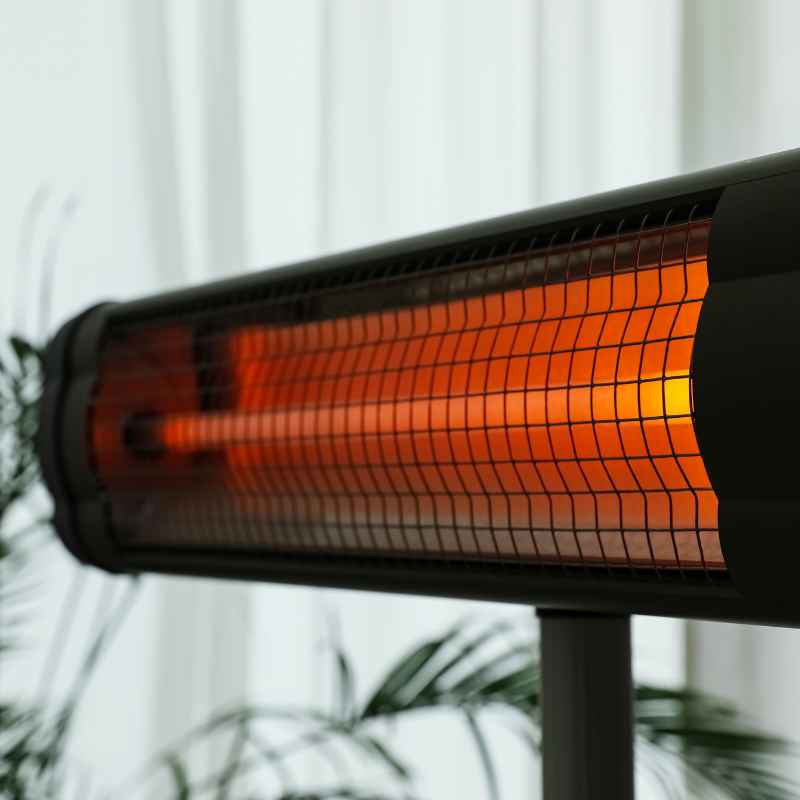
- Portable Electric Infrared Heaters: Often shaped like a tower or space heater, easy to move between rooms.
- Propane Patio Heaters: Tall, free-standing units designed for outdoor use, providing warmth over a wide area.
- Garage/Workshop Heaters: Can be electric, propane, or kerosene, built for rugged environments and higher heat output.
- Built-in Gas Radiant Heaters: Often mounted in garages or workshops, connected to a gas line for continuous use.
Top Electric Radiant Heaters on the Market
Electric radiant heaters are a popular choice due to their ease of use, safety, and no need for external fuel sources. They are perfect for supplemental heating in living areas, offices, or enclosed patios. When looking for an electric model, consider its wattage, coverage area, and any advanced features like thermostats or remote controls.
Many electric radiant heaters utilize quartz elements or ceramic plates to generate infrared heat. These are often designed to be compact and portable, making them versatile. Some higher-end models offer programmable thermostats to maintain a consistent temperature, saving energy and money.
Always check the power consumption to ensure your home’s electrical system can support it, especially if using multiple units.
1. Dr. Infrared Heater DR-975 1500W Portable Infrared Heater
This portable infrared heater is a strong contender for effective spot heating. Its dual heating technology, combining infrared heat and a blower, aims to deliver warmth quickly and efficiently. It’s designed with safety in mind, featuring a cool-touch exterior and tip-over protection, making it suitable for various environments.
- Heat Output: Up to 1500 watts, adjustable.
- Coverage Area: Recommended for spaces up to 1000 sq ft.
- Features: Dual heating system (infrared + blower), digital thermostat, timer, overheat protection, tip-over switch, cool-touch cabinet.
- Portability: Built-in casters for easy mobility.
- Dimensions: Approximately 16.5 x 13.5 x 15.7 inches.
Pros: Powerful heating, good coverage, safety features, portable design.
Cons: Can be a bit noisy due to the blower, higher energy consumption when running at full power.
Best For: Garages, workshops, living rooms, or basements needing quick and effective spot heating.
2. Lasko FH500 Fan Heater with Remote and Filter
While primarily a fan heater, the Lasko FH500 utilizes ceramic heating elements that produce a radiant warmth, making it a versatile option for whole-room heating. It offers multiple heat settings, a thermostat, and a cool-touch exterior for safety. The included remote control adds convenience, allowing you to adjust settings without leaving your seat.
- Heat Output: Adjustable, up to 1500 watts.
- Coverage Area: Suitable for medium to large rooms.
- Features: Multiple heat settings, adjustable thermostat, remote control, 3-year limited warranty, overheat protection, cool-touch housing.
- Additional: Removable and cleanable filter.
- Design: Compact and modern, suitable for home or office.
Pros: Easy to use, good for whole-room heating, convenient remote, safety features.
Cons: Not strictly a pure infrared heater, relies on air circulation for heat distribution.
Best For: Living rooms, bedrooms, or offices where consistent room heating is desired.
3. Induk Heat Portable Infrared Heater
The Induk Heat Portable Infrared Heater is designed for targeted warmth, using infrared technology to heat objects and people directly. Its compact size makes it ideal for personal use or heating small areas. It’s known for its quiet operation and efficient energy use, providing comfort without significant noise pollution.
- Heat Output: Varies by model, typically around 400-800 watts for personal units.
- Coverage Area: Best for personal space heating or small rooms.
- Features: Infrared heating technology, quiet operation, energy-efficient design, safety features like overheat protection.
- Portability: Lightweight and compact for easy placement.
Pros: Quiet, energy-efficient, provides instant personal warmth, compact.
Cons: Limited coverage for larger spaces, may not be powerful enough for very cold environments.
Best For: Desk heating, personal comfort in small offices, or supplementing warmth in a specific area.
Tip: When choosing an electric radiant heater, check the cord length and power requirements. Ensure it’s compatible with your home’s electrical capacity to avoid tripping breakers.
Top Propane and Gas Radiant Heaters
For spaces that lack electrical outlets, are very large, or require significant heat output, propane and natural gas radiant heaters are excellent choices. These units are commonly used in garages, workshops, outdoor patios, and agricultural settings. They offer a powerful and often more economical way to heat, but require careful consideration of ventilation and fuel handling.
Propane heaters are portable and do not require a gas line, making them versatile for temporary heating needs or areas without natural gas access. Natural gas heaters are typically stationary and connect directly to a gas supply, offering a convenient, continuous heat source. Both types produce carbon monoxide as a byproduct of combustion, so proper ventilation is non-negotiable for safety.
1. Mr. Heater Buddy MH9BX Propane Heater
The Mr. Heater Buddy is a ubiquitous portable propane heater known for its reliability and safety features. It’s a popular choice for emergency heating, camping, and warming garages or workshops.
Its three-position heat setting allows for adjustable output, and it includes several safety mechanisms, including a low-oxygen sensor and tip-over switch.
- Heat Output: 4,000-9,000 BTU/hour.
- Fuel: 1lb disposable propane cylinder (or bulk cylinder with optional hose).
- Coverage Area: Recommended for enclosed spaces up to 200 sq ft.
- Features: Auto shut-off, low-oxygen sensor (LOPS), tip-over switch, swivel-out cylinder ayak.
- Portability: Compact and lightweight design.
Pros: Very portable, reliable safety features, sufficient heat for medium spaces, easy to use.
Cons: Fuel odor can be noticeable, requires good ventilation, propane cylinders can add up in cost.
Best For: Garages, workshops, camping, tailgating, and emergency backup heating.
2. Hiland HZ-20SS-T Propane Patio Heater
This tall, standing propane patio heater is designed to provide radiant warmth over a wide area, perfect for outdoor gatherings or unheated patios. It features a sturdy stainless steel construction for durability and a wide base for stability. The adjustable heat control allows you to regulate the warmth output.
- Heat Output: Up to 46,000 BTU/hour.
- Fuel: Standard 20lb propane tank (not included).
- Coverage Area: Approximately 10-15 ft diameter.
- Features: Stainless steel construction, adjustable heat control, mobility wheels, anti-tip mechanism.
- Ignition: Piezo ignition system for easy starting.
Pros: High heat output, wide coverage for outdoor spaces, durable construction, stylish design.
Cons: Requires a larger propane tank, not suitable for enclosed indoor spaces, can be affected by wind.
Best For: Patios, decks, outdoor entertaining areas, and large open-air spaces.
3. Dyna-Glo RMC-5509B 42,000 BTU Propane Convection Heater
While this model is primarily a convection heater, its robust output makes it suitable for spaces where radiant heat is also desirable. It’s designed for large areas like garages and workshops. It offers multiple heat settings and a thermostat for temperature control.
Note: This unit offers significant radiant heat as a byproduct of its powerful convection heating.
- Heat Output: 30,000 – 42,000 BTU/hour.
- Fuel: Connects to a 20lb propane cylinder.
- Coverage Area: Recommended for spaces up to 1000 sq ft.
- Features: Thermostat control, auto shut-off, low-oxygen sensor, tip-over safety switch, piezo igniter.
- Portability: Integrated wheels and handle for easier movement.
Pros: Very high heat output for large spaces, thermostat control, good safety features.
Cons: Requires proper ventilation, can produce some fumes, larger footprint.
Best For: Large garages, workshops, barns, or any large unheated space requiring substantial heat.
Important: Always ensure adequate ventilation when using propane or kerosene heaters. Carbon monoxide poisoning is a serious risk. Never use these heaters in sleeping areas or unventilated enclosed spaces. Check local building codes for any restrictions.
Factors to Consider When Buying a Radiant Heater
Selecting the best radiant heater involves more than just looking at the price tag. You need to consider several factors to ensure you get a unit that’s effective, safe, and suited to your specific needs. The intended environment, fuel availability, and desired heat output are primary concerns.
The size of the space you need to heat is paramount. A small portable heater won’t suffice for a large garage, and an oversized patio heater might be overkill for a small enclosed porch. Safety features are non-negotiable, especially if children or pets are around.
Understanding the different types of radiant heat and their applications will help you make an informed decision.
- Heat Output (BTUs/Watts): This is the most critical factor. Match the heater’s output to the square footage of the area you need to warm. A general rule of thumb for indoor spaces is 10 watts per square foot for well-insulated areas, but this can increase significantly for drafty or outdoor spaces. Propane heaters are measured in BTUs, with higher numbers indicating more heat.
- Fuel Type: Decide between electric, propane, natural gas, or kerosene. Electric is convenient and safe for indoors, but can be costly to run. Propane and gas are powerful but require ventilation and fuel handling.
- Safety Features: Look for tip-over shut-off, overheat protection, cool-touch exteriors, and low-oxygen sensors (for fuel-burning units). These features are essential for preventing accidents.
- Portability vs. Permanence: Do you need to move the heater between rooms or locations, or will it have a fixed spot? Portable units are often smaller and lighter, while fixed units might be more powerful or efficient.
- Thermostat and Controls: A built-in thermostat allows you to set and maintain a desired temperature, which is more energy-efficient than having the heater run constantly. Remote controls add convenience.
- Ventilation Requirements: For propane, natural gas, and kerosene heaters, ensure you have adequate ventilation. This might mean an open door, a window, or a dedicated vent.
- Cost of Operation: Consider the ongoing cost of electricity, propane, or other fuels. A cheaper unit to buy might cost more in the long run.
| Factor | Consideration | Importance |
|---|---|---|
| Space Size | Measure square footage accurately. | High – determines required BTU/wattage. |
| Fuel Availability | Check access to electricity, propane, or natural gas. | High – dictates heater type. |
| Safety Certifications | Look for ETL, UL, or CSA certifications. | Critical – ensures safety standards are met. |
| Budget (Initial & Operating) | Factor in purchase price and ongoing fuel costs. | Medium to High – depends on personal finances. |
| Noise Level | Consider if the heater will be used in a quiet environment. | Medium – especially relevant for electric models with blowers. |
By carefully evaluating these points, you can narrow down your options and find the radiant heater that best suits your home or workspace.
Installation and Maintenance Tips
Proper installation and regular maintenance are crucial for the safe and efficient operation of any radiant heater. Following manufacturer guidelines and best practices will extend the life of your heater and prevent potential hazards. For gas heaters, professional installation is often recommended.
For electric heaters, installation is usually straightforward – plug it in and go. However, ensure the outlet is suitable for the heater’s power draw. For gas heaters, professional installation is highly advised to ensure proper gas line connection and ventilation setup.
Regular cleaning and checks are essential for all types.
- Read the Manual: Always start by thoroughly reading the manufacturer’s installation and operation manual.
- Clearance: Maintain recommended clearances from combustible materials (walls, furniture, curtains). This is critical for all heater types.
- Ventilation (Gas/Kerosene): Ensure continuous airflow. For indoor use of fuel-burning heaters, a CO detector is essential.
- Fuel Storage: Store propane or kerosene in a cool, well-ventilated area away from ignition sources.
- Cleaning: Dust and debris can reduce efficiency and become a fire hazard. Regularly clean the exterior, grills, and any filters.
- Inspection: Periodically inspect cords, plugs, gas lines, and burner components for any signs of damage or wear.
- Professional Servicing: Consider annual professional servicing for gas heaters to ensure optimal performance and safety.
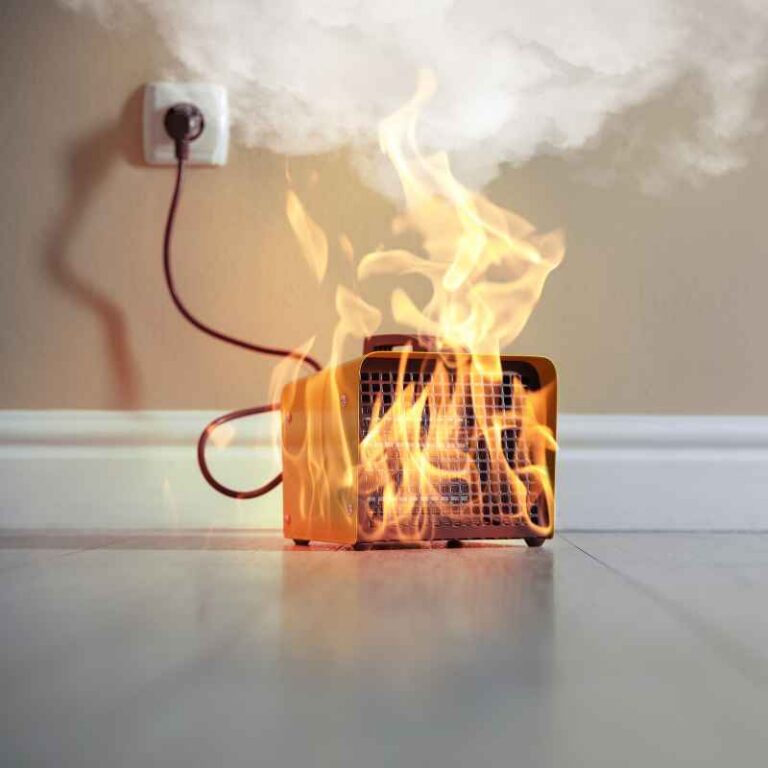
Warning: Never use a fuel-burning heater (propane, kerosene, natural gas) indoors without adequate ventilation. Carbon monoxide (CO) is a silent, odorless killer. Always have working CO detectors installed on every level of your home, especially near sleeping areas.
Frequently Asked Questions
What is the difference between radiant and convection heaters?
Radiant heaters emit infrared radiation that directly heats objects and people. Convection heaters warm the air, which then circulates to heat the space. Radiant heat feels instant and is great for spot heating, while convection heating provides more even room temperature but takes longer.
Can I use a propane heater indoors?
Only if the heater is specifically designed and certified for indoor use, and you have adequate, continuous ventilation and a working carbon monoxide detector. Most portable propane heaters are for outdoor or well-ventilated spaces only. Never use them in bedrooms or unventilated areas.
How much heat output do I need for my garage?
For a typical two-car garage (around 400-500 sq ft), a heater with an output of 20,000-40,000 BTUs is often sufficient, depending on insulation levels and local climate. Electric heaters in the 1000-1500 watt range can also work for smaller, better-insulated garages.
Are radiant heaters energy efficient?
Radiant heaters are very efficient for their intended purpose: spot heating. They deliver heat directly where it’s needed, minimizing energy wasted heating empty air or large volumes. For whole-room heating, their efficiency depends on factors like insulation and whether they are electric or fuel-burning.
What is the best type of radiant heater for outdoor use?
For outdoor spaces like patios or decks, propane patio heaters (like the Hiland HZ-20SS-T) are usually the best choice due to their high heat output and wide coverage. Electric patio heaters are also available but tend to be less powerful and require an outdoor-rated electrical connection.
Final Thoughts
Choosing the right radiant heater involves understanding your specific heating needs and the environment. Whether you opt for a safe and convenient electric model for personal spaces or a powerful propane unit for a workshop, prioritizing safety features and proper usage is paramount. By considering heat output, fuel type, and the factors outlined in this guide, you can ensure efficient, comfortable warmth all season long.
Sponsored / affiliate links. As an Amazon Associate I earn from qualifying purchases. I may earn additional commission from eligible campaigns.