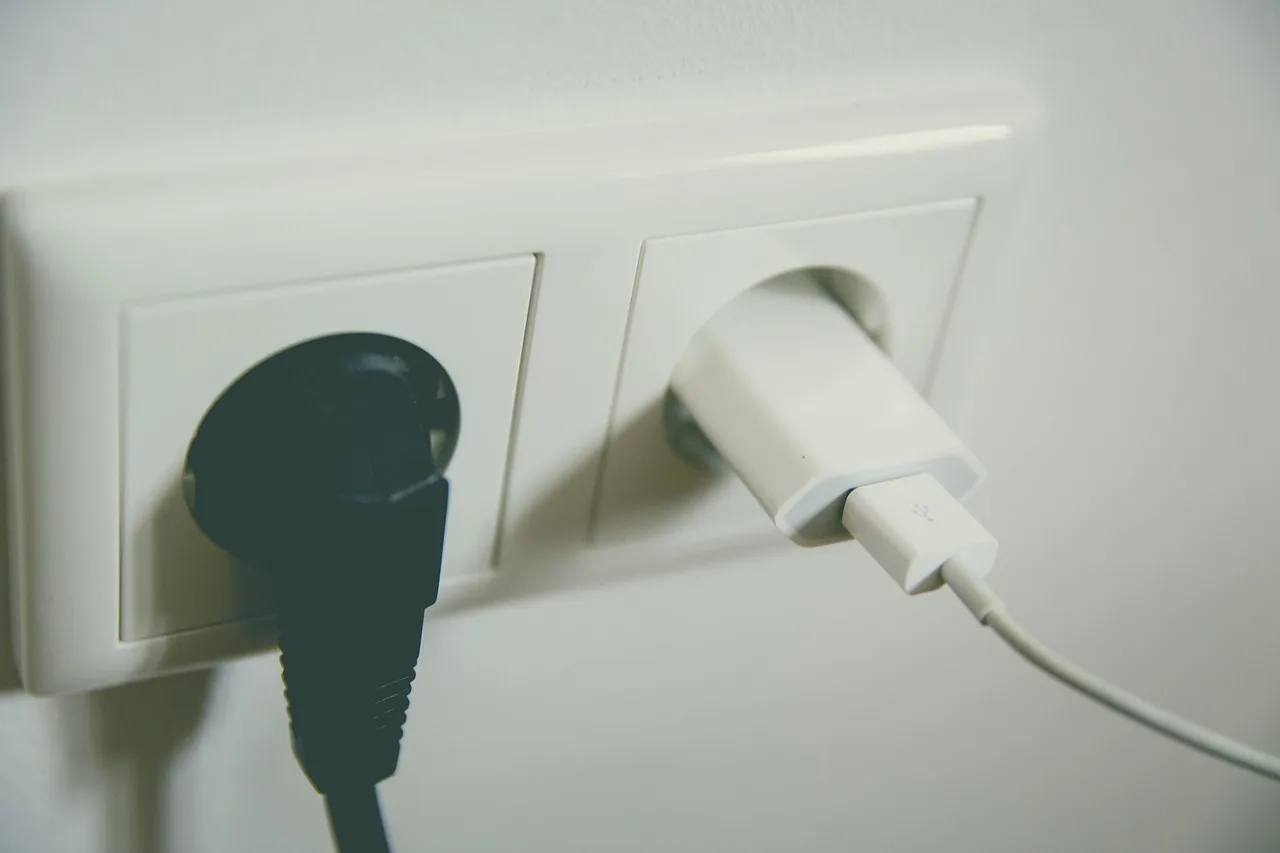
Electrical Outlets Guide
Author and field note: This guide was reviewed and updated by Daniel Reed, editor, using field notes from hands-on residential troubleshooting and replacement work. I have spent time tracing open grounds, replacing back-wired worn receptacles, confirming line/load on GFCIs, checking breaker sizing against conductor gauge, and testing downstream protection after kitchen, bath, garage, and bedroom outlet changes. The room-by-room advice below reflects those real inspection steps rather than catalog descriptions alone.
Choose outlets by three checks: circuit amperage, room conditions, and protection type—15-amp receptacles suit many general-use circuits, while kitchens, baths, garages, outdoors, and heavy-use areas may call for 20-amp, GFCI, AFCI, or tamper-resistant models. Choose the wrong one and you may get a bathroom GFCI that trips every time a hair dryer starts, a garage receptacle that fails inspection, a freezer outlet on the wrong device, or a setup that leaves shock and fire hazards in the wall. This guide sorts outlet types by room, load, grounding, and safety features so you can choose the right receptacle for remodels, replacements, and new appliance locations.
How to use this electrical outlets guide


Start with the room, then check moisture, load, and convenience needs
The room usually narrows the choice fast. A bathroom outlet sits near water. A garage outlet may deal with dust, damp air, a freezer, and power tools. A bedside outlet may need lamp power and easy phone charging.
That is why this Electrical outlets guide starts with room use, then narrows the choice by load, grounding, and protection features. I have seen plenty of outlet swaps go wrong because the device looked right from the front while the branch circuit behind it was wrong for the receptacle. On service calls, that usually shows up as a mismatched breaker and wire size, a reversed line/load connection on a GFCI, an ungrounded older cable feeding a modern three-slot face, or a multi-outlet run with one failed backstab connection killing everything downstream.
The four selection filters
- Circuit rating: Check whether the branch circuit is built for a 15-amp or 20-amp receptacle.
- Protection type: Decide whether the location needs GFCI, AFCI, tamper-resistant, or a combination.
- Grounding: Confirm whether the outlet is grounded, ungrounded, or only appears grounded.
- Device features: Add convenience items such as USB charging or smart control only after the first three checks pass.
Outlet type versus circuit type
An electrical outlet, also called a receptacle, is the fixed half of the plug-and-socket pair. In many homes, the standard general-purpose receptacle is a 120-volt device used for lamps, chargers, vacuums, televisions, kitchen counter appliances, and other plug-in loads.
The receptacle face matters, but I always check the wire size, breaker size, grounding path, and box fill before I call a job done. A decorative cover plate only changes the look. It does not change amp rating, grounding, GFCI protection, or child safety.
When the decision goes beyond a simple face replacement, the real work is usually upstream: confirming whether the branch circuit is 15 or 20 amps, whether the cable has a valid equipment grounding conductor, whether box volume is adequate for the conductor count and device, and whether required protection belongs at the receptacle or at the breaker. For related troubleshooting, it also helps to understand breaker types, when a device problem is really a circuit problem, and how outlet testing can reveal open grounds, reversed polarity, or dead downstream receptacles.
What are the main types of electrical outlets?
Common home outlet types include standard 120-volt receptacles, GFCI receptacles, tamper-resistant receptacles, USB receptacles, smart receptacles, and heavier-duty 20-amp versions of standard outlets. Some safety functions, especially AFCI protection, may be provided by the breaker instead of the receptacle itself. The National Electrical Code references receptacle ratings and configurations in Article 210, with attachment-plug and receptacle configurations standardized by NEMA patterns such as 5-15 and 5-20. For product marking and installation details, manufacturers such as Leviton, Hubbell, and Eaton publish device-specific instructions and ratings.
Standard 120-volt receptacles for everyday use
The standard home receptacle is the common duplex outlet found in bedrooms, living rooms, halls, and many other dry locations. It handles general plug-in loads and usually appears as either a 15-amp receptacle or a 20-amp receptacle, depending on the circuit.
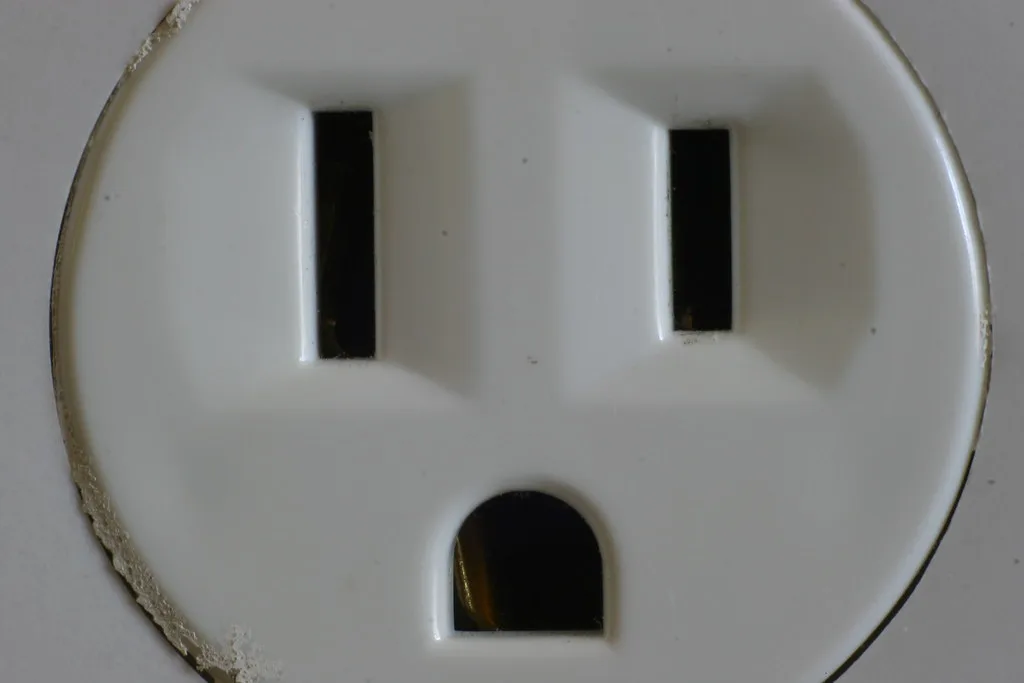
The common 15-amp style is the NEMA 5-15 type. It has two vertical slots and a grounding opening below them on grounded versions.
Two-slot vs. three-slot receptacles
A two-slot receptacle has no grounding opening. In older homes, that often means the outlet is ungrounded. A three-slot receptacle includes a grounding opening, but that alone does not prove a real equipment ground is present.
That distinction matters. A three-slot face can be fed by proper grounded wiring, by GFCI protection on an older ungrounded circuit, or by an unsafe false ground. I never assume “three holes” means “safe and modern.” The U.S. Consumer Product Safety Commission warns that replacing a two-prong receptacle with a three-prong type without proper grounding or permitted GFCI protection can create a hazard, and NEC 406.4(D) addresses replacement receptacles on grounding-type and nongrounding-type circuits.
Specialty receptacles: GFCI, tamper-resistant, USB, and smart
A GFCI outlet protects people from ground-fault shock. It usually has test and reset buttons on the face and is commonly used near water sources. UL’s consumer guidance and device manufacturers note that the test button should be used regularly to verify operation.
A tamper-resistant receptacle has internal shutters that block foreign objects from entering one slot at a time. It is identified by a TR marking. NEC 406.12 covers tamper-resistant receptacles in dwelling units, and manufacturer markings place TR on the face when the receptacle is listed as tamper-resistant.
A USB outlet adds built-in USB-A, USB-C, or both for direct charging. It is a convenience feature, not a safety feature.
A smart outlet adds app control, scheduling, automation, and sometimes energy monitoring. It is different from a smart plug, which simply plugs into an existing outlet.
Decorative cover plates vs. the receptacle itself
Cover plates are finish pieces. They can be plain, oversized, screwless, or made to suit a room style. They do not change whether the device is grounded, GFCI-protected, tamper-resistant, or rated for 15 amps or 20 amps.
How do 15-amp and 20-amp outlets differ?
A 15-amp receptacle is the standard residential outlet for typical rooms and small plug-in loads, while a 20-amp receptacle is a heavier-duty version used where the branch circuit and expected load call for it. The branch circuit rating comes first; the outlet must match that design.
How to recognize a 15-amp receptacle
A 15-amp receptacle in the NEMA 5-15 style has two vertical blade slots and a grounding opening. This is the default outlet for many lighting and general-use circuits in bedrooms, living rooms, and similar spaces.
How to recognize a 20-amp receptacle
A 20-amp receptacle usually has a T-slot shape on one side. That shape allows certain 20-amp plugs to fit. It should only be installed where the branch circuit and wiring are built for a 20-amp receptacle.
Matching outlet rating to the branch circuit and wiring
This is where mistakes happen. A 20-amp receptacle is not a shortcut to “more power.” It belongs on a higher-load circuit designed for that receptacle. If the breaker, wire size, grounding, or box fill are wrong, changing the face device does not fix the real problem.
For a replacement, the safe choice is usually to match what the circuit was designed for, then confirm whether the load has changed. I have seen a new freezer, air compressor, or laundry setup turn a simple swap into a full circuit review. In practice, that means reading the breaker size, verifying conductor gauge, checking device feed-through load, and looking at the appliance plug configuration before choosing a 5-15 or 5-20 receptacle. NEC 210.21(B) and 210.24 are the code sections electricians commonly reference when matching receptacle ratings to branch circuits.
Where 20-amp receptacles make sense in real homes
Real-world examples include some kitchen small-appliance circuits, garage work areas, laundry spaces, and utility locations where heavier plug-in loads are expected. They also appear where a specific appliance has a 20-amp plug and the circuit is built to serve it.
What is the difference between GFCI and AFCI protection?
GFCI protection is for shock risk, especially around water, while AFCI protection is for arc-fault fire risk caused by damaged conductors, loose connections, or failing cords. They solve different problems, and many homes use AFCI at the breaker rather than at the receptacle face.
What a GFCI outlet does
A GFCI receptacle monitors for a ground fault and trips fast when current goes where it should not. The goal is people protection. That is why these outlets are commonly used in bathrooms, kitchens, garages, laundry areas, basements, and exterior locations. UL and major device manufacturers describe Class A GFCI devices as tripping at small leakage-current levels intended for personnel protection, and NEC 210.8 is the main code section that lays out where GFCI protection is required.
The face usually includes test and reset buttons. Pressing test should cut power. Reset restores power if the device is working and the fault is gone. On actual replacements, I verify line and load conductors before energizing, then test both the receptacle face and any downstream receptacles fed from the load terminals so a hidden miswire does not leave part of the run unprotected. If you are comparing device protection with upstream protection, see our guide to GFCI outlet vs. breaker.
What AFCI protection does
AFCI stands for arc-fault circuit interrupter. It looks for arcing patterns that can start fires inside cords, cable runs, or loose terminations. In many homes, AFCI protection is handled by the breaker, not a visible receptacle at the wall. (en.wikipedia.org) The stronger authority for actual installation decisions is NEC 210.12, along with manufacturer instructions for the specific AFCI breaker or outlet branch-circuit AFCI device being used.
That is why a bedroom outlet can look completely ordinary while still being AFCI-protected upstream at the panel.
Rooms that may need one, the other, or both
Bathrooms and exterior outlets often point first toward GFCI protection because moisture is a common concern. Bedrooms and living areas often point toward AFCI protection because the concern is arc-related fire risk in everyday plug-in circuits.
Kitchens, laundry rooms, and some utility spaces may call for both protections, depending on how the circuit is arranged. Keep the functions separate in your head: GFCI for shock, AFCI for arcing fire risk. In field work, I see confusion when homeowners assume one device covers every hazard; it does not. The code-required protection depends on the location, branch-circuit arrangement, and the edition enforced by the authority having jurisdiction.
How to test GFCI protection and what tripping can mean
If a GFCI trips during the built-in test, that usually means the device is alive and responding. If it trips during normal use, the cause may be moisture, a failing appliance, a wiring fault, or a downstream outlet issue.
Repeated tripping is a clue, not something to bypass. A bathroom hair tool, an exterior string of lights, or a garage freezer can each point to a different fault, and I treat those patterns seriously. My normal process is to unplug loads, test the device with the built-in button, check for downstream receptacles on the load side, and then isolate appliances one by one before I blame the GFCI itself.
When do you need tamper-resistant, grounded, USB, or smart outlets?
Tamper-resistant outlets are widely used for child safety, grounded outlets are needed for modern plug and equipment safety, USB outlets help in charging-heavy spots, and smart outlets fit control or monitoring needs. These are different categories, so each one should be chosen for its own reason.
Tamper-resistant receptacles and the TR marking
Tamper-resistant receptacles use internal shutters that open only when both plug blades enter together. They are marked TR. In newer homes, they are commonly found throughout the house because they help stop children from pushing objects into one slot. NEC 406.12 is the code reference most often cited for where tamper-resistant receptacles are required in dwelling units, and listed products identify that feature with the TR face marking.
This is a safety feature only. A TR receptacle can also be GFCI, standard, decorative, or USB-equipped, depending on the product.
How can you tell if an outlet is grounded?
The quickest clue is the face style: two-slot usually means ungrounded, while three-slot may be grounded or may only appear so. A plug-in tester or meter can help, but older homes can fool simple testers if someone installed a false ground.
A grounded outlet normally has a real equipment grounding path back to the electrical system. An ungrounded outlet needs attention when modern three-prong equipment is being used, when a replacement added a three-slot face without proper protection, or when inspection of the circuit shows missing grounding continuity. On older circuits, I do not rely on one plug-in tester alone; I also check box bonding, cable type, continuity of the equipment grounding path where possible, and whether the receptacle replacement method complies with NEC 406.4(D). If the symptom points beyond the receptacle, an electrician or a more detailed troubleshooting visit is usually the right next step.
Where USB outlets are worth adding
USB receptacles make sense where phones, tablets, e-readers, and wearables are charged every day. Good locations include bedsides, kitchen desk areas, mudroom drop zones, and home office worktops.
They are less useful where chargers change often or where high-wattage device charging matters. The USB ports share the device’s internal power budget, and the receptacle section still has to serve ordinary plug loads. In some spots, keeping a charger brick is more flexible. I usually reserve built-in USB for stable charging habits, not for places where fast-charge standards or cable types change every year.
Smart outlets vs. smart plugs
A smart receptacle is built into the wall. It can offer scheduling, app control, automation routines, and sometimes energy monitoring. Depending on the model, it may require Wi‑Fi or a hub.
A smart plug does the same job as a plug-in add-on. It is easier to swap later, but it sticks out, can block the second socket, and can look messy behind furniture. A built-in smart outlet is cleaner. A smart plug is easier to change when platforms shift.
Room-by-room outlet selection matrix
How to read the matrix
The table below matches common spaces to the outlet style, amp rating, and protection features that usually fit best. Use it as a selection framework, then verify the actual branch circuit, grounding, and appliance load before changing anything.
| Room or area | Typical outlet type | Amp rating to look for | Protection features | Best use notes |
|---|---|---|---|---|
| Kitchen countertops and island | Grounded three-slot receptacle, often GFCI | 15-amp or 20-amp, depending on the small-appliance circuit | GFCI; AFCI may be breaker-based; TR in many homes | For mixers, toasters, coffee gear, and device charging near work areas |
| Bathroom vanity area | Grounded three-slot GFCI receptacle | 15-amp or 20-amp based on the circuit serving hair tools and grooming loads | GFCI; TR common | Place for hair dryer, toothbrush charger, and shaver use near sinks |
| Garage wall or bench area | Grounded receptacle; 20-amp style common at heavier-use spots | 15-amp for light use, 20-amp where the circuit and tools call for it | GFCI; TR common | Supports chargers, vacuums, freezers, and tool loads; watch for damp conditions |
| Bedroom bedside or general wall | Standard grounded three-slot receptacle; USB or smart optional | 15-amp in many general-use circuits | AFCI often breaker-based; TR common | Good spot for lamps, alarm clocks, chargers, and controlled receptacles |
| Exterior wall, porch, or patio | Grounded exterior-rated receptacle, often GFCI | 15-amp or 20-amp based on circuit design and expected equipment | GFCI; weather protection; TR common | Used for holiday lights, trimmers, pressure washer use, and outdoor cooking support |
| Laundry room | Grounded receptacle; 20-amp style common on heavier-use utility circuits | 15-amp or 20-amp depending on washer and utility load planning | GFCI where required; AFCI may be breaker-based; TR common | Handles washer-related plug loads and utility appliances; avoid overloading with extra gear |
Room planning notes that change the choice
Dedicated circuits matter more than face style once appliances get serious. A receptacle for a lamp is simple. A receptacle for a freezer, microwave, workbench saw, or laundry appliance needs more thought.
Moisture exposure pushes the choice toward GFCI. Child access pushes toward TR. A steady heavy load pushes the decision back to circuit design first, then to receptacle style.
How do I choose the right outlet for my room?
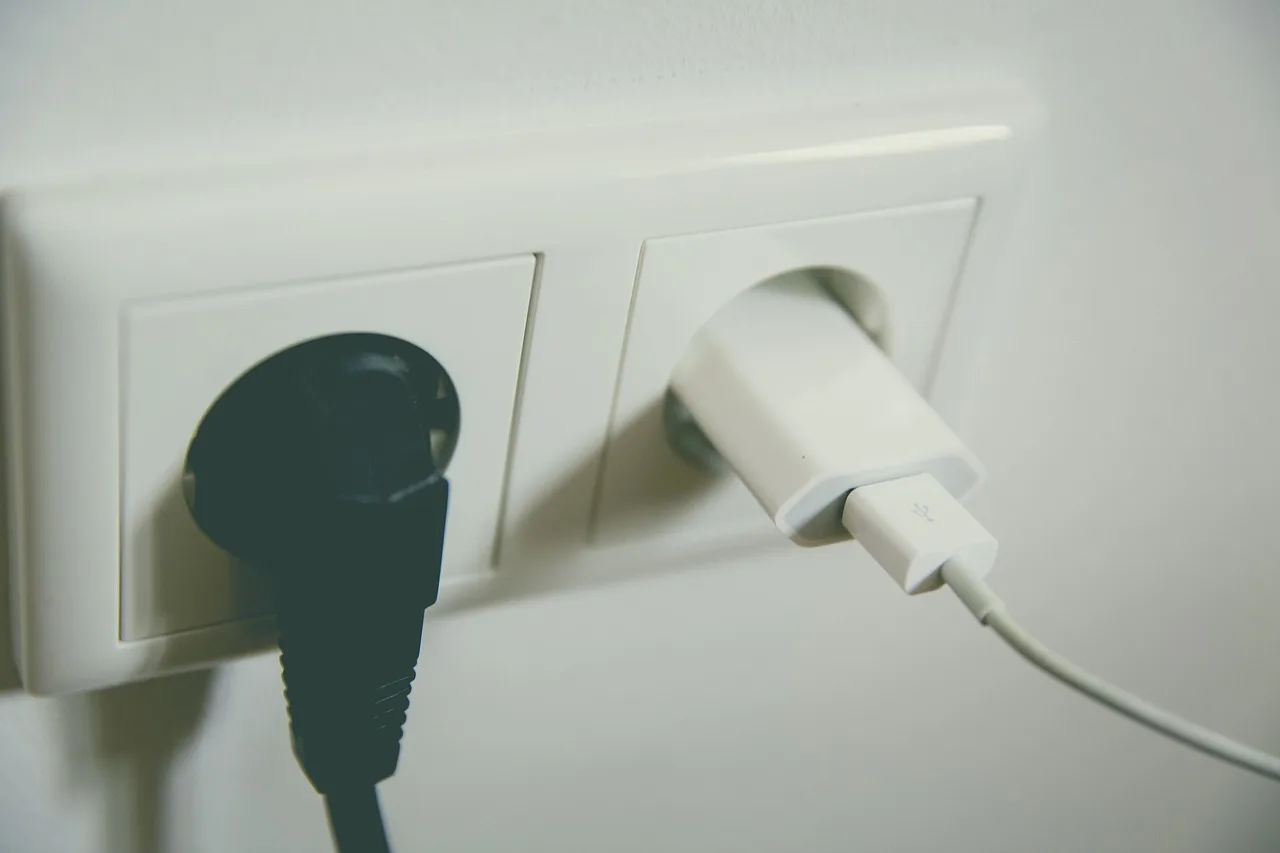
Choose the outlet by asking four questions in order: Is the circuit 15-amp or 20-amp, is the location dry or wet, does the space need GFCI or AFCI protection, and would USB or smart features add real convenience. Start with the room, then match the load.
Kitchens: countertop appliances, island locations, and small-appliance circuits
Kitchens are where outlet selection mistakes show up fast. Countertop appliances cycle on and off, heating loads are common, and water is usually nearby. I have opened plenty of kitchen boxes where a decorative receptacle looked fine and the wiring plan behind it was the real issue.
Check whether the circuit is built as a general 15-amp run or a heavier small-appliance circuit. Then add GFCI protection and grounding. USB can be useful near a desk nook or charging corner, but it should not crowd out needed plug access. NEC 210.52(B) is the code section commonly used for kitchen small-appliance branch circuits, while NEC 210.8 covers the GFCI side of the decision.
Bathrooms: hair tools, moisture exposure, and vanity convenience
Bathrooms demand GFCI thinking first. Hair dryers, curling tools, toothbrush chargers, and shavers all end up near sinks and wet hands. Grounding matters. So does plug grip, because loose plugs in a bathroom are a poor combination.
If the vanity is a daily charging station, a USB receptacle can help. If not, a standard grounded GFCI with a quality cover plate is often the better fit. For layout, NEC 210.52(D) addresses bathroom receptacle placement, and in the field I pay close attention to whether the receptacle is actually usable with mirrors, backsplash height, and cord reach from the sink area.
Garages and workshops: tool loads, freezer locations, and damp conditions
Garages mix moisture, dust, storage, and heavier loads. One wall may only run a battery charger. Another may need to serve a freezer and workbench tools. That is where 20-amp receptacles can make sense, but only on matching circuits.
GFCI protection is often part of the choice. Smart outlets can also help with seasonal gear or monitoring a freezer circuit, though many homeowners prefer a smart plug where future replacement is simpler. On real inspections, I also check cover type, box corrosion, physical abuse, and whether cords are likely to be dragged across the floor or pinched under a freezer wheel.
Bedrooms and home offices: lamp loads, device charging, and smart-control options
Bedrooms usually stay in standard grounded receptacle territory, with AFCI often handled at the breaker. USB receptacles make sense at bedsides. Smart outlets work well for lamp scheduling, holiday lighting in windows, or automation tied to routines.
Home offices need enough receptacles to avoid power-strip sprawl. Extra wall outlets in the right places often solve more problems than a fancy outlet with too many built-in features. Where a workspace is being remodeled, I plan receptacle height and spacing around desk layout, monitor power supplies, printer locations, and surge-protector use rather than assuming one duplex receptacle in the middle of the wall will be enough.
How many outlets does a room need?
A room needs enough outlets to support normal furniture layout and daily plug use without relying on extension cords across walk paths. Exact spacing rules vary by location and project, so the practical target is to place receptacles where people actually live and work. For standard dwelling rooms, NEC 210.52(A) is the code section behind the familiar wall-space spacing rule used in new work and many remodels.
Plan around furniture and habits
Count the likely loads before opening a wall. A bedroom may need lamps, phone charging, a sound machine, and vacuum access. A living room may need media gear, floor lamps, game systems, and a router.
Bad outlet planning creates extension-cord dependence. Good planning puts receptacles behind nightstands, near a dining sideboard, at a kitchen island end, or beside a media wall where plug clusters actually happen.
Where extra receptacles save hassle
Kitchens benefit from enough countertop access that appliances are not always being swapped. Media walls benefit from more than one duplex receptacle. Bedside areas benefit from easy charging that does not use a dangling power strip.
The best count is usually the one that removes daily workarounds while keeping each circuit within what it was designed to carry. In remodel planning, I also map the furniture first so the outlet count reflects real use, not just minimum code spacing.
What problems tell you an outlet is wrong, worn out, or unsafe?
Warning signs include warm faceplates, discoloration, buzzing, plugs that fall out, repeated GFCI trips, dead receptacles, and power that cuts in and out when a cord moves. Those symptoms can point to a bad receptacle, a loose connection, or a deeper circuit issue.
Warm faceplates, scorch marks, and loose plug grip
An outlet should not look cooked. Brown marks, melted plastic, or a faceplate that feels warm under ordinary use suggest overheating. A plug that slides out too easily is also a problem because loose contact creates heat.
Buzzing, intermittent power, and nuisance tripping
Buzzing is never a cosmetic issue. Intermittent power when a plug wiggles often points to worn contacts or a poor terminal connection. Repeated tripping can mean a bathroom GFCI seeing moisture, a freezer motor leaking current, an outdoor cord set in standing water, or a protection device reacting to a real fault somewhere else on the circuit.
Old two-slot receptacles, false grounds, and other warning signs
Two-slot outlets deserve a closer look whenever modern equipment is being used. So do three-slot outlets in older homes where no one has confirmed the grounding path. A false ground can make a tester read better than the wiring really is.
If an older home needs broader circuit review, that is different from a face-device swap. In those cases I usually verify whether the old cable assembly includes a usable equipment grounding path, whether the metal box is actually bonded, whether GFCI replacement with proper labeling is the legal path, and whether the problem is isolated to one receptacle or shared across the branch circuit.
When replacement is simple and when diagnosis comes first
A cracked cover plate or a worn receptacle face may be a simple device issue. Repeated tripping, dead downstream outlets, mixed grounding clues, or heat damage usually call for diagnosis before replacement.
My rule in the field is simple: cosmetic damage can be a swap, but unexplained heat, tripping, lost grounding, or half-dead receptacles call for testing first. That usually means meter checks, confirming panel labeling, tracing feed-through connections, and checking whether a receptacle failure is really the symptom of a loose splice or failing breaker upstream.
Frequently asked questions
what are the types of electrical outlets
The main home outlet types are standard 120-volt receptacles, GFCI receptacles, tamper-resistant receptacles, USB receptacles, smart receptacles, and 20-amp receptacles with a T-slot. AFCI protection also matters, though it is often provided by the breaker rather than by a special-looking wall outlet.
how do i choose the right outlet for my room
Start with the room, then check four things: circuit rating, moisture exposure, grounding, and needed features. Kitchens, baths, garages, laundry areas, and exterior walls often need GFCI protection, while bedrooms and living spaces often involve AFCI protection and standard grounded receptacles with optional USB or smart features.
what is the difference between gfci and afci outlets
GFCI protection is aimed at shock risk and is common near water. AFCI protection is aimed at arc-fault fire risk and is common in living areas and bedrooms. A GFCI often appears as a receptacle with test and reset buttons, while AFCI is often built into the breaker.
when do i need tamper-resistant outlets
Tamper-resistant receptacles are used where child safety matters and are common throughout newer homes. They have internal shutters and are marked TR. They are separate from GFCI and AFCI protection, so a tamper-resistant outlet may still need grounding, GFCI protection, or both depending on the room.
are usb electrical outlets worth it in a home
USB outlets are worth adding where charging happens every day, such as bedsides, desks, and kitchen message centers. They are less useful where charging standards change often or where high-output charging is important. In those spots, a normal receptacle with a charger brick can stay more flexible.
what is the difference between 15-amp and 20-amp outlets
A 15-amp receptacle is the standard NEMA 5-15 style used on many general-use home circuits. A 20-amp receptacle usually has a T-slot and belongs on a circuit designed for it. It should be chosen because the branch circuit and load call for it, not because more power sounds better.
Sources
- National Fire Protection Association, NFPA 70, National Electrical Code (NEC), especially Articles 210 and 406 for dwelling-unit receptacle locations, GFCI/AFCI requirements, replacement receptacles, and tamper-resistant receptacles.
- UL Solutions consumer safety guidance for GFCI testing and household electrical safety.
- U.S. Consumer Product Safety Commission guidance on outlet safety, extension-cord hazards, and grounding-related replacement risks in older homes.
- Manufacturer installation instructions and product literature from Leviton, Eaton, Hubbell, and similar listed-device manufacturers for GFCI, AFCI, TR, USB, and 15/20-amp receptacle ratings and markings.
Sponsored / affiliate links. As an Amazon Associate I earn from qualifying purchases. I may earn additional commission from eligible campaigns.


